
Hanauma Bay
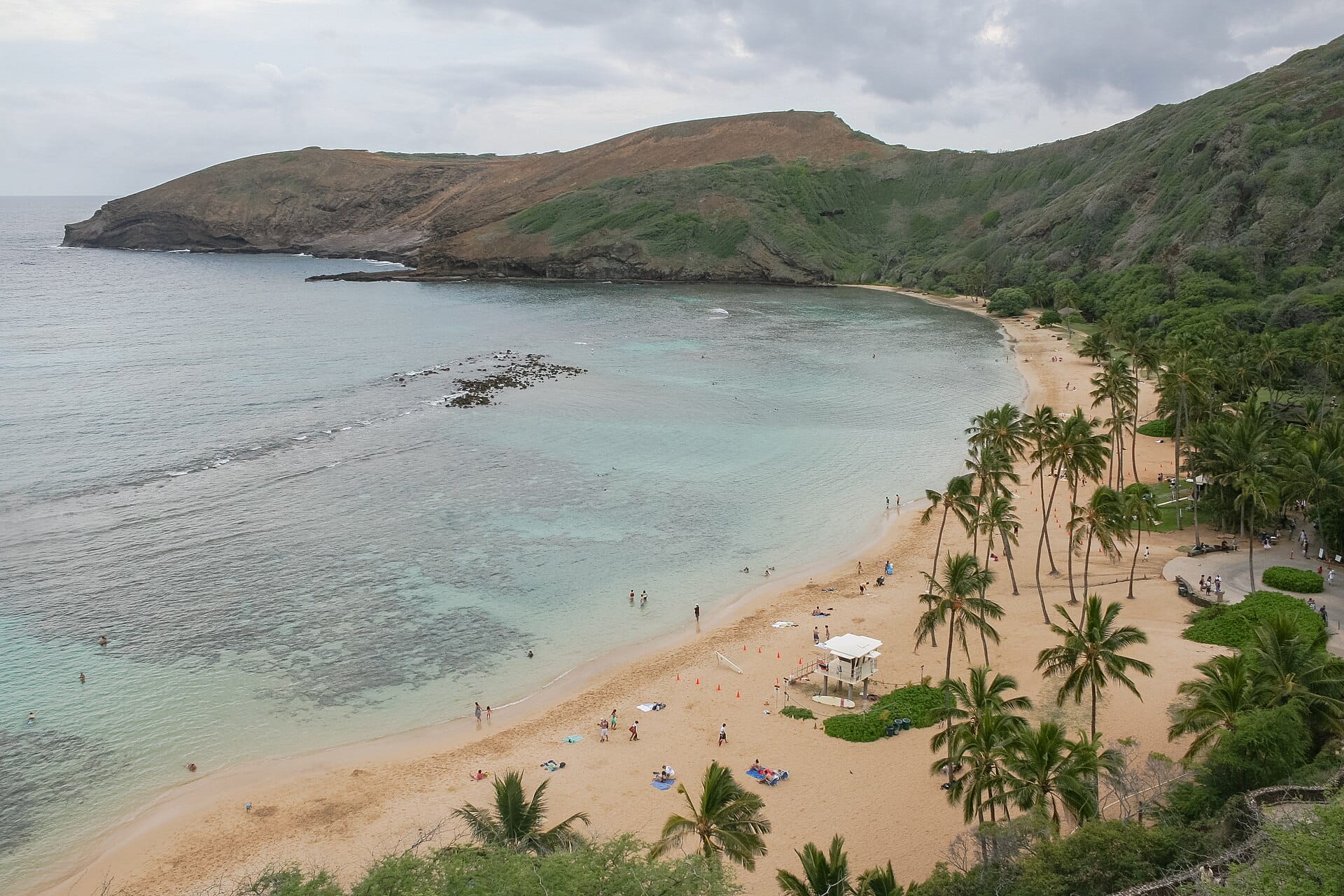
A flooded volcanic crater turned nature preserve, Hanauma is effectively a giant natural aquarium: parrotfish, tangs and green turtles cruising coral heads in water rarely deeper than a snorkeller needs.
- Best forDivers & snorkellers · Families · Wildlife & nature
- In February25°C · 6 rainy days · sea 25°C
- Ideal stayA half-day trip from Honolulu
- Approx. flying time~5h 30m from Los Angeles
- CurrencyUSDUS dollar
- LanguageEnglish
- Local time00:1411h behind the UK
- PlugsType A / BBring an adapter
- Drive on theRightOpposite to the UK
- Dialling code+1
Why go
A volcanic crater breached by the sea has left a horseshoe of reef and pale sand twenty minutes from Waikiki, where water stays shallow, warm and startlingly clear. Snorkellers float over coral heads busy with parrotfish, butterflyfish and the odd green turtle, most of it within a few metres of the surface. The setting does half the work: steep green walls close the bay in on three sides.
Treat it as a half-day rather than a beach holiday, because visitor numbers are capped, the bay closes on two days each week and morning slots offer the clearest water. It slots neatly into a drive along Oahu's south-east coast, with lookouts, blowholes and crater trails within a few kilometres. Strong swimmers wanting deeper reef, and anyone hoping for beach bars, should look elsewhere on the island.
- Ideal stay
- A half-day trip from Honolulu
- The vibe
- Sheltered, fish-filled, carefully managed
From our guides
A flooded volcanic crater on Oahu's south-east corner, Hanauma Bay is nature's own beginner pool: a reef-sheltered curve of turquoise where green sea turtles and parrotfish cruise water that rarely tops shoulder depth. It's a protected nature preserve, so numbers are capped — reserve your slot online two days ahead, arrive early and watch the orientation video without grumbling. Mornings bring the clearest water; the bay closes Mondays and Tuesdays so the fish get weekends too.
Featured in Ten snorkelling beaches with reefs right off the sand and Ten tropical snorkel and dive spots perfect for first-timers
Things to do
-
The inner reef flat
The sheltered lagoon nearest the sand is where beginners and children should stay: shallow, calm and still full of fish, with sandy channels to swim along.
-
Green sea turtles
Honu graze the algae on the reef and surface to breathe near swimmers. Law and good manners require you to keep three metres away and never touch.
-
The overlook
The path down from the car park passes a viewpoint that takes in the whole crater, the reef pattern and the colour bands of the water. Worth pausing for.
-
Halona Blowhole
A few minutes further along the coast road, a lava tube fires seawater skyward on the right swell, with a small cove beside it that appeared in an old film.
-
Koko Crater stairs
An old railway incline turned brutal staircase climbs the cinder cone above the bay. Around a thousand steps, no shade, and a genuinely large view at the top.
-
Makapu'u Point trail
A paved coastal path to a lighthouse viewpoint on the island's eastern tip. Between December and May, humpback whales are regularly spotted offshore.
Getting there
-
Fly to
Honolulu, Oahu (HNL)
Nearest airport to Oahu, about 25km away as the crow flies.
-
Then
To Honolulu
About 20 to 30 minutes by car or taxi from Honolulu airport (HNL) into Waikiki, where most visitors stay. The airport shuttle bus covers the same run.
-
On the ground
Getting around
Hanauma Bay is roughly 30 to 40 minutes east of Waikiki by car along the coast highway. Parking is small and fills early, entry slots are reserved online days ahead, and the bay is closed on Mondays and Tuesdays.
Public transport: Oahu's public bus network is genuinely good and a route runs from Waikiki out to the bay, taking about an hour. Ride-hailing is the quicker alternative to driving and parking.
Flights
Los Angeles Oahu, Hawaii
Fly from anywhere — search 4,000+ airports worldwide.
Roughly 5h 30m in the air from Los Angeles (LAX), estimated from the distance — check for a direct route. Pick a month to see every available flight with live prices.
Check dates and prices
Pick your departure date, then your return.
Search flightsNot sure when? Compare fares across a whole month.
Flight times are estimates; prices open on Google Flights.
When to go
Daytime highs run from about 25°C in February to 28°C in September. Driest in June and July and September; wettest in March, with rain on about 9 days. The sea is warmest in October at around 27°C, coolest at 25°C.
The year at a glance — pick a month for detail
February25° · rain 6 days · sea 25°Warm with the odd shower.
Monthly figures averaged from daily records for 2020–2024 at this location (ERA5 reanalysis). Highlighted months are warm and mostly dry — May to December. Live conditions from MET Norway, CC BY 4.0.
Where to stay
High-rise hotels and condominium towers along Oahu's south shore, from budget chains to resorts, plus a large holiday rental market. Rates rarely include the resort fee or parking.
-
Best base overall
Waikiki
The obvious base, with every price bracket, a swimmable beach and buses everywhere. Hanauma is around half an hour east by car, and its car park fills before nine.
Find stays in Waikiki -
Closest to the sights
Hawaii Kai
The suburb nearest the bay, ten minutes from the entrance, with condominiums, a marina and grocery shopping. Quiet residential streets, and little to do in the evening.
Find stays in Hawaii Kai -
Best with children
Diamond Head, Waikiki
The eastern end of Waikiki, calmer than the main strip, with the sheltered Kaimana and Sans Souci beaches and the aquarium and zoo close at hand.
Find stays in Diamond Head, Waikiki -
Best value
Ala Moana
Between Waikiki and downtown, with hotels and condominiums at lower rates, a vast shopping centre and a fine safe beach park. Fifteen minutes' walk to Waikiki.
Find stays in Ala Moana
Worth knowing before you book: Hanauma Bay entry is by timed online reservation released two days ahead and it goes within minutes, so set an alarm rather than turning up hopefully.
Search everything else in Honolulu by budget. These are indicative budget bands in GBP per night for two people, not live quotes or guarantees of hotel type. Check your dates, guests, taxes and final price on Booking.com.
Good to know
- Book ahead
- Entry is by timed reservation released online a couple of days in advance, and slots go within minutes. There is an admission fee for non-residents.
- Closed days
- The preserve shuts on Mondays and Tuesdays to give the reef a rest, and it also closes when conditions turn rough. Check before you drive out.
- Orientation film
- First-time visitors watch a short conservation video before going down to the sand. It is compulsory, it is not long, and the reef is better for it.
- Reef rules
- Standing on coral kills it. Wear fins, keep horizontal, and use mineral sun cream, since Hawaii bans the chemical filters that damage reefs.
- Getting there
- It sits about half an hour east of Waikiki by car, with a car park that fills early. City buses run along the coast road nearby.
Similar places
Nearby destinations
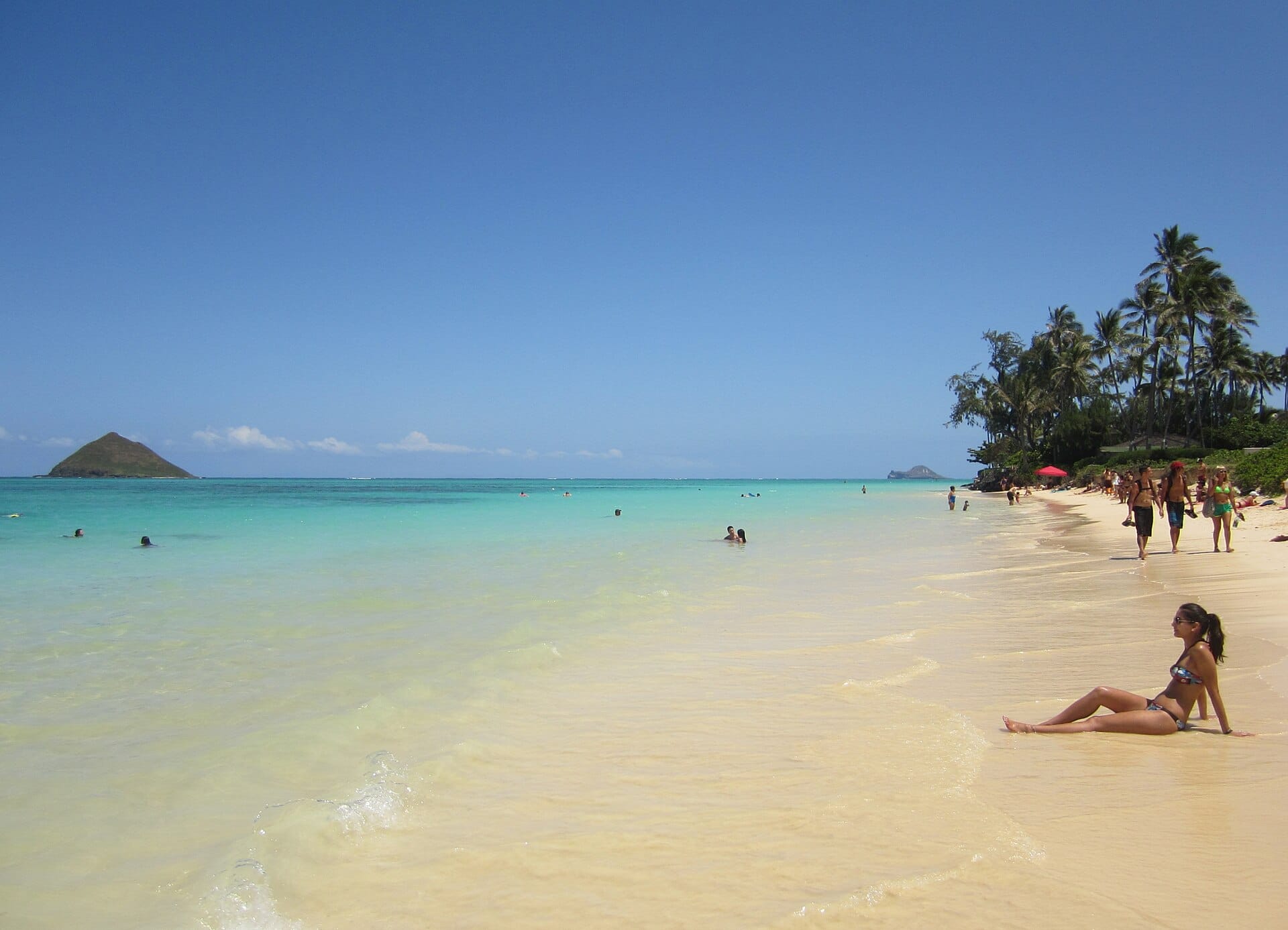
Lanikai Beach
Oahu, Hawaii · 14km away →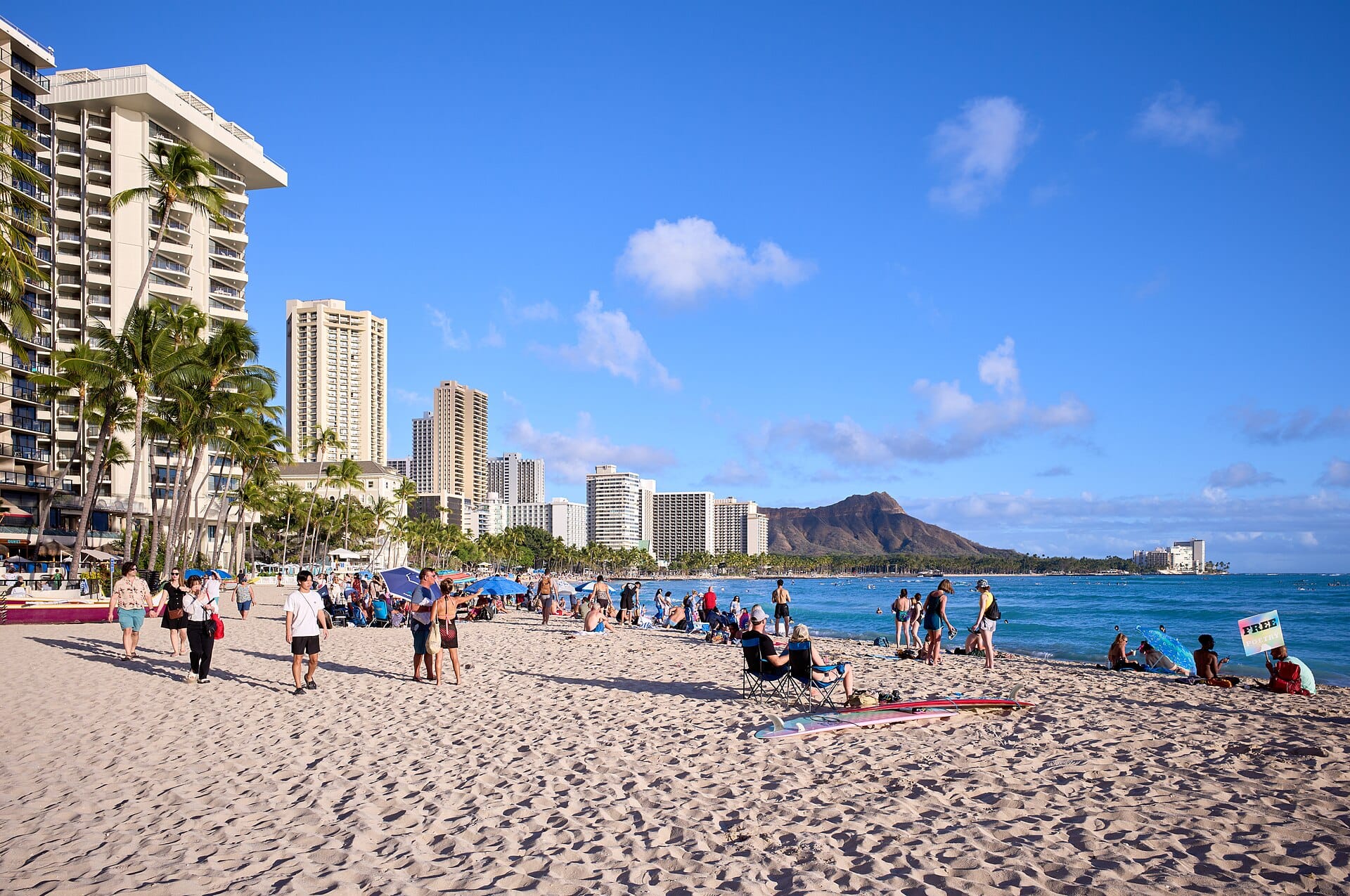
Waikiki
Oahu, Hawaii · 14km away →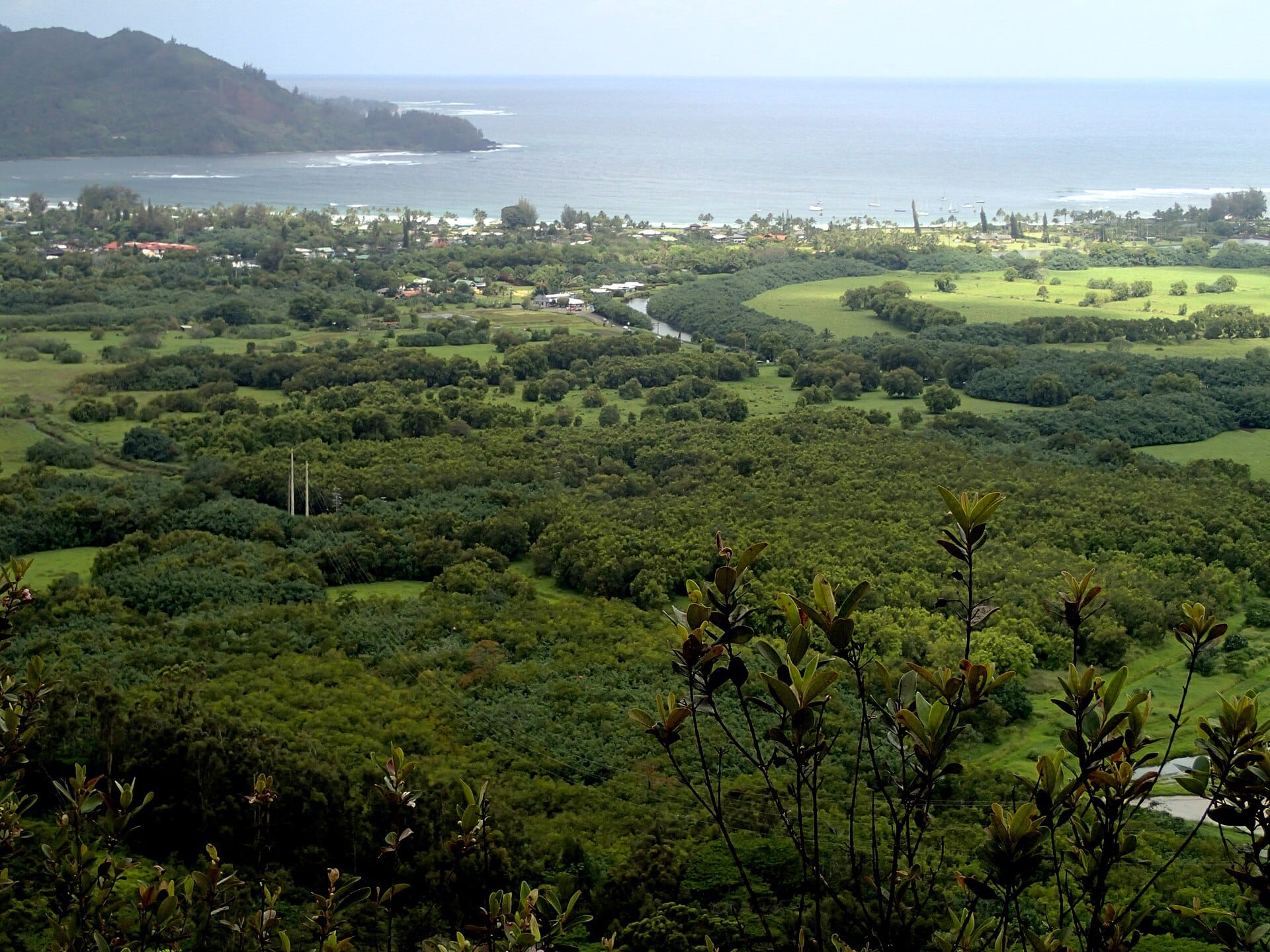
Hanalei
Hawaii · 213km away →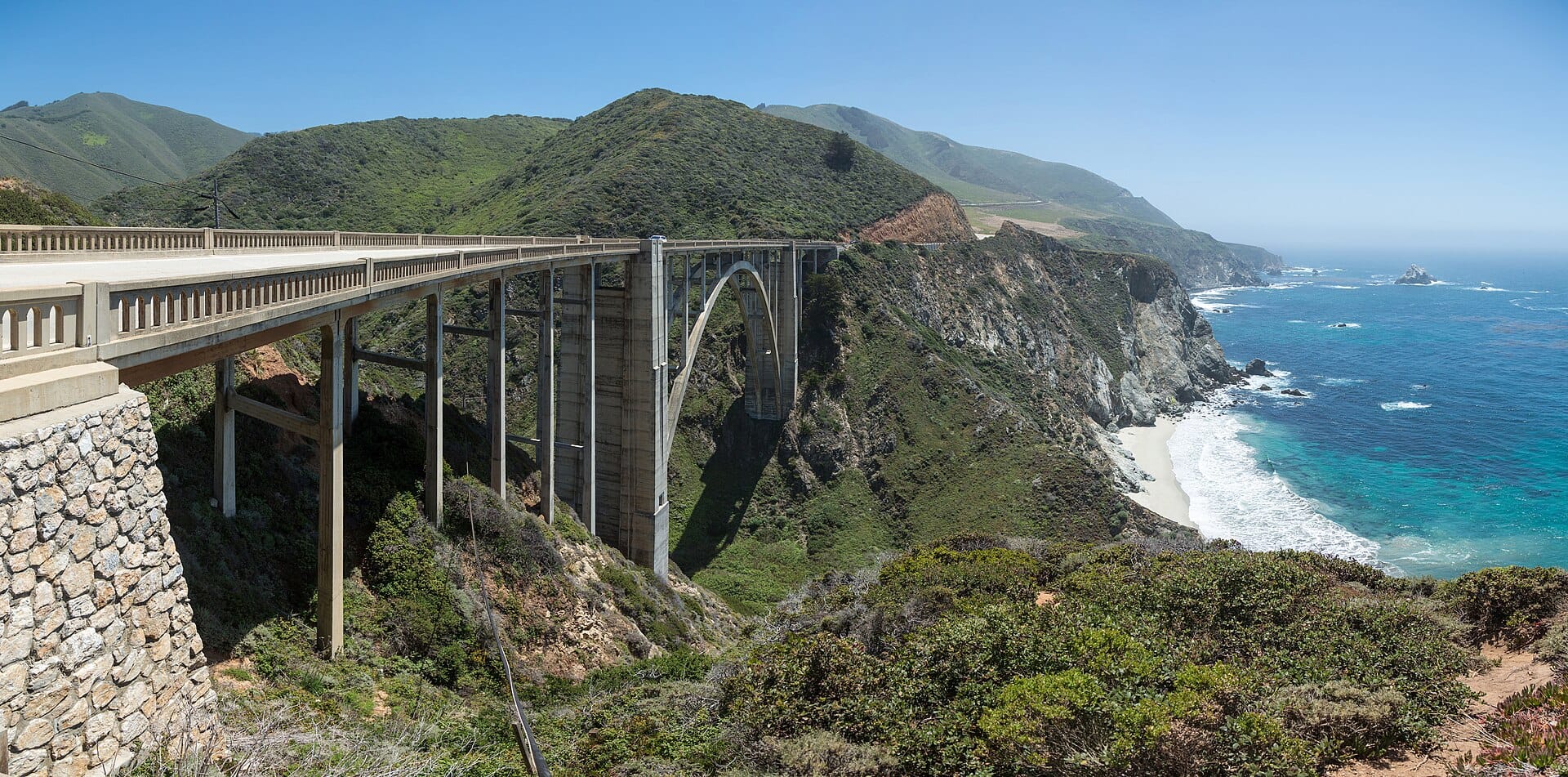
Big Sur
California, USA →
Pacific Coast Highway
California, USA →
Brown bears at Brooks Falls
Alaska, USA →Elsewhere in the USA
Related articles
Quick answers
When is the best time to visit Hanauma Bay?
For warm, mostly dry days, May to December. That means highs of 20–34°C with rain on six days a month or fewer. Daytime highs run from about 25°C in February to 28°C in September. Driest in June and July and September; wettest in March, with rain on about 9 days. The sea is warmest in October at around 27°C, coolest at 25°C.
How long should I spend in Hanauma Bay?
Our suggestion: a half-day trip from Honolulu.
How do I get to Hanauma Bay?
About 20 to 30 minutes by car or taxi from Honolulu airport (HNL) into Waikiki, where most visitors stay. The airport shuttle bus covers the same run.
Do I need a car in Hanauma Bay?
No. Oahu's public bus network is genuinely good and a route runs from Waikiki out to the bay, taking about an hour. Ride-hailing is the quicker alternative to driving and parking.
What currency and language are used in Hanauma Bay?
Currency: US dollar (USD). Language: English. Plugs: type A and B.
Who is Hanauma Bay best for?
Best for divers & snorkellers, families and wildlife & nature. In a phrase: sheltered, fish-filled, carefully managed.