Ten snorkelling escapes, from beach reefs to boat trips
Compare ten snorkelling bases, from Hanauma Bay to Caye Caulker, with clear advice on shore access, boat trips and currents.
A reef close to the beach can make a snorkelling holiday wonderfully simple, but shore access and a good beginner site are different things. These ten places mix beach-entry reefs with bases for guided boat trips: Caye Caulker belongs in the second group, while Corfu offers rocky Mediterranean habitat rather than tropical coral. Choose for your swimming ability, the entry and exit points, and conditions on the day; never stand on coral or follow wildlife into deeper water.
1. Hanauma Bay, Oahu, Hawaii
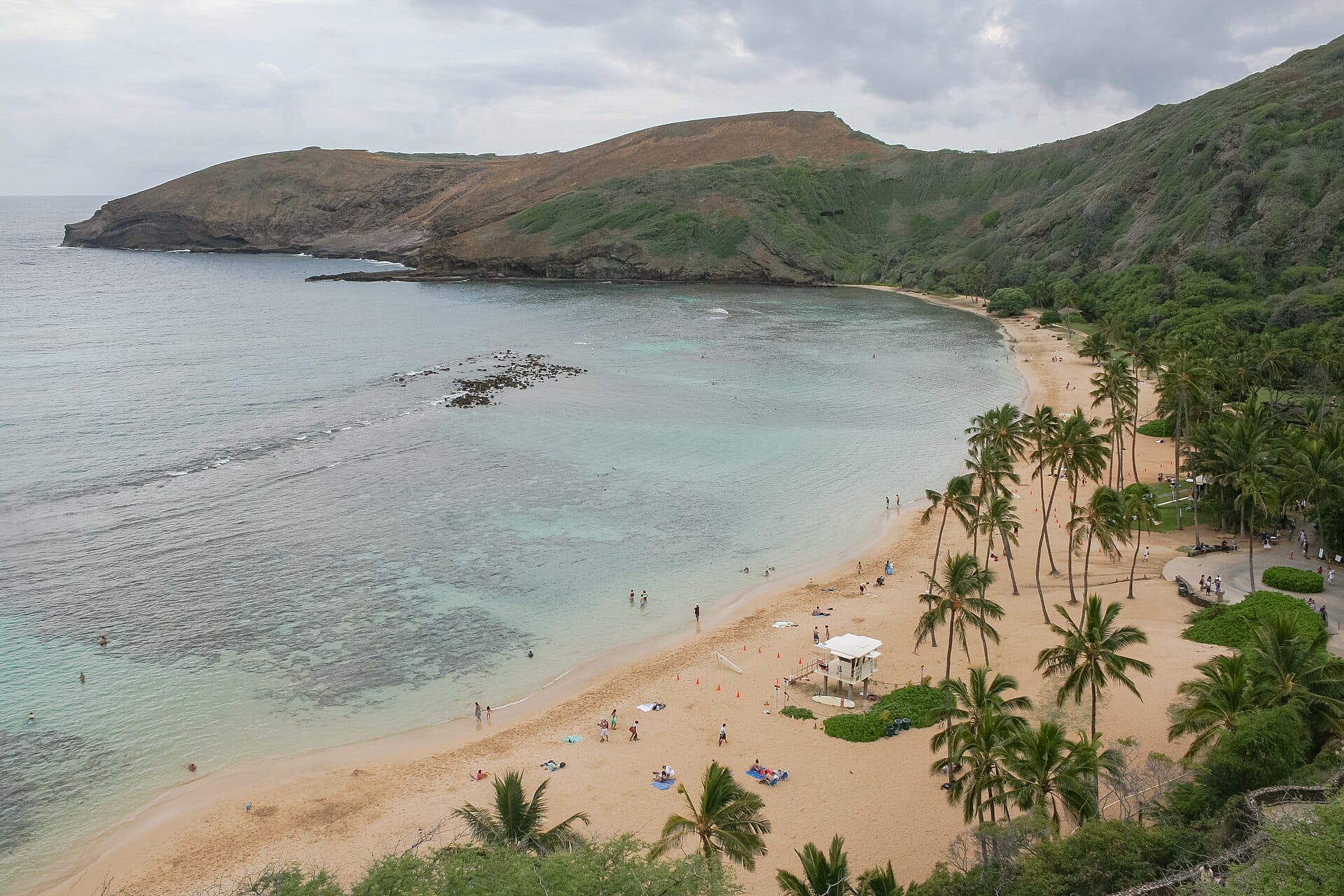
Explore destinationA flooded volcanic crater turned nature preserve, Hanauma shelters parrotfish, tangs and green turtles close to shore. Non-resident reservations are released online two days ahead, with only limited walk-in entry, and every visitor watches the orientation video before heading down. The preserve is normally closed on Mondays and Tuesdays; check the City and County of Honolulu page for maintenance closures, then aim for an early slot when the water is often calmer.
2. Turquoise Bay, Ningaloo Reef, Australia
Explore destination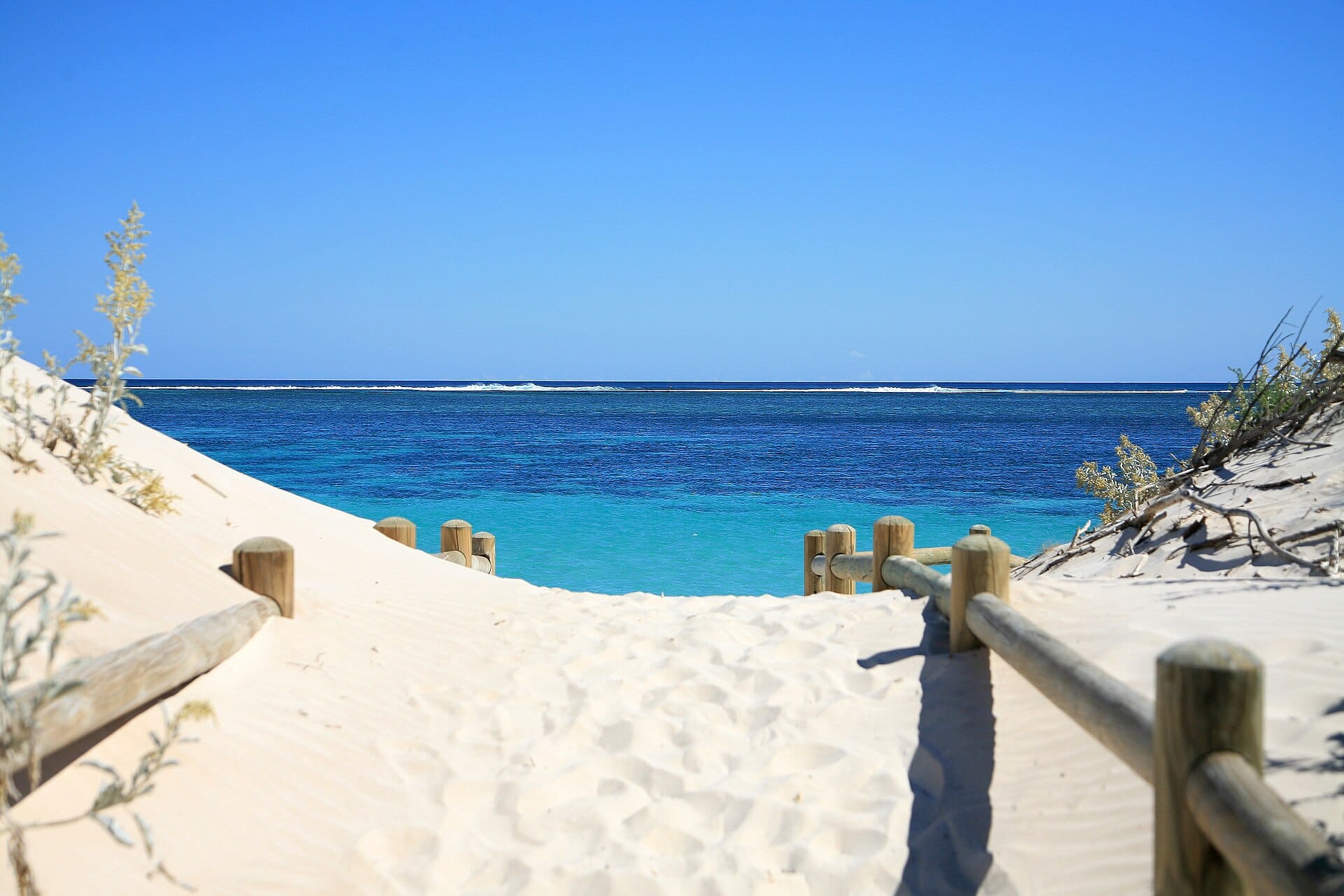
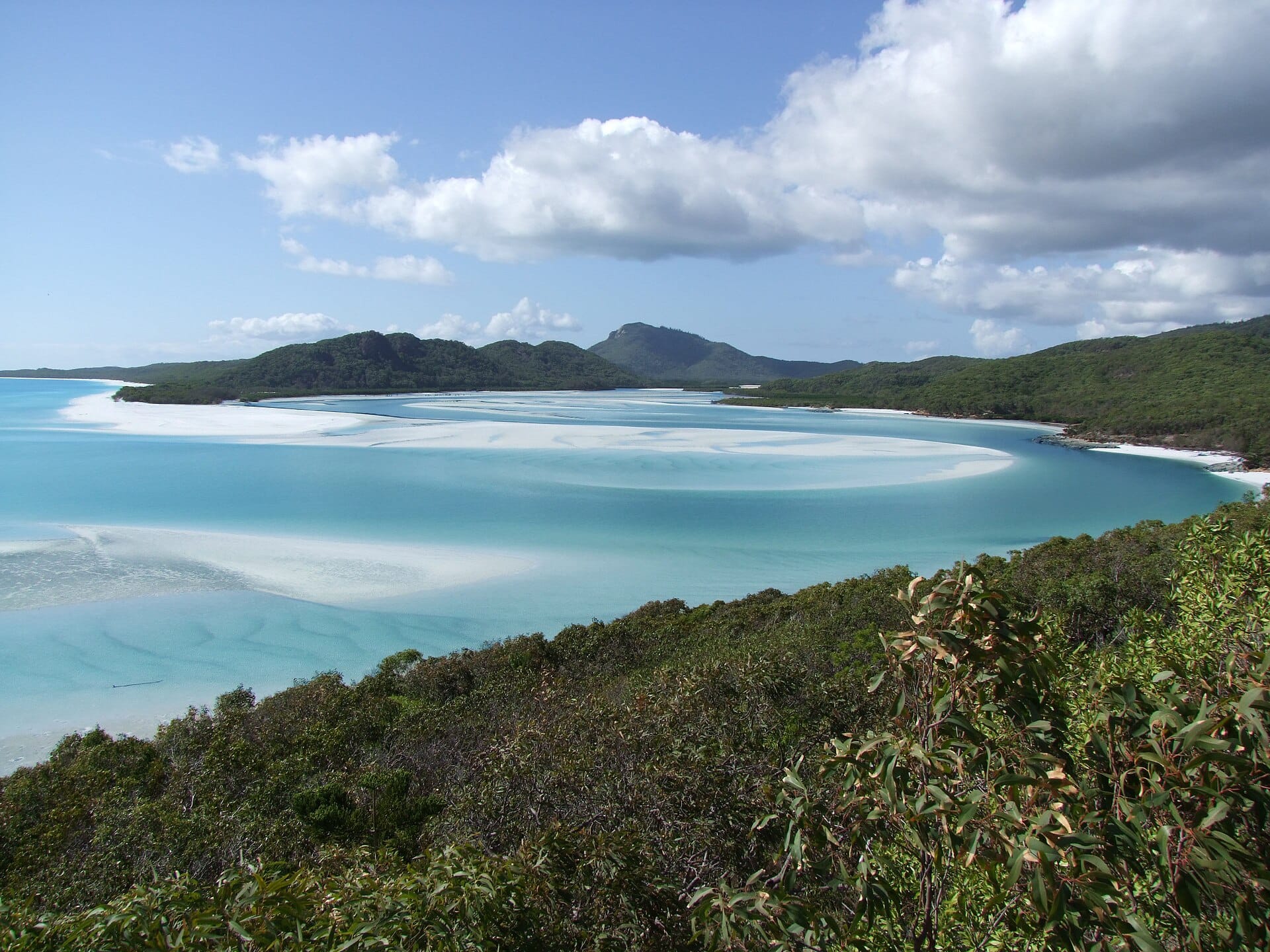
Ningaloo brings a fringing reef close to the sand, and Turquoise Bay is one of its memorable settings. The drift area can have strong currents, especially around the sandy point; it is not a casual float for inexperienced swimmers. Read the beach signs, assess conditions and use a licensed guide if you lack experience. The Bay Loop accesses the northern part of the bay, away from the drift route. Follow Western Australia parks advice for Turquoise Bay before entering the water.
3. Caye Caulker, Belize
Explore destination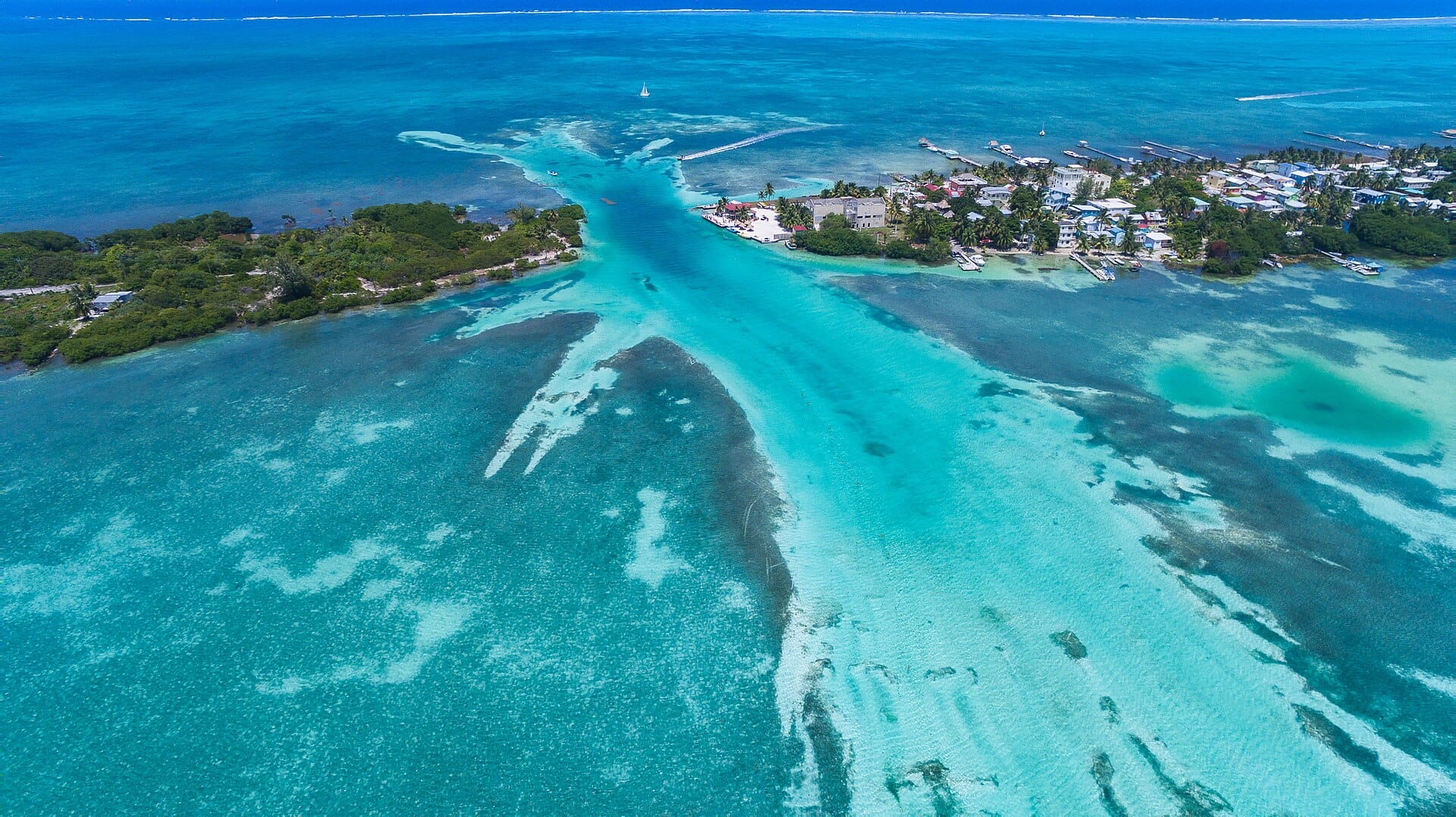
Caye Caulker is a relaxed base for boat trips to Belize’s barrier reef, including Hol Chan and nearby marine-reserve sites. The reef is offshore: the Split is a tidal channel, not a coral garden you can safely swim across to reach it. Book a licensed operator, explain your swimming experience and confirm the route, flotation equipment and reserve fees. Back on the island, fry jacks and a waterfront sunset make an agreeable finish.
4. Flamenco Beach, Culebra, Puerto Rico
Explore destination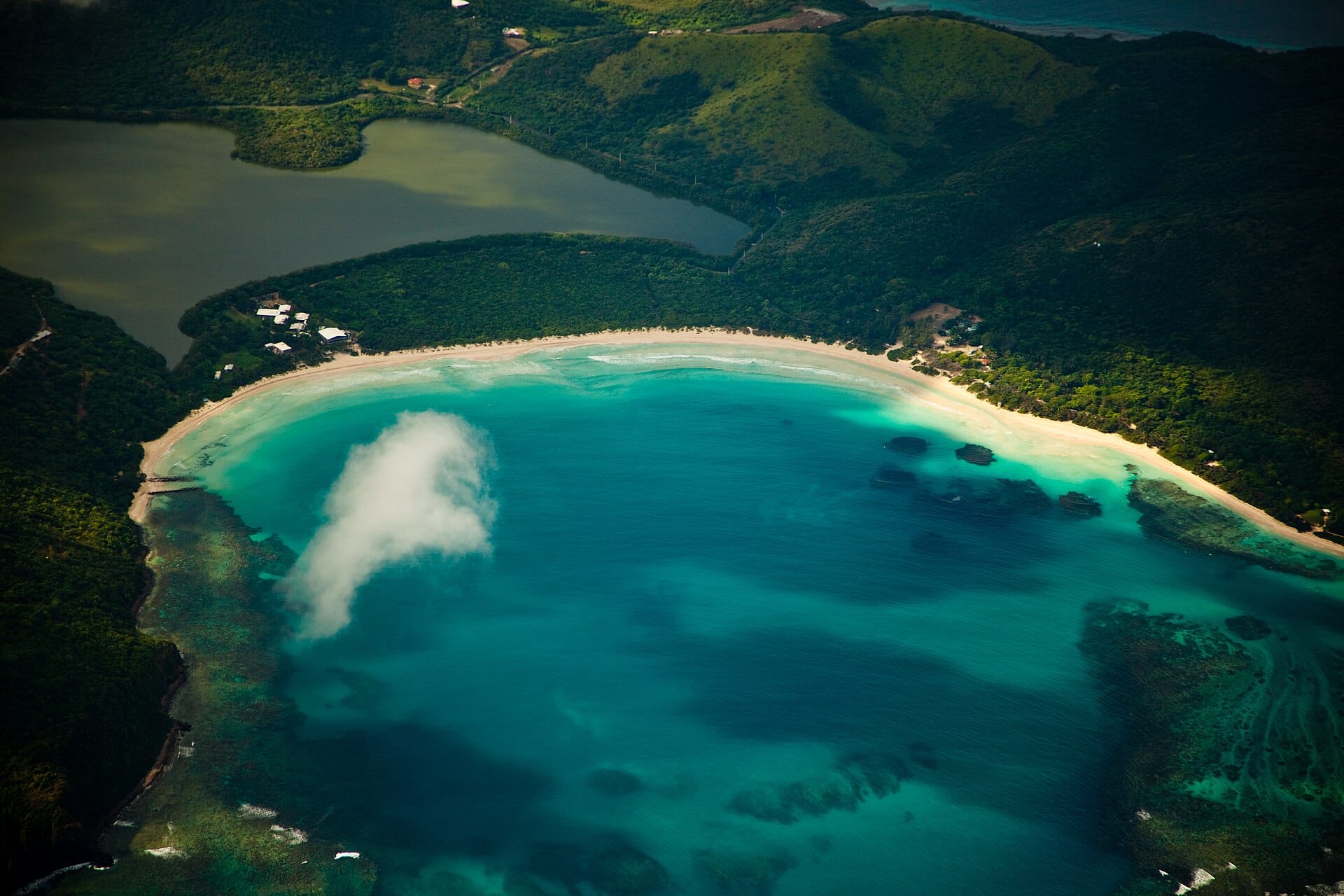
Flamenco is a horseshoe of bright sand and clear water on a laid-back island east of Puerto Rico proper. Snorkellers head to the rocky ends of the bay for coral and fish, or try Tamarindo Beach, where turtles are often seen over the seagrass but never guaranteed. The rusting tanks on the sand are relics of the navy years — now murals.
5. Amed, Bali, Indonesia
Explore destination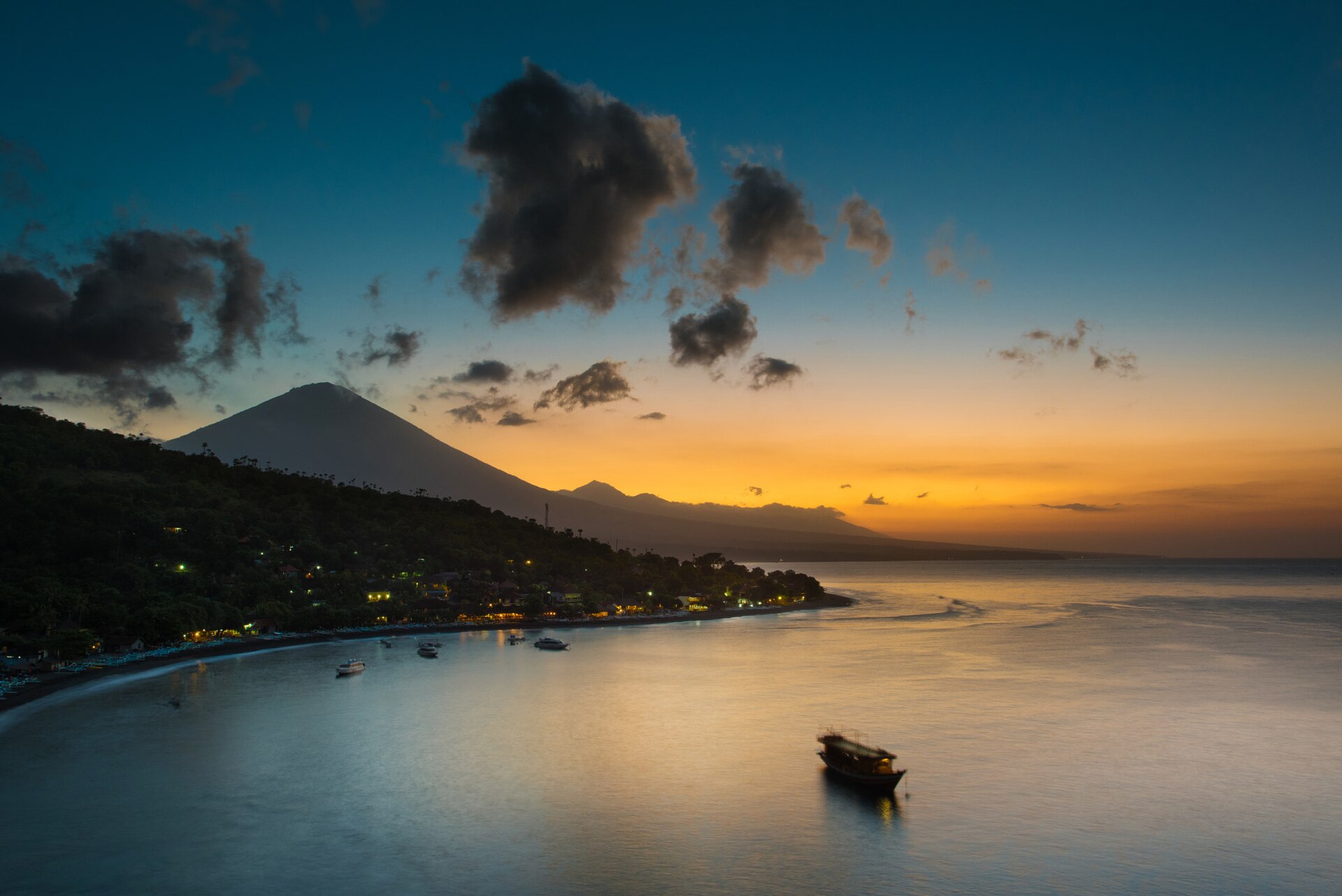
A string of quiet black-sand fishing villages in Bali's dry east, where Mount Agung looms over water full of coral just metres from the outrigger boats. The Japanese shipwreck at Banyuning sits shallow enough to snorkel, and the house reefs of Jemeluk bay are alive again after years of restoration. Life here is early nights, dawn dives and grilled fish — Bali with the volume turned right down.
6. Blue Bay, Mauritius
Explore destination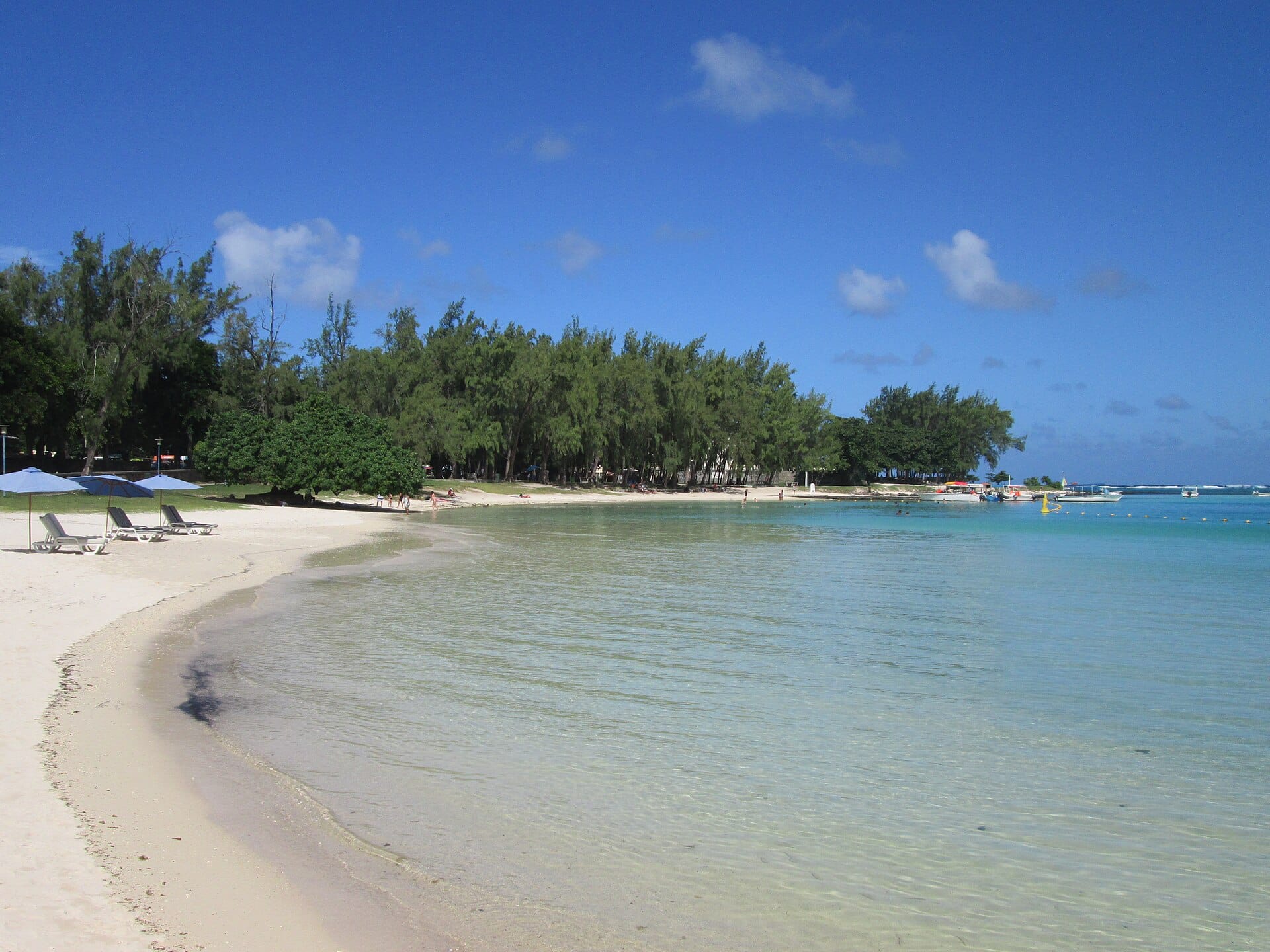
Mauritius's best snorkelling sits inside a marine park at its south-east corner: a lagoon where visibility runs to thirty metres and the coral — some colonies centuries old — starts within a short swim of the public beach. Weekdays are quietest; glass-bottom boats serve the reluctant. The water is warmest December to April, and the flight home passes tolerably with enough rum in your luggage.
7. Paleokastritsa, Corfu, Greece
Explore destination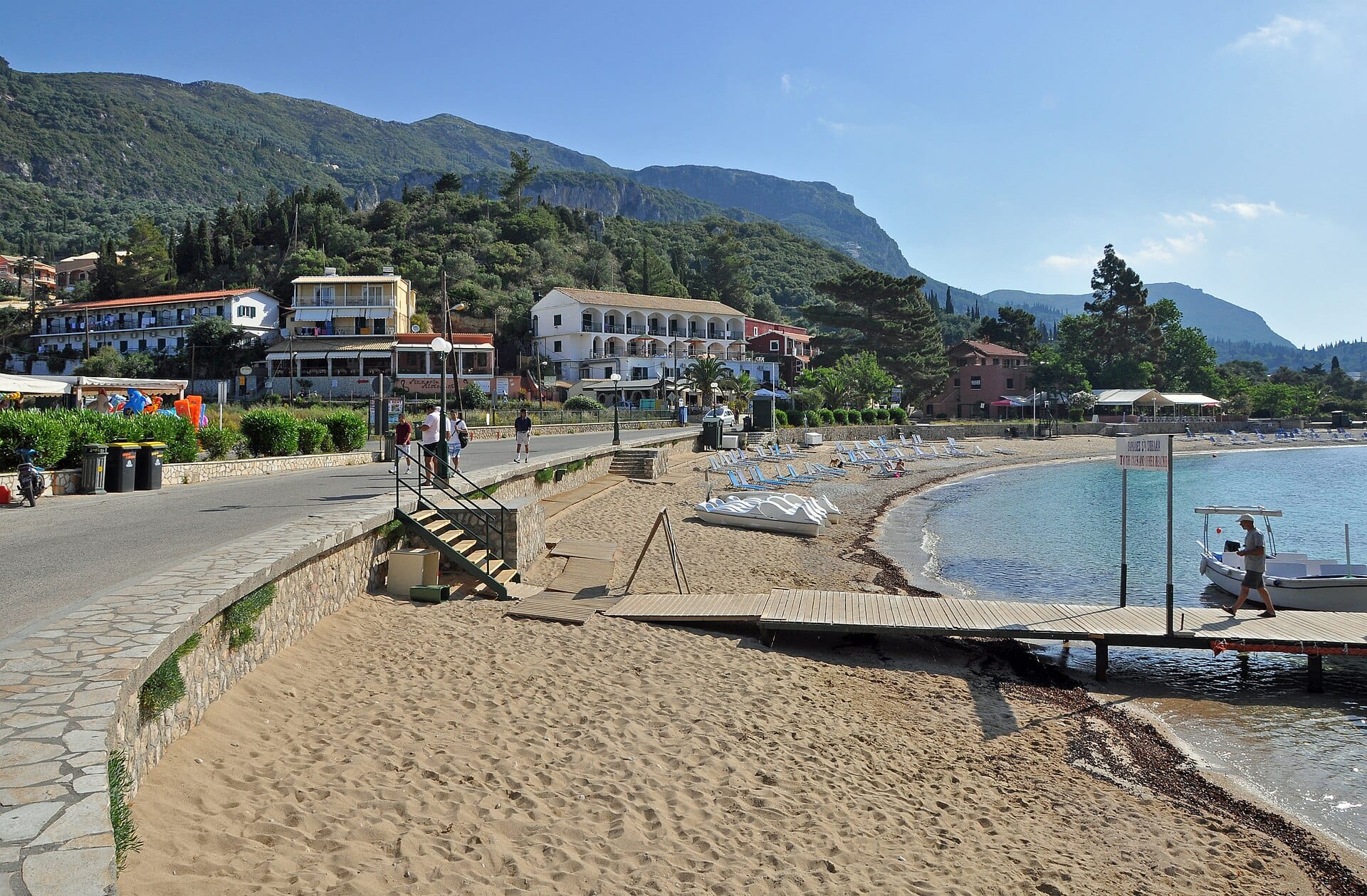
The Mediterranean rarely rewards snorkellers like the coves of Paleokastritsa, where olive-clad cliffs drop into water so clear the boats seem to levitate. There's no tropical coral, but the rocky points teem with bream, octopus and the odd moray, and the swimming-cave circuit by rented pedalo is a highlight of any Greek holiday. The monastery on the headland provides the view; go at opening time.
8. Anse Chastanet, St Lucia
Explore destination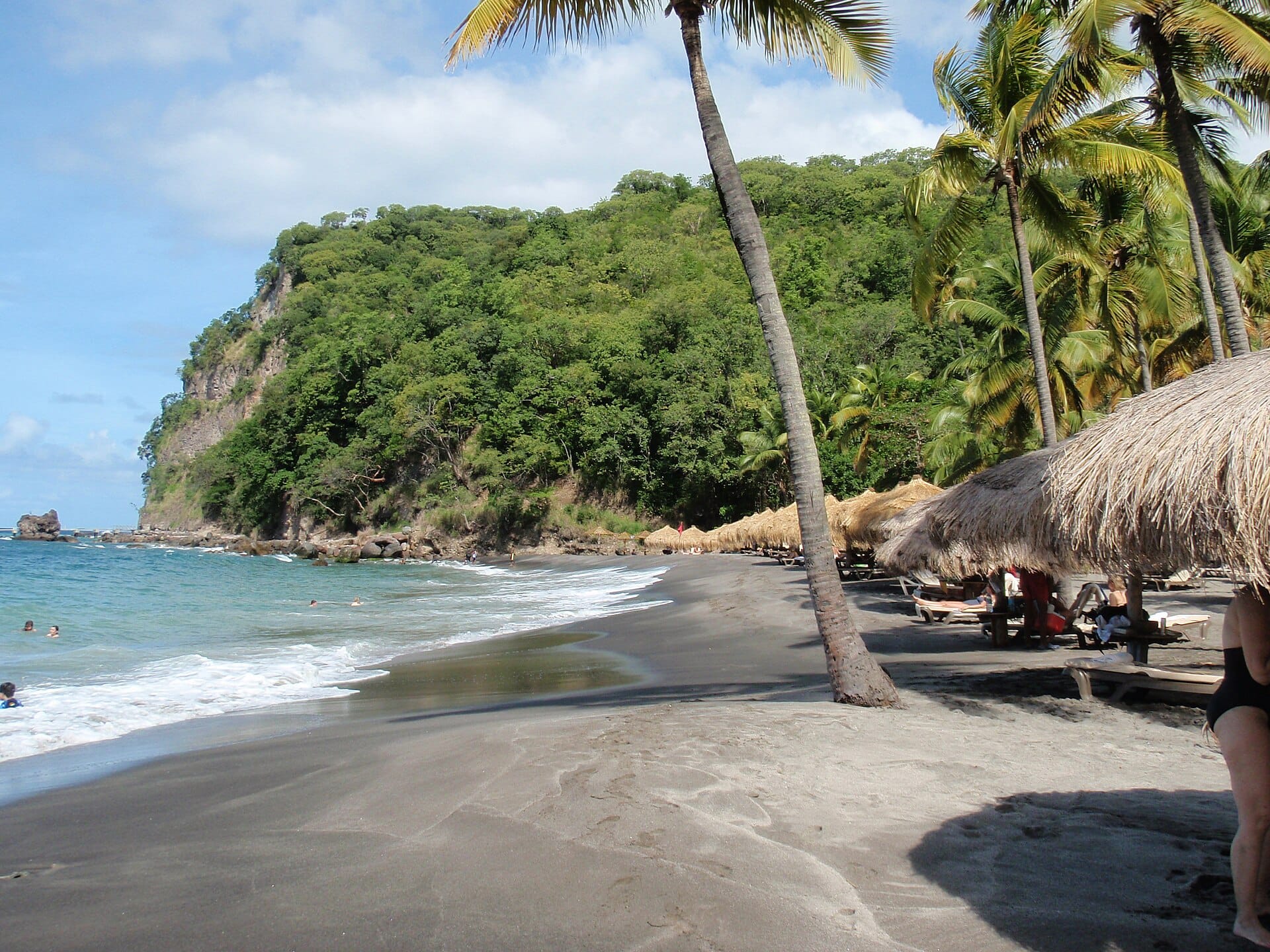
In the shadow of the Pitons, St Lucia's twin volcanic spires, Anse Chastanet's reef begins a few fin-kicks from the dark golden sand and drops away in tiers of sponge and coral patrolled by trumpetfish and turtles. The marine reserve status shows underwater. It's attached to a famously romantic resort, but the beach — like all in St Lucia — is public. Snorkel the morning, then climb Gros Piton to earn dinner.
9. Ko Nang Yuan, Thailand
Explore destination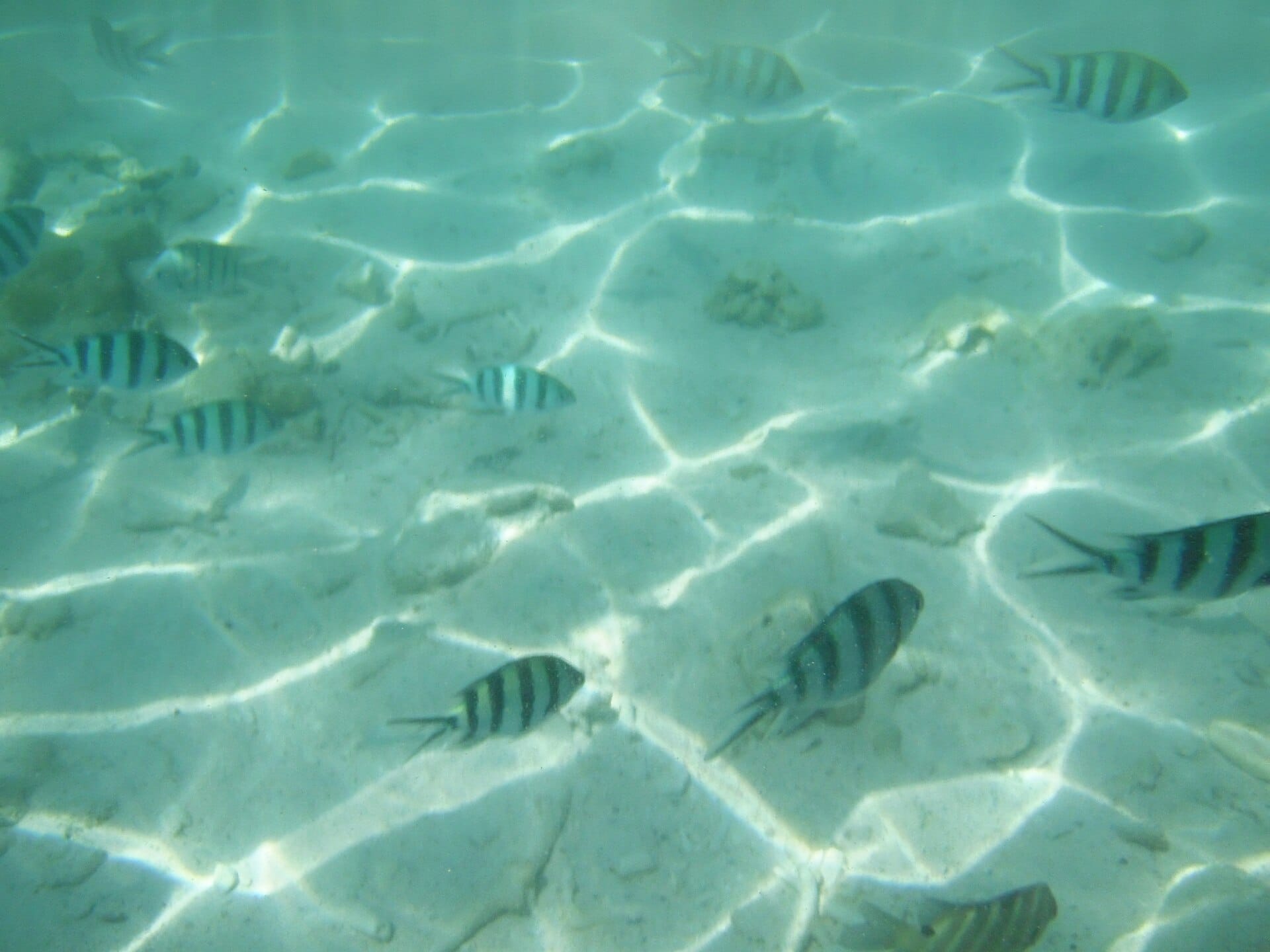
Three tufted islets joined by a white sandbar just off Ko Tao, with coral gardens beginning practically at the waterline — Japanese Gardens, the pick of them, is a five-minute swim of parrotfish, angelfish and the occasional blacktip reef shark. Day boats pour in mid-morning, so stay on Ko Tao and catch the first longtail across, then climb the famous viewpoint before the heat builds. Check the crossing, currents and local access rules for your dates; an early boat can help you avoid the busiest arrival period.
10. Abu Dabbab, Marsa Alam, Egypt
Explore destination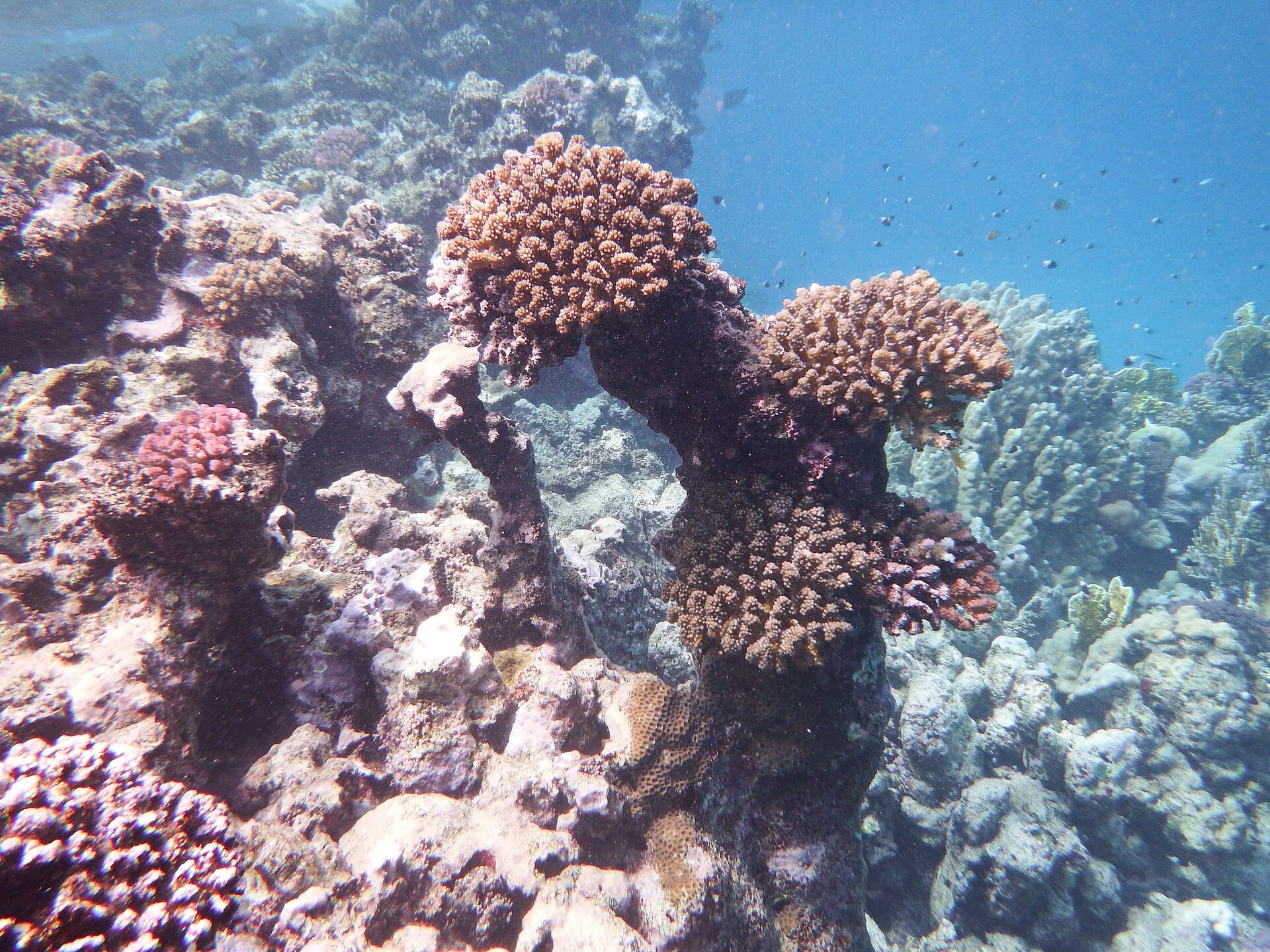
On Egypt's deep-south Red Sea coast, Abu Dabbab's horseshoe bay is famous for two residents: enormous green turtles grazing the seagrass metres from shore, and the occasional dugong — the sea cow that reputedly started the mermaid myth. Coral reefs frame both arms of the bay, visibility is routinely superb, and the water stays warm enough to swim all year. Fly to Marsa Alam, thirty minutes away, and get in early — the turtles breakfast before the crowds do.
Choose the kind of snorkelling day
- For a beach entry, compare the reef distance, rocky sections and a clear exit before choosing accommodation.
- For Caye Caulker, budget for a guided boat trip rather than expecting the barrier reef at your hotel beach.
- Turquoise Bay’s drift needs experience and favourable conditions; a calm-looking photograph is not a guide to the current.
Useful official information: Hol Chan Marine Reserve; Western Australia parks advice for Turquoise Bay.