Ten places to plan a first snorkelling or diving trip
Choose a first snorkelling or diving base, with advice on lessons, shore entries, currents and guided trips from Bonaire to Ko Tao.
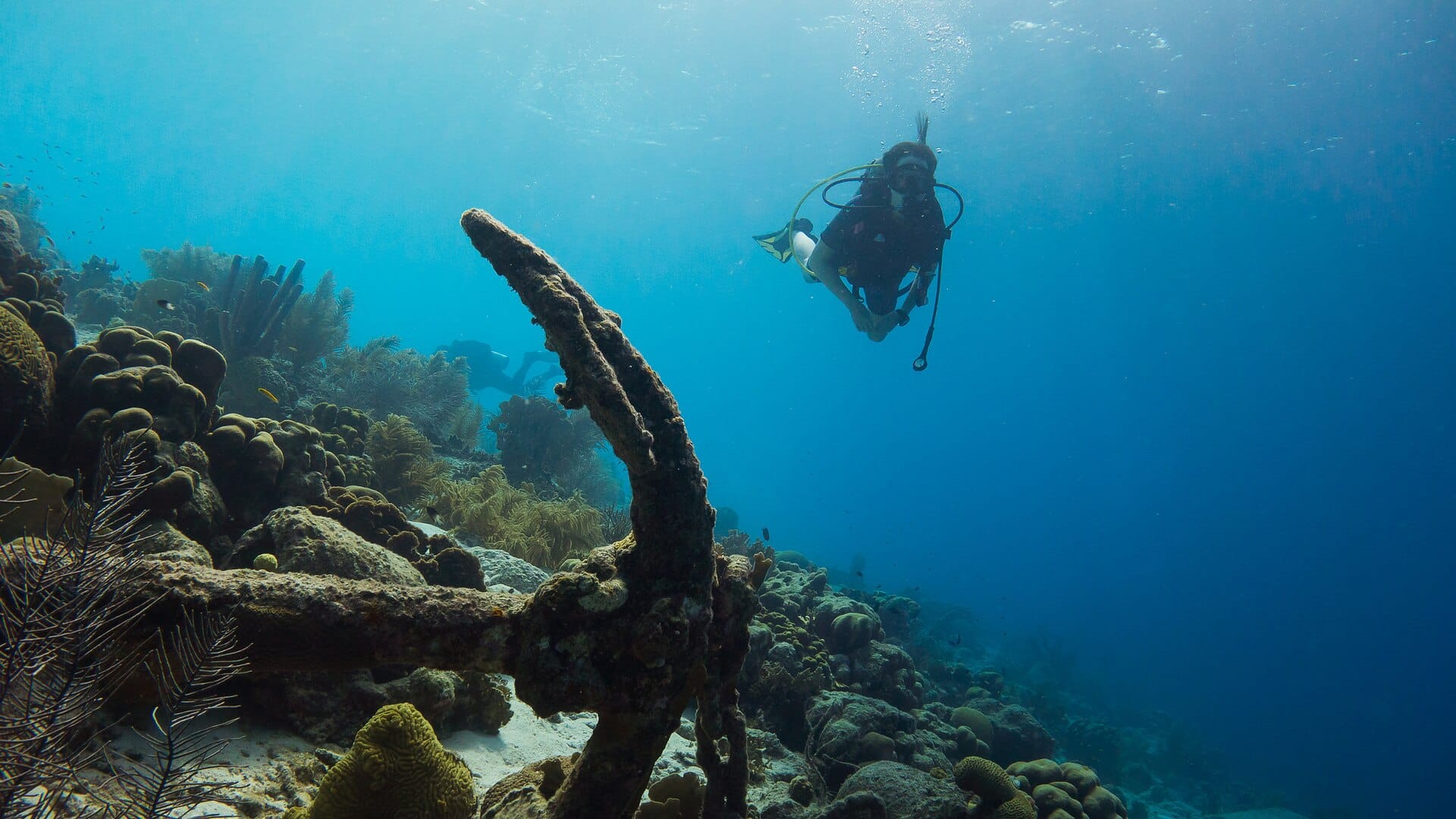
A first reef encounter is easier when the operator, teaching and conditions fit your experience. These ten bases have options to investigate, not a promise that every shore entry or dive site is gentle. A first scuba dive needs qualified instruction; a snorkelling trip still needs an honest assessment of swimming ability. Ask about group size, supervision, currents, entry and exit points, and the alternative plan if conditions change.
1. Cairns, Australia
Explore destination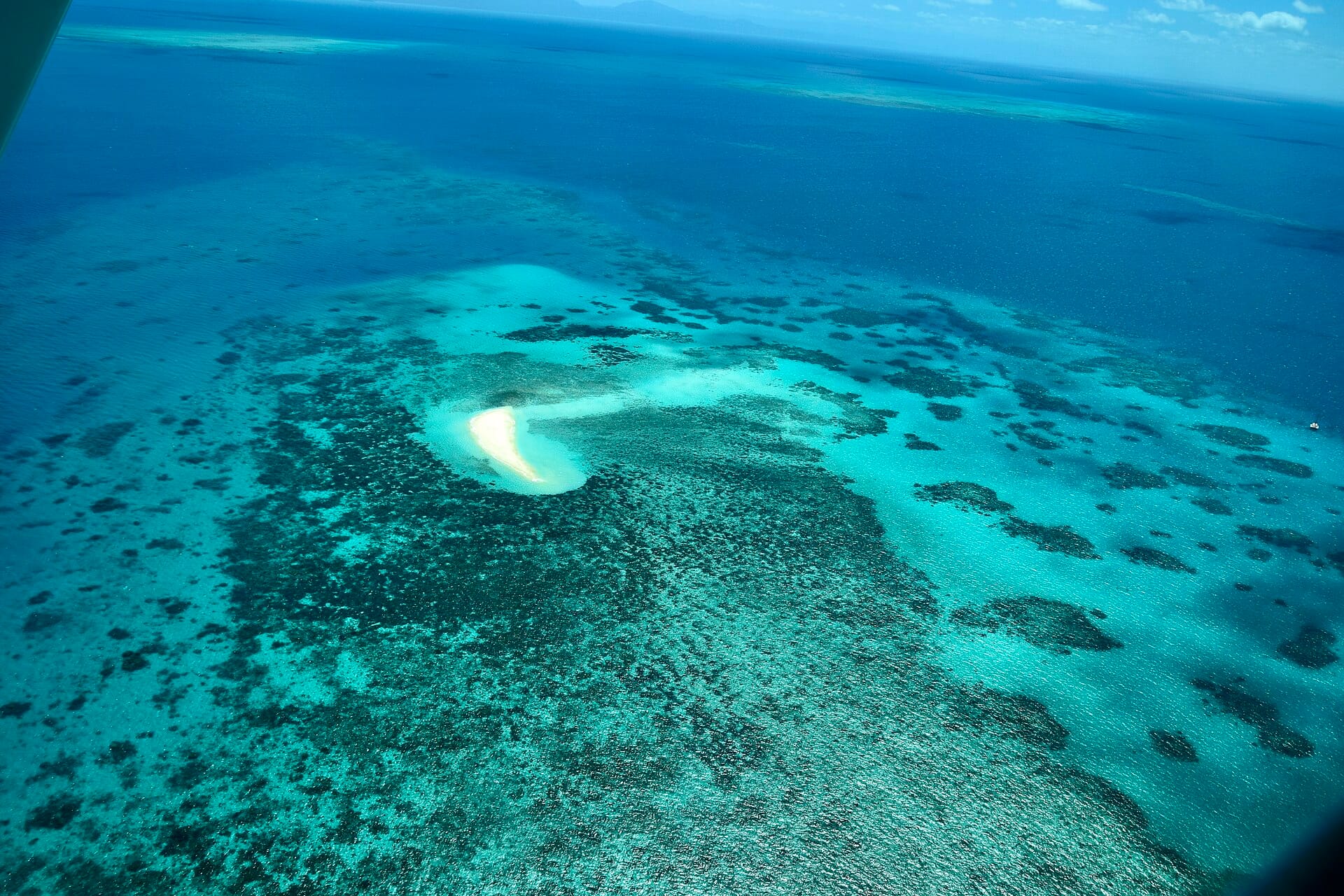
Cairns is a base for guided Great Barrier Reef trips, with boats offering different combinations of snorkelling, pontoons and introductory diving. Compare the actual itinerary and supervision instead of assuming the most distant or expensive reef is always healthiest. Marine stingers can occur year-round, so follow operator advice on protective suits and conditions in every season. Choose an introductory scuba session with a qualified instructor and complete the operator’s required screening.
2. Bonaire, Dutch Caribbean
Explore destinationBonaire’s marked west-coast shore sites give trained divers flexibility, while dive schools provide lessons and guided introductions for newcomers. Parking beside a reef does not make an untrained independent dive appropriate: rocky entries, depth and currents still matter. Arrange instruction or a guided snorkel suited to your ability, confirm marine-park requirements and choose the site with local advice on the day.
3. Dahab, Egypt
Explore destination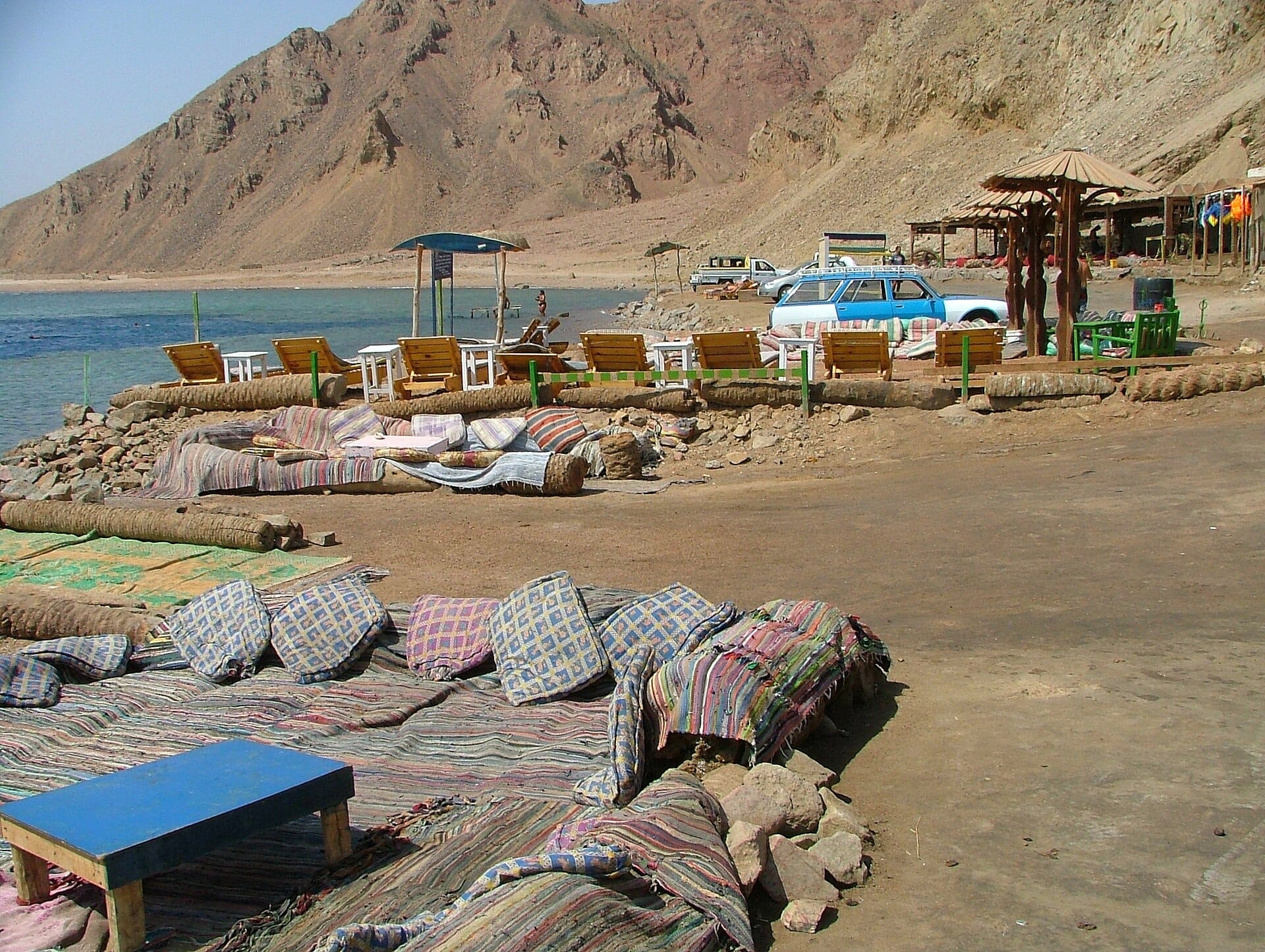
The Red Sea is the closest world-class coral to Europe, and laid-back Dahab is its friendliest classroom — a Bedouin-turned-backpacker town where dive schools outnumber pharmacies and courses cost a fraction of Caribbean prices. Ask a qualified local operator to choose a sheltered training site such as an appropriate section of Lighthouse Reef. The Blue Hole has deep water and specific hazards; it is not a default outing for an inexperienced swimmer. Come in spring or autumn to dodge both the summer furnace and winter's chilly water.
4. Ko Tao, Thailand
Explore destination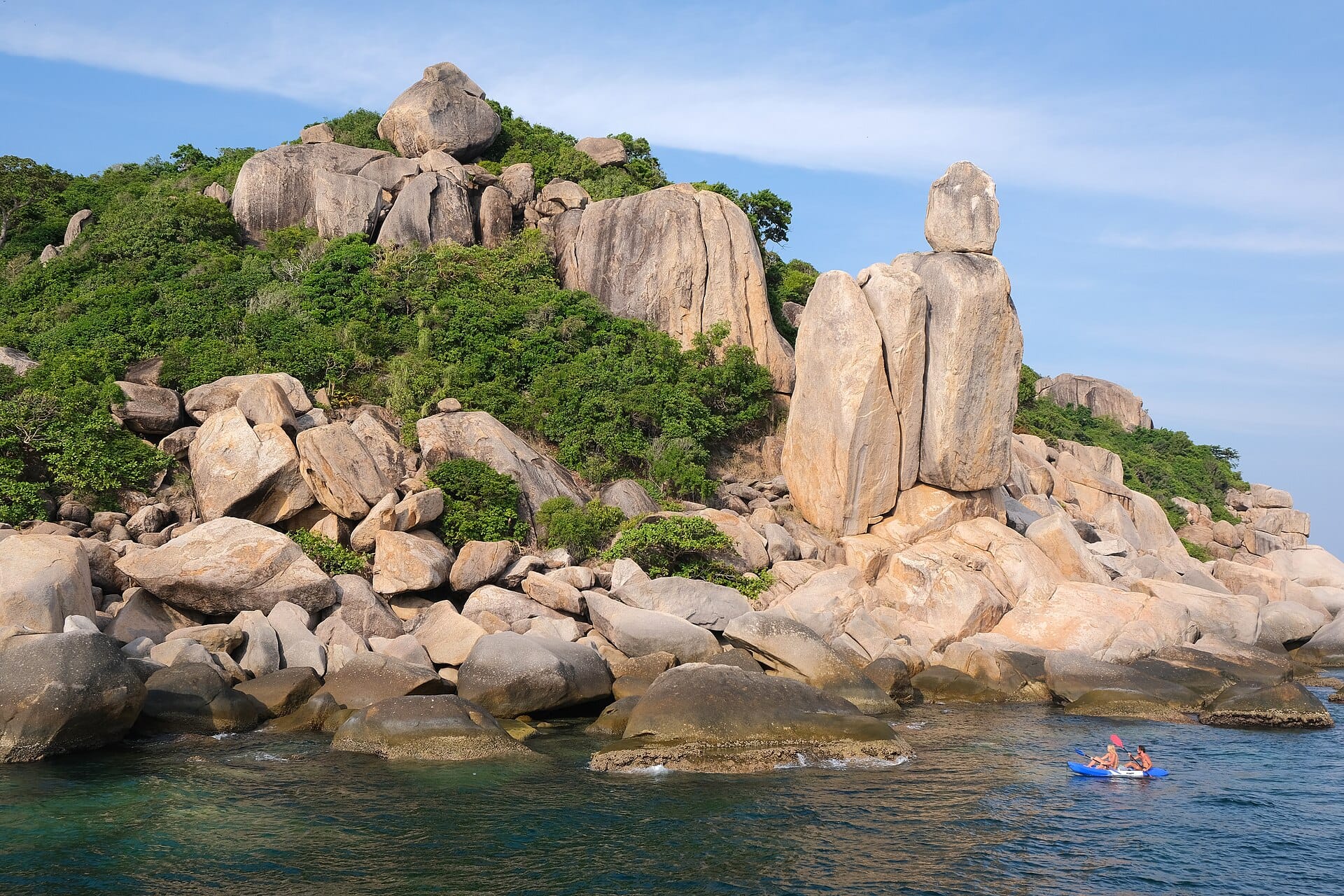
More people learn to dive on Ko Tao than almost anywhere on the planet, and the economies of scale show: an Open Water course here costs less than a weekend of European lift passes, often with basic accommodation thrown in. Shallow bays like Ao Leuk suit snorkellers; whale sharks make cameo appearances at Sail Rock. Shop around the schools in person and pick small class sizes over the cheapest price.
5. Utila, Honduras
Explore destination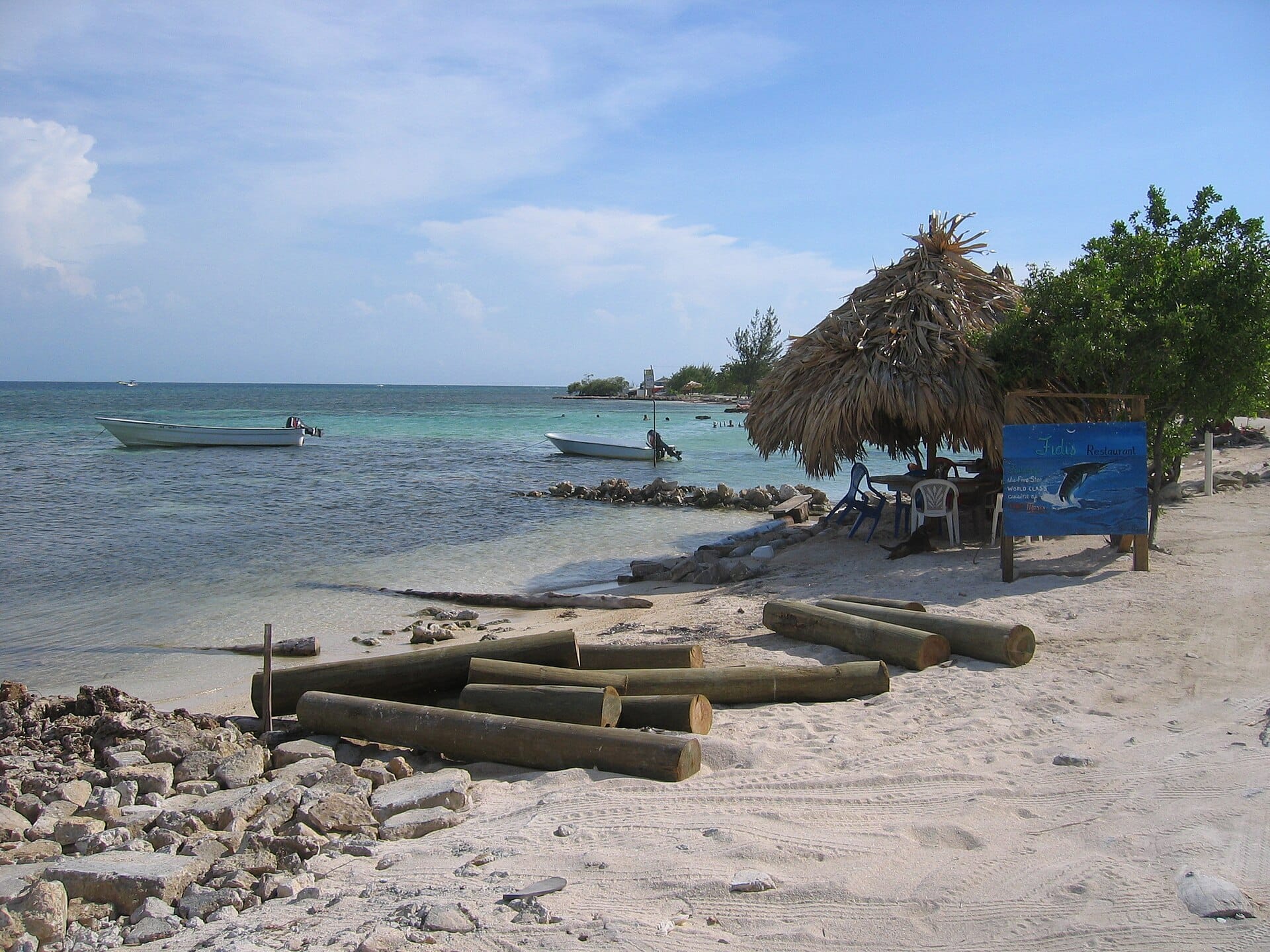
Utila, the scruffier and cheaper of Honduras's Bay Islands, has been the Americas' budget dive academy for decades. Courses are absurdly good value, the reef sits minutes offshore, and whale sharks cruise past year-round — Utila is one of the few places you can reasonably hope to snorkel beside one. The island runs on golf carts, baleadas and dive-shop gossip. March to May offers the calmest, clearest water.
6. Menjangan, Bali, Indonesia
Explore destination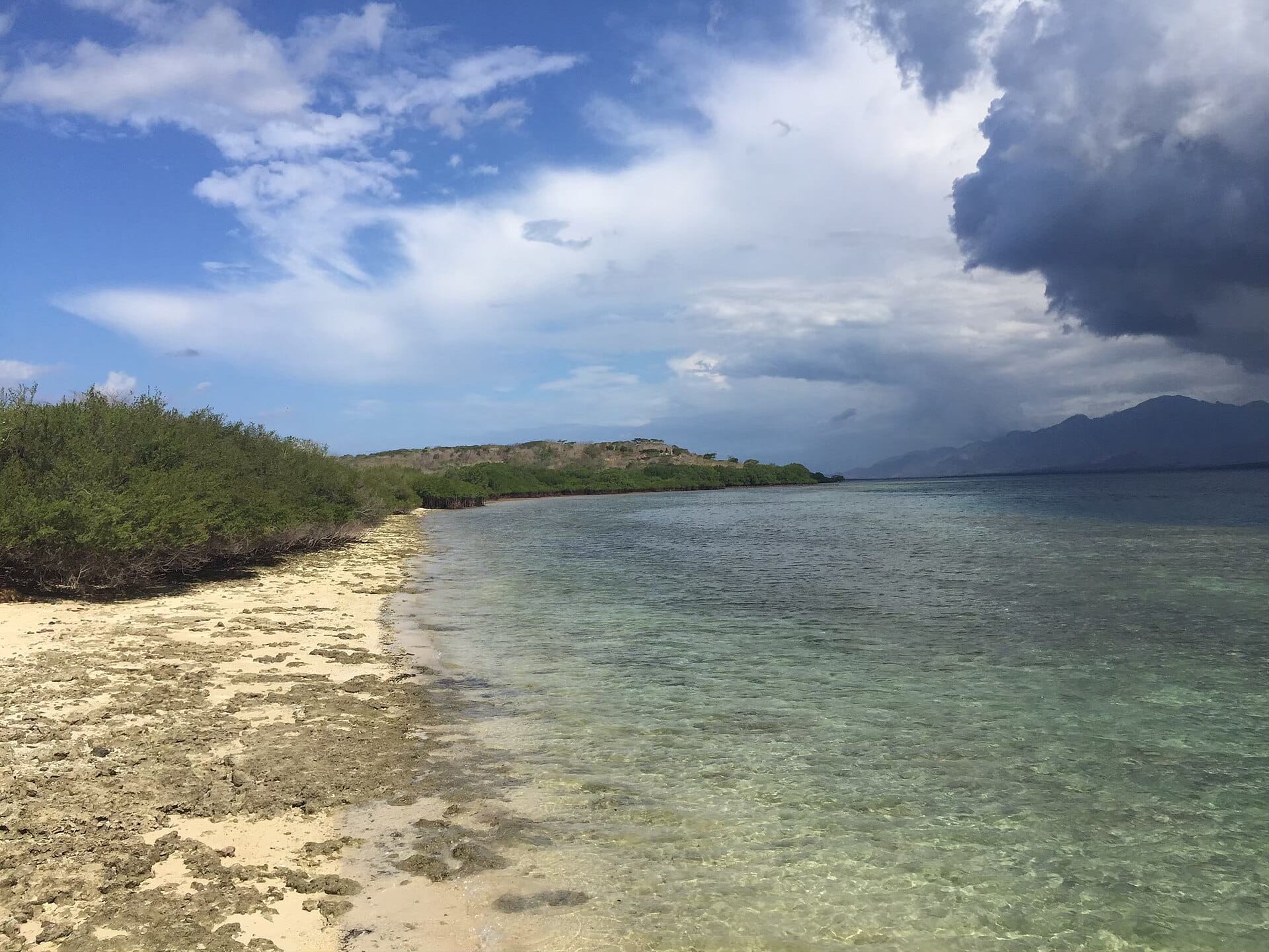
While the crowds fight over south Bali, Menjangan sits quietly inside West Bali National Park with the island's best snorkelling: a wall of coral starting in two metres of water, visibility that regularly hits thirty, with currents and conditions that still need assessment by your guide. Boats leave from Labuan Lalang jetty and take half an hour. Stay a night in nearby Pemuteran rather than day-tripping four hours from Seminyak.
7. Caye Caulker, Belize
Explore destination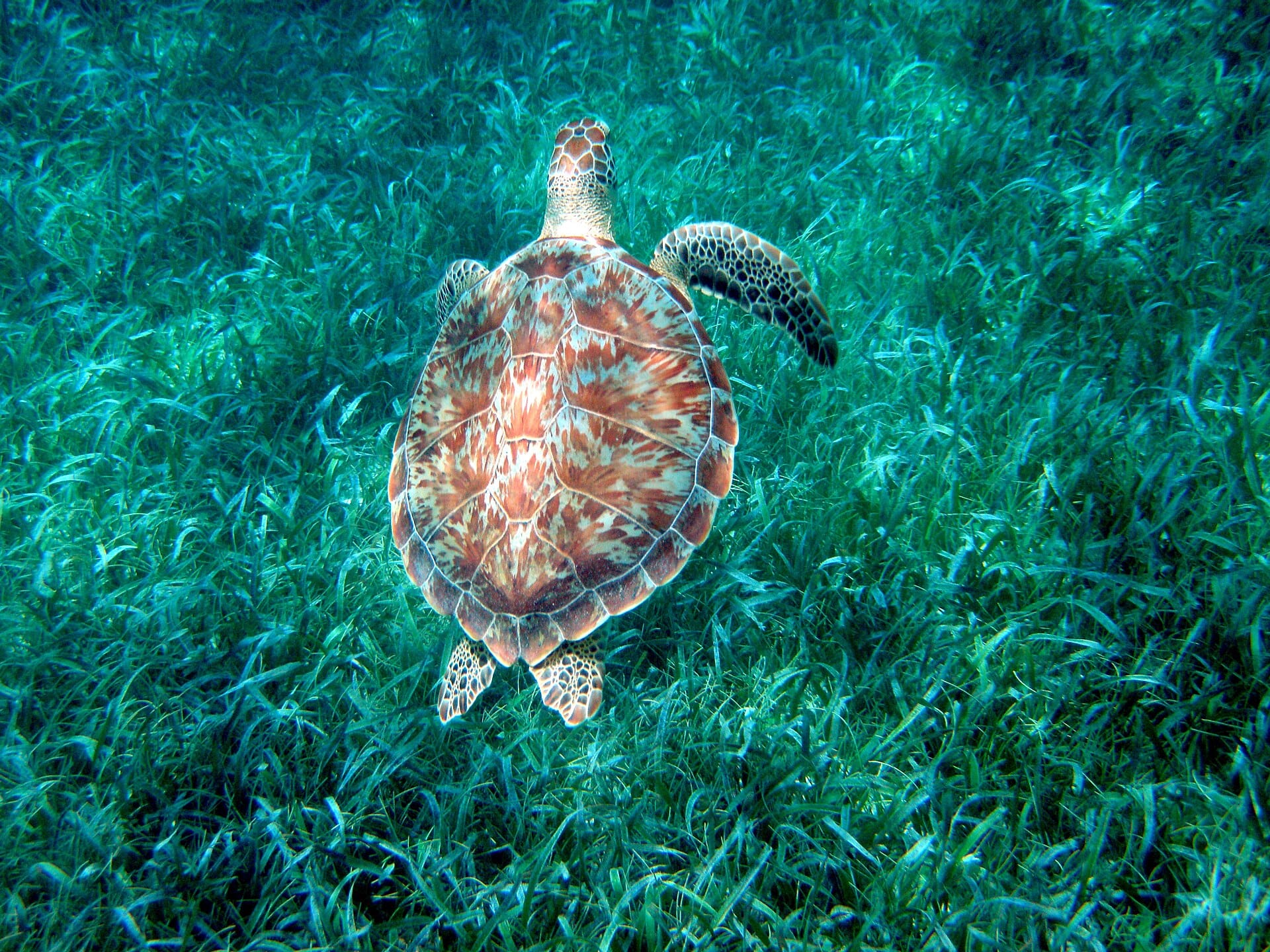
Belize's barrier reef is the western hemisphere's biggest, and sandy, car-free Caye Caulker is the easy way in. Snorkel trips to Hol Chan Marine Reserve deliver nurse sharks, rays and turtles at sites with varying depths and currents, with guides who know individual animals by name. The island motto is Go Slow and it's enforced socially. Choose a sailboat trip over a speedboat — slower, calmer, better.
8. Hanauma Bay, Hawaii
Explore destination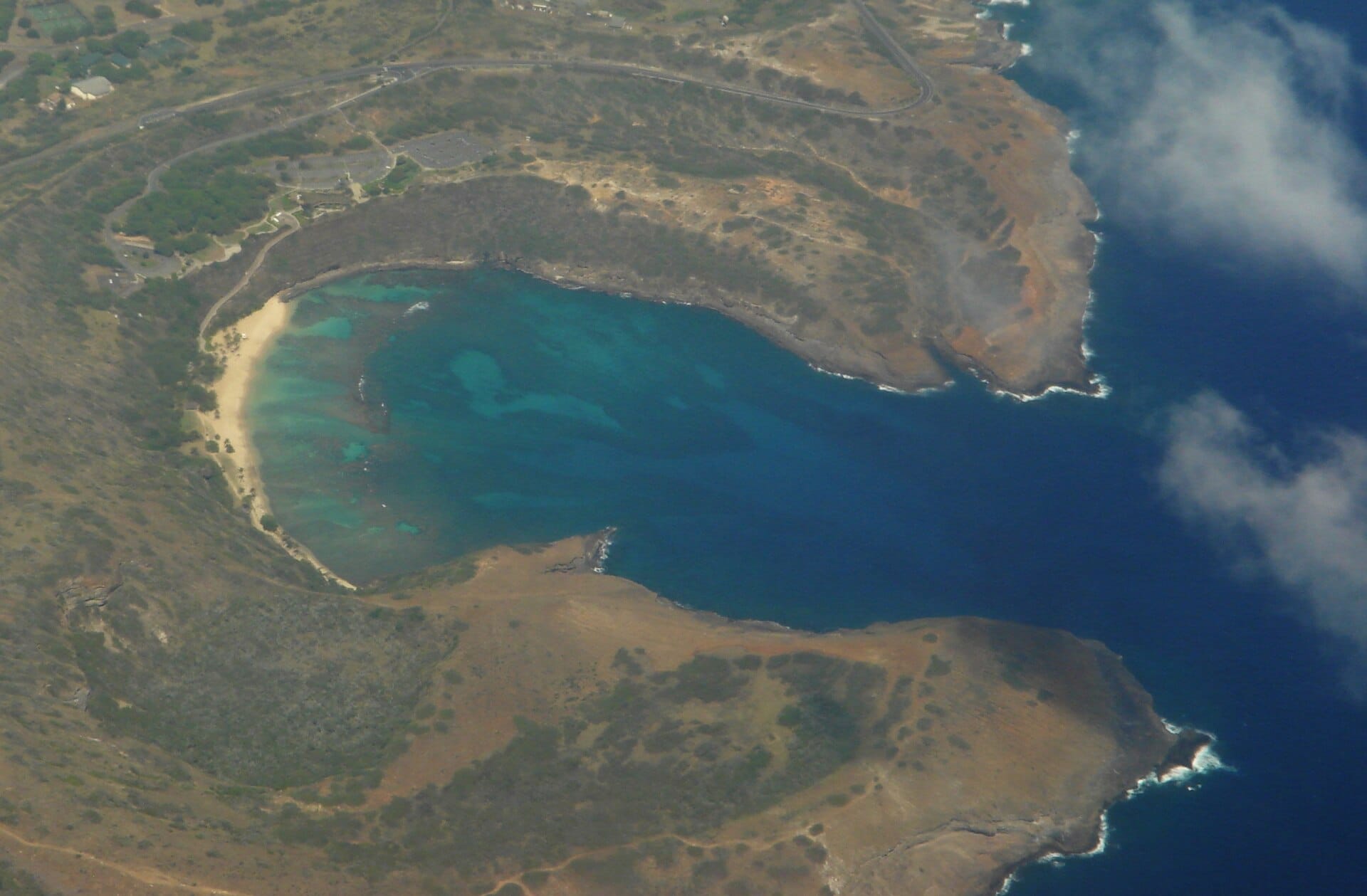
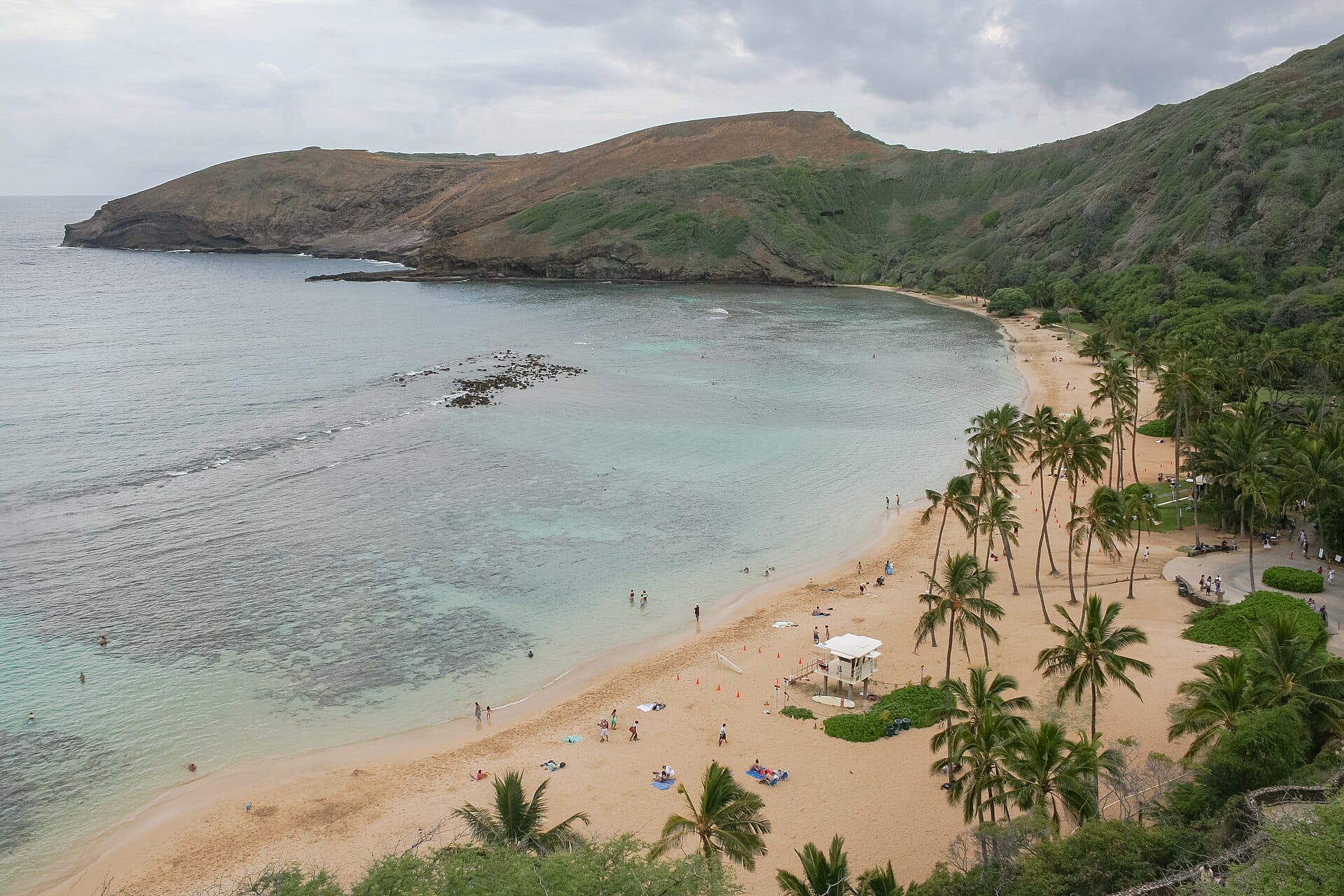
A flooded volcanic crater on Oahu's south-east corner, Hanauma Bay is a sheltered introduction to reef life, with parrotfish and the chance of a green sea turtle close to shore. Non-resident reservations are released online two days ahead, limited walk-in places remain, and the orientation video is part of entry. The preserve normally closes on Mondays and Tuesdays to give the reef a rest; check Honolulu's official page for temporary closures and arrive with a realistic assessment of swimming conditions.
9. Cozumel, Mexico
Explore destination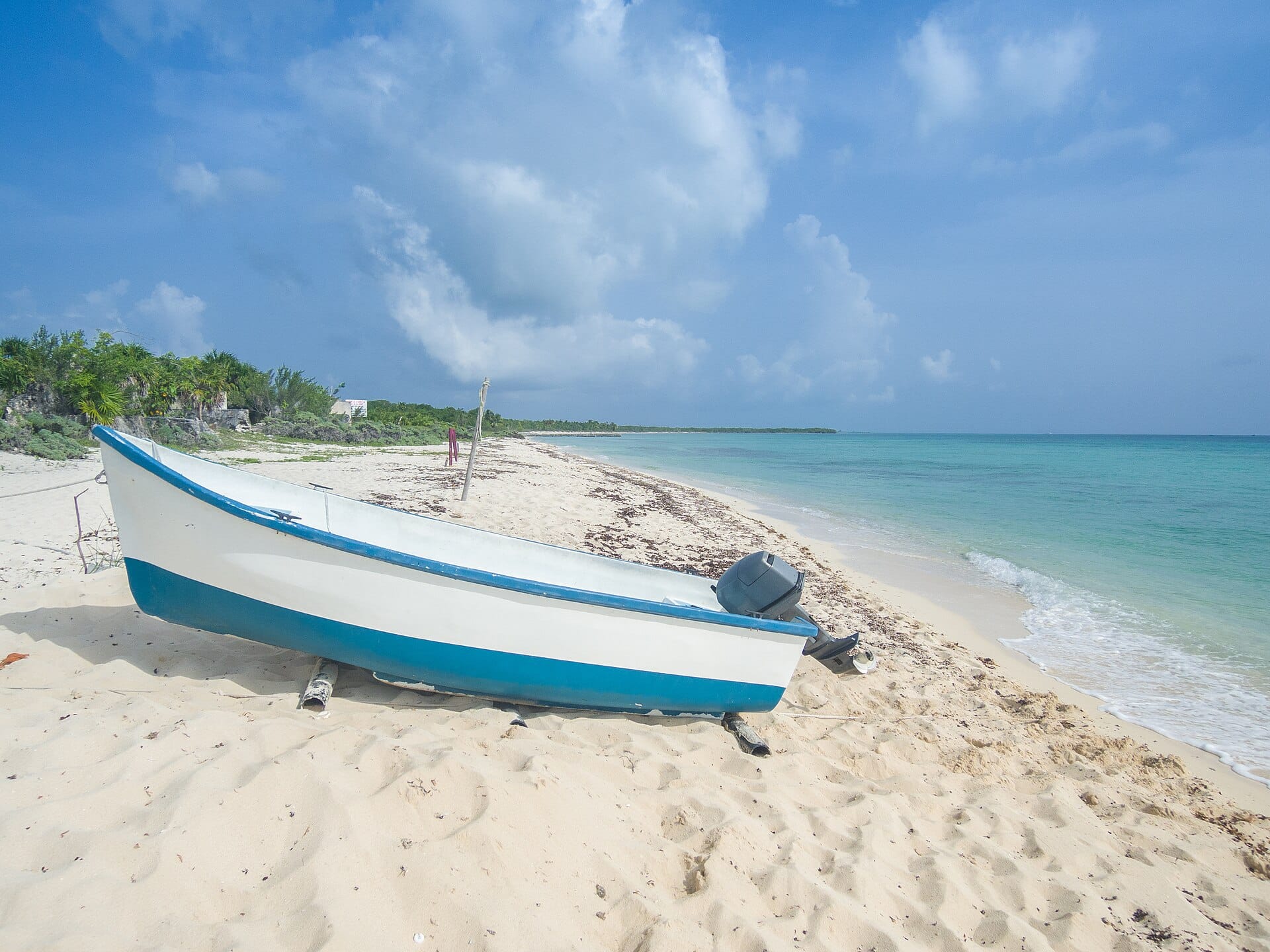
Jacques Cousteau put Cozumel on the map in the 1960s and the visibility — routinely forty metres — still does the selling. The island's west coast is one long marine park where currents carry divers along reef sites such as Palancar, so the operator must match the route to training and conditions. Beginners can shore-snorkel at Chankanaab or take a first dive with one of the many patient operators. Ferries cross from Playa del Carmen in forty-five minutes; check the cruise-ship schedule and pick a quiet day.
10. Curaçao, Dutch Caribbean
Explore destination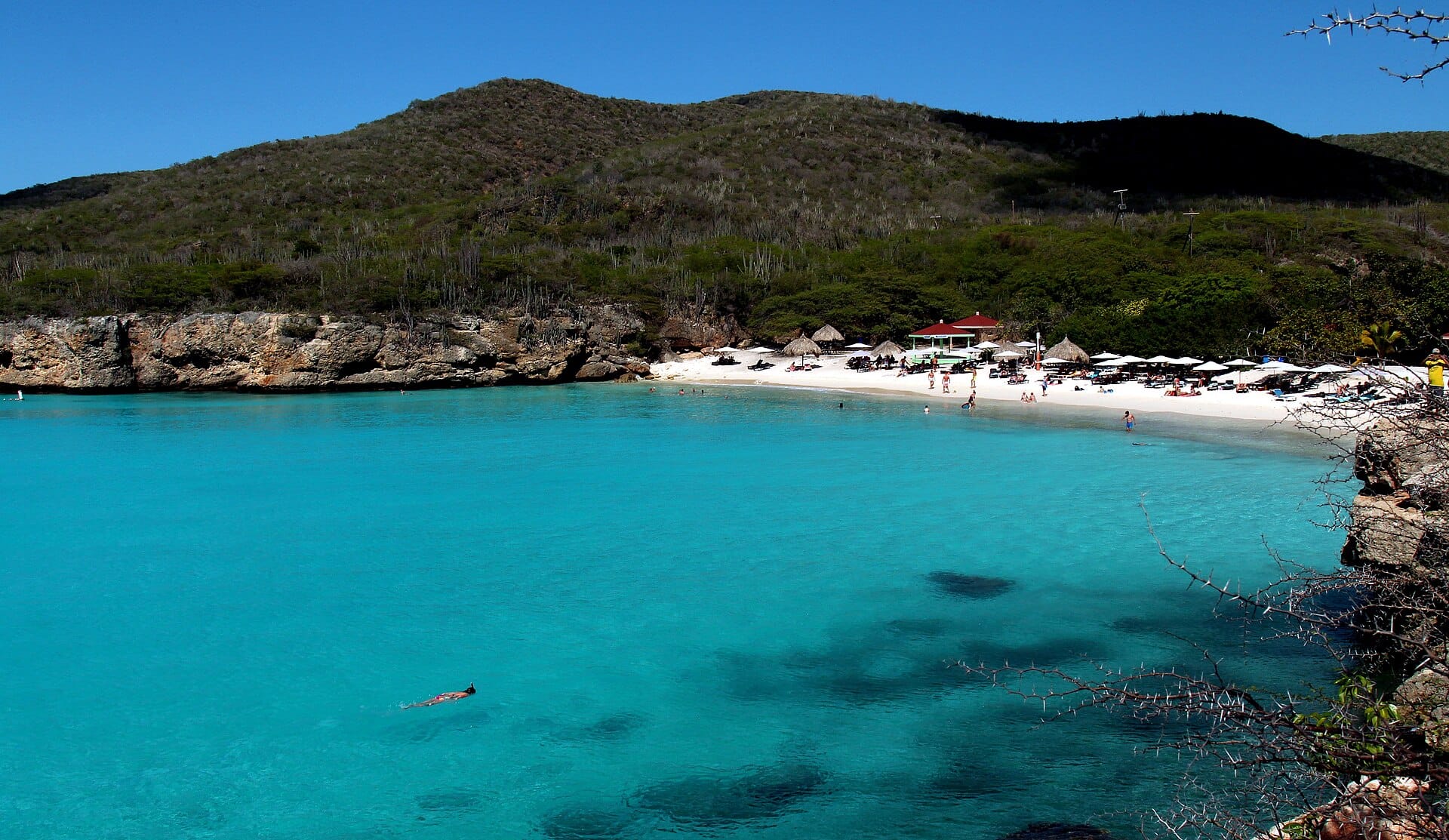
Bonaire's flashier neighbour deserves equal billing for beginners: dozens of pocket-sized coves on the west coast — Playa Kenepa Grandi is the pin-up — drop onto healthy reef within a few fin-kicks of the sand. The Tugboat wreck at Caracas Bay sits in five metres of water, shallow enough for snorkellers to tour. Between swims there's Willemstad's pastel Dutch waterfront, a UNESCO site with proper restaurants. Its southerly location reduces exposure to the main hurricane track, but does not guarantee suitable water conditions; hire a car to beach-hop.
Choose the operator before the underwater photograph
- For scuba, arrange qualified instruction and complete the required screening. A shore entry is not permission to dive independently.
- For snorkelling, ask about swimming ability, flotation, guide ratios, the exit and a cancellation plan for poor conditions.
- Judge recent site conditions and teaching quality rather than assuming the cheapest course or furthest reef is best.
Useful official information: Great Barrier Reef Marine Park visitor guidance.