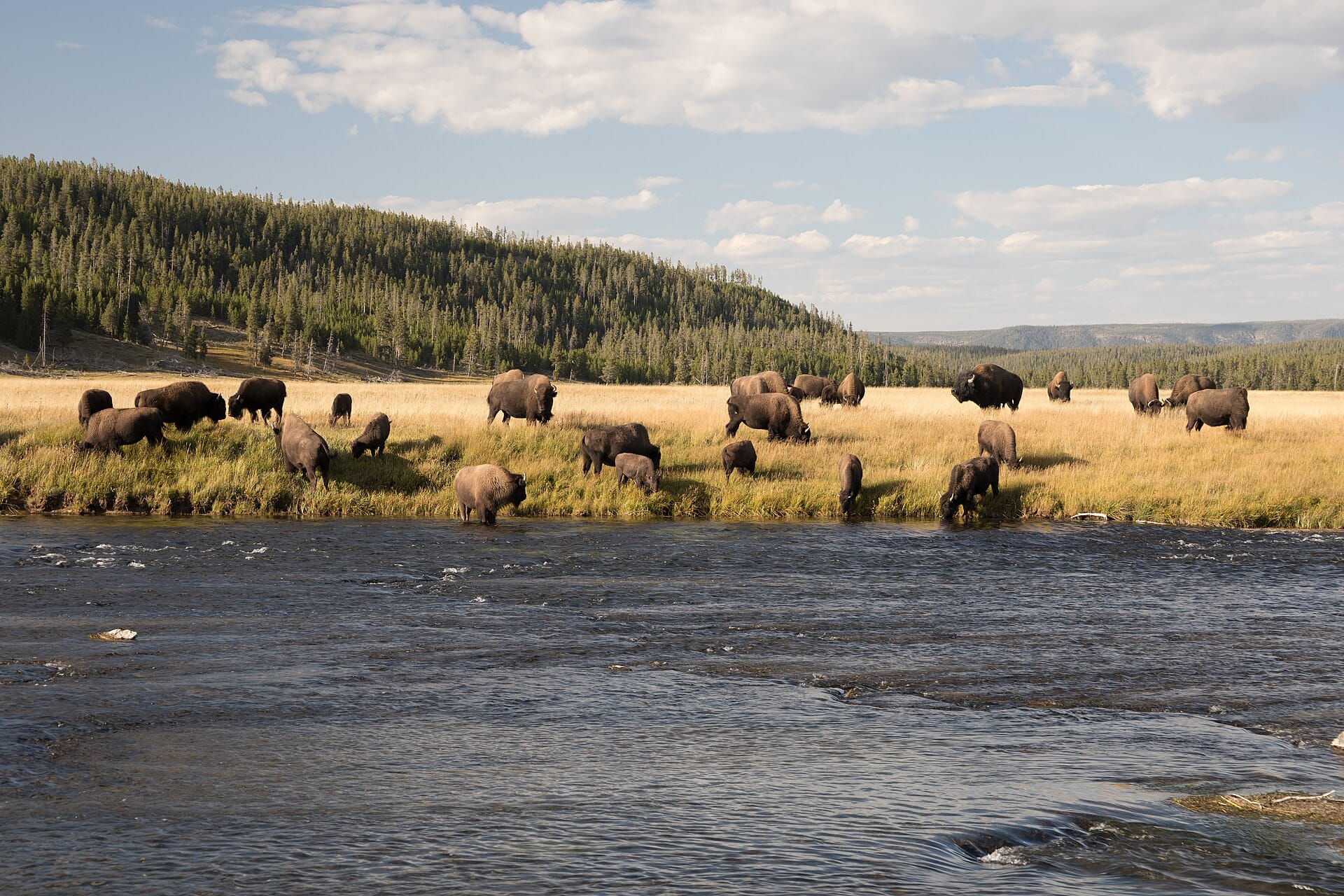
Bison in Yellowstone
America's first national park is essentially a drive-through wildlife documentary: bison jams on the road, elk on the lawns and — with a dawn start in the Lamar Valley — a genuine chance of wolves.
- Best forFamilies · Wildlife & nature · Photographers
- In October18°C · 7 rainy days
- Ideal stay4–5 nights
- Approx. flying time~2h 25m from Los Angeles
Happens around Yellowstone, USA — nearest airport Billings (BIL), about 27km away.
- CurrencyUSDUS dollar
- LanguageEnglish
- Local time04:337h behind the UK
- PlugsType A / BBring an adapter
- Drive on theRightOpposite to the UK
- Dialling code+1
The experience
Wildlife watching here is less a tour than a rhythm you fall into: up before dawn with a flask, scanning the sagebrush flats of the Lamar and Hayden valleys while the light comes up over the plateau. Bison are the constant, moving in herds of hundreds and stopping traffic without apology. Elk, pronghorn and coyotes fill out the cast, and with patience so do wolves and bears.
Most people build four or five days around the park's figure-of-eight loop road, splitting nights between the north end for animals and the geyser basins in the south. Summer brings calves and crowds in equal measure, while autumn brings the elk rut and cold mornings. Winter closes most roads entirely, and much of the interior becomes inaccessible without a snowcoach or guided tour.
- Ideal stay
- 4–5 nights
- The vibe
- Wide, wild and patient
From our guides
Geysers provide the interval entertainment, Old Faithful erupting on a schedule no animal would respect. Book park lodges up to a year ahead, or stay in Gardiner just outside the north gate. June brings bison calves; September brings elk bugling.
Featured in Ten wildlife holidays that beat any screen
Make a trip of it
-
Lamar Valley at dawn
The park's most reliable wildlife corridor, wide open and best watched from the roadside pullouts between Tower and the north-east entrance. Bring binoculars; a spotting scope is better still.
-
Hayden Valley
A second great grazing ground, closer to the geyser basins, where bison herds ford the Yellowstone River in summer and bull elk appear along the banks each autumn.
-
Old Faithful and the basins
Predicted eruptions give the day a fixed point, and the boardwalks of the Upper Geyser Basin string together dozens of smaller geysers, springs and pools around it.
-
Grand Prismatic Spring
The largest hot spring in the park, ringed in orange and rust. The overlook trail from the Fairy Falls car park gives the view the boardwalk cannot.
-
The bison rut
Late July and August bring bellowing bulls and real tension in the herds. Keep the mandated distance, since more visitors are injured by bison than by bears.
-
Mammoth Hot Springs
Terraces of white travertine at the north end of the park, with elk that graze the lawns around the old fort buildings as though they own them.
Getting there
-
Fly to
Billings (BIL)
Nearest airport to Yellowstone, about 27km away as the crow flies.
-
Then
To Gardiner
Around three hours by car from Billings (BIL), south and west to Gardiner at the park's north gate.
-
On the ground
Getting around
Wildlife watching is done from the road, so you drive: the Lamar Valley is roughly an hour east of Gardiner and rewards a pre dawn start.
Public transport: Effectively none inside the park. Without a hire car you are dependent on guided tours.
Flights
Los Angeles Yellowstone, USA
Fly from anywhere — search 4,000+ airports worldwide.
Roughly 2h 25m in the air from Los Angeles (LAX), estimated from the distance — check for a direct route. Pick a month to see every available flight with live prices.
Check dates and prices
Pick your departure date, then your return.
Search flightsNot sure when? Compare fares across a whole month.
Flight times are estimates; prices open on Google Flights.
When to go
Daytime highs run from about 4°C in February to 33°C in July. Driest July to September and November to January; wettest in May, with rain on about 12 days.
The year at a glance — pick a month for detail
October18° · rain 7 daysCool with the odd shower.
Monthly figures averaged from daily records for 2020–2024 at this location (ERA5 reanalysis). Highlighted months are warm and mostly dry — July to September. Live conditions from MET Norway, CC BY 4.0.
Where to base yourself
Historic park lodges and cabins run by the concessionaire inside Yellowstone, independent motels, guest ranches and cabins in the gateway towns, and a lot of campgrounds.
-
Best base overall
Gardiner, Montana
Straight outside the north gate and the only entrance open to cars all year, which makes it the right choice for dawn runs into the Lamar Valley. The town is small and dining options run out quickly.
Find stays in Gardiner, Montana -
Closest to the sights
Mammoth Hot Springs
Inside the park, with elk on the lawns and the shortest possible drive to the wildlife valleys. Rooms are dated, there is no air conditioning, and demand is ferocious.
Find stays in Mammoth Hot Springs -
Best with children
West Yellowstone, Montana
The biggest gateway town, with motels, a wildlife centre and an IMAX for the inevitable rainy afternoon, plus easy access to the geyser basins. It is a two-hour drive to the best bison and wolf watching.
Find stays in West Yellowstone, Montana -
Quietest
Cooke City, Montana
At the far end of the Lamar Valley, tiny and unpolished, but you wake up in the middle of the wildlife. Very limited accommodation, and the road east is closed in winter.
Find stays in Cooke City, Montana
Worth knowing before you book: Park lodges open for reservation roughly a year ahead and the summer dates go almost immediately. Gateway motels raise rates sharply for July and August.
Search everything else in Gardiner by budget. These are indicative budget bands in GBP per night for two people, not live quotes or guarantees of hotel type. Check your dates, guests, taxes and final price on Booking.com.
Good to know
- Distances
- Stay 25 metres from bison and elk, and 100 metres from bears and wolves. Rangers enforce it, and the animals do not negotiate.
- Book ahead
- Park lodges release rooms roughly a year in advance and sell out quickly. Gardiner and West Yellowstone take the overflow just outside the gates.
- Timing
- Animals move at dawn and dusk. The middle of the day belongs to geysers, boardwalks and the drive between them.
- Driving
- Loop roads are slow and prone to wildlife jams, so allow far longer than the map suggests. Fill the tank whenever you get the chance.
- Pack this
- Binoculars, warm layers and waterproofs. Mornings can drop near freezing even in June, and afternoon thunderstorms are common in summer.
Further afield
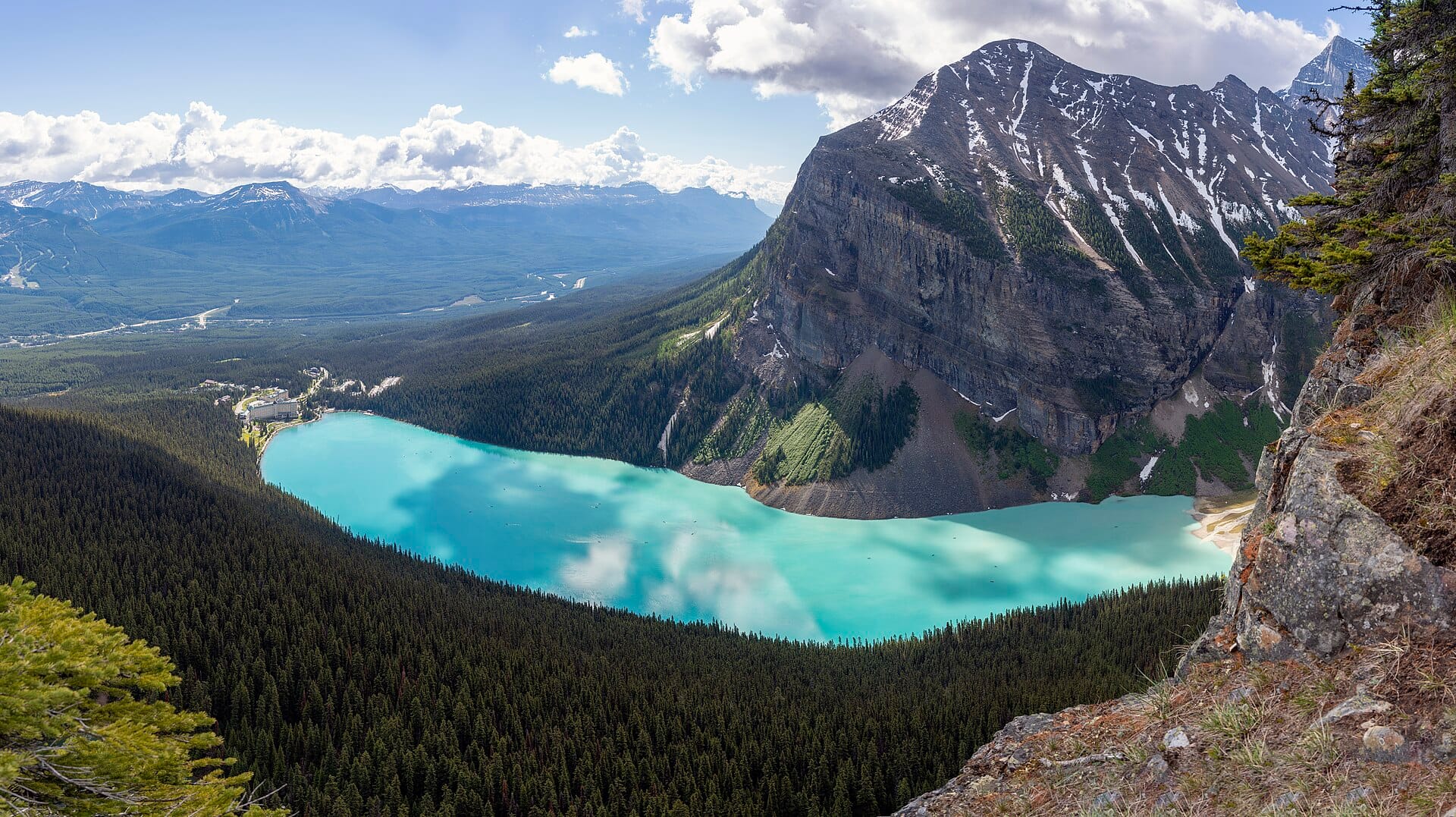
Banff
Canada · 789km away →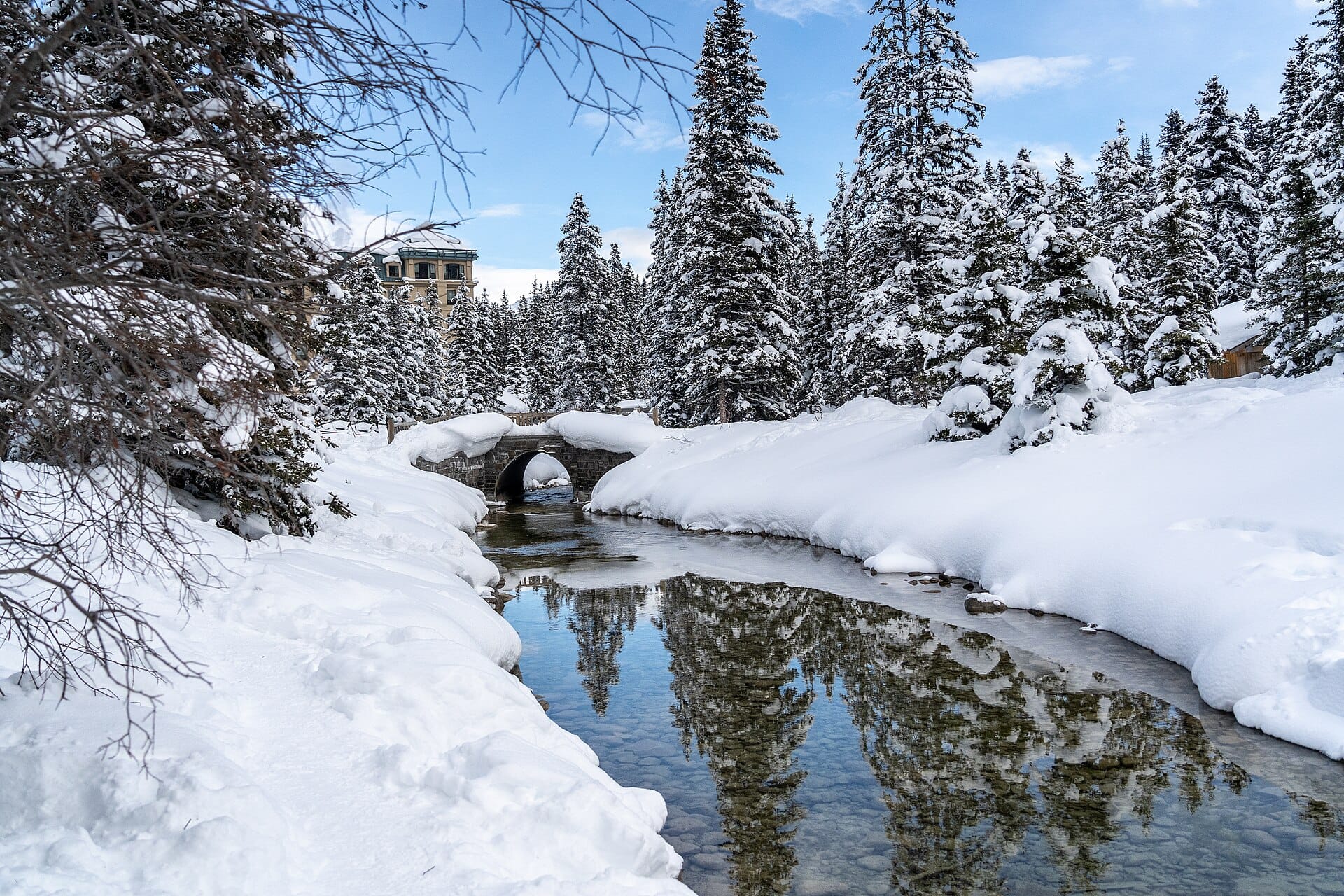
Skating on frozen Lake Louise
Canada · 839km away →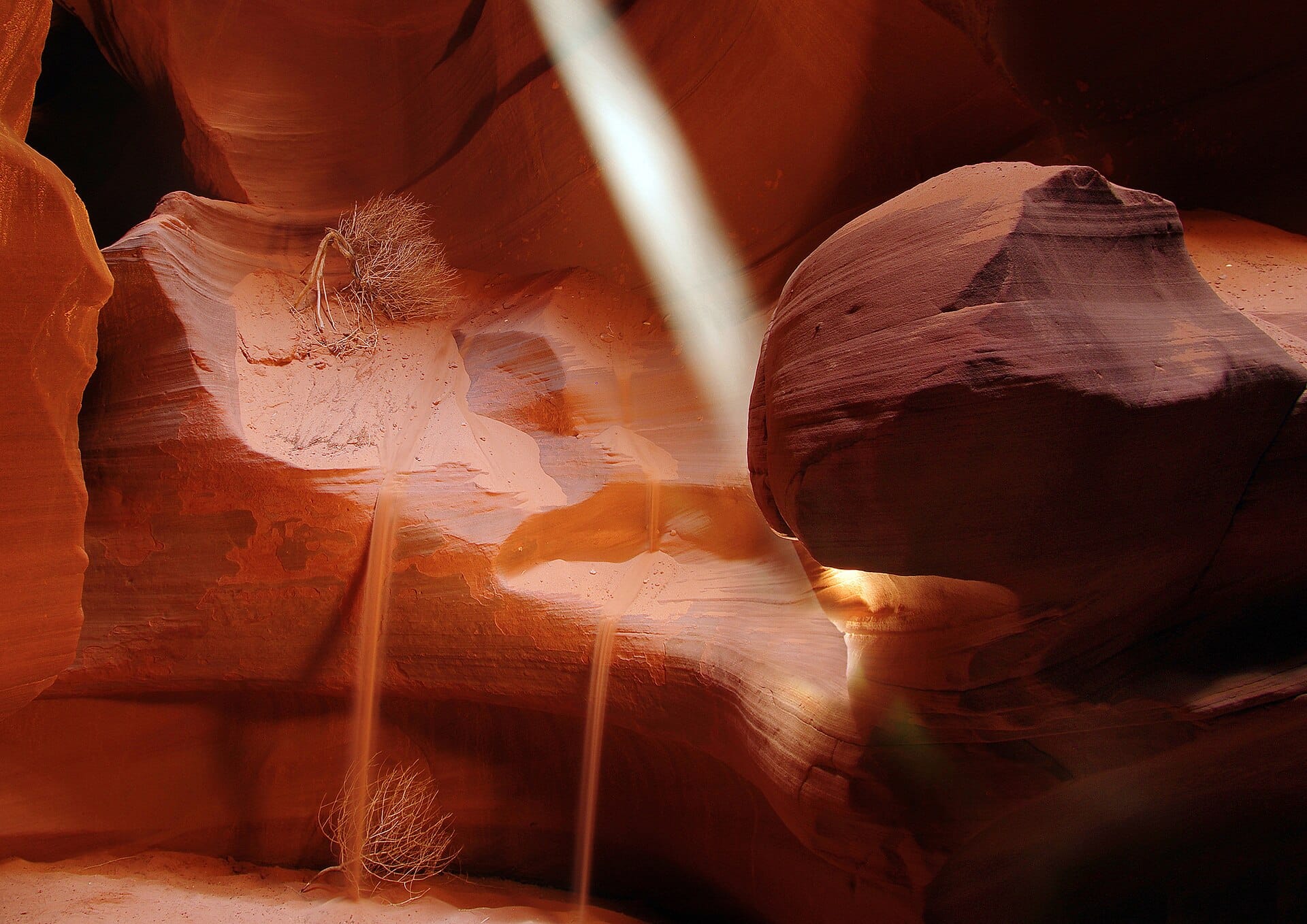
Walking the slot canyons of Antelope Canyon
Arizona, USA →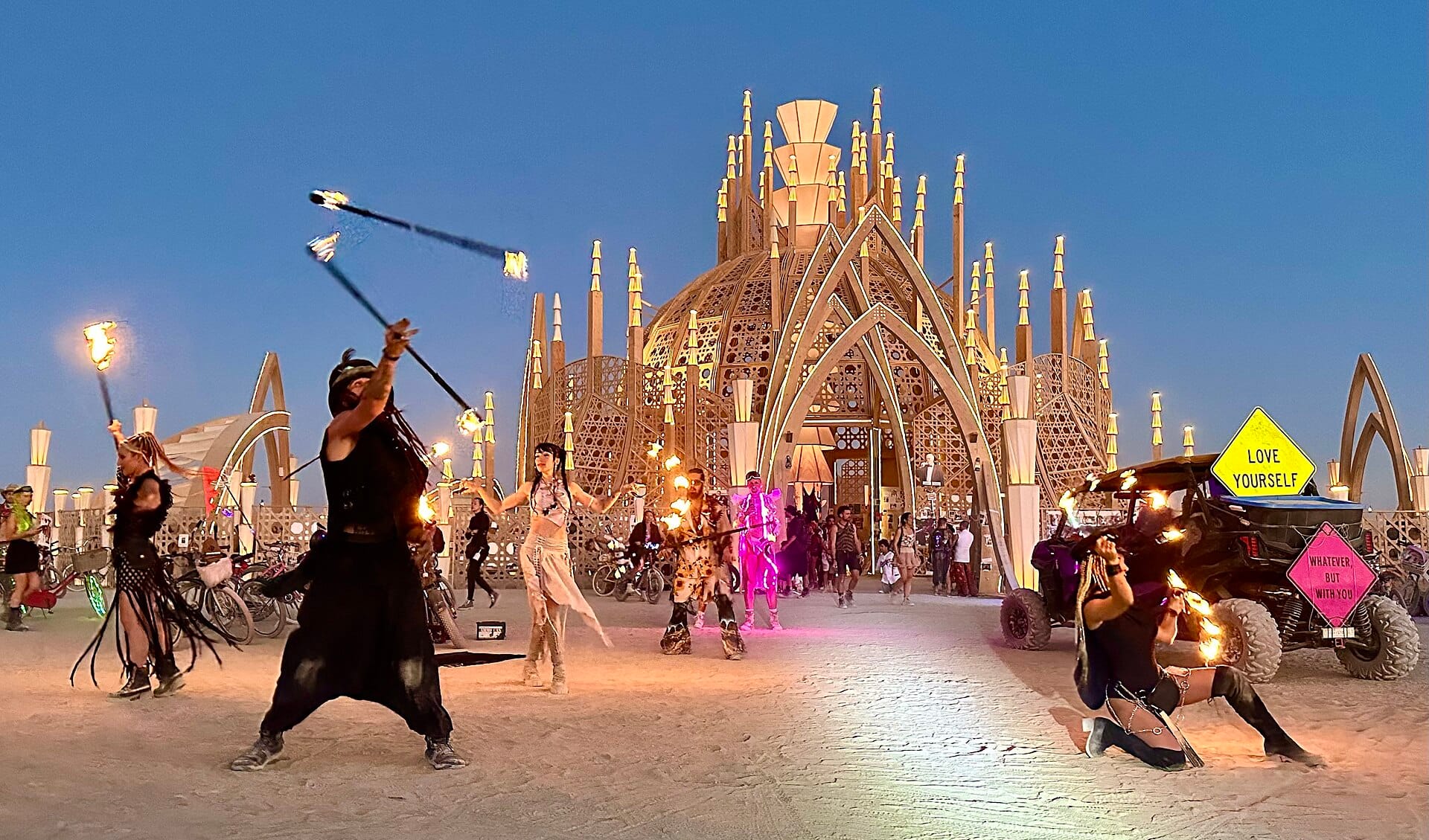
Burning Man
Nevada, USA →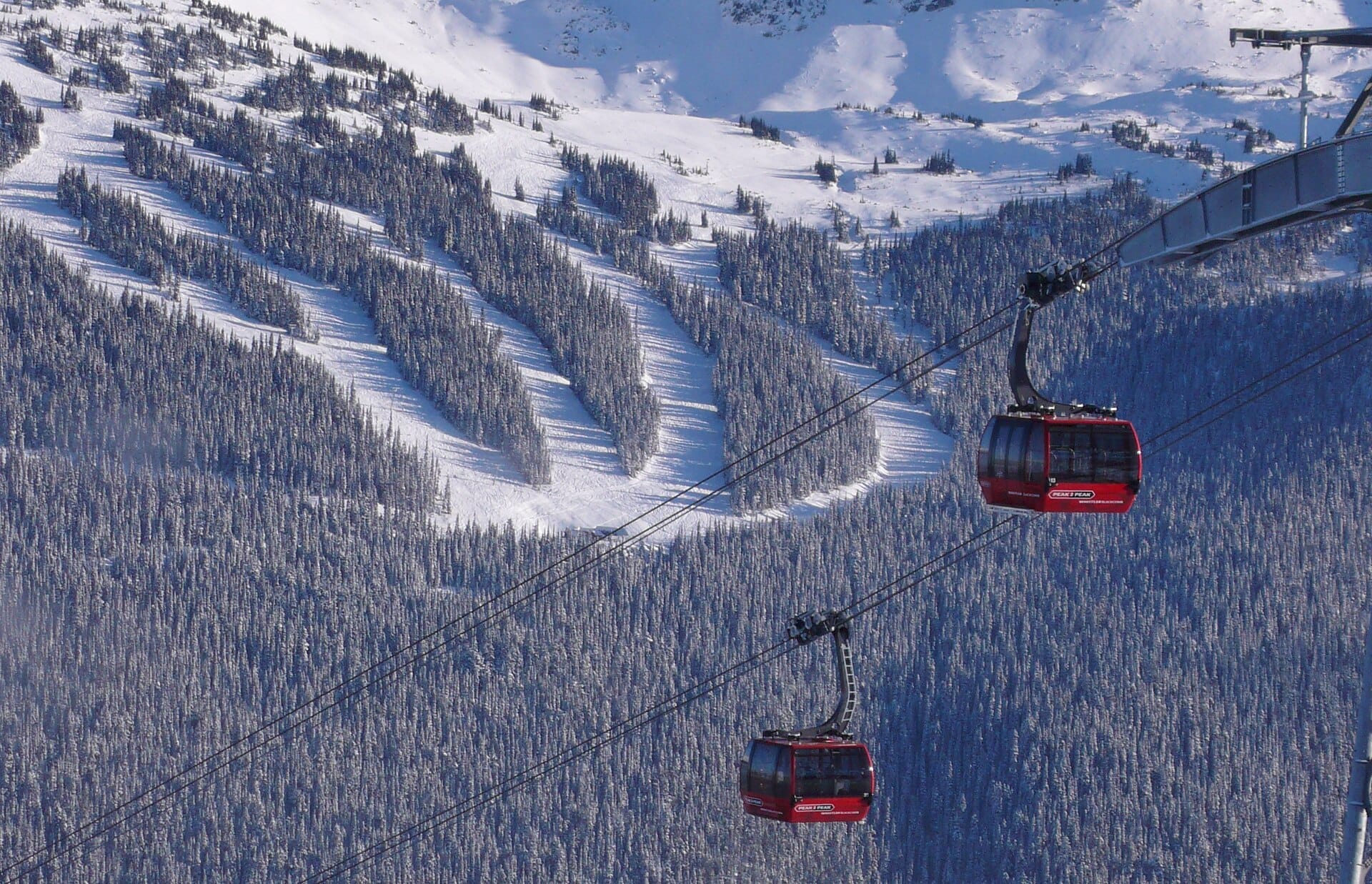
Peak 2 Peak Gondola
Whistler, Canada →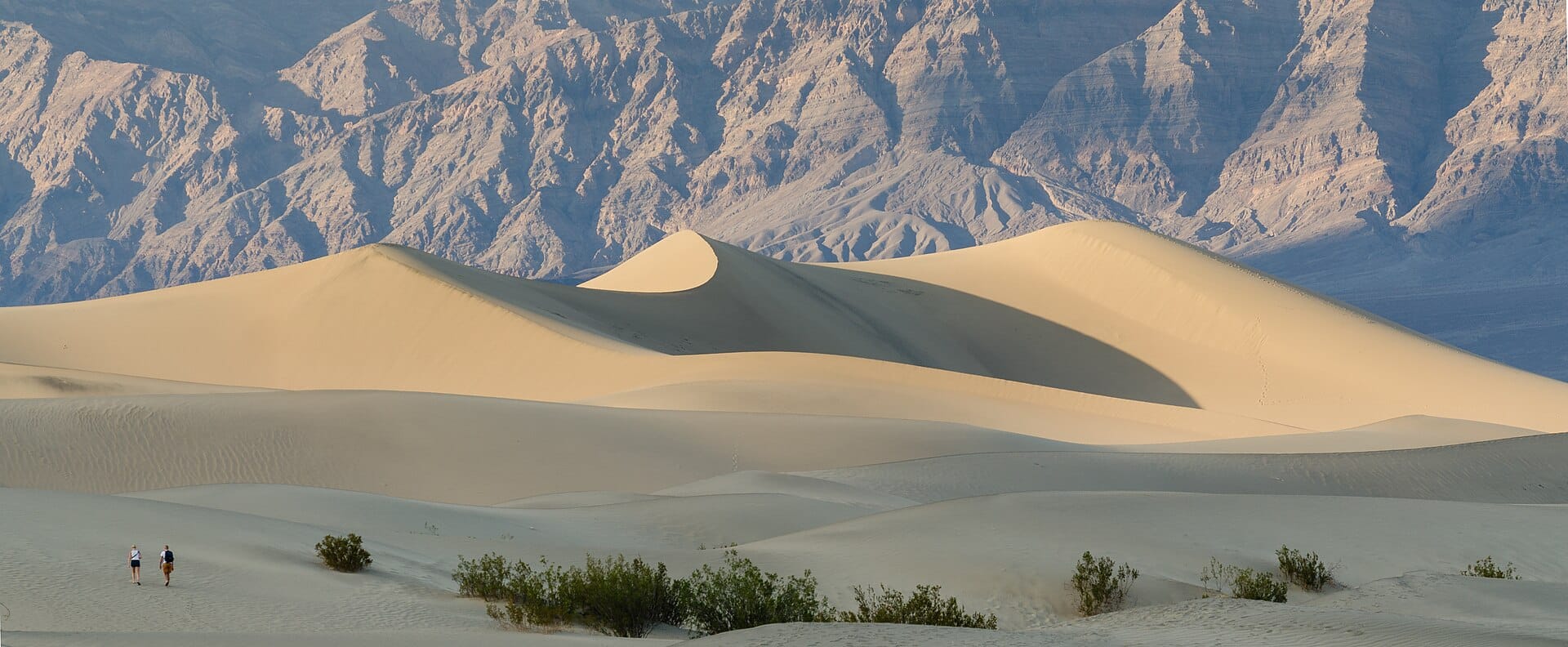
Death Valley
California, USA →Elsewhere in the USA