
Puglia
Italy's heel pairs shallow, sheltered coves — the protected beaches at Torre Guaceto are toddler-perfect — with enough drama for teenagers: cliff-jumping locals at Polignano a Mare, sea caves to kayak into and bike rides through olive groves older than most countries.
- Best forFamilies · Foodies · Beach lovers
- In November17°C · 10 rainy days
- Ideal stayA week or more
- Approx. flying time~13h 05m from Los Angeles
- CurrencyEUREuro
- LanguageItalian
- Local time13:111h ahead of the UK
- PlugsType C / F / LBring an adapter
- Drive on theRightOpposite to the UK
- Dialling code+39
Why go
The heel of Italy runs to about 800 kilometres of coast, with the Adriatic on one side and the Ionian on the other, and flat olive country in between. Towns are white and low, built for shade: Ostuni on its hill, Lecce in carved baroque limestone, Alberobello's cone-roofed trulli. Swimming is off both rock and sand, the water is generally shallow and clear, and lunch is the fixed point of every day.
A week or ten days suits it, ideally from a masseria or a villa with a pool, since distances between towns are longer than they look on a map. The Valle d'Itria makes a good central base, with Salento further south for the better beaches. June and September give warm sea without August's heat and holiday traffic. Public transport is thin, so a car is not really optional here.
- Ideal stay
- A week or more
- The vibe
- Whitewashed, olive-shaded, greedy
From our guides
Stay in a masseria, a fortified farmhouse with a pool, and eat orecchiette until it becomes a personality trait. June and September bring warm seas without the August crowds.
Featured in Ten sunshine spots where toddlers and teenagers are equally happy
Things to do
-
Alberobello and the trulli
Hundreds of dry-stone cone-roofed houses across two UNESCO listed districts. Busy through the day, and much better in the early evening.
-
Lecce
Baroque carved into soft golden limestone, plus a Roman amphitheatre in the main square and the region's paper-mâché workshops.
-
Polignano a Mare
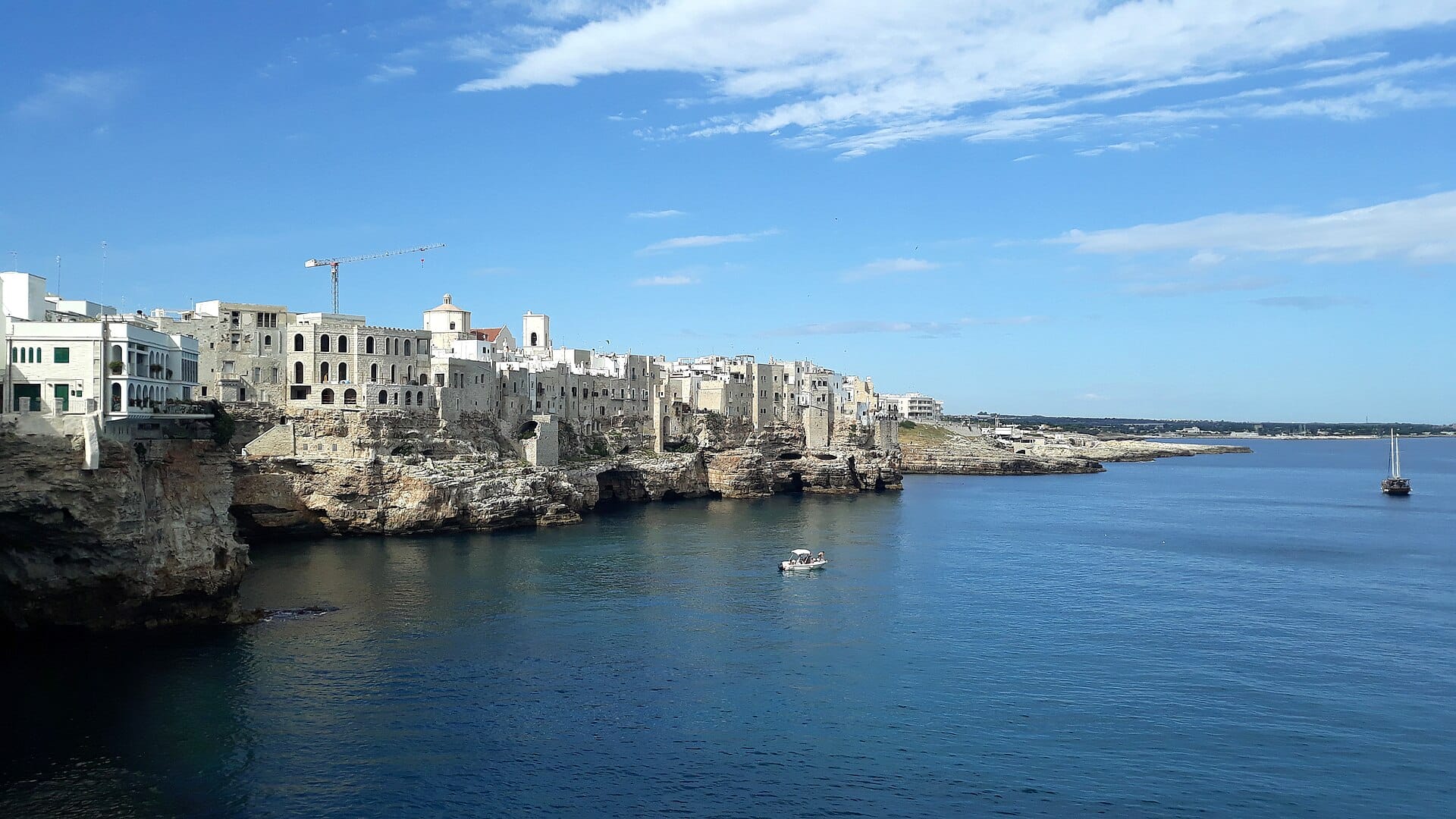
A town on a cliff above a small beach in a ravine, with locals jumping from the rocks and sea caves along the shoreline below.
-
Torre Guaceto
A protected marine reserve north of Brindisi, with shallow sheltered water, dunes, boardwalks and no development on the beach itself.
-
Grotte di Castellana
A three-kilometre cave system with a guided walk to the white alabaster chamber at the end. Cool and dry when the surface is baking.
-
Orecchiette and burrata
Ear-shaped pasta with turnip tops, burrata from Andria, focaccia barese and almond pastries. Puglia takes its carbohydrates extremely seriously.
Getting there
-
Fly to
Bari (BRI)
Nearest airport to Puglia, about 21km away as the crow flies.
-
Then
To Ostuni
About an hour by car south from Bari (BRI) to Ostuni; alternatively take the airport train into Bari Centrale and a regional service down the coast, roughly an hour and a half.
-
On the ground
Getting around
Ostuni station sits a few kilometres below the white old town, and the coves, masserie and Valle d'Itria villages are spread out, so a car makes the region far easier.
Public transport: Trains link Bari, Polignano a Mare, Ostuni and Lecce reliably, but the beaches and countryside between them need wheels.
Flights
Los Angeles Puglia, Italy
Fly from anywhere — search 4,000+ airports worldwide.
Roughly 13h 05m in the air from Los Angeles (LAX), estimated from the distance — check for a direct route. Pick a month to see every available flight with live prices.
Check dates and prices
Pick your departure date, then your return.
Search flightsNot sure when? Compare fares across a whole month.
Flight times are estimates; prices open on Google Flights.
When to go
Daytime highs run from about 11°C in January to 32°C in July. Driest in July; wettest in May, with rain on about 11 days.
The year at a glance — pick a month for detail
November17° · rain 10 daysCool with rain most weeks.
Monthly figures averaged from daily records for 2020–2024 at this location (ERA5 reanalysis). Highlighted months are warm and mostly dry — July and October. Live conditions from MET Norway, CC BY 4.0.
Where to stay
Masserie, the fortified farmhouses with pools and olive groves, plus trulli conversions, town B and Bs and seafront family hotels. Large resorts are rare and international chains almost absent.
-
Best base overall
Ostuni
The white town on its hill, with restaurants, a lively evening passeggiata and coves twenty minutes down the road. The old centre is all steps and cobbles, so a car park matters.
Find stays in Ostuni -
Best with children
Torre Canne
Flat, sandy and shallow, with a promenade you can push a buggy along and family hotels facing the water. Low on charm compared with the hill towns, high on practicality.
Find stays in Torre Canne -
Best for couples
Polignano a Mare
Houses balanced on a limestone cliff above a famous pebble cove, with small hotels cut into the rock. It gets very busy by day and parking is a competitive sport.
Find stays in Polignano a Mare -
Best value
Monopoli
A proper working port with a handsome old town, cheaper rooms than Ostuni and a railway station that actually helps. Its town beaches are small and fill fast in August.
Find stays in Monopoli
Worth knowing before you book: August is booked by spring and most masserie set a minimum stay of several nights then. Many close from November to March, so shoulder season needs checking too.
Search everything else in Ostuni by budget. These are indicative budget bands in GBP per night for two people, not live quotes or guarantees of hotel type. Check your dates, guests, taxes and final price on Booking.com.
Good to know
- Getting there
- Bari and Brindisi both have airports, roughly an hour and a half apart. Fast trains run down the Adriatic coast from the north.
- Driving
- A car is essential outside the cities. Historic centres are pedestrianised and restricted-traffic zones carry fines, so park outside and walk in.
- Beaches
- Many are private lidos where you pay for a sunbed. Free stretches sit alongside them and are marked as spiaggia libera.
- Crowds
- August is when Italy holidays here. Beaches, restaurants and roads all fill, and prices roughly double.
- With kids
- The shallow Ionian bays around Porto Cesareo and the reserve beaches are the calmest. Adriatic rock coves suit stronger swimmers.
Similar places
Further afield
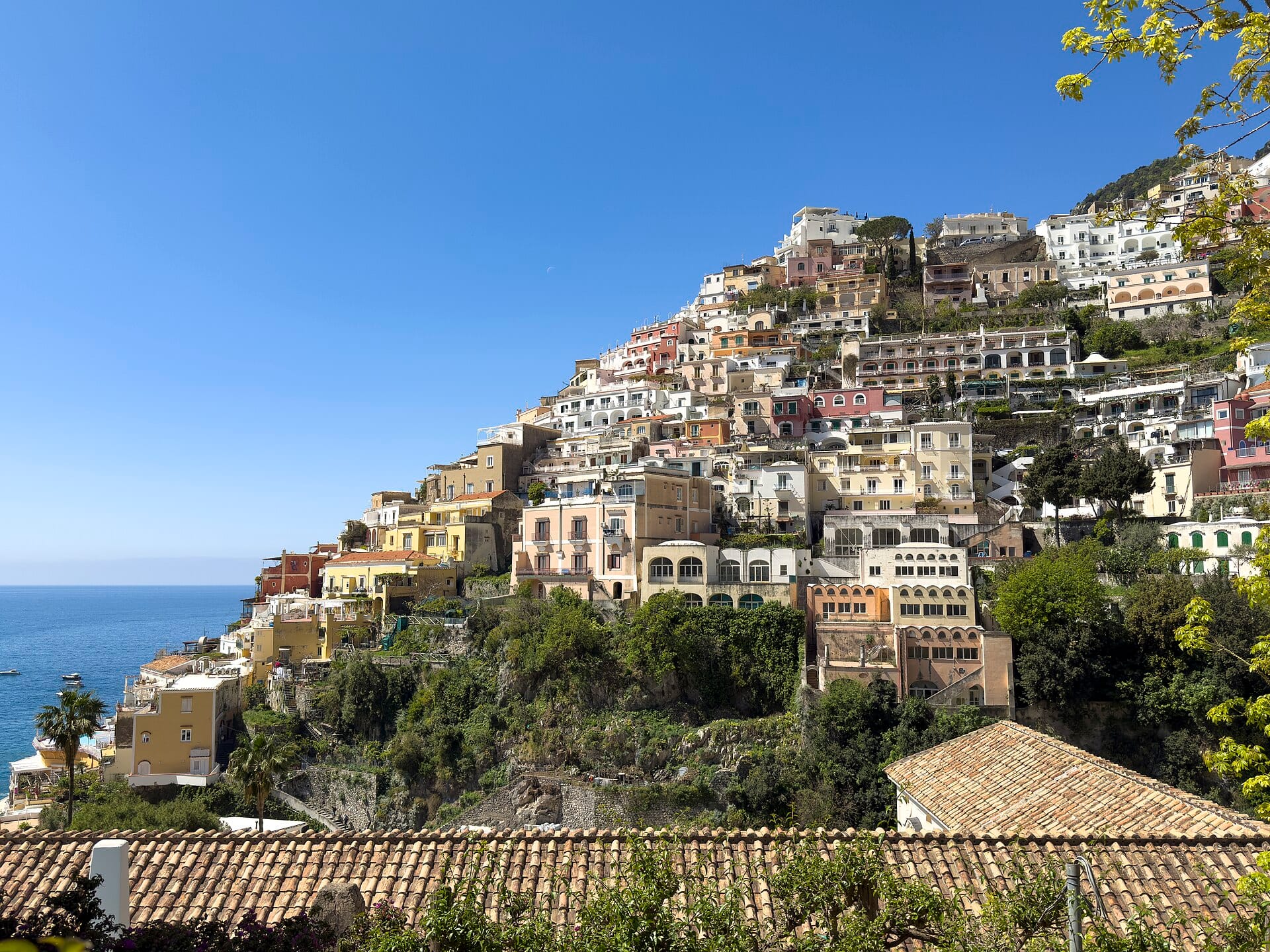
Amalfi Coast
Italy · 164km away →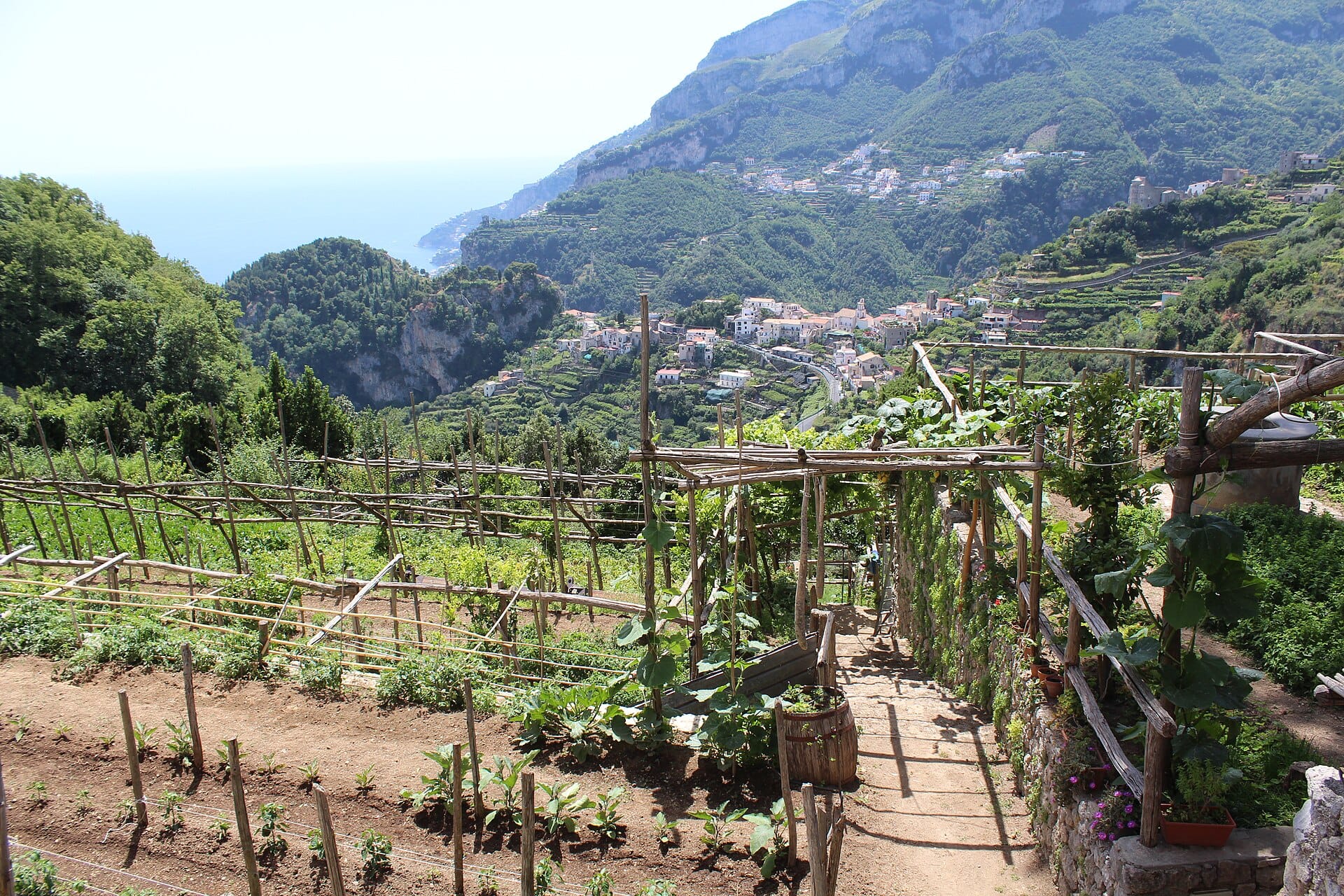
Ravello
Amalfi Coast, Italy · 173km away →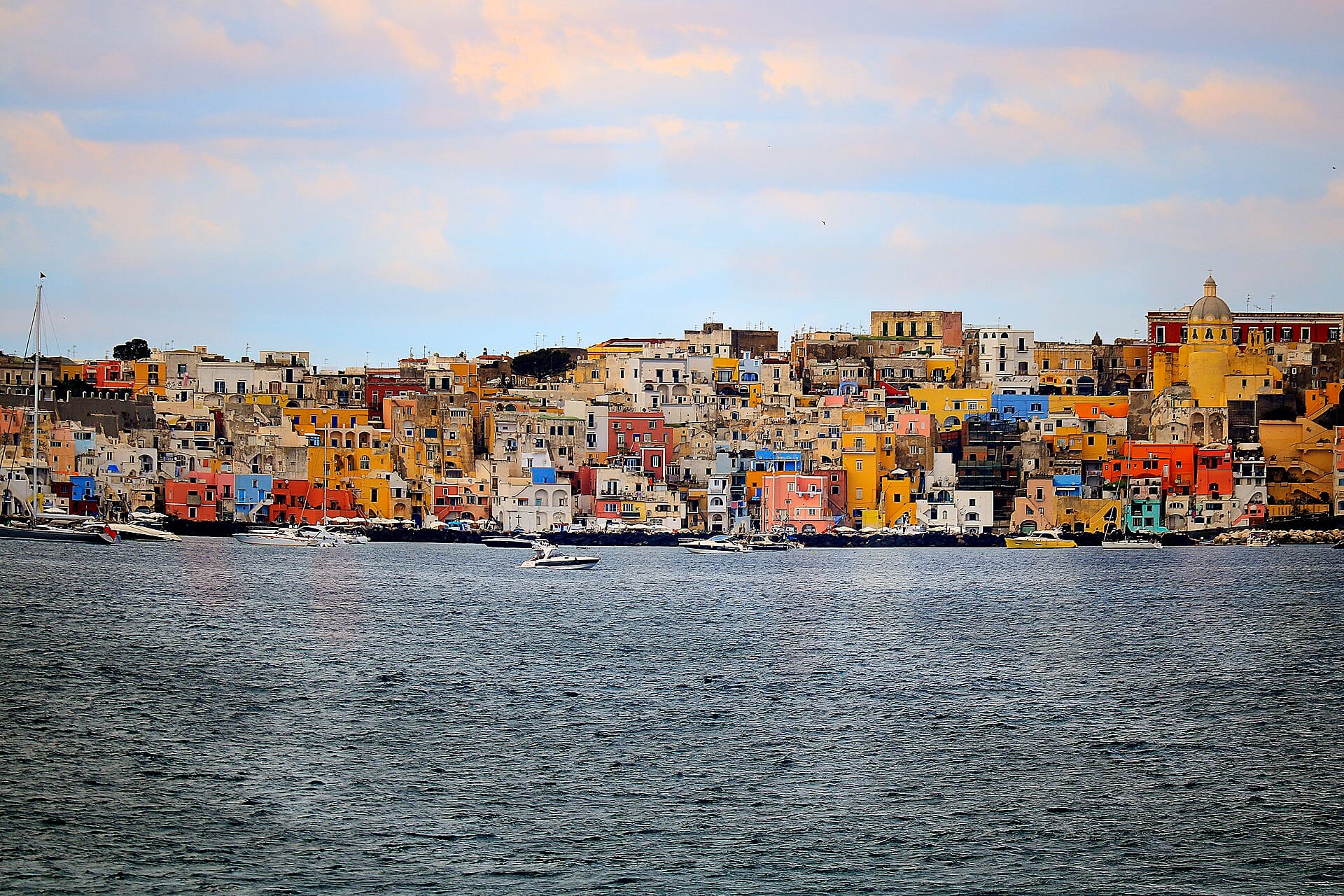
Procida
Italy · 220km away →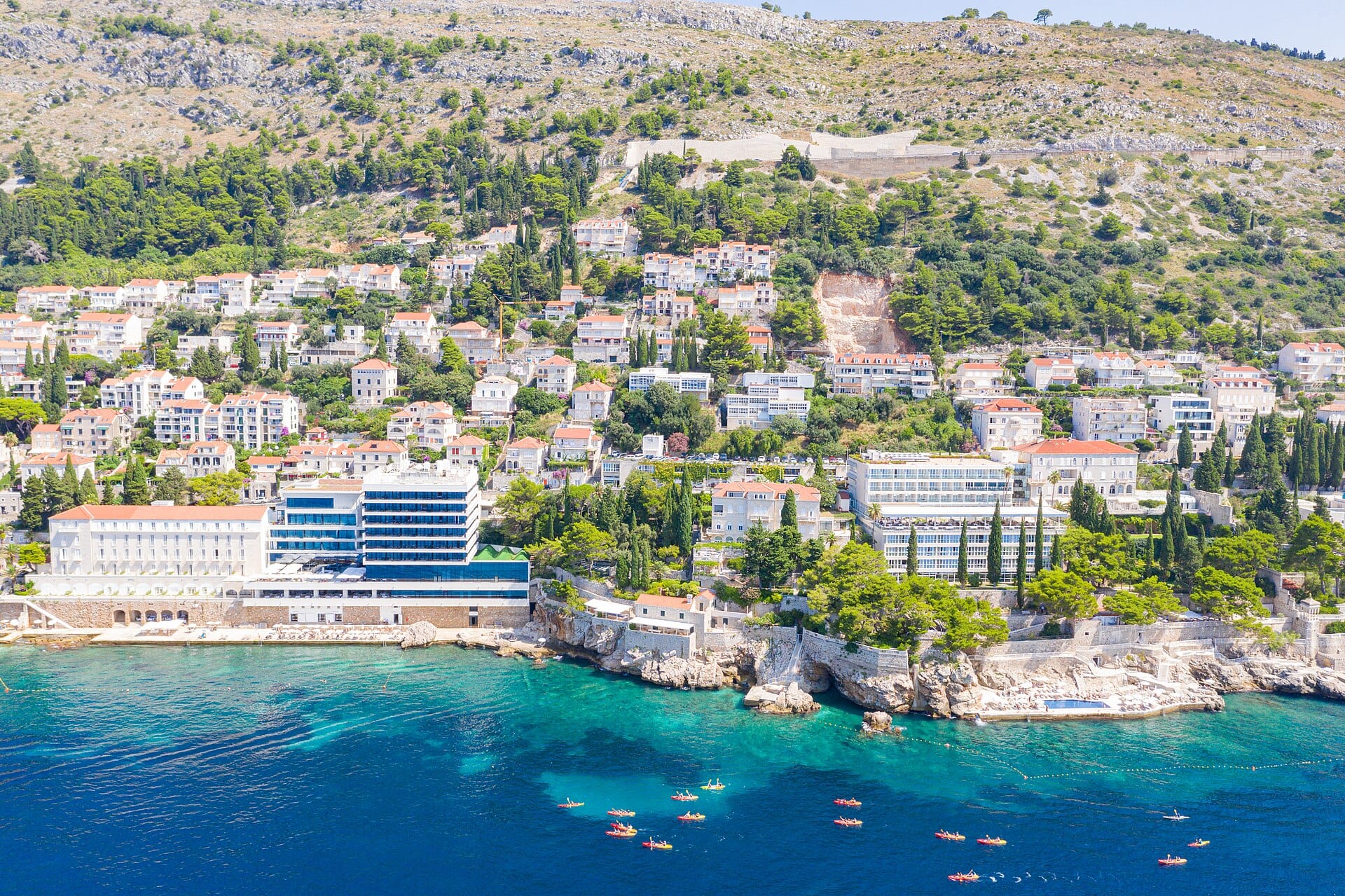
Sea kayaking the Elaphiti Islands
Croatia · 220km away →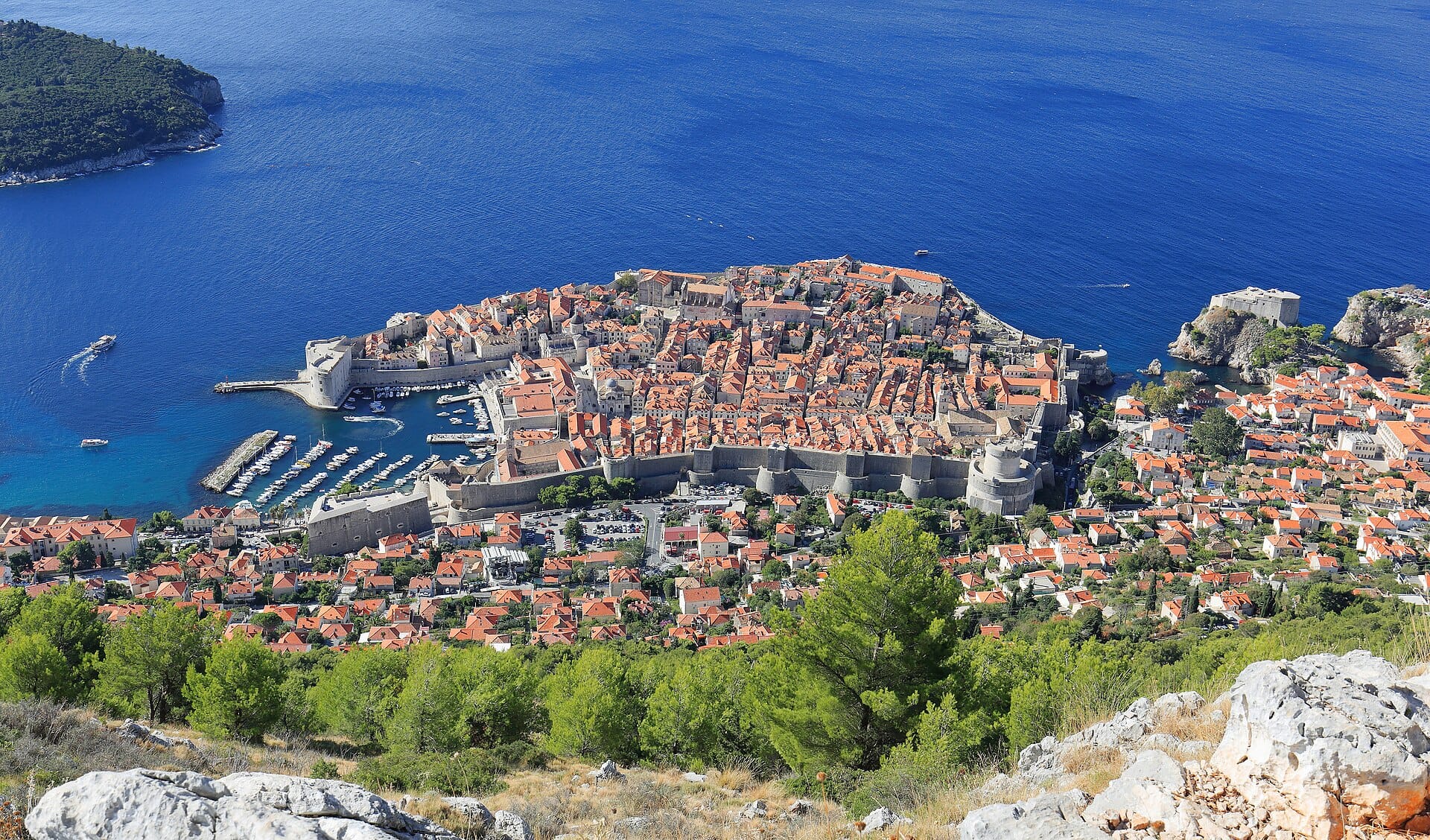
Dubrovnik
Croatia · 222km away →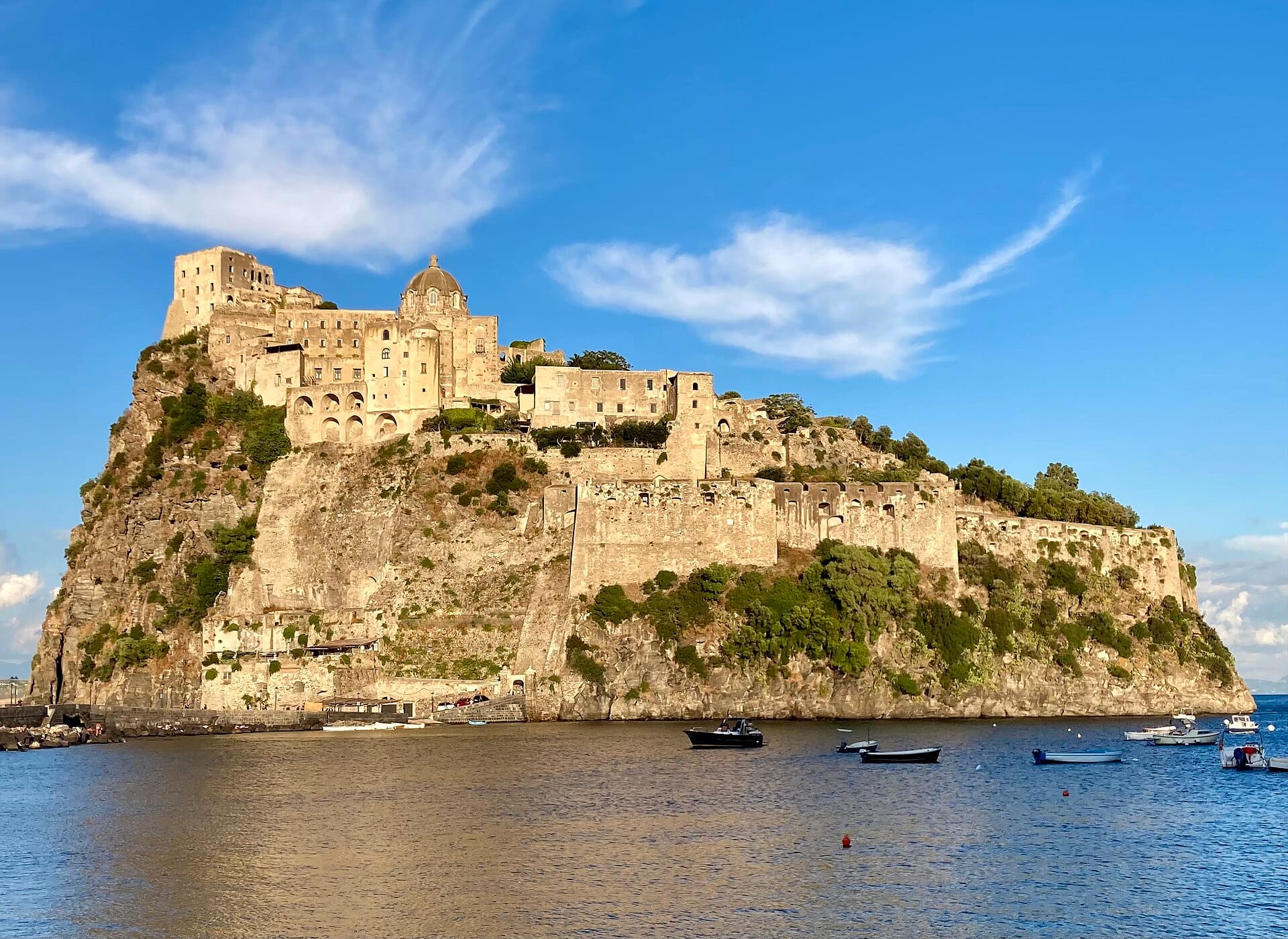
Ischia
Italy · 227km away →Elsewhere in Italy
Related articles
Quick answers
When is the best time to visit Puglia?
For warm, mostly dry days, July and October. That means highs of 20–34°C with rain on six days a month or fewer. Daytime highs run from about 11°C in January to 32°C in July. Driest in July; wettest in May, with rain on about 11 days.
How long should I spend in Puglia?
Our suggestion: a week or more.
How do I get to Puglia?
About an hour by car south from Bari (BRI) to Ostuni; alternatively take the airport train into Bari Centrale and a regional service down the coast, roughly an hour and a half.
Do I need a car in Puglia?
Yes, a car makes a real difference here. Trains link Bari, Polignano a Mare, Ostuni and Lecce reliably, but the beaches and countryside between them need wheels.
What currency and language are used in Puglia?
Currency: Euro (EUR). Language: Italian. Plugs: type C and F and L.
Who is Puglia best for?
Best for families, foodies and beach lovers. In a phrase: whitewashed, olive-shaded, greedy.