
Costa Brava
North of Barcelona, the Costa Brava mixes sheltered coves with proper resort infrastructure.
- Best forFamilies · Couples · Beach lovers
- In November17°C · 9 rainy days
- Ideal stay5–7 nights
- Approx. flying time~12h 05m from Los Angeles
- CurrencyEUREuro
- LanguageSpanish
- Local time13:101h ahead of the UK
- PlugsType C / FBring an adapter
- Drive on theRightOpposite to the UK
- Dialling code+34
Why go
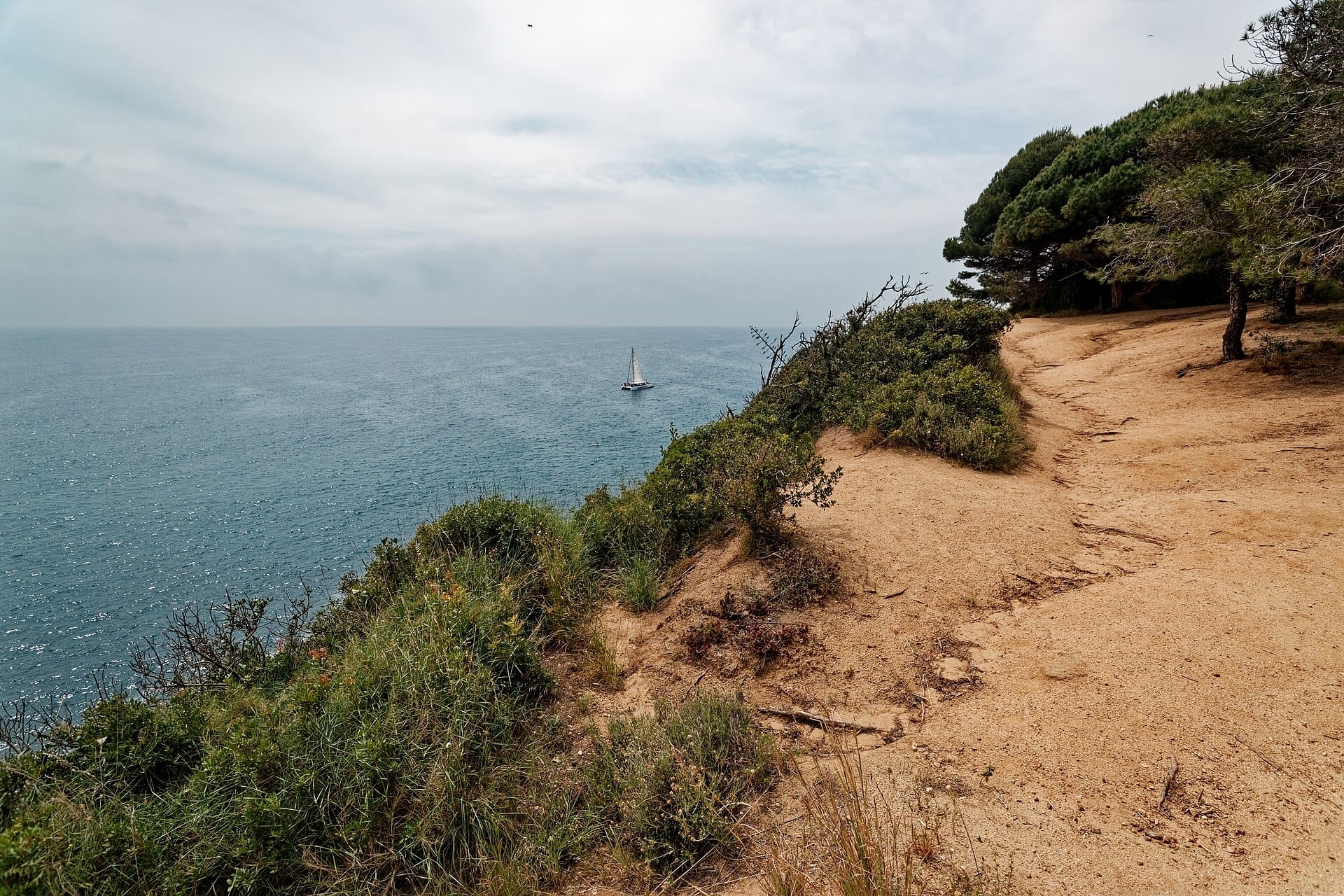
The coastline north of Barcelona is genuinely rugged, as the name suggests: pine-covered headlands, small coves reached down steps, and whitewashed fishing villages that have kept their scale. Between them run the camins de ronda, old coastguard paths that trace the cliffs at sea level. Inland lie medieval villages, Dalí's various houses and a Catalan food culture that takes rice, fish and mushrooms very seriously.
Base yourself around Begur or Palafrugell for the best coves, or Cadaqués for something wilder and further north, and give it five to seven nights. June and September deliver warm sea without the August crush; October is quiet but many beach places close. Families do well here thanks to sheltered bays, and Girona and Figueres provide the wet-day answers. Some resort stretches further south are far less appealing than the coves.
- Ideal stay
- 5–7 nights
- The vibe
- Pine, cliffs, coves, Catalan appetite
From our guides
North of Barcelona the package-holiday coast gives way to pine-backed coves, whitewashed fishing villages and roads that switchback between them. String together Calella de Palafrugell, Llafranc and Tamariu, walk sections of the camí de ronda coastal path between swims, and detour inland to Dalí's surreal museum at Figueres. June and September deliver warm sea without the August squeeze; order arroz negro at a beachfront chiringuito.
Featured in Ten family holiday destinations in Europe, from toddlers to teens and Ten coastal drives for a honeymoon on wheels
Things to do
-
Calella de Palafrugell
Whitewashed arcades sit right on the water, with small beaches between rocky points. The neighbouring cove of Llafranc is a fifteen-minute walk along the path.
-
Cadaqués and Cap de Creus
A white village at the end of a mountain road, with Dalí's house at Portlligat next door and a headland of twisted rock forming the peninsula's eastern tip.
-
Camins de ronda
Cliff paths link cove to cove with steps, tunnels and constant sea views. The stretch between Sant Antoni de Calonge and Palamós is a good, easy sample.
-
Girona
Half an hour inland, colour-washed houses over the river, one of Europe's best-preserved Jewish quarters and a cathedral with an enormous single-nave interior.
-
Illes Medes
A cluster of protected islets off L'Estartit with the best snorkelling and diving on the coast, reachable by boat with grouper and octopus practically guaranteed.
-
Empúries
Greek and Roman ruins on the shore near L'Escala, where you can walk from a Greek harbour town into a Roman city and then straight onto a beach.
Getting there
-
Fly to
Girona (GRO)
Nearest airport to Costa Brava, about 27km away as the crow flies.
-
Then
To Calella de Palafrugell
About an hour by car from Girona (GRO) to the Palafrugell coves. Coaches run from the airport into Girona and on down to the coast.
-
On the ground
Getting around
A car makes cove hopping easy, though the cami de ronda coastal path links Calella, Llafranc and Tamariu on foot in under an hour each.
Public transport: Regional coaches serve the main coastal towns and Girona has fast trains to Barcelona, but individual coves are awkward without a car.
Flights
Los Angeles Costa Brava, Spain
Fly from anywhere — search 4,000+ airports worldwide.
Roughly 12h 05m in the air from Los Angeles (LAX), estimated from the distance — check for a direct route. Pick a month to see every available flight with live prices.
Check dates and prices
Pick your departure date, then your return.
Search flightsNot sure when? Compare fares across a whole month.
Flight times are estimates; prices open on Google Flights.
When to go
Daytime highs run from about 13°C in January to 30°C in July. Driest July and December to February; wettest in September, with rain on about 13 days.
The year at a glance — pick a month for detail
November17° · rain 9 daysCool with rain most weeks.
Monthly figures averaged from daily records for 2020–2024 at this location (ERA5 reanalysis). Live conditions from MET Norway, CC BY 4.0.
Where to stay
Small seafront hotels, apartments, masia farmhouse conversions inland and campsites. Not much all-inclusive, and the high-rise packages sit further south towards Lloret.
-
Best base overall
Calella de Palafrugell
Whitewashed arches, small coves and the coastal path running out of town in both directions. Parking is difficult, and it goes very quiet outside the summer months.
Find stays in Calella de Palafrugell -
Best with children
Llafranc
A single sheltered bay with a sandy beach, promenade cafés and calm water. It is small, so the beach and the restaurants both fill quickly in August.
Find stays in Llafranc -
Best for couples
Begur
Hilltop village a few minutes inland, with a castle, good restaurants and access to several coves. You drive or take the shuttle down to swim, and the parking is worse than the drive.
Find stays in Begur -
Best value
Palamós
A working fishing port with a long beach and normal town prices, plus the famous prawns. Less pretty than the coves, and busier with traffic.
Find stays in Palamós
Worth knowing before you book: The cove villages are seasonal, so many hotels close from October to Easter, and August apartments go on the market the previous winter.
Search everything else in Calella de Palafrugell by budget. These are indicative budget bands in GBP per night for two people, not live quotes or guarantees of hotel type. Check your dates, guests, taxes and final price on Booking.com.
Good to know
- Coves and parking
- The prettiest calas have tiny car parks that fill by nine in summer. Walk in on the coast path or go late afternoon when the day crowd leaves.
- Driving
- Roads to the coves are steep, narrow and full of switchbacks. A small car is a genuine advantage and the motorway inland is quicker for longer hops.
- Tramuntana wind
- A strong northerly blows hardest around Cap de Creus, mostly in winter and spring. It can close boat trips and make the northern beaches unusable.
- Eating times
- Lunch runs from about two, dinner from nine. Kitchens close in between, so plan around it rather than fighting it.
- Getting there
- Barcelona and Girona airports both serve the coast, with Girona much closer to the northern coves. Trains reach Girona and Figueres; the coast itself needs a car.
Similar places
Nearby destinations
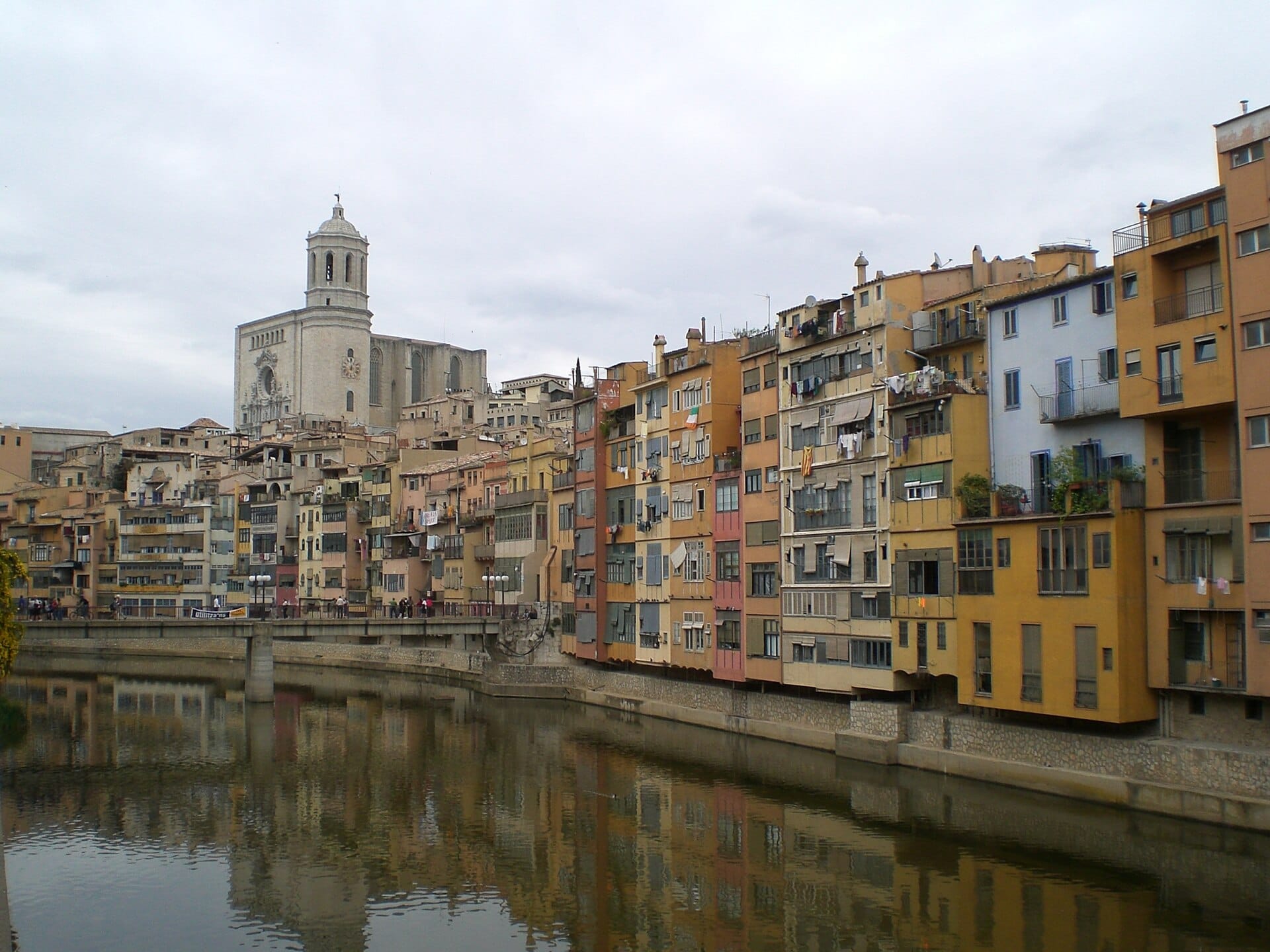
Girona
Spain · 32km away →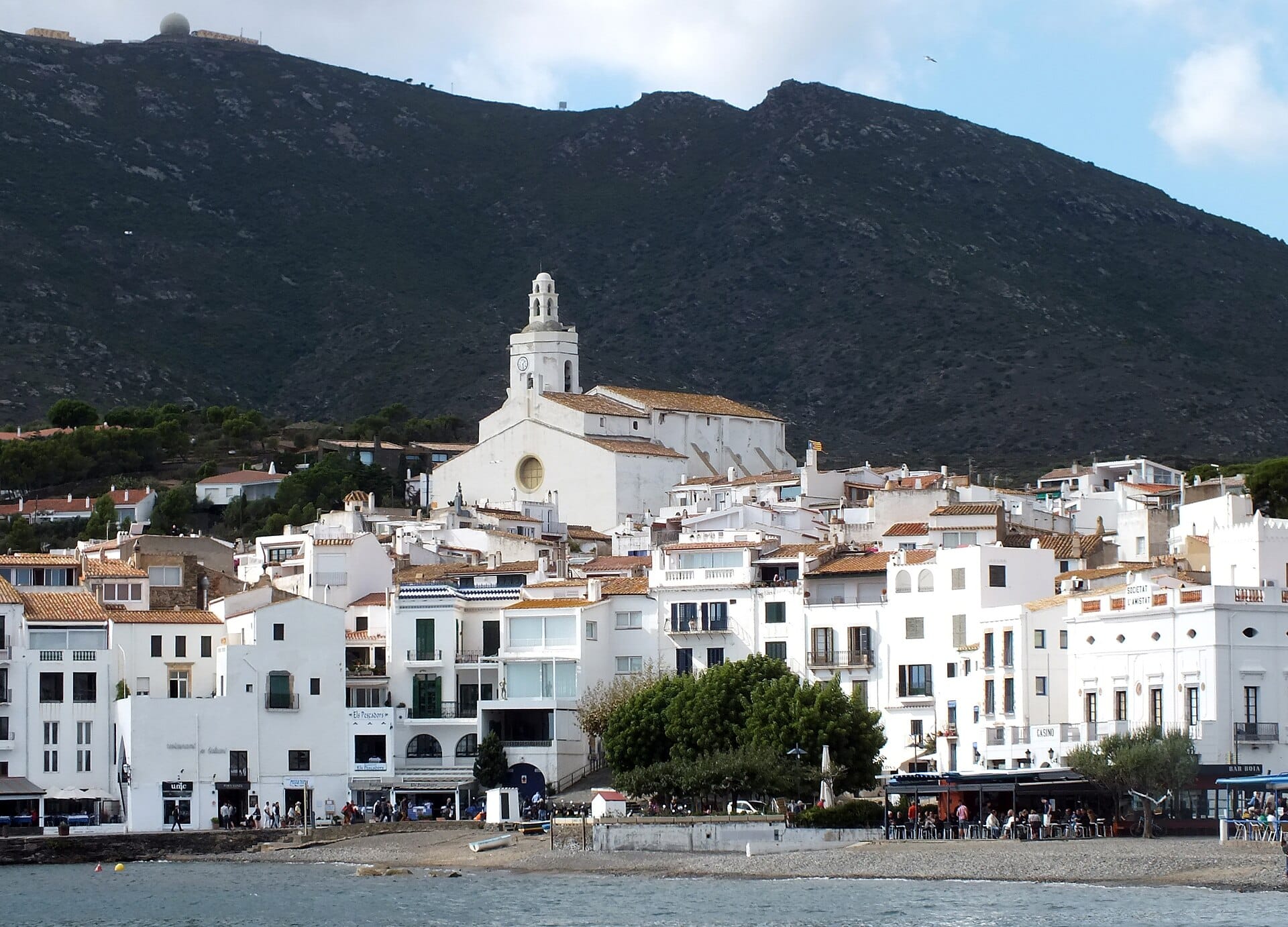
Cadaqués
Catalonia, Spain · 71km away →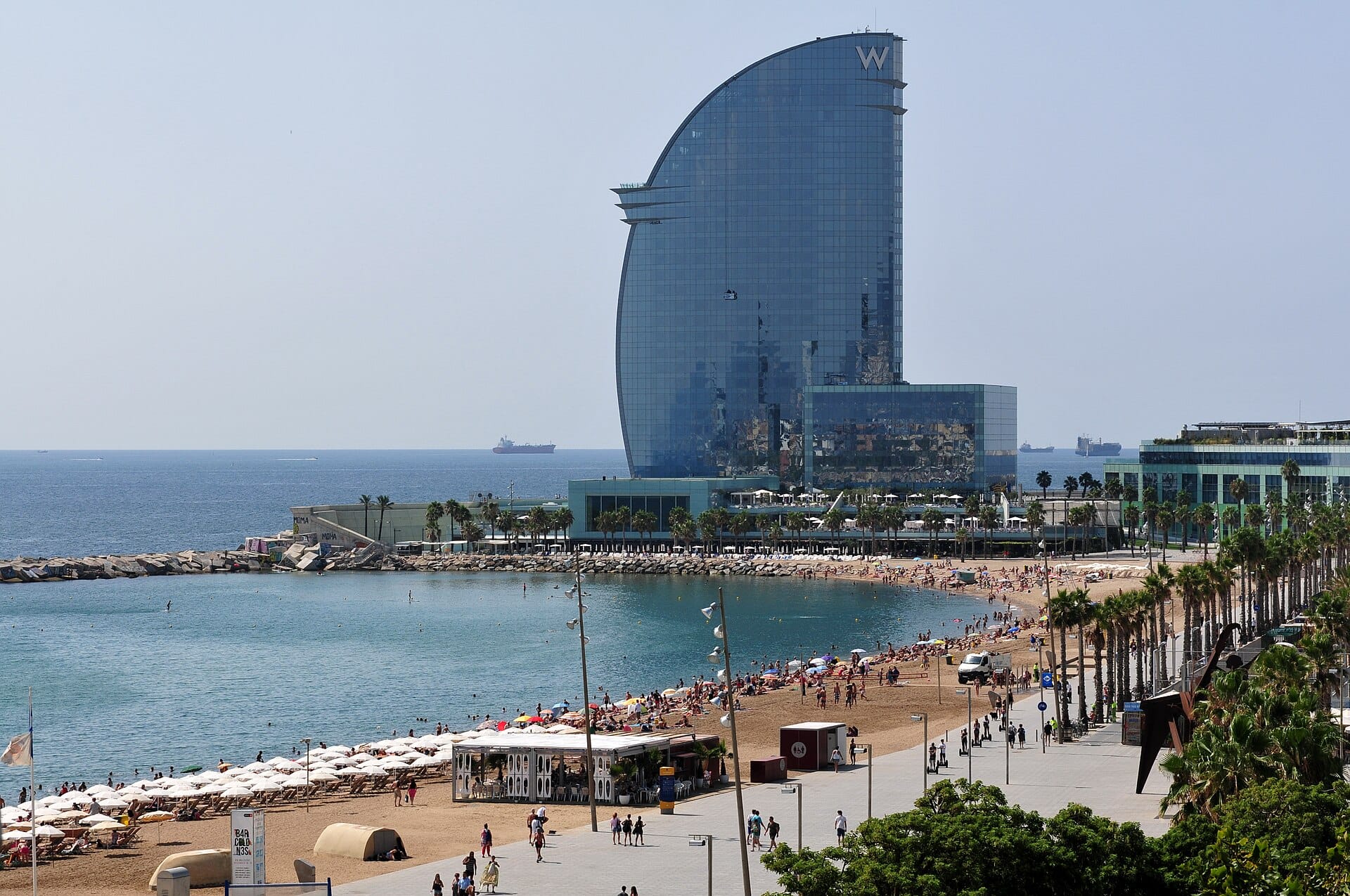
Barcelona
Spain · 73km away →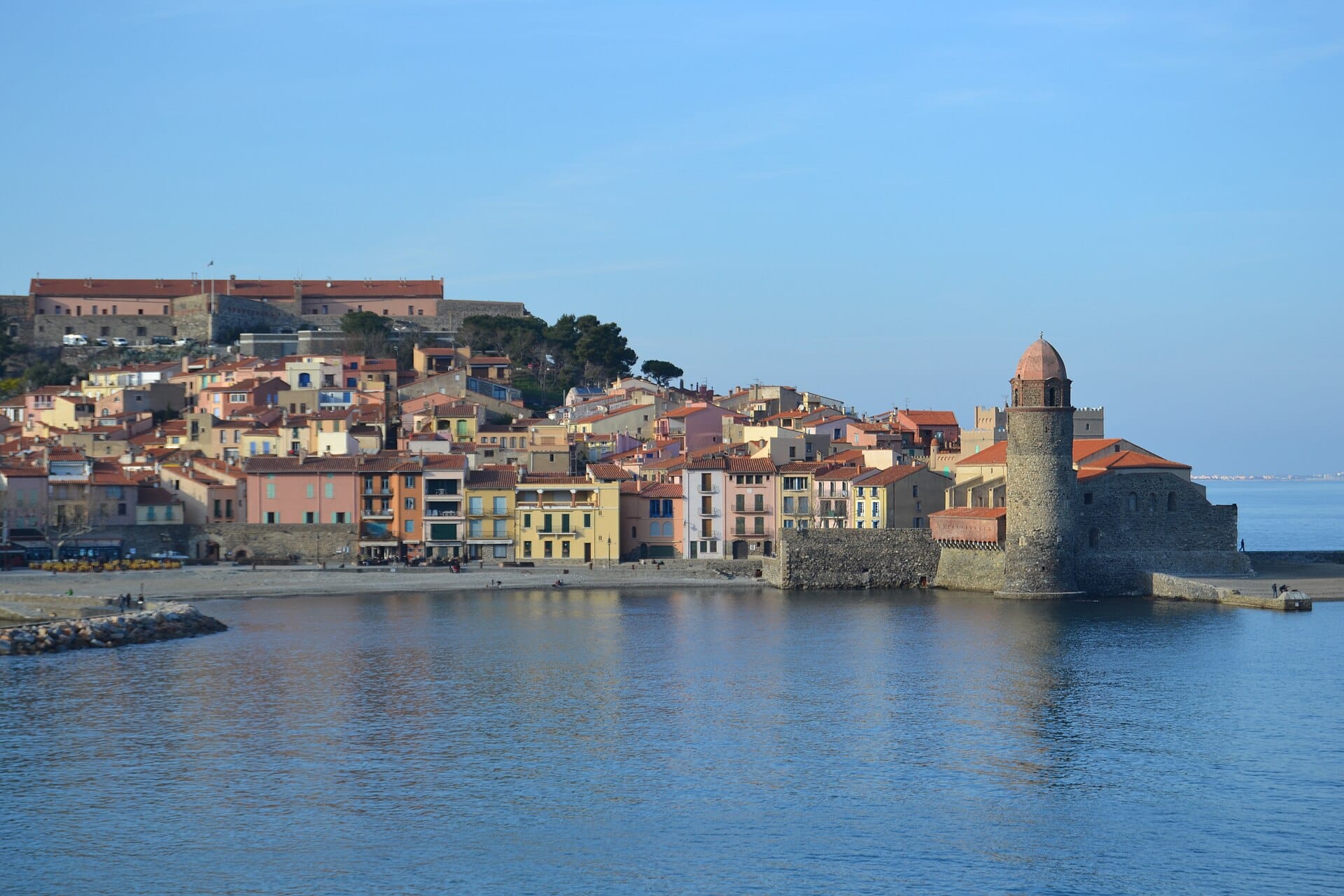
Collioure
France · 92km away →
PortAventura
Spain · 164km away →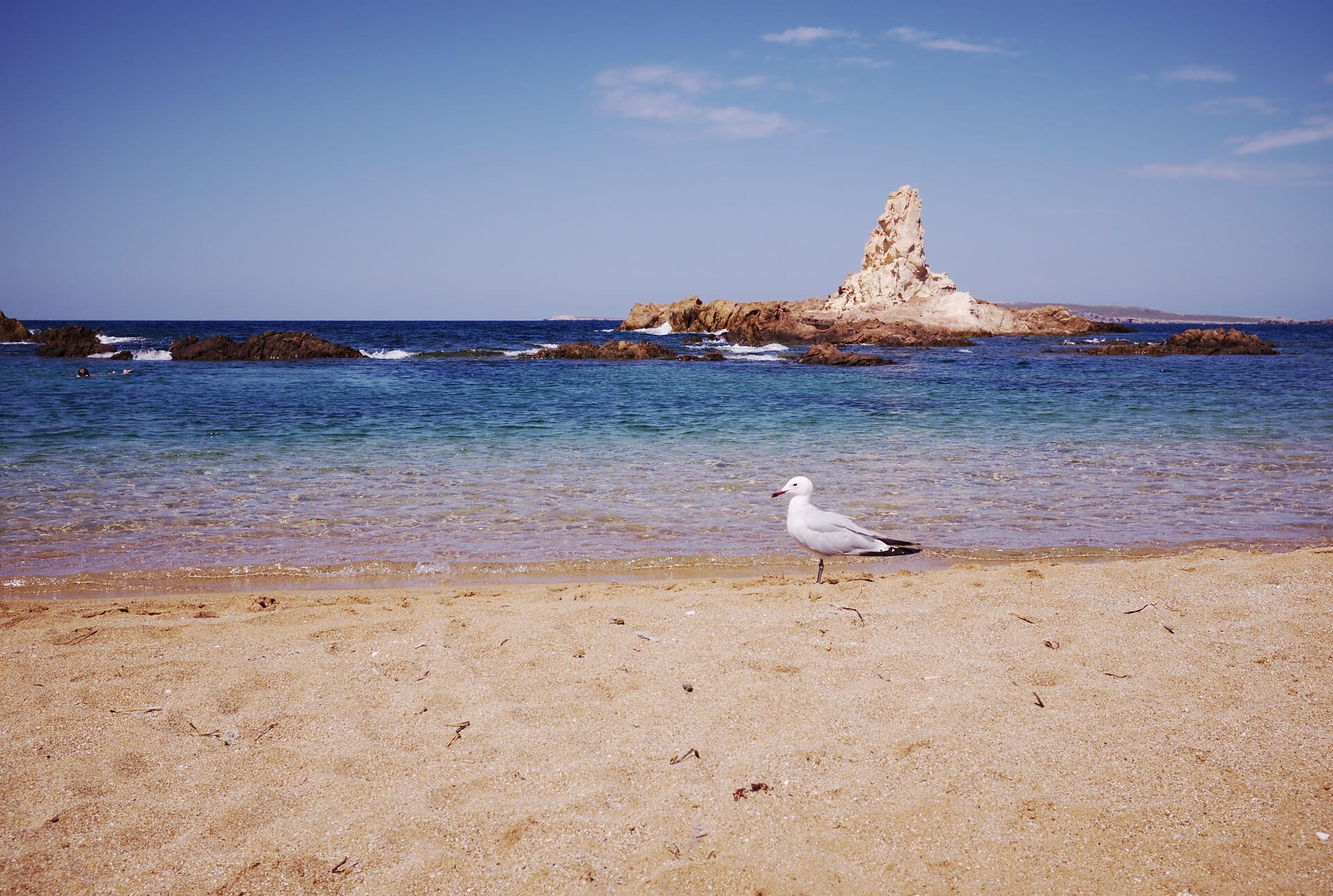
Cala Pregonda
Menorca, Spain · 205km away →Elsewhere in Spain
Related articles
Quick answers
When is the best time to visit Costa Brava?
Daytime highs run from about 13°C in January to 30°C in July. Driest July and December to February; wettest in September, with rain on about 13 days.
How long should I spend in Costa Brava?
Our suggestion: 5–7 nights.
How do I get to Costa Brava?
About an hour by car from Girona (GRO) to the Palafrugell coves. Coaches run from the airport into Girona and on down to the coast.
Do I need a car in Costa Brava?
Yes, a car makes a real difference here. Regional coaches serve the main coastal towns and Girona has fast trains to Barcelona, but individual coves are awkward without a car.
What currency and language are used in Costa Brava?
Currency: Euro (EUR). Language: Spanish. Plugs: type C and F.
Who is Costa Brava best for?
Best for families, couples and beach lovers. In a phrase: pine, cliffs, coves, Catalan appetite.