
Chianti
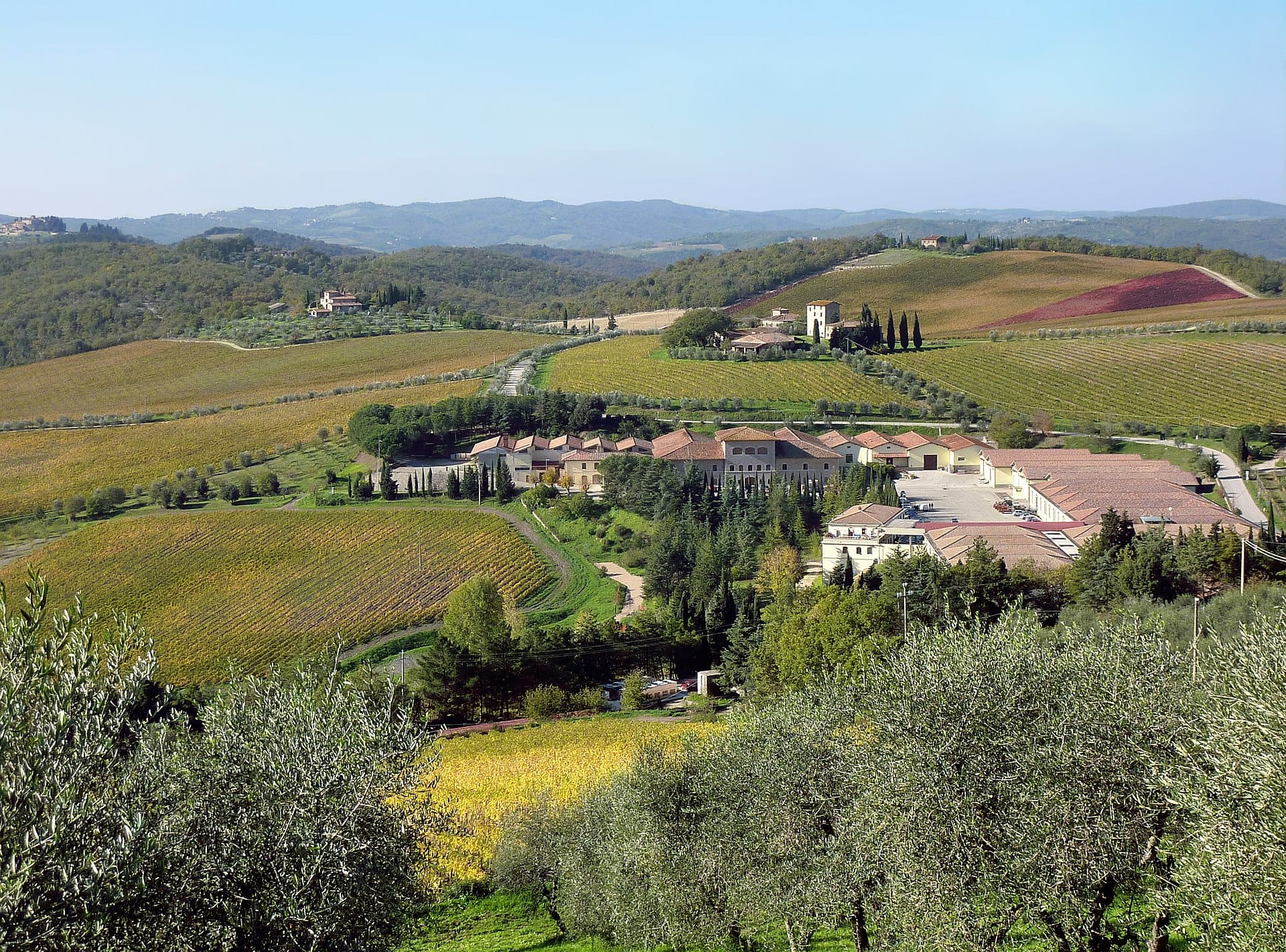
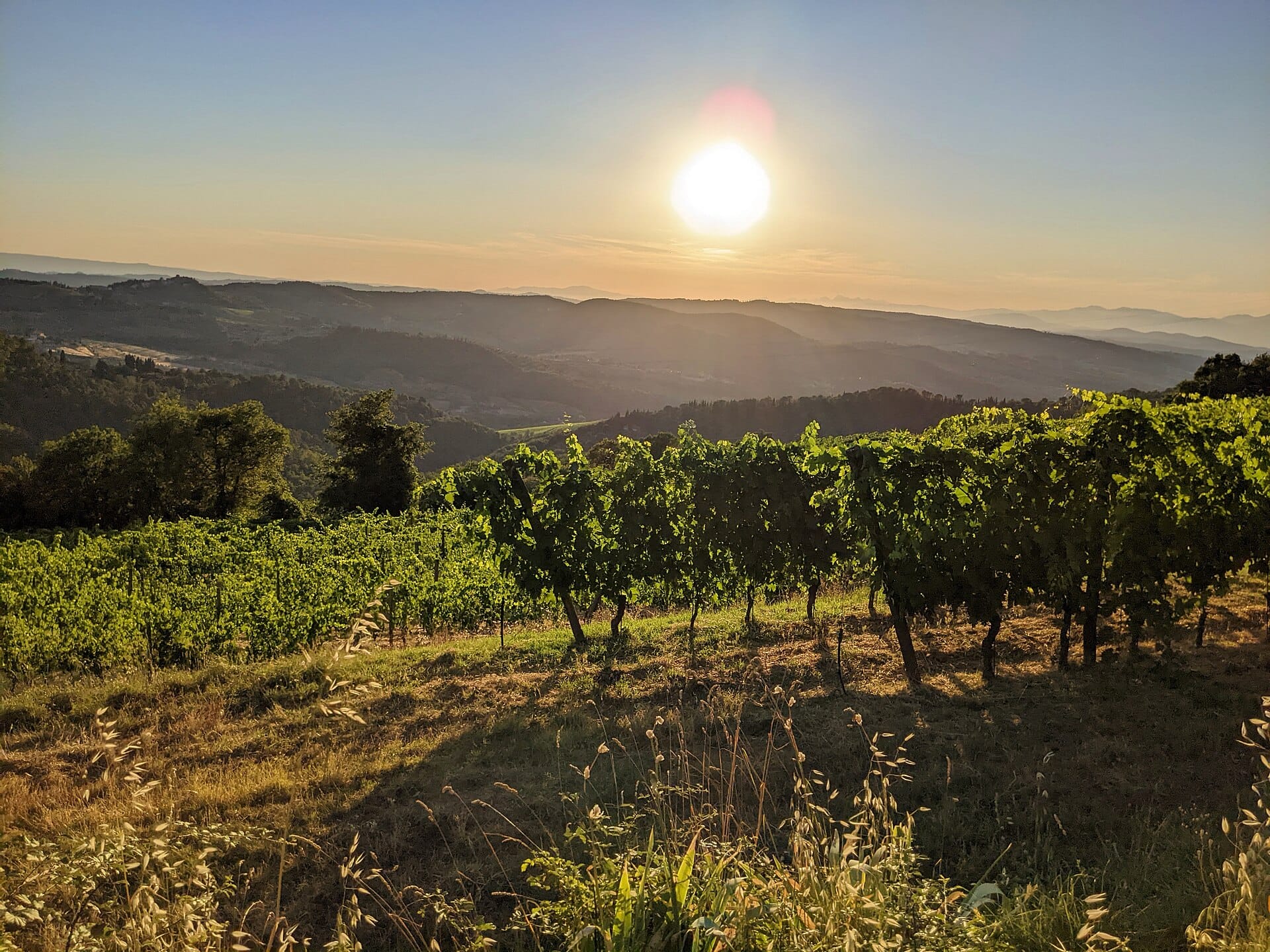
The postcard did not lie: cypress avenues, stone farmhouses and hills striped with vines between Florence and Siena.
- Best forCouples · Foodies · Road-trippers
- In December10°C · 14 rainy days
- Ideal stay4–5 nights
- Approx. flying time~12h 30m from Los Angeles
- CurrencyEUREuro
- LanguageItalian
- Local time15:091h ahead of the UK
- PlugsType C / F / LBring an adapter
- Drive on theRightOpposite to the UK
- Dialling code+39
Why go
Between Florence and Siena the land folds into ridges of vineyard, olive terrace and dark oak wood, with stone hamlets on the high points and cypresses marking the drives. The scale is human: villages ten minutes apart, roads that were never straightened, farms that make wine, oil and lunch. Days pass in a loop of tasting, walking off the tasting and sitting somewhere with a view until the light goes.
An agriturismo is the natural way to stay, ideally for four or five nights, with Florence and Siena close enough for a day each. September brings the grape harvest and a certain energy; May and June give the same landscape greener and quieter. August is hot and busy. Anyone without a car will struggle here, and anyone wanting nightlife or beaches has picked the wrong part of Tuscany.
- Ideal stay
- 4–5 nights
- The vibe
- Slow, sunlit, agricultural, romantic
From our guides
Base yourselves at an agriturismo near Greve or Radda, where tastings end with the winemaker opening something unlabelled. September, during the harvest, is the dream — but May gives you the same views with empty roads. Skip the big commercial cellars and phone ahead to small family estates instead.
Featured in Ten vineyard escapes for lovers of a long lunch
Things to do
-
Greve in Chianti
The area's market town, built around a funnel-shaped arcaded square. The Saturday morning market is the real thing rather than a performance for visitors.
-
Radda and Castellina
Two hilltop villages within a short drive of each other, one with a medieval covered walkway, the other with an Etruscan tomb on its edge and long views.
-
Badia a Passignano
An eleventh-century abbey ringed by cypresses and vines, with a refectory fresco of the Last Supper by Ghirlandaio. Visits are by arrangement on set days.
-
The Chiantigiana
The SR222 runs the spine of the region between Florence and Siena, and driving it slowly, with detours, is effectively the whole itinerary.
-
Siena
Half an hour south, a city of brick and shell-shaped piazza, with a striped cathedral and a museum-quality painting collection. Better on a weekday.
-
Bistecca alla fiorentina
A thick T-bone from Chianina cattle, grilled rare over embers and sold by weight. Order it for two people and do not ask for it well done.
Getting there
-
Fly to
Firenze (FLR)
Nearest airport to Chianti, about 25km away as the crow flies.
-
Then
To Greve in Chianti
Under an hour by car from Florence (FLR), south on the Chiantigiana road through the hills to Greve. Pisa is about an hour and three quarters and often has more flights.
-
On the ground
Getting around
The pleasure here is the driving: hilltop villages, cypress avenues and small estates strung along back roads between Greve, Panzano and Radda. Agriturismi sit out among the vines, so you need wheels to reach them, and one of you has to stay off the tastings.
Public transport: Buses run from Florence to Greve and a few of the larger villages, but the wineries and farm stays are well beyond them.
Flights
Los Angeles Chianti, Tuscany, Italy
Fly from anywhere — search 4,000+ airports worldwide.
Roughly 12h 30m in the air from Los Angeles (LAX), estimated from the distance — check for a direct route. Pick a month to see every available flight with live prices.
Check dates and prices
Pick your departure date, then your return.
Search flightsNot sure when? Compare fares across a whole month.
Flight times are estimates; prices open on Google Flights.
When to go
Daytime highs run from about 9°C in January to 30°C in July. Driest in July; wettest in December, with rain on about 14 days.
The year at a glance — pick a month for detail
December10° · rain 14 daysCold and often wet.
Monthly figures averaged from daily records for 2020–2024 at this location (ERA5 reanalysis). Live conditions from MET Norway, CC BY 4.0.
Where to stay
Agriturismi and restored farmhouses with pools are the standard booking, alongside wine estate rooms, small village hotels and villas rented by the week.
-
Best base overall
Greve in Chianti
The area's market town, with a triangular piazza, butchers, wine shops and buses to Florence, so you are not stranded without a car. It gets coach traffic in the middle of the day.
Find stays in Greve in Chianti -
Best for couples
Radda and Gaiole in Chianti
Higher, smaller hill villages in the heart of the wine country, surrounded by estates that take visits by appointment. Restaurants are few and a car is essential.
Find stays in Radda and Gaiole in Chianti -
Best value
Panzano
A modest village between Greve and Radda, famous for its butcher, with agriturismi nearby at better rates than the smarter villages. There is very little to do in the evening.
Find stays in Panzano -
Best with children
San Casciano and Tavarnelle
At the Florence end of Chianti, with more practical towns, easier roads and farm stays with pools at fair prices. The classic scenery starts a little further south.
Find stays in San Casciano and Tavarnelle
Worth knowing before you book: Most rural properties run Saturday changeovers with a week minimum from June to September, and the September harvest weeks are reserved a year ahead by returning guests.
Search everything else in Greve in Chianti by budget. These are indicative budget bands in GBP per night for two people, not live quotes or guarantees of hotel type. Check your dates, guests, taxes and final price on Booking.com.
Good to know
- Driving
- Roads are narrow, winding and often unsealed for the last stretch to a farm. Drive gently, and remember Italian drink-driving limits are lower than in the UK.
- Book tastings
- Small family estates welcome visitors but need notice, often a day or two. Turning up unannounced generally means a closed gate.
- ZTL zones
- Historic centres, including Florence and Siena, restrict traffic and photograph number plates. Park outside the walls and walk in.
- Timing
- Harvest runs from about early September to mid-October and estates are busy working. Spring is calmer for visits and the landscape is at its greenest.
- Rural rhythms
- Shops and kitchens close for several hours in the afternoon, and many restaurants shut one day a week. Plan lunch before two.
Similar places
Nearby destinations
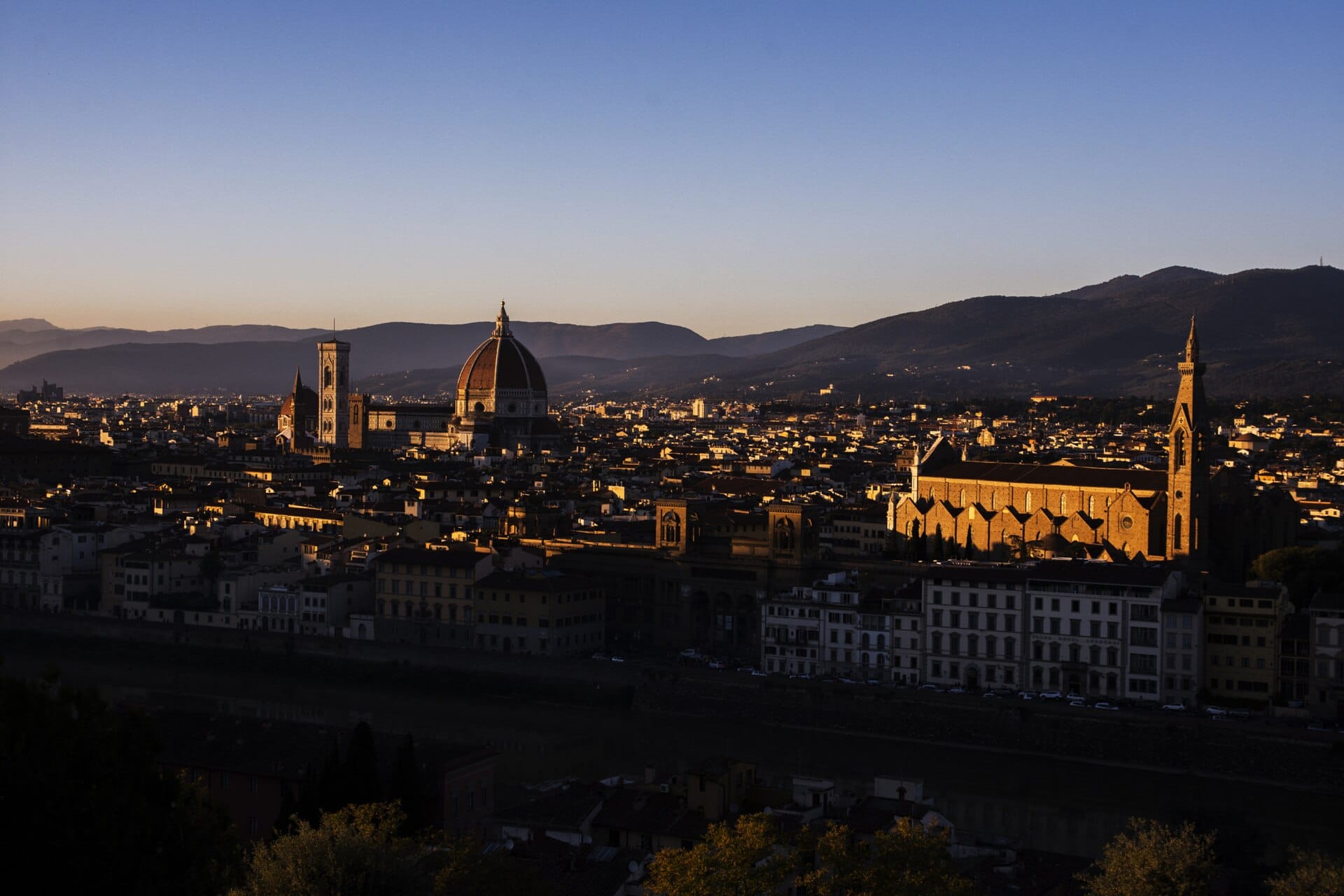
Florence
Italy · 19km away →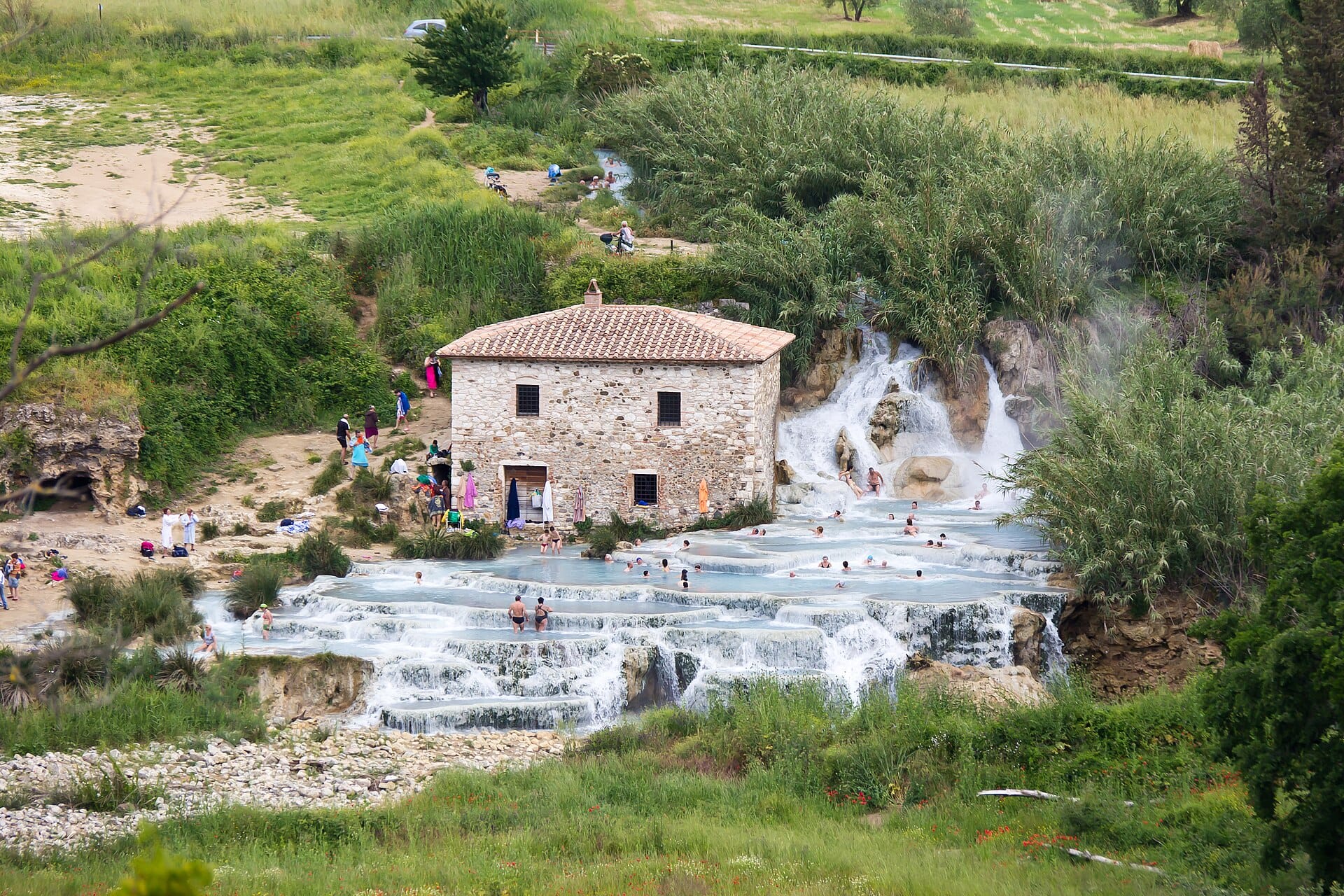
Saturnia hot springs
Tuscany, Italy · 23km away →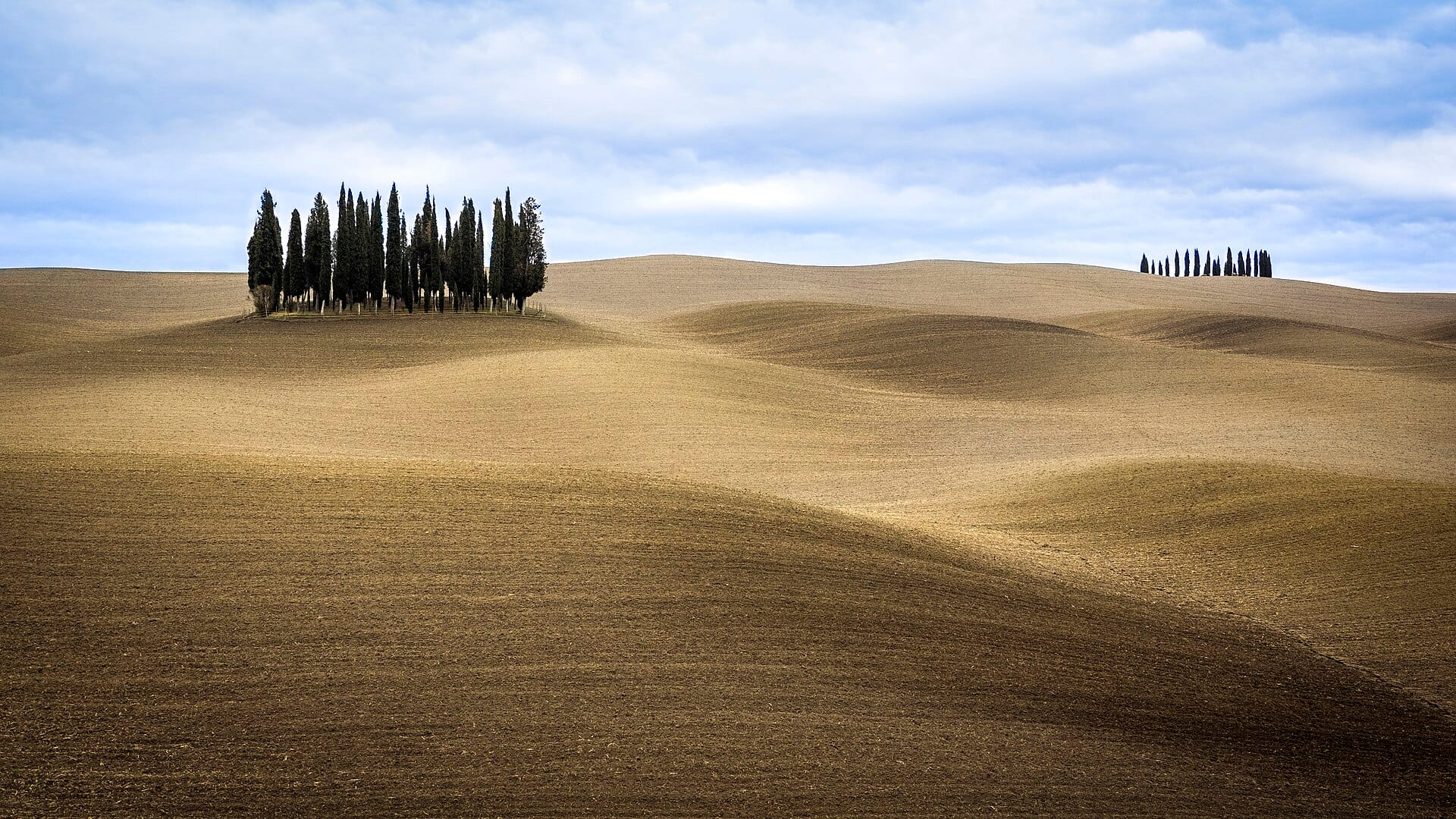
Agriturismo country
Tuscany, Italy · 29km away →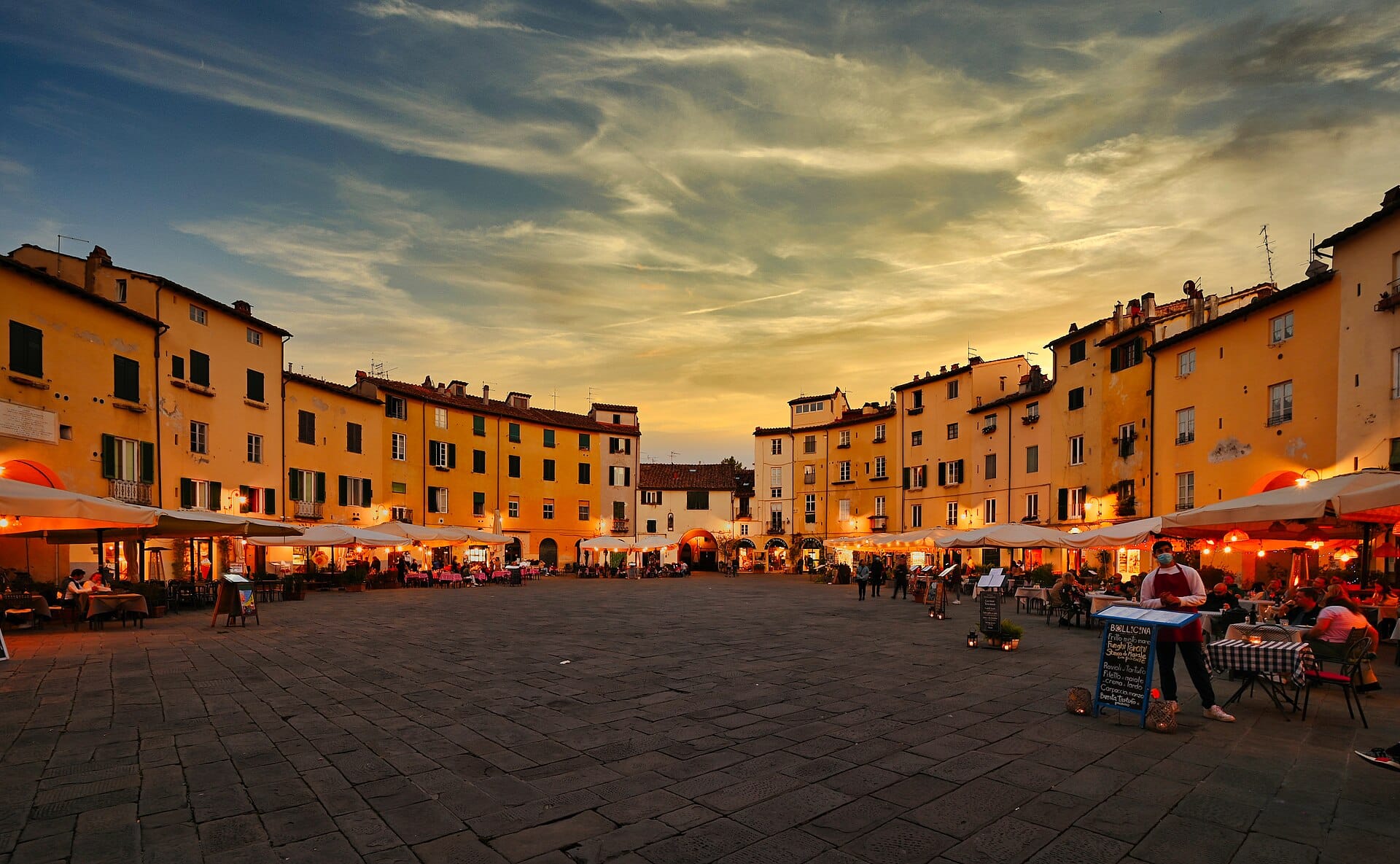
Lucca
Italy · 84km away →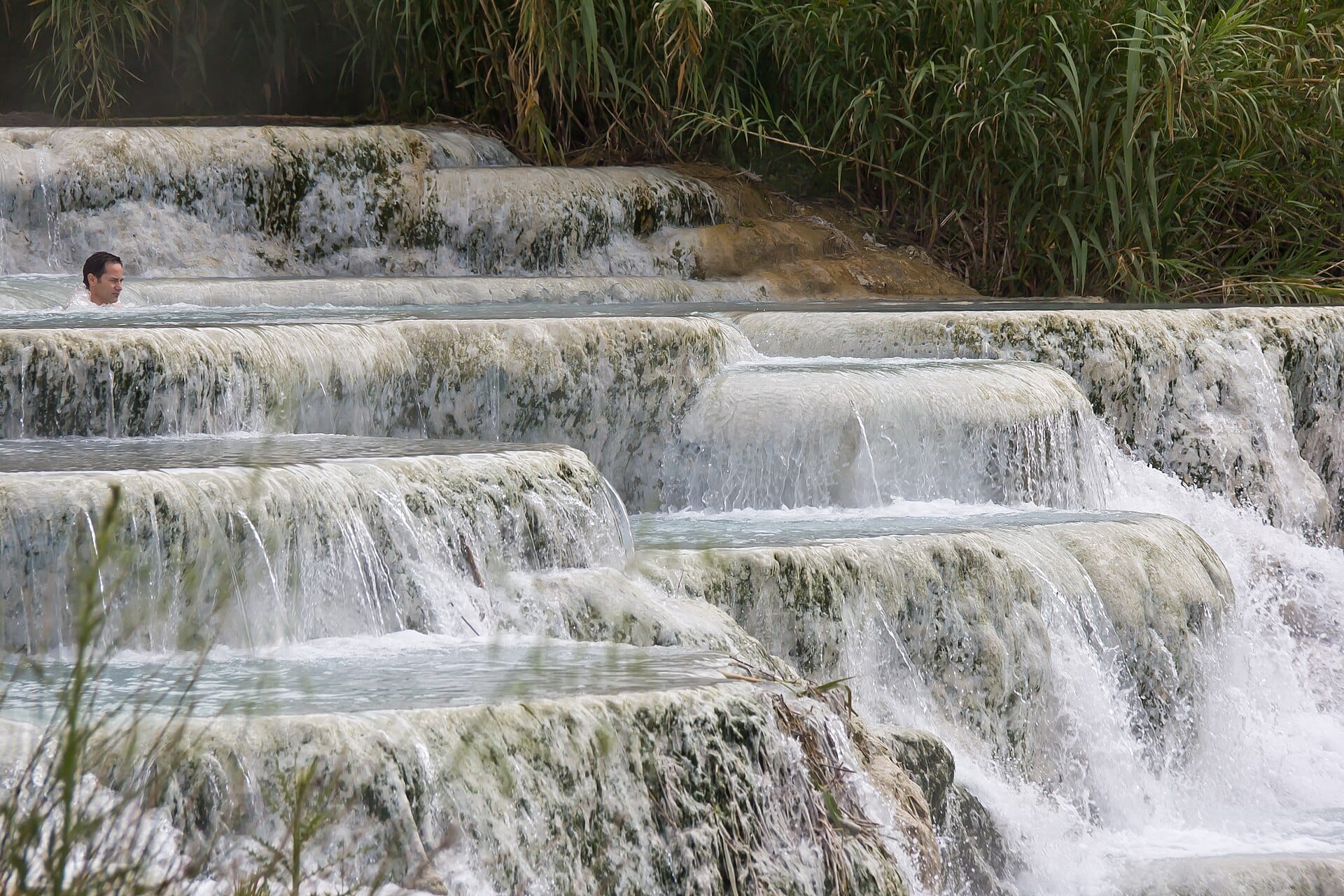
Soaking the Cascate del Mulino
Saturnia, Italy · 106km away →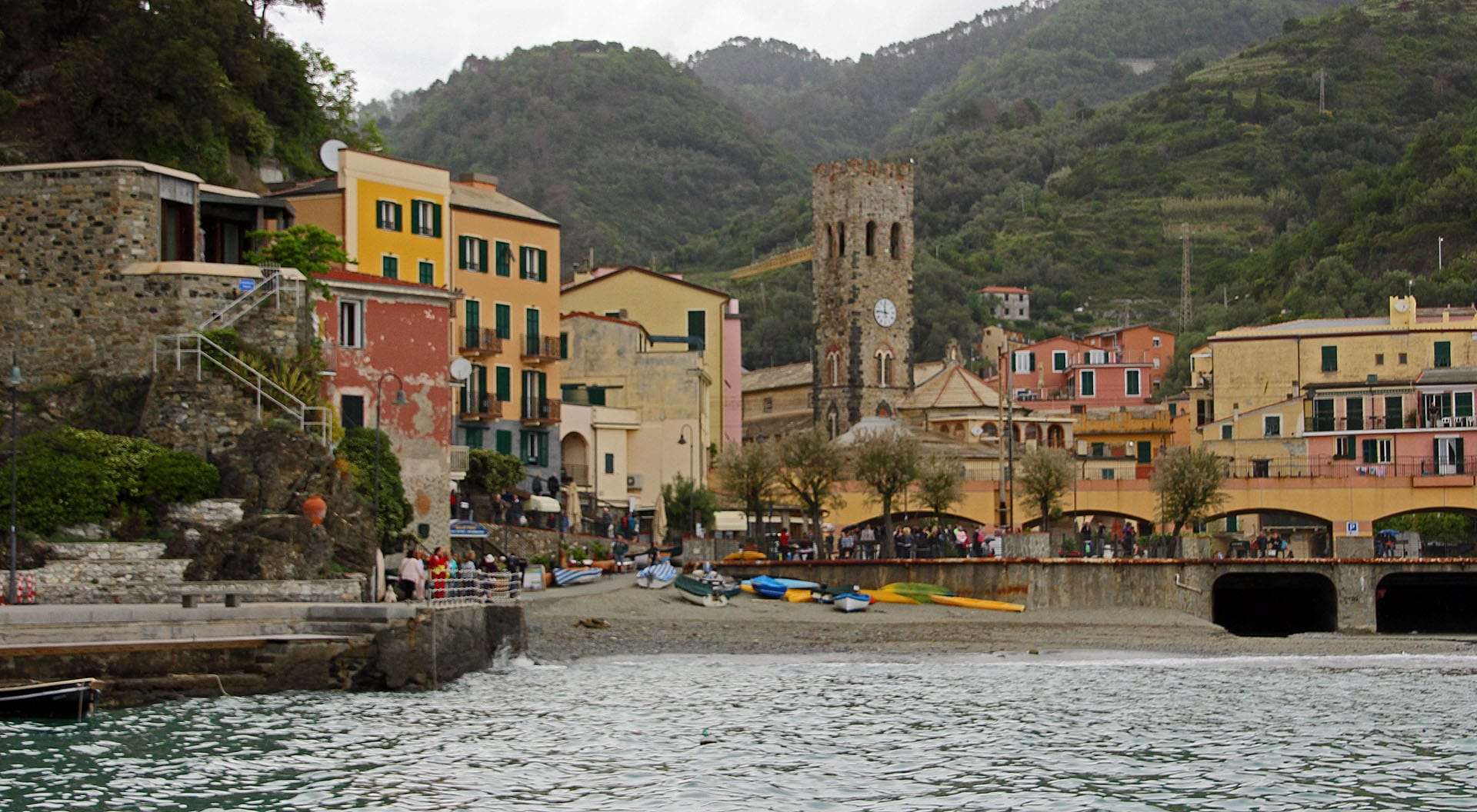
Cinque Terre
Liguria, Italy · 142km away →Elsewhere in Italy
Related articles
Quick answers
When is the best time to visit Chianti?
Daytime highs run from about 9°C in January to 30°C in July. Driest in July; wettest in December, with rain on about 14 days.
How long should I spend in Chianti?
Our suggestion: 4–5 nights.
How do I get to Chianti?
Under an hour by car from Florence (FLR), south on the Chiantigiana road through the hills to Greve. Pisa is about an hour and three quarters and often has more flights.
Do I need a car in Chianti?
Yes, a car makes a real difference here. Buses run from Florence to Greve and a few of the larger villages, but the wineries and farm stays are well beyond them.
What currency and language are used in Chianti?
Currency: Euro (EUR). Language: Italian. Plugs: type C and F and L.
Who is Chianti best for?
Best for couples, foodies and road-trippers. In a phrase: slow, sunlit, agricultural, romantic.