
The Alsace wine route
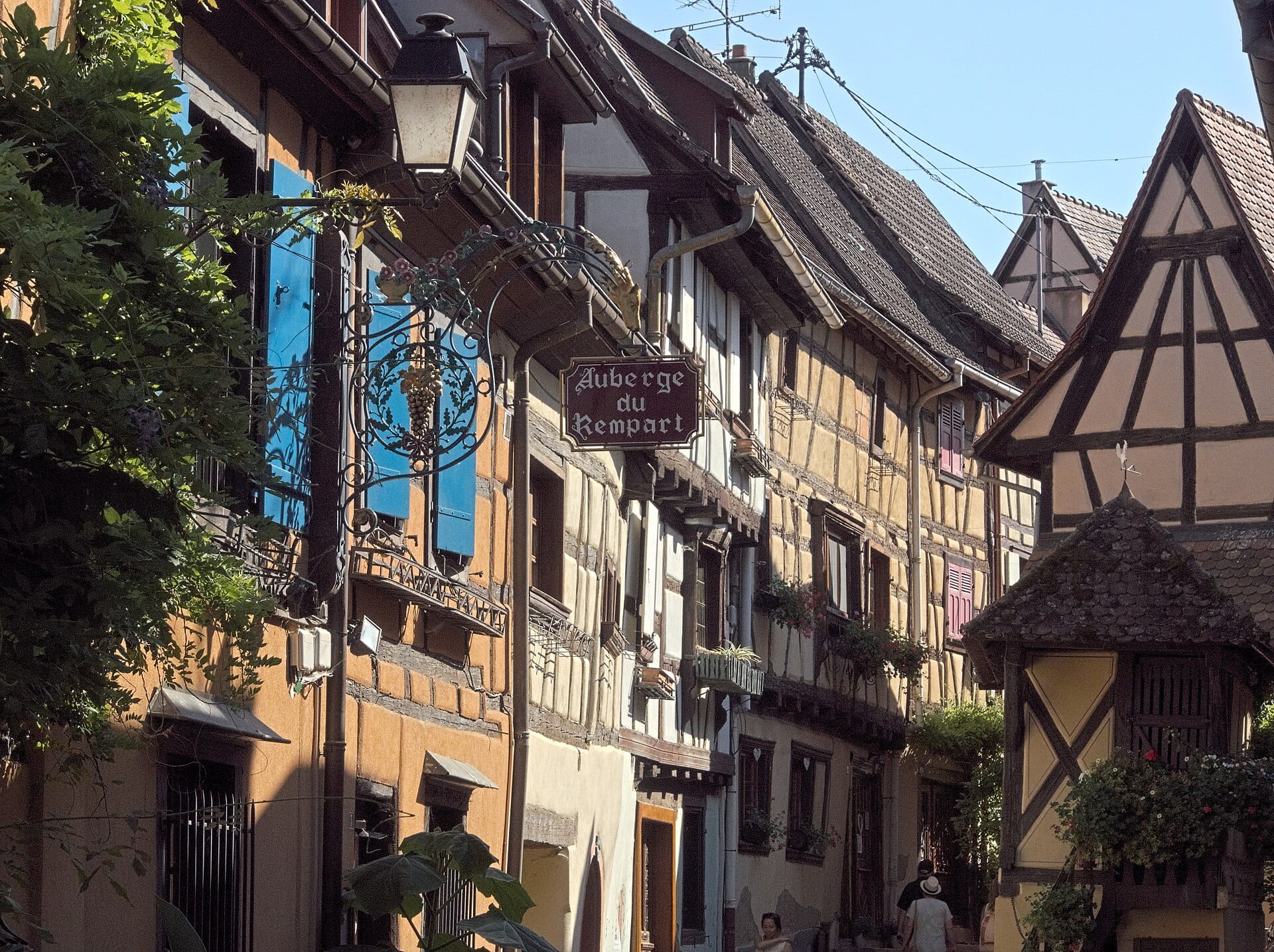
Between the Vosges and the Rhine, quiet lanes thread a hundred kilometres of Riesling and Gewürztraminer vines, linking villages — Riquewihr, Eguisheim, Kaysersberg — so aggressively picturesque they appear to be competing.
- Best forCouples · Foodies · Road-trippers
- In December7°C · 15 rainy days
- Ideal stay4–5 nights
- Approx. flying time~11h 50m from Los Angeles
- CurrencyEUREuro
- LanguageFrench
- Local time12:171h ahead of the UK
- PlugsType C / EBring an adapter
- Drive on theRightOpposite to the UK
- Dialling code+33
Why go
A hundred and seventy kilometres of vineyard road run along the Vosges foothills, linking villages of half-timbering, geraniums and storks' nests. Grand Cru slopes rise directly behind the houses, and the lanes between them are quiet enough to cycle without thinking about it. The wines are white and aromatic: riesling, gewurztraminer, pinot gris. The culture is neither quite French nor German but a stubborn, well-fed compound of the two.
Four or five days covers the best of it, based in Colmar or a smaller village, riding loops of thirty to fifty kilometres. October brings golden vines and harvest festivals; December brings Christmas markets and the crowds that come with them. Summer can be hot down on the plain. Anyone expecting dramatic mountain scenery should note that the Vosges are gentle rather than alpine.
- Ideal stay
- 4–5 nights
- The vibe
- Half-timbered, aromatic, gently indulgent
From our guides
A hundred and seventy kilometres of half-timbered villages, storks' nests and Grand Cru slopes along the Vosges foothills. The route between Riquewihr, Ribeauvillé and Eguisheim is the prettiest stretch, best explored by e-bike with a tasting-room pause every few miles. Rieslings and Gewurztraminers here are world class and oddly underpriced. Come in October when the vines turn gold, or December for the region's famous Christmas markets.
Featured in Ten cycling holidays for completely normal legs and Ten vineyard escapes for lovers of a long lunch
Things to do
-
Riquewihr
A walled village barely altered since the sixteenth century, with a single main street of painted timber houses. Arrive early or late to see it without the coaches.
-
Colmar's Petite Venise
Canals, flower boxes and merchant houses in the wine region's old capital, along with the Unterlinden Museum and its Isenheim Altarpiece.
-
Eguisheim
Concentric rings of streets circling a central square, an unusual village plan even by French standards. The Grand Cru slopes above are walkable.
-
The veloroute du vignoble
A signposted cycle route runs the length of the wine road, mostly on quiet lanes and vineyard tracks, with e-bike hire widely available.
-
Haut-Koenigsbourg
A hilltop castle rebuilt in the early twentieth century, standing above the plain with views towards the Black Forest on a clear day.
-
Tarte flambee and choucroute
Thin cream-and-bacon flatbread from a wood oven, and cured pork with sauerkraut. Both are best in a winstub, the local wine tavern.
Getting there
-
Fly to
Bâle / Mulhouse (BSL)
Nearest airport to Colmar, about 54km away as the crow flies.
-
Then
To Colmar
About an hour by car from Basel-Mulhouse (BSL) north on the A35 to Colmar. There is also a shuttle bus to Saint-Louis or Mulhouse station and then a direct TER train to Colmar in around 40 minutes.
-
On the ground
Getting around
Colmar's old town is entirely walkable, and the wine villages sit within a 30 to 50 kilometre loop that is best ridden by bike on the signposted véloroute du vignoble. Bike hire, e-bikes included, is easy to arrange in town.
Public transport: Trains run along the plain between Colmar, Sélestat and Strasbourg, and seasonal buses reach some villages, but the vineyard lanes themselves are for bikes or a car.
Flights
Los Angeles Colmar, France
Fly from anywhere — search 4,000+ airports worldwide.
Roughly 11h 50m in the air from Los Angeles (LAX), estimated from the distance — check for a direct route. Pick a month to see every available flight with live prices.
Check dates and prices
Pick your departure date, then your return.
Search flightsNot sure when? Compare fares across a whole month.
Flight times are estimates; prices open on Google Flights.
When to go
Daytime highs run from about 6°C in January to 26°C in August. Wettest in June, with rain on about 16 days.
The year at a glance — pick a month for detail
December7° · rain 15 daysCold and often wet.
Monthly figures averaged from daily records for 2020–2024 at this location (ERA5 reanalysis). Live conditions from MET Norway, CC BY 4.0.
Where to stay
Small hotels in half-timbered houses, winemakers' chambres d'hotes and gites, with a few spa hotels around Colmar. Almost nothing corporate, and family kitchens do the cooking.
-
Best base overall
Colmar
The obvious hub, on the train line, with the museums and the restaurants and loops of the wine route riding out in every direction. The old centre is crowded by mid-morning.
Find stays in Colmar -
Best for couples
Riquewihr or Kaysersberg
Half-timbered villages that empty out beautifully once the coaches leave, with small hotels and winemakers' rooms. Bus links are thin, so plan on cycling or driving.
Find stays in Riquewihr or Kaysersberg -
Best value
Ribeauvillé
A working town as much as a showpiece, with cheaper rooms, several good winstubs and vineyard walks from the doorstep. Less immediately picture-perfect than its neighbours.
Find stays in Ribeauvillé -
Quietest
Eguisheim
Concentric lanes of flower-covered houses just south of Colmar, quiet in the evenings and handy for the southern Grand Crus. Parking inside the ring is essentially impossible.
Find stays in Eguisheim
Worth knowing before you book: December's Christmas markets and the autumn harvest festivals fill every village room for miles, often with a two-night minimum. Many places shut in January and February.
Search everything else in Colmar by budget. These are indicative budget bands in GBP per night for two people, not live quotes or guarantees of hotel type. Check your dates, guests, taxes and final price on Booking.com.
Good to know
- Timing
- Harvest runs from September into October, when the villages hold wine festivals. Christmas markets fill weekends through December.
- Tasting
- Most growers welcome visitors without an appointment, though smaller domaines prefer a call ahead. Drink-drive limits are low, so ride or share the driving.
- Getting there
- Strasbourg, Colmar and Mulhouse all sit on the French rail network, with direct trains from Paris to Strasbourg in under two hours.
- Cycling
- The route is gently rolling rather than flat. An e-bike makes the Grand Cru slopes and the tasting stops considerably more forgiving.
- Crowds
- Riquewihr, Eguisheim and Kaysersberg are busy from mid-morning to late afternoon in season. The villages between them stay quiet.
Similar places
Nearby destinations
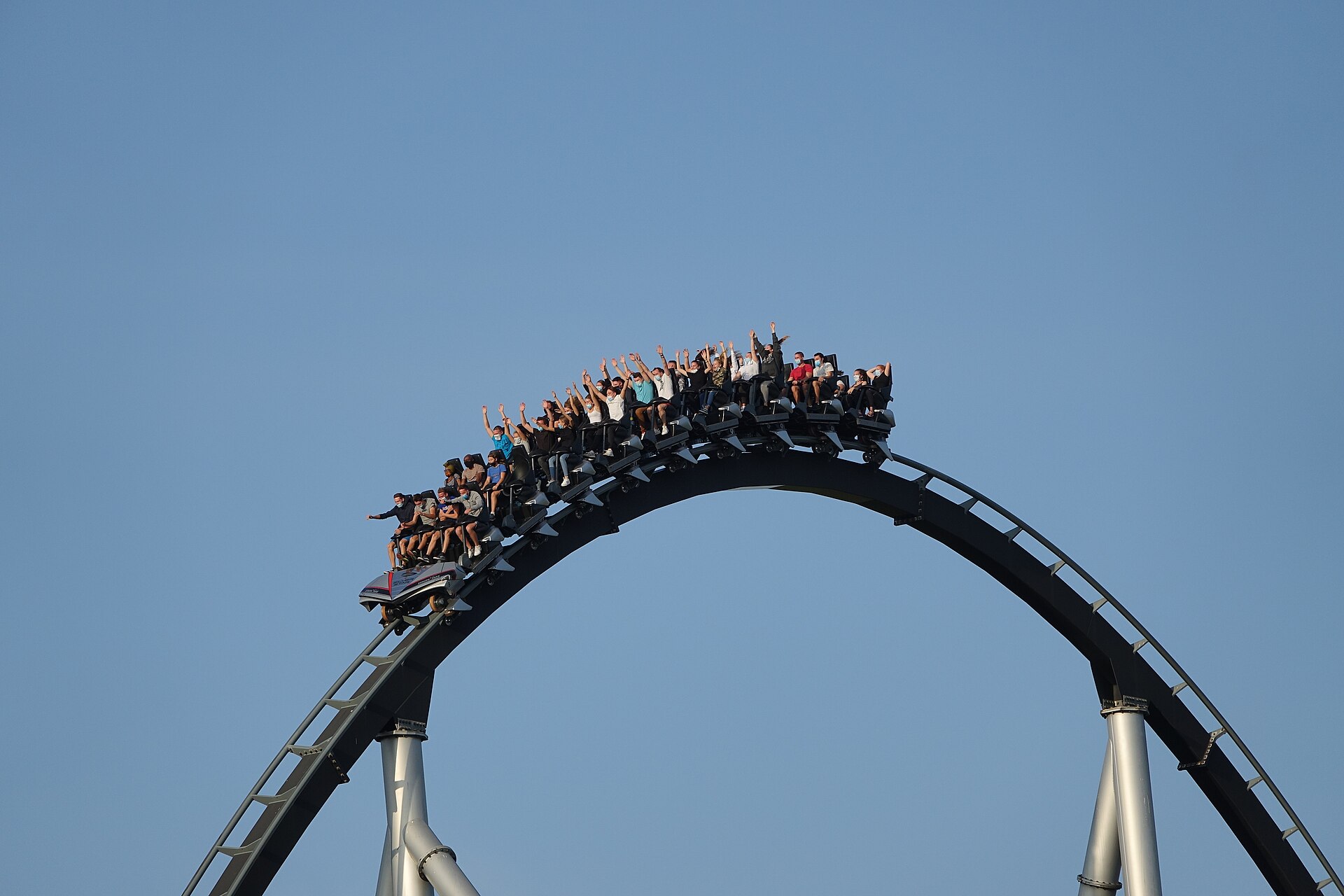
Europa-Park
Germany · 34km away →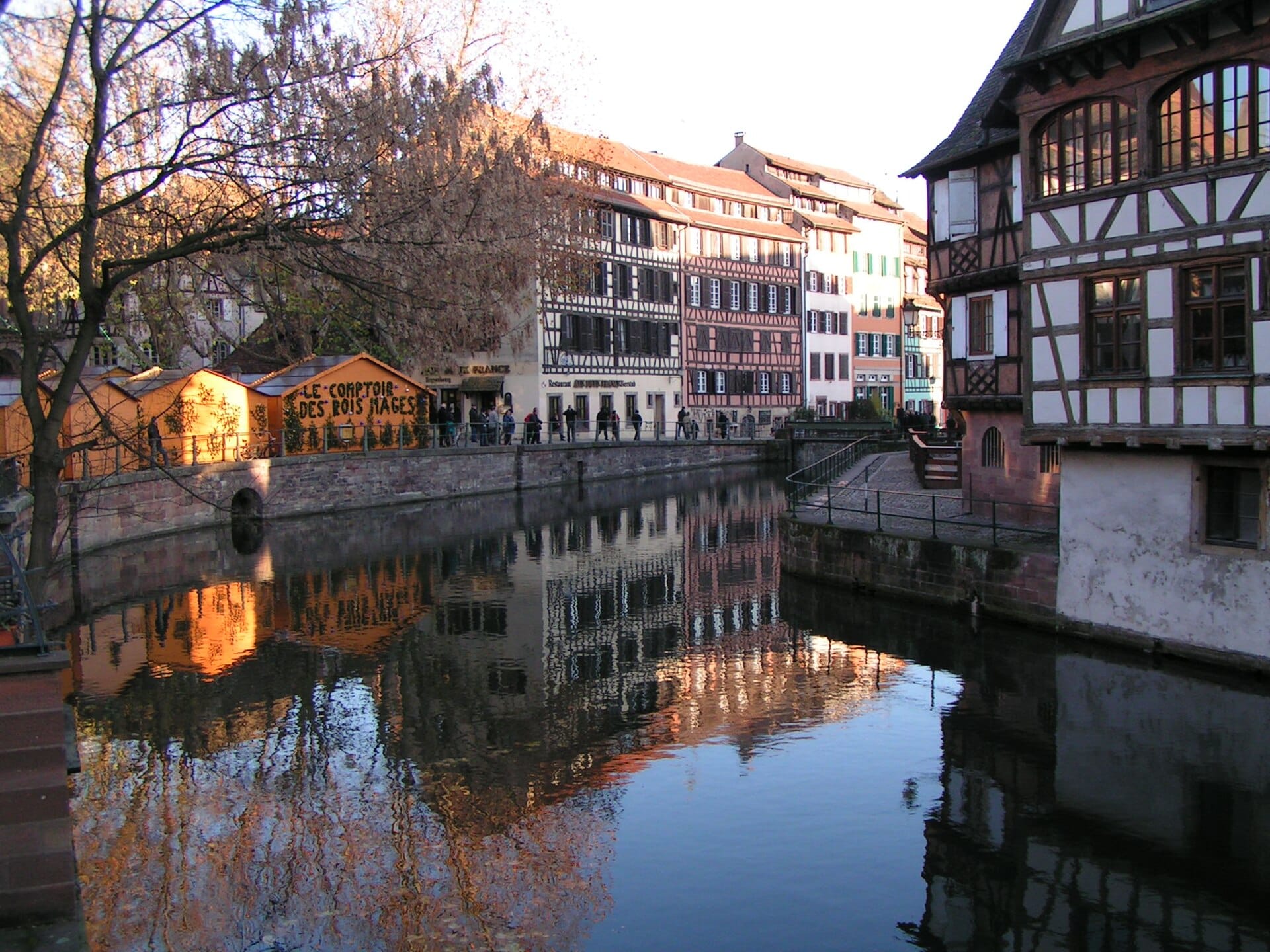
Strasbourg
France · 63km away →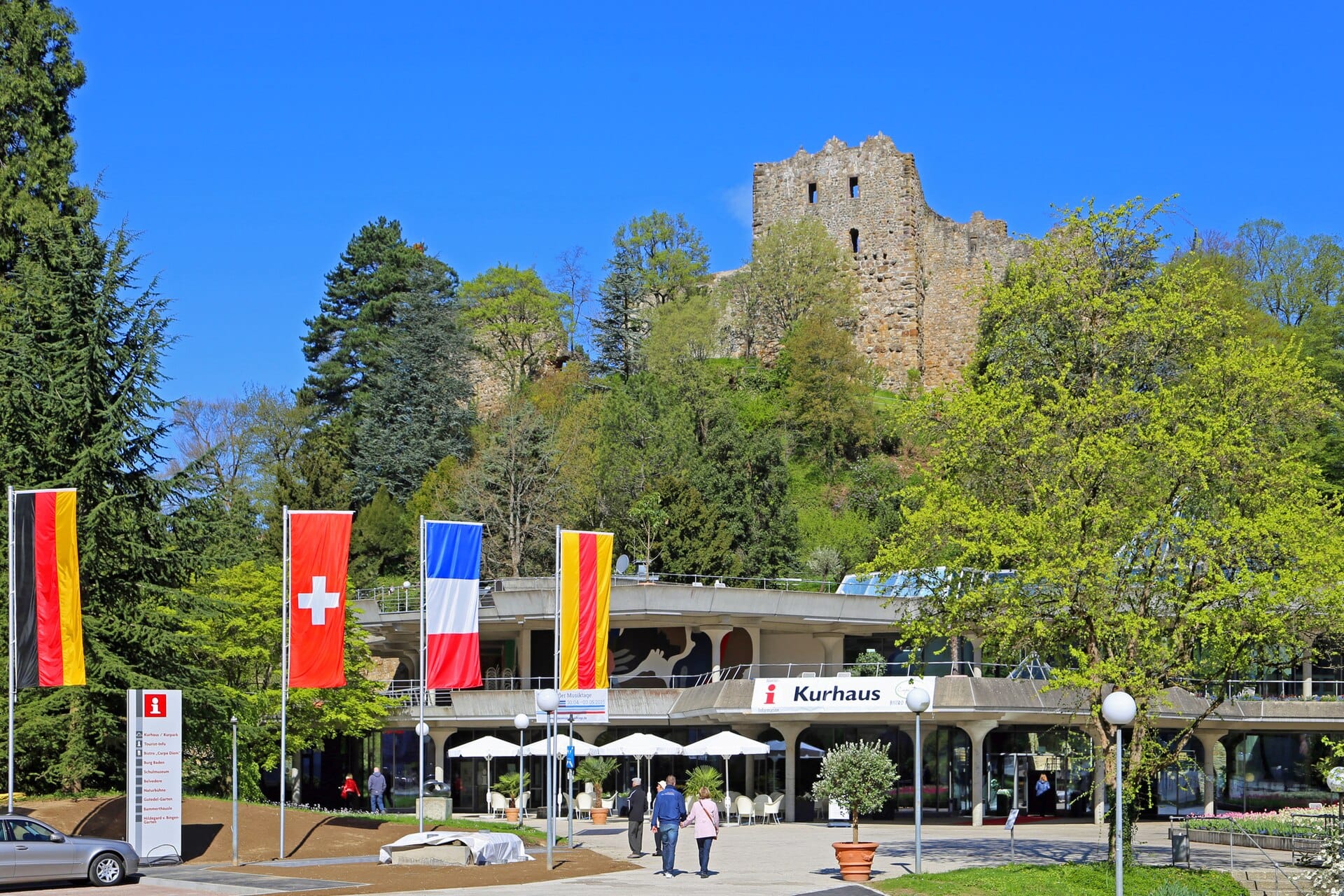
Baden-Baden
Germany · 100km away →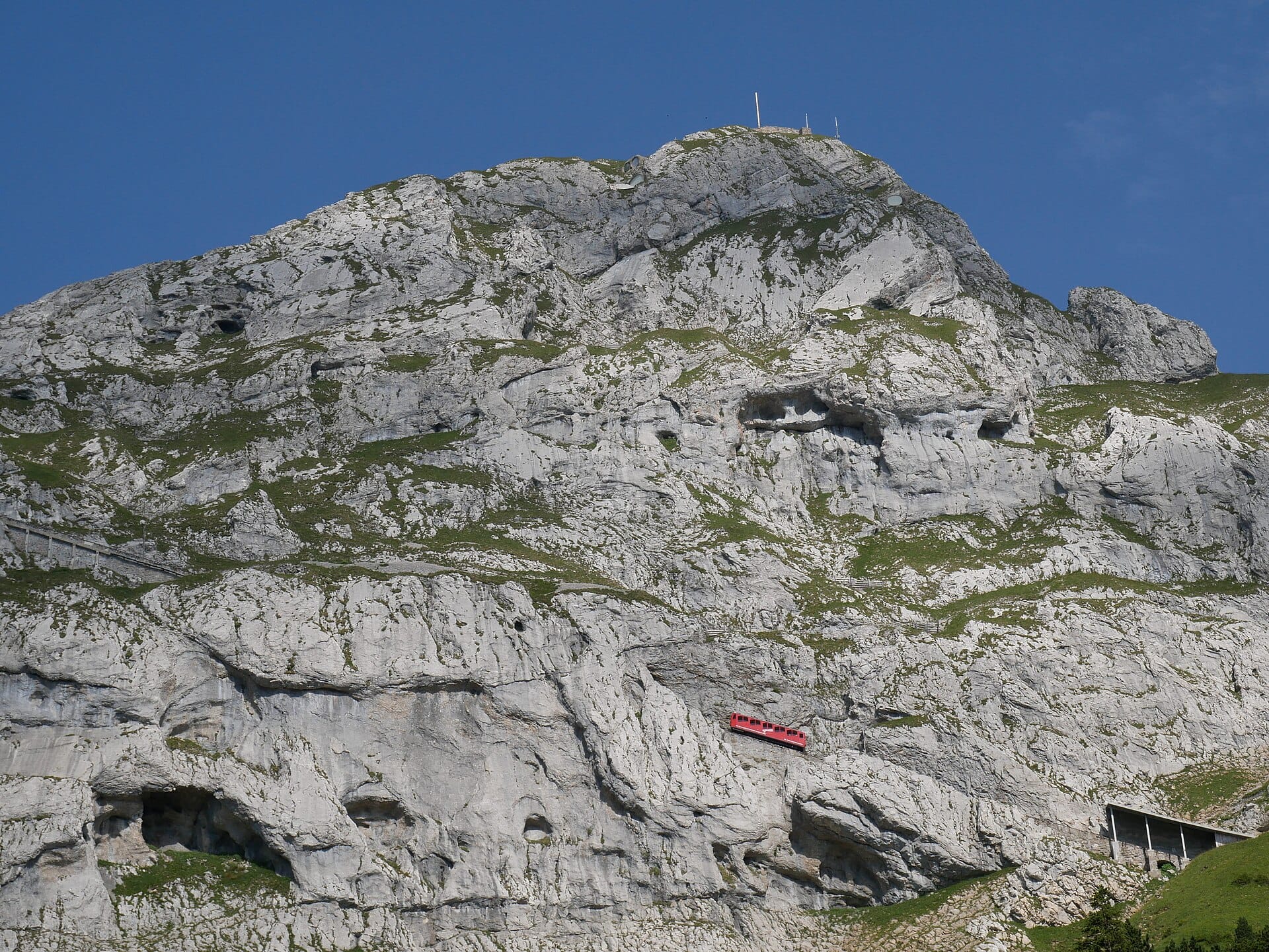
Pilatus Railway
Switzerland · 140km away →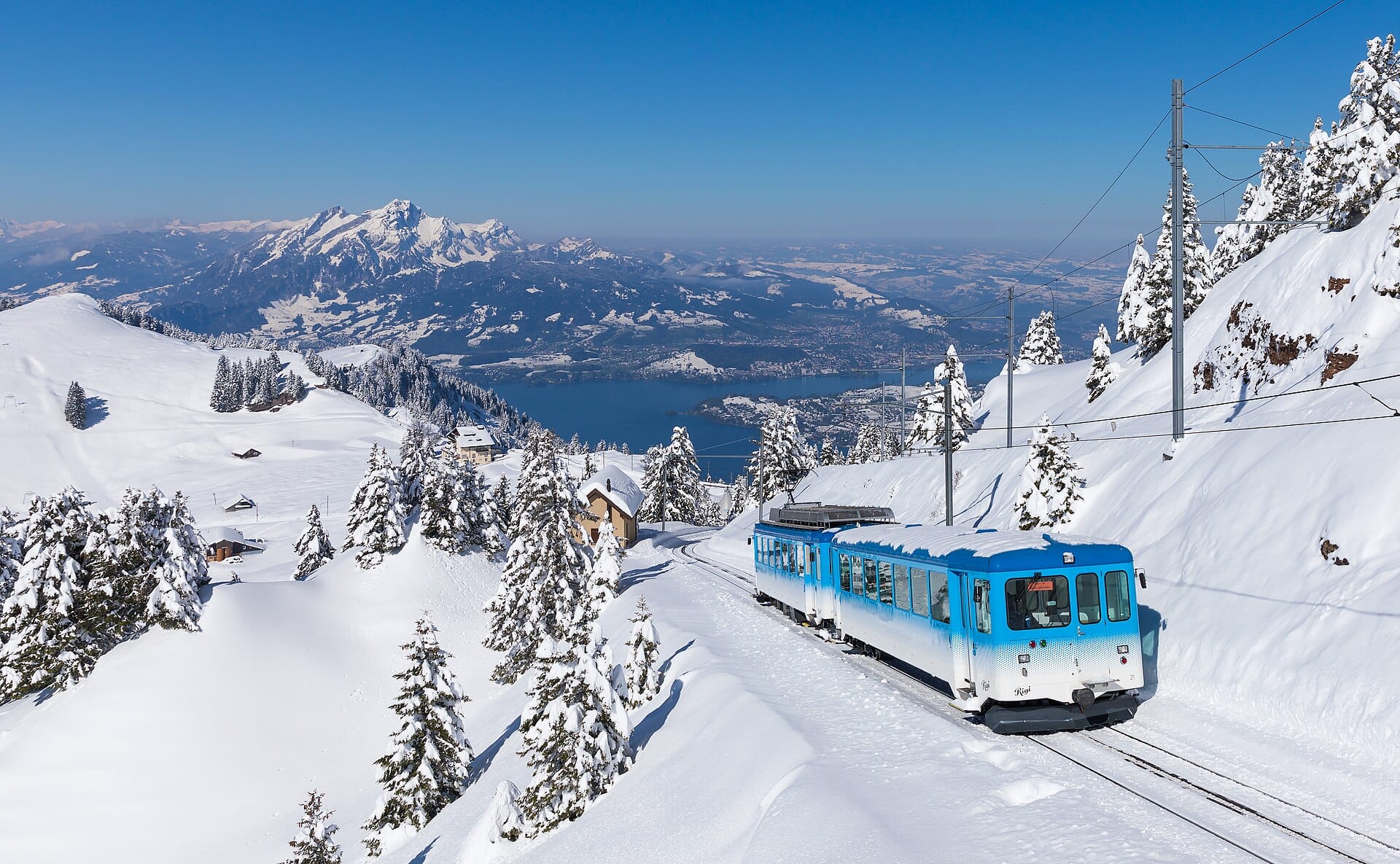
Rigi Railways
Switzerland · 142km away →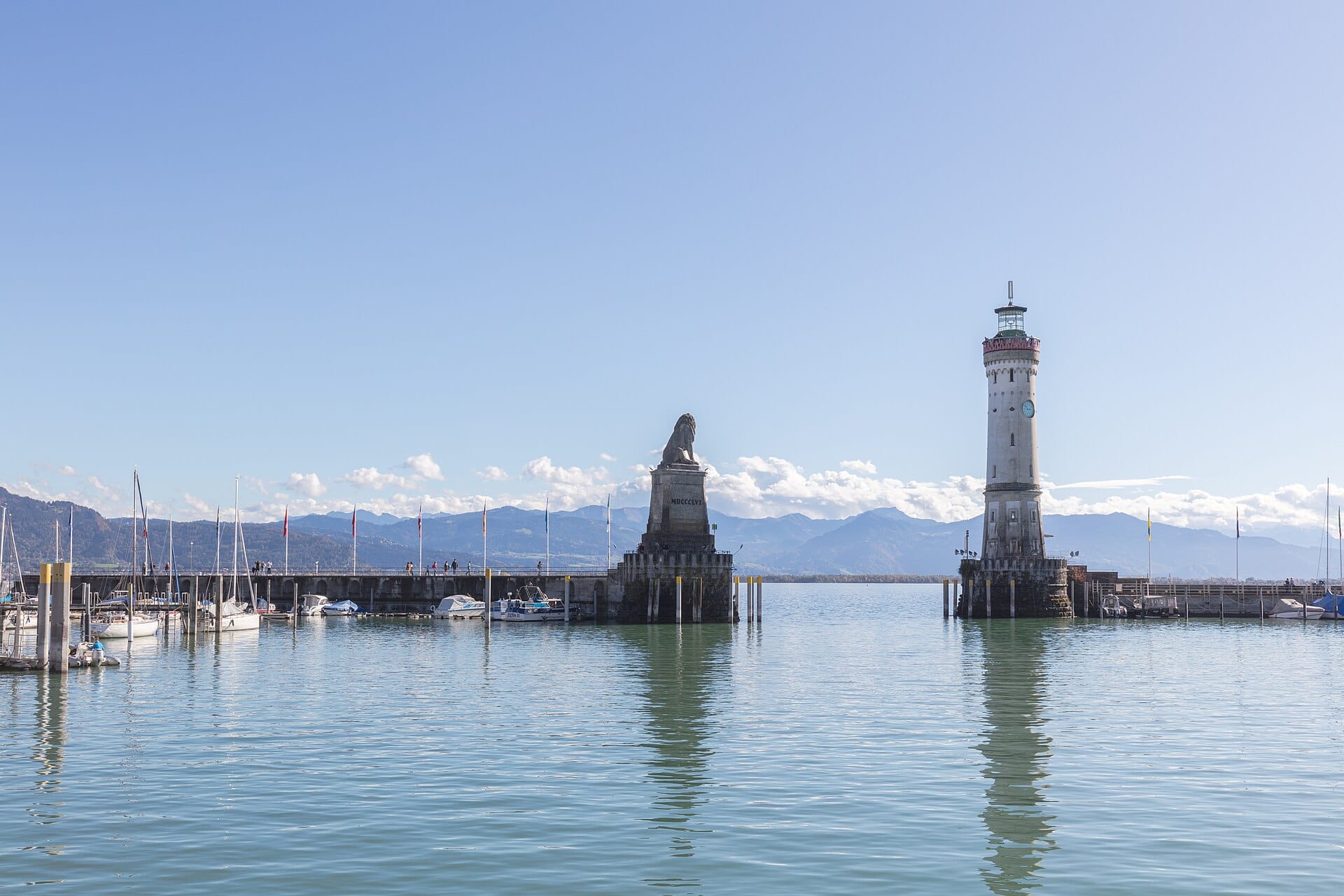
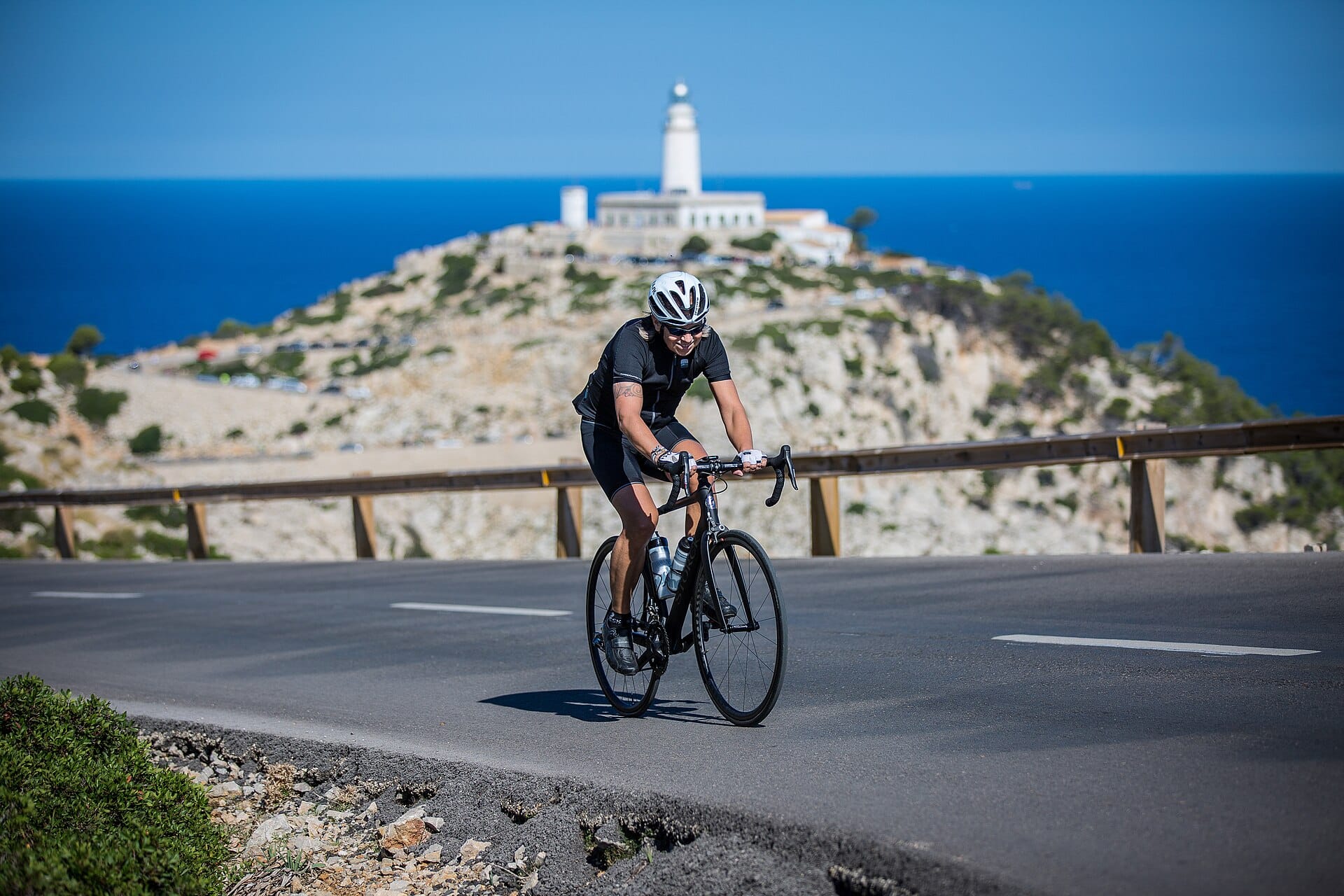
The Lake Constance loop
Germany, Austria and Switzerland · 143km away →Elsewhere in France
Related articles
Quick answers
When is the best time to visit The Alsace wine route?
Daytime highs run from about 6°C in January to 26°C in August. Wettest in June, with rain on about 16 days.
How long should I spend in The Alsace wine route?
Our suggestion: 4–5 nights.
How do I get to The Alsace wine route?
About an hour by car from Basel-Mulhouse (BSL) north on the A35 to Colmar. There is also a shuttle bus to Saint-Louis or Mulhouse station and then a direct TER train to Colmar in around 40 minutes.
Do I need a car in The Alsace wine route?
No. Trains run along the plain between Colmar, Sélestat and Strasbourg, and seasonal buses reach some villages, but the vineyard lanes themselves are for bikes or a car.
What currency and language are used in The Alsace wine route?
Currency: Euro (EUR). Language: French. Plugs: type C and E.
Who is The Alsace wine route best for?
Best for couples, foodies and road-trippers. In a phrase: half-timbered, aromatic, gently indulgent.