Ten cycling holidays, with routes for gentler days
Compare ten cycling holidays by surface, hills and daily distance, with advice on bike hire, train connections and choosing a manageable route.
A cycling holiday can be built around river paths, vineyard lanes or short island stages without turning every day into a training ride. The routes below still differ in traffic, surface and climbing: an old railway can be gravel, and an island bridge needs an uphill approach. Choose daily distances you already enjoy, check the exact itinerary and consider luggage transfer or an e-bike where it helps. Leave time for the places between the pedals.
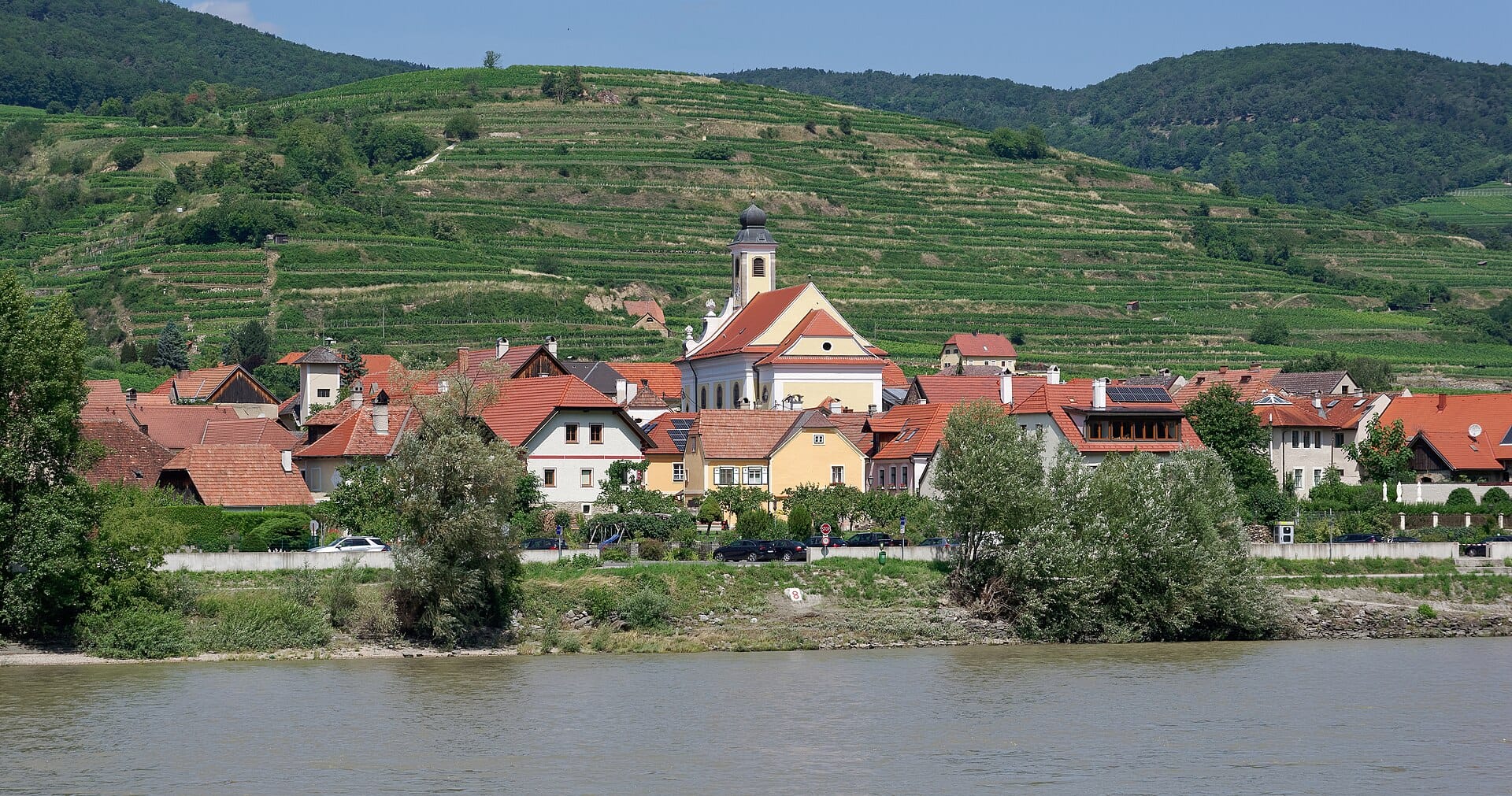
1. The Danube cycle path, Austria
Explore destinationThe Danube route from Passau to Vienna is a popular introduction to cycle touring, covering roughly 320–330 kilometres depending on the itinerary. Much of it uses surfaced riverside paths or quieter roads, with ferries and town sections to plan. A week can keep daily distances manageable, and luggage transfer is widely offered. Downstream is a familiar direction, but wind and diversions still affect the effort. Book any train bicycle spaces and verify seasonal ferry operation.
2. The Loire Valley, France
Explore destination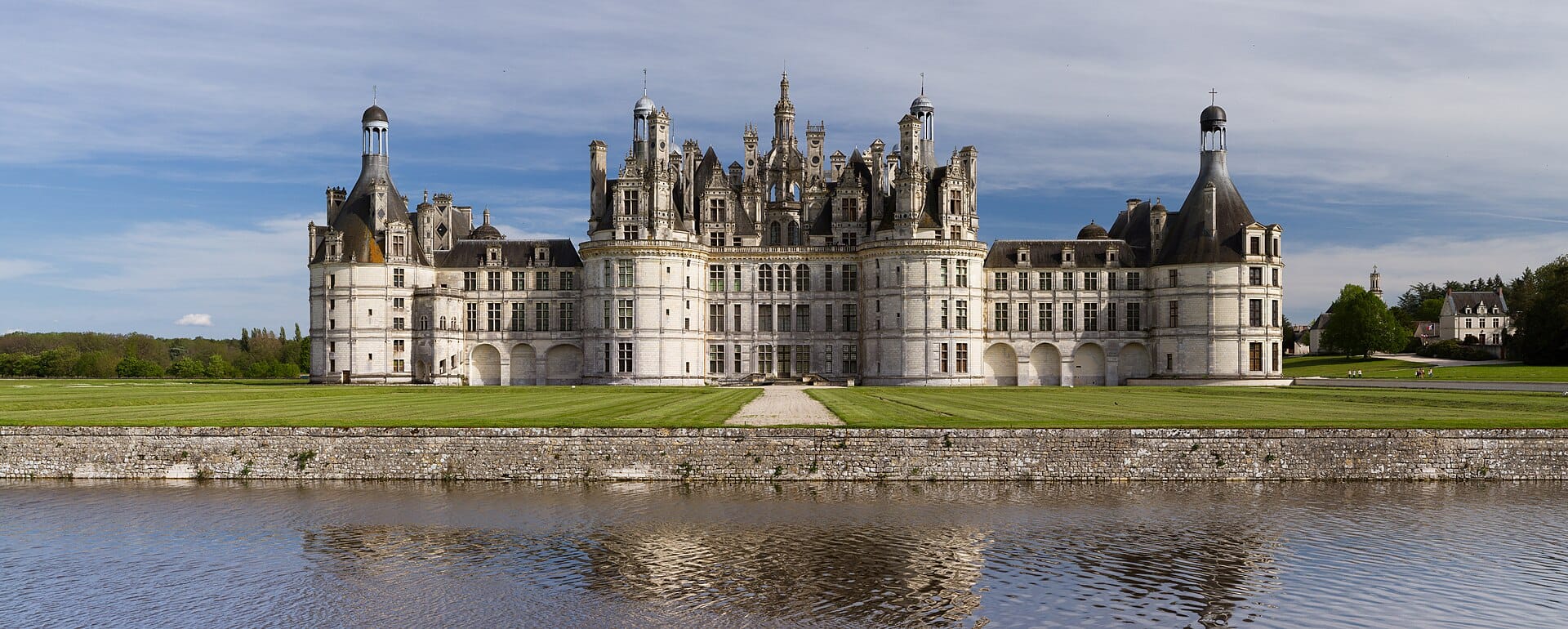
The Loire à Vélo links around 900 kilometres from Cuffy near Nevers to Saint-Brevin on the Atlantic. A shorter section between Blois and Chinon gives time for châteaux and villages without chasing the whole route. Some castle visits add distance or hills away from the river. Regional trains can help, but cycle capacity, reservations and charges depend on the service and season; check the current SNCF arrangements before relying on a shortcut.
3. Mallorca, Spain
Explore destination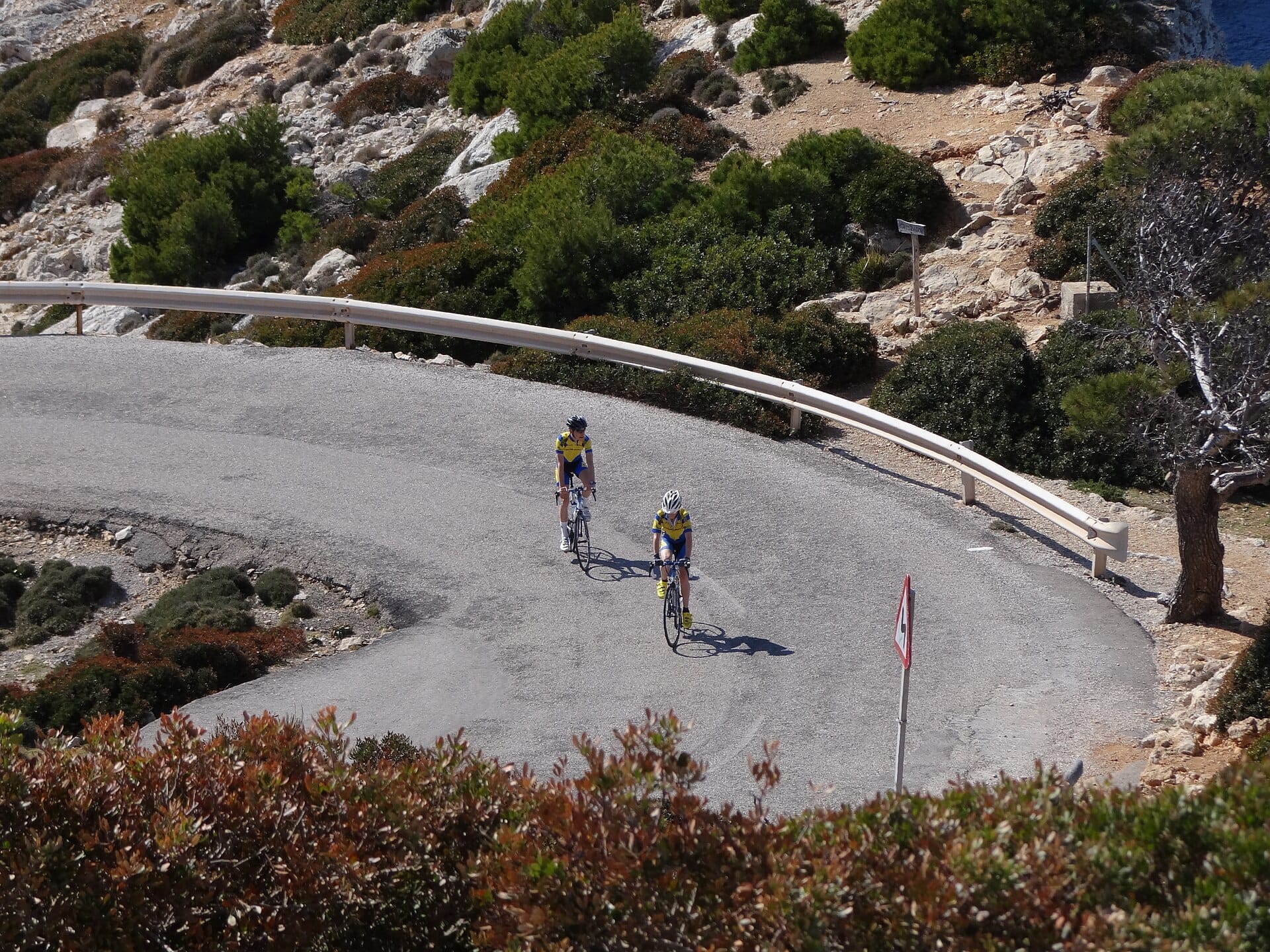
Mallorca combines quiet interior lanes with demanding mountain roads, so choose the route carefully. The 29-kilometre Manacor–Artà greenway follows the old railway on compacted gravel, not a fully paved surface; ask for suitable tyres. Es Pla offers other relatively gentle options, while the Tramuntana and Formentor roads add climbing and traffic. Spring and autumn often suit riding better than midsummer heat. Plan a short first day to test the bike and your pace.
4. The Vías Verdes greenways, Spain
Explore destination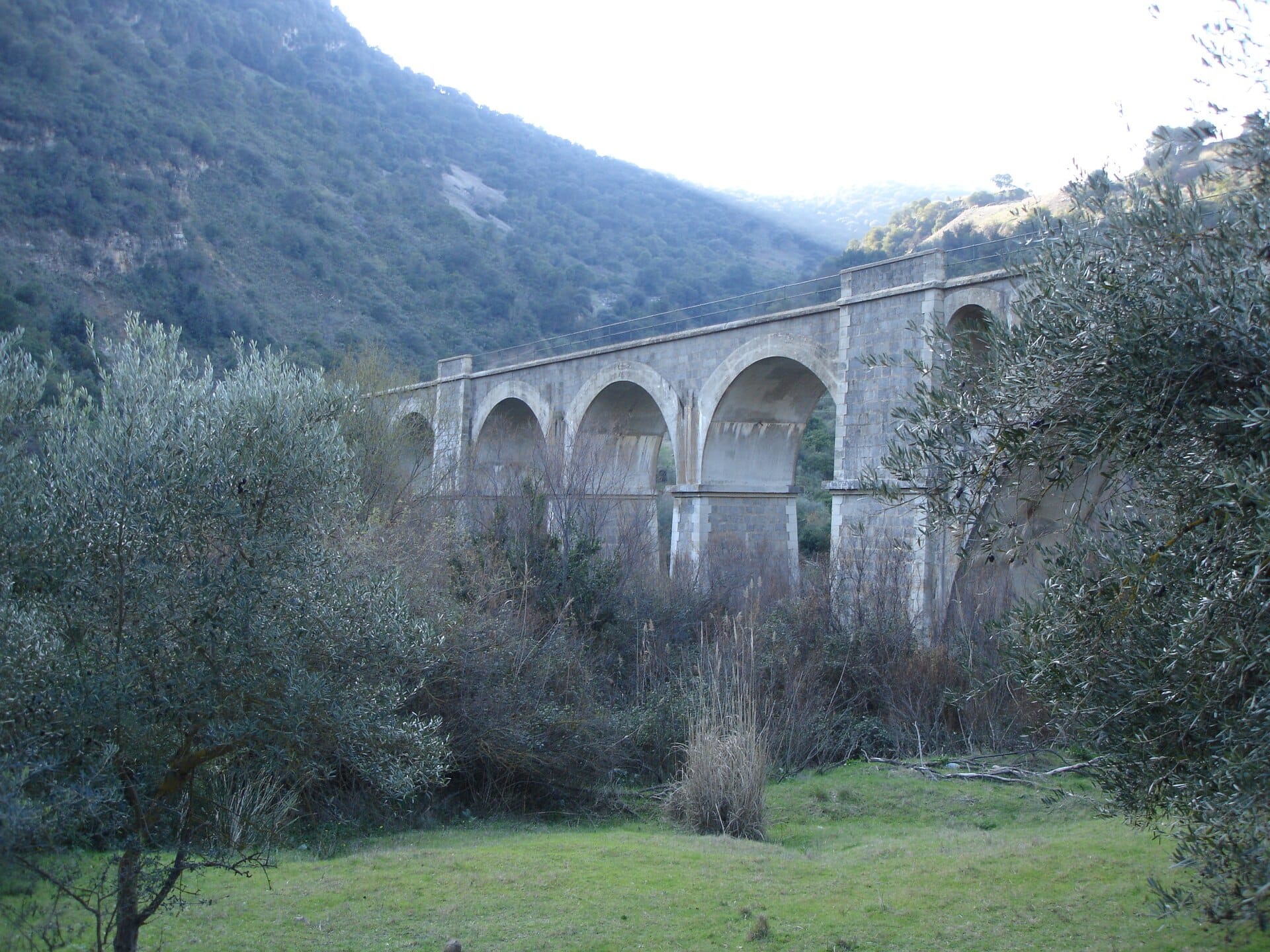
Spain’s Vías Verdes reuse former railways, with generally gentle gradients but surfaces and services that vary by route. The Vía Verde de la Sierra runs about 36 kilometres between Olvera and Puerto Serrano through tunnels and over viaducts. Carry working lights even where tunnel lighting is installed, and check for closures or damaged sections. Confirm bike hire, an agreed return transfer and drinking-water stops rather than assuming every restored station has services.
5. Utrecht and the Veluwe, the Netherlands
Explore destination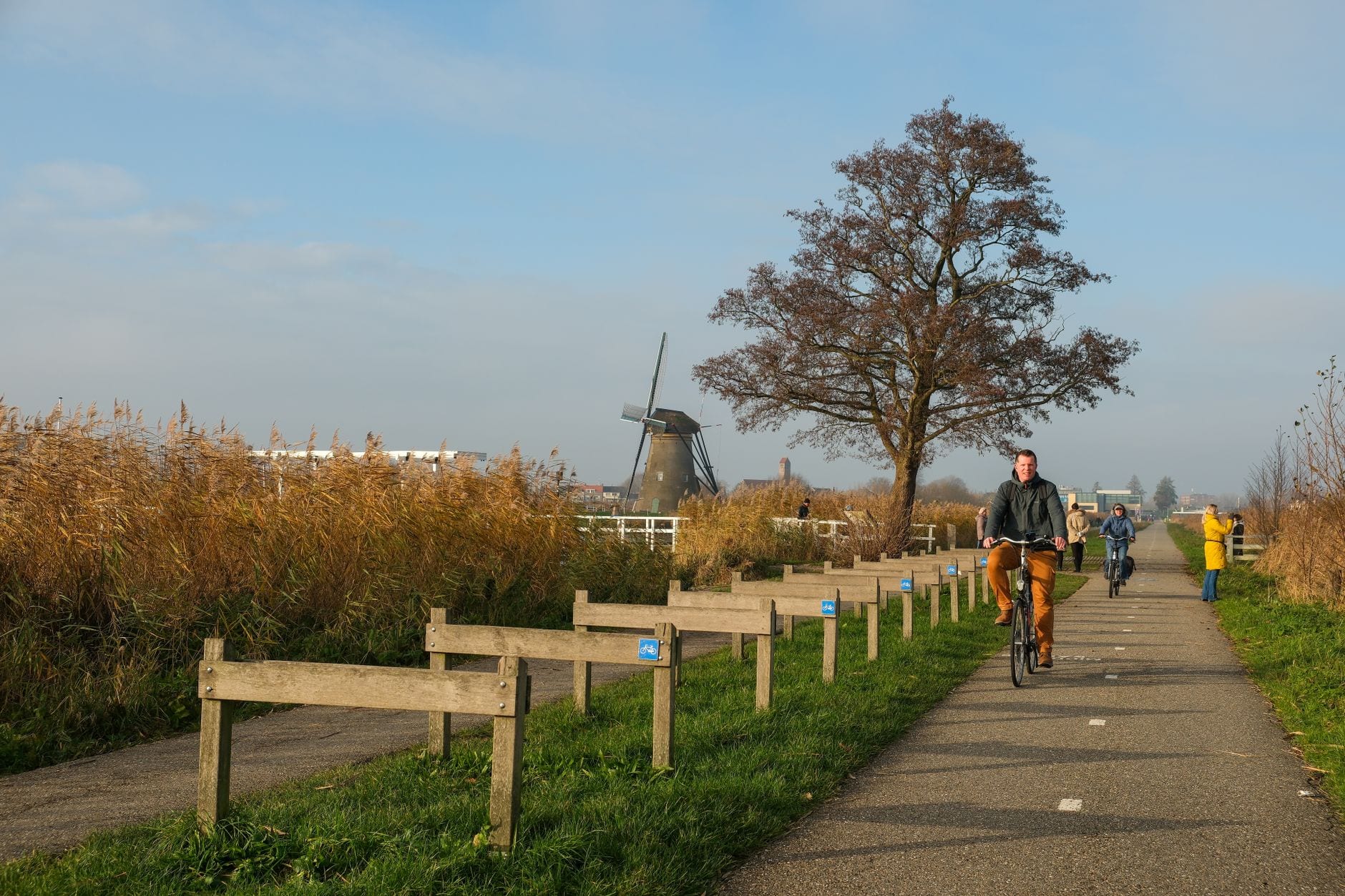
Utrecht’s canal neighbourhoods and the Veluwe’s forest and heath make complementary cycling bases. The numbered junction network helps with navigation, while De Hoge Veluwe National Park offers shared white bicycles with park admission, subject to availability. Museum admission and specialised hire can cost extra. The landscape is not entirely flat, and wind can make an easy-looking route hard work. Choose a manageable loop and check the current rules for taking a hired bike on trains.
6. Provence, France
Explore destination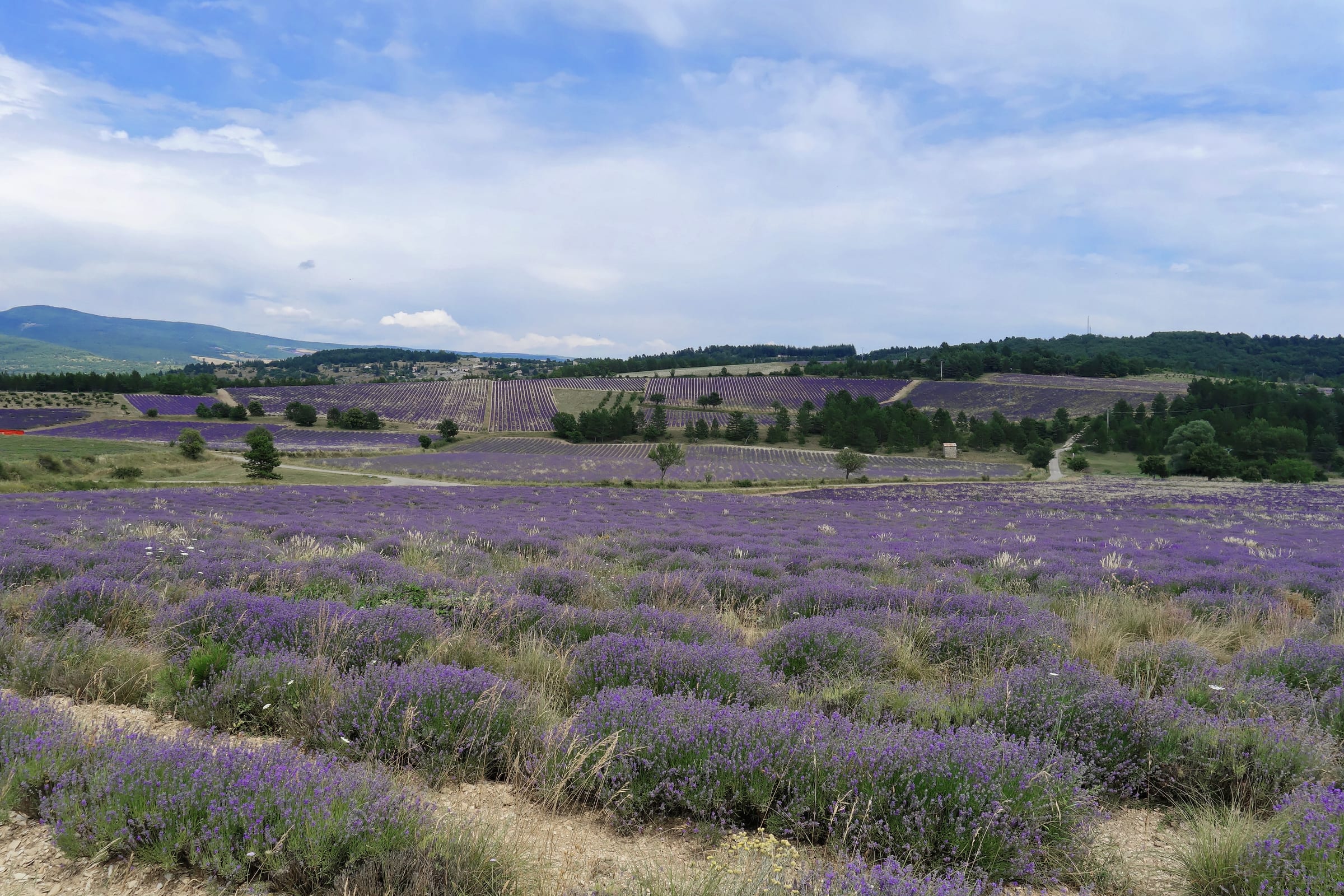
Provence rewards cyclists with vineyards, markets and hill villages, but the Luberon is not uniformly gentle. The full Autour du Luberon circuit is a substantial tour with repeated climbs; a valley base and selected shorter loops may suit a first cycling holiday better. An e-bike helps with ascent, provided the hire and charging arrangements match the day. Avoid peak heat, account for mistral winds and check the actual lavender season rather than promising flowers on a fixed date.
7. The Parenzana trail, Istria, Croatia
Explore destination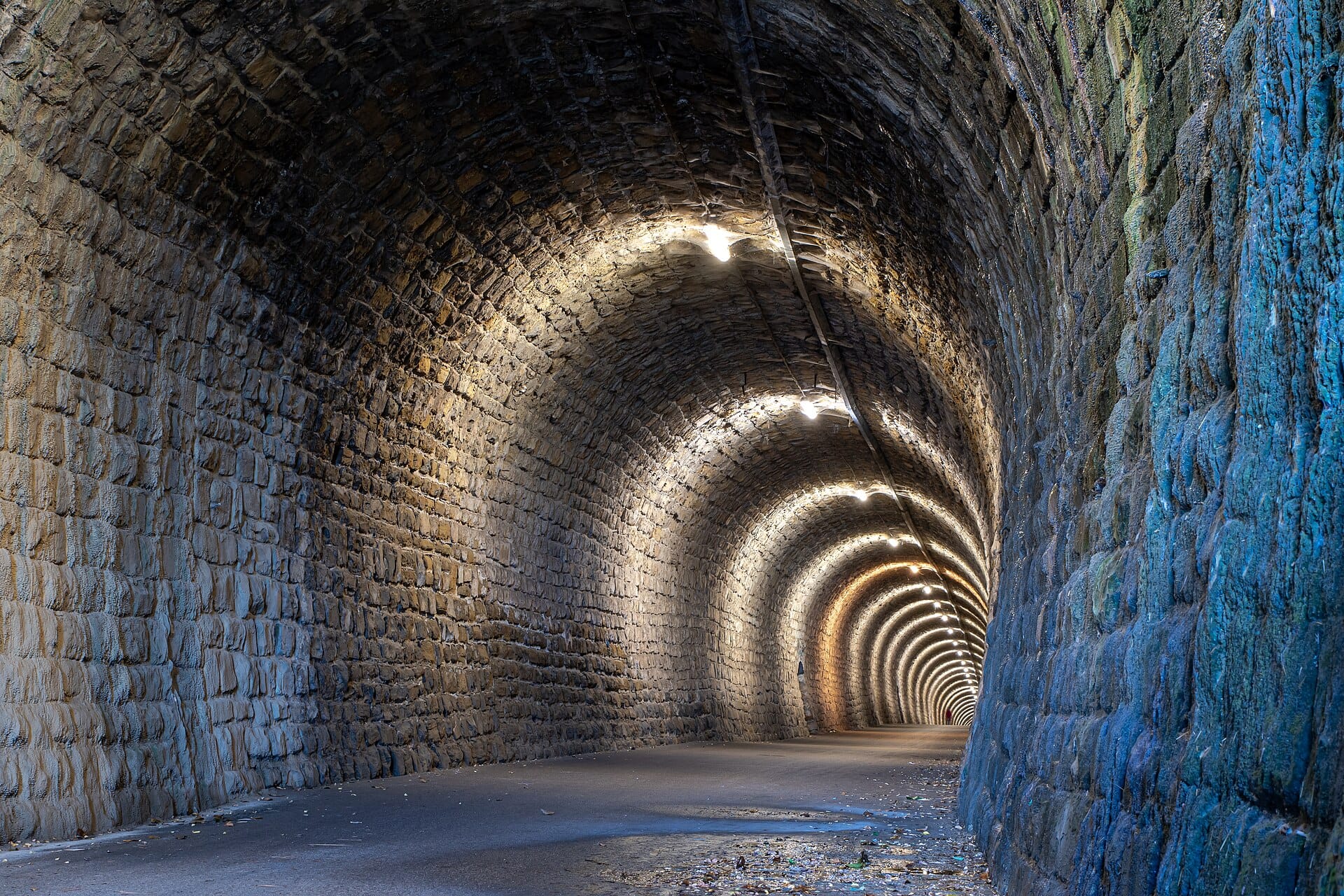
The Parenzana follows parts of the former railway from Trieste through Slovenia into Croatian Istria, a route of roughly 123 kilometres. Long gentle gradients still add up, and rough gravel, tunnels and detours require more handling than a paved river path. Hire a bike suited to the current surface and carry lights. Hill-town visits add climbing beyond the railway. Confirm the exact start, one-way return arrangements and daily distances before treating it as a leisurely three-day ride.
8. The Lake Constance loop, Germany, Austria and Switzerland
Explore destination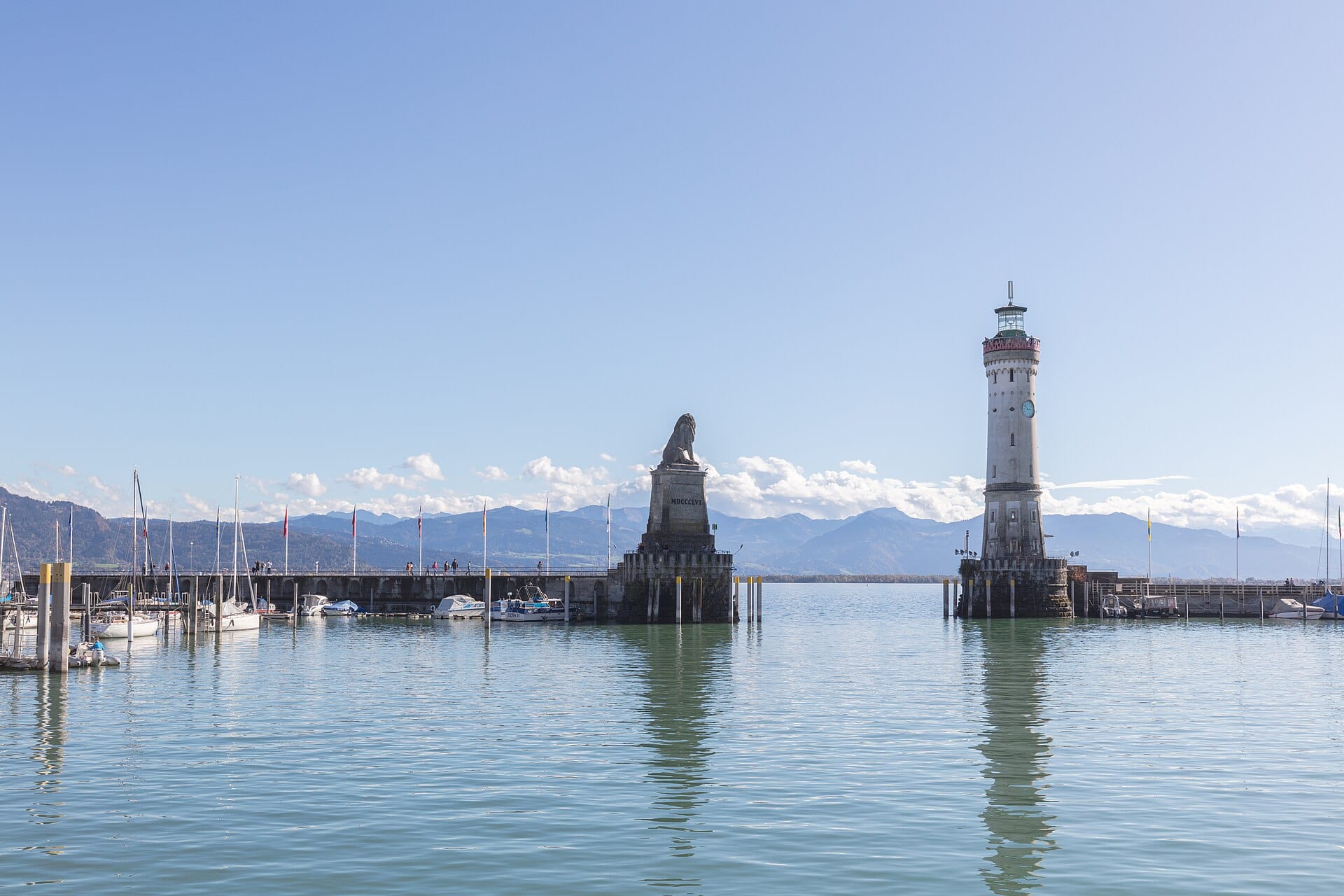
The Lake Constance circuit covers roughly 260 kilometres through Germany, Austria and Switzerland, with many relatively gentle lakeside sections and some climbs or busier connections. A week leaves time for towns and gardens. Ferries and trains can shorten stages, subject to bicycle capacity and timetables. Germany and Austria use euros; Switzerland uses francs, and mobile roaming terms can change at the border. Plan the route around your accommodation rather than assuming every lakeside path is equally easy.
9. The Alsace wine route, France
Explore destination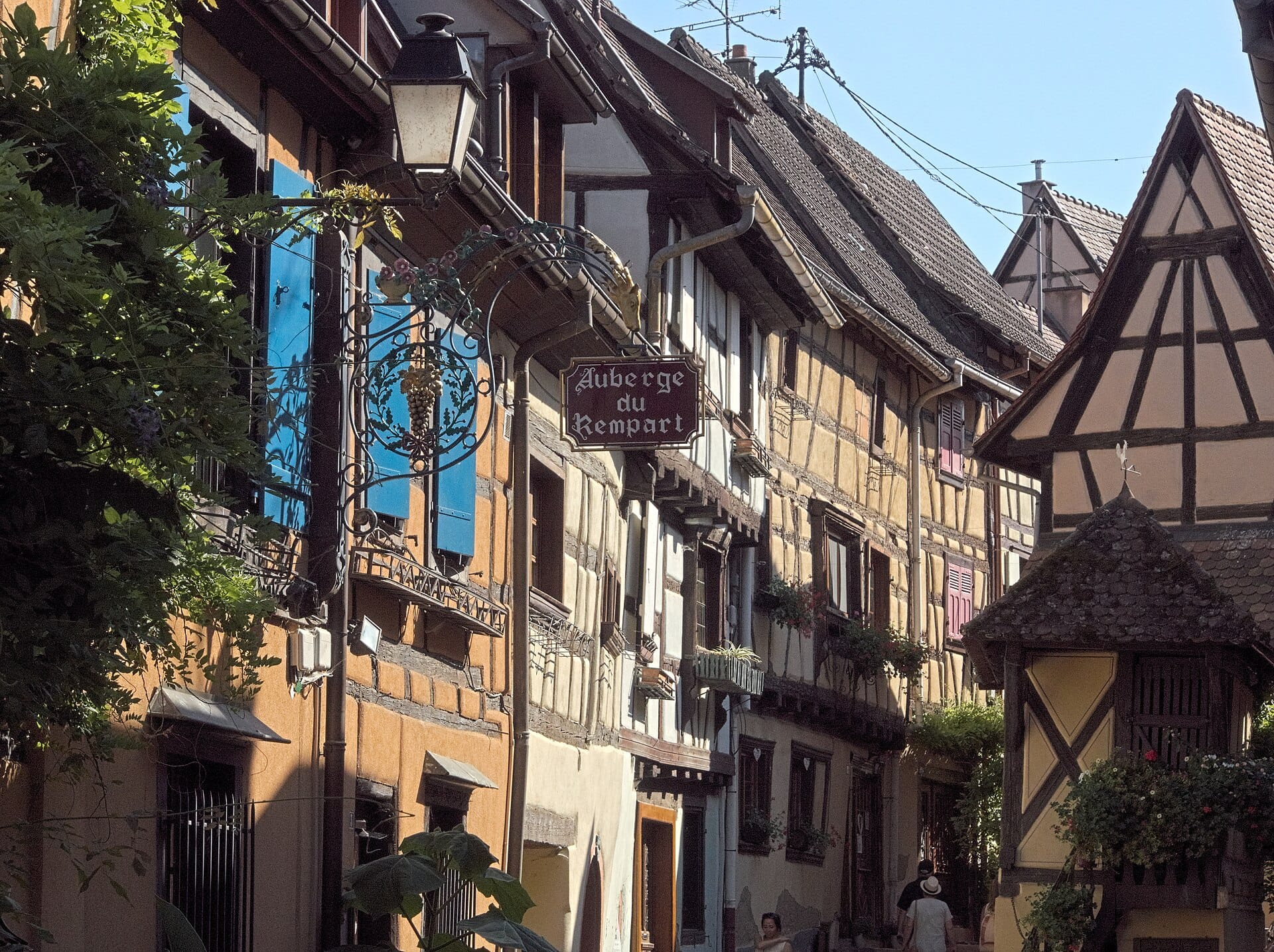
The Véloroute du Vignoble d’Alsace covers about 130 kilometres between Marlenheim and Thann, distinct from the longer wine-road itinerary. Colmar can support shorter loops through villages such as Eguisheim and Kaysersberg, but the vineyard slopes include real climbing. Choose an e-bike for the terrain if useful, not as a solution to drinking and riding. Keep tastings separate from cycling and arrange passenger transport afterwards. Harvest work can also affect vineyard access.
10. The Shimanami Kaido, Japan
Explore destination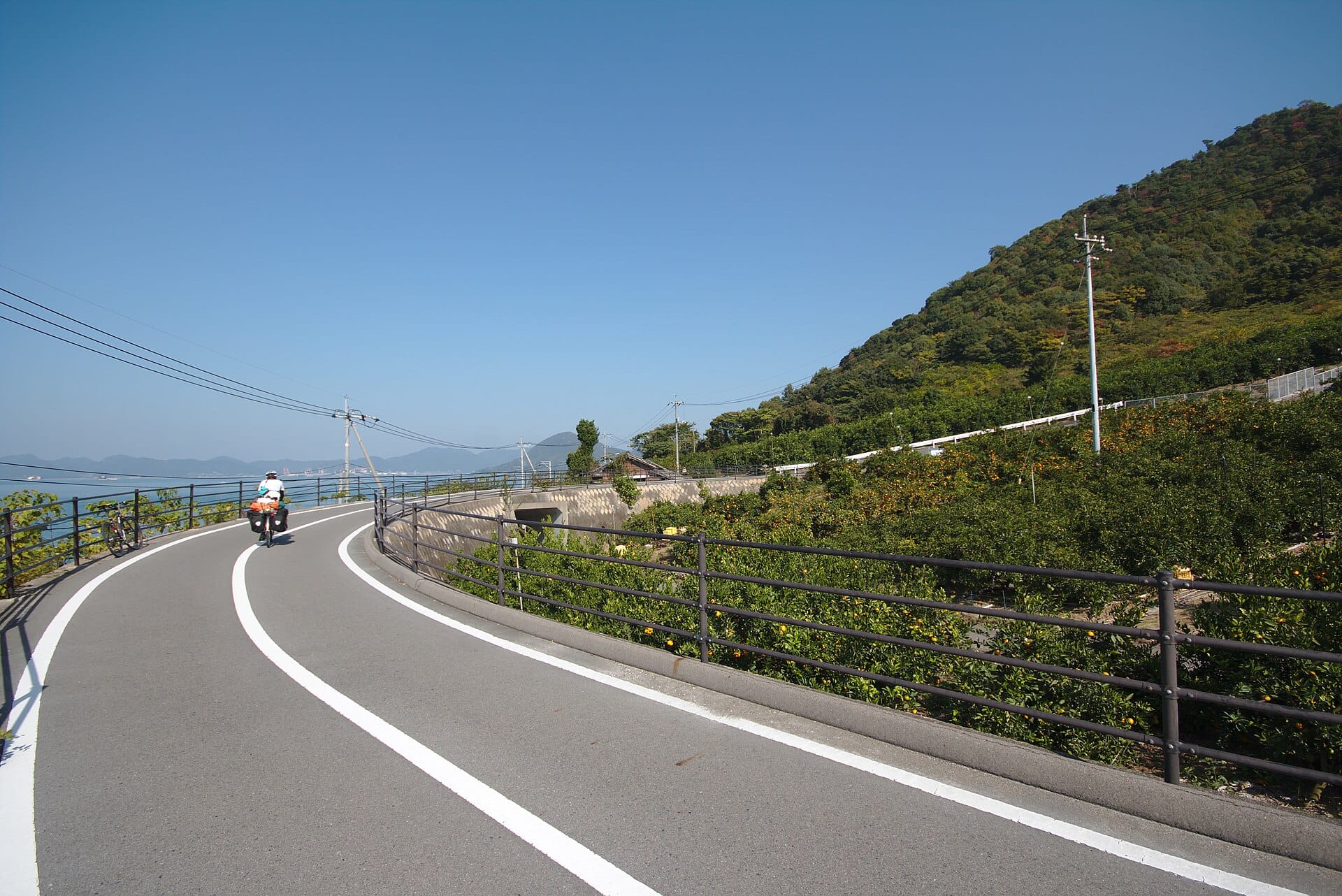
The Shimanami Kaido links Onomichi and Imabari over roughly 70 kilometres via six islands. Bridge sections have cycling access, while island stretches include ordinary roads shared with traffic. The ramps and island hills make this more than a flat coastal spin. Two or more days leave time for ports and citrus groves. Check the return terminal, rental period and battery range for the specific bicycle: e-bikes and other special models can have different one-way rules.
Make the easiest day the first day
Ask for an itinerary showing daily distance, ascent, road exposure and surface, then test the hired bike before committing to the full route. Book luggage transfer, accommodation and any bicycle space on a train separately where needed. A shorter loop with a known return is often more relaxing than a long point-to-point ride with an uncertain connection.
Photo credits
- Header: Jakub Hałun, CC BY-SA 4.0. Display copy resized or cropped.
- Château de Chambord in the Loire Valley, France, seen across the water under a blue sky: Benh LIEU SONG, CC BY-SA 3.0. Display copy resized or cropped.
- Two road cyclists rounding a hairpin bend on a rocky, scrub-covered hillside near Pollença, Mallorca: Foto Fitti, CC BY-SA 3.0. Display copy resized or cropped.
- Arched stone railway viaduct on the Vía Verde de la Sierra among olive trees and wooded hills, Andalusia: El Pantera, CC BY-SA 4.0. Display copy resized or cropped.
- Cyclists on a quiet path beside reeds and a windmill: Kağan Karatay, Pexels License. Display copy resized or cropped.
- Lavender fields rolling towards low hills beneath a blue, cloud-streaked sky: Abujoy, CC BY 4.0. Display copy resized or cropped.
- Lit stone-lined Valeta tunnel on the Parenzana trail at Portorož, on the route's Slovenian stretch: Isiwal, CC BY-SA 4.0. Display copy resized or cropped.
- Lindau harbour on Lake Constance with its lion statue and lighthouse, and the Alps beyond: Diego Delso, CC BY-SA 4.0. Display copy resized or cropped.
- Half-timbered houses and a wrought-iron inn sign on a narrow street in Eguisheim, Alsace: pollobarca2, CC BY-SA 2.0. Display copy resized or cropped.
- Cyclist on a curving Shimanami Kaido cycle road beside citrus groves above the Seto Inland Sea, Japan: Fabimaru, CC BY-SA 4.0. Display copy resized or cropped.
Useful official information: SNCF: current bicycle reservation arrangements; Artà tourism: greenway surface and route; Shimanami Japan: cycle route and rental information.