
Wachau Valley
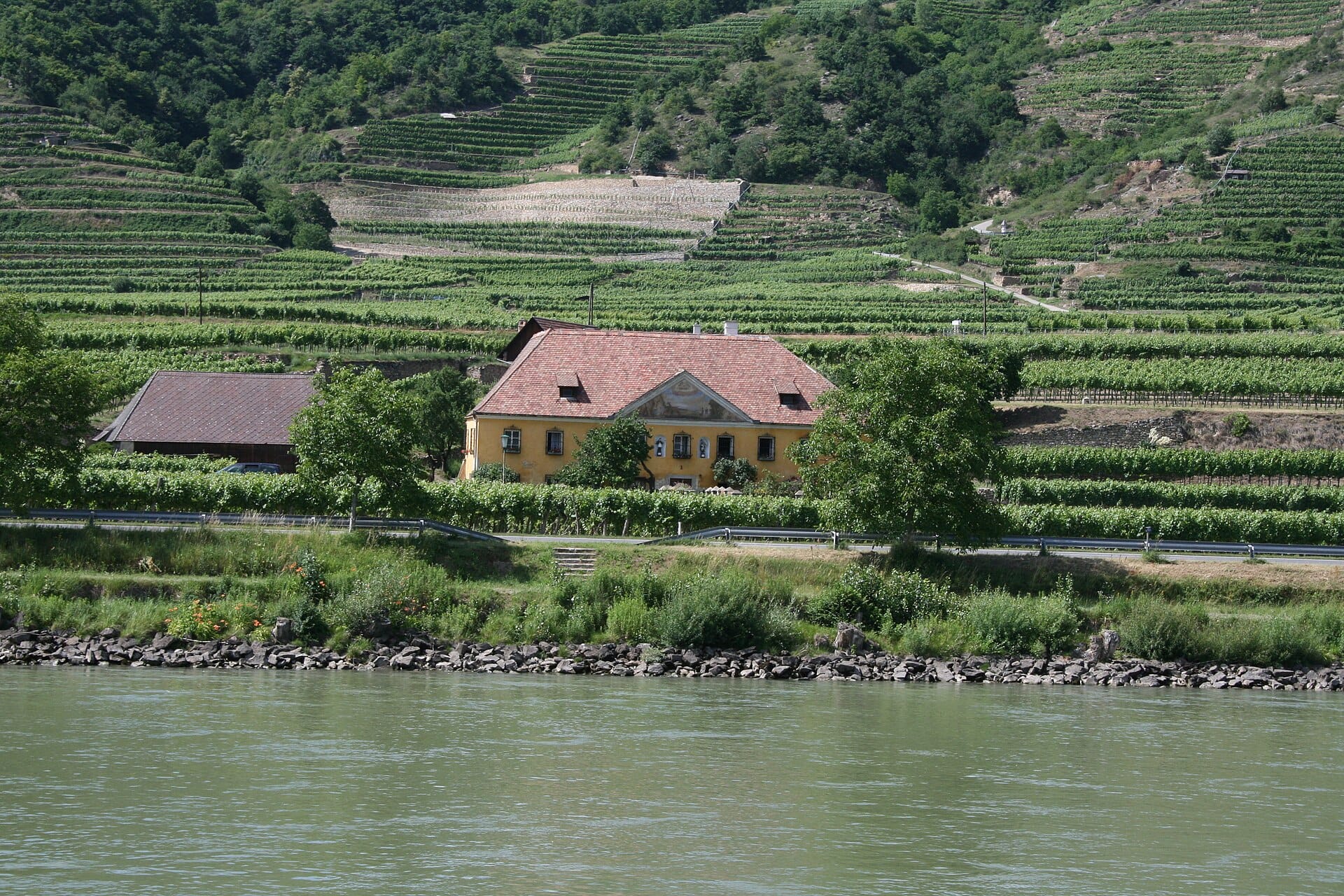
An hour from Vienna, the Danube swings through a gorge of terraced Grüner Veltliner vines, apricot orchards and villages that peaked aesthetically in the Baroque.
- Best forCouples · Foodies · Wellness & slow travel
- In December6°C · 12 rainy days
- Ideal stay2–3 nights
- Approx. flying time~12h 20m from Los Angeles
- CurrencyEUREuro
- LanguageGerman
- Local time12:351h ahead of the UK
- PlugsType C / FBring an adapter
- Drive on theRightOpposite to the UK
- Dialling code+43
Why go
The Danube cuts a gorge of some 36 kilometres between Melk and Krems, with terraced vineyards on dry stone walls, apricot orchards on the flats and baroque villages on both banks. A monastery stands above one end and a ruined castle above the middle. The whole valley is a protected landscape, flat along the river and steep everywhere else, and it can be cycled end to end in a day.
An hour from Vienna by train, it works as a long day out or, better, two nights in Durnstein or Weissenkirchen with a boat one way and a bicycle the other. April brings apricot blossom, late September and October the harvest and the young wine in the growers' taverns. Winter closes most of it, and there is little here for young children.
- Ideal stay
- 2–3 nights
- The vibe
- Terraced, vinous, softly baroque
From our guides
Base yourselves in Dürnstein, beneath the ruined castle that once held Richard the Lionheart, and cycle the flat riverside path between heurigen — growers' taverns pouring their own wine under the vines. Come in April for apricot blossom, or October for harvest gold when the whole valley smells faintly of new wine.
Featured in Ten vineyard escapes for lovers of a long lunch
Things to do
-
Melk Abbey
A vast baroque monastery on a rock above the river, with a marble hall, a frescoed library and a terrace looking along the valley.
-
Durnstein
A blue-towered village beneath the castle ruin where Richard the Lionheart was held, with a steep twenty-minute climb up to the walls.
-
The riverside cycle path
A flat, largely traffic-free route runs along both banks between Melk and Krems, with small ferries crossing between villages at several points.
-
Heurigen taverns
Growers open their own courtyards to sell their wine with cold food, marked by a bush hung over the door when they are trading.
-
Gruner Veltliner and Riesling
The terraces produce Austria's benchmark dry whites, classified by ripeness as Steinfeder, Federspiel and Smaragd, with the driest wines coming off the steepest walls.
-
Wachau apricots
The harvest in July fills the villages with jam, schnapps and dumplings, and the same trees turn the valley floor white in April.
Getting there
-
Fly to
Vienna (VIE)
Nearest airport to Wachau, about 89km away as the crow flies.
-
Then
To Dürnstein
About an hour and a quarter by car west from Vienna (VIE) along the Danube. Trains from Vienna to Krems take roughly an hour, with a local bus or river boat on to Dürnstein.
-
On the ground
Getting around
The valley villages line both banks and are joined by a flat riverside cycle path, seasonal Danube boats and a small ferry across the water.
Public transport: Decent: trains to Krems and Melk at either end of the valley, buses along the north bank and river boats in season.
Flights
Los Angeles Wachau, Austria
Fly from anywhere — search 4,000+ airports worldwide.
Roughly 12h 20m in the air from Los Angeles (LAX), estimated from the distance — check for a direct route. Pick a month to see every available flight with live prices.
Check dates and prices
Pick your departure date, then your return.
Search flightsNot sure when? Compare fares across a whole month.
Flight times are estimates; prices open on Google Flights.
When to go
Daytime highs run from about 5°C in January to 26°C in July. Driest in February and March and October and November; wettest in June, with rain on about 16 days.
The year at a glance — pick a month for detail
December6° · rain 12 daysCold with rain most weeks.
Monthly figures averaged from daily records for 2020–2024 at this location (ERA5 reanalysis). Live conditions from MET Norway, CC BY 4.0.
Where to stay
Winegrowers' guesthouses with a few rooms, small family hotels, and Gasthof inns above their own restaurants. Apartments are common; chains and resorts are absent.
-
Best base overall
Dürnstein
The prettiest village on the river, under the ruined castle, with the cycle path and the heurigen at the door. Tiny, so rooms are scarce and coaches arrive by day.
Find stays in Dürnstein -
Best with children
Krems an der Donau
A proper small town at the valley's eastern end, with shops, a swimming pool, the railway and far more choice of rooms. Less picturesque than the villages upstream.
Find stays in Krems an der Donau -
Best value
Weissenkirchen
A working wine village midway along, with growers' rooms at sensible rates and vineyards starting behind the houses. Evening options amount to a few taverns.
Find stays in Weissenkirchen -
Quietest
Spitz
Set back from the road beneath the Thousand Bucket Hill, calm even in October, with a ferry across to the north bank. You will cycle or drive for variety.
Find stays in Spitz
Worth knowing before you book: Apricot blossom in April and the October harvest fill the villages, and many places close from November to March. Ask whether the tariff includes the boat or bike hire.
Search everything else in Dürnstein by budget. These are indicative budget bands in GBP per night for two people, not live quotes or guarantees of hotel type. Check your dates, guests, taxes and final price on Booking.com.
Good to know
- Getting there
- Trains from Vienna reach Melk and Krems in about an hour, and both sit on the boat and cycle routes, so no car is needed.
- Boats
- River boats run between Melk and Krems from spring to autumn, with the downstream leg taking well under half the time of the upstream one.
- Bike hire
- Rental is easy at both ends and one-way drop-off is standard. Ride downstream, from Melk towards Krems, for the wind and the gradient.
- Timing
- Everything here is seasonal. Many taverns, boats and hire shops close from November until Easter.
- Book ahead
- Rooms in Durnstein are limited and go early for autumn weekends, when the harvest brings Viennese visitors out in numbers.
Similar places
Nearby destinations
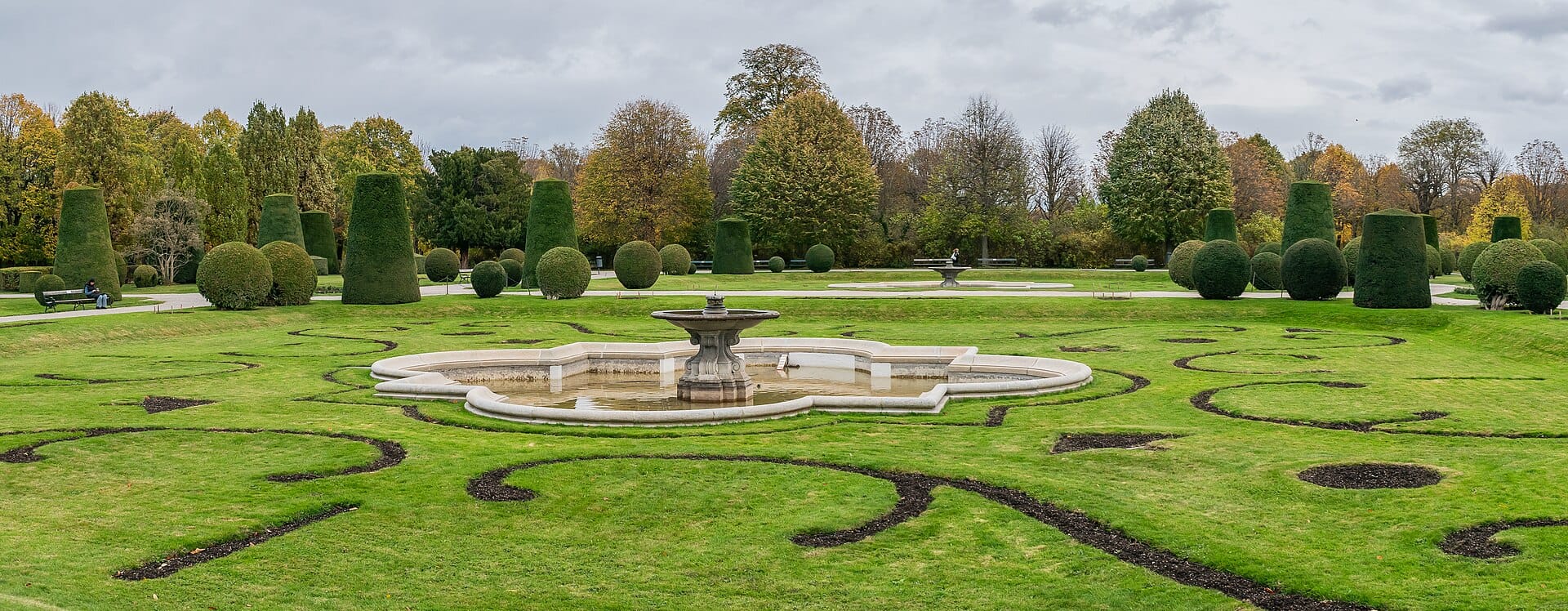
Vienna
Austria · 72km away →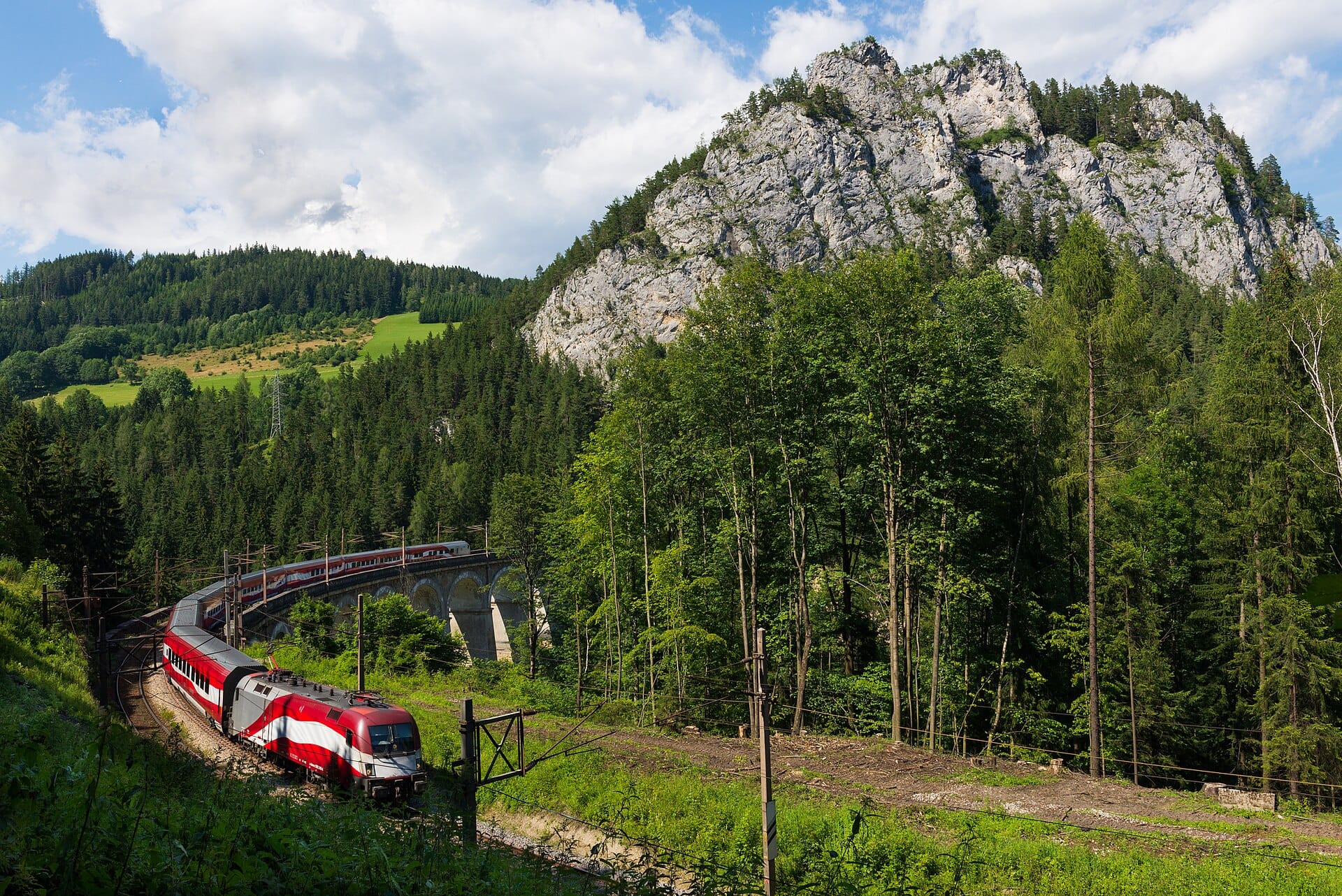
Semmering Railway
Austria · 82km away →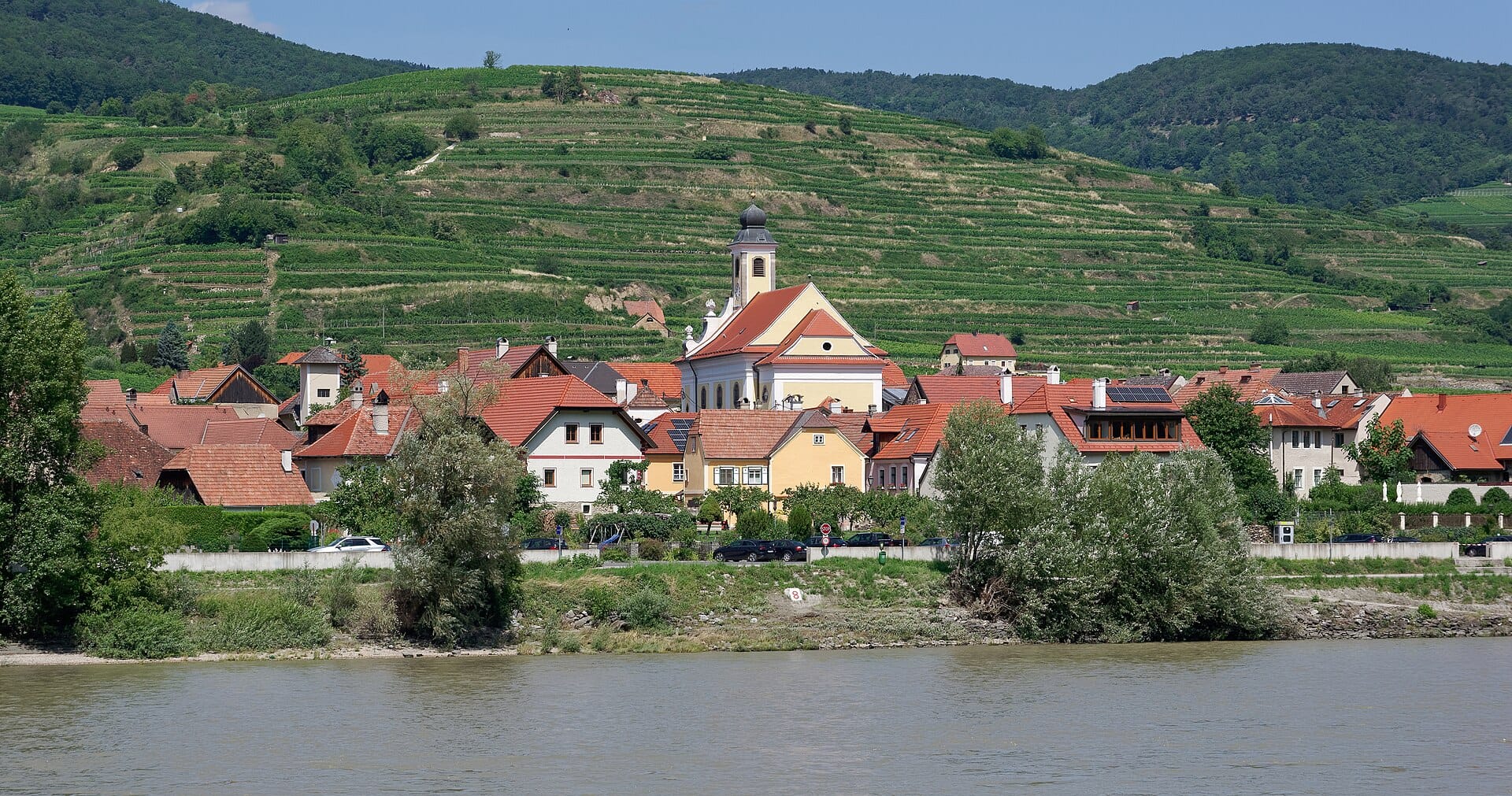
The Danube cycle path
Austria · 83km away →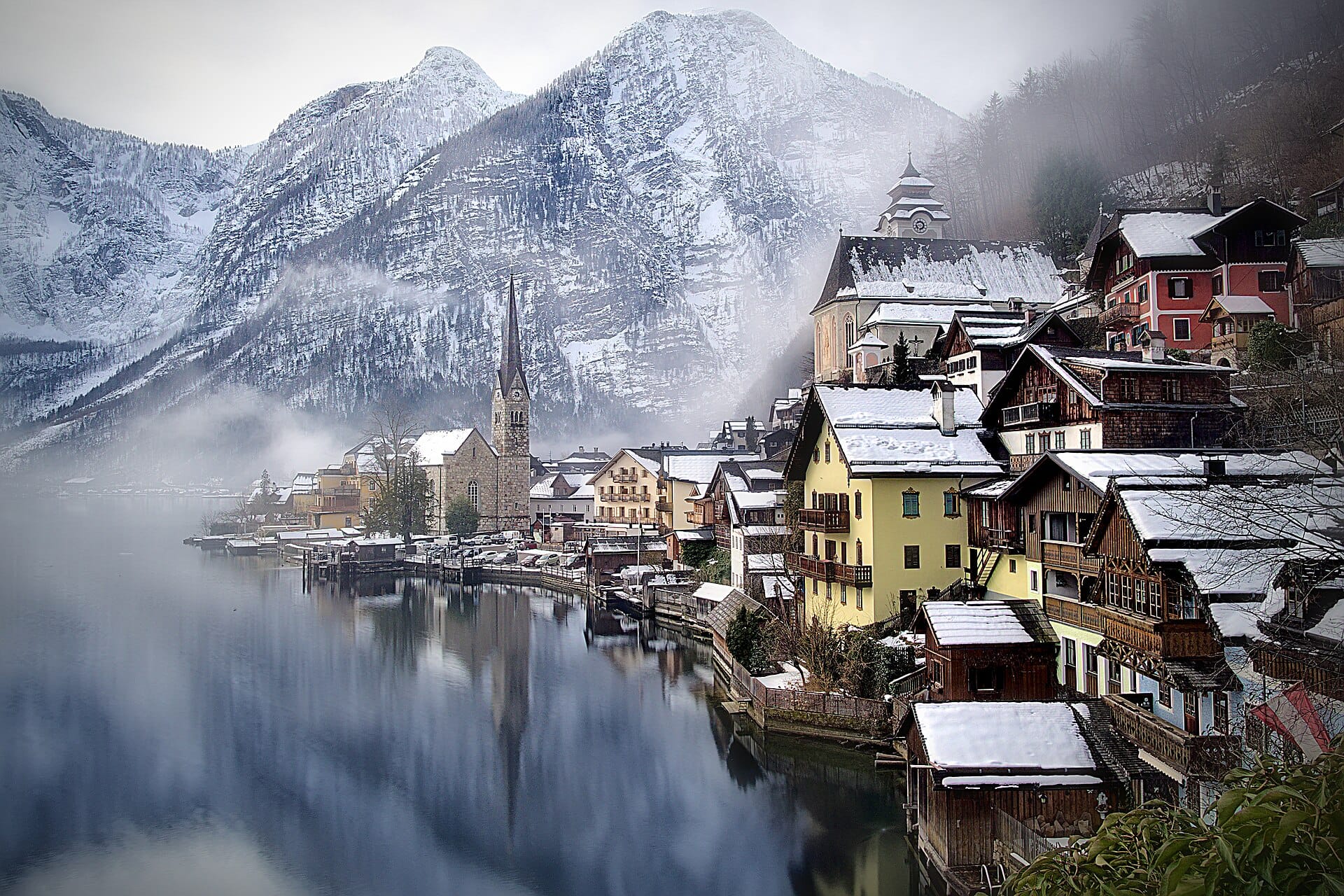
Hallstatt and the Salzkammergut
Austria · 149km away →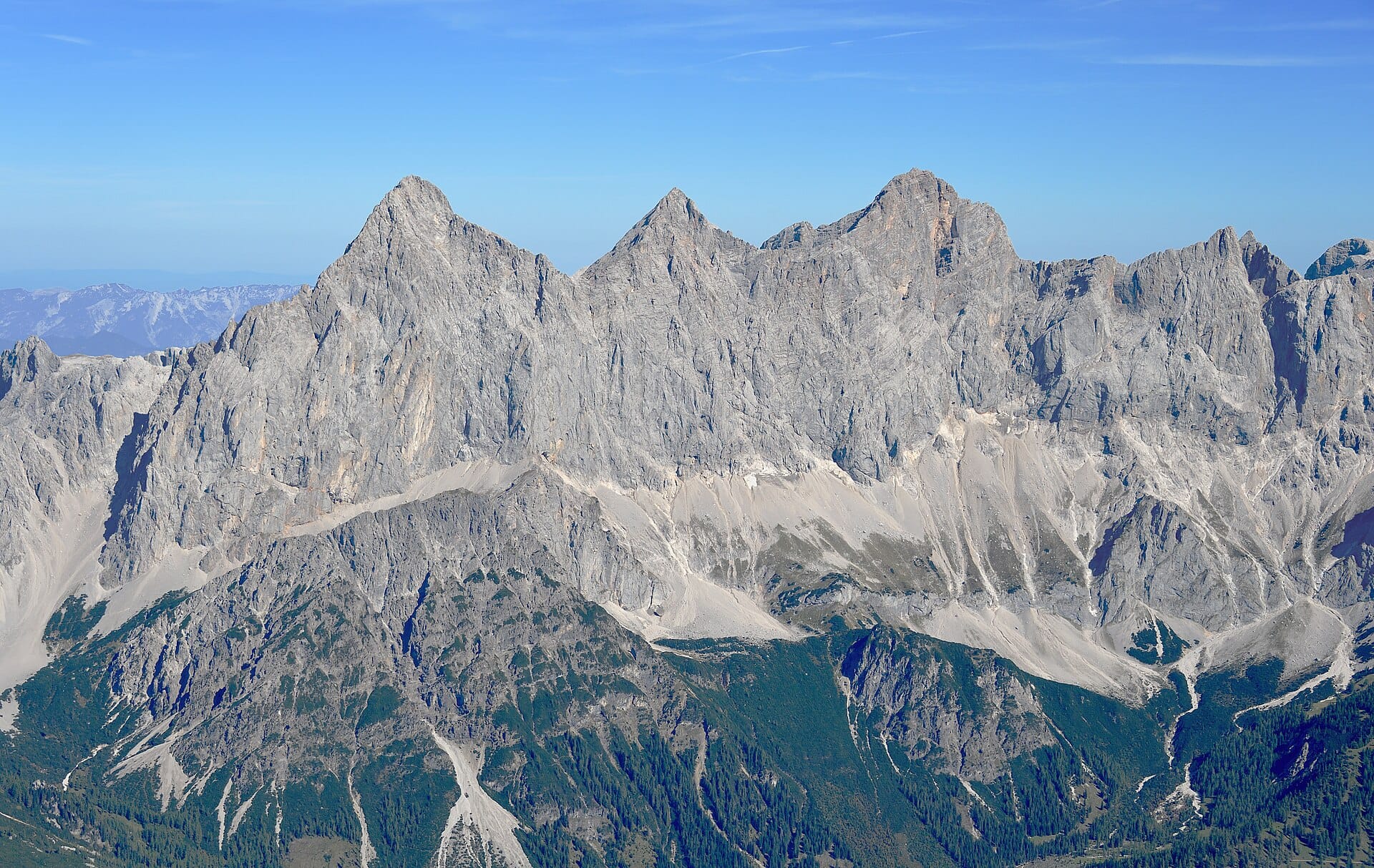
Dachstein
Austria · 165km away →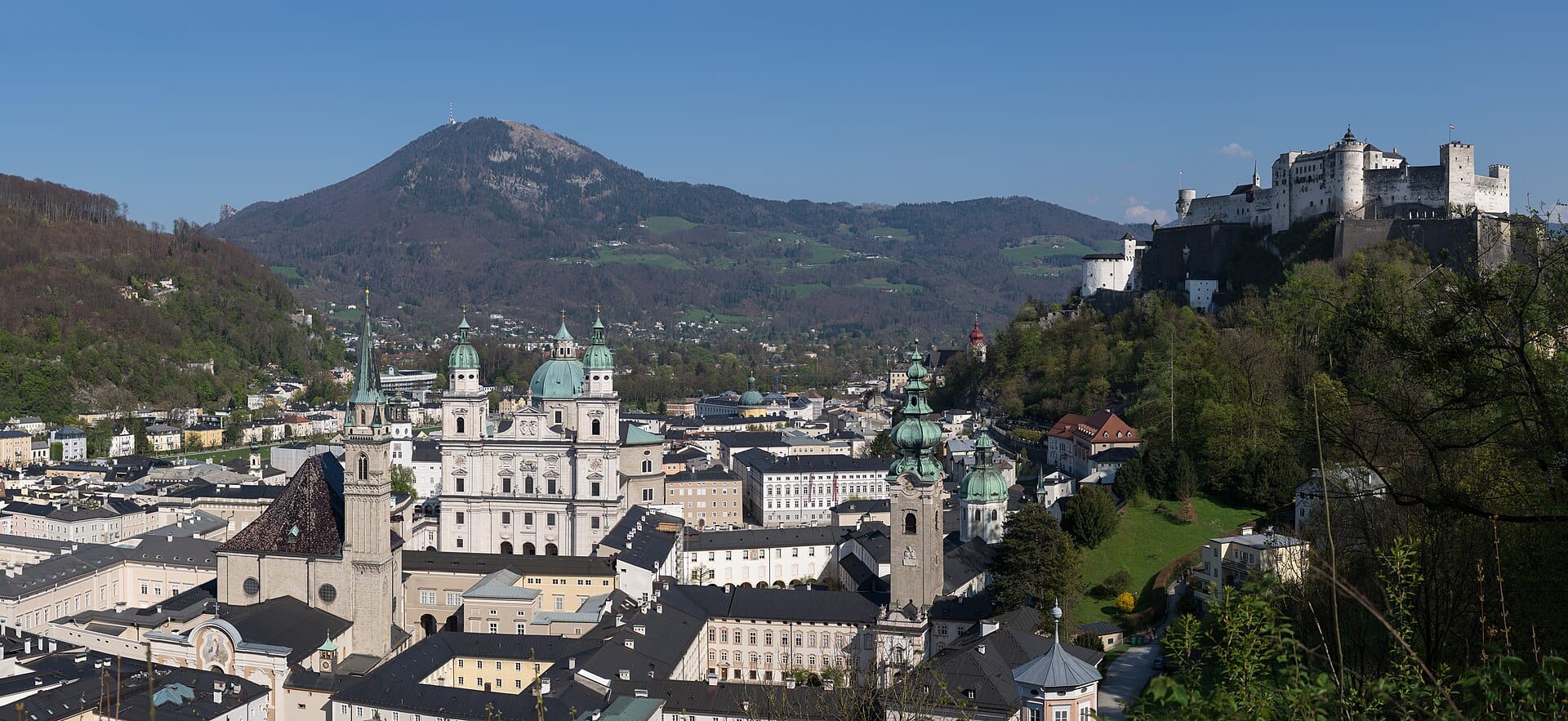
Salzburg
Austria · 185km away →Elsewhere in Austria
Related articles
Quick answers
When is the best time to visit Wachau Valley?
Daytime highs run from about 5°C in January to 26°C in July. Driest in February and March and October and November; wettest in June, with rain on about 16 days.
How long should I spend in Wachau Valley?
Our suggestion: 2–3 nights.
How do I get to Wachau Valley?
About an hour and a quarter by car west from Vienna (VIE) along the Danube. Trains from Vienna to Krems take roughly an hour, with a local bus or river boat on to Dürnstein.
Do I need a car in Wachau Valley?
No. Decent: trains to Krems and Melk at either end of the valley, buses along the north bank and river boats in season.
What currency and language are used in Wachau Valley?
Currency: Euro (EUR). Language: German. Plugs: type C and F.
Who is Wachau Valley best for?
Best for couples, foodies and wellness & slow travel. In a phrase: terraced, vinous, softly baroque.