Ten wildlife encounters that will humble you
Plan ten wildlife encounters with realistic sighting expectations, responsible operators and practical advice on permits, access and seasons.
There is a specific silence that falls when a wild animal decides you are not worth worrying about, and no zoo can sell it to you. These ten encounters share a rule: the animals hold all the cards, schedules are advisory and patience is the entry fee. They also share an ethic worth paying for — regulated permits, distance rules and local guides whose livelihoods depend on the animals staying wild and plentiful. Book with operators who follow those rules conspicuously. What you get back is perspective, at a scale nothing else provides.
1. Mountain gorillas, Bwindi, Uganda
Explore destination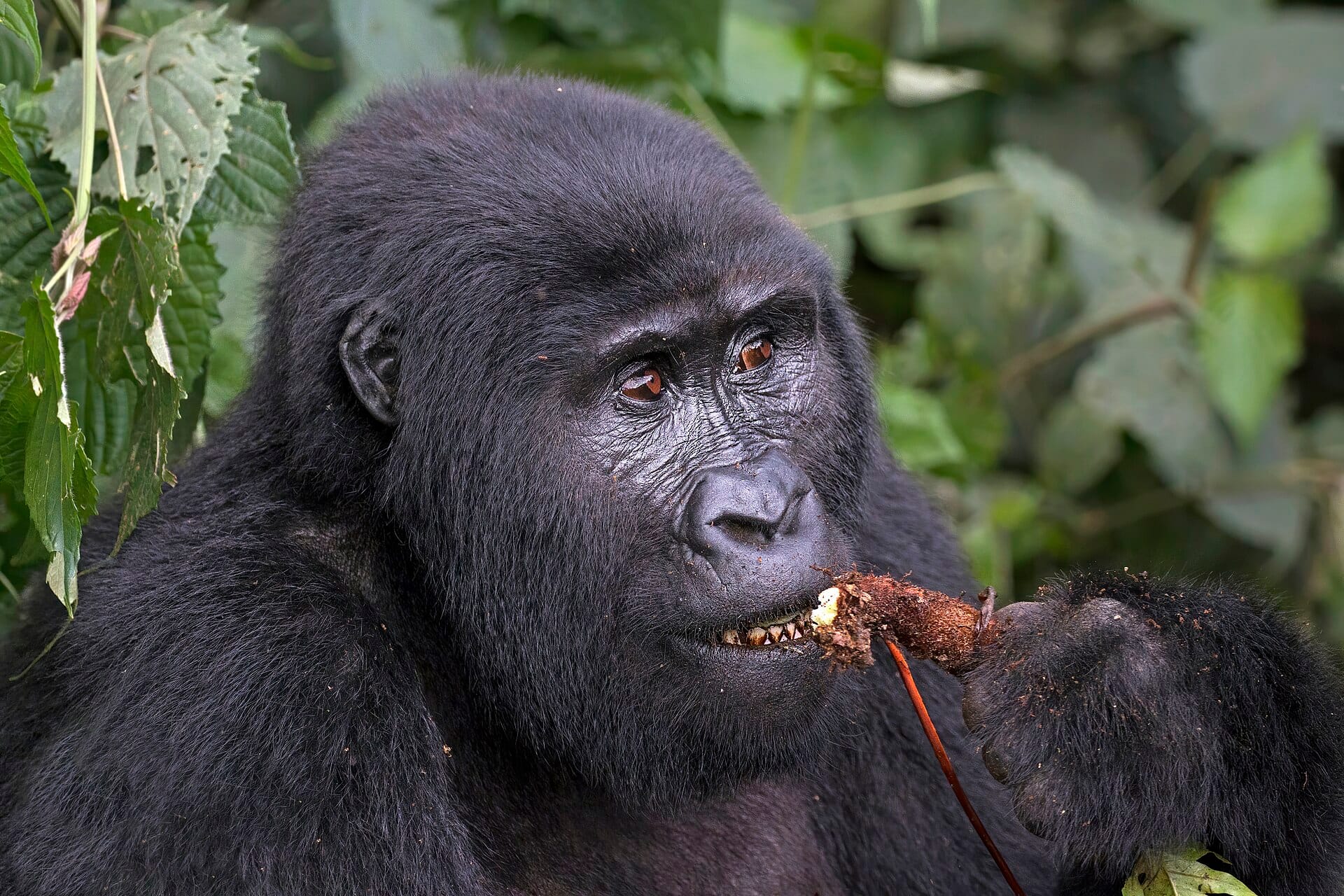
A gorilla trek in Bwindi can involve steep, muddy forest walking, with the distance determined by the family’s location that day. Match the permit sector, accommodation and transport before booking. The standard encounter has limited group numbers and time with the gorillas; follow current Uganda Wildlife Authority instructions on distance, masks, age and illness. Tell the team if you are unwell rather than risking the animals’ health. Porters can help with a pack and support local employment.
2. Polar bears, Churchill, Canada
Explore destination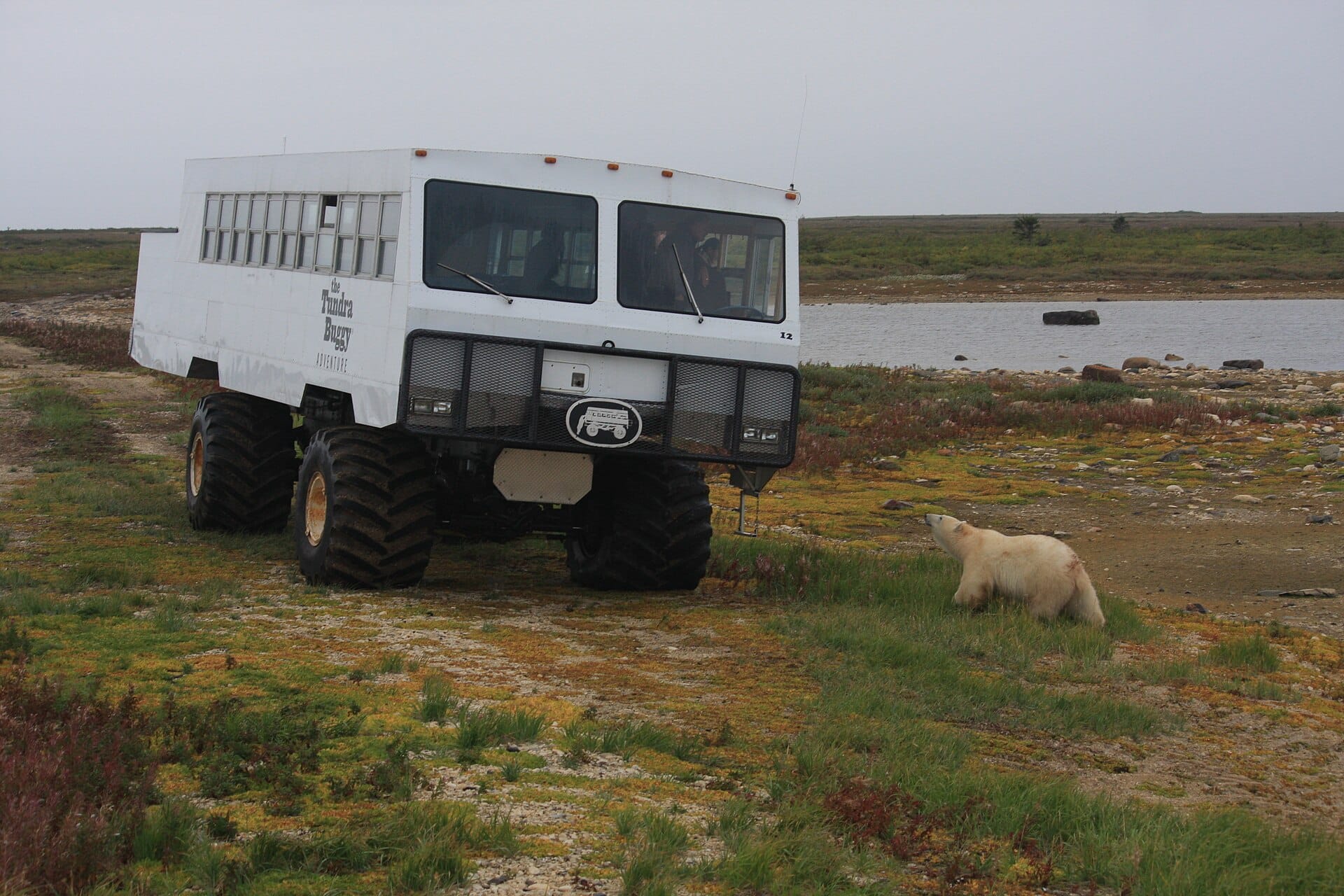
Churchill’s autumn polar-bear season is a substantial trip to plan around specialist operators, transport and accommodation. Tundra vehicles and guided experiences offer ways to observe bears without approaching them. October and November are familiar viewing months, but freeze-up and animal movements vary. Arrive by air or rail and allow for disruption. Follow local bear-safety advice in town as well as on excursions; daylight alone does not make independent walks safe.
3. Orcas in Arctic Norway, Tromsø and Skjervøy
Explore destination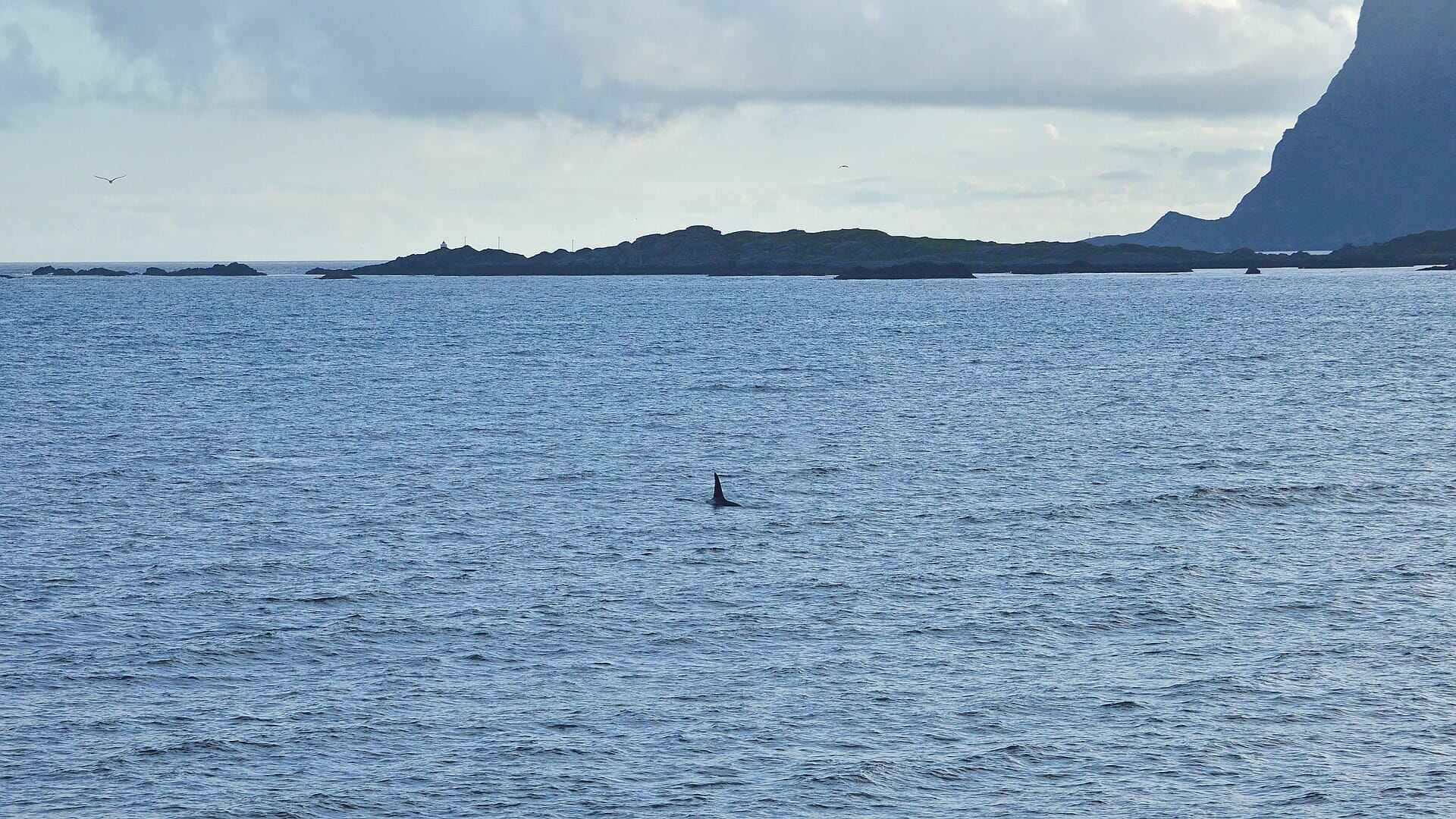
Winter whale trips from Tromsø or Skjervøy follow the herring and may encounter orcas and humpbacks in changing fjords. Compare the actual departure harbour, transfer time, vessel and protection from cold before booking. Choose an operator that follows responsible approach and distance guidance, without chasing or surrounding animals. Visit Tromsø discourages in-water activities with whales. Smaller boats are not automatically quieter or less disturbing, and sightings depend on conditions and animal movements.
4. Tigers, Ranthambore, India
Explore destination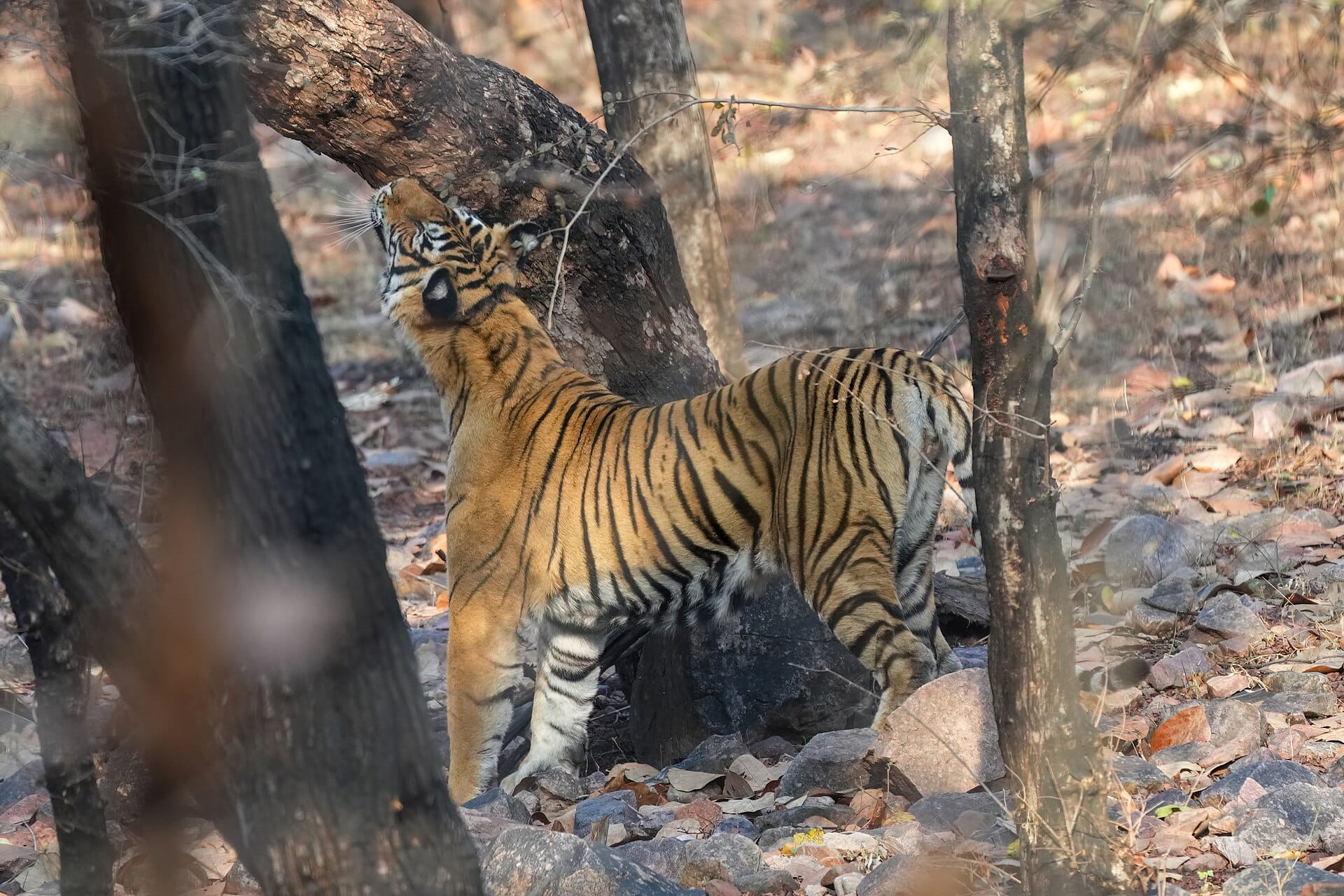
Ranthambore’s forest, lakes and ruined fort make a rewarding safari setting even when tigers remain hidden. Book through the official forest-department system or a reputable authorised agent and confirm the current zone allocation, vehicle type and identity-document requirements. Seasonal openings vary by zone. A few drives allow different experiences, but no zone or expensive package guarantees a tiger. Consider the intense heat when choosing late-season dates.
5. Whale sharks, Donsol, Philippines
Explore destination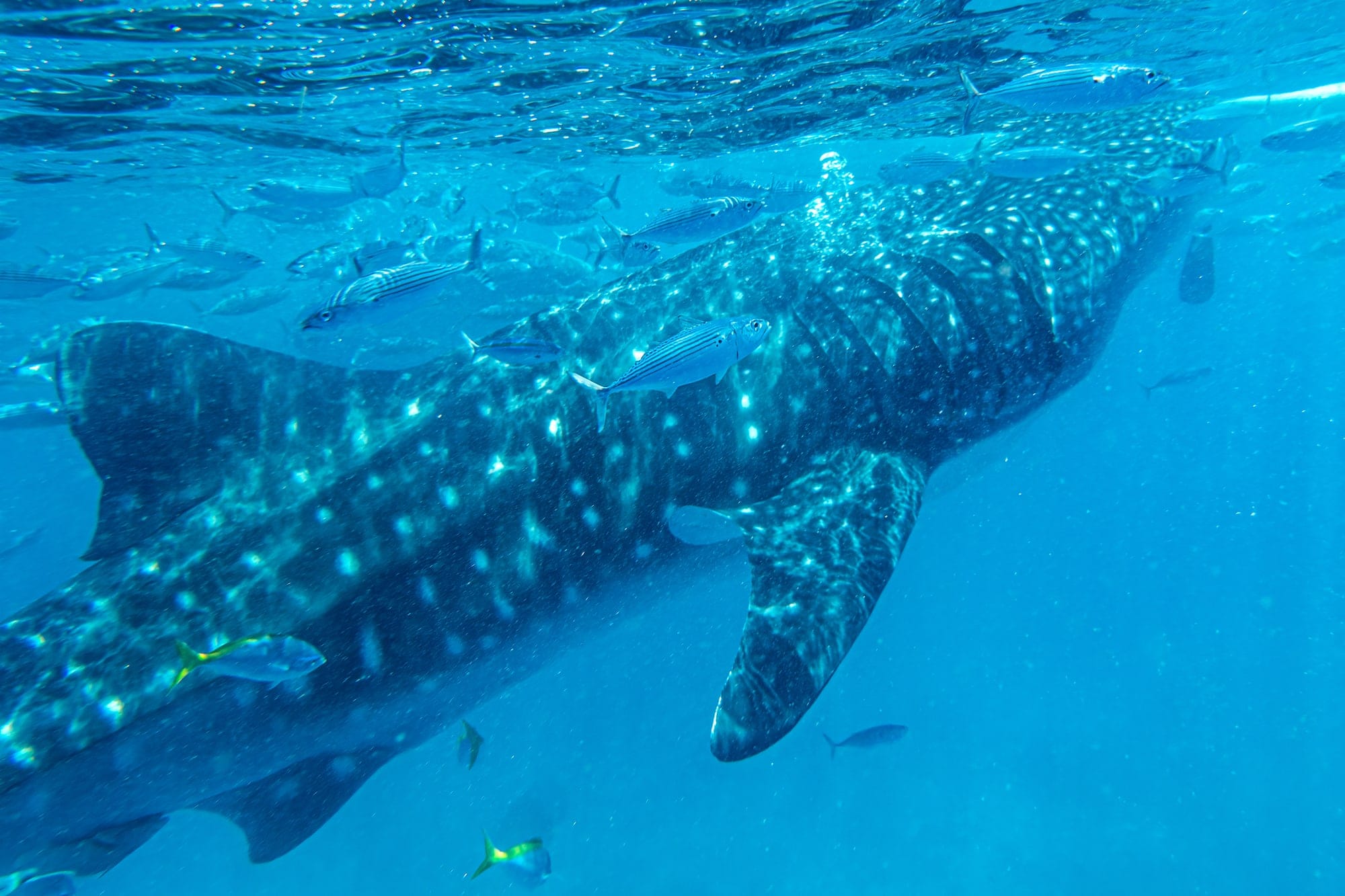
Donsol’s whale-shark outings rely on wild encounters rather than feeding animals into position. Register through the local visitor arrangements and follow the interaction officer’s briefing on group size, distance and water entry. Never touch, chase or block an animal. Sea conditions and sightings vary, and snorkelling can demand confident swimming in open water. Confirm the current season and cancellation terms. For flights, use Bicol International Airport near Daraga, rather than the former Legazpi airport.
6. Elephants, Chobe, Botswana
Explore destination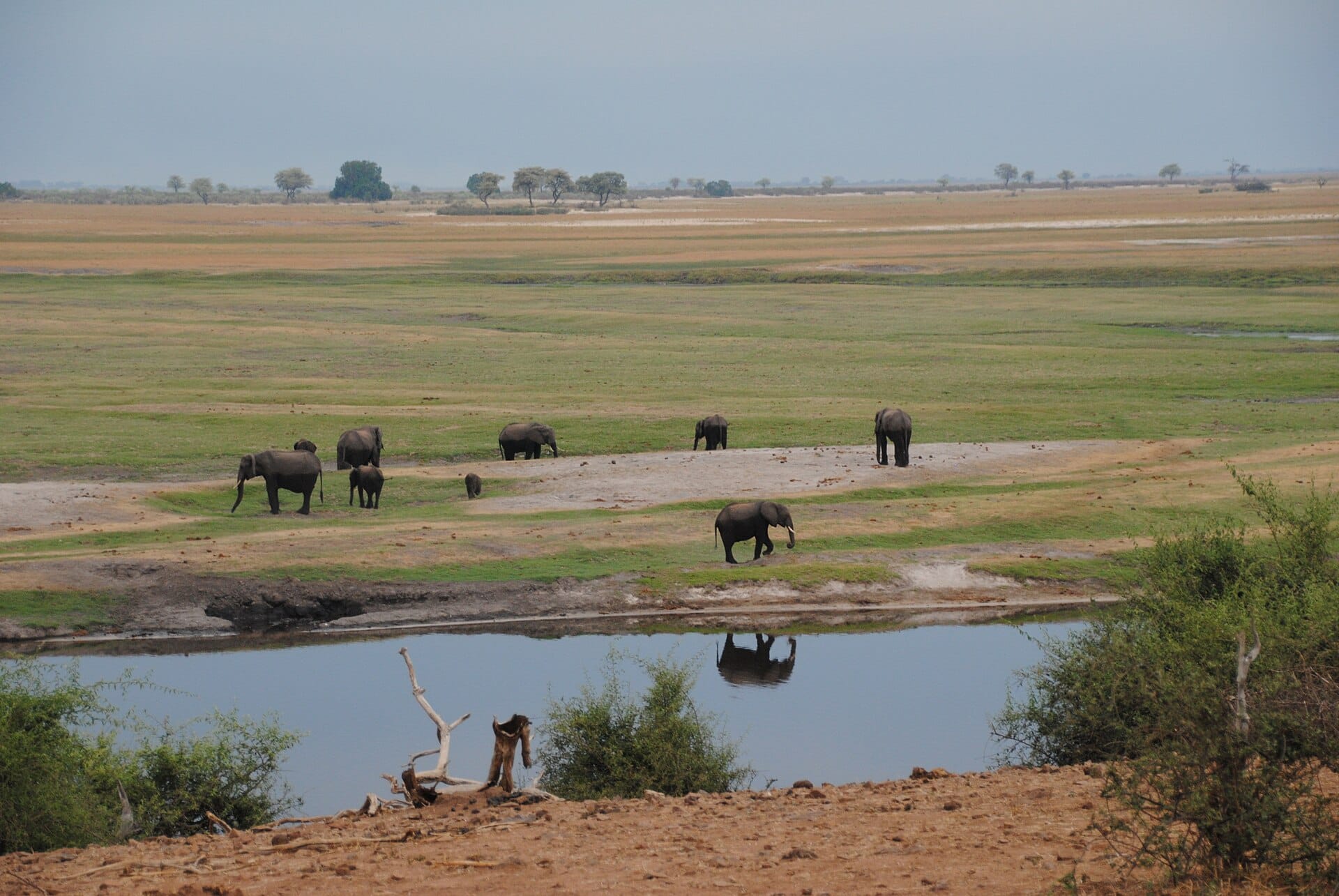
Chobe’s riverfront can bring memorable views of elephants drinking, crossing and feeding, particularly in the drier months. Kasane is a useful base for boat outings and game drives. Choose an operator that gives animals room and respects river and park rules; boat size alone does not establish good practice. If combining Chobe with Victoria Falls, allow for border formalities and the actual transfer rather than treating it as a fixed ninety-minute journey.
7. King penguins, South Georgia and the Falklands
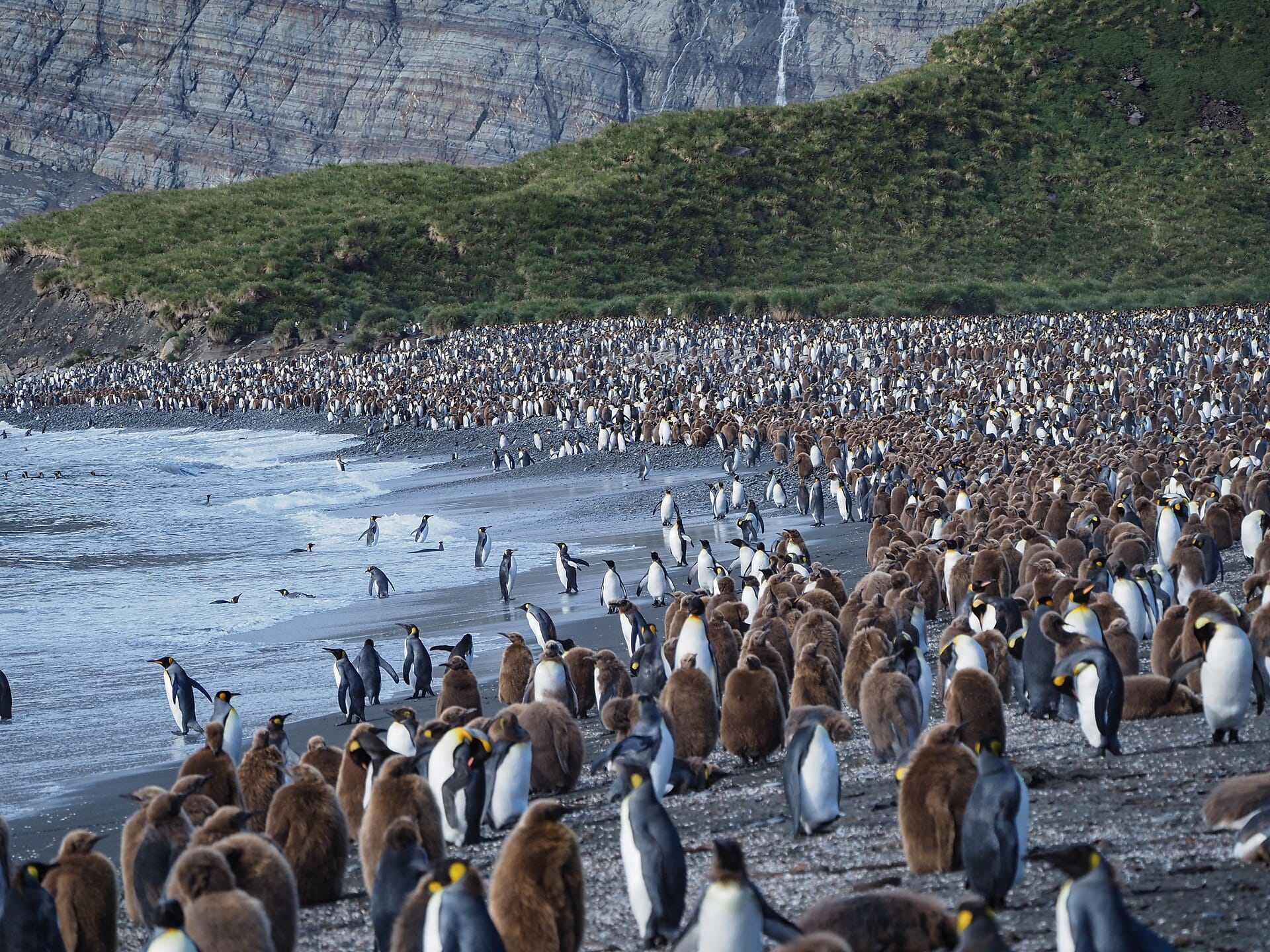
Explore destinationSouth Georgia’s king-penguin colonies are reached on substantial expedition voyages, often combined with the Falklands. The Falklands can also be a separate land-based trip, with Volunteer Point reached by an arranged overland excursion from Stanley. Compare the actual itinerary, sea days and landing policies. Weather and wildlife protection can close sites, and avian-influenza precautions remain important. Choose an operator following the authorities’ current biosecurity and wildlife-distance rules.
8. Brown bears at Brooks Falls, Alaska, USA
Explore destination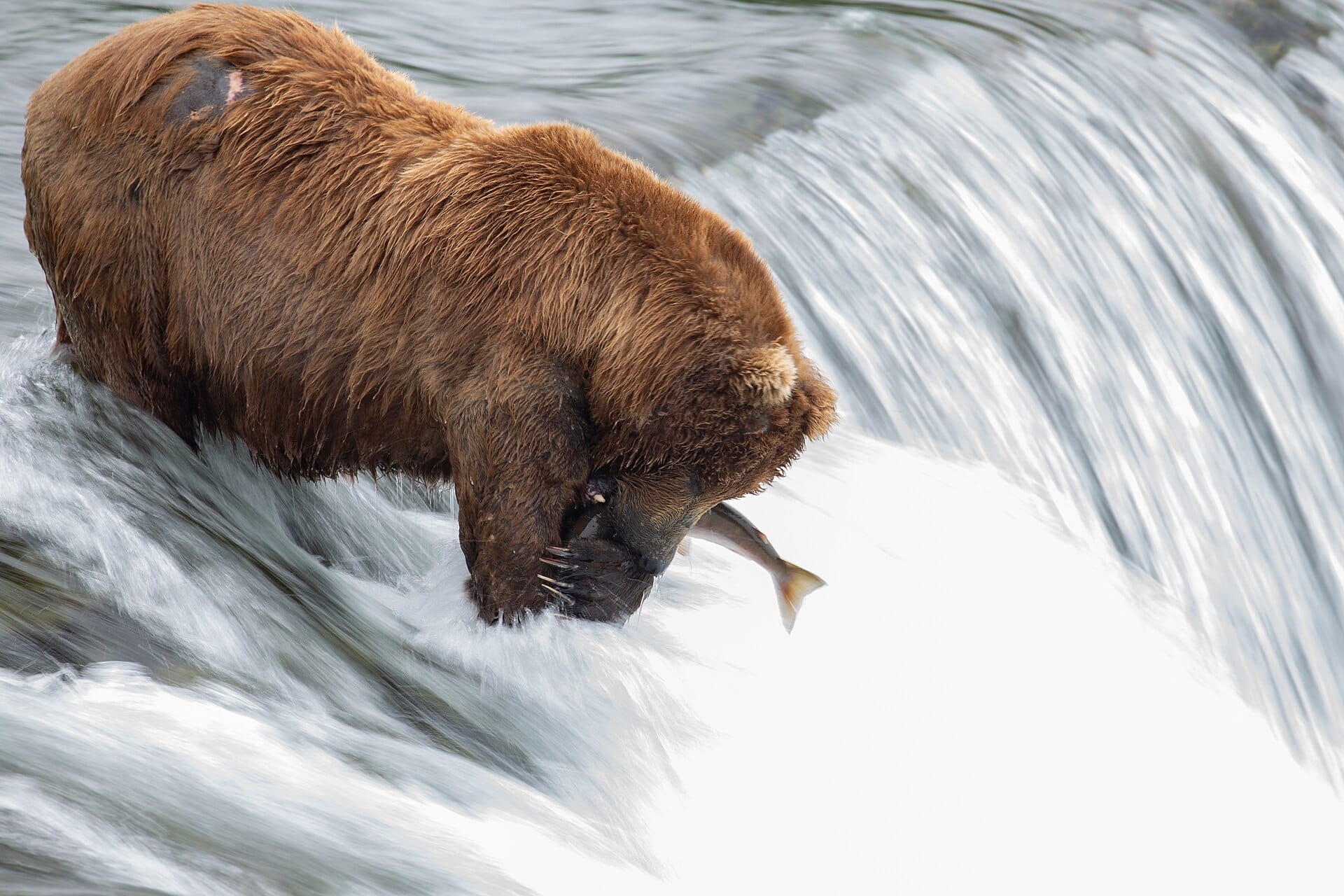
Brooks Falls in Katmai is famous for bears fishing during the salmon run, with July a popular period for the falls and different viewing later in the season. Reaching Brooks Camp involves aircraft or an arranged boat connection; weather and bear activity can delay plans. Attend the required orientation, use designated food-storage areas and follow ranger directions on trails and platforms. Secure the actual transport and viewing arrangements early, and allow a buffer before onward flights.
9. Komodo dragons, Indonesia
Explore destination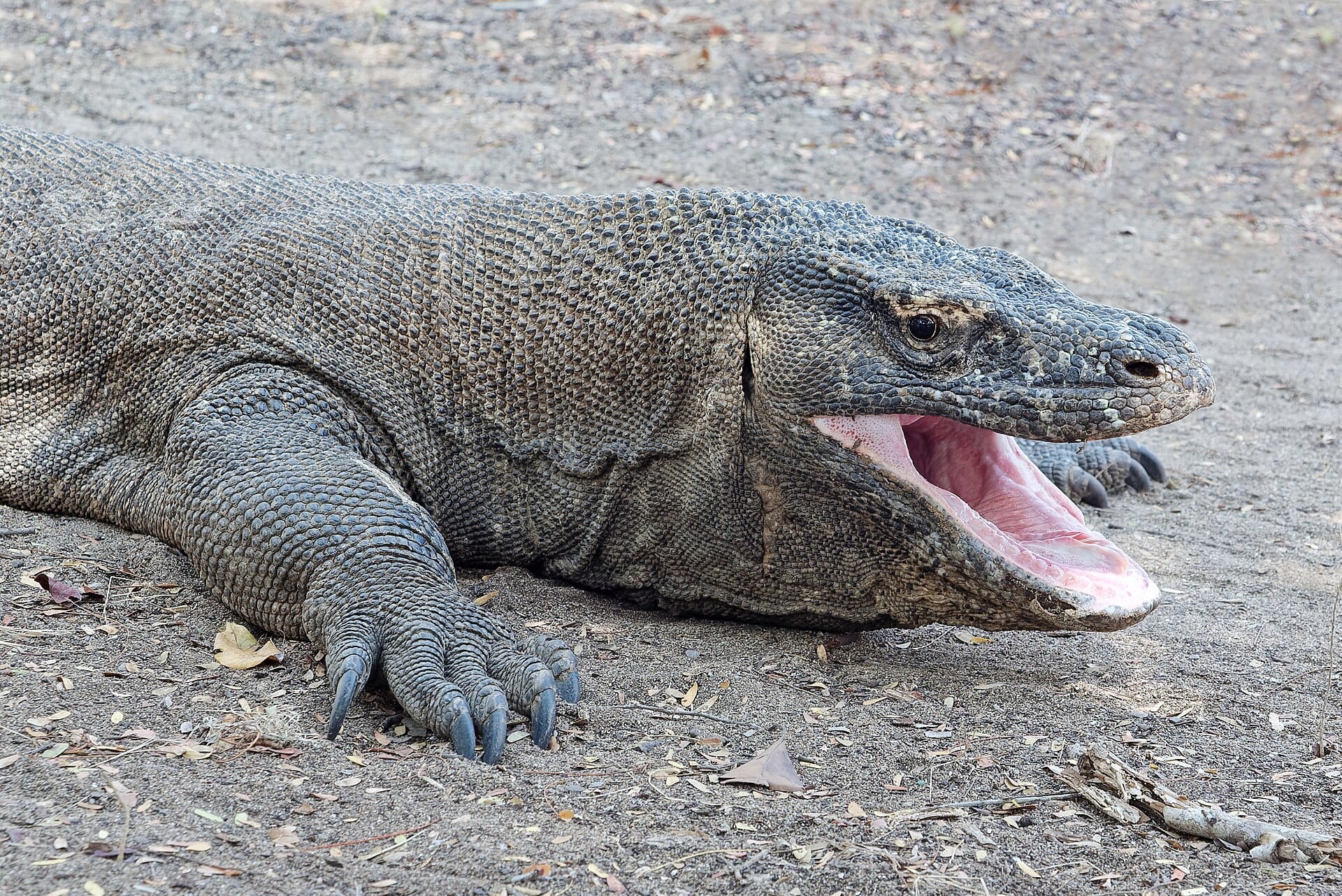
Komodo and Rinca offer ranger-led walks in the habitat of the world’s largest lizard, usually reached by boat from Labuan Bajo. Keep to the ranger’s instructions and the approved route. Before choosing a day boat or liveaboard, confirm current park booking, fees, passenger limits and safety equipment. Snorkelling stops are separate activities in waters that can have strong currents. Neither a particular month nor an attractive itinerary guarantees calm seas or manta sightings.
10. Giant tortoises and sea lions, Galápagos, Ecuador
Explore destination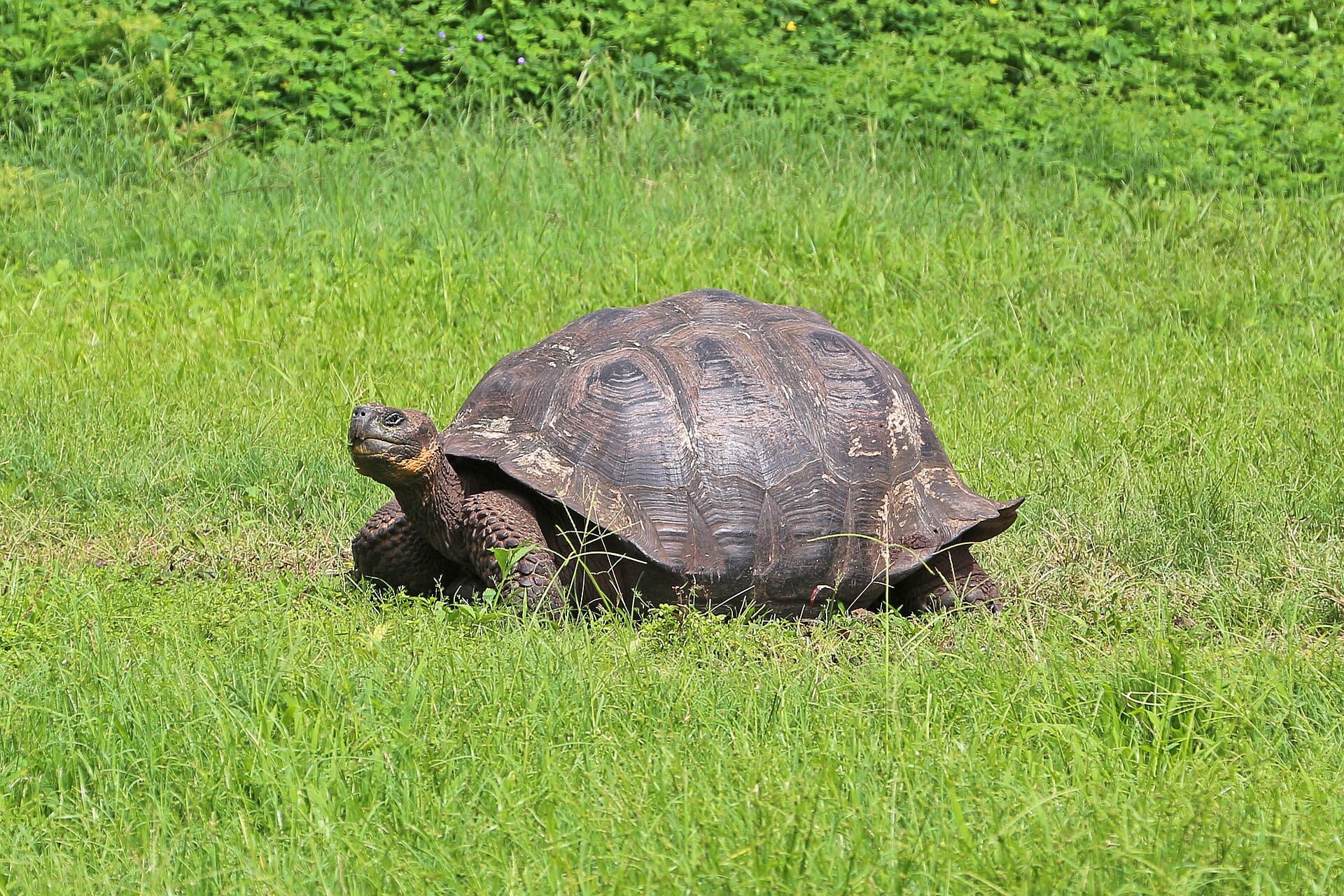
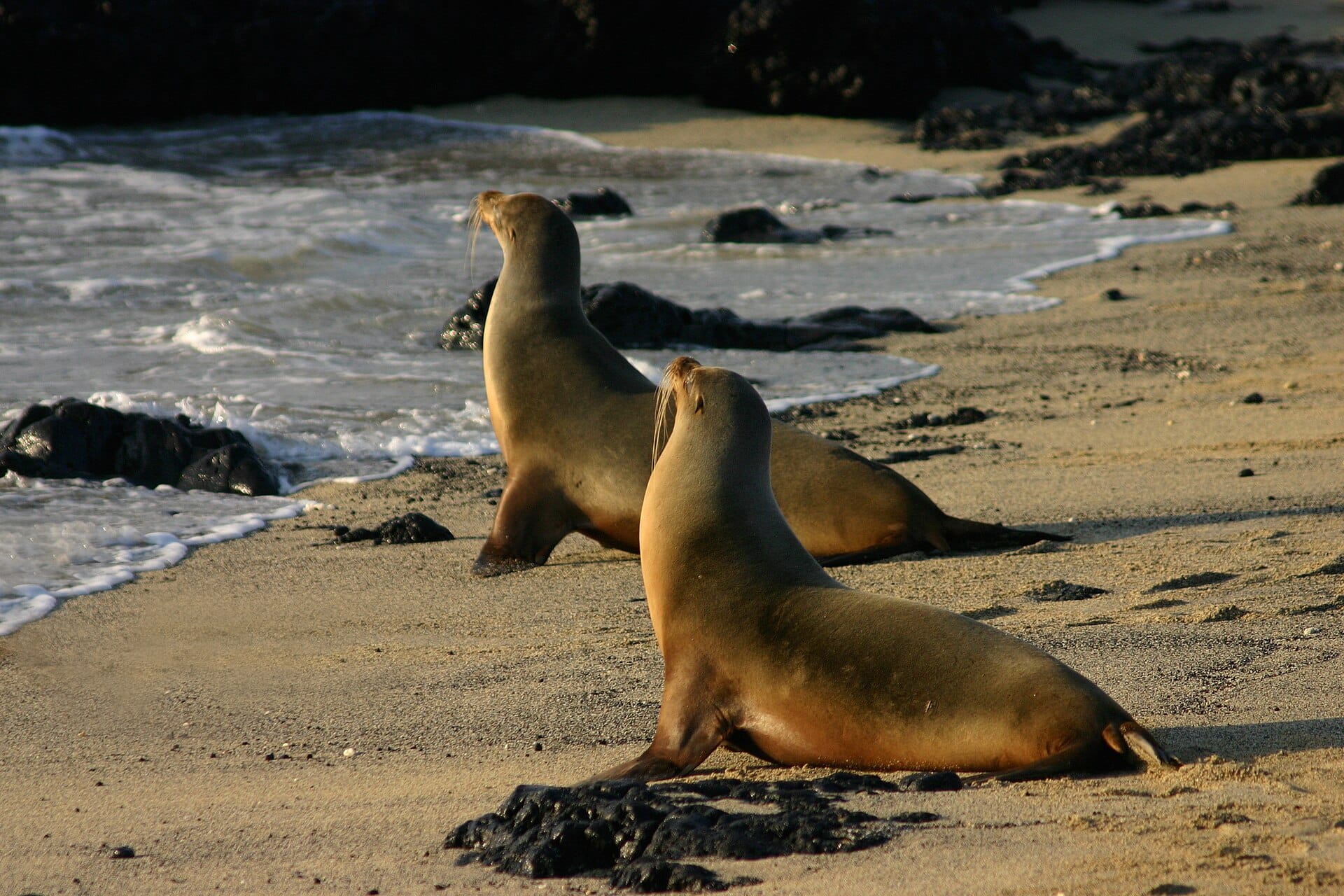
Galápagos trips can combine giant tortoises in the Santa Cruz highlands, sea lions around the ports and authorised marine excursions. Cruises and land-based itineraries reach different sites, so compare what is included rather than assuming one is always better value. Keep at least two metres from wildlife and follow any stricter site guidance. Check current entry documentation, park fees and guide requirements. Inter-island crossings, currents and visibility vary with the route and season.
Judge the operator by its behaviour
Ask about permits, wildlife approach rules and what happens when animals are absent or a site closes. Avoid trips that feed, touch or chase wildlife to produce a photograph. Confirm travel-health needs and current entry arrangements well before departure. Binoculars and a longer lens let you enjoy the encounter while keeping the distance the guide requests.
Photo credits
- Header: Carina Gsottbauer, CC BY-SA 4.0. Display copy resized or cropped.
- A female mountain gorilla eating a root: Charles J. Sharp, CC BY-SA 4.0. Display copy resized or cropped.
- A polar bear beside a tundra-viewing vehicle near Churchill, Manitoba: TravelingOtter from Houston, Texas, USA, CC BY 2.0. Display copy resized or cropped.
- An orca off Værøy, Norway, illustrating Norwegian whale watching: Ryan Hodnett, CC BY-SA 4.0. Display copy resized or cropped.
- A Bengal tiger in Ranthambore National Park, India: Giles Laurent, CC BY-SA 4.0. Display copy resized or cropped.
- A whale shark beneath the surface at Donsol in the Philippines: Shubert Ciencia from Nueva Ecija, Philippines, CC BY 2.0. Display copy resized or cropped.
- Elephants beside the river in Chobe National Park, Botswana: diego_cue, CC BY-SA 3.0. Display copy resized or cropped.
- A brown bear catching a salmon in Alaska: USFWSAlaska, Public domain. Display copy resized or cropped.
- A Komodo dragon on Komodo Island, Indonesia: Jakub Hałun, CC BY 4.0. Display copy resized or cropped.
- A giant tortoise on Santa Cruz in the Galápagos Islands: Bernard Gagnon, CC BY-SA 3.0. Display copy resized or cropped.
Useful official information: Philippines aviation authority: Bicol airport and code; National Park Service: bear safety at Brooks Camp; Galápagos National Park: visitor rules; South Georgia government: current biosecurity guidance; TravelHealthPro: Uganda health information; Visit Tromsø: responsible whale watching.