Orcas in Arctic Norway
Each winter, herring shoals cram the fjords around Skjervøy, north of Tromsø, and orcas and humpbacks arrive for the buffet.
- Best forAdventure seekers · Wildlife & nature · Photographers
- In October3°C · 21 rainy days
- Ideal stay4–5 nights
- Approx. flying time~10h 05m from Los Angeles
Happens around Skjervøy, Norway — nearest airport Tromsø (TOS), about 87km away.
- CurrencyNOKNorwegian krone
- LanguageNorwegian
- Local time12:351h ahead of the UK
- PlugsType C / FBring an adapter
- Drive on theRightOpposite to the UK
- Dialling code+47
The experience
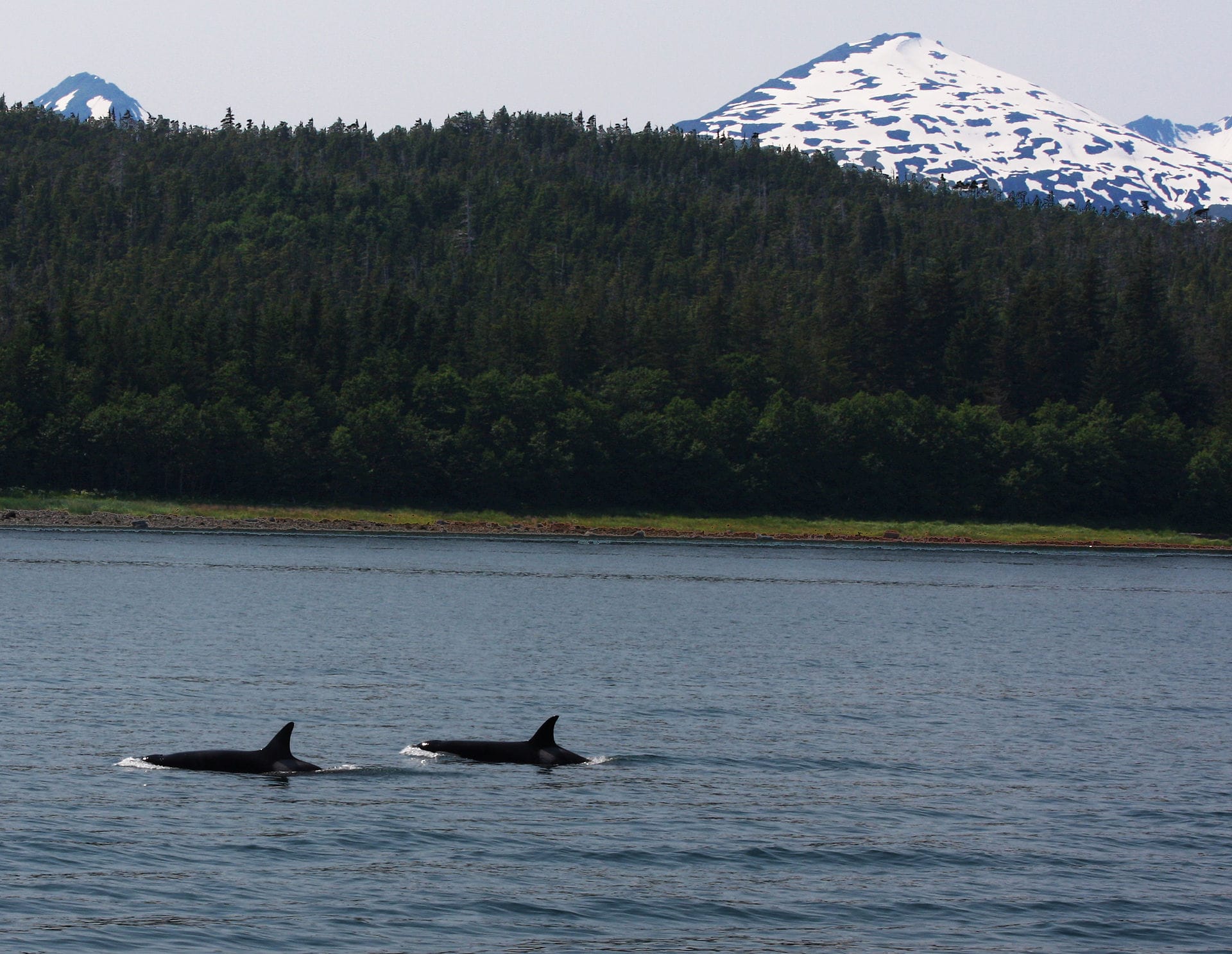
Winter herring draw whales into the fjords north of Tromso, and the boats go out into the few hours of blue half-light that pass for day. Orcas travel in family groups and work the shoals in coordinated passes; humpbacks lunge up through the middle of them. It is cold, wet and often rough. It is also one of the few wildlife encounters that regularly happens within metres of the boat.
Tromso is the usual base, with some operators sailing from Skjervoy a few hours further north to sit closer to the action. Late October to January is the season and the days are short, so build in three or four nights to allow for weather. The same trip pairs naturally with northern lights, dog sledding and a night in a cabin. Anyone prone to seasickness should think hard about the open water.
- Ideal stay
- 4–5 nights
- The vibe
- Cold, dark, elemental, exhilarating
From our guides
Boat trips watch dorsal fins slice green Arctic water in the strange blue twilight of polar night; hardier operators offer snorkelling alongside them, drysuited and awestruck. The season runs late October to January. Choose a small RIB or sailboat over the big ships for a lower, closer, quieter encounter — and pack every layer you own.
Featured in Ten wildlife encounters that will humble you
Make a trip of it
-
RIB safaris from Skjervoy
Small rigid inflatables sit low in the water and move quickly to a feeding group, putting you at eye level with dorsal fins rather than looking down from a deck.
-
Snorkelling with orcas
A handful of licensed operators run drysuit snorkelling in the fjords, entering the water quietly at a distance and letting the whales choose the encounter.
-
Humpback lunge feeding
Humpbacks work the same herring shoals, rising open-mouthed through the surface in a way that is usually audible before it is visible.
-
Polar night light
Between late November and mid-January the sun stays below the horizon, giving hours of blue and pink twilight that photographers travel a long way for.
-
Northern lights over the fjords
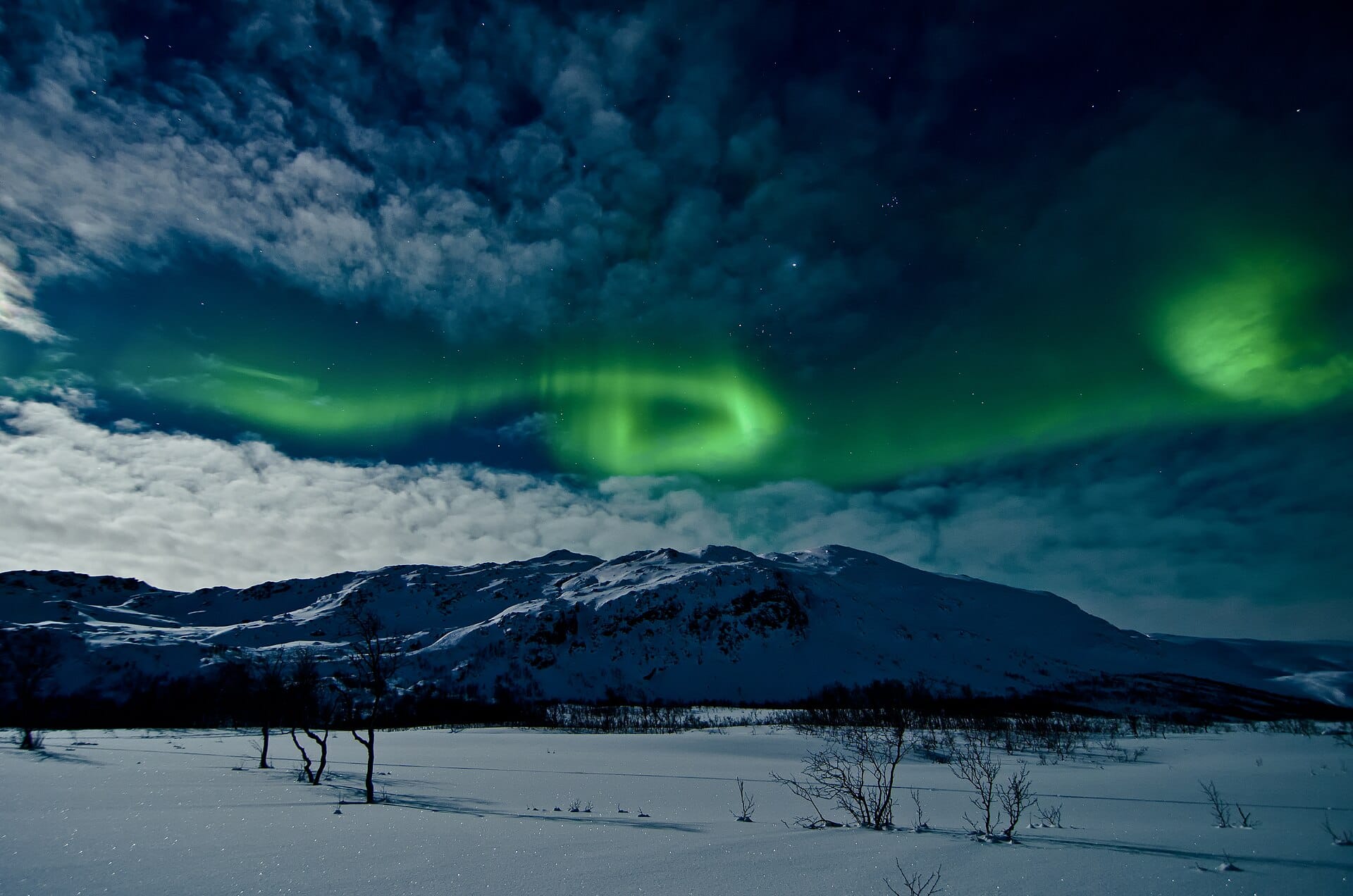
The same season and latitude make aurora sightings likely on clear nights, often from the deck on the way back into harbour.
Getting there
-
Fly to
Tromsø (TOS)
Nearest airport to Skjervøy, about 87km away as the crow flies.
-
Then
To Skjervøy
Most visitors fly to Tromsø (TOS) and drive or take the express boat about four hours north to Skjervøy; the small airport at Sørkjosen (SOJ) is around an hour away by road if a domestic flight suits.
-
On the ground
Getting around
Whale boats leave from Skjervøy harbour in the village itself, so nothing more than a short walk is needed once you are there.
Public transport: The coastal express boat and long-distance buses from Tromsø are reliable, and many operators include the transfer.
Flights
Los Angeles Skjervøy, Norway
Fly from anywhere — search 4,000+ airports worldwide.
Roughly 10h 05m in the air from Los Angeles (LAX), estimated from the distance — check for a direct route. Pick a month to see every available flight with live prices.
Check dates and prices
Pick your departure date, then your return.
Search flightsNot sure when? Compare fares across a whole month.
Flight times are estimates; prices open on Google Flights.
When to go
Daytime highs run from about -3°C in January to 11°C in August. Driest in June and July; wettest in March, with rain on about 24 days.
The year at a glance — pick a month for detail
October3° · rain 21 daysCold and often wet.
Monthly figures averaged from daily records for 2020–2024 at this location (ERA5 reanalysis). Live conditions from MET Norway, CC BY 4.0.
Where to base yourself
Sea cabins, rorbuer and guesthouses, plus a few small hotels. Some operators sell liveaboard sailboat berths. No chains and no resorts anywhere near Skjervøy.
-
Best base overall
Skjervøy
The fishing town the boats leave from, so you are minutes from the quay in the dark. Accommodation is limited and plain, and there are only a couple of places to eat.
Find stays in Skjervøy -
Best value
Tromsø
Two and a half hours south with hotels, restaurants and flights, and many operators run day trips north. That means a very long day, but rooms are far easier to find.
Find stays in Tromsø -
Quietest
Lyngseidet and the Lyngen Alps
Fjord-side cabins and small lodges between Tromsø and Skjervøy, with mountains dropping to the water and no light at all. You need a car and winter tyres.
Find stays in Lyngseidet and the Lyngen Alps -
Best with children
Arnøya and Nordreisa
Sea cabins and rorbu-style cottages a short drive from the Skjervøy boats, with kitchens and space to dry a heap of wet layers. Bring supplies, since shops are small and close early.
Find stays in Arnøya and Nordreisa
Worth knowing before you book: The whale season is short and the handful of Skjervøy beds are taken a year ahead by tour operators. Secure a room before your boat trip, not after.
Search everything else in Skjervøy by budget. These are indicative budget bands in GBP per night for two people, not live quotes or guarantees of hotel type. Check your dates, guests, taxes and final price on Booking.com.
Good to know
- Timing
- The whales follow the herring and the exact fjords change from year to year. Late October to January is the reliable window.
- Pack this
- Thermal base layers, a windproof shell, gloves and a hat. Operators supply flotation suits, but nothing to wear underneath them.
- Seasickness
- Open crossings can be rough. Take tablets before boarding rather than once you already feel unwell.
- Book ahead
- Boat numbers are limited by permit and the season is short. Trips sell out months in advance, especially around Christmas and new year.
- Daylight
- There is very little of it. Trips leave in darkness and return in darkness, so set up cameras for low light before you sail.