Ten desert adventures worth the sand in your boots
Compare ten desert trips, from Morocco to Mongolia, with practical advice on seasons, transport, altitude, camps and time between stops.
Desert journeys range from short walks beside a paved road to remote expeditions with several nights between towns. The reward may be a dune at first light, a salt lagoon or an evening around a camp, but the practicalities matter: distance, heat, cold, drinking water and the exact permitted route. Compare the pace and support behind the photographs, then choose a trip that leaves enough time to enjoy the landscape.
1. The Merzouga dunes, Morocco
Explore destination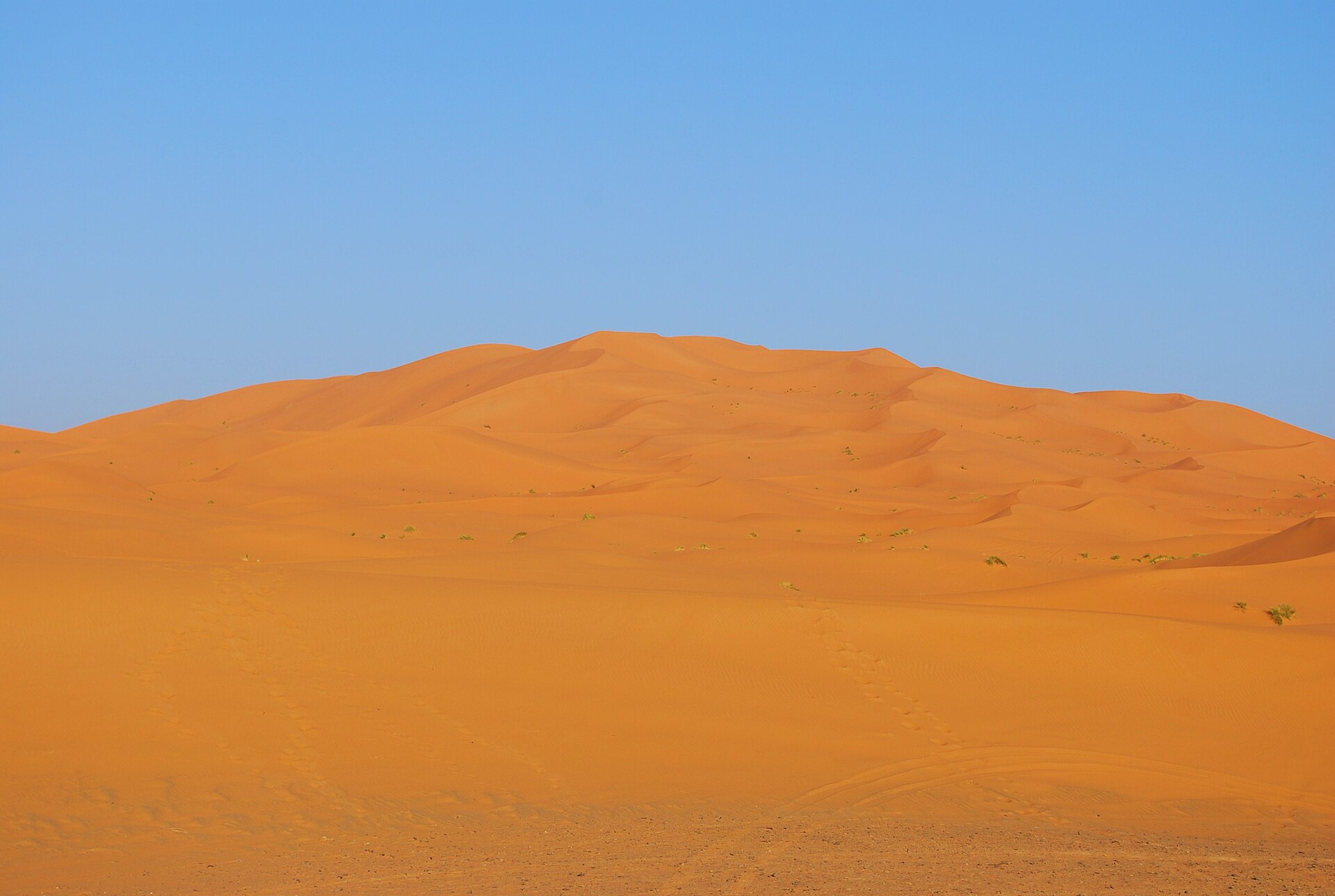
Erg Chebbi's dunes rise 150 metres in shades that shift from apricot to ember as the day dies, and Merzouga is the doorway. Skip the standard one-night sunset package and go deeper: two-day 4x4 and trekking circuits reach quieter camps beyond the crowds, with sandboarding thrown in and nomad families selling tea en route. October to April keeps the daytime heat civil. Climb a dune crest before dawn — cold, brutal on the calves, completely worth it.
2. Wadi Rum, Jordan
Explore destination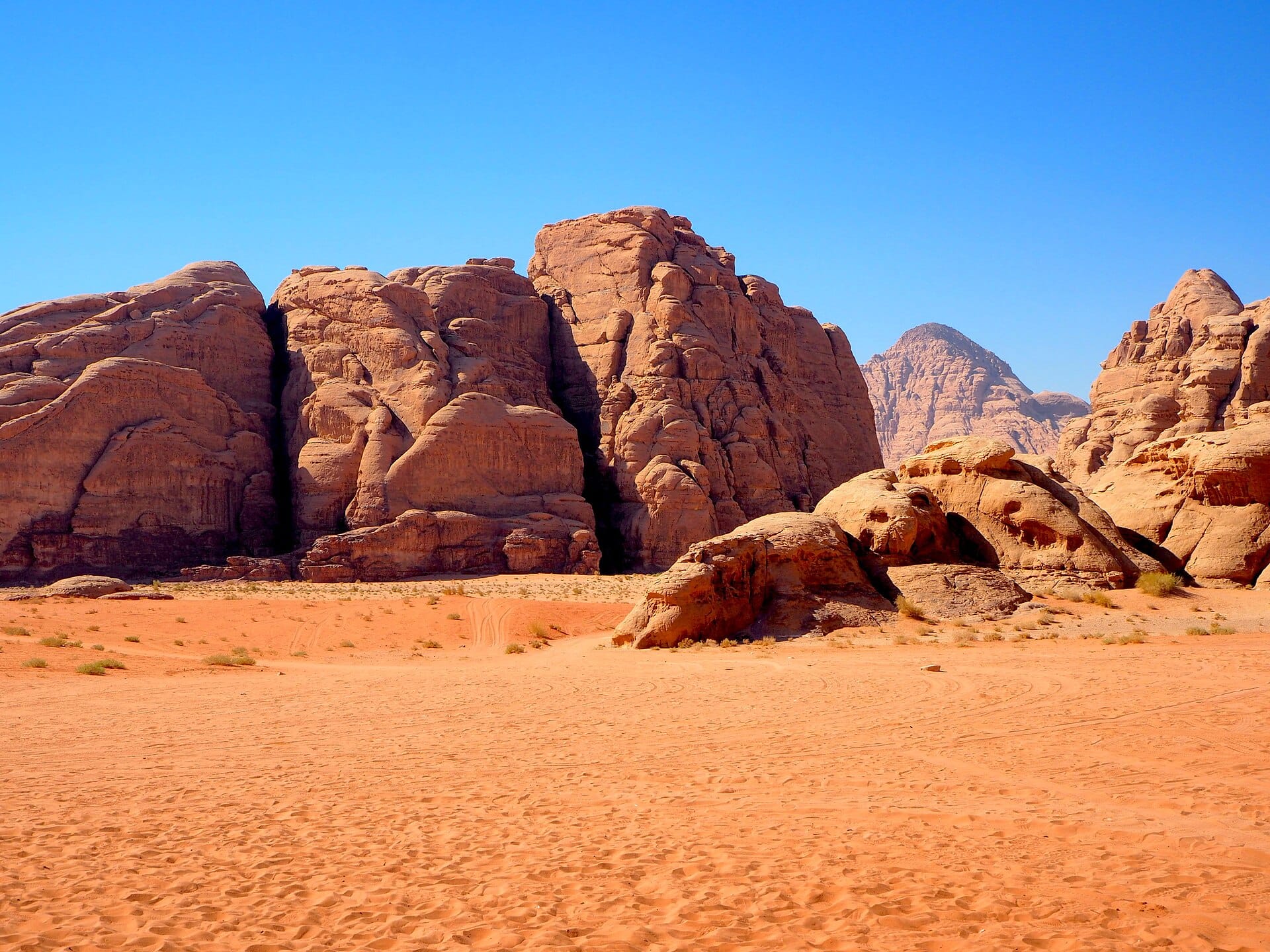
Lawrence of Arabia's desert is a maze of rose-coloured sandstone mountains rising sheer from red sand, and the way in is a Bedouin-driven 4x4 with tea stops at rock arches and canyon petroglyphs. Stay overnight — day-trippers from Petra miss the main event, which is the sky. Camps range from goat-hair traditional to transparent bubbles for the full Mars effect. Book directly with a Rum village family; spring and autumn have the kindest temperatures.
3. The Atacama Desert, Chile
Explore destination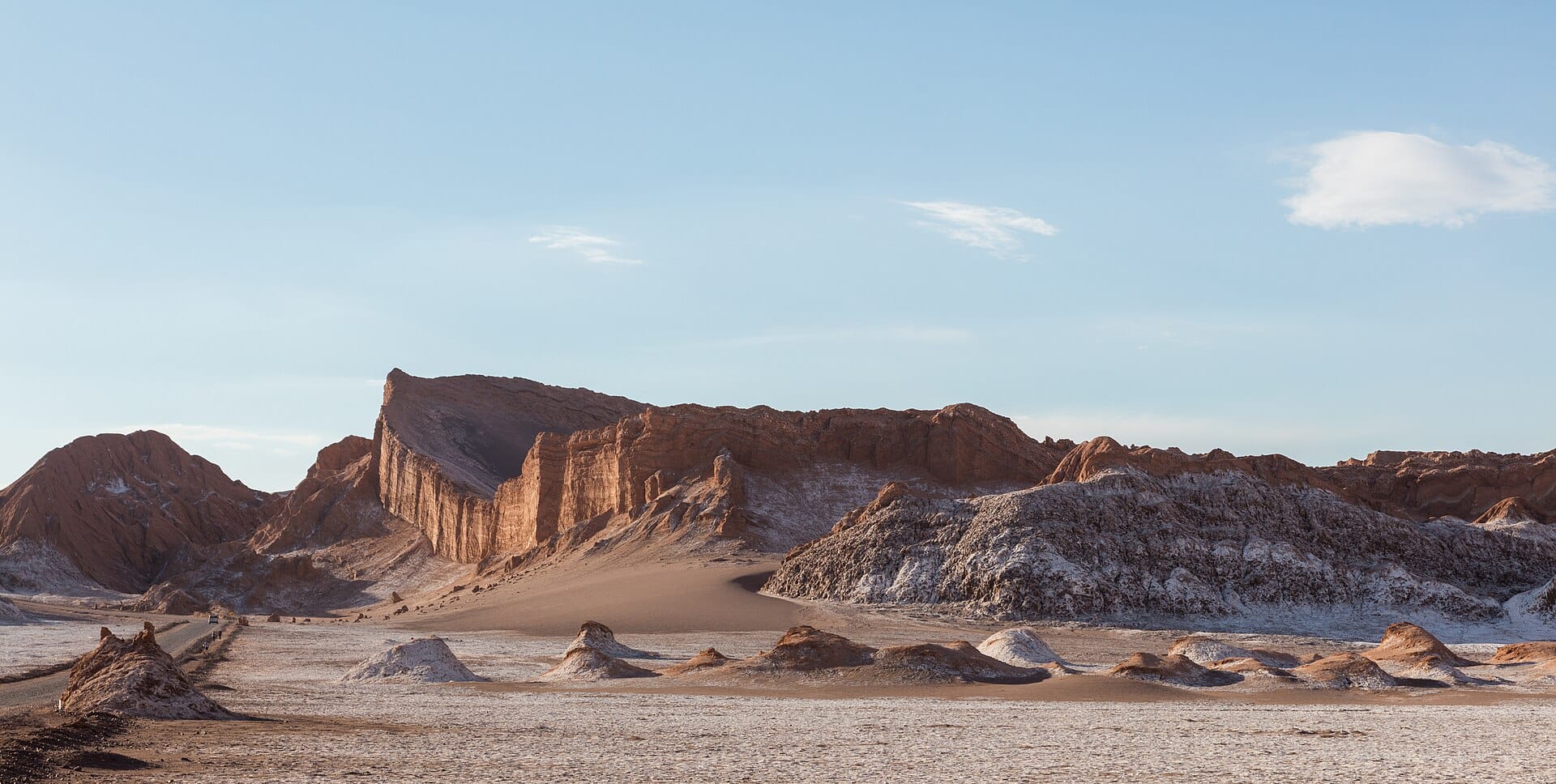
San Pedro de Atacama is a base for salt lagoons, Valle de la Luna and high-altitude excursions such as El Tatio. The desert is exceptionally dry, but seasonal rain can close roads and sites. The town sits around 2,400 metres and some outings climb above 4,000 metres, so build the itinerary gradually and discuss altitude preparation before travelling. Choose operators by their route, group size and approach to changing conditions, not an assumption that every agency offers the same trip.
4. Sossusvlei, Namibia
Explore destination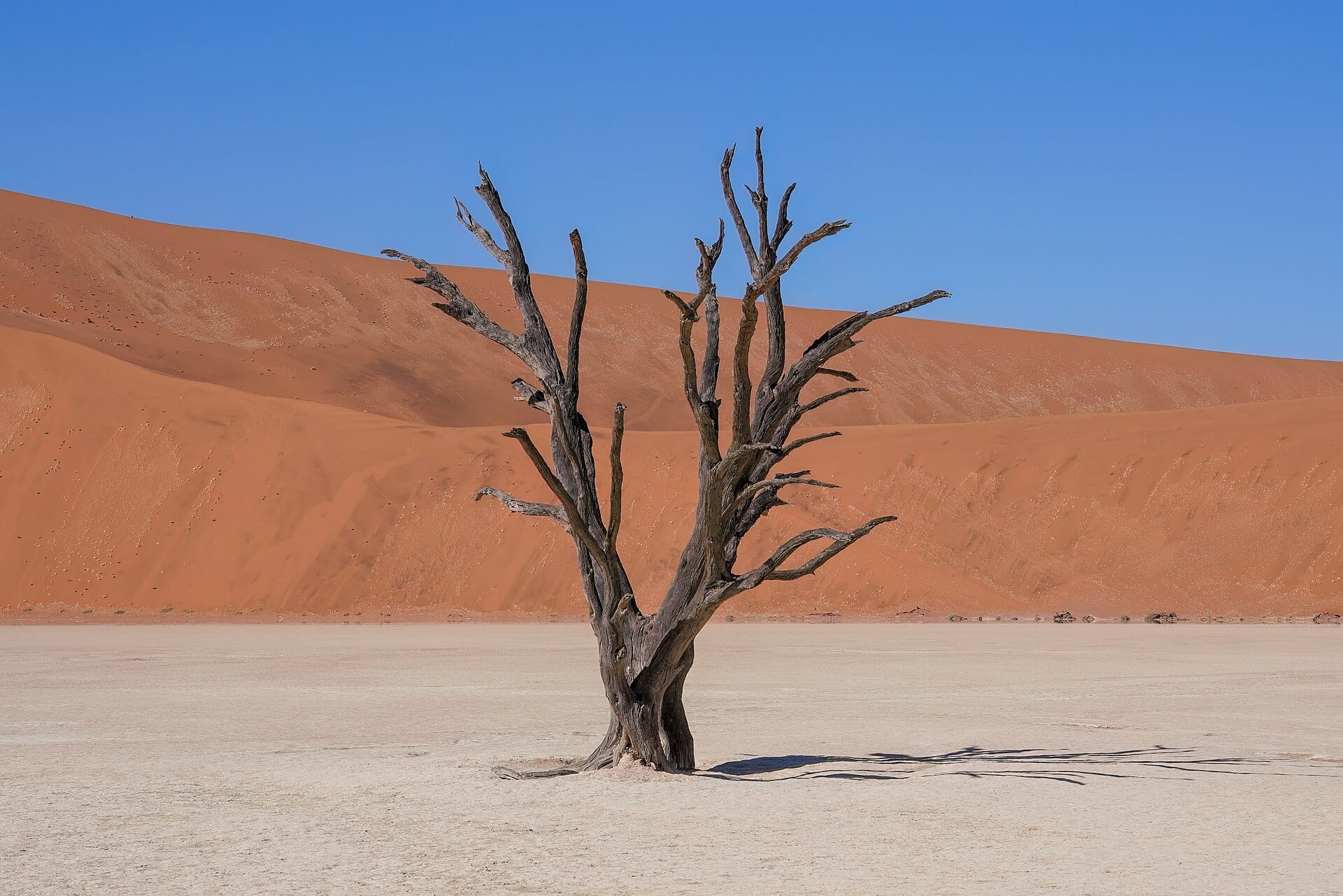
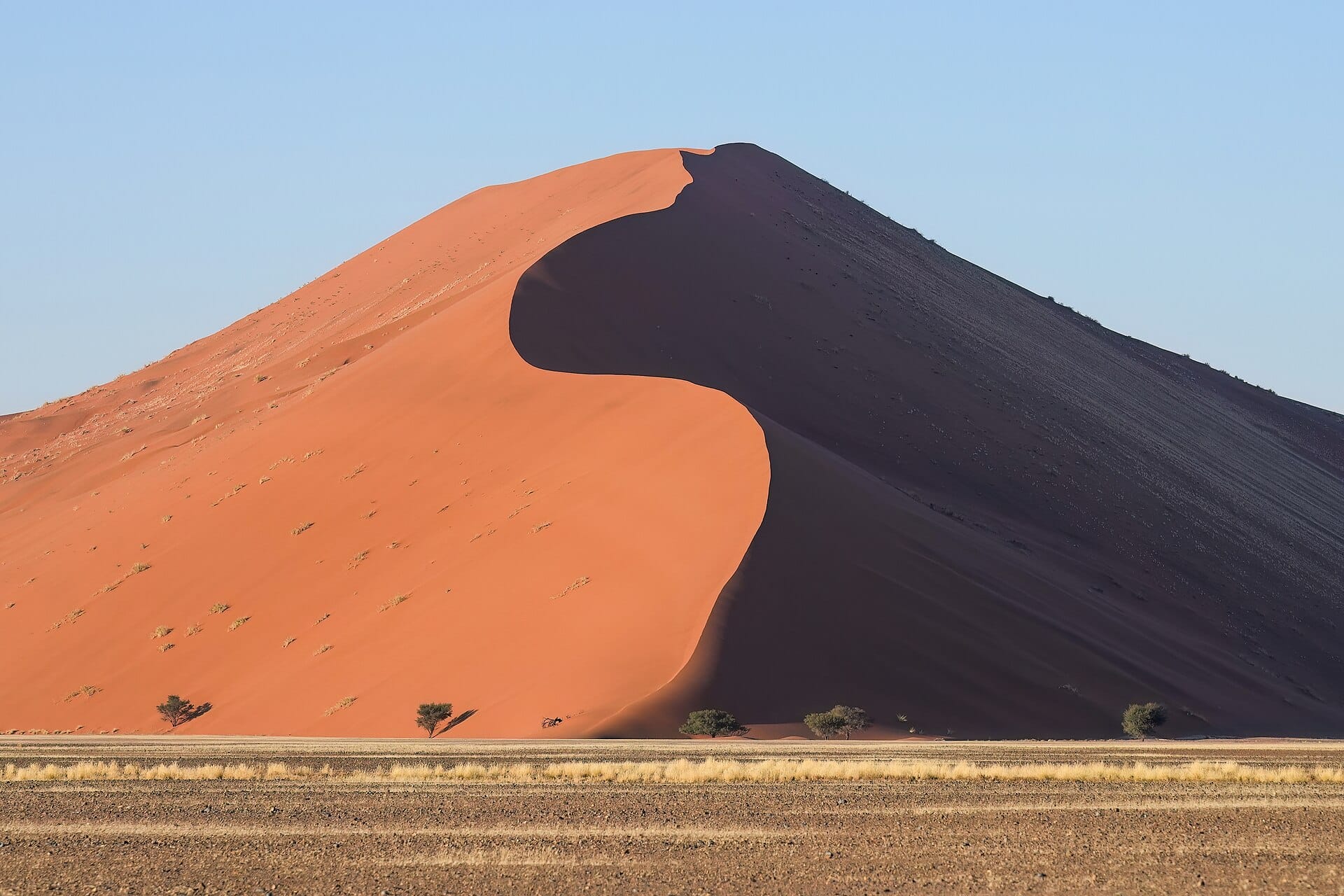
Deadvlei’s dark camel-thorn trees stand on a pale pan beside Sossusvlei’s orange dunes. The gateway is Sesriem, with a long drive to the dune area and a final sandy section requiring suitable transport or a shuttle. Staying inside the relevant park gates can provide earlier access; confirm the actual rules with the lodge. Dune climbs take longer than their distance suggests. Start in cooler conditions, carry water and avoid treating a fast run down as compulsory.
5. The White Desert, Egypt
Explore destination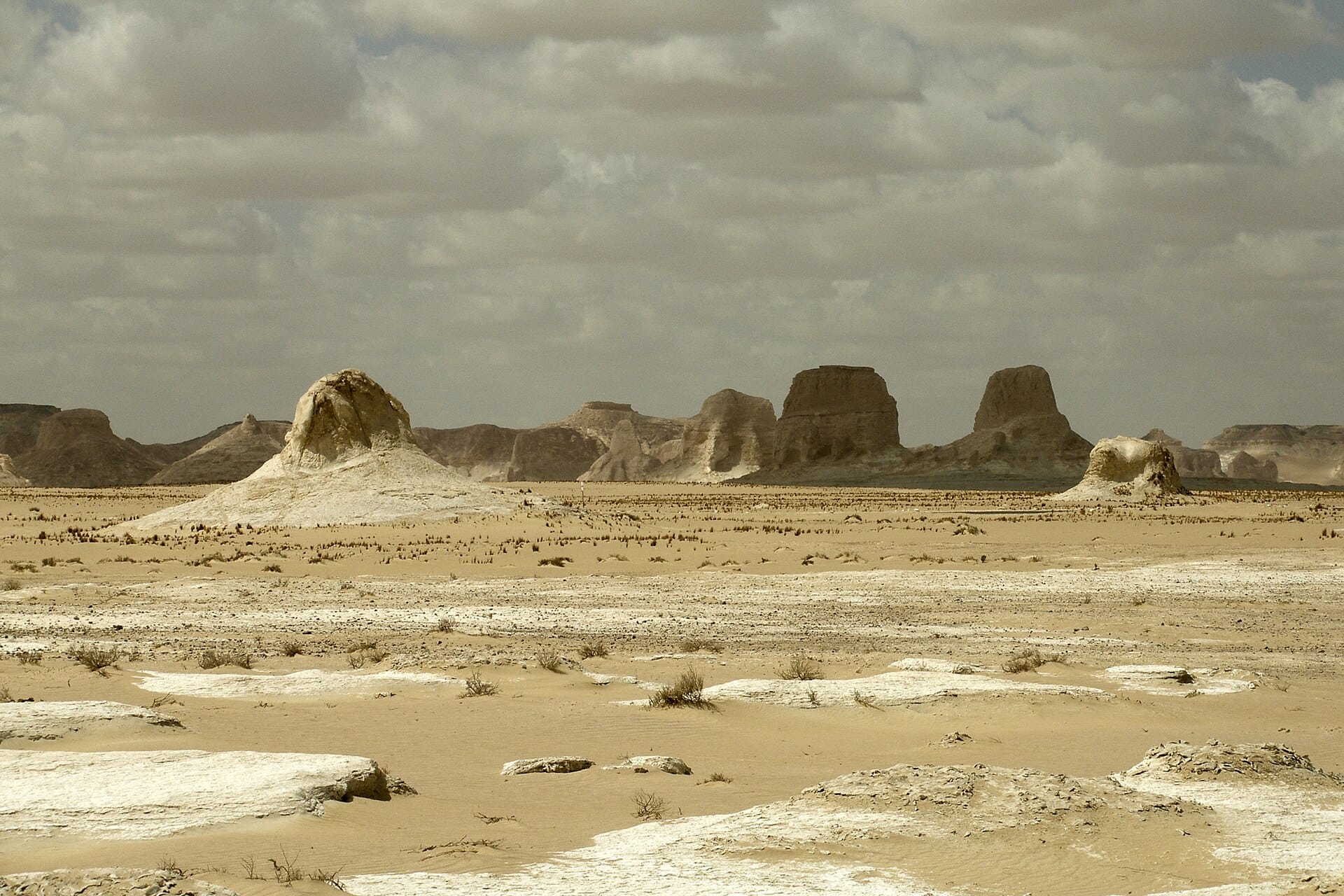
The White Desert’s chalk formations lie beyond Bahariya oasis, which itself usually takes several hours to reach from Cairo. Allow for the onward desert transfer when comparing an overnight tour. Use a licensed operator who confirms permits, the exact route, camp arrangements and current travel advice; restrictions differ across Egypt’s Western Desert. Keep wildlife away from food and remove all litter. Cooler months are more comfortable, with warm bedding still needed for cold nights.
6. The Thar Desert, Jaisalmer, India
Explore destination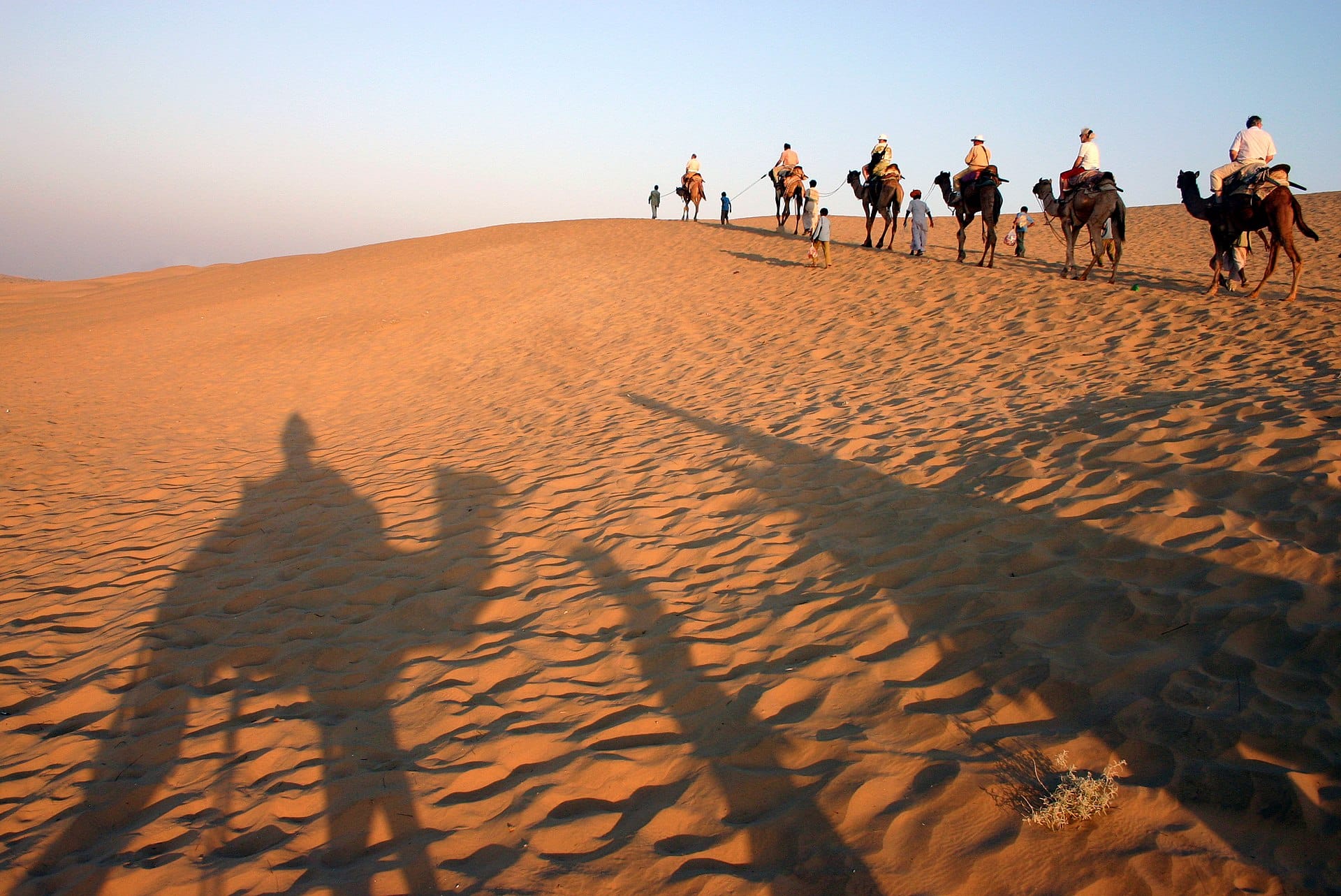
From Jaisalmer — a golden sandstone fortress city rising straight out of the Thar — camel safaris lope into scrubby dunes past temple ruins and villages that see few visitors. The classic is one night at the Sam or quieter Khuri dunes: sunset from a crest, dal by firelight, a cot under the stars while the camels grumble in the dark. Choose an operator with small groups and good animal welfare credentials. November to February keeps the heat merciful.
7. Salar de Uyuni, Bolivia
Explore destination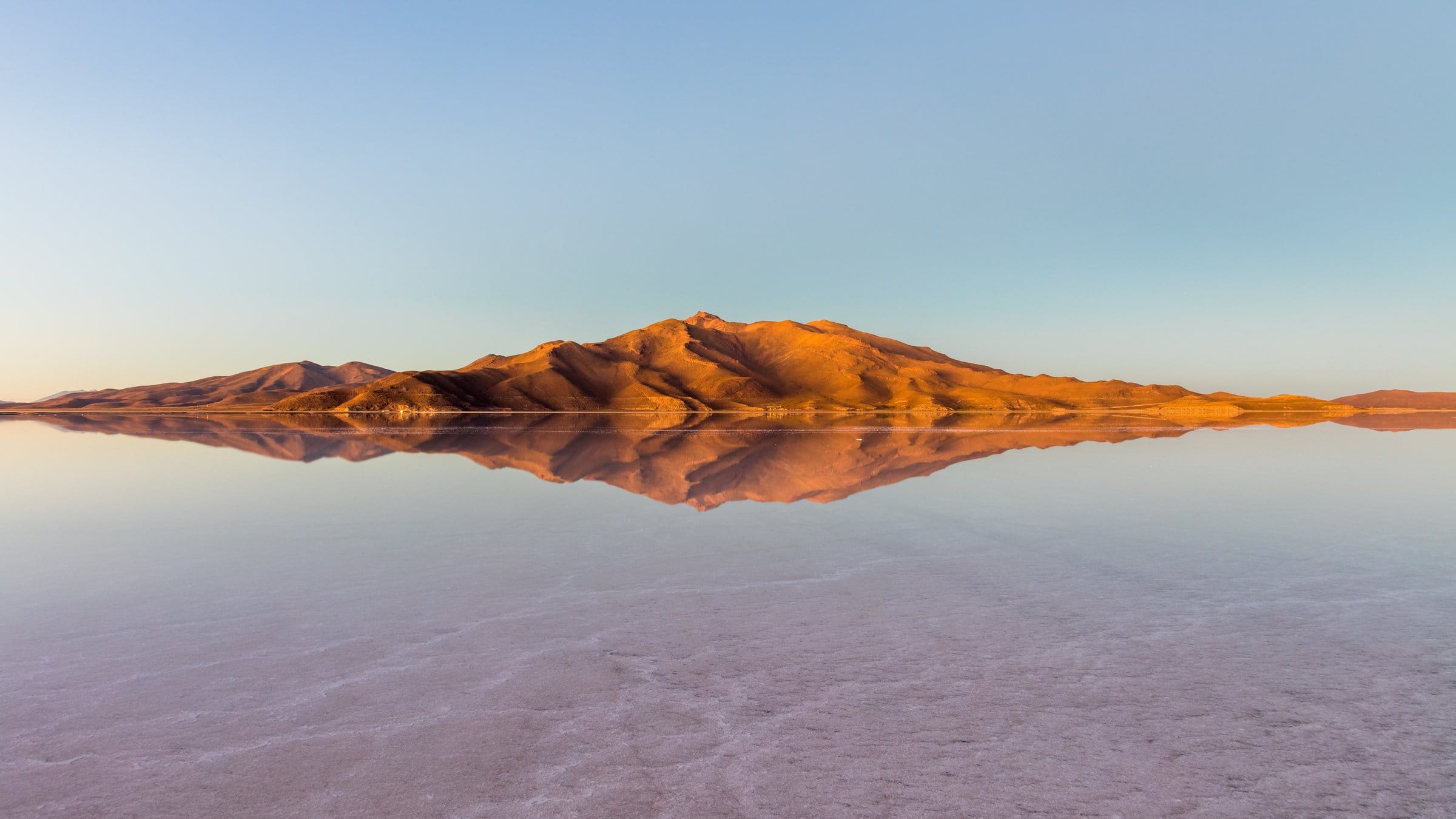
Salar de Uyuni combines immense salt flats with multi-day routes into high desert and coloured lagoons. Water after seasonal rain can create mirror-like reflections while making some sites inaccessible. The salt flat is already around 3,650 metres, and longer circuits go considerably higher. Allow gradual acclimatisation and compare driving hours, sleeping altitude, vehicle condition and communications. A few nights in another town do not guarantee readiness for every high-altitude itinerary.
8. The Wahiba Sands, Oman
Explore destination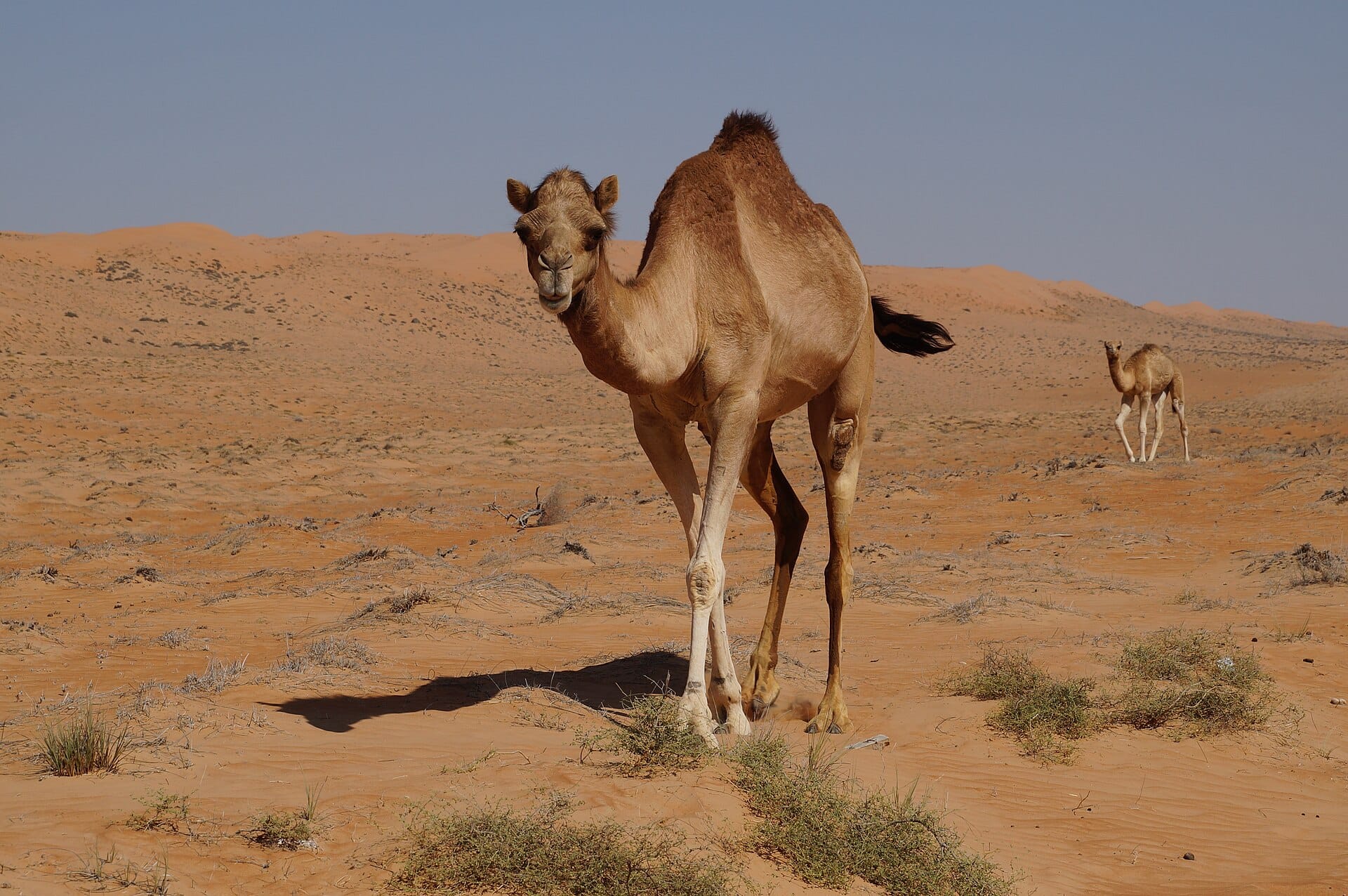
Sharqiya Sands, also known as Wahiba Sands, can fit into a wider Oman itinerary, with camps ranging from simple rooms to substantial lodges. Agree a meeting point and a camp transfer rather than taking an ordinary rental car into deep sand. Cooler months usually suit outdoor time better. Dune driving should use an experienced local driver and appropriate vehicle. If adding Wadi Bani Khalid, check local access and weather, including flash-flood conditions, before entering a wadi.
9. Khongoryn Els, Gobi Desert, Mongolia
Explore destination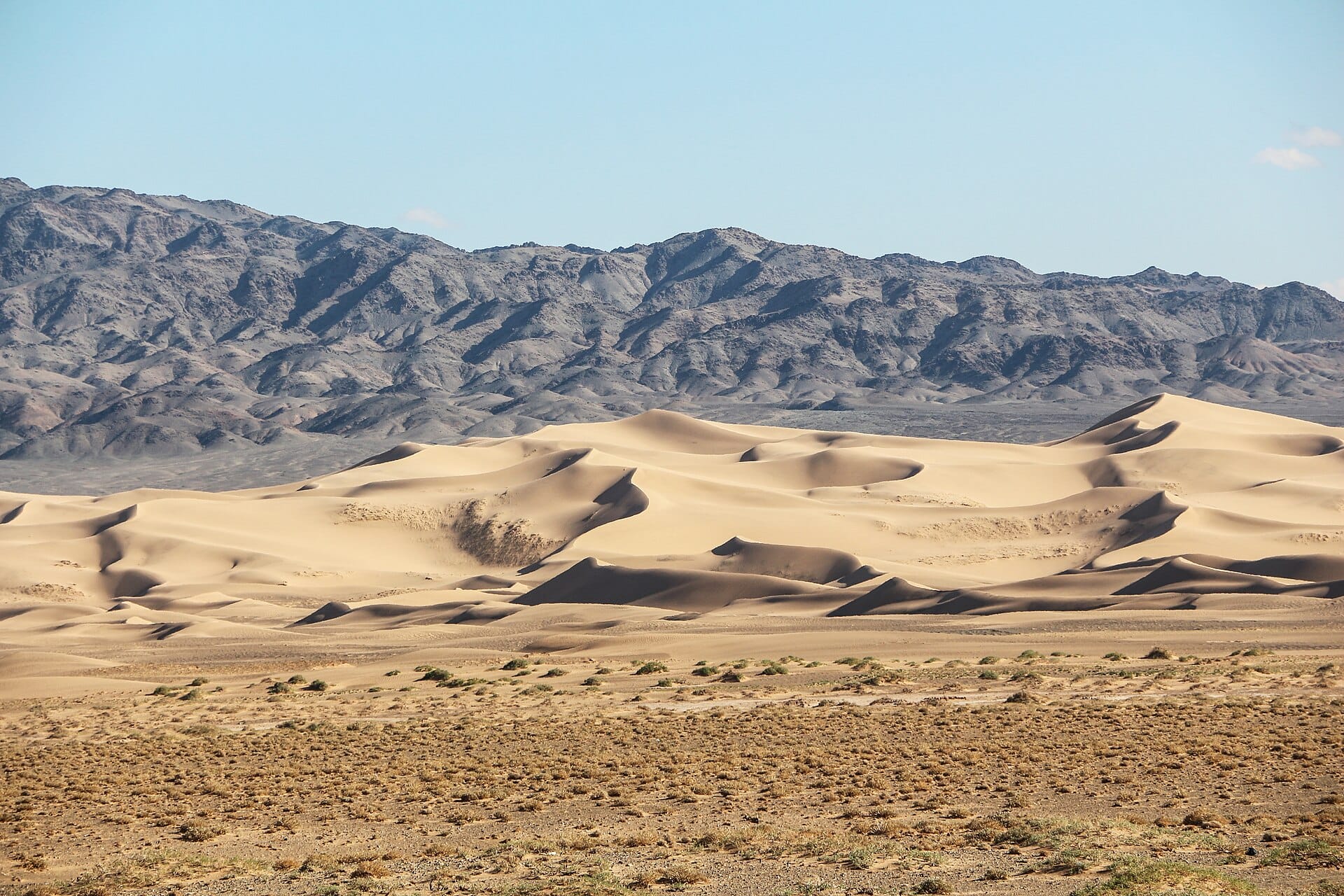
Khongoryn Els rises above the southern Gobi’s gravel plains, with a green strip at the dune edge and a long journey from the main cities. It usually fits into a multi-day trip with a local driver and planned overnight stops. Camps range from simple facilities to more comfortable accommodation, so confirm the details. Climbing the dunes is strenuous and optional; protect feet from hot or sharp ground and allow time to return before dark. Never collect fossils at nearby sites.
10. Death Valley, California, USA
Explore destination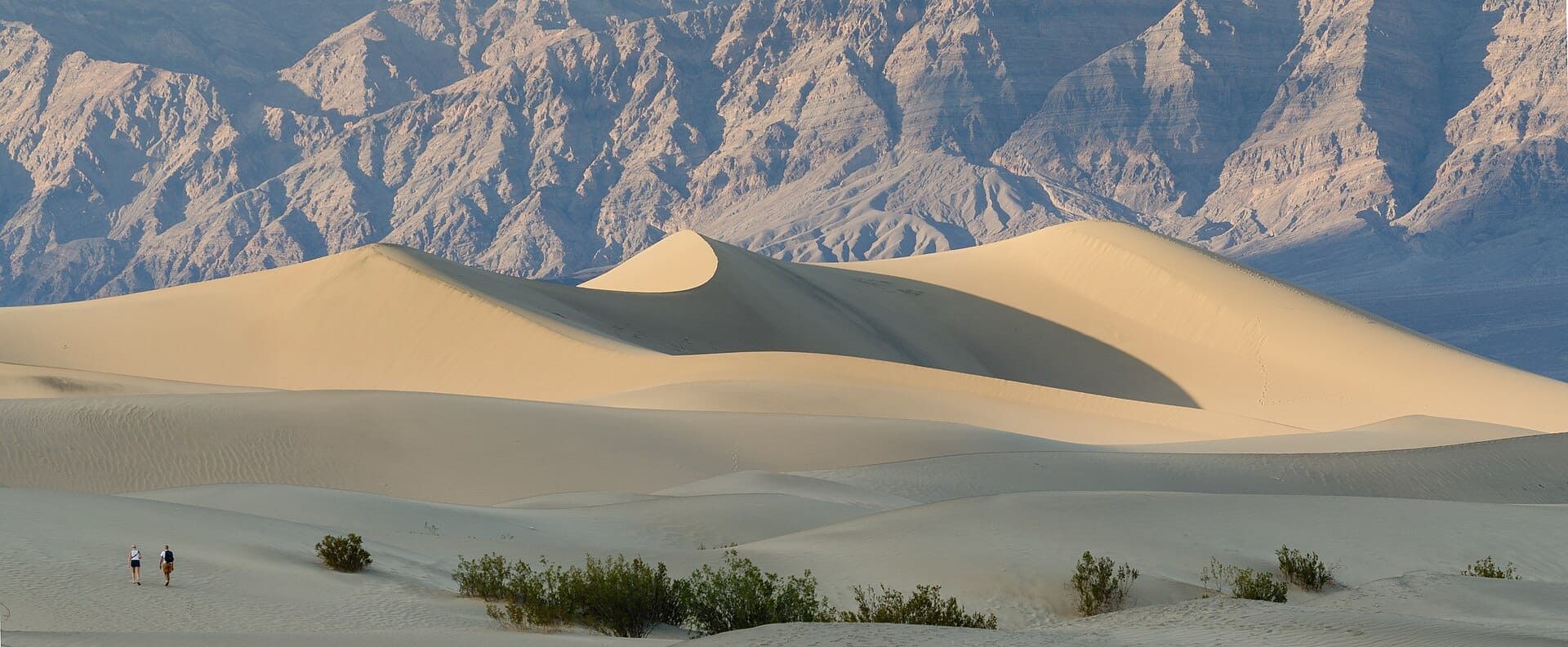
Death Valley offers paved-road viewpoints, dunes and walks that vary greatly in difficulty and exposure. November to March is often the more manageable period for walking, but closures, flash flooding and high temperatures still need checking. Plan water, fuel and communication before leaving a serviced stop, and keep to roads suitable for the vehicle. The park is not generally closed in summer, but extreme heat severely limits outdoor activity. Use the National Park Service’s current conditions when choosing a route.
Compare the whole journey
Ask how many hours are spent driving, what the vehicle and camp include, and whether a transfer or park fee is extra. Check current government advice for the exact areas and borders involved. On remote trips, confirm drinking-water provision, communication and cancellation arrangements. Avoid feeding wildlife, collecting natural objects or leaving the authorised tracks.
Photo credits
- Header: Giles Laurent, CC BY-SA 4.0. Display copy resized or cropped.
- The Erg Chebbi dunes near Merzouga in Morocco: Nomadz, CC BY-SA 3.0. Display copy resized or cropped.
- Sand and sandstone mountains in Jordan’s Wadi Rum desert: Peter Chisholm, CC0. Display copy resized or cropped.
- Rock formations in Valle de la Luna near San Pedro de Atacama: Diego Delso, CC BY-SA 4.0. Display copy resized or cropped.
- A dead camel-thorn tree in Deadvlei below Namibia’s dunes: Giles Laurent, CC BY-SA 4.0. Display copy resized or cropped.
- Chalk formations in Egypt’s White Desert: Vyacheslav Argenberg, CC BY 4.0. Display copy resized or cropped.
- Camels in the Thar Desert near Khuri in Rajasthan: Thar Khuri.jpg / Wikimedia Commons (author not recorded), CC BY-SA 3.0. Display copy resized or cropped.
- Mountains reflected in the flooded Salar de Uyuni at sunrise: Diego Delso, CC BY-SA 4.0. Display copy resized or cropped.
- Camels in Oman’s Sharqiya Sands, also known as Wahiba Sands: albinfo, CC BY-SA 4.0. Display copy resized or cropped.
- The Khongoryn Els dunes in Mongolia’s Gobi Desert: Bernard Gagnon, CC0. Display copy resized or cropped.
- The Mesquite Flat Sand Dunes in Death Valley, California: Tuxyso, CC BY-SA 3.0. Display copy resized or cropped.
Useful official information: CDC: high-altitude travel and illness; National Park Service: Death Valley current conditions; FCDO: current Egypt travel advice.