
Yala
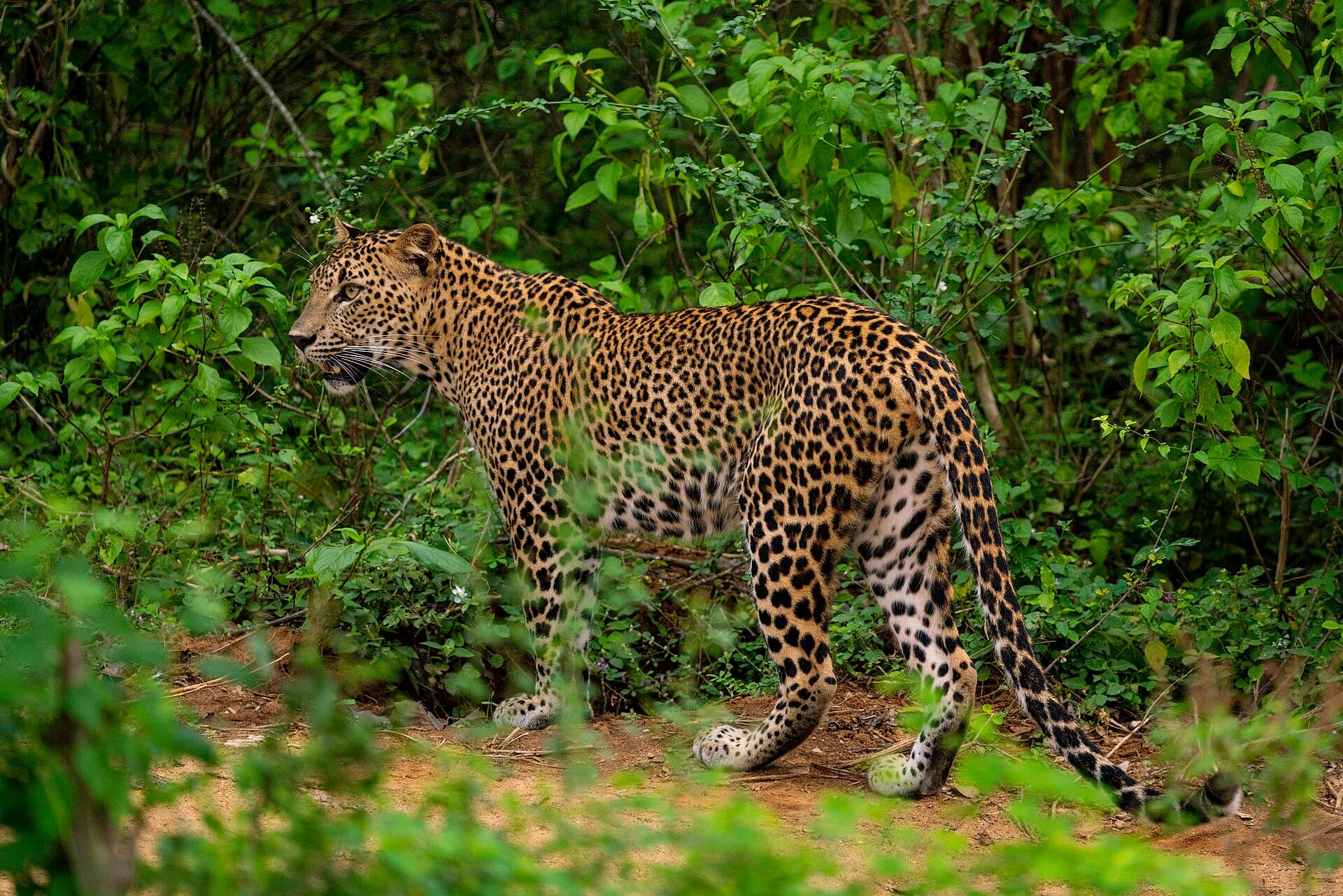
Yala National Park has the densest leopard population on Earth, and Sri Lanka throws in elephants, sloth bears, crocodiles and painted storks as supporting acts — all against a coastline where the jungle runs down to empty Indian Ocean beaches.
- Best forWildlife & nature · Families · Photographers
- In November29°C · 25 rainy days · sea 30°C
- Ideal stay2–3 nights
- Approx. flying time~18h 30m from Los Angeles
- CurrencyLKRSri Lankan rupee
- LanguageSinhala and Tamil
- Local time16:414h 30m ahead of the UK
- PlugsType D / GUK plugs fit
- Drive on theLeftSame as the UK
- Dialling code+94
Why go
Dry scrub, thorn thickets and rock outcrops run right down to an empty Indian Ocean coastline, and the whole of it is full of animals. Leopards are the draw, and the density here is genuinely exceptional, but elephants, sloth bears, crocodiles, buffalo and a long list of birds fill the hours between cats. Game drives start before dawn and again in late afternoon, when the light is low and the tracks are cool.
Most people stay two or three nights near Tissamaharama or on the coast, doing three or four drives. That is enough to give the park a fair chance without turning it into a job. February to July, when water holes shrink and animals concentrate, is the strongest window; the main block usually closes for several weeks around September and October. It pairs easily with the southern beaches and the hill country.
- Ideal stay
- 2–3 nights
- The vibe
- Dusty, thorny, adrenal at dawn
From our guides
Take the earliest safari slot, when cats are still on the move, and insist on a driver who doesn't chase radio tip-offs. February to July, when water holes shrink, gives the best sightings; block five in the park is quietest.
Featured in Ten wild tropical trips for animal lovers
Things to do
-
Leopards in block one
The most visited section, and the one with the highest sighting rates. Take the first slot of the day, when cats are still moving between night and shade.
-
Block five's quieter tracks
Fewer vehicles, longer waits and a better sense of wilderness. Worth a drive if you already have a leopard sighting behind you.
-
Elephants at the water holes
Herds gather at shrinking tanks through the dry months, often with very small calves. Sit still and let them come rather than driving up.
-
Bundala's waterbirds
A neighbouring wetland park of lagoons and salt pans, with flamingos in season and painted storks year round. A calm alternative on a middle day.
-
Sithulpawwa rock temple
An ancient monastic site on a rock outcrop within the park boundary, with views over the scrub from the summit dagoba.
-
Kataragama at dusk
A pilgrimage town revered by Buddhists, Hindus and Muslims alike, with evening offerings and drumming. Dress modestly and remove shoes.
Getting there
-
Fly to
Colombo (CMB)
Nearest airport to Yala, about 202km away as the crow flies.
-
Then
To Tissamaharama
Mattala (HRI) is nearest but sees very few flights. In practice it is about five hours by car from Colombo (CMB), or a much shorter run if you are already on the south coast.
-
On the ground
Getting around
Hotels and lodges cluster around Tissamaharama and Kirinda. Safaris leave before dawn in park jeeps from the Palatupana entrance, about half an hour away.
Public transport: Buses reach Tissamaharama from Colombo and the south coast, but nothing runs into the park. Every visit is by booked jeep.
Flights
Los Angeles Yala, Sri Lanka
Fly from anywhere — search 4,000+ airports worldwide.
Roughly 18h 30m in the air from Los Angeles (LAX), estimated from the distance — check for a direct route. Pick a month to see every available flight with live prices.
Check dates and prices
Pick your departure date, then your return.
Search flightsNot sure when? Compare fares across a whole month.
Flight times are estimates; prices open on Google Flights.
When to go
Daytime highs run from about 28°C in January to 32°C in July. Driest in June and July; wettest in November, with rain on about 25 days. The sea is warmest in April at around 31°C, coolest at 28°C.
The year at a glance — pick a month for detail
November29° · rain 25 days · sea 30°Warm and often wet.
Monthly figures averaged from daily records for 2020–2024 at this location (ERA5 reanalysis). Live conditions from MET Norway, CC BY 4.0.
Where to stay
Tented safari camps near the gate, family guesthouses and small hotels in Tissamaharama, and a handful of expensive lodges. Self-catering is rare, and most rates include meals.
-
Best base overall
Tissamaharama
The main town about an hour from the park gate, with the widest range of rooms, jeep operators and a lake to watch birds on. It is a busy, ordinary town.
Find stays in Tissamaharama -
Closest to the sights
Palatupana
The cluster of camps and lodges near the entrance, which matters when the first safari slot leaves before dawn. Options are few and prices reflect the location.
Find stays in Palatupana -
Best value
Kataragama
A pilgrimage town close to the park with simple guesthouses at local rates and a remarkable evening temple ceremony. Alcohol is not sold and nights are early.
Find stays in Kataragama -
Quietest
Kirinda
A small coastal village south of Tissa, with a few beach places, a rocky temple headland and almost no traffic. You will drive further to the gate.
Find stays in Kirinda
Worth knowing before you book: Book the jeep and driver rather than a generic tour, and insist on the first slot of the day. The park usually closes for several weeks around September for maintenance.
Search everything else in Tissamaharama by budget. These are indicative budget bands in GBP per night for two people, not live quotes or guarantees of hotel type. Check your dates, guests, taxes and final price on Booking.com.
Good to know
- Timing
- February to July gives the best sightings. The main block is normally closed for maintenance and drought around September into mid-October, so check before booking.
- Early start
- Gates open around dawn and the first hour or two is the productive one. That means leaving accommodation somewhere near half past four.
- Jeep etiquette
- Ask for a driver who tracks rather than chasing radio calls. Crowds of vehicles at a sighting stress the animals and ruin the experience for everyone.
- Book ahead
- Vehicle numbers are capped and the park is busy in season. Arrange jeeps and permits through your accommodation rather than at the gate.
- Sun and dust
- Open jeeps, hard light and red dust. Bring a hat, sunglasses, a scarf for your face and a bag that keeps camera gear sealed.
Similar places
Nearby destinations
Related articles
Quick answers
When is the best time to visit Yala?
Daytime highs run from about 28°C in January to 32°C in July. Driest in June and July; wettest in November, with rain on about 25 days. The sea is warmest in April at around 31°C, coolest at 28°C.
How long should I spend in Yala?
Our suggestion: 2–3 nights.
How do I get to Yala?
Mattala (HRI) is nearest but sees very few flights. In practice it is about five hours by car from Colombo (CMB), or a much shorter run if you are already on the south coast.
Do I need a car in Yala?
No. Buses reach Tissamaharama from Colombo and the south coast, but nothing runs into the park. Every visit is by booked jeep.
What currency and language are used in Yala?
Currency: Sri Lankan rupee (LKR). Language: Sinhala and Tamil. Plugs: type D and G.
Who is Yala best for?
Best for wildlife & nature, families and photographers. In a phrase: dusty, thorny, adrenal at dawn.