The Wahiba Sands
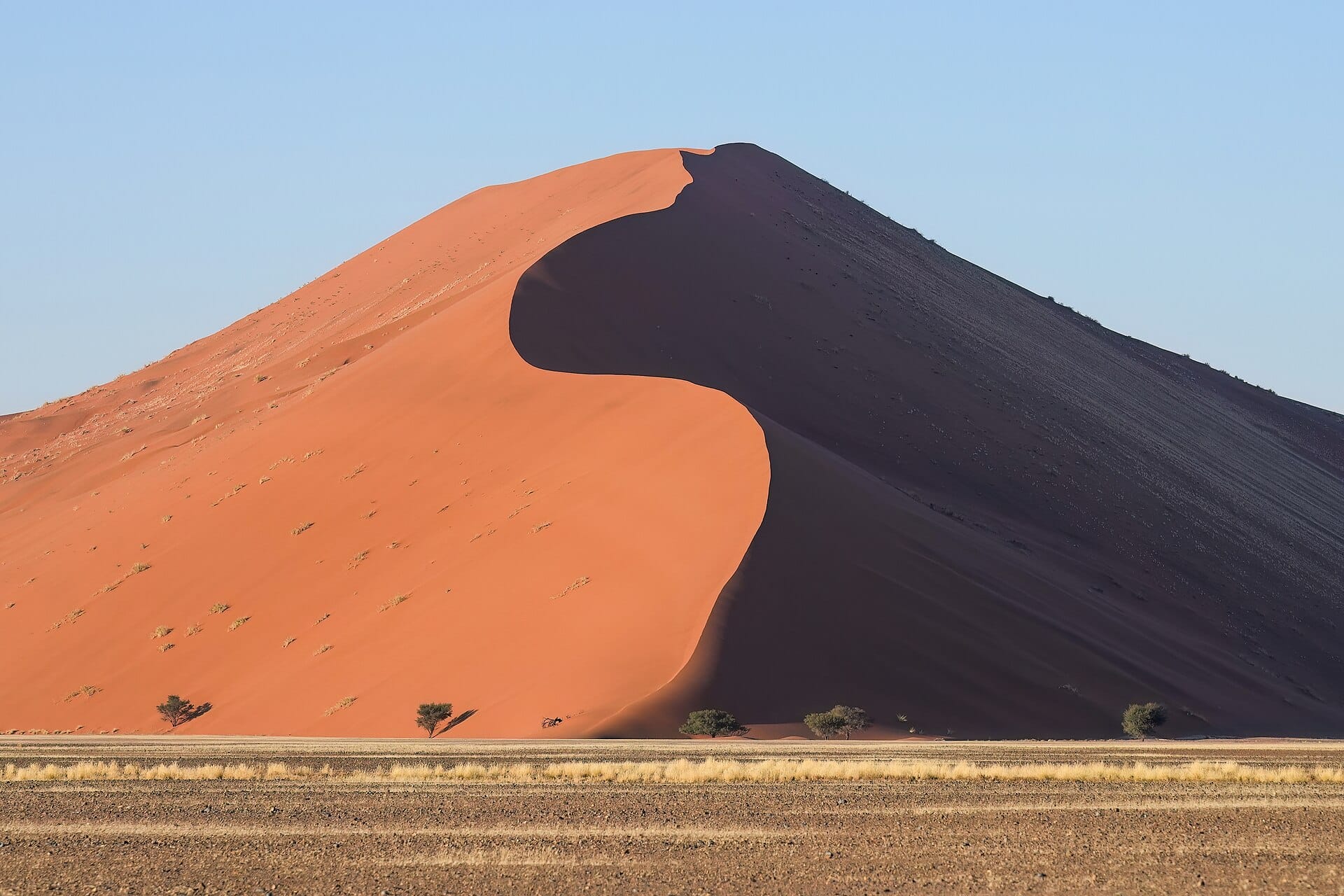
The sands run roughly 180 kilometres north to south in long parallel ridges, some rising over 100 metres, their colour closer to honey than gold.
- Best forAdventure seekers · Couples · Road-trippers
- In November31°C · barely any rain
- Ideal stayOne or two nights, inside a week in Oman
- Est. flying timeChoose your city
- CurrencyOMROmani rial
- LanguageArabic
- Local time02:184h ahead of the UK
- PlugsType GUK plugs fit
- Drive on theRightOpposite to the UK
- Dialling code+968
Why go
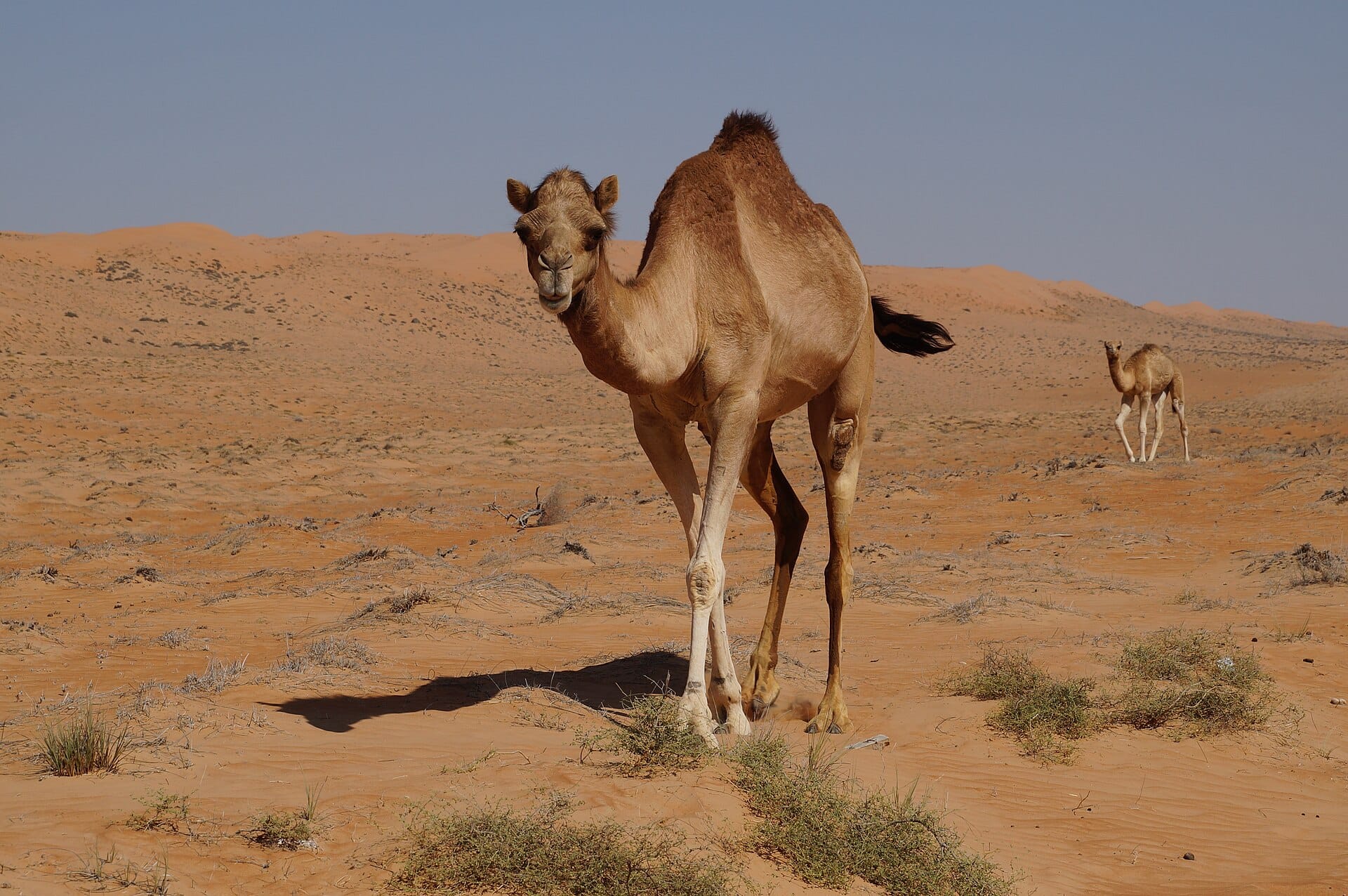
Bedouin families still keep camels here and a few settlements sit inside the dune field. Camps range from woven palm huts to serious comfort, and the day has a fixed shape: dunes in the late afternoon, dinner outside, then a sky with nothing at all competing with it.
It is an easy two to three hour drive from Muscat, which makes it a natural night or two inside a wider Oman loop taking in Nizwa, Jebel Akhdar and the eastern coast. Access is by 4x4 with tyres let down, and most camps will meet you at the edge and drive you in. October to March is the season, and midsummer heat makes the whole thing unpleasant.
- Ideal stay
- One or two nights, inside a week in Oman
- The vibe
- Silent, amber, star-heavy
Featured in Ten desert adventures worth the sand in your boots
Things to do in the Wahiba Sands
-
Dune driving at sunset
Use an experienced local driver and an appropriate, insured vehicle. Confirm seat belts, the planned route and how vigorous the driving will be before choosing the outing.
-
A night under the stars
Camps set out mattresses on the sand for anyone who wants one. Far from any town, the Milky Way is plainly visible on a moonless night.
-
Wadi Bani Khalid
A separate wadi outing with deep water, slippery ground and flash-flood risk. Follow local access rules and weather notices; clear water does not establish safe swimming conditions.
-
Bedouin hospitality
Camel milk, dates and coffee at a family camp form part of most visits. It is a genuine welcome rather than a performance, so take it slowly.
-
Sur and the dhow yards
An hour and a half east, a port town still building wooden dhows by hand, with a lagoon, a lighthouse and a good corniche walk.
-
Ras al Jinz turtles
Green turtles come ashore to nest year-round on the far eastern cape, with guided night and dawn visits from a reserve that controls the numbers.
How to get to the Wahiba Sands
-
Fly to
Muscat/Seeb (MCT)
Nearest airport to Wahiba Sands, about 228km away as the crow flies.
-
Then
To Bidiyah
Around two and a half to three hours by car from Muscat (MCT), south-east on the fast road towards Sur and then inland to Bidiyah at the edge of the sands. It is a straightforward drive on good tarmac until the dunes.
-
On the ground
Getting around
Meet the camp’s experienced driver at the agreed point before entering deep sand. Arrange any wadi visit separately around current access and weather rather than treating it as an automatic stop en route.
Public transport: Buses run along the Muscat to Sur corridor but nothing serves the sands; a hire car plus the camp's 4x4 transfer is the way.
Flights
Your airport Wahiba Sands, Oman
Fly from anywhere — search 4,000+ airports worldwide.
Choose where you're flying from to see a rough flight time. Pick a month to see every available flight with live prices.
Check dates and prices
Pick your departure date, then your return.
Search flightsNot sure when? Compare fares across a whole month.
Flight times are estimates; prices open on Google Flights.
Best time to visit the Wahiba Sands
Daytime highs run from about 26°C in January to 40°C in June. Rain is rare in any month.
The year at a glance — pick a month for detail
November31° · no rainHot and dry.
Monthly figures averaged from daily records for 2020–2024 at this location (ERA5 reanalysis). Highlighted months are warm and mostly dry — November to March. Live conditions from MET Norway, CC BY 4.0.
Where to stay in the Wahiba Sands
Desert camps in every register, from simple palm-frond huts with shared washrooms to air-conditioned luxury tents, all full board. Conventional hotels only in the surrounding towns.
-
Best base overall
Bidiyah
The town at the northern edge of the sands, where drivers deflate tyres and camps arrange collection. Functional rather than pretty, but it has the fuel, shops and the road in.
Find stays in Bidiyah -
Best for couples
A desert camp inside the Sharqiya Sands
Barasti huts or canvas out among the dunes, with dinner under the stars and total silence. Most require a four-wheel drive or a transfer, and mobile signal is patchy.
Find stays in A desert camp inside the Sharqiya Sands -
Best with children
Al Wasil and the camps near it
The closest cluster of camps to the tarmac, so the drive in is short and less likely to unsettle small passengers. Less remote-feeling than the deeper camps.
Find stays in Al Wasil and the camps near it -
Best value
Ibra or Sur
Towns on the route in and out, with ordinary hotels at lower rates and Ras al Jinz turtles near Sur. You lose the night in the dunes, which is the whole point.
Find stays in Ibra or Sur
Worth knowing before you book: Camps arrange transfers from the tarmac, and driving in without four-wheel drive experience is a bad idea. October to March fills fast, and summer heat closes some camps.
Search everything else in Bidiyah by budget. These are indicative budget bands in GBP per night for two people, not live quotes or guarantees of hotel type. Check your dates, guests, taxes and final price on Booking.com.
Good to know
- Driving
- Confirm a camp transfer from an agreed roadside meeting point unless you have suitable desert-driving experience and a vehicle insured for the exact route. Reducing tyre pressure alone is not sufficient preparation.
- Timing
- October to March is comfortable. From May the daytime heat is severe and many camps close or scale back their operations.
- Etiquette
- Oman is conservative and relaxed with it. Cover shoulders and knees in villages and at wadis, and ask before photographing people.
- Pack this
- Warm layers for the night, a torch, sunglasses and closed shoes. Camps are often off-grid, with limited power and no phone signal in places.
- Cash
- Camps and hotels take cards, but souqs, wadi car parks and small cafes run on rials in cash. Draw money in Muscat or Ibra.
- Photo credit
- albinfo / Wikimedia Commons, CC BY-SA 4.0. Display copy resized or cropped. The source is linked above.