
The Thar Desert
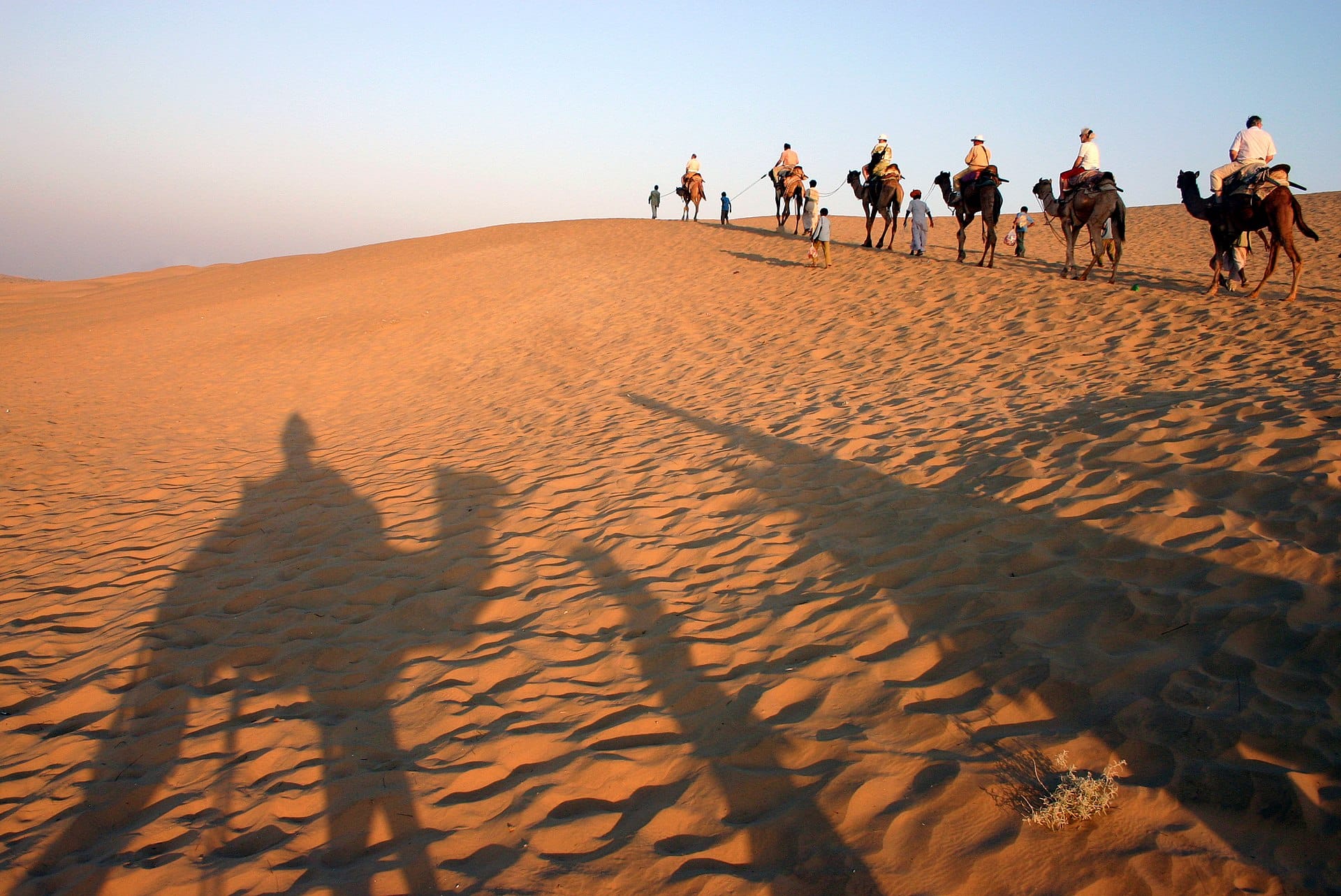
From Jaisalmer — a golden sandstone fortress city rising straight out of the Thar — camel safaris lope into scrubby dunes past temple ruins and villages that see few visitors.
- Best forAdventure seekers · Culture seekers · Photographers
- In November30°C · barely any rain
- Ideal stay3 nights
- Approx. flying time~16h 15m from Los Angeles
- CurrencyINRIndian rupee
- LanguageHindi and English
- Local time14:554h 30m ahead of the UK
- PlugsType C / D / MBring an adapter
- Drive on theLeftSame as the UK
- Dialling code+91
Why go
The city itself is a working fort of yellow sandstone that glows at both ends of the day, still lived in, with havelis, temples and lanes barely wide enough for a cow. Beyond it the Thar is not rolling dunes but mostly scrub, thorn and hard-packed sand, with a proper dune field an hour or so out. Distances feel large, the light is enormous and everything moves at the pace of a camel.
Two or three nights is the sensible shape: a day for the fort and havelis, a day for Kuldhara and the cenotaphs, and one night out at the dunes. November to February is the comfortable window, with cold nights, while April to June is severe. Overnight trains connect Jaisalmer with Jodhpur, Jaipur and Delhi, and most people fold it into a wider Rajasthan route.
- Ideal stay
- 3 nights
- The vibe
- Golden, dusty, storybook Rajasthan
From our guides
The classic is one night at the Sam or quieter Khuri dunes: sunset from a crest, dal by firelight, a cot under the stars while the camels grumble in the dark. Choose an operator with small groups and good animal welfare credentials. November to February keeps the heat merciful.
Featured in Ten desert adventures worth the sand in your boots
Things to do
-
Jaisalmer Fort
One of very few forts anywhere still fully inhabited, with several thousand residents inside the walls. Water damage is a real problem, so tread lightly and consider sleeping outside it.
-
The merchant havelis
Patwon ki Haveli is a cluster of five mansions with carved stone screens as fine as any in Rajasthan. Nathmal ki Haveli and Salim Singh ki Haveli stand close by.
-
Bada Bagh
A hillside of royal cenotaphs above a dry reservoir, framed by wind turbines. Sunset here is quieter than the fort ramparts and every bit as good.
-
Kuldhara
An abandoned village of roofless stone houses, deserted in the nineteenth century and wrapped in a curse story that guides tell with real enthusiasm.
-
Sam and Khuri dunes
Sam is the busier of the two and can feel like a fairground at sunset. Khuri is smaller and calmer, and camps set further from the road are quieter still.
-
Gadisar Lake
A man-made reservoir below the fort ringed by shrines and ghats, best early in the morning when the birds are out and the pedal boats are not.
Getting there
-
Fly to
Jaisalmer Airport (JSA)
Nearest airport to Jaisalmer, about 18km away as the crow flies.
-
Then
To Jaisalmer
Jaisalmer's own airport (JSA) is about 20 minutes by taxi into town but has only seasonal flights. Most visitors come from Jodhpur or Jaipur, either by overnight train to Jaisalmer station or five to six hours by road from Jodhpur.
-
On the ground
Getting around
The fort and old town are walked, and camel safaris to the Sam or Khuri dunes start with a drive of 40 minutes to an hour arranged by your operator. Rickshaws and taxis cover the town itself.
Public transport: Trains and long-distance buses reach Jaisalmer well; the dunes are covered by safari operators rather than scheduled services.
Flights
Los Angeles Jaisalmer, India
Fly from anywhere — search 4,000+ airports worldwide.
Roughly 16h 15m in the air from Los Angeles (LAX), estimated from the distance — check for a direct route. Pick a month to see every available flight with live prices.
Check dates and prices
Pick your departure date, then your return.
Search flightsNot sure when? Compare fares across a whole month.
Flight times are estimates; prices open on Google Flights.
When to go
Daytime highs run from about 21°C in January to 41°C in May. Driest October to May; wettest in July, with rain on about 9 days.
The year at a glance — pick a month for detail
November30° · no rainHot and dry.
Monthly figures averaged from daily records for 2020–2024 at this location (ERA5 reanalysis). Highlighted months are warm and mostly dry — November to March. Live conditions from MET Norway, CC BY 4.0.
Where to stay
Carved haveli hotels and guesthouses in town, plus desert tented camps from basic canvas to luxury swiss tents. Chains are absent; everything is family or locally run.
-
Best base overall
Jaisalmer, inside or below the fort
Sandstone havelis, rooftop restaurants and every safari operator within a few lanes. Staying inside the living fort is atmospheric but adds to the strain on its drainage.
Find stays in Jaisalmer, inside or below the fort -
Best value
Below the fort, around Gandhi Chowk
Guesthouses and haveli hotels in the streets below the walls, cheaper and easier for vehicles, with the fort lit up at night from the terraces. Noisier at street level.
Find stays in Below the fort, around Gandhi Chowk -
Quietest
Khuri dunes
Around an hour south-west, far calmer than Sam, with small camps and village homestays. Fewer facilities, and an overnight is really the only sensible way to do it.
Find stays in Khuri dunes -
Best with children
Sam dunes
The classic sunset camel spot, with camps laying on music, dinner and easy short rides. It is the busy option, with rows of camps and coach arrivals.
Find stays in Sam dunes
Worth knowing before you book: The November to February season books ahead and the Desert Festival fills the town entirely. Book camel safaris through your hotel and ask directly about animal welfare.
Search everything else in Jaisalmer by budget. These are indicative budget bands in GBP per night for two people, not live quotes or guarantees of hotel type. Check your dates, guests, taxes and final price on Booking.com.
Good to know
- Timing
- November to February is the season, and February brings the desert festival. Summer temperatures regularly exceed 45°C, at which point camel safaris stop making sense.
- Getting there
- Overnight trains from Delhi and Jodhpur are the classic approach and should be booked well ahead. Flights are seasonal and limited in number.
- Animal welfare
- Ask about ride lengths, loads and rest breaks before booking a camel safari, and walk some stretches yourself. Standards vary widely between operators.
- Pack this
- A scarf against the dust, warm layers for desert nights in winter, and a torch. Camps are simple and the power can be intermittent.
- Border area
- This is close to the Pakistan border and some areas require permits. Follow your guide's advice and do not wander off marked routes.
Similar places
Further afield
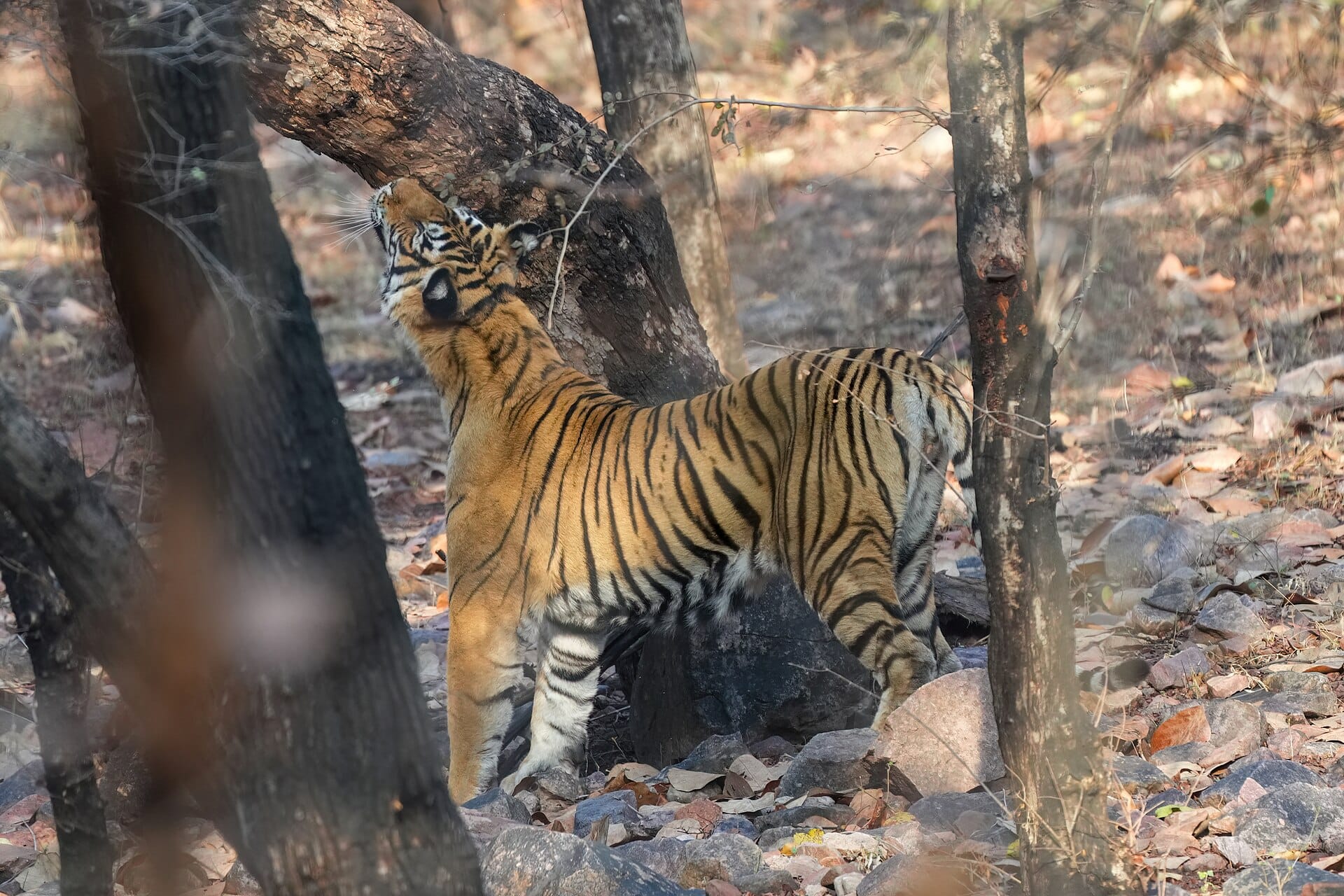
Tigers
Ranthambore, India · 576km away →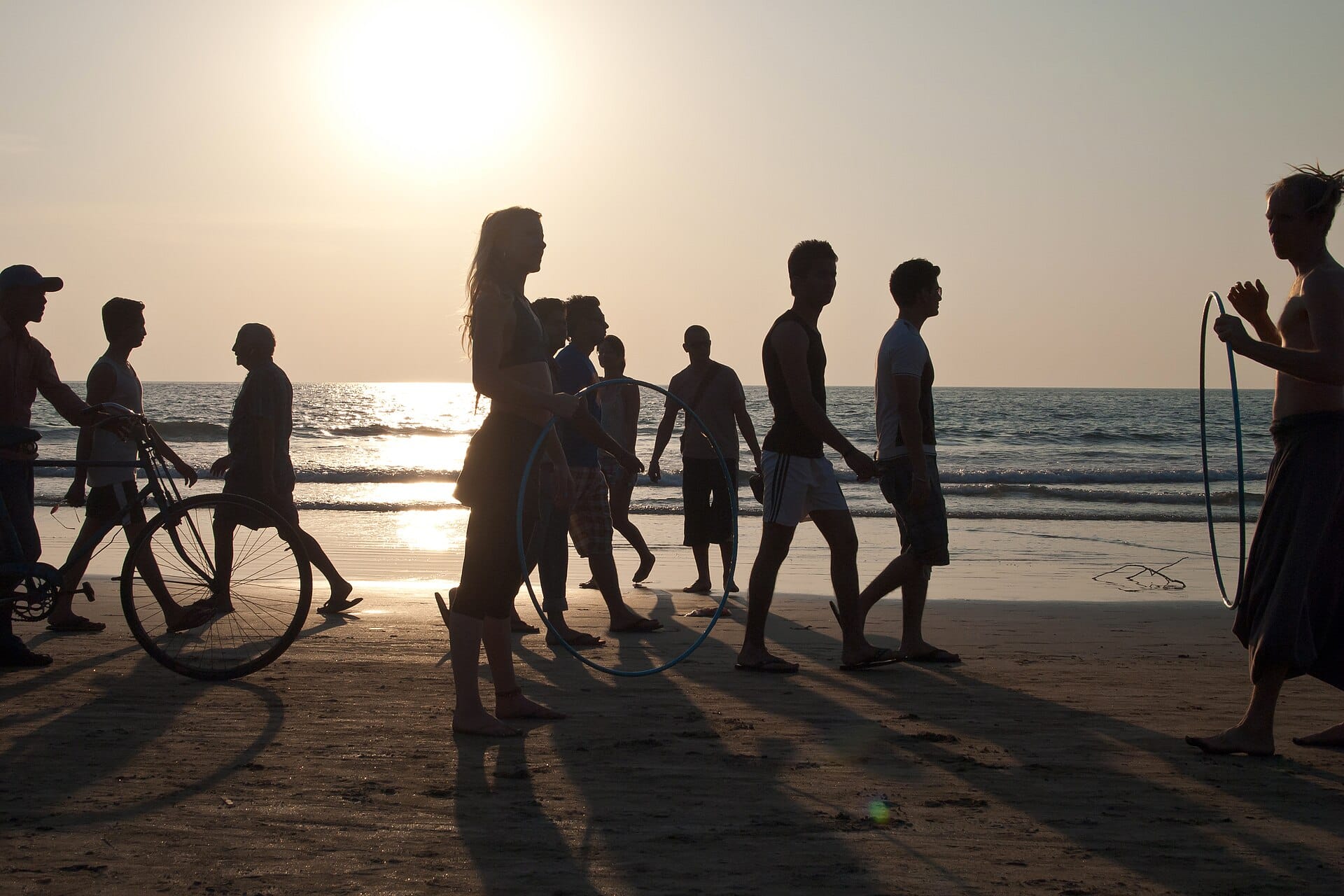
Anjuna & Vagator
Goa, India →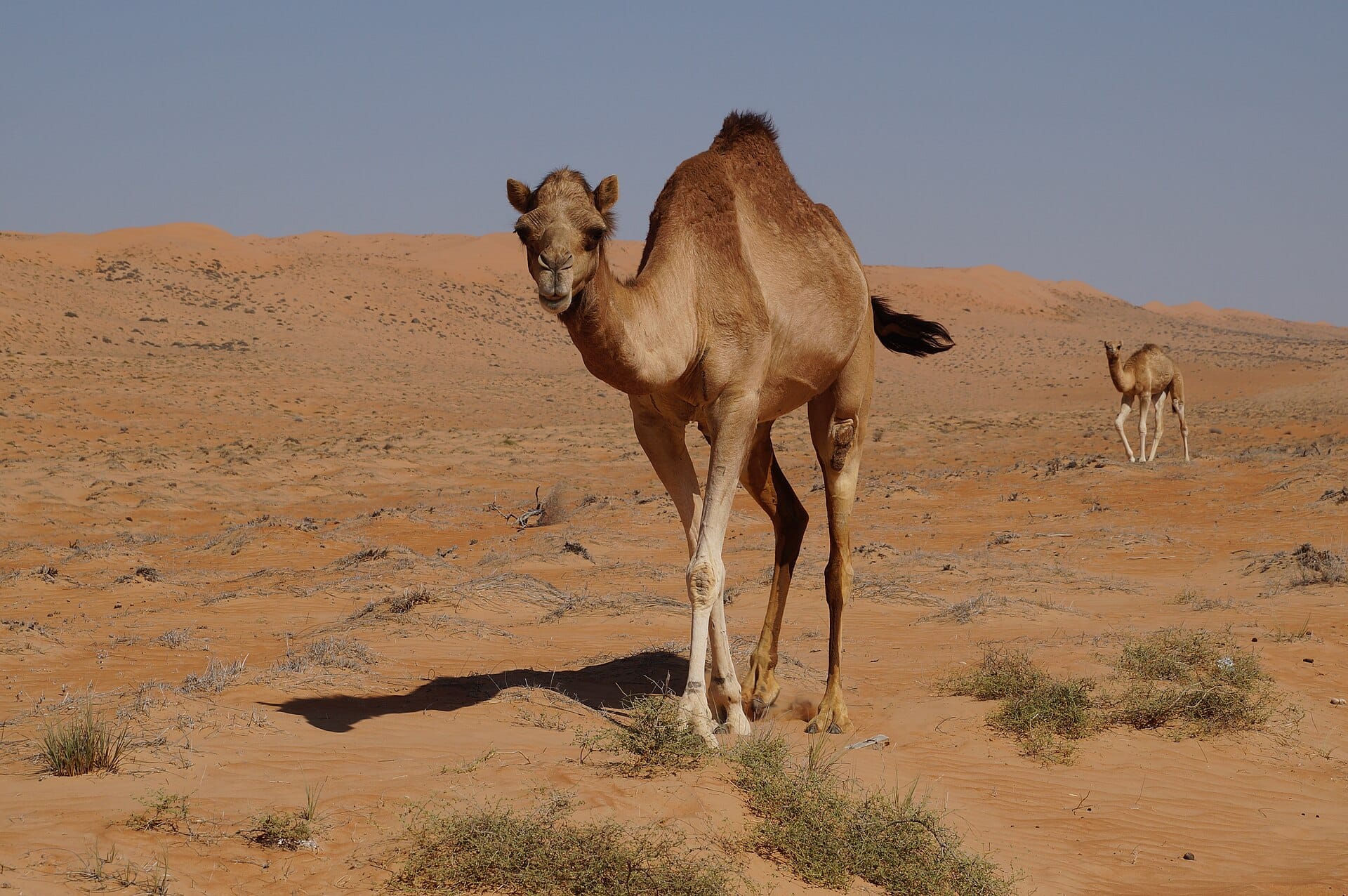
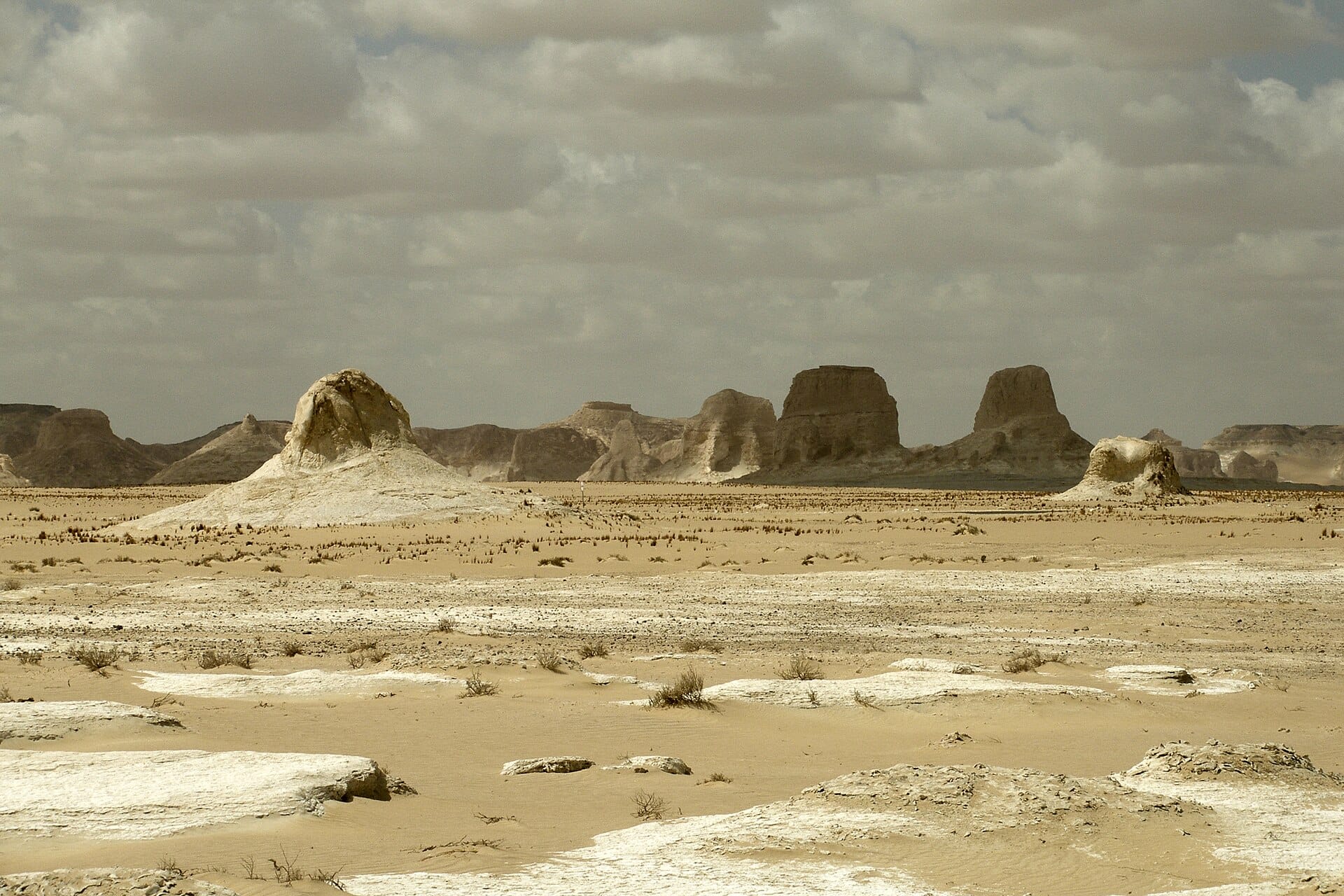
The Wahiba Sands
Oman →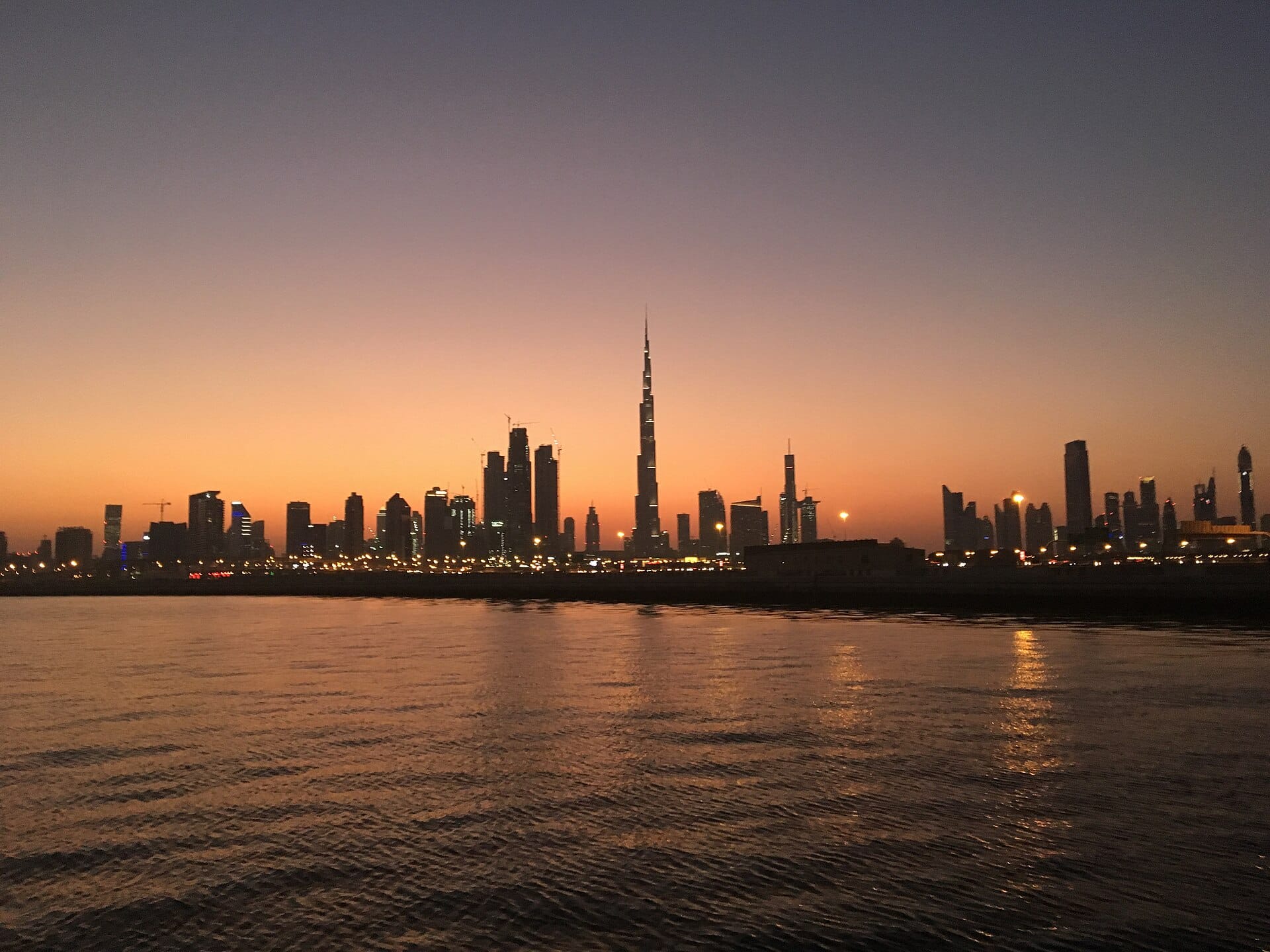
Dubai
UAE →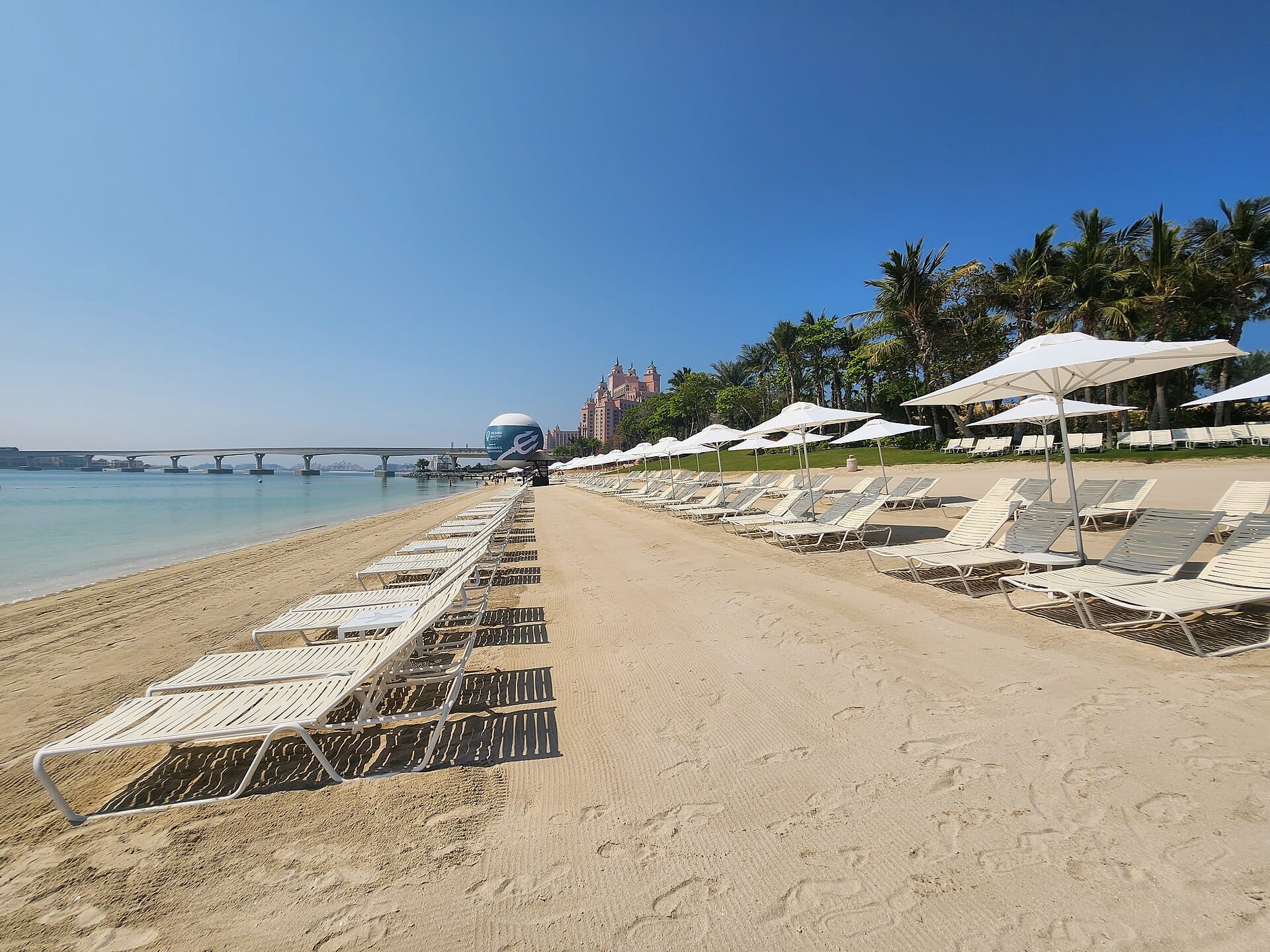
Aquaventure
Dubai, UAE →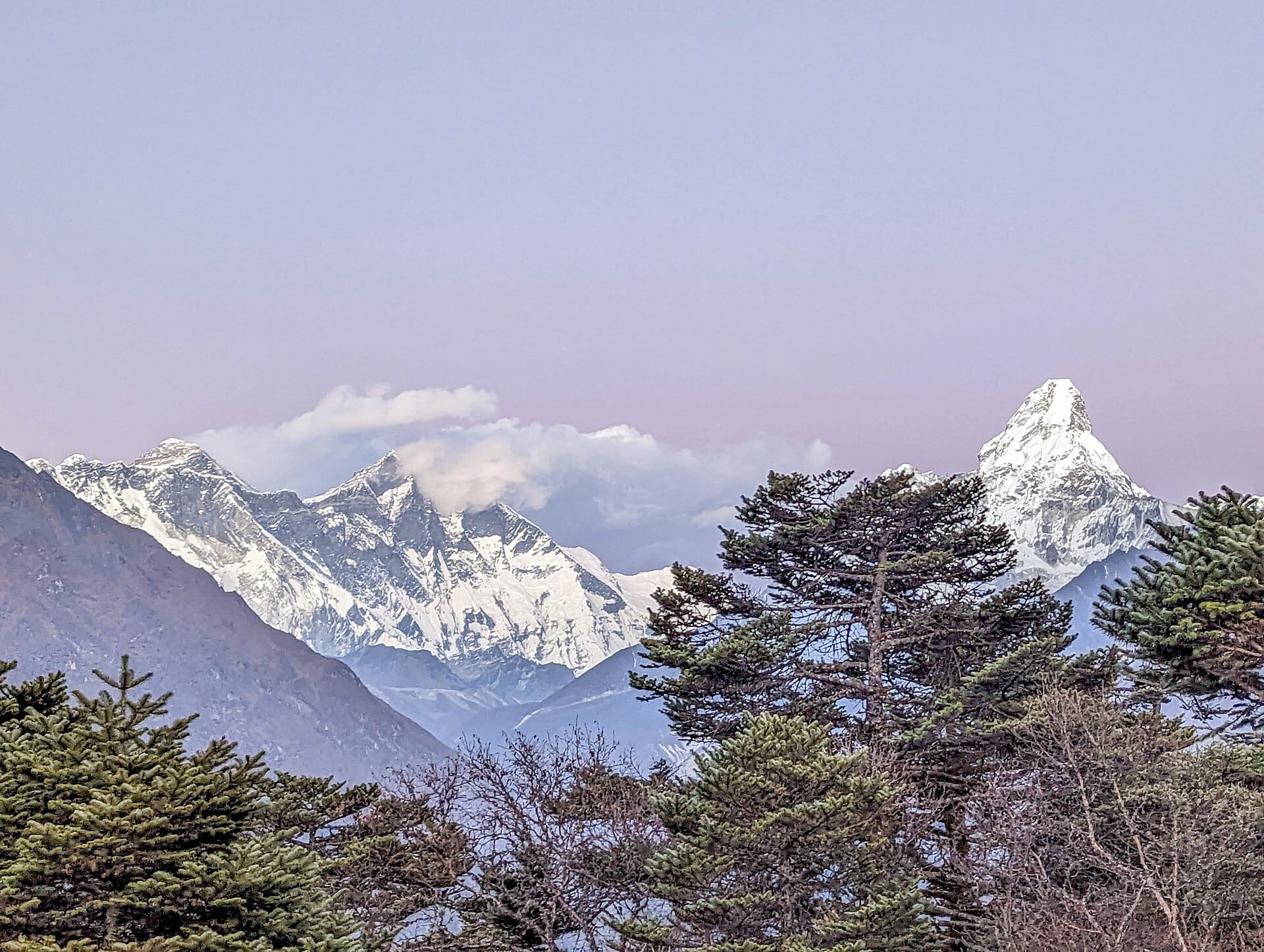
Everest Base Camp
Nepal →Elsewhere in India
Related articles
Quick answers
When is the best time to visit The Thar Desert?
For warm, mostly dry days, November to March. That means highs of 20–34°C with rain on six days a month or fewer. Daytime highs run from about 21°C in January to 41°C in May. Driest October to May; wettest in July, with rain on about 9 days.
How long should I spend in The Thar Desert?
Our suggestion: 3 nights.
How do I get to The Thar Desert?
Jaisalmer's own airport (JSA) is about 20 minutes by taxi into town but has only seasonal flights. Most visitors come from Jodhpur or Jaipur, either by overnight train to Jaisalmer station or five to six hours by road from Jodhpur.
Do I need a car in The Thar Desert?
No. Trains and long-distance buses reach Jaisalmer well; the dunes are covered by safari operators rather than scheduled services.
What currency and language are used in The Thar Desert?
Currency: Indian rupee (INR). Language: Hindi and English. Plugs: type C and D and M.
Who is The Thar Desert best for?
Best for adventure seekers, culture seekers and photographers. In a phrase: golden, dusty, storybook Rajasthan.