
The Icehotel
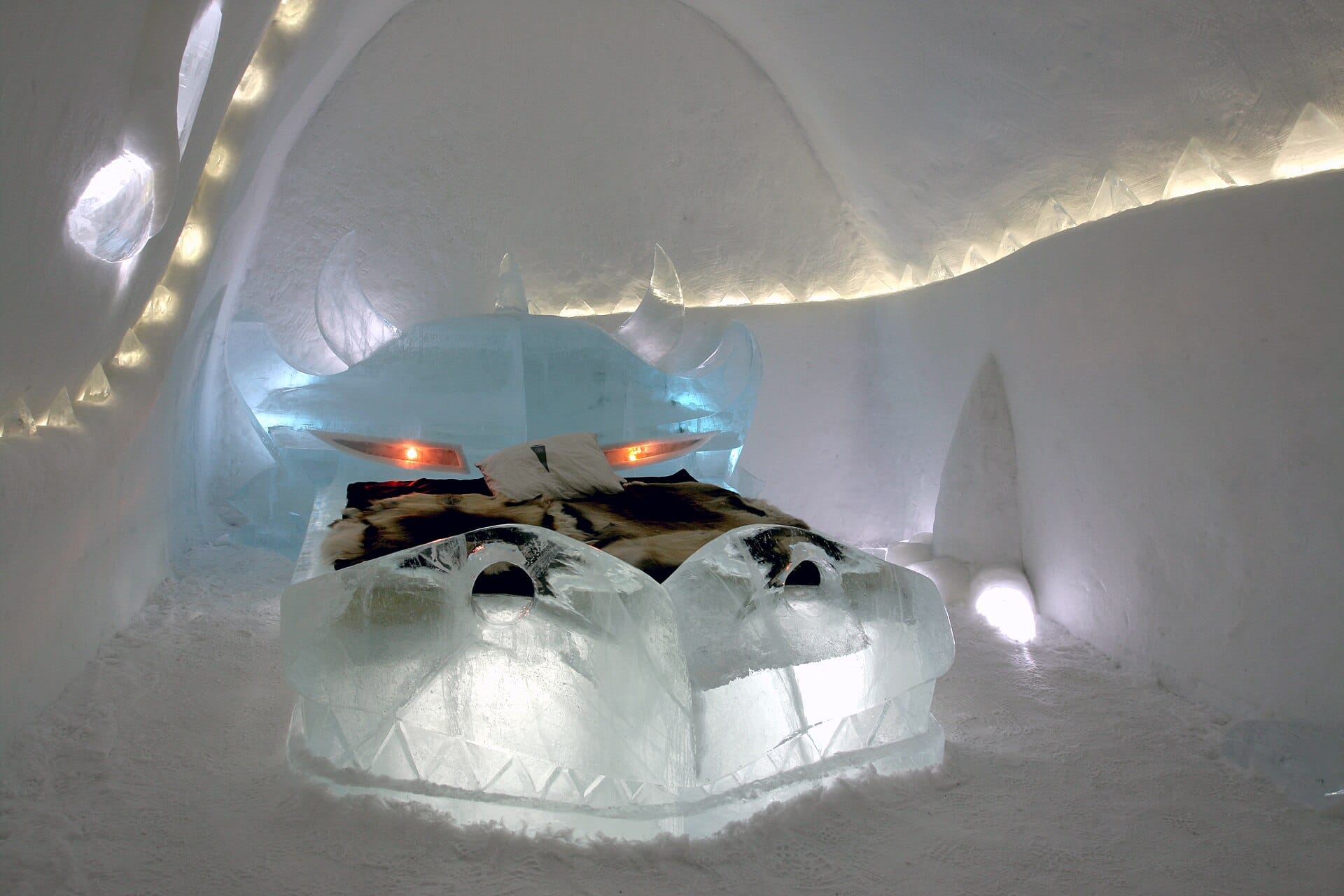
Every winter in Jukkasjärvi, artists rebuild the Icehotel from scratch using river ice and snow, so no two years' art suites ever match.
- Best forFamilies · Adventure seekers · Couples
- In June17°C · 13 rainy days
- Ideal stay2–3 nights
- Approx. flying time~10h 20m from Los Angeles
- CurrencySEKSwedish krona
- LanguageSwedish
- Local time14:111h ahead of the UK
- PlugsType C / FBring an adapter
- Drive on theRightOpposite to the UK
- Dialling code+46
Why go
Two hundred kilometres above the Arctic Circle, a hotel is rebuilt every winter from ice and snow cut out of the Torne river, and melts back into it each spring. Artists design the individual art suites, so the interiors change completely from year to year. A permanent section, kept cold by solar power, runs alongside the seasonal one. Rooms sit at around minus five, with reindeer skins and expedition sleeping bags.
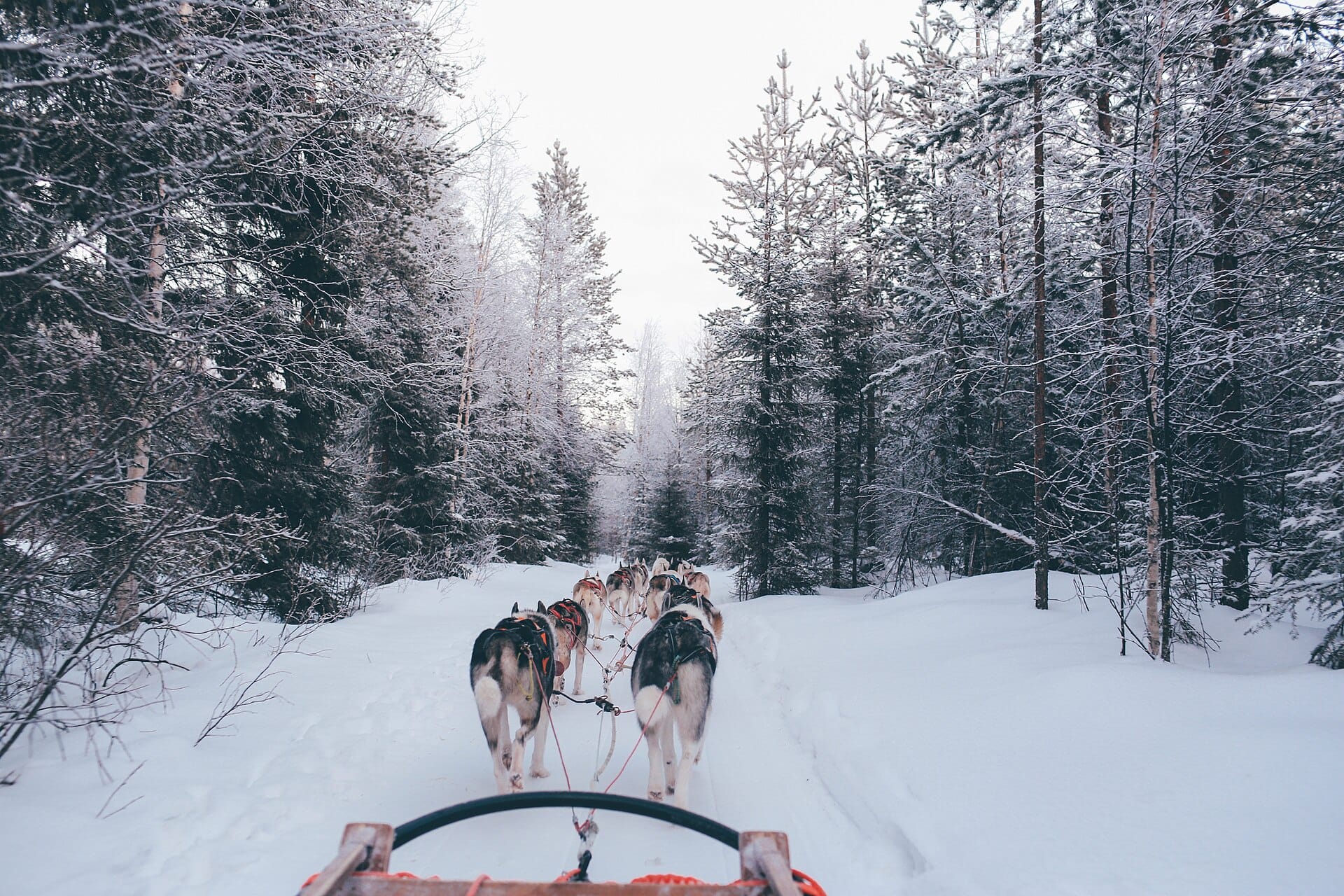
Two or three nights is the usual shape, one on ice and the rest in warm chalets, with days given over to husky sledding, snowmobiles and aurora hunting. The ice season runs December to April, and January and February bring the deepest cold and the best chances of northern lights. Summer visits are possible but entirely different. Anyone who dislikes cold or confined spaces should book warm.
- Ideal stay
- 2–3 nights
- The vibe
- Frozen, sculpted, oddly cosy
From our guides
In Jukkasjärvi, two hundred kilometres above the Arctic Circle, artists rebuild an entire hotel out of river ice every winter — and children can wander the sculpted art suites by day even if nobody fancies the minus-five bedrooms. The sensible family move is one night on ice and the rest in the warm chalets, with days filled by husky sleds, snowmobile trips and aurora hunts. December to March; the ice bar serves lingonberry juice in glasses made of ice.
Featured in Ten winter adventures beyond the ski piste and Ten winter-magic trips for families who love the cold
Things to do
-
The art suites
Each winter a new set of sculpted rooms is designed by different artists, so no two seasons match. Day visits let non-residents see them.
-
The ice bar
Drinks are served in glasses cut from river ice, in a room where the walls, the bar and the seating are all frozen. Capes are provided.
-
Northern lights
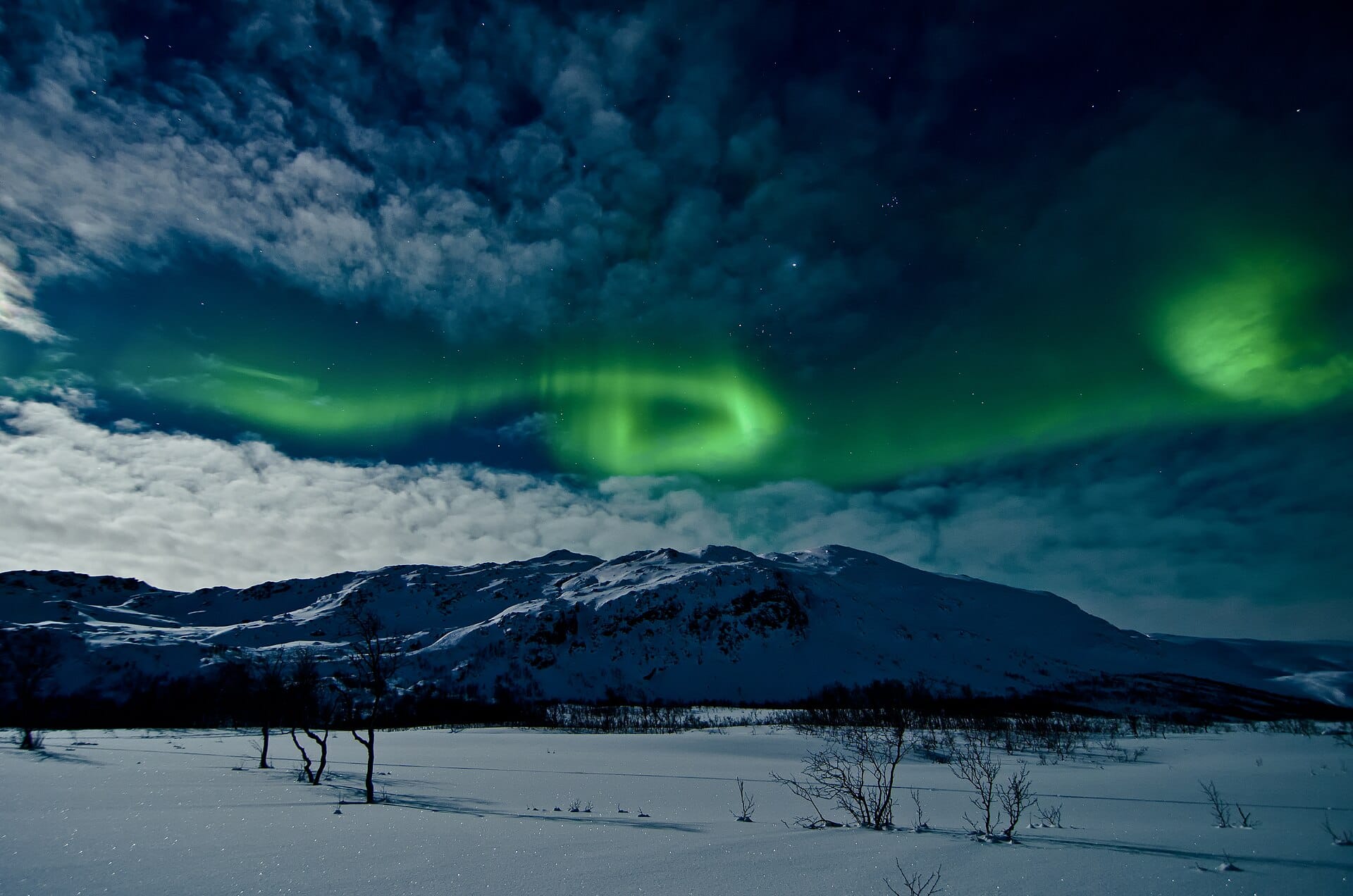
The location sits well inside the auroral zone, and clear nights from December to March give a strong chance of a display.
-
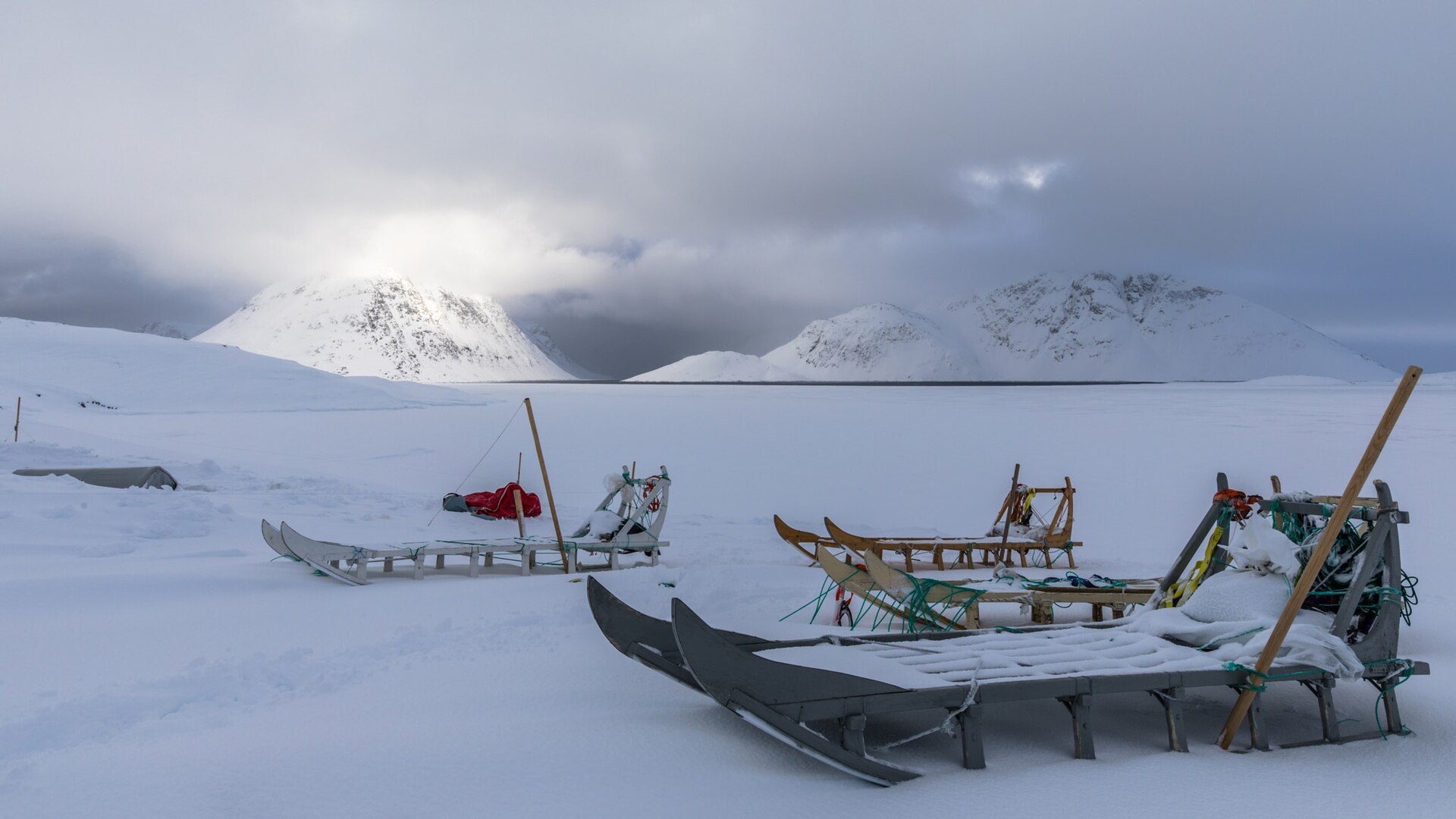
Husky and reindeer sledding
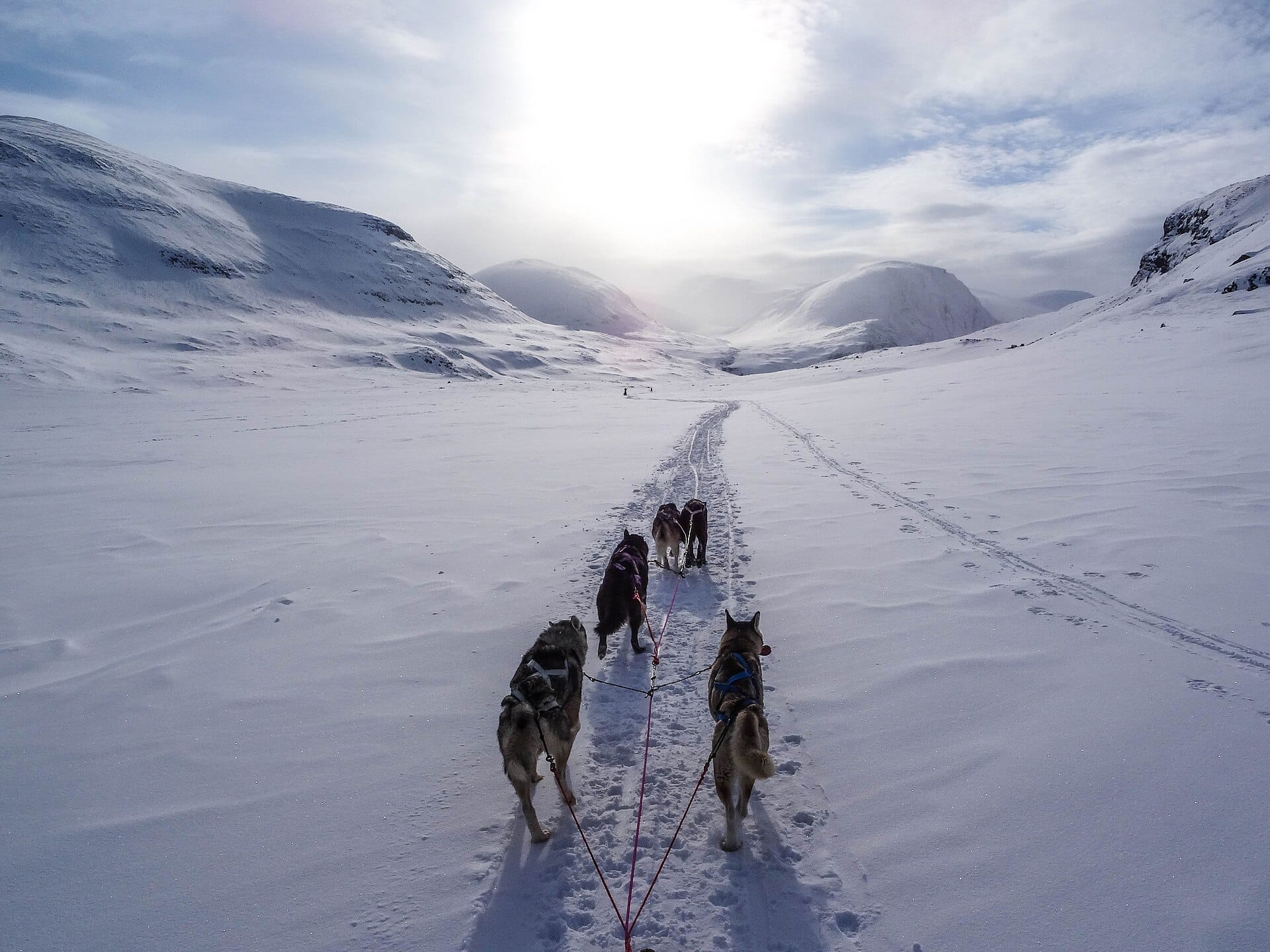
Dog teams and Sami-guided reindeer sleds run from the village, the latter including an introduction to herding traditions.
-
The Torne river
Ice is harvested here in spring and stored for the following winter. In summer the same river is used for rafting and fishing.
-
Jukkasjarvi and Kiruna
The village has a seventeenth-century wooden church, and Kiruna, the mining town nearby, is being physically moved building by building.
Getting there
-
Fly to
Kiruna (KRN)
Nearest airport to Jukkasjärvi, about 12km away as the crow flies.
-
Then
To Jukkasjärvi
Kiruna (KRN) is about 20 minutes by road to Jukkasjärvi, with airport transfers and taxis meeting flights. The overnight train from Stockholm to Kiruna is the slower, more atmospheric option.
-
On the ground
Getting around
The village is tiny and the hotel, warm chalets and restaurant sit together, so you walk between them. Husky sledding, snowmobiling and aurora trips are all booked on site with transport laid on.
Public transport: A local bus runs between Kiruna and Jukkasjärvi, and the hotel arranges transfers, so no car is needed.
Flights
Los Angeles Jukkasjärvi, Sweden
Fly from anywhere — search 4,000+ airports worldwide.
Roughly 10h 20m in the air from Los Angeles (LAX), estimated from the distance — check for a direct route. Pick a month to see every available flight with live prices.
Check dates and prices
Pick your departure date, then your return.
Search flightsNot sure when? Compare fares across a whole month.
Flight times are estimates; prices open on Google Flights.
When to go
Daytime highs run from about -8°C in January to 18°C in July. Driest in March and April and November; wettest in July, with rain on about 16 days.
The year at a glance — pick a month for detail
June17° · rain 13 daysCool and often wet.
Monthly figures averaged from daily records for 2020–2024 at this location (ERA5 reanalysis). Live conditions from MET Norway, CC BY 4.0.
Where to stay
Ice rooms and art suites, heated wooden chalets and hotel rooms in the same complex, plus conventional hotels and apartments in Kiruna. Nothing else for miles.
-
Best base overall
Jukkasjärvi
The village around the hotel itself, so the ice suites, warm chalets, restaurant and activity desk are all steps apart in minus twenty. There is nothing else in the village.
Find stays in Jukkasjärvi -
Best with children
The warm chalets and hotel rooms on site
Heated rooms with proper bathrooms, letting children tour the art suites by day and sleep in comfort. Book these alongside a single ice night, which is what most people do.
Find stays in The warm chalets and hotel rooms on site -
Best value
Kiruna
The mining town about twenty minutes away, with ordinary hotels, supermarkets and the airport. Far cheaper beds, but you will need transfers for evening aurora trips.
Find stays in Kiruna -
Quietest
Abisko
An hour and a half west, famed for its clear sky and the aurora sky station. Excellent for northern lights, but too far to combine easily with ice nights.
Find stays in Abisko
Worth knowing before you book: Art suites are unique and go a year ahead, particularly around Christmas and New Year. Ice nights include a warm changing room and locker, so pack lightly for them.
Search everything else in Jukkasjärvi by budget. These are indicative budget bands in GBP per night for two people, not live quotes or guarantees of hotel type. Check your dates, guests, taxes and final price on Booking.com.
Good to know
- Book ahead
- Ice rooms are limited and sell out months in advance for December and the February half-term. Warm rooms are easier to get.
- Sleeping cold
- You are given a thermal sleeping bag and instructions. Sleep in base layers rather than heavy clothing, and change in the heated locker rooms.
- Pack this
- Insulated boots, mittens, a hat and thermal base layers. Outer thermal suits are usually lent for the outdoor activities.
- Getting there
- Fly to Kiruna via Stockholm, then a transfer of about twenty minutes. The overnight train from Stockholm is the slower alternative.
- Daylight
- December has no real daylight, only a few hours of blue twilight. February combines deep cold, snow and returning light.
Nearby destinations
Related articles
Quick answers
When is the best time to visit The Icehotel?
Daytime highs run from about -8°C in January to 18°C in July. Driest in March and April and November; wettest in July, with rain on about 16 days.
How long should I spend in The Icehotel?
Our suggestion: 2–3 nights.
How do I get to The Icehotel?
Kiruna (KRN) is about 20 minutes by road to Jukkasjärvi, with airport transfers and taxis meeting flights. The overnight train from Stockholm to Kiruna is the slower, more atmospheric option.
Do I need a car in The Icehotel?
No. A local bus runs between Kiruna and Jukkasjärvi, and the hotel arranges transfers, so no car is needed.
What currency and language are used in The Icehotel?
Currency: Swedish krona (SEK). Language: Swedish. Plugs: type C and F.
Who is The Icehotel best for?
Best for families, adventure seekers and couples. In a phrase: frozen, sculpted, oddly cosy.