Ten winter adventures beyond the ski piste
Explore ten winter adventures, from husky sledding to ice caves, with advice on operators, fitness, weather and choosing the right experience.
Winter offers far more than downhill skiing: forest trails behind a dog team, a lesson on Nordic skis, ice sculpture and carefully guided days on snow or glacier ice. Choose an activity for its physical demands and the conditions, then give it room in the itinerary. Snow, daylight, ice stability and the aurora are separate variables. Good clothing helps, but local decisions about weather and terrain come first.
1. Husky sledding, Swedish Lapland
Explore destination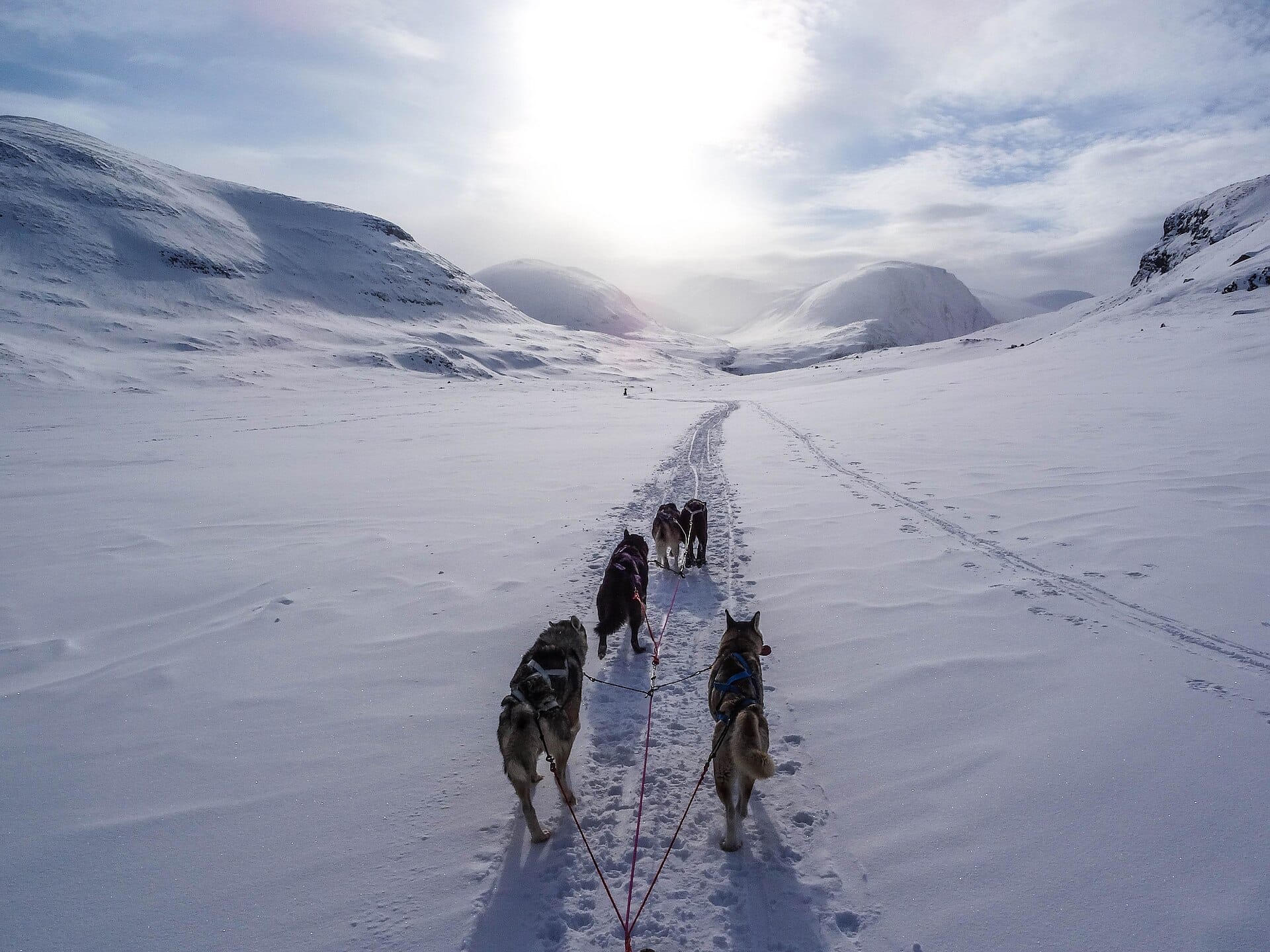
Around Kiruna, dog-sledding operators offer passenger outings, introductions to driving a team and longer journeys between cabins. Driving requires balance, braking and active work on slopes; a passenger trip may suit the group better. Ask about animal care, group size, clothing, transfers and each person’s role. The season depends on snow, while later winter usually gives more daylight for seeing the landscape. Let the kennel team decide how and when to greet the dogs.
2. Glacier snowmobiling and aurora nights, Iceland
Explore destination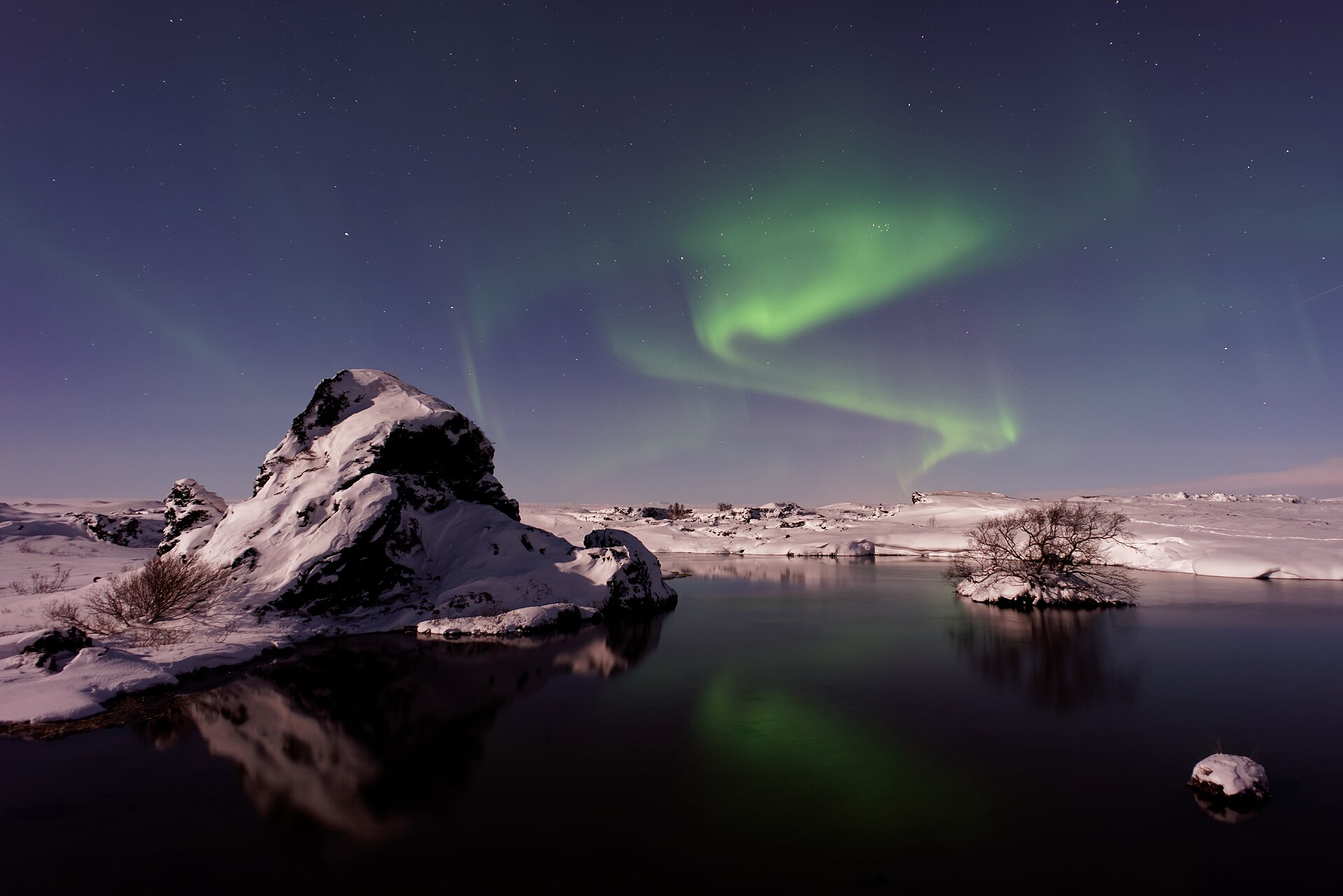
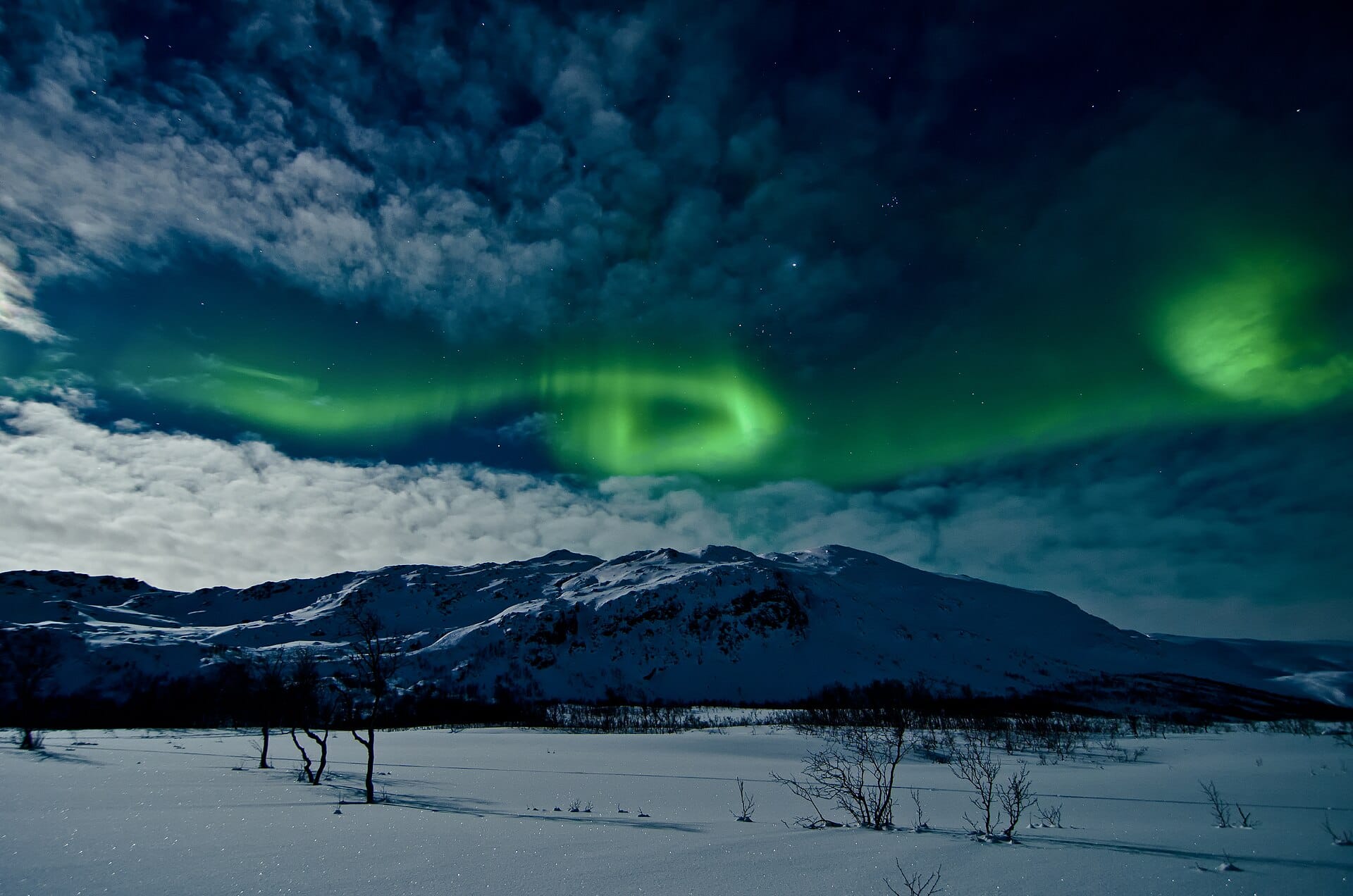
A guided snowmobile outing on Langjökull can provide the wide glacier landscape, while a separate evening aurora trip gives time to watch the sky. Do not assume a daytime glacier tour operates after dark or includes northern lights. Drivers need to meet the operator’s licence and age rules; passenger arrangements differ. Check the exact departure, transfer length, equipment and cancellation terms. Darkness, cloud and solar activity determine whether an aurora appears.
3. Ice climbing in Rjukan, Norway
Explore destination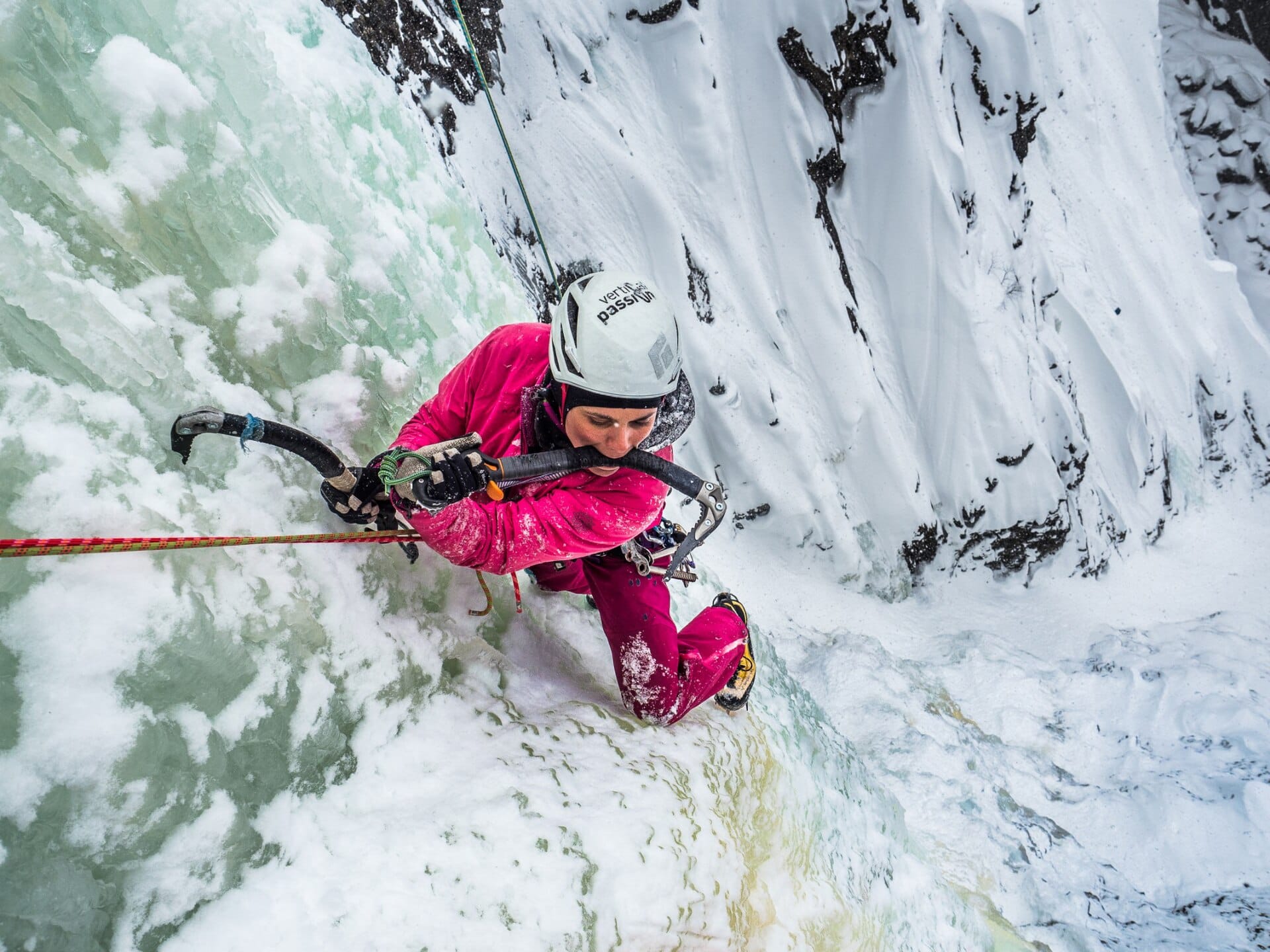
Rjukan’s steep Norwegian valley is known for winter ice climbing, with introductory courses and longer routes for experienced climbers. A beginner course should use terrain and supervision matched to your ability, with the guide explaining equipment, movement and belaying. Ice quality varies with temperature and water flow, so a famous climbing venue does not guarantee a particular route. Confirm the approach, supplied kit and alternatives if conditions prevent climbing.
4. Snowshoeing in the Dolomites, Italy
Explore destination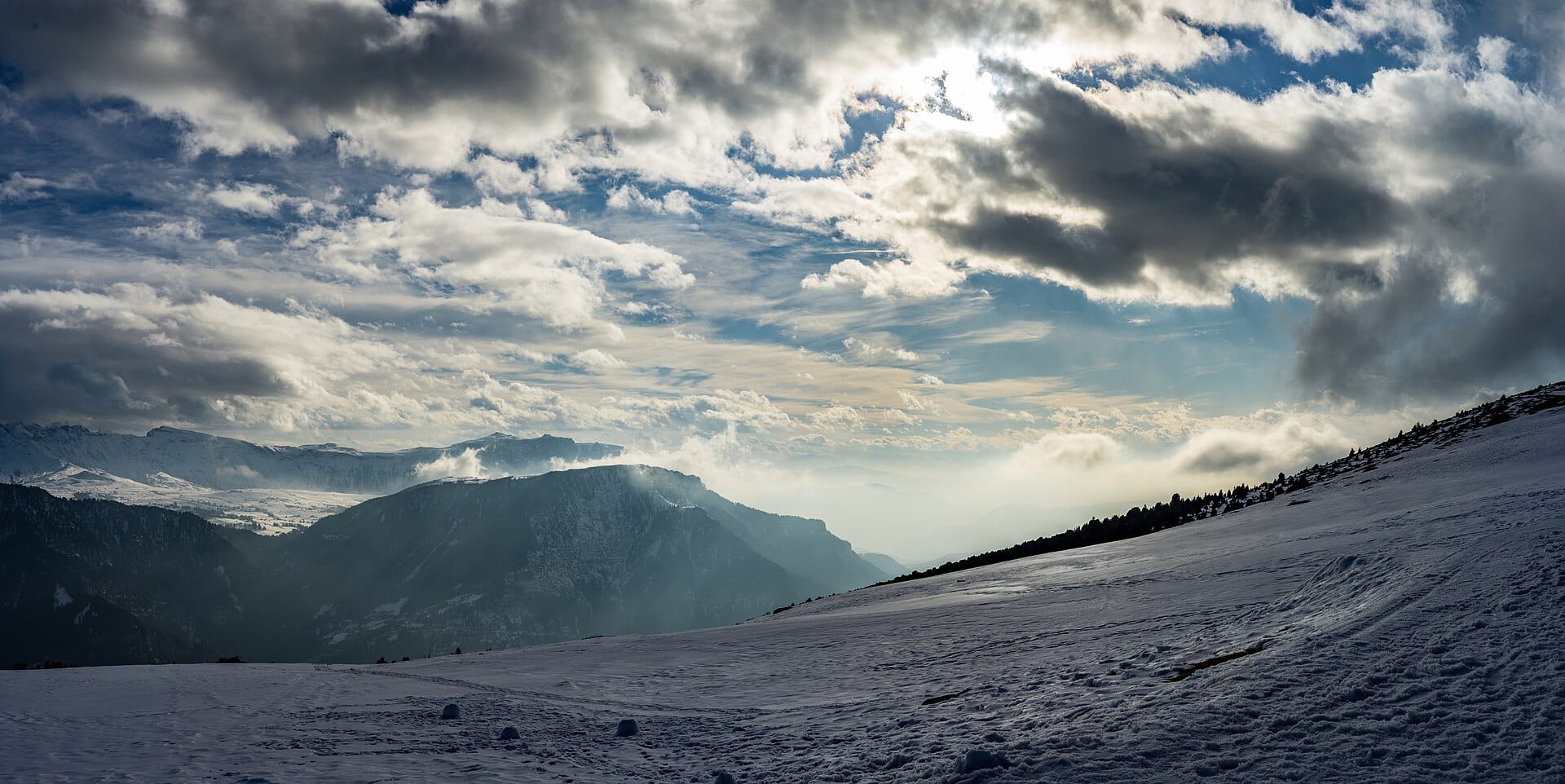
Snowshoeing opens up forest and meadow routes around Cortina and Alta Badia, but deep snow can make a short distance surprisingly strenuous. Choose a guided introductory outing with a clear distance and ascent, or an officially open winter walking route. Off-route travel can enter avalanche terrain, and frozen lakes should not be treated as paths. Confirm whether a hut stop is actually open and what safety equipment the group needs.
5. The Icehotel, Jukkasjärvi, Sweden
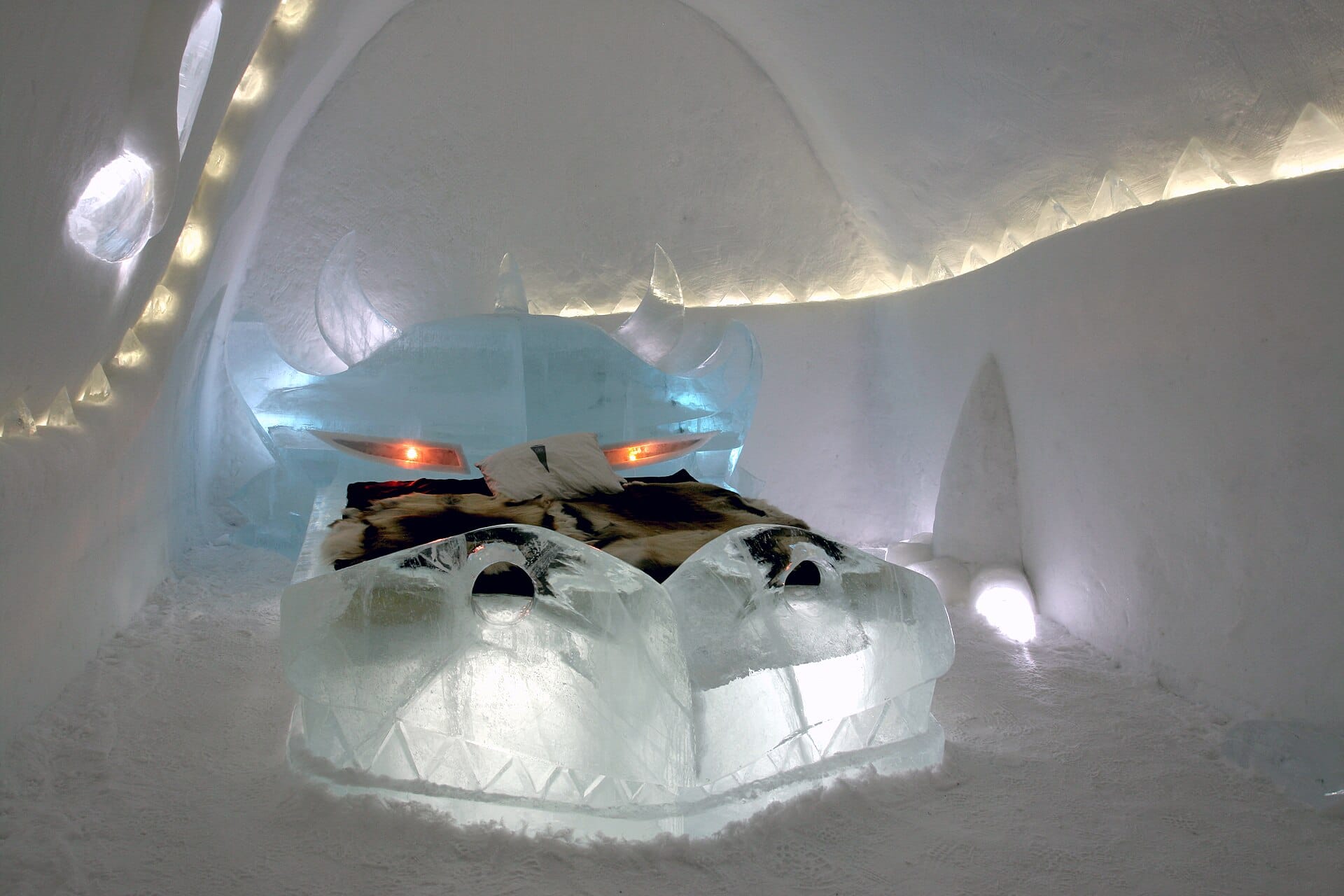
Explore destinationJukkasjärvi has two ice experiences: ICEHOTEL Winter is rebuilt for the cold season, while ICEHOTEL 365 offers ice rooms and art throughout the year. A cold-room night at around minus five degrees is different from a warm hotel stay, so read the sleeping arrangements and preparation advice before booking. Many visitors combine one ice night with warm accommodation. Day visits are another way to see the sculptures without sleeping in the cold.
6. Cross-country skiing, Lillehammer and Sjusjøen, Norway
Explore destination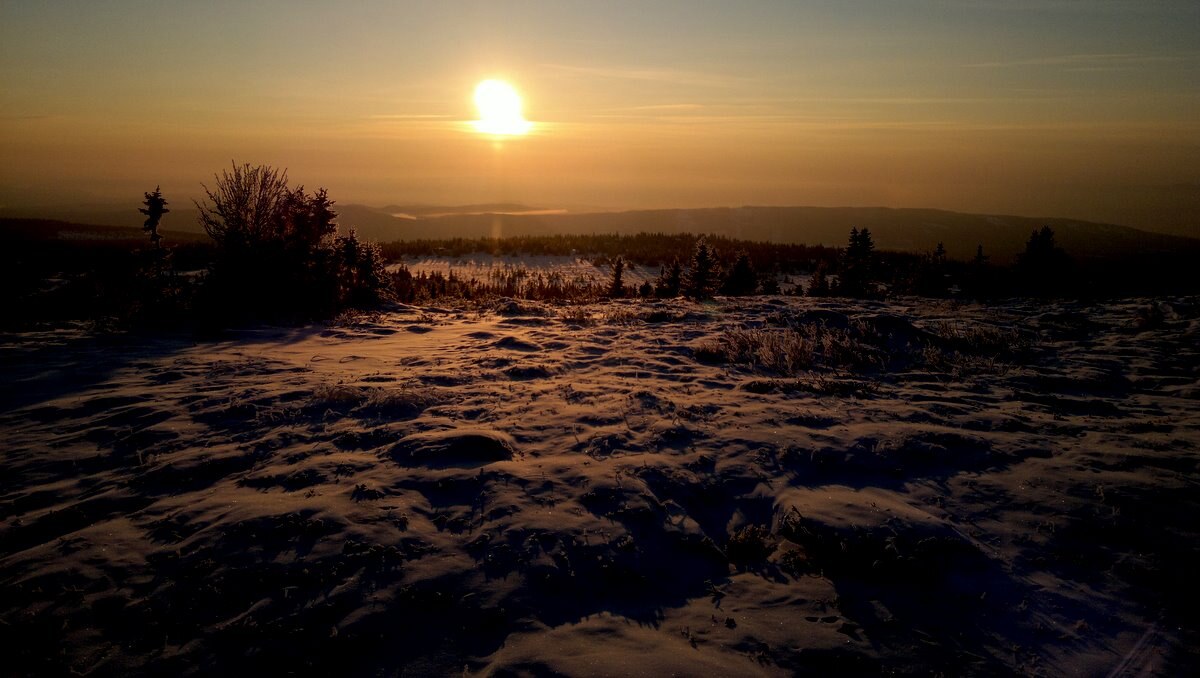
Sjusjøen’s extensive cross-country network above Lillehammer offers forest loops and more exposed routes, with lessons and equipment hire available. Start with a short, appropriately graded circuit and learn to brake and descend before tackling a longer tour. Track grooming, weather and hut opening vary daily. A week with gentle skiing can also include Lillehammer’s museums and Olympic venues, provided their current visitor hours fit the plan.
7. Ice caves under Vatnajökull, Iceland
Explore destination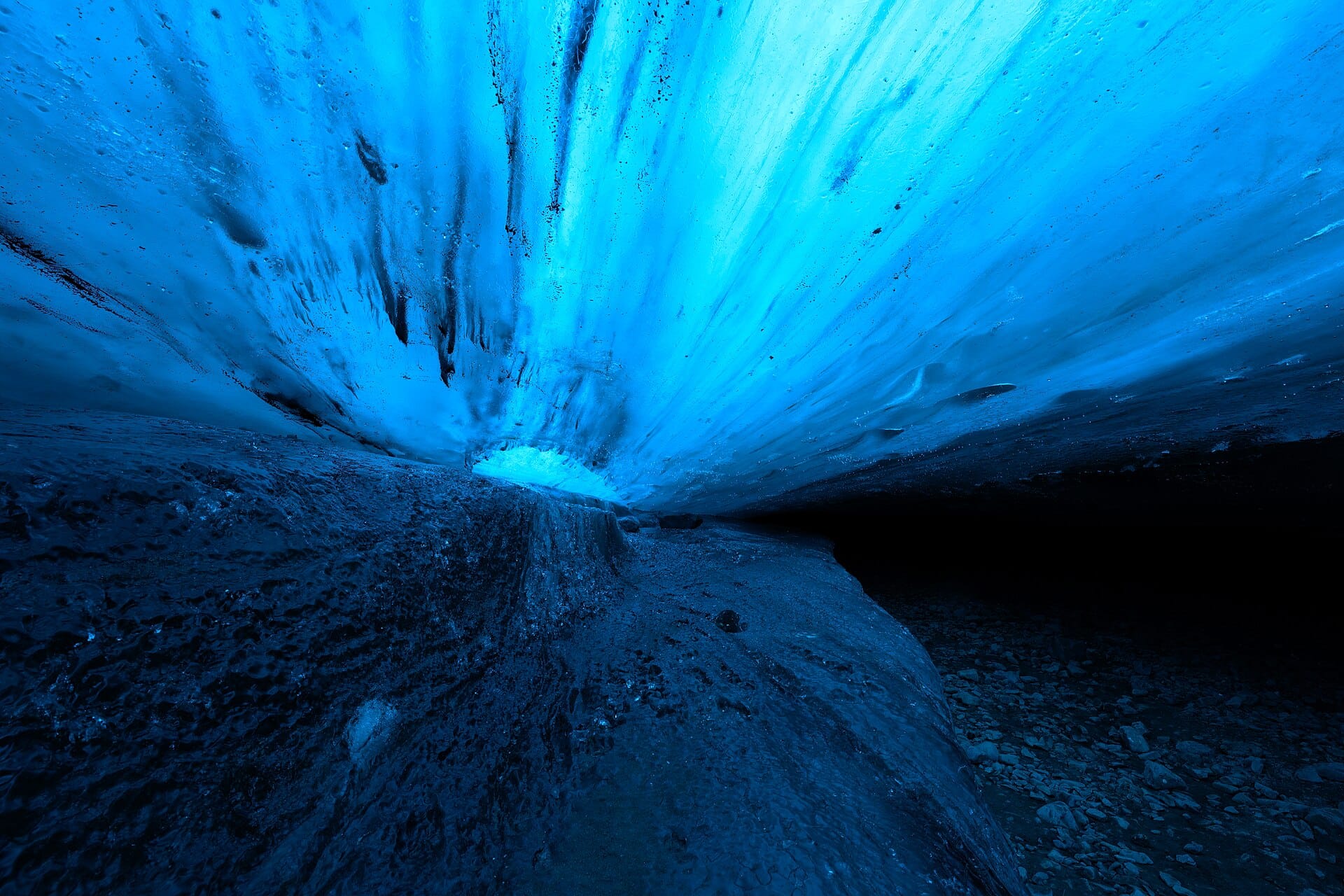
Blue glacier caves near Vatnajökull are changing natural features, visited with qualified guides and appropriately permitted operators. Some trips involve a short approach; others combine a longer glacier walk with cave exploration. Ask about distance, uneven ground and the route suitable for your group. Winter does not make a cave automatically safe, and guides may change or cancel a visit. Allow a south-coast overnight stay and time for weather-related travel disruption.
8. Skating on frozen Lake Louise, Canada
Explore destination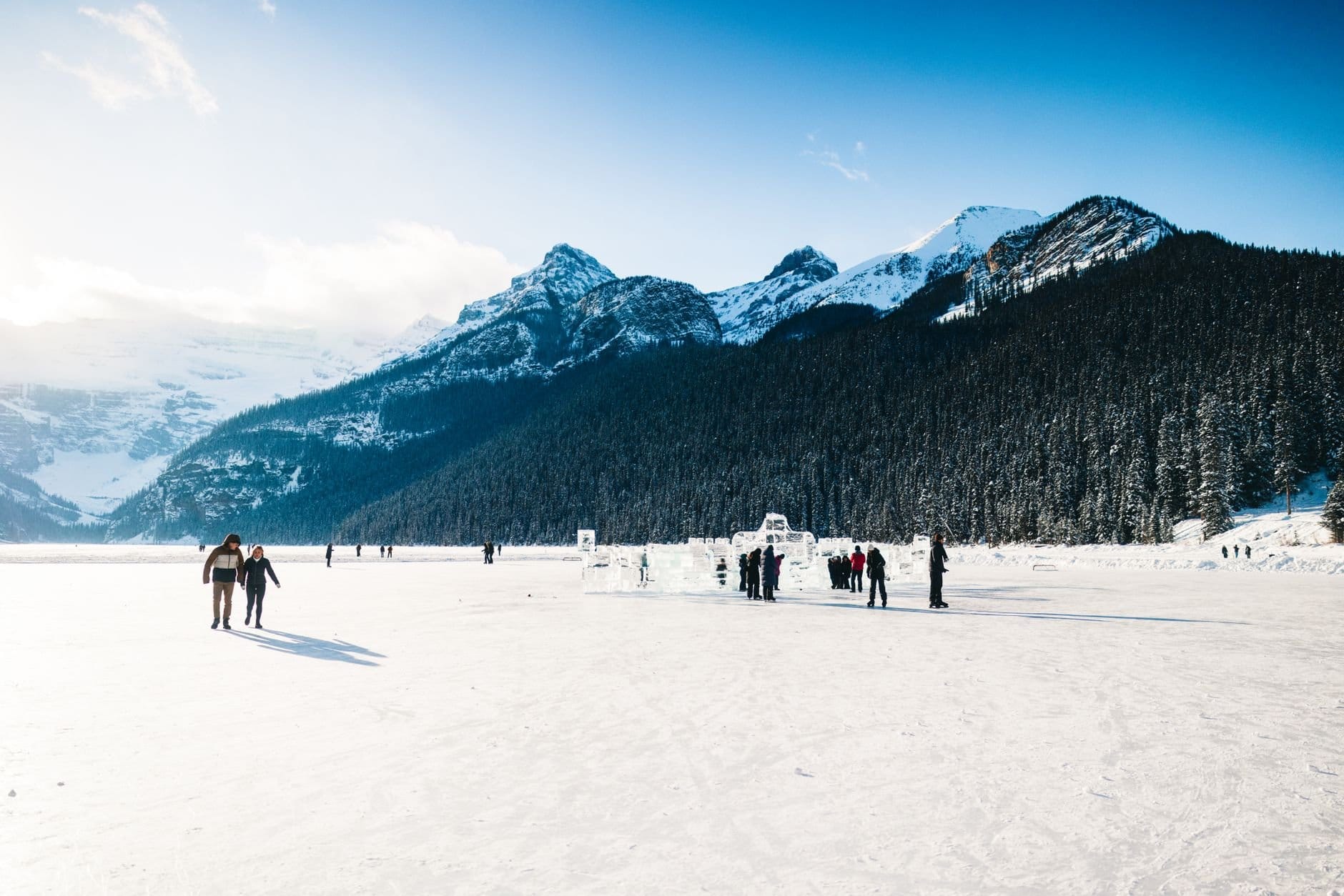
Lake Louise offers a remarkable setting for skating when the maintained lake rink has been formally opened. Use that designated area and follow its current signs; an apparently frozen lake is not an invitation to explore beyond it. Confirm the rink status, public access, skate-hire arrangements and any parking charges before travelling. Warm layers and breaks matter as much as skating ability, and seasonal decorations or evening lighting should be checked separately.
9. Reindeer sledding with the Sámi, Finnish Lapland
Explore destination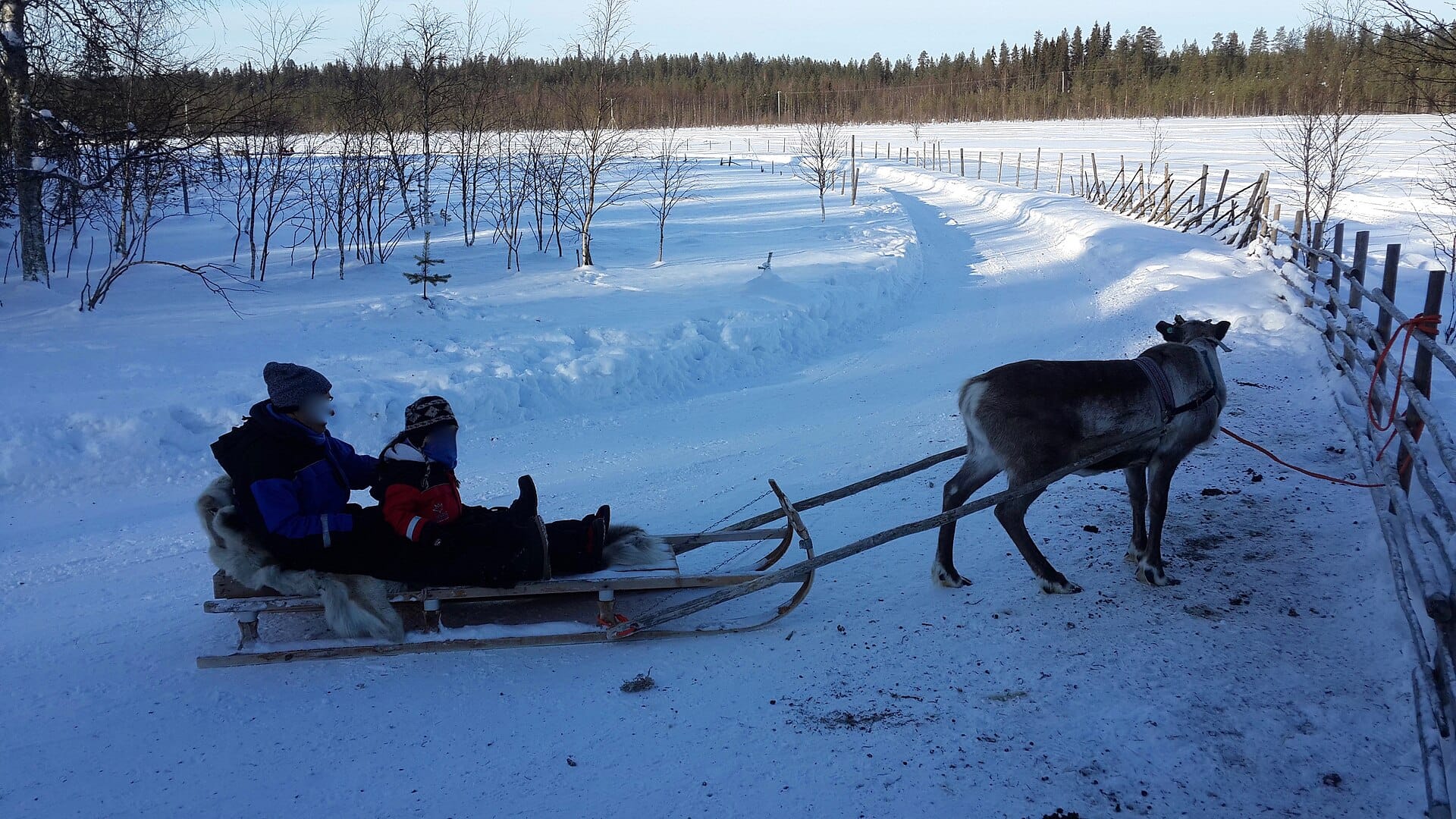
A reindeer-sled outing can be a quiet way to experience Finnish Lapland, with short family rides and longer visits to working herding farms. If learning about Sámi culture is central to the trip, choose a Sámi-owned provider who presents their own traditions; reindeer activities are not all Sámi experiences. Check ride length, snow conditions and clothing. Ask before photographing people and approach animals only as the herders direct.
10. Tobogganing from the Faulhorn to Grindelwald, Switzerland
Explore destination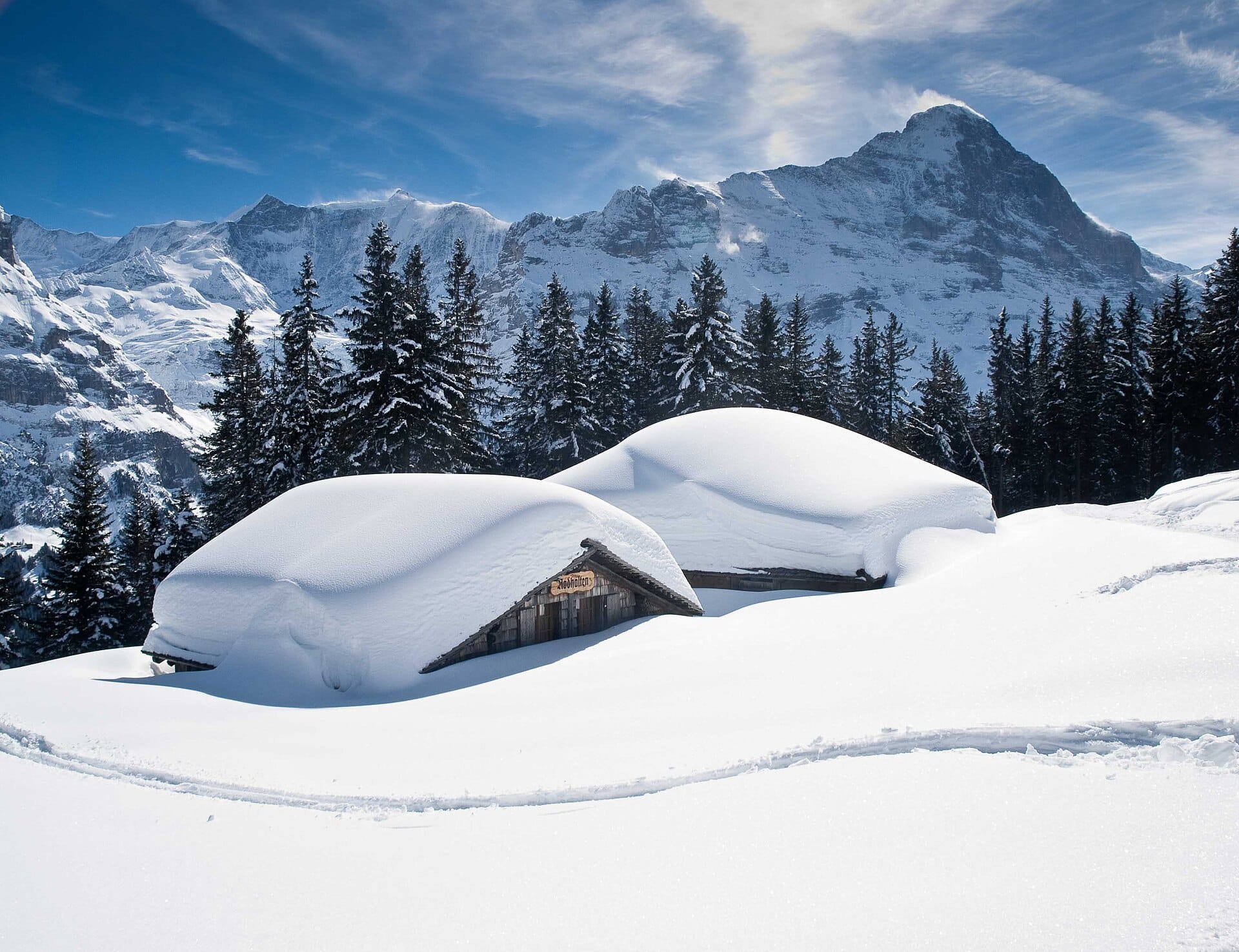
The Big Pintenfritz descent from the Faulhorn can extend roughly fifteen kilometres towards Grindelwald when the complete route is open. Reaching the start involves around two and a half hours of winter uphill walking from First with a sledge. It is a demanding mountain day, with both the approach and descent dependent on conditions. Check the official status, learn braking before setting off and wear suitable protective kit. Shorter open runs are a useful alternative.
Plan around the conditions
Book the activity early in your stay and keep an alternative day free. Compare physical demands, passenger options and what the operator supplies, including boots and thermal clothing. Ask what happens if the activity is cancelled or an aurora is not seen; those are different situations with different refund terms. Use official trail, road and ice notices on the day.
Photo credits
- Header: Laplandish, CC BY-SA 3.0. Display copy resized or cropped.
- Sled dogs on the Kungsleden route in Swedish Lapland: James Padolsey padolsey, CC0. Display copy resized or cropped.
- Northern lights above a lake in Iceland: Vincent Guth vingtcent, CC0. Display copy resized or cropped.
- An ice climber on Juvsøyla at Rjukan in Norway: Original version: Valentin Chapuis Derivative version: Subsidiary account (image rotated 90 degrees CCW), CC BY-SA 3.0. Display copy resized or cropped.
- Snow-covered slopes in the Alpe di Siusi area of the Dolomites: Wolfgang Moroder, CC BY-SA 3.0. Display copy resized or cropped.
- Low winter sun above the snowy landscape at Sjusjøen, Norway: Bjørn Heidenstrøm from Sætre, Norway, CC BY 2.0. Display copy resized or cropped.
- Blue ice inside an Icelandic glacier cave: Eric Kilby, CC BY-SA 2.0. Display copy resized or cropped.
- Skaters on the frozen surface of Lake Louise with snow-covered mountains behind, Banff National Park, Canada: Ali Kazal · Pexels, Pexels License. Display copy resized or cropped.
- A reindeer pulling a sleigh through snow in Lapland: Yair Haklai, CC BY-SA 4.0. Display copy resized or cropped.
- Snow-covered Grindelwald below the Swiss Alps: Robert Campbell KOR, CC BY 2.0. Display copy resized or cropped.
Useful official information: Iceland: permits for guided glacier and cave activities; ICEHOTEL: seasonal and year-round accommodation; Parks Canada: avalanche safety at Lake Louise; Jungfrau Railways: Big Pintenfritz.