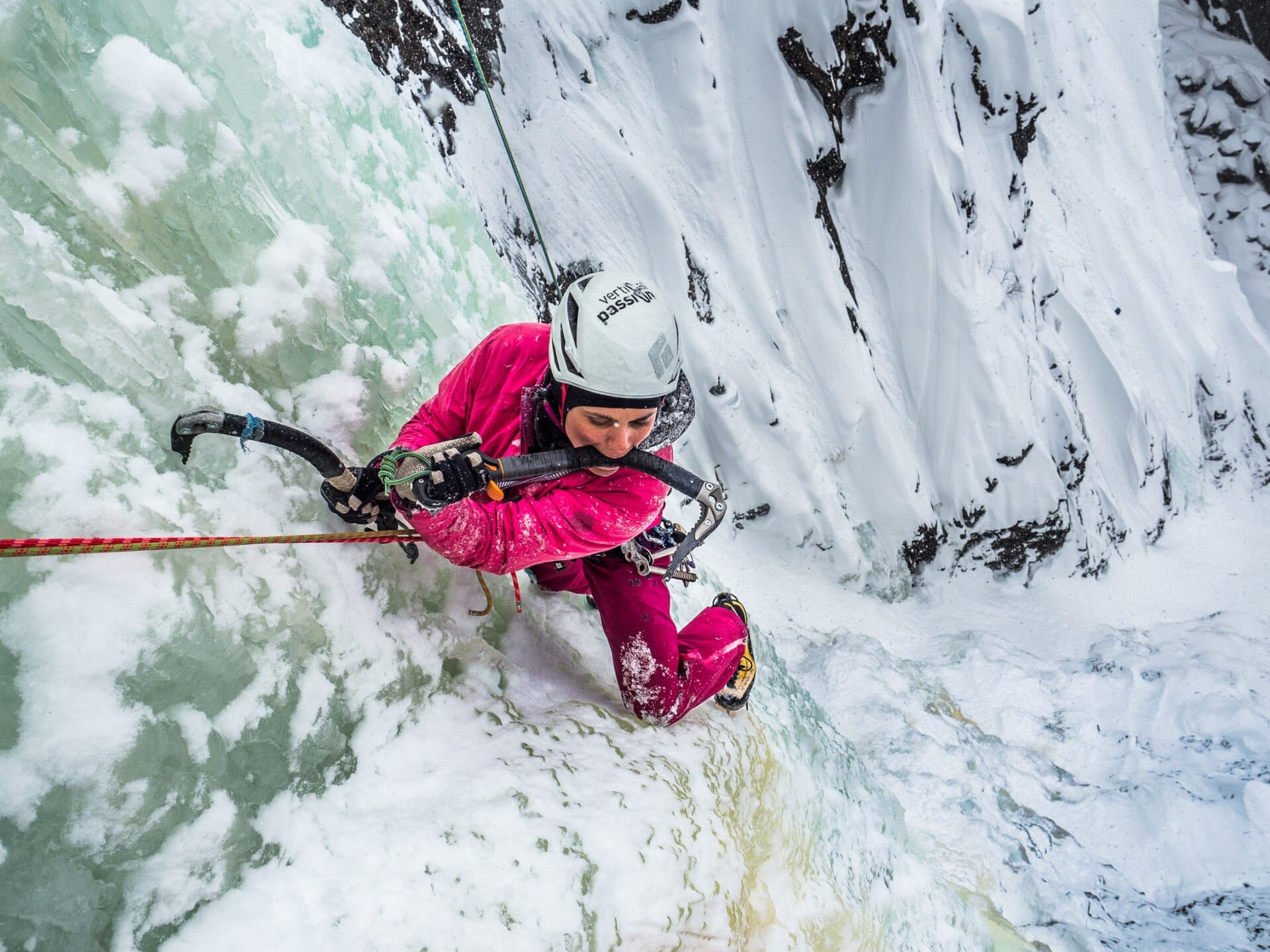
Ice climbing in Rjukan
Rjukan sits in a Norwegian valley so steep the sun misses it all winter — historically grim for residents, glorious for the two hundred frozen waterfalls that result.
- Best forAdventure seekers · Walkers & hikers · Solo travellers
- In October9°C · 17 rainy days
- Ideal stay3–4 nights
- Approx. flying time~10h 50m from Los Angeles
Happens around Rjukan, Norway — nearest airport Sandefjord (TRF), about 121km away.
- CurrencyNOKNorwegian krone
- LanguageNorwegian
- Local time11:251h ahead of the UK
- PlugsType C / FBring an adapter
- Drive on theRightOpposite to the UK
- Dialling code+47
The experience
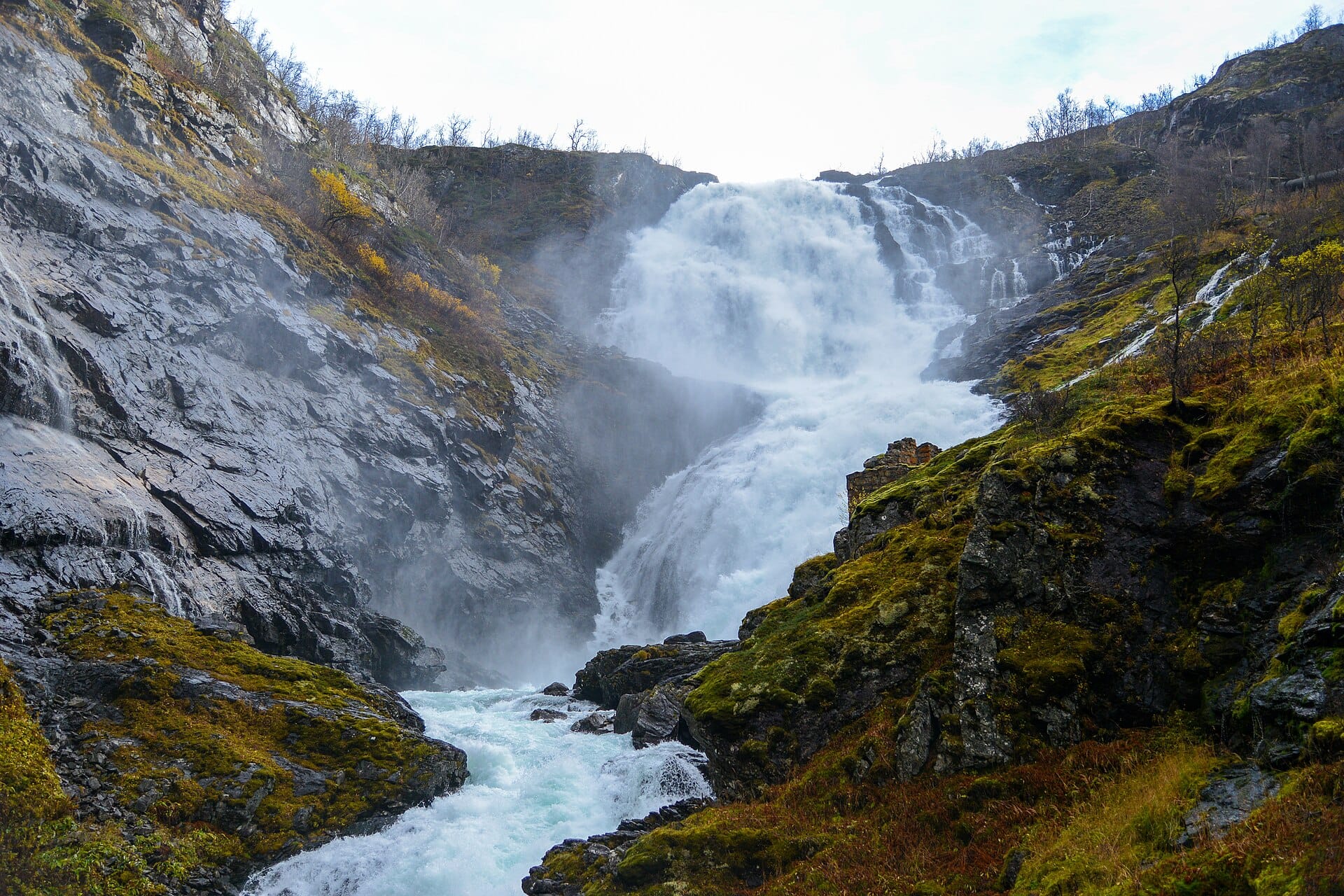
A Norwegian valley so deep and narrow that direct sunlight misses the town for months has one great compensation: water seeping from the cliffs freezes into hundreds of climbable waterfalls, from short beginners' walls to long multi-pitch routes. Courses put you on real ice with axes and crampons on the first morning, roped from above, and the technique turns out to be far more learnable than it looks from the bottom.
Come for three or four days, which is enough for a beginners' course and a rest day exploring the valley's remarkable industrial history. January and February give the fattest, most dependable ice, and the annual ice festival brings climbers from across Europe. It is about three hours from Oslo by road. You need reasonable fitness, warm gloves and a tolerance for standing around in the cold, not previous climbing experience.
- Ideal stay
- 3–4 nights
- The vibe
- Sunless, frozen, quietly heroic
From our guides
It is Europe's most reliable ice-climbing venue, and beginner courses put you on real ice with axes and crampons on day one, top-roped and encouraged loudly from below. No prior climbing needed, just average fitness and warm gloves. January and February give the fattest, most dependable ice.
Featured in Ten winter adventures beyond the ski piste
Make a trip of it
-
Beginner ice at Krokan
The valley's teaching venue is a set of short, reliable falls where top-roped first-timers get several routes in a day without a long approach.
-
The gorge routes
Longer, steeper lines fill the ravine below the town, giving climbers with a season or two behind them multi-pitch days in a serious setting.
-
Vemork and the heavy water story
The hydroelectric plant above town was the target of the wartime sabotage raid that set back Germany's nuclear programme. The museum tells it properly.
-
The sun mirrors
Three mirrors on the mountainside reflect winter sunlight down into the town square, a modern answer to a century-old complaint about the dark.
-
Gaustatoppen
The valley's landmark peak, with a Cold War railway running inside the mountain to the summit ridge. On clear days the view covers a sixth of Norway.
-
Ice festival
February's gathering fills the valley with climbers, clinics and gear demonstrations, and it is an easy way for newcomers to find partners and instruction.
Getting there
-
Fly to
Sandefjord (TRF)
Nearest airport to Rjukan, about 121km away as the crow flies.
-
Then
To Rjukan
About two and a half hours by car from Sandefjord Torp (TRF), or roughly three hours from Oslo by road. Buses run from Oslo to Rjukan via Kongsberg in around three and a half hours.
-
On the ground
Getting around
The frozen waterfalls line the Vestfjorddalen valley within a few minutes' drive of town, and climbing schools run transport as part of their courses. Approaches from the road are usually short walks.
Public transport: There is a bus link from Oslo and a local service in the valley, but reaching the ice each morning without a car or a guided course is awkward.
Flights
Los Angeles Rjukan, Norway
Fly from anywhere — search 4,000+ airports worldwide.
Roughly 10h 50m in the air from Los Angeles (LAX), estimated from the distance — check for a direct route. Pick a month to see every available flight with live prices.
Check dates and prices
Pick your departure date, then your return.
Search flightsNot sure when? Compare fares across a whole month.
Flight times are estimates; prices open on Google Flights.
When to go
Daytime highs run from about -2°C in January to 19°C in June. Driest March to May and September; wettest in July, with rain on about 18 days.
The year at a glance — pick a month for detail
October9° · rain 17 daysCold and often wet.
Monthly figures averaged from daily records for 2020–2024 at this location (ERA5 reanalysis). Live conditions from MET Norway, CC BY 4.0.
Where to base yourself
Climbers' guesthouses, hostels, camping cabins and mountain lodges, plus self-catering hytter. One or two proper hotels, no chains, and drying rooms matter more than decor.
-
Best base overall
Rjukan centre
The valley town puts the climbing school, the gear shops and the waterfall approaches on your doorstep. Bear in mind the sun never reaches it between autumn and spring, which makes it dark and cold.
Find stays in Rjukan centre -
Best with children
Gaustablikk
Up on Gaustatoppen's flank above the shadow line, with a small ski area, cabins and daylight. You will drive down into the valley for every climbing day, about twenty minutes.
Find stays in Gaustablikk -
Best value
Miland
A few kilometres east along the valley, with camping cabins and simple rooms at lower rates, popular with climbers on longer trips. Facilities are basic and you need a car.
Find stays in Miland -
Quietest
Tuddal
Over the hill to the south, an old farming hamlet with a historic timber hotel and deep silence. It is a scenic half-hour away, and the road can be snowbound.
Find stays in Tuddal
Worth knowing before you book: January and February weekends fill with Norwegian and British climbing groups, so book early. Confirm that your place has a heated drying room for ropes and boots.
Search everything else in Rjukan by budget. These are indicative budget bands in GBP per night for two people, not live quotes or guarantees of hotel type. Check your dates, guests, taxes and final price on Booking.com.
Good to know
- No experience needed
- Introductory courses assume nothing beyond average fitness. Boots, crampons, axes, harness and helmet are all rented locally rather than bought.
- Gloves
- Take three pairs of varying thickness. Wet gloves are the single most common reason people stop enjoying an ice day.
- Season
- January and February are the most reliable months. Milder spells early or late in winter can strip routes quickly, so keep plans flexible.
- Getting there
- Around three hours by car from Oslo, with buses running via Kongsberg. Winter tyres are compulsory and the mountain roads demand respect.
- Daylight
- Midwinter days are short and the valley never gets direct sun, so climbing sessions are compact. A head torch is worth having in your pack.