
Nida
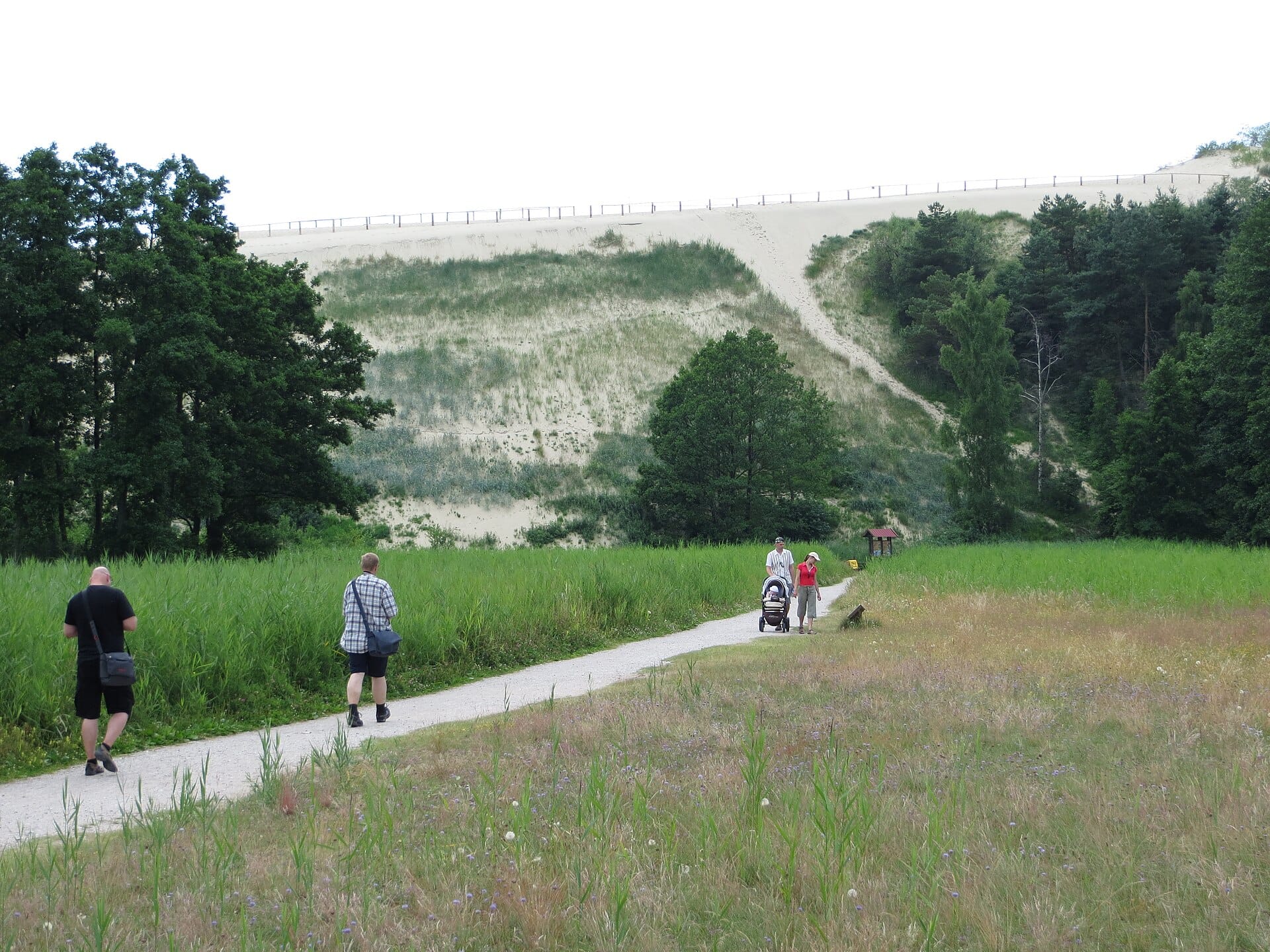
On a sliver of pine and sand between lagoon and open Baltic, Nida is the quietest seaside resort in Europe you've never considered: amber-coloured fishermen's cottages, smoked-fish stalls and the vast Parnidis Dune, from whose sundial summit you survey sand, sea and lagoon at once.
- Best forCouples · Walkers & hikers · Wellness & slow travel
- In February3°C · 13 rainy days · sea 3°C
- Ideal stay3–4 nights
- Approx. flying time~11h 40m from Los Angeles
- CurrencyEUREuro
- LanguageLithuanian
- Local time13:352h ahead of the UK
- PlugsType C / FBring an adapter
- Drive on theRightOpposite to the UK
- Dialling code+370
Why go
The Curonian Spit is a 98-kilometre finger of dune and pine forest separating a shallow lagoon from the open Baltic, and Nida sits near its southern end. The village is all timber cottages painted dark red and blue, with carved weathervanes on the harbour and smoked fish sold from wooden huts. Behind it the land rises into a great bare dune, and beyond that there is empty white beach in both directions.
This is slow-travel country: cycling, walking, swimming and eating fish, with very little else demanded of you. Three or four nights suits it, ideally as part of a wider Baltic trip through Klaipėda or Vilnius. July and August are warm enough to swim and busy with Lithuanian and German holidaymakers; spring and autumn are colder, emptier and arguably better. Anyone wanting nightlife should look elsewhere entirely.
- Ideal stay
- 3–4 nights
- The vibe
- Pine-scented, pale, deeply calm
From our guides
The Baltic is brisk but genuinely swimmable in July and August. Fly to Palanga or Kaunas, ferry across from Klaipėda, then bus down the spit — the journey itself is half the calm.
Featured in Ten quieter beach escapes: when to go and where to stay
Things to do
-
Parnidis Dune
A vast sand hill above the village, topped by a granite sundial, with the lagoon on one side, the Baltic on the other and the Russian border visible to the south.
-
The fishermen's cottages
Rows of timber houses in ochre and blue, many with carved wooden weathervanes on the gables that once identified each boat's home village.
-
The Thomas Mann house
The novelist's summer cottage on the hill above the harbour, now a small museum, kept much as it was when he wrote here in the early 1930s.
-
The Dead Dunes
Shifting sand at Nagliai, north of the village, where whole settlements were buried in the eighteenth century. A boardwalk keeps you off the fragile surface.
-
Hill of Witches
A forest sculpture trail at Juodkrantė lined with wooden carvings of figures from Lithuanian folklore. Free, strange and good with children.
-
The Baltic beach
A short walk or cycle across the spit brings you to open sea and dune-backed sand that runs for kilometres with barely anyone on it.
Getting there
-
Fly to
Palanga (PLQ)
Nearest airport to Curonian Spit, about 70km away as the crow flies.
-
Then
To Nida
Kaliningrad (KGD) is nearest but sits across the Russian border, so the practical route is Palanga or Kaunas, then about an hour to Klaipeda, the short ferry to the spit and roughly 50 minutes by bus or car down to Nida.
-
On the ground
Getting around
Nida is small and walkable, the Parnidis Dune is a short stroll from the village, and a superb cycle path runs the length of the spit through the pines.
Public transport: Good enough: the Klaipeda ferry connects with buses along the spit, and bicycles are the local currency.
Flights
Los Angeles Curonian Spit, Lithuania
Fly from anywhere — search 4,000+ airports worldwide.
Roughly 11h 40m in the air from Los Angeles (LAX), estimated from the distance — check for a direct route. Pick a month to see every available flight with live prices.
Check dates and prices
Pick your departure date, then your return.
Search flightsNot sure when? Compare fares across a whole month.
Flight times are estimates; prices open on Google Flights.
When to go
Daytime highs run from about 3°C in January to 21°C in August. Driest March to June; wettest in January, with rain on about 18 days. The sea is warmest in August at around 22°C, coolest at 3°C.
The year at a glance — pick a month for detail
February3° · rain 13 days · sea 3°Cold and often wet.
Monthly figures averaged from daily records for 2020–2024 at this location (ERA5 reanalysis). Live conditions from MET Norway, CC BY 4.0.
Where to stay
Wooden guesthouses and family-run pensions, a handful of small hotels and holiday apartments, plus campsites. There are no resorts and no chains on the spit.
-
Best base overall
Nida
The spit's main village, with the harbour, the Parnidis dune, restaurants and bike hire in walking distance. Everything shuts early out of season, and July prices are the highest here.
Find stays in Nida -
Quietest
Juodkrante
Halfway up the spit, smaller and calmer, with the Hill of Witches and heron colony nearby. Fewer restaurants and a bus ride to Nida for anything else.
Find stays in Juodkrante -
Best value
Preila and Pervalka
Tiny fishing settlements between the two, with cheaper guesthouses and the lagoon on your doorstep. You will be cycling or driving for meals and shops.
Find stays in Preila and Pervalka -
Best with children
Klaipeda
The mainland city with the ferry across, more hotels, a sea museum and a proper old town. It puts a ferry crossing between you and the dunes each day.
Find stays in Klaipeda
Worth knowing before you book: July and August fill months ahead with Lithuanian and German visitors, vehicles pay a national park entry charge, and many places close from October to April.
Search everything else in Nida by budget. These are indicative budget bands in GBP per night for two people, not live quotes or guarantees of hotel type. Check your dates, guests, taxes and final price on Booking.com.
Good to know
- Getting there
- Fly to Palanga, Kaunas or Vilnius, then take the ferry across from Klaipėda and a bus or bike down the spit.
- Park fee
- The spit is a national park and vehicles pay an entry charge at the ferry. Arriving on foot or by bicycle avoids it.
- Timing
- The sea is swimmable in July and August and bracing at best either side. Amber washes up most often after autumn storms.
- Dunes
- Walking on the open sand outside marked paths is prohibited, as the dunes are actively eroding. Stick to the boardwalks.
- Cash
- Cards work in the village, but fish smokers, small stalls and bike hire sometimes prefer euros in cash. Draw some out in Klaipėda.
Further afield
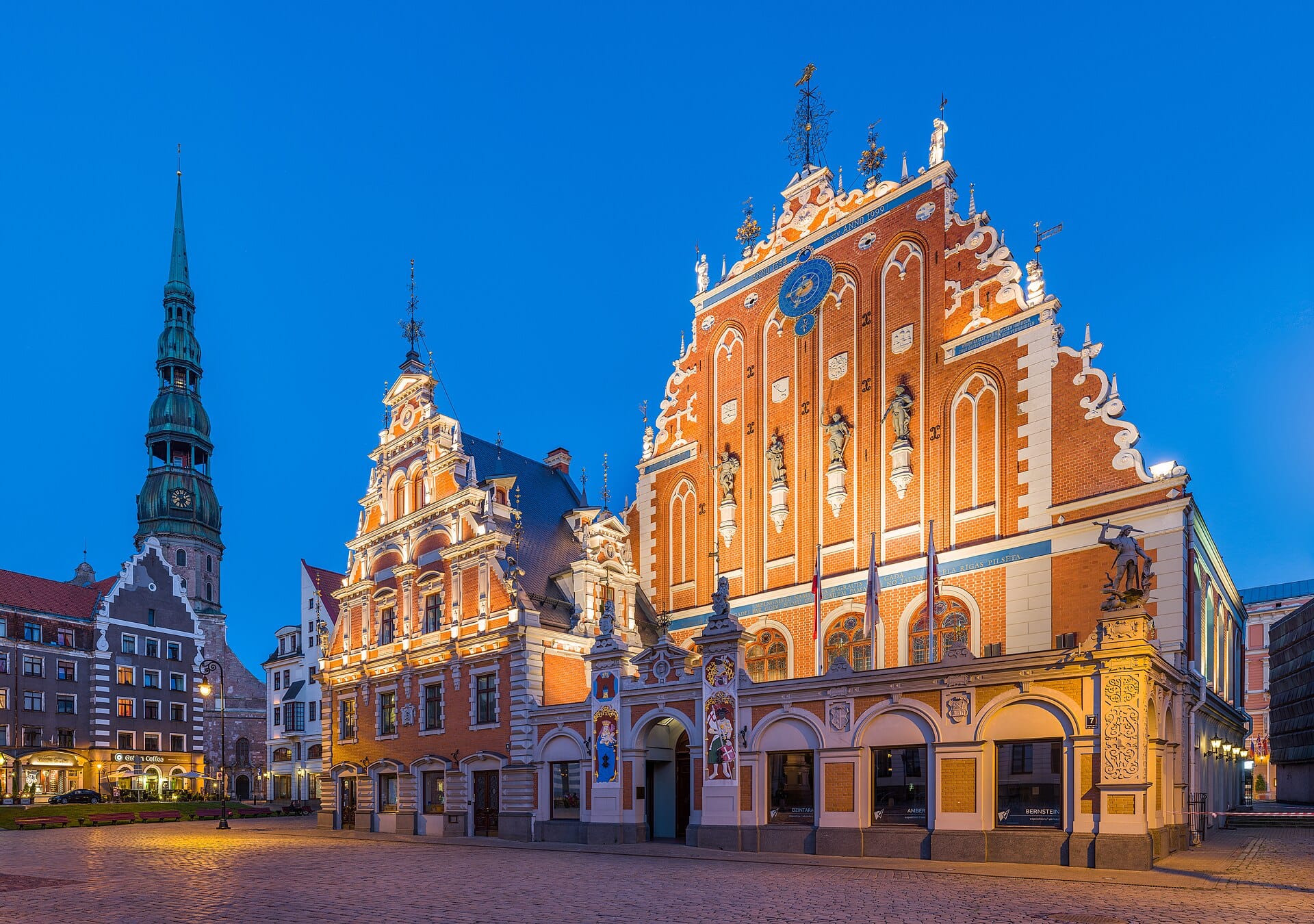
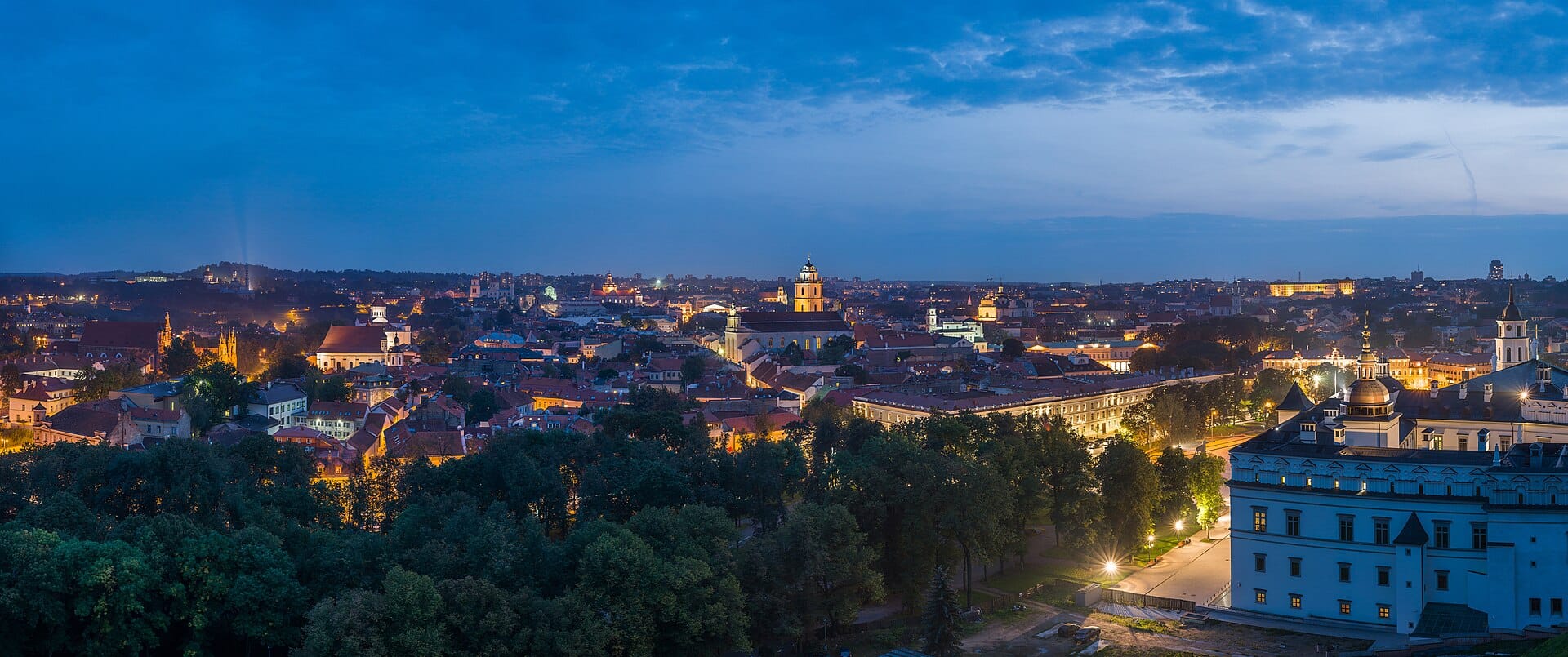
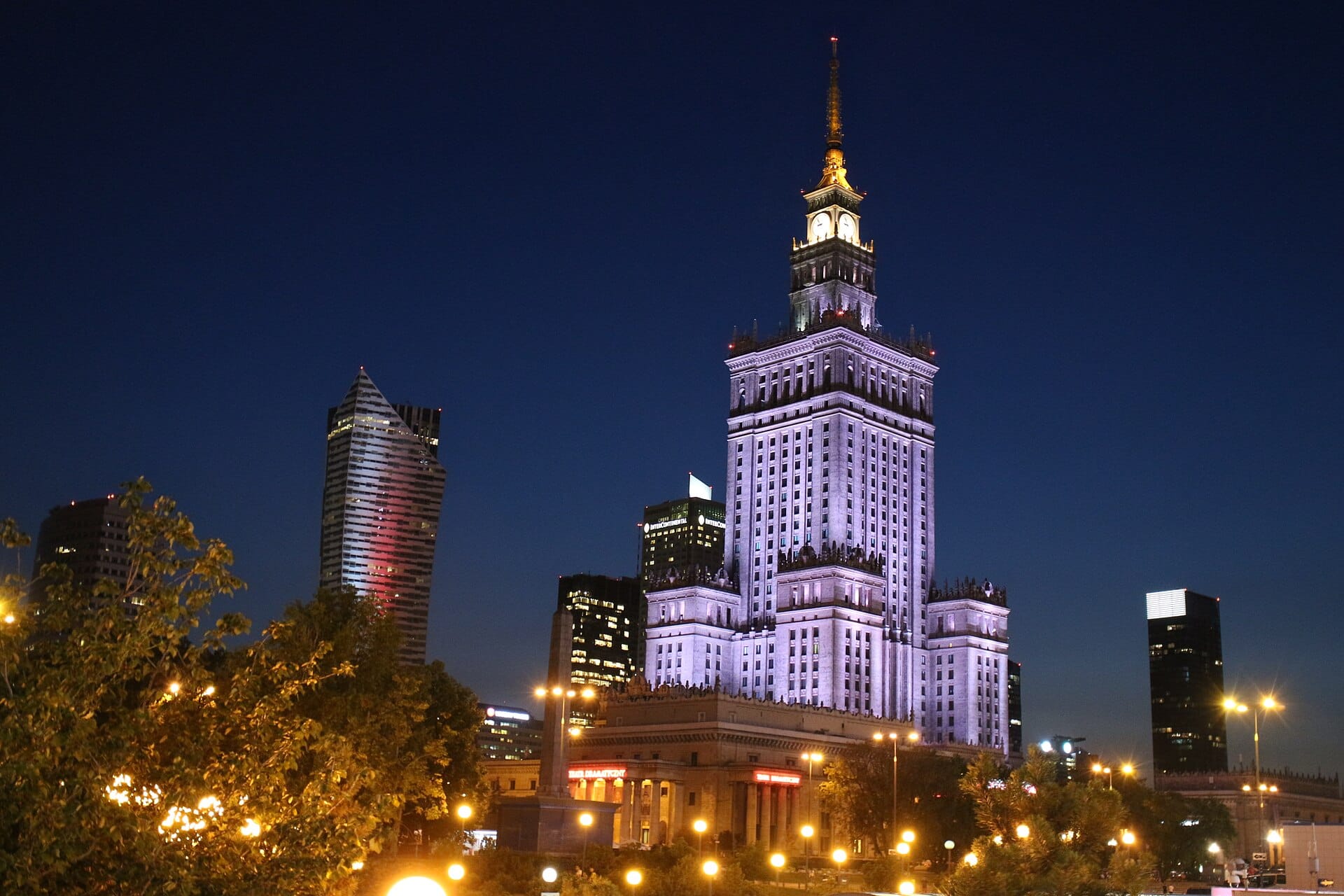
Related articles
Quick answers
When is the best time to visit Nida?
Daytime highs run from about 3°C in January to 21°C in August. Driest March to June; wettest in January, with rain on about 18 days. The sea is warmest in August at around 22°C, coolest at 3°C.
How long should I spend in Nida?
Our suggestion: 3–4 nights.
How do I get to Nida?
Kaliningrad (KGD) is nearest but sits across the Russian border, so the practical route is Palanga or Kaunas, then about an hour to Klaipeda, the short ferry to the spit and roughly 50 minutes by bus or car down to Nida.
Do I need a car in Nida?
No. Good enough: the Klaipeda ferry connects with buses along the spit, and bicycles are the local currency.
What currency and language are used in Nida?
Currency: Euro (EUR). Language: Lithuanian. Plugs: type C and F.
Who is Nida best for?
Best for couples, walkers & hikers and wellness & slow travel. In a phrase: pine-scented, pale, deeply calm.