
Ko Tao
More people learn to dive on Ko Tao than almost anywhere on the planet, and the economies of scale show: an Open Water course here costs less than a weekend of European lift passes, often with basic accommodation thrown in.
- Best forDivers & snorkellers · Budget travellers · Solo travellers
- In December26°C · 13 rainy days · sea 29°C
- Ideal stay5-7 nights
- Approx. flying time~16h 55m from Los Angeles
- CurrencyTHBThai baht
- LanguageThai
- Local time17:136h ahead of the UK
- PlugsType A / B / C / OBring an adapter
- Drive on theLeftSame as the UK
- Dialling code+66
Why go
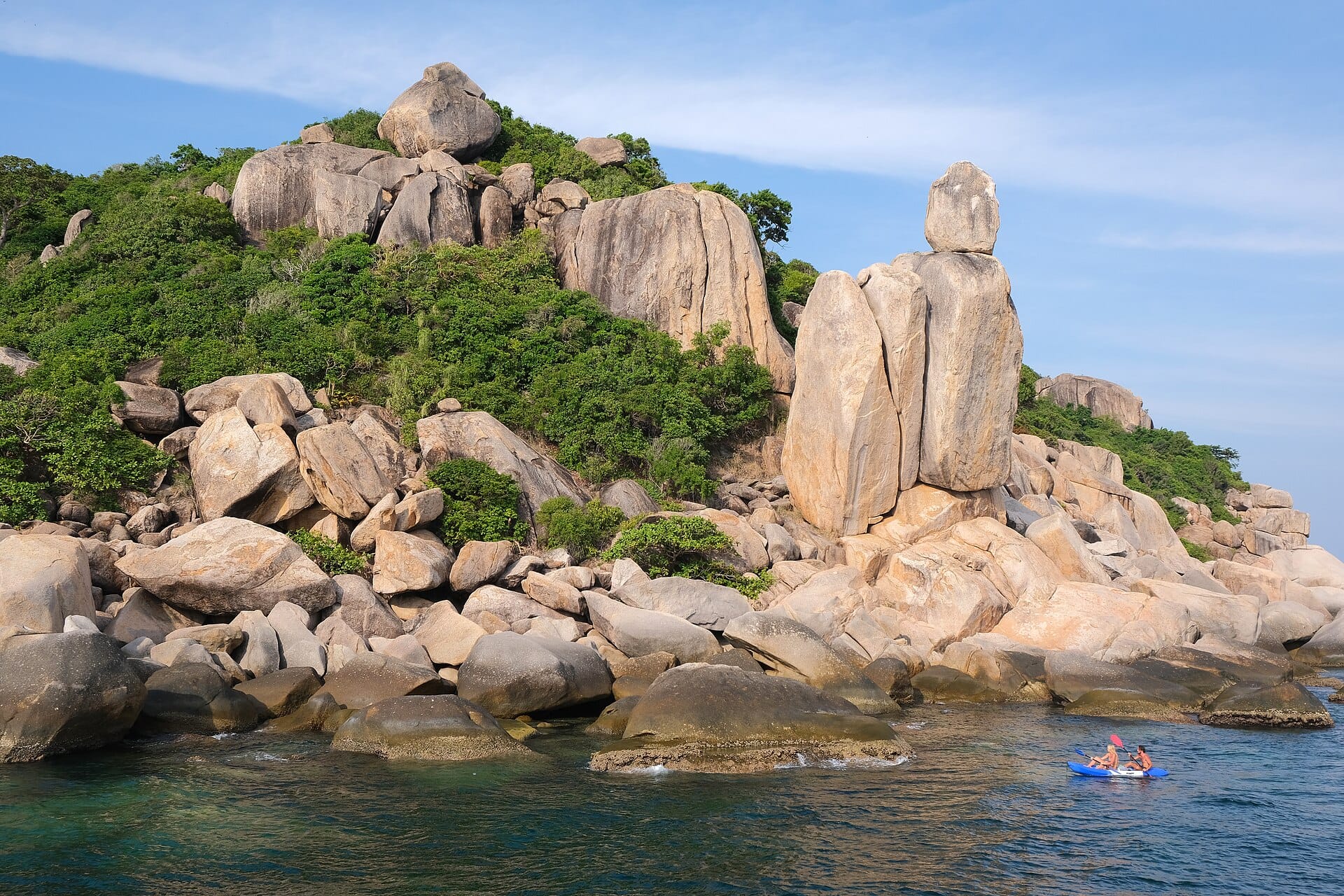
A small, hilly island in the Gulf of Thailand that has built almost its entire economy on teaching people to dive. Sairee is the long beach with the bars and the schools, while the rest of the coast is a string of coves reached by dirt track or boat. Life runs on two tanks a day, an afternoon nap and a sunset that everybody stops for. Granite boulders and coconut palms do the scenery.
Getting here means a flight to Koh Samui or Chumphon and then a ferry, which can be slow in rough weather. A four-day open water course fits a week nicely, leaving time for snorkelling, the viewpoints and a morning at Nang Yuan. February to April is calmest. The island will not suit anyone wanting smooth roads, polished hotels or a quiet stretch of the west coast.
- Ideal stay
- 5-7 nights
- The vibe
- Dive-school hum, salt and scooters
From our guides
Shallow bays like Ao Leuk suit snorkellers; whale sharks make cameo appearances at Sail Rock. Shop around the schools in person and pick small class sizes over the cheapest price.
Featured in Ten tropical snorkel and dive spots perfect for first-timers
Things to do
-
Learning to dive
More entry-level certifications are issued here than almost anywhere, which keeps prices low and schools competitive. Choose on class size rather than price.
-
Sail Rock
A pinnacle between Ko Tao and Ko Phangan with a vertical swim-through chimney, and the likeliest place in the region to meet a whale shark.
-
Ao Leuk and Shark Bay
Two shallow southern bays with easy snorkelling straight off the sand and a fair chance of blacktip reef sharks in the shallows.
-
John-Suwan viewpoint
A short, steep climb at the southern tip, with the twin bays of Chalok and Thian Og below on either side.
-
Ko Nang Yuan
Three joined islets around fifteen minutes offshore by longtail, with a much-photographed sandbar between them and shallow coral gardens on either side.
-
Sairee Beach
Two kilometres of west-facing sand, fire shows in the evening and bars that get going once the day boats have left.
Getting there
-
Fly to
Na Thon (USM)
Nearest airport to Ko Tao, about 65km away as the crow flies.
-
Then
To Ko Tao
From Ko Samui (USM) a high-speed catamaran reaches Ko Tao in about one and a half to two hours, usually calling at Ko Phangan on the way. Combined bus and boat tickets from Chumphon on the mainland are the budget alternative.
-
On the ground
Getting around
Boats dock at Mae Haad, and Sairee beach is a short walk or songthaew ride away. Songthaew pick-ups, scooters and longtail boats cover the rest of the island, whose interior roads are steep and rough.
Public transport: Shared songthaews run the main routes and boats reach the remoter bays, so no car is needed or wanted.
Flights
Los Angeles Ko Tao, Thailand
Fly from anywhere — search 4,000+ airports worldwide.
Roughly 16h 55m in the air from Los Angeles (LAX), estimated from the distance — check for a direct route. Pick a month to see every available flight with live prices.
Check dates and prices
Pick your departure date, then your return.
Search flightsNot sure when? Compare fares across a whole month.
Flight times are estimates; prices open on Google Flights.
When to go
Daytime highs run from about 26°C in January to 28°C in May. Driest in January; wettest in October, with rain on about 28 days. The sea is warmest in May at around 32°C, coolest at 28°C.
The year at a glance — pick a month for detail
December26° · rain 13 days · sea 29°Warm and often wet.
Monthly figures averaged from daily records for 2020–2024 at this location (ERA5 reanalysis). Live conditions from MET Norway, CC BY 4.0.
Where to stay
Dive resorts that bundle basic rooms with courses, hillside bungalows, and a growing band of smarter boutique places. Backpacker hostels are plentiful; international chains are absent.
-
Best base overall
Sairee Beach
Where most of the dive schools, cheap eats and beach bars sit, all strung along one walkable sandy stretch. It is also the noisiest part of the island after dark.
Find stays in Sairee Beach -
Best value
Mae Haad
The pier town has plain rooms at low rates, the ferry desks, the bank and the best-priced local restaurants. There is no real swimming beach on your doorstep.
Find stays in Mae Haad -
Best with children
Chalok Baan Kao
A shallow, protected bay in the south with easy snorkelling from the sand and a slower pace. It is a scooter or taxi ride from the main cluster of dive schools.
Find stays in Chalok Baan Kao -
Quietest
Hin Wong and Ao Tanote
East coast bays with clear water, granite boulders and a handful of simple bungalow outfits. Access roads are steep and rutted, and there is nowhere to go in the evening.
Find stays in Hin Wong and Ao Tanote
Worth knowing before you book: Book the dive course first and ask what accommodation it includes, since free or discounted rooms usually cover only the course days. December to March is the busiest window.
Search everything else in Ko Tao by budget. These are indicative budget bands in GBP per night for two people, not live quotes or guarantees of hotel type. Check your dates, guests, taxes and final price on Booking.com.
Good to know
- Getting there
- Ferries run from Chumphon on the mainland and from Koh Samui and Koh Phangan. Crossings are rough in the monsoon and occasionally cancelled.
- Timing
- The Gulf's worst weather falls between October and December. February to April gives the calmest sea and the best visibility.
- Diving and flying
- Leave at least 18 to 24 hours between your last dive and a flight, so plan the end of the trip accordingly.
- Roads
- Scooter hire is common and so are accidents. Photograph the bike for damage before you ride it, and take a taxi on the steep dirt tracks.
- Cash
- Cash machines exist but run dry at busy times, and many small places take cash only. Bring baht with you.
Similar places
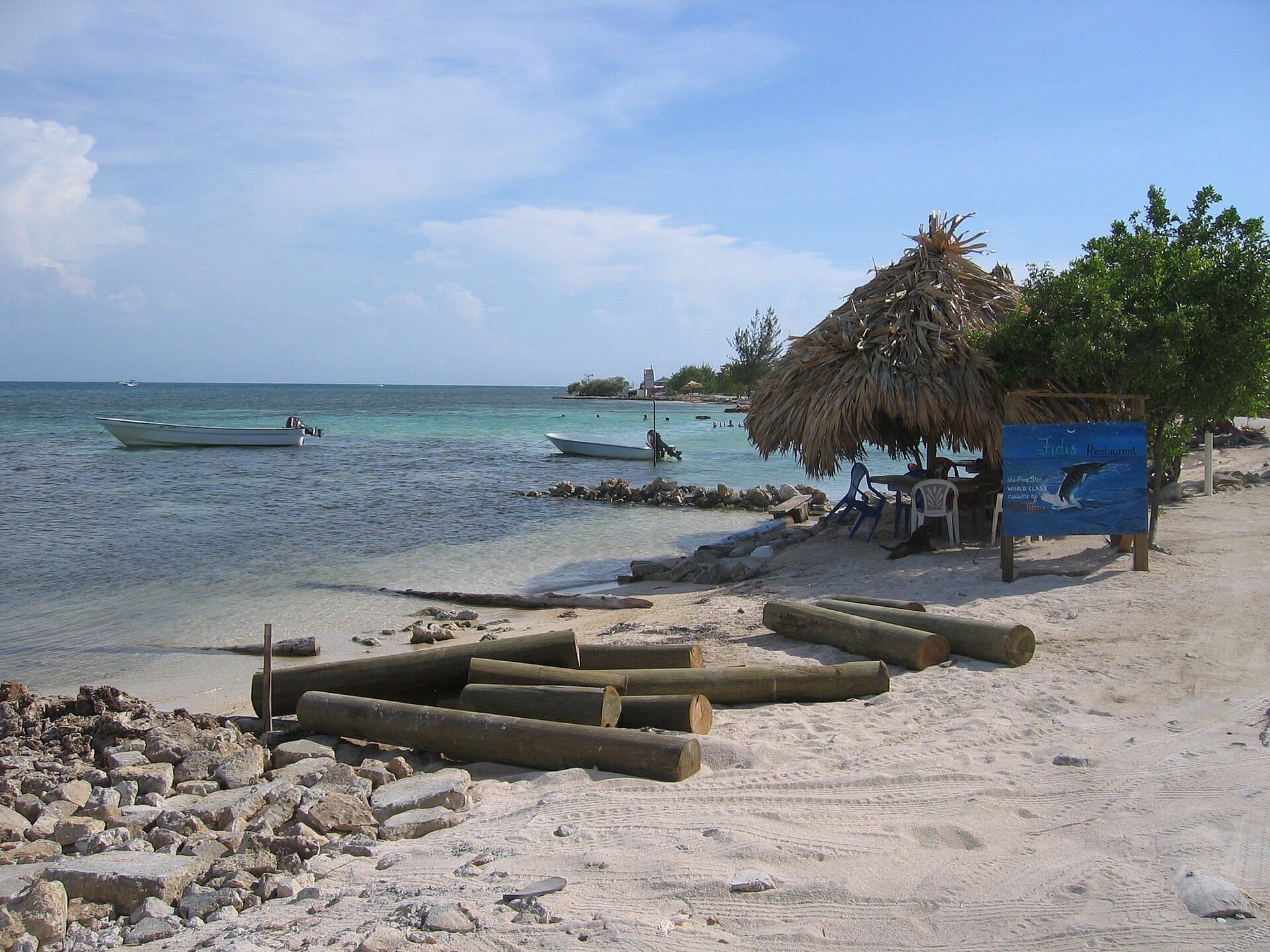
Utila
HondurasAlso for divers & snorkellers and budget travellers · 26°C in December, as here
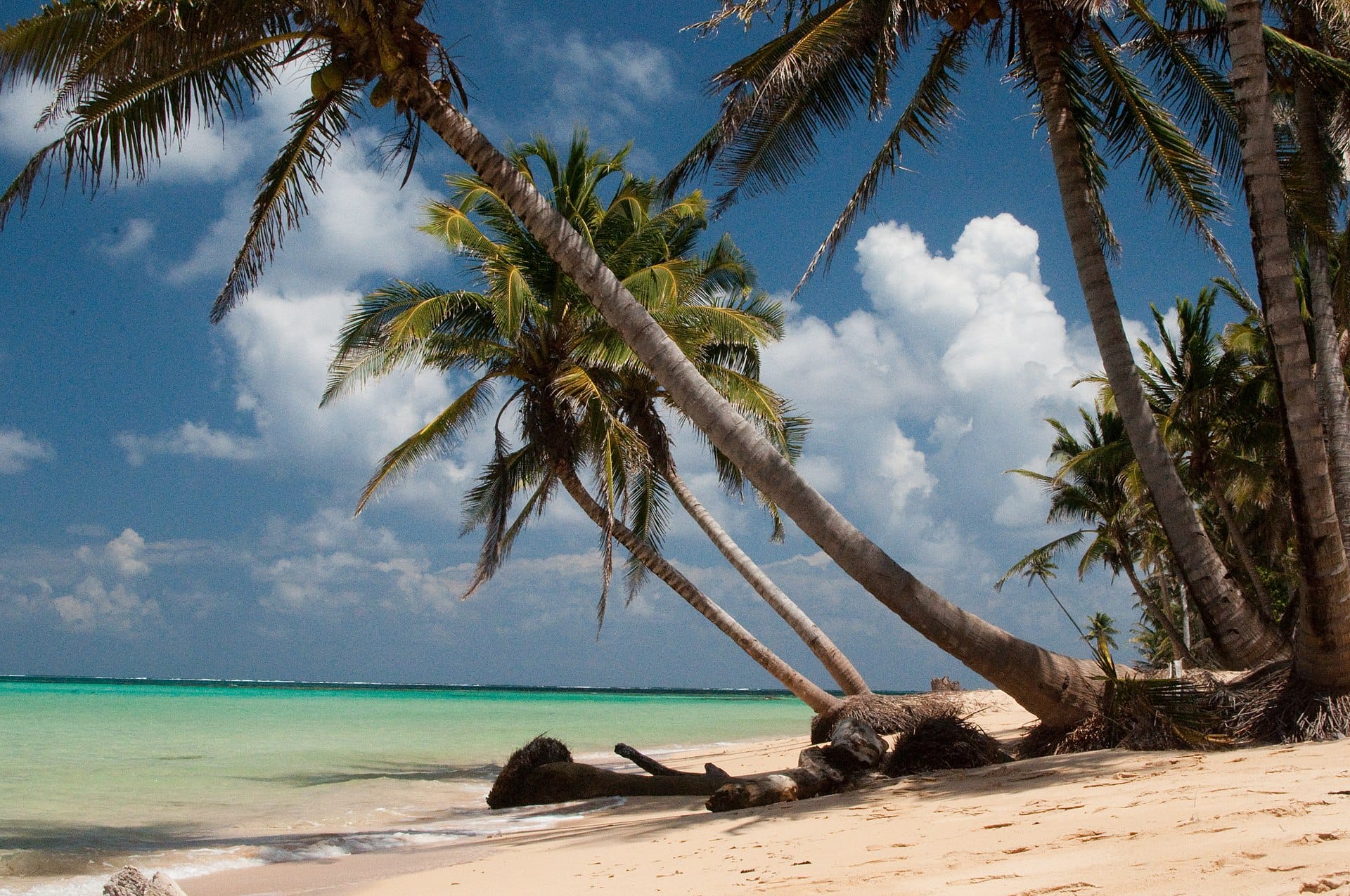
Little Corn Island
NicaraguaAlso for divers & snorkellers and budget travellers · 27°C in December, as here · cheaper to stay
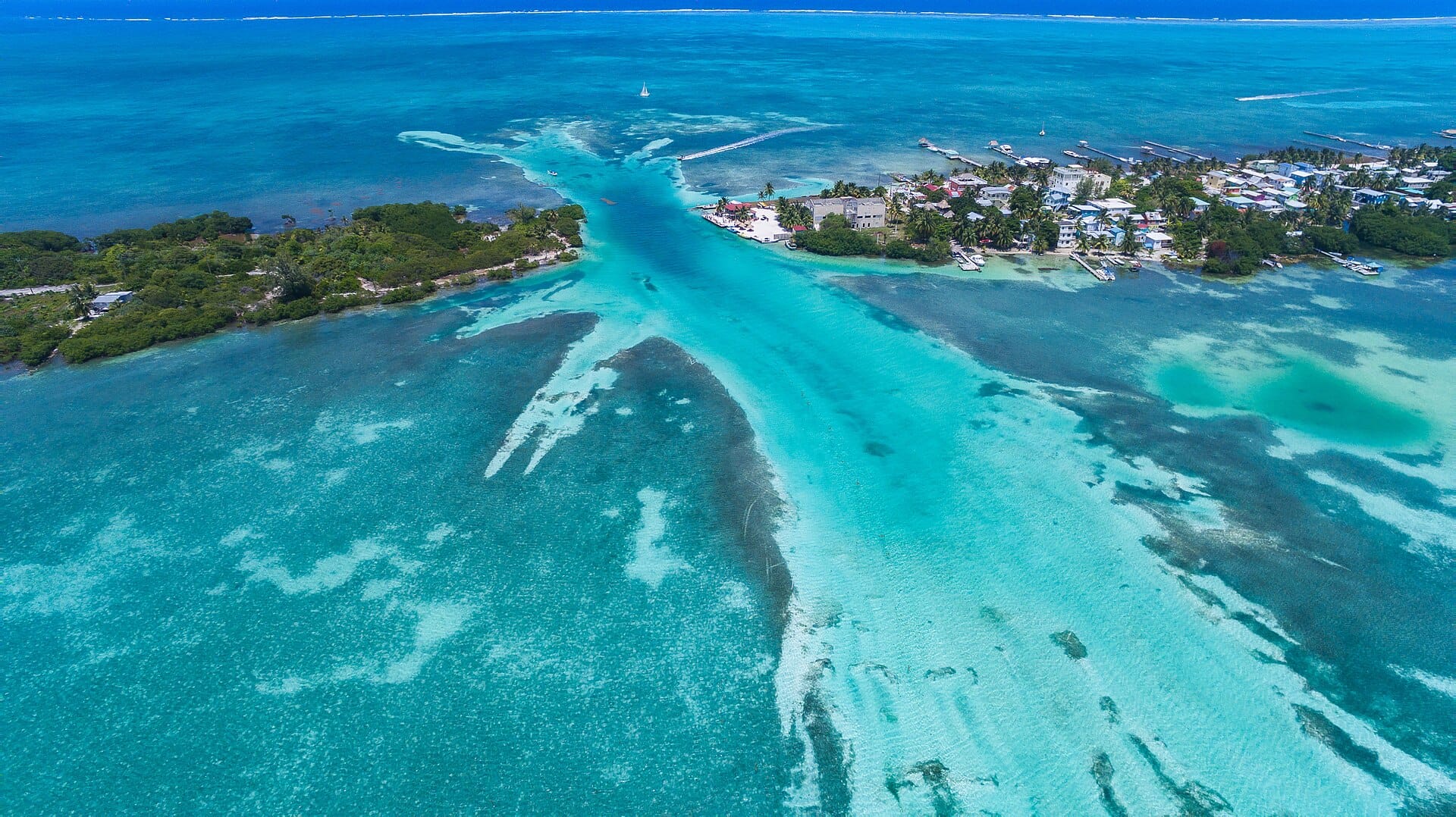
Caye Caulker
BelizeAlso for divers & snorkellers and budget travellers · 28°C in December (26°C here)
Nearby destinations
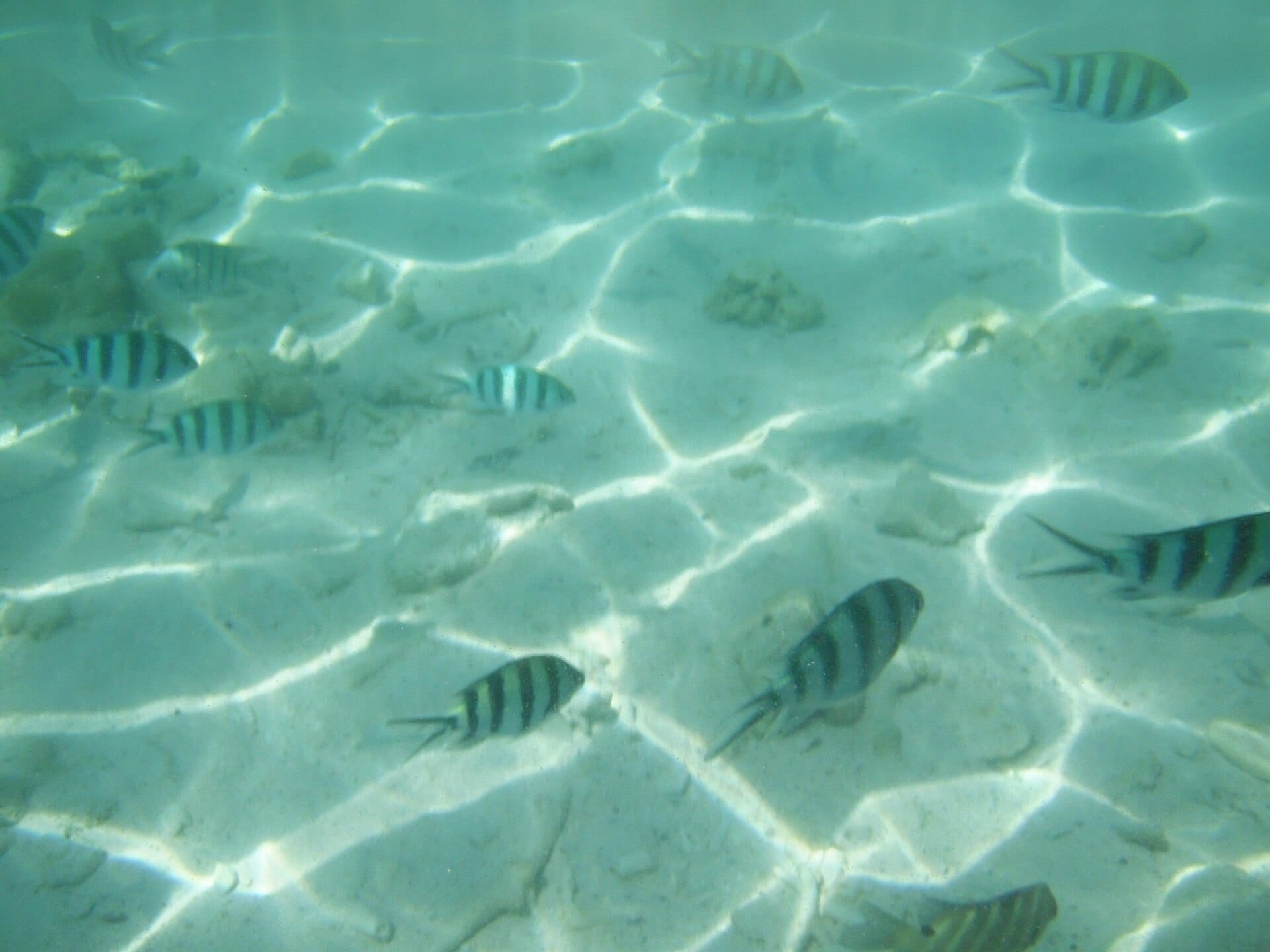
Ko Nang Yuan
Thailand · 4km away →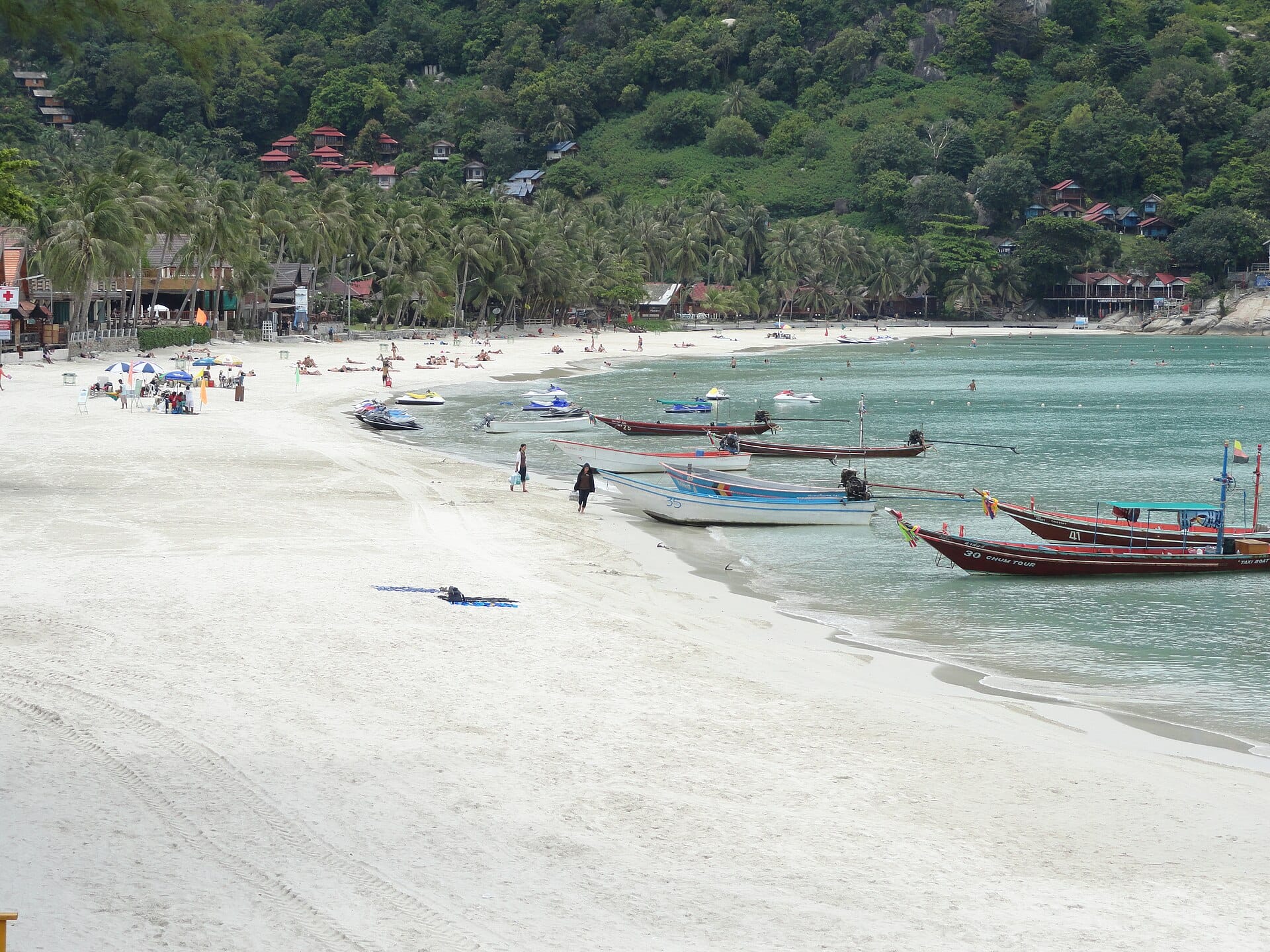
Koh Phangan
Thailand · 45km away →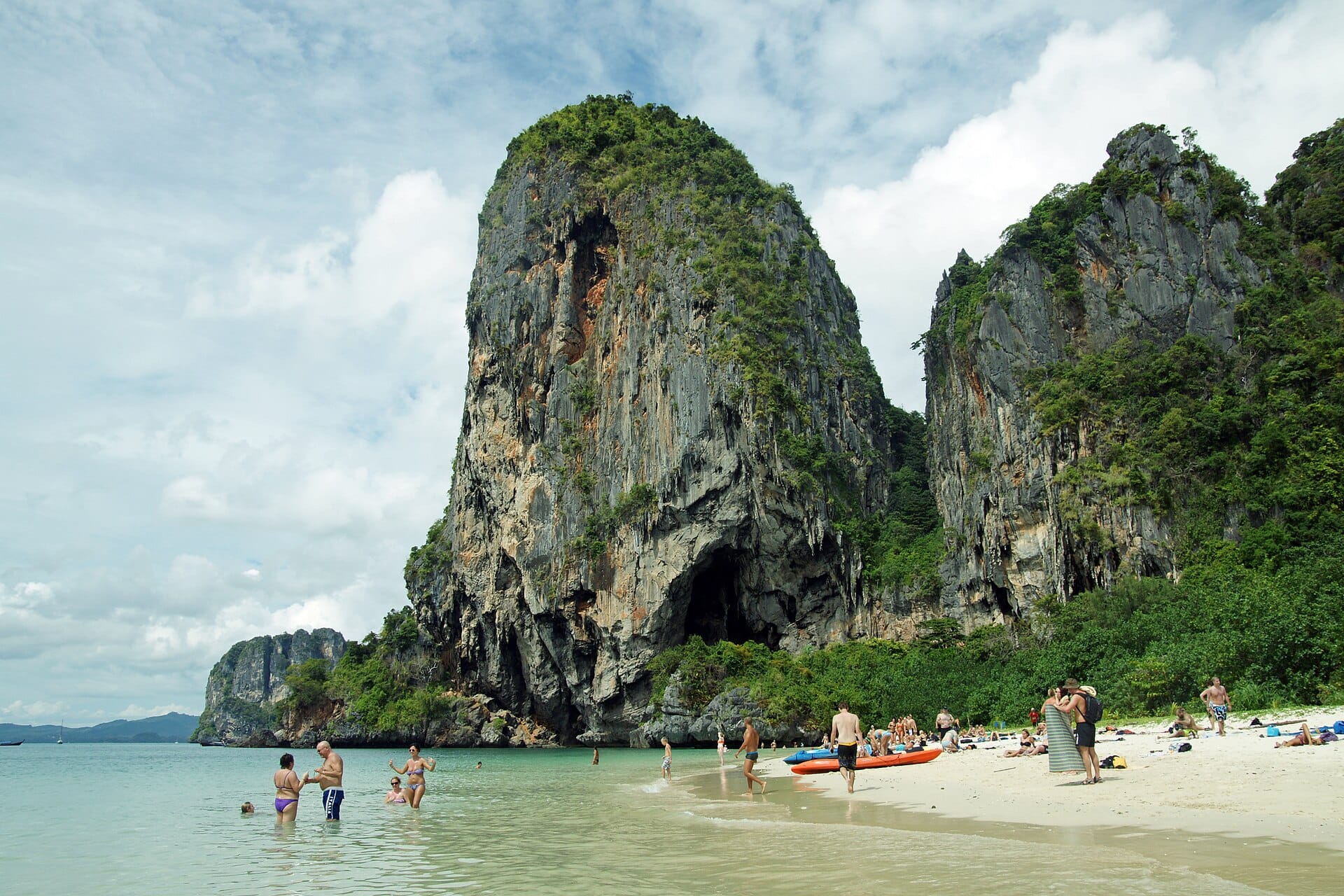
Railay Beach
Krabi, Thailand · 256km away →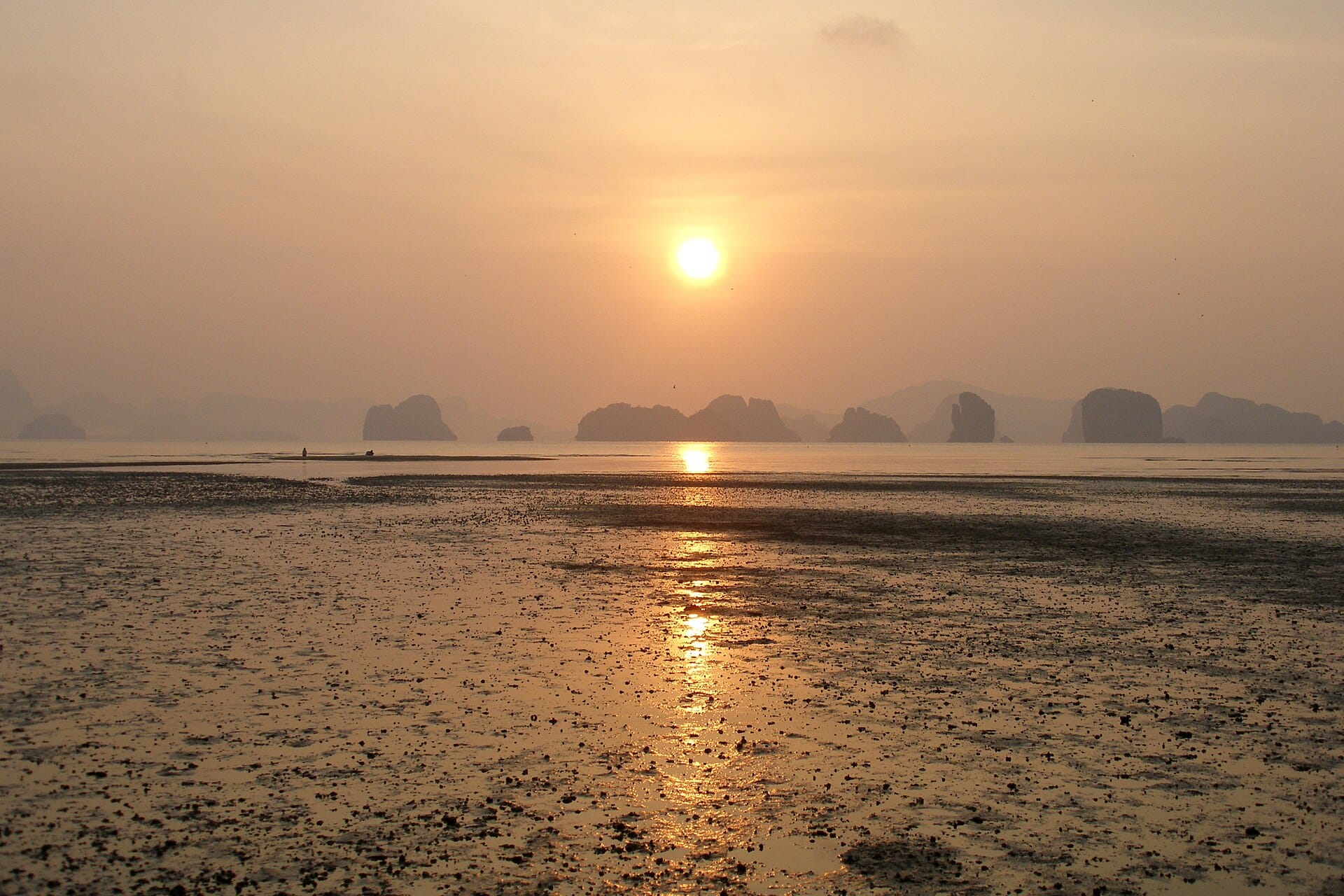
Koh Yao Noi
Thailand · 257km away →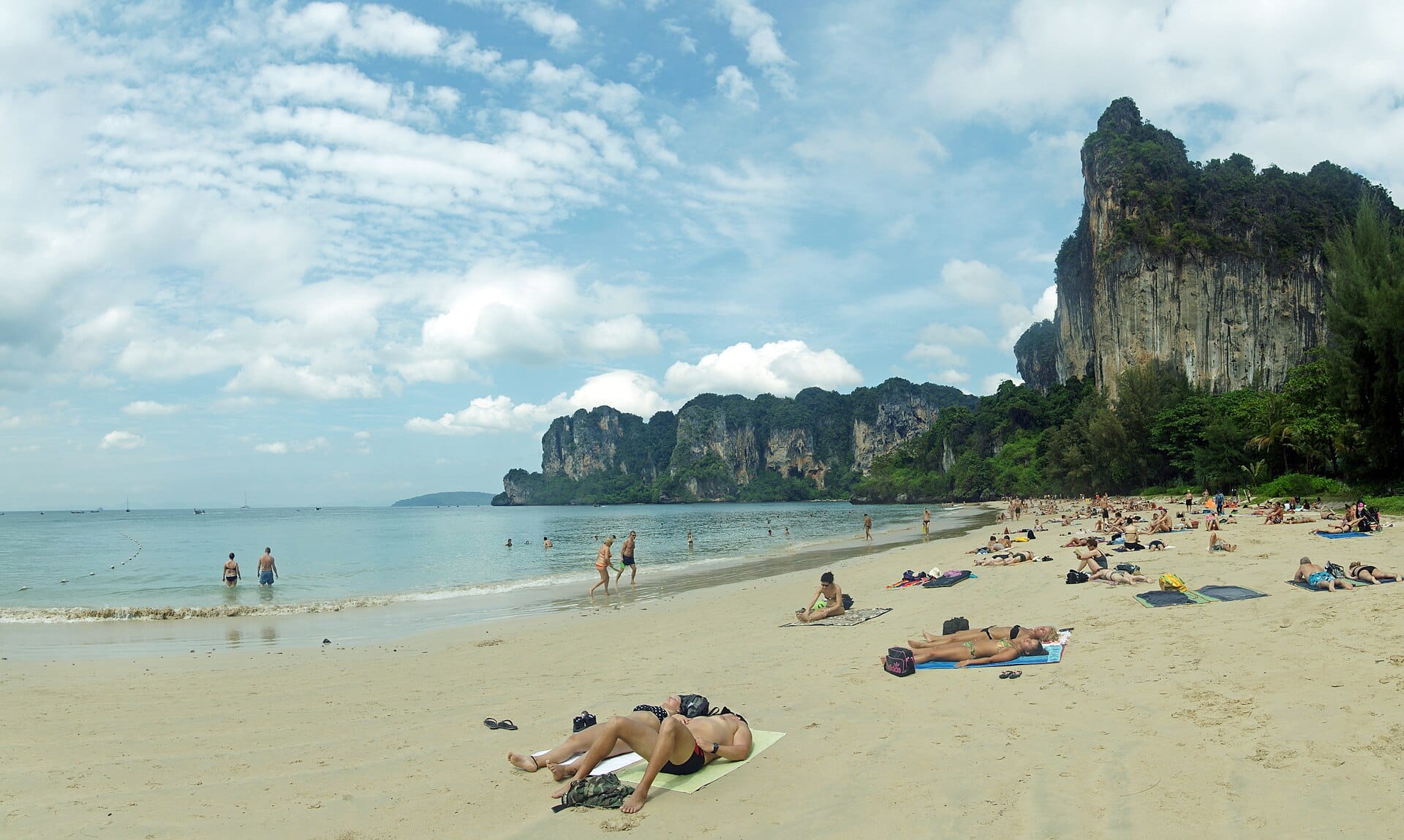
The Andaman Coast: Phuket
Ko Phi Phi and Ko Lanta, Thailand · 290km away →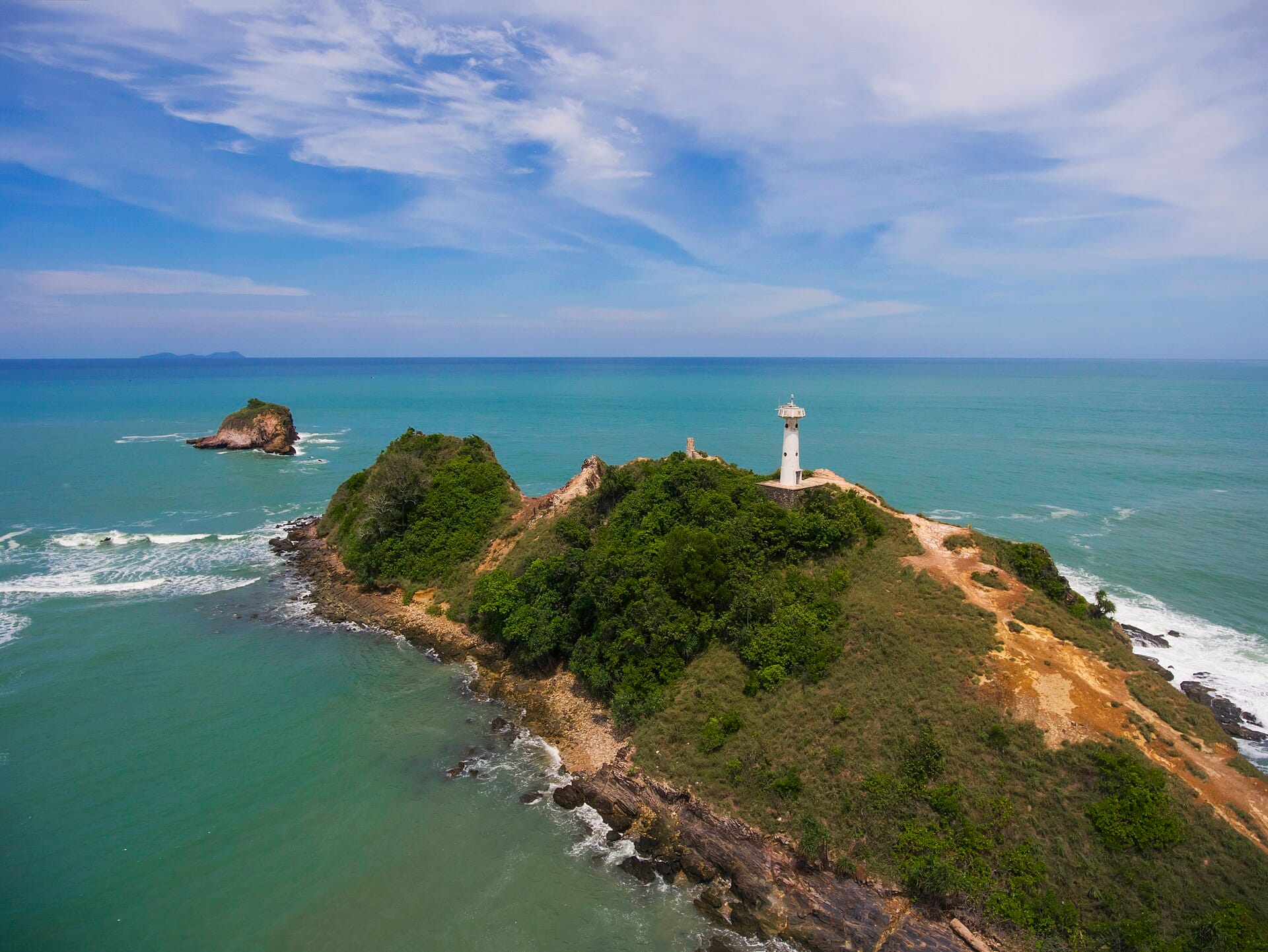
Koh Lanta
Thailand · 294km away →Elsewhere in Thailand
Related articles
Quick answers
When is the best time to visit Ko Tao?
Daytime highs run from about 26°C in January to 28°C in May. Driest in January; wettest in October, with rain on about 28 days. The sea is warmest in May at around 32°C, coolest at 28°C.
How long should I spend in Ko Tao?
Our suggestion: 5-7 nights.
How do I get to Ko Tao?
From Ko Samui (USM) a high-speed catamaran reaches Ko Tao in about one and a half to two hours, usually calling at Ko Phangan on the way. Combined bus and boat tickets from Chumphon on the mainland are the budget alternative.
Do I need a car in Ko Tao?
No. Shared songthaews run the main routes and boats reach the remoter bays, so no car is needed or wanted.
What currency and language are used in Ko Tao?
Currency: Thai baht (THB). Language: Thai. Plugs: type A and B and C and O.
Who is Ko Tao best for?
Best for divers & snorkellers, budget travellers and solo travellers. In a phrase: dive-school hum, salt and scooters.