
Little Corn Island
Seventy kilometres off Nicaragua's Caribbean coast, Little Corn has no cars, no roads and no airstrip — you fly to Big Corn, then take a panga across open water.
- Best forDivers & snorkellers · Budget travellers · Solo travellers
- In December27°C · 26 rainy days · sea 28°C
- Ideal stay4–5 nights
- Approx. flying time~5h 45m from Los Angeles
- CurrencyNIONicaraguan córdoba
- LanguageSpanish
- Local time05:137h behind the UK
- PlugsType A / BBring an adapter
- Drive on theRightOpposite to the UK
- Dialling code+505
Why go
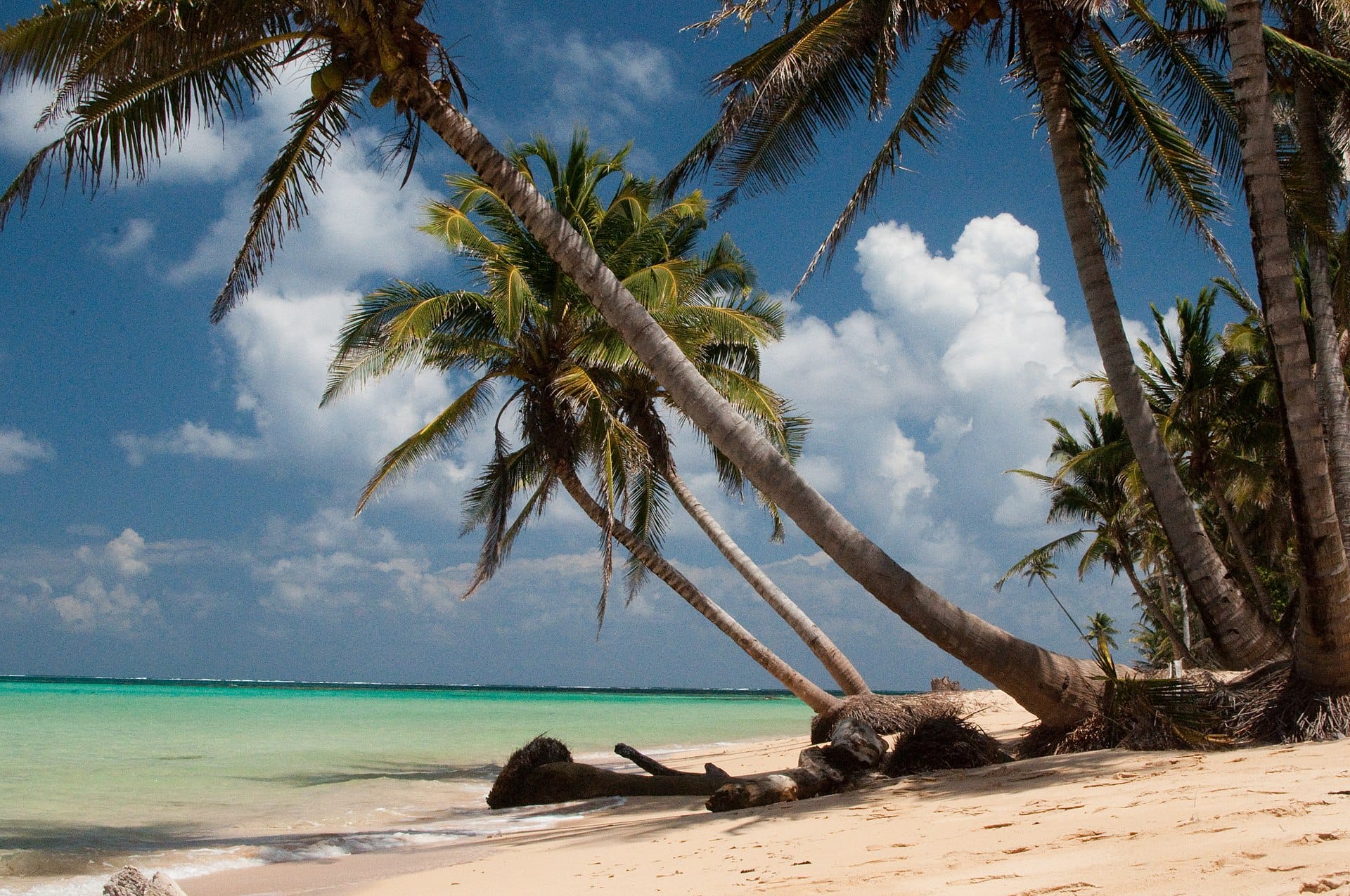
A small Caribbean island, roughly three kilometres by one and a half, with no vehicles and no paved roads. Paths of sand and concrete link the village on the west side to the beaches on the east, where most accommodation is a hammock and a fan away from basic. English Creole is the everyday language, food leans on coconut, rice and lobster, and the reef starts a short swim offshore.
Getting here takes commitment: a flight or long boat to Big Corn from the mainland, then a small open panga across half an hour of open sea. Once there, the day has very little structure. December to April is drier and calmer, and the crossing gets rough outside it. Power and water can be intermittent, so anyone needing reliable wifi, air conditioning or a doctor nearby should think twice.
- Ideal stay
- 4–5 nights
- The vibe
- Carless, castaway, blissfully basic
From our guides
The reward is a Creole-speaking island of coconut groves, lobster dinners and reef diving at prices the rest of the Caribbean abandoned long ago. Electricity is rationed and nobody minds. The panga crossing is bumpy; sit at the back and keep valuables dry.
Featured in Ten quiet tropical islands nobody talks about yet
Things to do
-
Diving the reef
Coral walls, nurse sharks, rays and swim-through channels sit a short boat ride away, and courses cost less than in most of the Caribbean.
-
Otto Beach
The sheltered northern bay has the calmest water and the softest sand, and is the standard afternoon swim.
-
The lighthouse walk
A short climb to the island's high point gives a view over the whole place and the reef line running around it.
-
Lobster and rondón
Spiny lobster is the local catch, and rondón, a coconut milk stew of fish and root vegetables, is the dish to seek out.
-
The village and dock
The western settlement is where the boats land, supplies arrive and the island gathers to socialise, particularly in the cooler part of the evening.
-
Snorkelling from shore
Reef comes close enough in that you can swim out with a mask from several of the eastern beaches.
Getting there
-
Fly to
Corn Island (RNI)
Nearest airport to Little Corn Island, about 15km away as the crow flies.
-
Then
To Little Corn Island
Fly from Managua to Big Corn Island (RNI), roughly an hour and a half, then take the panga across open water to Little Corn, about half an hour and often a wet, bumpy ride.
-
On the ground
Getting around
There are no cars or roads. Everything is reached on foot along sand paths, which takes twenty to forty minutes from the village to the far beaches, or by boat.
Public transport: None beyond the scheduled panga to Big Corn, which runs only a couple of times a day and can be cancelled in rough weather.
Flights
Los Angeles Little Corn Island, Nicaragua
Fly from anywhere — search 4,000+ airports worldwide.
Roughly 5h 45m in the air from Los Angeles (LAX), estimated from the distance — check for a direct route. Pick a month to see every available flight with live prices.
Check dates and prices
Pick your departure date, then your return.
Search flightsNot sure when? Compare fares across a whole month.
Flight times are estimates; prices open on Google Flights.
When to go
Daytime highs run from about 27°C in February to 28°C in September. Driest in March and April; wettest in July, with rain on about 29 days. The sea is warmest in October at around 30°C, coolest at 28°C.
The year at a glance — pick a month for detail
December27° · rain 26 days · sea 28°Warm and often wet.
Monthly figures averaged from daily records for 2020–2024 at this location (ERA5 reanalysis). Live conditions from MET Norway, CC BY 4.0.
Where to stay
Wooden cabanas and simple guesthouses, a couple of small eco-lodges and rooms in family houses. No roads, no cars, no chains and only occasional hot water.
-
Best base overall
The Village
Where the panga lands, with the shops, the dive schools, the lobster kitchens and most of the guesthouses along one path. It is the only place with anything resembling services.
Find stays in The Village -
Best for couples
Otto Beach
The northern beach, a fifteen-minute walk on a sandy path, with a few cabana outfits facing calm water. You walk back in the dark for anything the resort does not serve.
Find stays in Otto Beach -
Best value
Cocal Beach, east side
Simple wooden cabins along the breezier eastern shore at low rates, with reef offshore. The path is rough underfoot and power is limited to certain hours.
Find stays in Cocal Beach, east side -
Best with children
Big Corn Island
The larger island where the flights land, with roads, cars, more services and easier logistics. It is far less pretty, and the panga crossing to Little Corn is rough.
Find stays in Big Corn Island
Worth knowing before you book: There are no cash machines on Little Corn and cards are widely refused, so bring cordobas or dollars. The panga runs to a fixed timetable and is cancelled in rough weather.
Search everything else in Little Corn Island by budget. These are indicative budget bands in GBP per night for two people, not live quotes or guarantees of hotel type. Check your dates, guests, taxes and final price on Booking.com.
Good to know
- Getting there
- Fly to Big Corn from Managua or Bluefields, then take the panga across. Crossings are timed to the flights and stop after dark.
- Cash or card
- Bring córdobas and dollars in cash. Card acceptance is patchy and cash machines are unreliable or absent.
- Pack this
- A torch for the unlit paths, reef shoes, insect repellent and any medication you might need.
- Timing
- The dry season runs roughly February to April, and the crossing is at its roughest between November and January.
- Power
- Electricity and water supply can be intermittent and wifi is slow, so download what you need before you arrive.
Similar places
Further afield
Related articles
Quick answers
When is the best time to visit Little Corn Island?
Daytime highs run from about 27°C in February to 28°C in September. Driest in March and April; wettest in July, with rain on about 29 days. The sea is warmest in October at around 30°C, coolest at 28°C.
How long should I spend in Little Corn Island?
Our suggestion: 4–5 nights.
How do I get to Little Corn Island?
Fly from Managua to Big Corn Island (RNI), roughly an hour and a half, then take the panga across open water to Little Corn, about half an hour and often a wet, bumpy ride.
Do I need a car in Little Corn Island?
No. None beyond the scheduled panga to Big Corn, which runs only a couple of times a day and can be cancelled in rough weather.
What currency and language are used in Little Corn Island?
Currency: Nicaraguan córdoba (NIO). Language: Spanish. Plugs: type A and B.
Who is Little Corn Island best for?
Best for divers & snorkellers, budget travellers and solo travellers. In a phrase: carless, castaway, blissfully basic.