
Caye Caulker
A car-free coral island where the motto — Go Slow — is enforced mainly by hammock.
- Best forDivers & snorkellers · Budget travellers · Solo travellers
- In February28°C · 14 rainy days · sea 27°C
- Ideal stay3–4 nights
- Approx. flying time~4h 45m from Los Angeles
- CurrencyBZDBelize dollar
- LanguageEnglish
- Local time05:107h behind the UK
- PlugsType A / B / GUK plugs fit
- Drive on theRightOpposite to the UK
- Dialling code+501
Why go
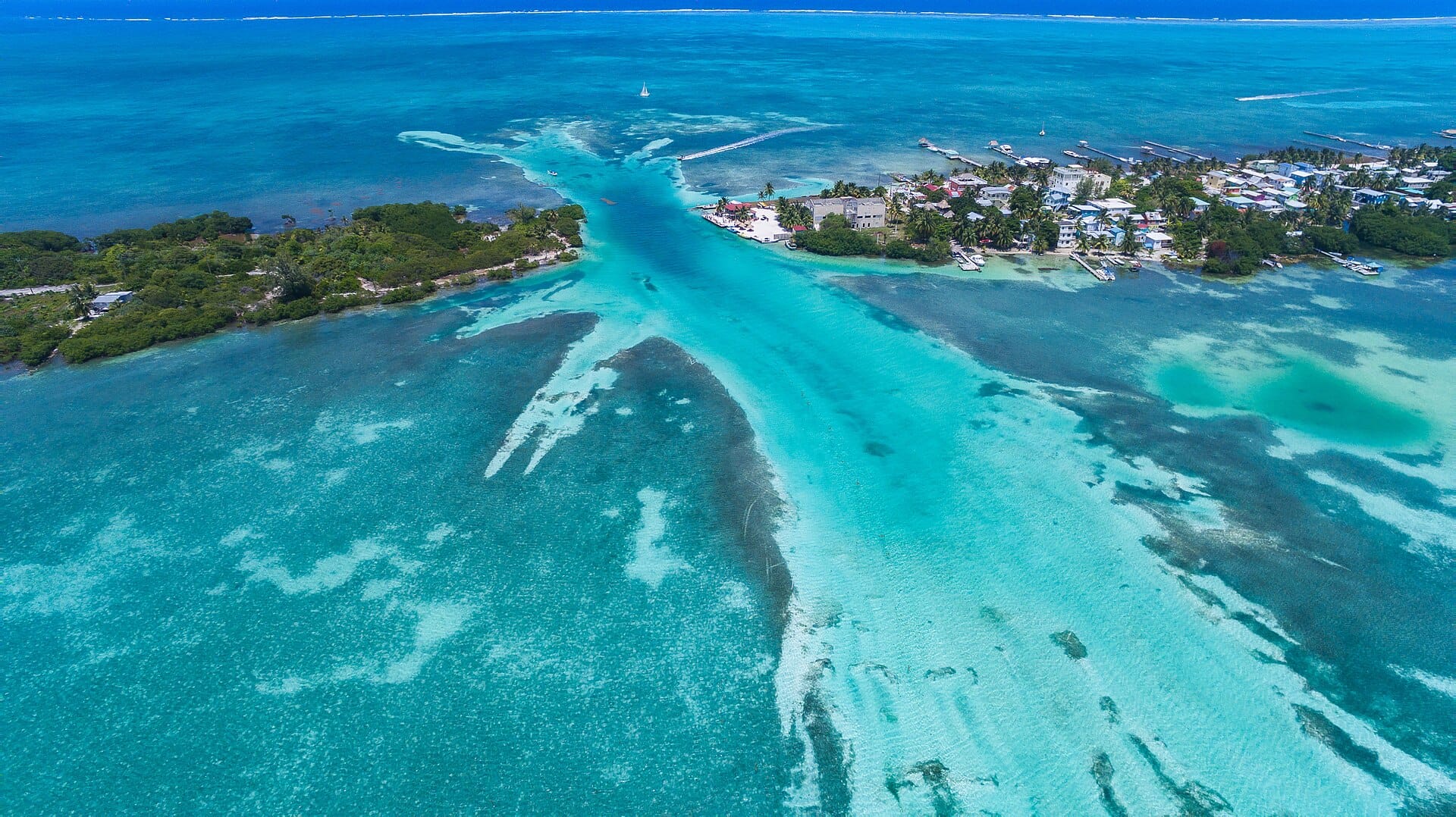
Eight kilometres of sand, mangrove and coconut palm sit inside the barrier reef, with golf carts instead of cars and a sand street instead of a promenade. The island splits in two at a channel cut by a hurricane, and that channel is where everyone swims, drinks and watches the sun go down. Days revolve around the water: snorkelling, sailing, fishing, then a hammock and a plate of something grilled.
Two or three nights is enough for the island itself, though many people stay longer and stop planning altogether. Water taxis from Belize City take about 45 minutes, which makes it an easy pairing with the Maya sites and jungle lodges inland at Cayo. December to April is dry and busy; June to November brings rain and hurricane risk. Anyone wanting a wide swimming beach should know that this is a reef island, not a sand one.
- Ideal stay
- 3–4 nights
- The vibe
- Barefoot, sandy-streeted, deliberately slow
From our guides
Belize's barrier reef is the western hemisphere's biggest, and sandy, car-free Caye Caulker is the easy way in. Snorkel trips to Hol Chan Marine Reserve deliver nurse sharks, rays and turtles in water rarely deeper than a swimming pool, with guides who know individual animals by name. The island motto is Go Slow and it's enforced socially. Choose a sailboat trip over a speedboat — slower, calmer, better.
Featured in Ten snorkelling beaches with reefs right off the sand and Ten tropical snorkel and dive spots perfect for first-timers
Things to do
-
The Split
The channel dividing the island is the main swimming spot, with a dock, a strong current in the middle and a permanent low-key crowd from mid-afternoon.
-
Belize Barrier Reef
The reef runs a short boat ride offshore for most of the country's length and is UNESCO-listed. Visibility is reliably good outside the rainy months.
-
Caye Caulker Marine Reserve
The protected waters immediately north and east of the island hold turtles, rays and seahorses in the seagrass, reachable on a half-day snorkel trip.
-
The Great Blue Hole
A 300-metre sinkhole in the outer atoll, visited by long day boat or scenic flight. The flight suits non-divers; the boat trip is a full and choppy day.
-
Forest reserve birding
The island's northern end is a littoral forest reserve with mangrove and hardwood, good for herons, frigatebirds and, if you are lucky, a boa in a tree.
-
Rice and beans
The national plate, stewed with coconut milk, comes with chicken, fish or lobster in season. Fry jacks at breakfast and ceviche in the heat of the day.
Getting there
-
Fly to
Belize City (BZE)
Nearest airport to Caye Caulker, about 37km away as the crow flies.
-
Then
To Caye Caulker
The island's airstrip (CUK) takes short hops from Belize City. Most people take the water taxi from Belize City instead, about forty-five minutes across to the caye.
-
On the ground
Getting around
The island is car-free and tiny: you walk everywhere, or hire a bicycle or golf cart. Snorkel and sailing trips to Hol Chan and the Split leave from the docks in the village.
Public transport: Water taxis are the transport, running several times a day to Belize City and on to San Pedro.
Flights
Los Angeles Caye Caulker, Belize
Fly from anywhere — search 4,000+ airports worldwide.
Roughly 4h 45m in the air from Los Angeles (LAX), estimated from the distance — check for a direct route. Pick a month to see every available flight with live prices.
Check dates and prices
Pick your departure date, then your return.
Search flightsNot sure when? Compare fares across a whole month.
Flight times are estimates; prices open on Google Flights.
When to go
Daytime highs run from about 28°C in January to 31°C in September. Driest in April; wettest in August, with rain on about 27 days. The sea is warmest in September at around 31°C, coolest at 27°C.
The year at a glance — pick a month for detail
February28° · rain 14 days · sea 27°Warm and often wet.
Monthly figures averaged from daily records for 2020–2024 at this location (ERA5 reanalysis). Live conditions from MET Norway, CC BY 4.0.
Where to stay
Small wooden guesthouses, hostels and mid-range cabana hotels, plus some self-catering condos. Nothing large, no chains, and very few properties above a few dozen rooms.
-
Best base overall
Caye Caulker village
The sandy grid of streets between the two coasts, where all the guesthouses, restaurants and tour offices sit. There are no cars, sandflies can be persistent and power cuts happen.
Find stays in Caye Caulker village -
Quietest
North of the Split
Across the channel by a small ferry, with a handful of low-key places, mangroves and hardly anyone about. Every meal or trip involves the crossing, which stops in the evening.
Find stays in North of the Split -
Best with children
Ambergris Caye, San Pedro
The larger island half an hour north, with more choice of family resorts, pools and golf carts to get about. It is considerably more expensive and much busier.
Find stays in Ambergris Caye, San Pedro -
Best value
Front Street south end
The quieter end of the village, where simple guesthouses cost less and the walk into the middle takes five minutes. Rooms here are basic and fans rather than air conditioning are common.
Find stays in Front Street south end
Worth knowing before you book: Hurricane season runs June to November and boats from Belize City are cancelled in rough weather, so build in a spare day before flying home.
Search everything else in Caye Caulker by budget. These are indicative budget bands in GBP per night for two people, not live quotes or guarantees of hotel type. Check your dates, guests, taxes and final price on Booking.com.
Good to know
- Getting there
- Water taxis run from Belize City several times daily, and small planes land on the airstrip. Boats can be rough and spray reaches the back seats.
- Lobster season
- Lobster is closed for several months over the summer to let stocks recover. Anywhere serving it out of season is worth walking away from.
- Cash
- Belize dollars are fixed to the US dollar at two to one and both circulate. Cards are accepted patchily and the island's cash machines run dry.
- Sandflies
- They bite hardest at dawn and dusk on the sand. Repellent with a high concentration, plus long sleeves in the evening, makes a real difference.
- Reef care
- Wear a rash vest rather than sun cream on snorkel trips, and never stand on or touch coral. Guides will say the same, more firmly.
Similar places
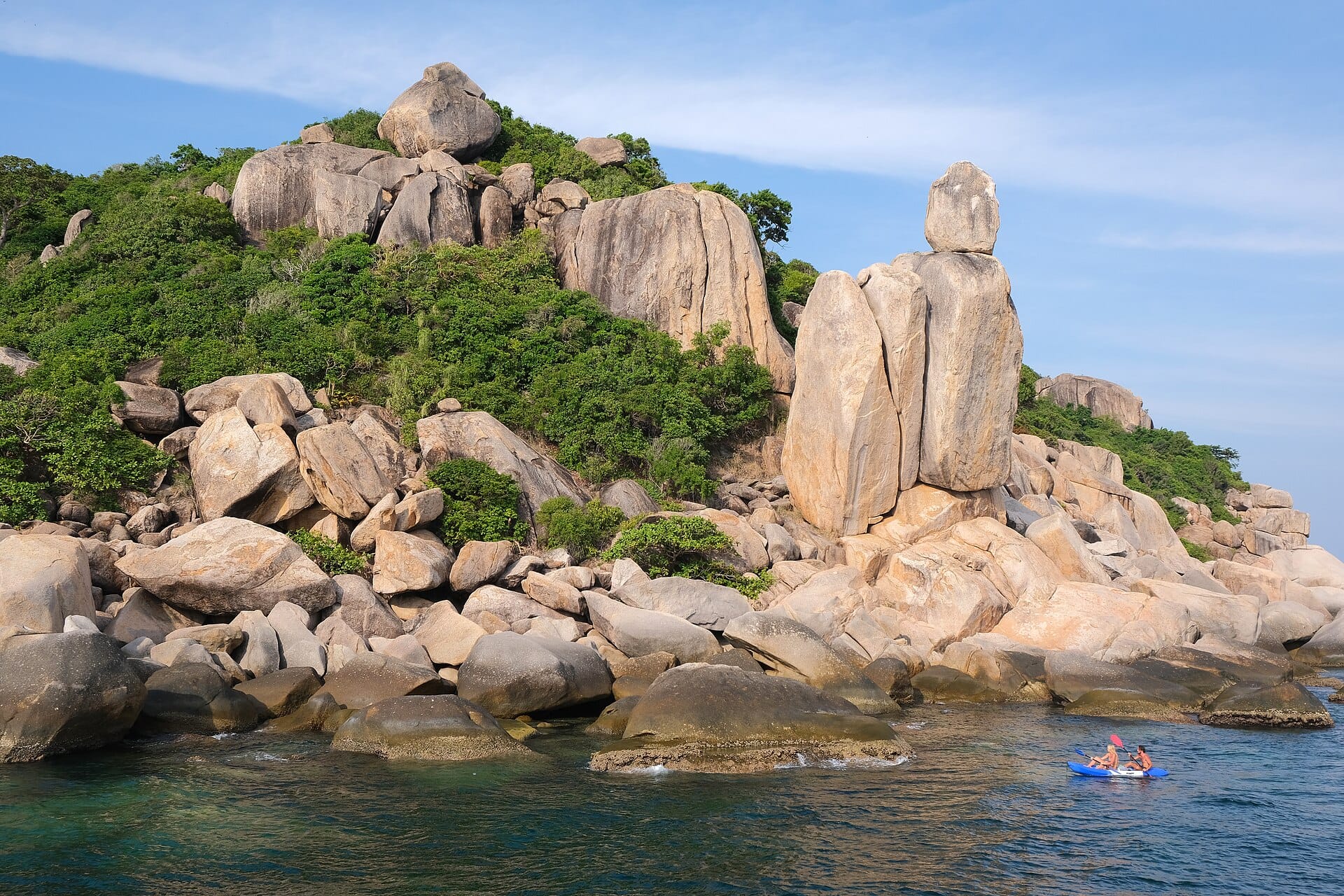
Ko Tao
ThailandAlso for divers & snorkellers and budget travellers · 26°C in February (28°C here) · cheaper to stay
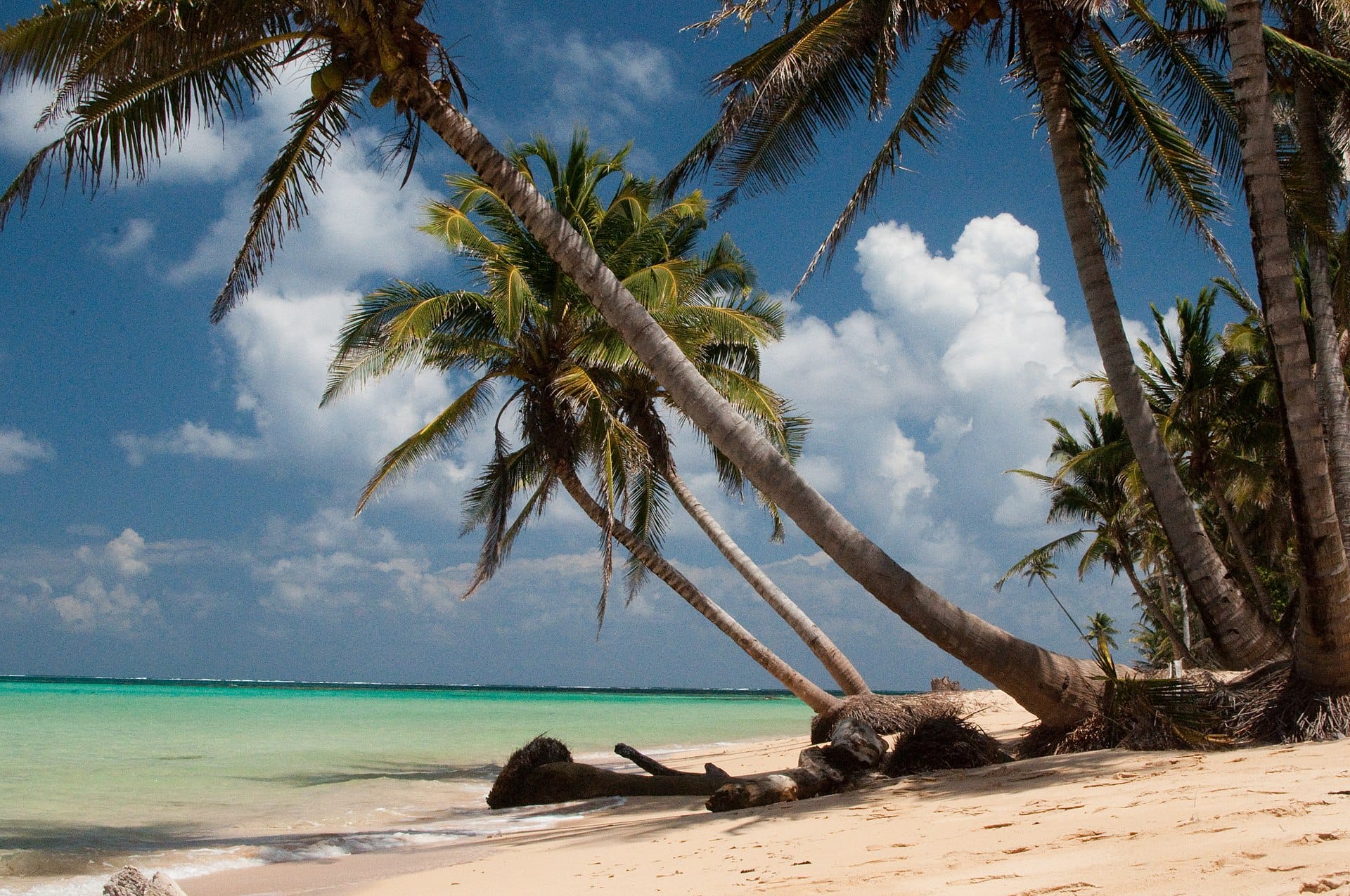
Little Corn Island
NicaraguaAlso for divers & snorkellers and budget travellers · 27°C in February, as here · cheaper to stay
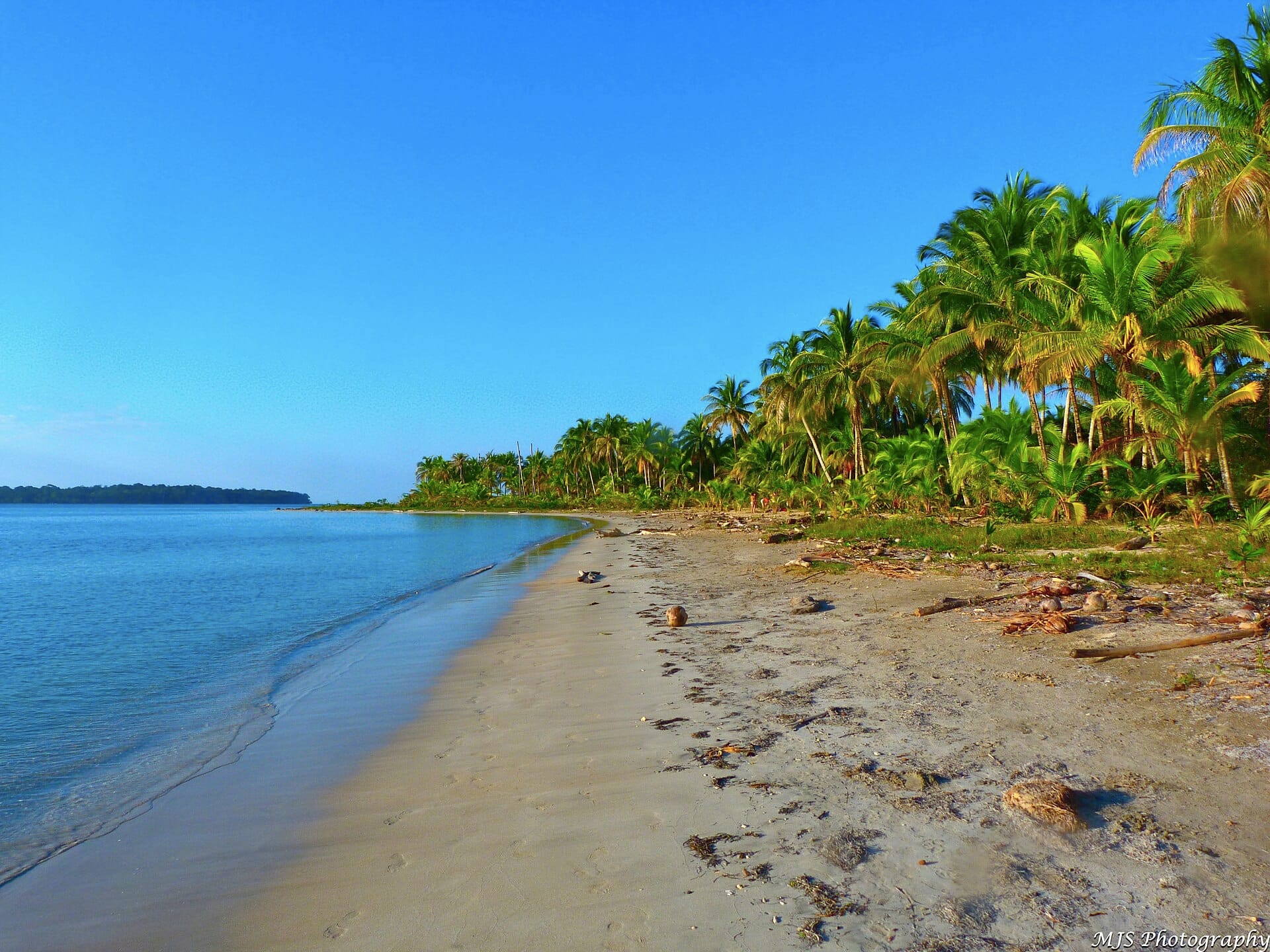
Bocas del Toro
PanamaAlso for divers & snorkellers and budget travellers · 26°C in February (28°C here)
Further afield
Related articles
Quick answers
When is the best time to visit Caye Caulker?
Daytime highs run from about 28°C in January to 31°C in September. Driest in April; wettest in August, with rain on about 27 days. The sea is warmest in September at around 31°C, coolest at 27°C.
How long should I spend in Caye Caulker?
Our suggestion: 3–4 nights.
How do I get to Caye Caulker?
The island's airstrip (CUK) takes short hops from Belize City. Most people take the water taxi from Belize City instead, about forty-five minutes across to the caye.
Do I need a car in Caye Caulker?
No. Water taxis are the transport, running several times a day to Belize City and on to San Pedro.
What currency and language are used in Caye Caulker?
Currency: Belize dollar (BZD). Language: English. Plugs: type A and B and G.
Who is Caye Caulker best for?
Best for divers & snorkellers, budget travellers and solo travellers. In a phrase: barefoot, sandy-streeted, deliberately slow.