
Bonaire
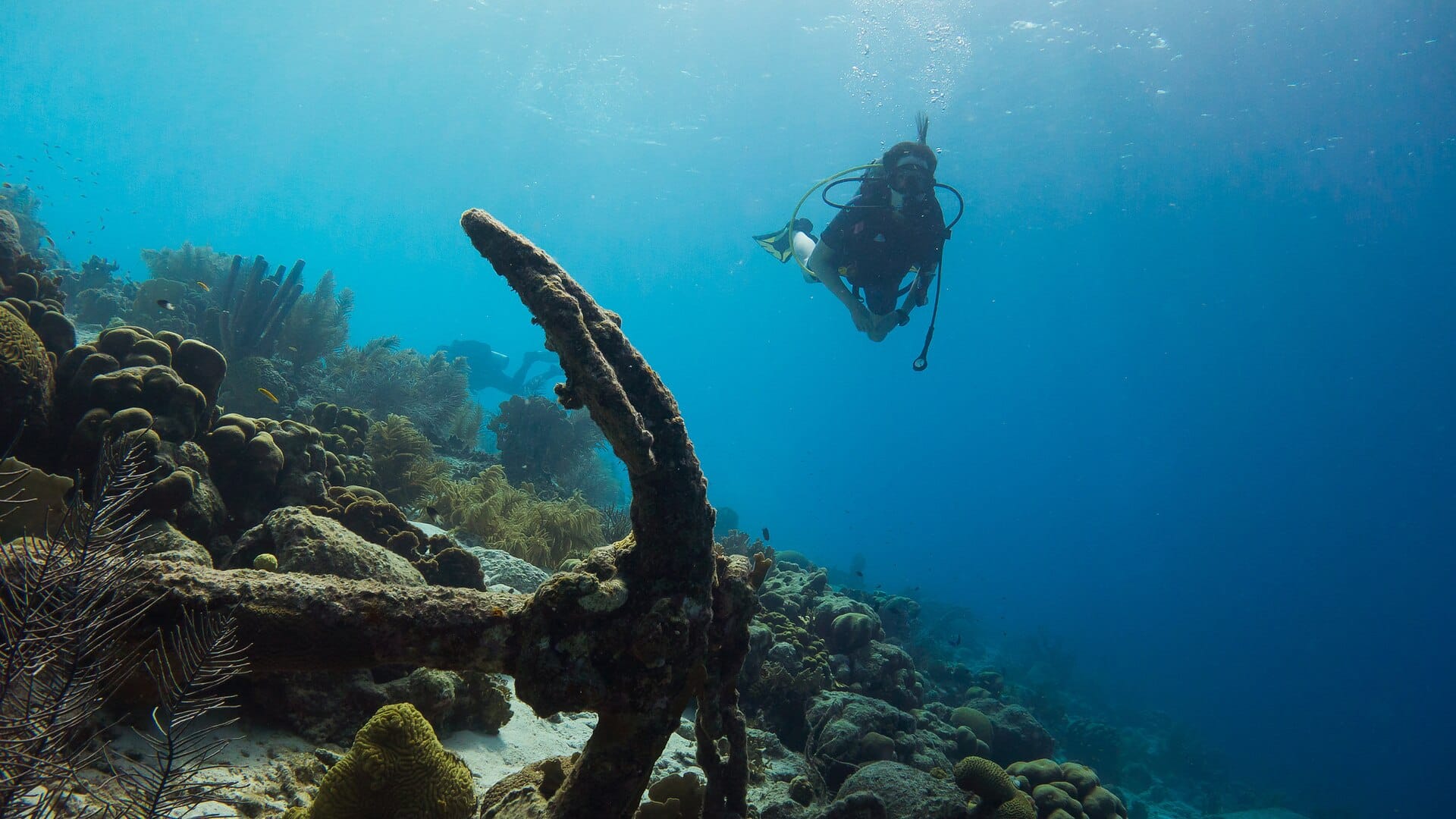
Bonaire's genius is that the reef starts at the kerb.
- Best forDivers & snorkellers · Wildlife & nature · Couples
- In February27°C · 8 rainy days · sea 27°C
- Ideal stayA week or more
- Approx. flying time~7h 15m from Los Angeles
- CurrencyUSDUS dollar
- LanguageDutch and Papiamento
- Local time05:275h behind the UK
- PlugsType A / CBring an adapter
- Drive on theRightOpposite to the UK
- Dialling code+599
Why go
A flat, dry, cactus-covered island off the coast of Venezuela, with more goats and flamingos than crowds, and a coastline protected as a national marine park from the high-water mark down. Diving and snorkelling define the place. The leeward west coast is calm on almost any day, and yellow stones set by the roadside mark the entry point to each named dive site.
The usual shape of a trip is a hire truck, a set of tanks and a week of shore dives at your own pace, broken up by windsurfing at Lac Bay or a day out on Klein Bonaire. Kralendijk is small and quiet, and nightlife barely registers. The island sits below the main hurricane belt, so conditions stay steady; September and October are the hottest months.
- Ideal stay
- A week or more
- The vibe
- Dry, quiet, reef-obsessed
From our guides
The entire coastline is a marine park, dive sites are marked by yellow roadside stones, and you simply park, wade in and descend — no boat, no schedule, no queue. That freedom suits nervous beginners perfectly: go at your own pace, surface when you like. The island sits below the hurricane belt, so conditions stay reliable virtually year-round.
Featured in Ten tropical snorkel and dive spots perfect for first-timers
Things to do
-
Roadside shore diving
Yellow stones name each site along the west coast. You park, kit up and wade in, which is exactly why divers hire pickup trucks here.
-
Klein Bonaire
An uninhabited islet a short water-taxi ride offshore, ringed by reef, with No Name Beach for surface intervals and a good deal of shade-free sand.
-
Lac Bay
A shallow, flat-water bay on the windward side that has become one of the Caribbean's better places to learn windsurfing, with hire and tuition on site.
-
Washington Slagbaai
A national park covering the wild north of the island, with rough tracks, sea cliffs, salt pans and a couple of remote dive sites at the end of them.
-
Pekelmeer flamingos
The southern salt pans hold a large breeding colony. View from the road, since the sanctuary itself is closed to visitors during nesting.
-
The salt pier and pans
White salt mountains beside pink water, and offshore one of the island's best known dive sites in the shadows beneath the loading pier.
Getting there
-
Fly to
Kralendijk (BON)
The airport is on the doorstep.
-
Then
To Kralendijk
Under 10 minutes by taxi from Flamingo airport (BON) into Kralendijk, the island's only town.
-
On the ground
Getting around
Shore diving is the point, so almost everyone hires a pickup and drives the coast road, stopping at the yellow marker stones and wading in.
Public transport: Minimal. There is a skeletal bus service, and dive kit makes a vehicle close to essential.
Flights
Los Angeles Bonaire
Fly from anywhere — search 4,000+ airports worldwide.
Roughly 7h 15m in the air from Los Angeles (LAX), estimated from the distance — check for a direct route. Pick a month to see every available flight with live prices.
Check dates and prices
Pick your departure date, then your return.
Search flightsNot sure when? Compare fares across a whole month.
Flight times are estimates; prices open on Google Flights.
When to go
Daytime highs run from about 27°C in January to 30°C in September. Driest in April and May; wettest in November, with rain on about 21 days. The sea is warmest in October at around 31°C, coolest at 27°C.
The year at a glance — pick a month for detail
February27° · rain 8 days · sea 27°Warm with rain most weeks.
Monthly figures averaged from daily records for 2020–2024 at this location (ERA5 reanalysis). Highlighted months are warm and mostly dry — March to May. Live conditions from MET Norway, CC BY 4.0.
Where to stay
Dive-focused resorts with on-site tank stations, condominium apartments and small guesthouses. Nothing enormous, no casinos, and pickup trucks come with the room more often than not.
-
Best base overall
Kralendijk
The capital, such as it is, with the restaurants, dive shops and supermarkets, and shore dive sites within a short drive north or south. Cruise ship days make the waterfront briefly crowded.
Find stays in Kralendijk -
Best value
Belnem
A residential strip south of town near the airport, full of apartments and small dive lodges at lower rates. You will want a hire car, which almost every visitor takes anyway.
Find stays in Belnem -
Best for couples
Hato and the north shore
Just north of the capital, where the bigger resorts sit on their own house reefs and the sunsets do the work. It is quiet in the evenings and dinner means driving into town.
Find stays in Hato and the north shore -
Best with children
Sorobon, Lac Bay
The windward side, with waist-deep turquoise water, a mangrove reserve and windsurfing schools that take beginners. It is a fifteen-minute drive from anywhere else on the island.
Find stays in Sorobon, Lac Bay
Worth knowing before you book: Bonaire is a repeat-visitor island and the best dive apartments are rebooked a year out, especially for the dry January to April window and dive festival weeks.
Search everything else in Kralendijk by budget. These are indicative budget bands in GBP per night for two people, not live quotes or guarantees of hotel type. Check your dates, guests, taxes and final price on Booking.com.
Good to know
- Marine park fee
- Every diver and snorkeller must buy a nature tag before entering the water. It is bought online or through any dive shop.
- Hire a truck
- Pickups are the standard rental because tanks and kit travel in the back. Book early, as the island's fleet is finite.
- Currents
- The west coast is sheltered and easy. The windward east side is rough, exposed and not suitable for casual swimming.
- Sun and wind
- Constant trade winds disguise how strong the sun is. Cover up properly and drink more water than feels necessary.
- Coral care
- Touch nothing. Bonaire's reef rules are strict, gloves are generally prohibited and buoyancy control is expected of everyone.
Similar places
Nearby destinations
Related articles
Quick answers
When is the best time to visit Bonaire?
For warm, mostly dry days, March to May. That means highs of 20–34°C with rain on six days a month or fewer. Daytime highs run from about 27°C in January to 30°C in September. Driest in April and May; wettest in November, with rain on about 21 days. The sea is warmest in October at around 31°C, coolest at 27°C.
How long should I spend in Bonaire?
Our suggestion: a week or more.
How do I get to Bonaire?
Under 10 minutes by taxi from Flamingo airport (BON) into Kralendijk, the island's only town.
Do I need a car in Bonaire?
Yes, a car makes a real difference here. There is a skeletal bus service, and dive kit makes a vehicle close to essential.
What currency and language are used in Bonaire?
Currency: US dollar (USD). Language: Dutch and Papiamento. Plugs: type A and C.
Who is Bonaire best for?
Best for divers & snorkellers, wildlife & nature and couples. In a phrase: dry, quiet, reef-obsessed.