
Blue Bay
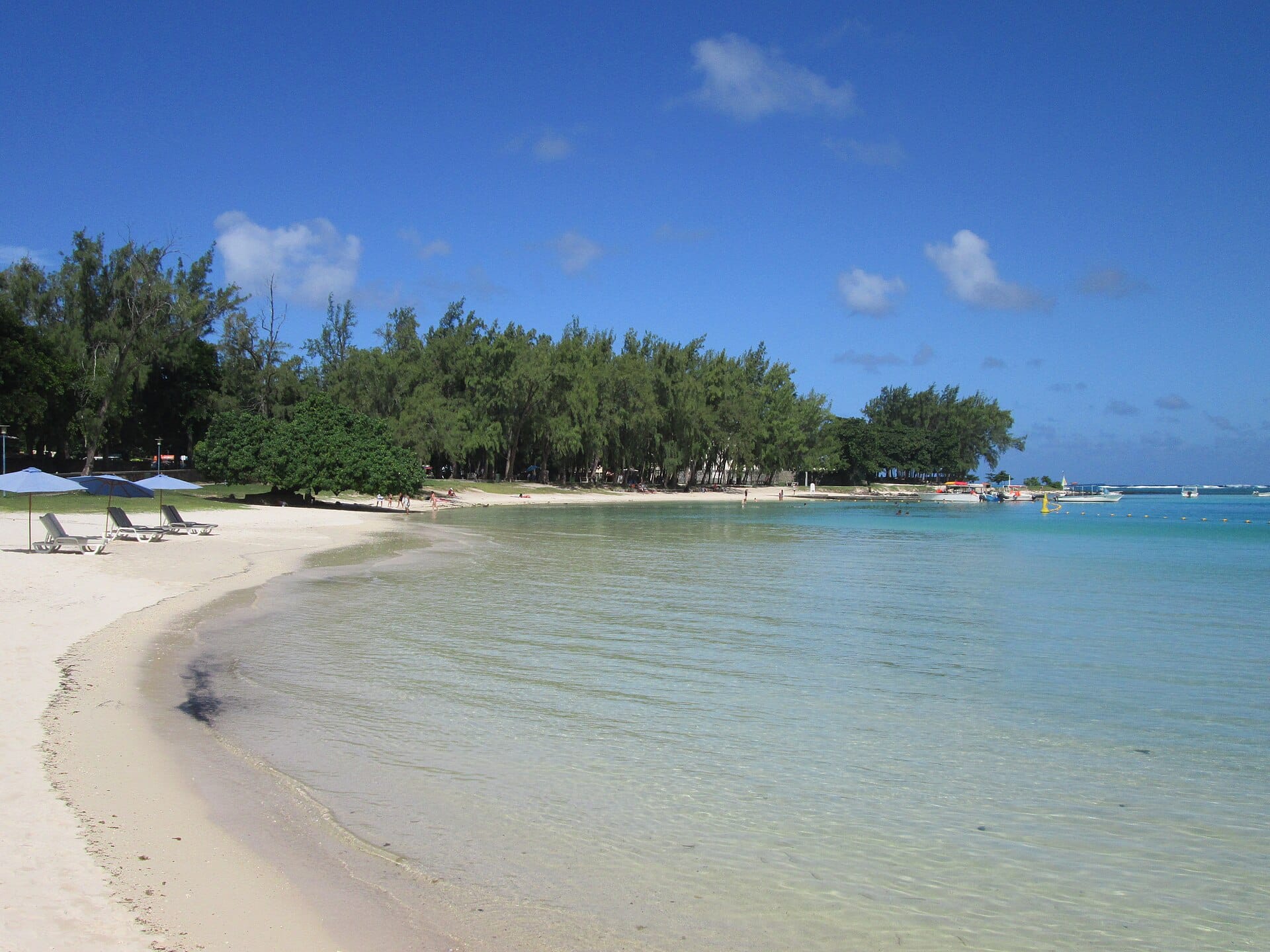
Mauritius's best snorkelling sits inside a marine park at its south-east corner: a lagoon where visibility runs to thirty metres and the coral — some colonies centuries old — starts within a short swim of the public beach.
- Best forDivers & snorkellers · Families · Beach lovers
- In April27°C · 25 rainy days · sea 28°C
- Ideal stay2–3 nights, or a day trip
- Approx. flying time~22h 35m from Los Angeles
- CurrencyMURMauritian rupee
- LanguageEnglish, French and Mauritian Creole
- Local time14:233h ahead of the UK
- PlugsType C / GUK plugs fit
- Drive on theLeftSame as the UK
- Dialling code+230
Why go
The draw is a shallow lagoon protected as a marine park, where the reef sits close enough to shore that strong swimmers can reach it from the public beach. Water runs clear and warm over sand and coral, and the bay stays flat when the rest of the south coast is being knocked about. Onshore it stays low key: casuarina trees, food stalls and families at the weekend.
Most visitors stay elsewhere on the island and come for the day, which works perfectly well, though a night or two in the south east buys you the early mornings before the boats arrive. Pair it with the wilder south coast, the tea route inland and Mahébourg's market. December to April is warmest and wettest; June to September is cooler, drier and considerably windier.
- Ideal stay
- 2–3 nights, or a day trip
- The vibe
- Shallow, clear and unshowy
From our guides
Weekdays are quietest; glass-bottom boats serve the reluctant. The water is warmest December to April, and the flight home passes tolerably with enough rum in your luggage.
Featured in Ten snorkelling beaches with reefs right off the sand
Things to do
-
The marine park lagoon
Protected water with coral heads close to shore, some of the colonies very old. When conditions are calm you can snorkel straight from the beach rather than taking a boat.
-
Glass-bottom boats
The standard way to reach the further coral without swimming, and a sensible option for young children or anyone who would rather stay dry.
-
Île aux Aigrettes
A coral island nature reserve just offshore, replanted with native forest and home to reintroduced pink pigeons and giant tortoises. Visits are guided and booked in advance.
-
Mahébourg
The old capital a short drive north, with a Monday market, a naval history museum and a waterfront that gives a clear sense of everyday Mauritian life.
-
Pointe d'Esny
The long sandy stretch next door, quieter than the public beach and better for a slow walk at low tide when the flats open up.
-
Sunday at the beach
Mauritian families arrive with barbecues, speakers and extended relatives. It is the most sociable day of the week and the least peaceful for swimming.
Getting there
-
Fly to
Plaine Magnien (MRU)
The airport is on the doorstep.
-
Then
To Blue Bay
Barely 15 minutes by taxi from Mauritius (MRU) at Plaine Magnien, which is the closest airport on the island to any beach.
-
On the ground
Getting around
The public beach and the marine park are on the doorstep, with glass bottom and snorkelling boats leaving from the sand. Taxis or a hire car cover the rest of the south east coast.
Public transport: Local buses run along the coast to Mahébourg and beyond, slowly but cheaply.
Flights
Los Angeles Blue Bay, Mauritius
Fly from anywhere — search 4,000+ airports worldwide.
Roughly 22h 35m in the air from Los Angeles (LAX), estimated from the distance — check for a direct route. Pick a month to see every available flight with live prices.
Check dates and prices
Pick your departure date, then your return.
Search flightsNot sure when? Compare fares across a whole month.
Flight times are estimates; prices open on Google Flights.
When to go
Daytime highs run from about 24°C in July to 29°C in January. Driest July to September; wettest in March, with rain on about 26 days. The sea is warmest in January at around 28°C, coolest at 24°C.
The year at a glance — pick a month for detail
April27° · rain 25 days · sea 28°Warm and often wet.
Monthly figures averaged from daily records for 2020–2024 at this location (ERA5 reanalysis). Live conditions from MET Norway, CC BY 4.0.
Where to stay
Small beach hotels, guesthouses and self-catering villas rather than the huge all-inclusives of the north and west, with a few larger resorts along the Pointe d'Esny lagoon.
-
Best base overall
Blue Bay
You are on the marine park, so the snorkelling starts from the public beach rather than a boat. It is a small residential stretch with limited nightlife, and the airport flight path is overhead.
Find stays in Blue Bay -
Best value
Mahebourg
The old harbour town ten minutes away, with a Monday market, cheap Creole restaurants and guesthouses at a fraction of resort prices. The town beach is not one for swimming.
Find stays in Mahebourg -
Best for couples
Pointe d'Esny
A quiet ribbon of villas and small hotels along a fine lagoon beach next door to Blue Bay. There is nothing to walk to for dinner, so you will drive or eat where you stay.
Find stays in Pointe d'Esny -
Best with children
Trou d'Eau Douce
Further up the east coast, with calm shallow water, family resorts and boats to Ile aux Cerfs for a day out. It is forty minutes from Blue Bay, so the marine park becomes an excursion.
Find stays in Trou d'Eau Douce
Worth knowing before you book: The southern winter, June to September, brings wind and cooler water despite being dry, so check which season suits. December and January rates jump for the Mauritian holidays.
Search everything else in Blue Bay by budget. These are indicative budget bands in GBP per night for two people, not live quotes or guarantees of hotel type. Check your dates, guests, taxes and final price on Booking.com.
Good to know
- Timing
- Weekday mornings are calmest. Weekends belong to local families and the water fills with boats from mid morning onwards.
- Reef care
- Do not stand on or touch the coral, and use reef-safe sun cream. The whole bay is a protected marine park with rules that are taken seriously.
- Getting there
- It sits roughly fifteen minutes from the airport in the island's south-east corner, which makes it an easy first or last stop of a trip.
- Cash or card
- Beach stalls and boat operators generally want rupees in cash. Cards are standard in hotels and much rarer on the sand.
- Cyclones
- The cyclone season runs from January to March. Storms are usually short lived but can close the sea and the boats for a day or two.
Similar places
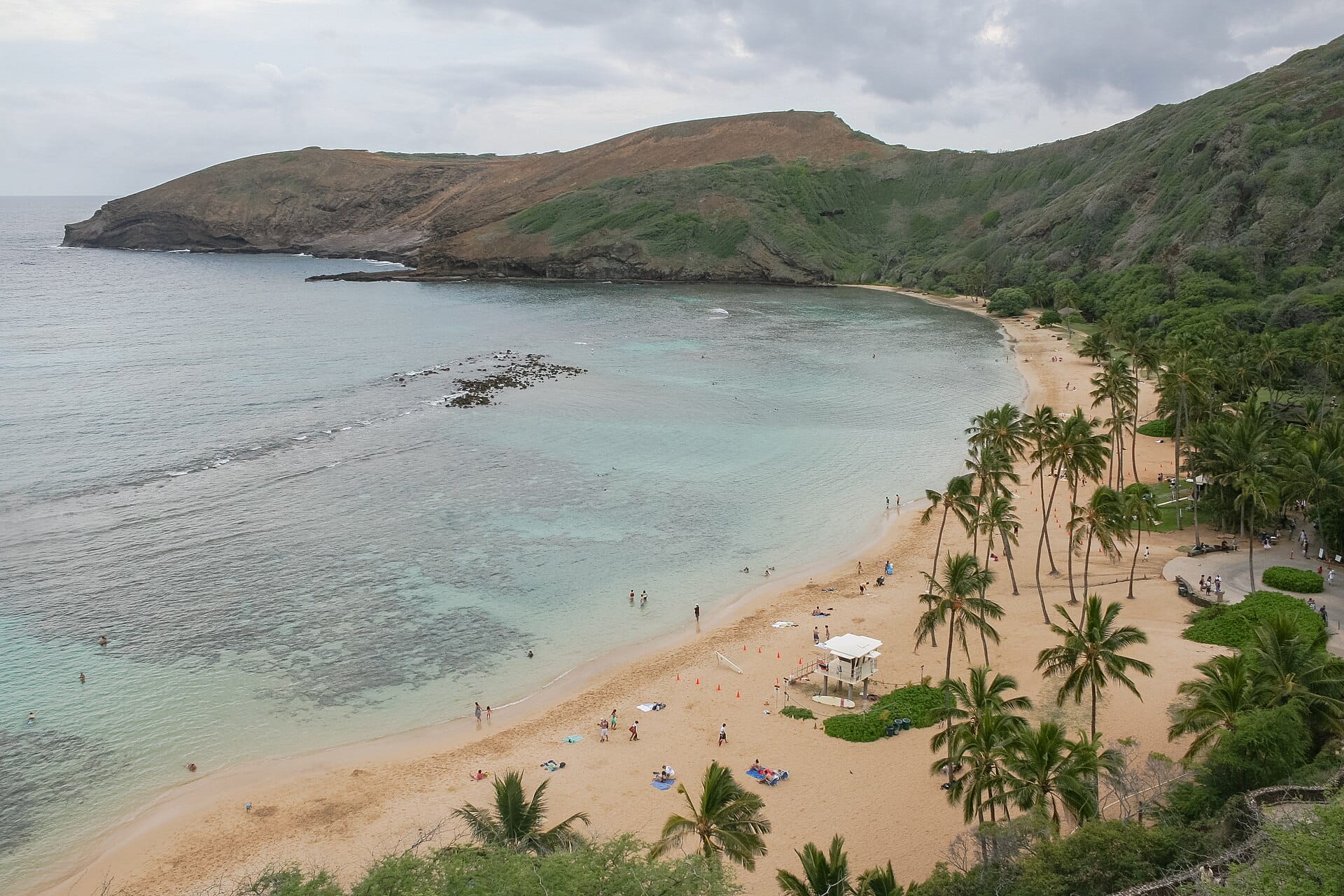
Hanauma Bay
Oahu, HawaiiAlso for divers & snorkellers and families · 26°C in April, as here
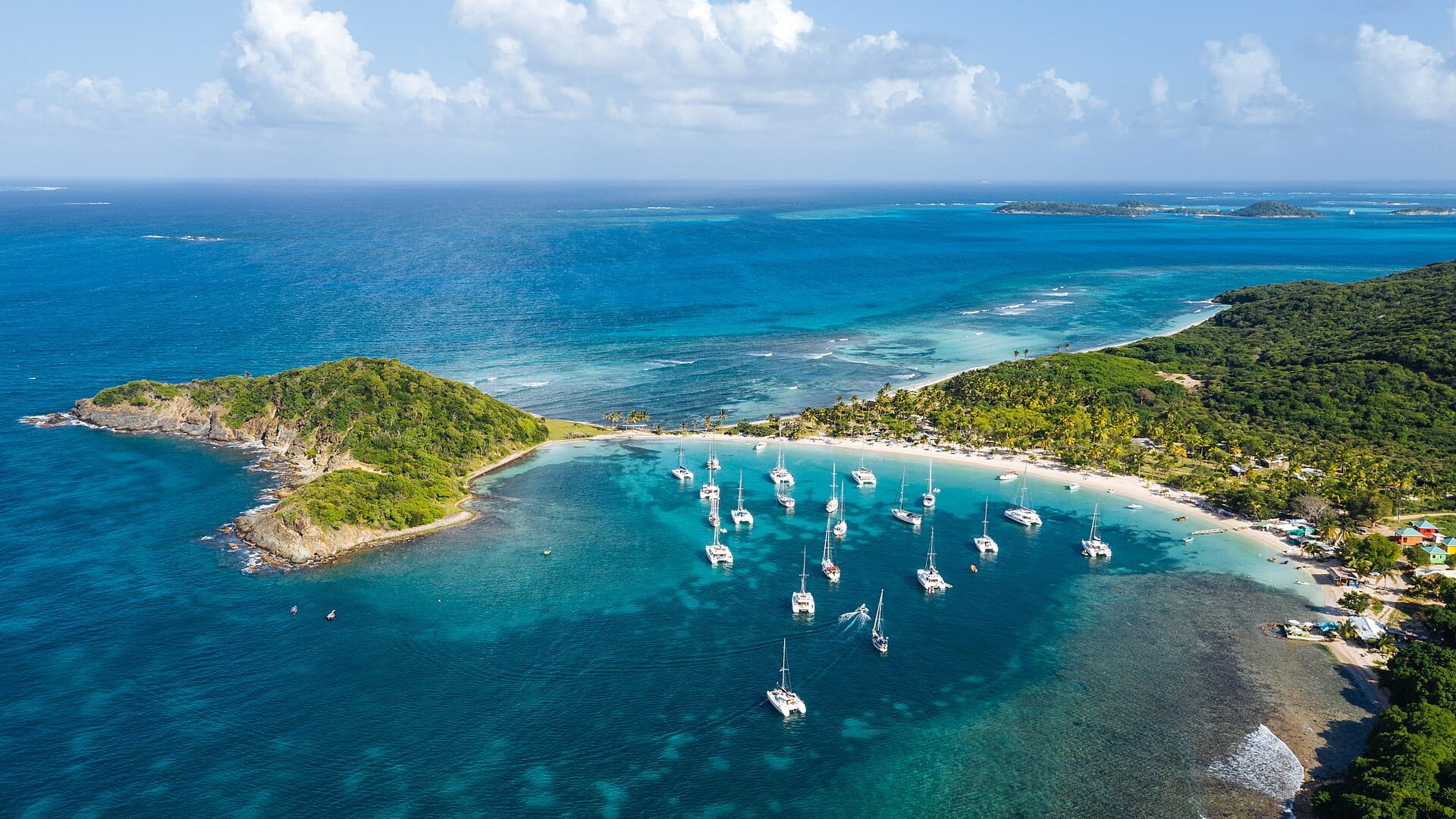
The Grenadines: Bequia
Mustique and the Tobago CaysAlso for divers & snorkellers and beach lovers · 26°C in April, as here
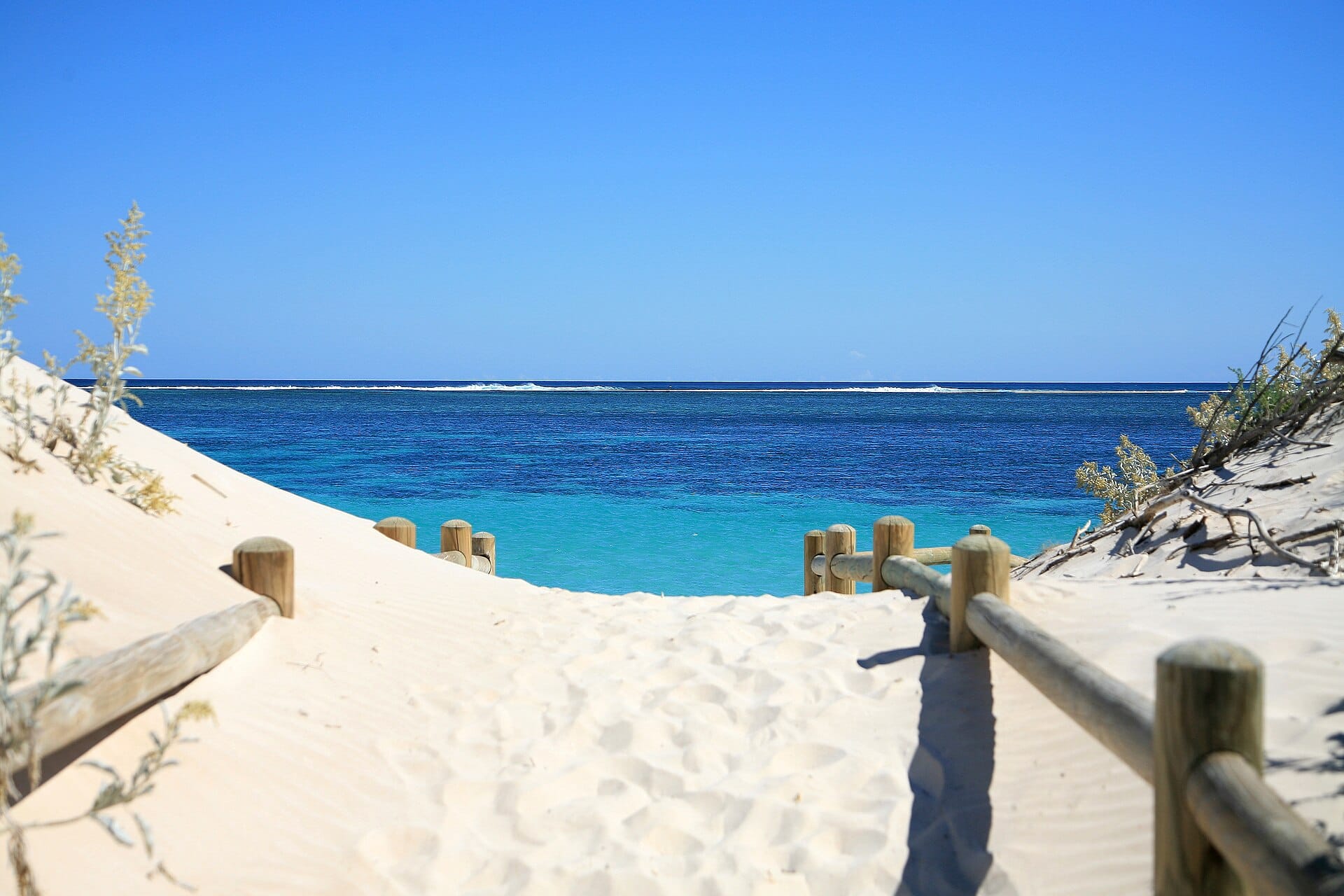
Turquoise Bay
Ningaloo Reef, AustraliaAlso for divers & snorkellers and beach lovers · 31°C in April (27°C here)
Nearby destinations
Related articles
Quick answers
When is the best time to visit Blue Bay?
Daytime highs run from about 24°C in July to 29°C in January. Driest July to September; wettest in March, with rain on about 26 days. The sea is warmest in January at around 28°C, coolest at 24°C.
How long should I spend in Blue Bay?
Our suggestion: 2–3 nights, or a day trip.
How do I get to Blue Bay?
Barely 15 minutes by taxi from Mauritius (MRU) at Plaine Magnien, which is the closest airport on the island to any beach.
Do I need a car in Blue Bay?
No. Local buses run along the coast to Mahébourg and beyond, slowly but cheaply.
What currency and language are used in Blue Bay?
Currency: Mauritian rupee (MUR). Language: English, French and Mauritian Creole. Plugs: type C and G.
Who is Blue Bay best for?
Best for divers & snorkellers, families and beach lovers. In a phrase: shallow, clear and unshowy.