
Banff
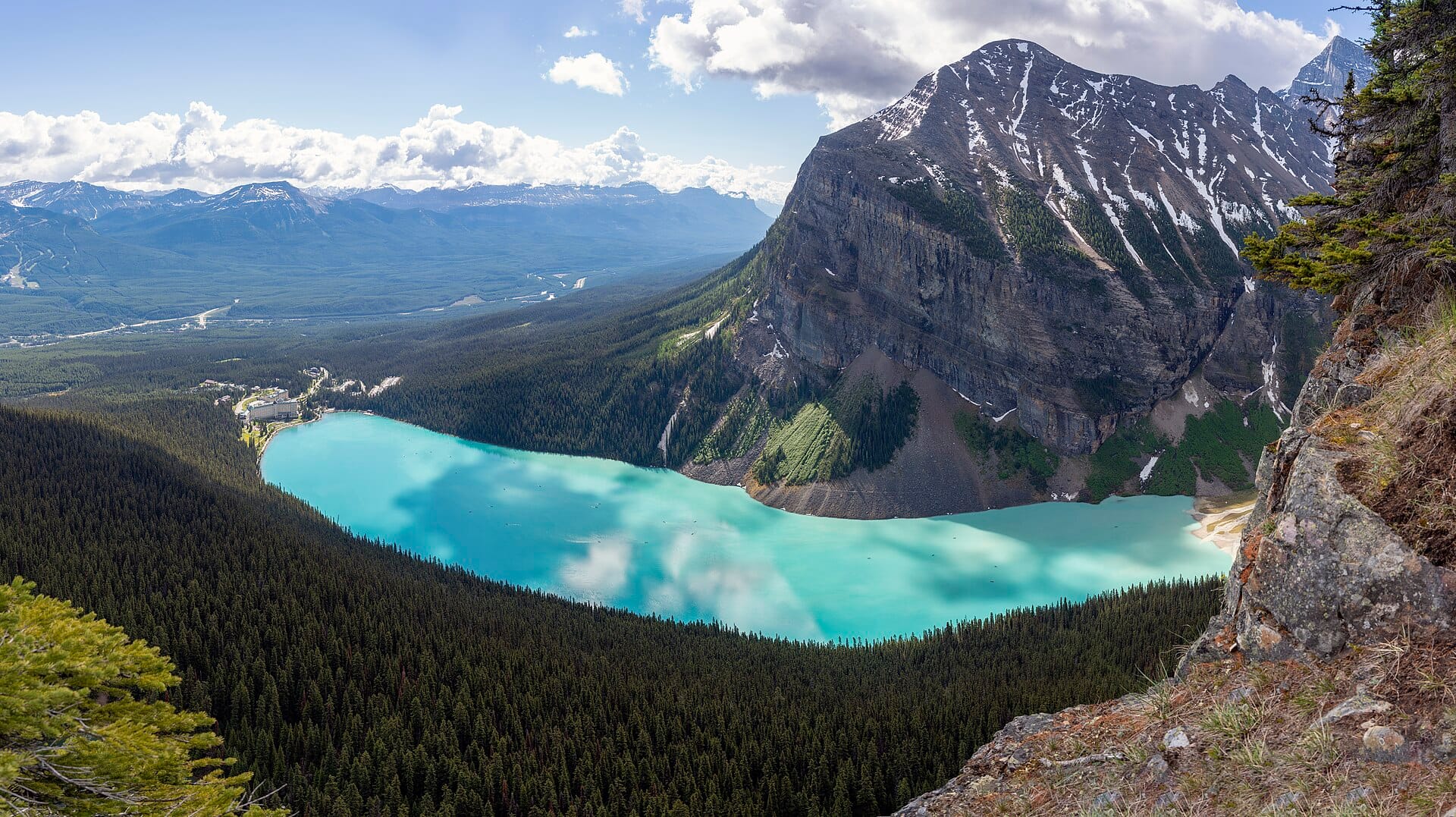
The Canadian Rockies' park town delivers lake-and-mountain scenery at a scale the Alps can't quite match: Lake Louise's turquoise bowl beneath Victoria Glacier, Moraine Lake's ten peaks and elk wandering the outskirts as though they pay rates.
- Best forCouples · Walkers & hikers · Wildlife & nature
- In May11°C · 14 rainy days
- Ideal stay4–6 nights
- Approx. flying time~2h 55m from Los Angeles
- CurrencyCADCanadian dollar
- LanguageEnglish and French
- Local time04:117h behind the UK
- PlugsType A / BBring an adapter
- Drive on theRightOpposite to the UK
- Dialling code+1
Why go
Canada's oldest national park delivers mountain scenery at a scale that flattens most comparisons: glacier-fed lakes in improbable turquoise, limestone walls rising straight from the valley floor, and elk grazing the verges of the town itself. Banff is a small resort settlement inside a protected area, so everything is walkable and everything else is a short drive into genuine wilderness.
Four to six nights suits a first visit, with a hire car for the Icefields Parkway and Lake Louise. Summer means long days and heavy demand; winter turns the park quiet, snowbound and arguably more beautiful, with three ski areas on one pass. Autumn brings larches and elk rut. Parking at the famous lakes is now tightly controlled, so shuttles need booking well ahead.
- Ideal stay
- 4–6 nights
- The vibe
- Alpine, glacial, cinematic
From our guides
Steaming outdoor water at 1,585 metres with the Canadian Rockies filling every sightline — the Banff Upper Hot Springs have been thawing travellers since 1886. Winter is the masterstroke: sit in 39-degree water while snow settles on your hair, then retreat to the baronial Fairmont Banff Springs for cocktails beneath the turrets. You may share the drive up with elk; give way graciously. Book January for snow-globe conditions and skating on frozen Lake Louise nearby.
Featured in Ten lake-and-mountain towns for a perfect summer week and Ten spa and hot-spring escapes to switch off together
Things to do
-
Lake Louise
A glacial lake below Victoria Glacier, with a shoreline path and steeper trails climbing to teahouses and the Plain of Six Glaciers. In winter the surface becomes a skating rink.
-
Moraine Lake
Ten peaks above water the colour of antifreeze, reached by shuttle or guided transport only since private vehicles were banned. Sunrise slots go fastest and deserve to.
-
Icefields Parkway
A 230-km road north to Jasper past Peyto Lake, the Columbia Icefield and hanging glaciers most of the way. Allow a full day and fill the tank before leaving.
-
Banff Upper Hot Springs
Outdoor thermal water at 1,585 metres with Mount Rundle across the valley. Best in winter, when steam meets snow and the drive up is shared with elk.
-
Sulphur Mountain gondola
Eight minutes to a ridge-top boardwalk at 2,281 metres, with a panorama over the Bow Valley. Walkers can climb the switchbacks instead and ride down.
-
Johnston Canyon
Catwalks bolted into a limestone gorge leading to two waterfalls, and frozen blue pillars for ice walkers in winter. Short, busy and genuinely worth it.
Getting there
-
Fly to
Calgary (YYC)
Nearest airport to Banff, about 109km away as the crow flies.
-
Then
To Banff
About an hour and three quarters by car from Calgary (YYC), straight west on the Trans-Canada Highway. Scheduled airport coaches run the same route several times a day.
-
On the ground
Getting around
Banff town is walkable and a local bus links it with the hot springs, the gondola and Lake Louise. Moraine Lake is closed to private cars, so the Parks Canada shuttle or a booked tour is the only way in.
Public transport: Unusually good for the Rockies: Roam buses serve the town, Lake Louise and the Johnston Canyon corridor, though a car widens the range in winter.
Flights
Los Angeles Banff, Canada
Fly from anywhere — search 4,000+ airports worldwide.
Roughly 2h 55m in the air from Los Angeles (LAX), estimated from the distance — check for a direct route. Pick a month to see every available flight with live prices.
Check dates and prices
Pick your departure date, then your return.
Search flightsNot sure when? Compare fares across a whole month.
Flight times are estimates; prices open on Google Flights.
When to go
Daytime highs run from about -7°C in December to 23°C in July. Driest in January; wettest in June, with rain on about 20 days.
The year at a glance — pick a month for detail
May11° · rain 14 daysCool and often wet.
Monthly figures averaged from daily records for 2020–2024 at this location (ERA5 reanalysis). Live conditions from MET Norway, CC BY 4.0.
Where to stay
Mountain lodges, chain hotels and condo units, plus historic railway hotels. Camping and cabins are a major part of the market, and everything inside the park is capped in supply.
-
Best base overall
Banff townsite
Restaurants, the hot springs, the gondola and the shuttle stops all in one walkable town. It is the most expensive place to sleep in the park, and parking is a daily chore.
Find stays in Banff townsite -
Closest to the sights
Lake Louise village
Forty minutes north, right by the lake and the Moraine shuttle departure point, which matters for sunrise. Very few restaurants, and rooms are limited and pricey.
Find stays in Lake Louise village -
Best value
Canmore
Just outside the park boundary, twenty minutes from Banff, with better-priced hotels and condos and a decent food scene. You pay the park pass daily and drive in.
Find stays in Canmore -
Best with children
Tunnel Mountain
The wooded bench above Banff, with cabins, family units and campgrounds and a short bus into town. Quiet and green, though you will drive or ride to dinner.
Find stays in Tunnel Mountain
Worth knowing before you book: Reserve the Parks Canada shuttle to Moraine Lake and Lake Louise as soon as bookings open, since private cars are turned away. A park pass is required per vehicle per day.
Search everything else in Banff by budget. These are indicative budget bands in GBP per night for two people, not live quotes or guarantees of hotel type. Check your dates, guests, taxes and final price on Booking.com.
Good to know
- Park pass
- Every vehicle needs a Parks Canada pass, bought online or at the gates. An annual discovery pass pays for itself in about a week of touring.
- Book ahead
- Moraine Lake is shuttle-access only, and the popular sunrise departures sell out as soon as they release. Lake Louise parking requires a reservation in peak months.
- Wildlife
- Bears, elk and wolves live here. Carry bear spray on trails, keep 30 metres from elk and 100 from bears, and never leave food in a car boot overnight.
- Weather
- Snow is possible in any month above 2,000 metres and afternoon storms build quickly in summer. Carry layers and waterproofs even for a short walk.
- Getting there
- Calgary is the arrival airport, about 90 minutes by road, with frequent scheduled coaches if you would rather not drive in winter conditions.
Similar places
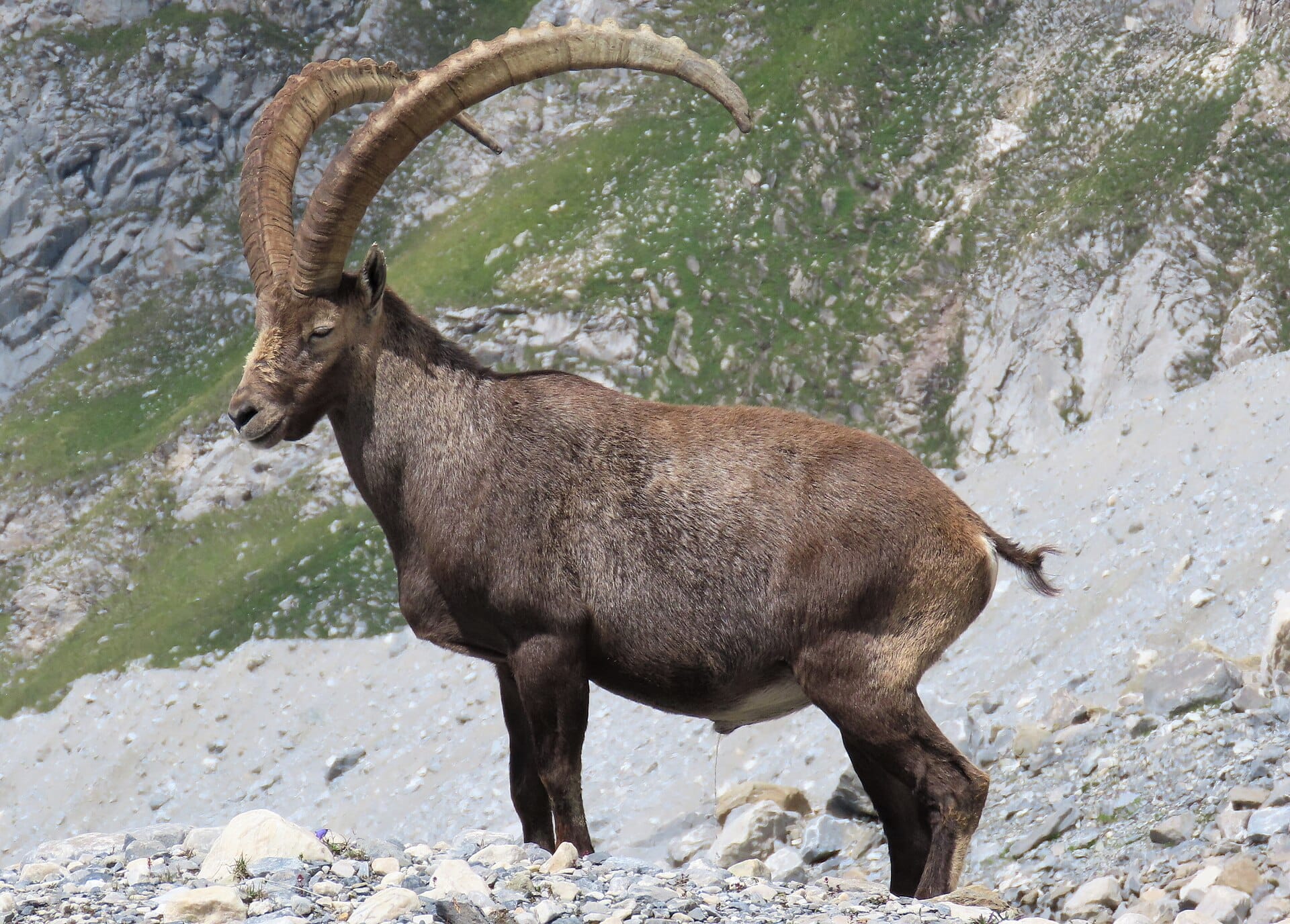
Vanoise National Park
FranceAlso for walkers & hikers and wildlife & nature · 5°C in May (11°C here)
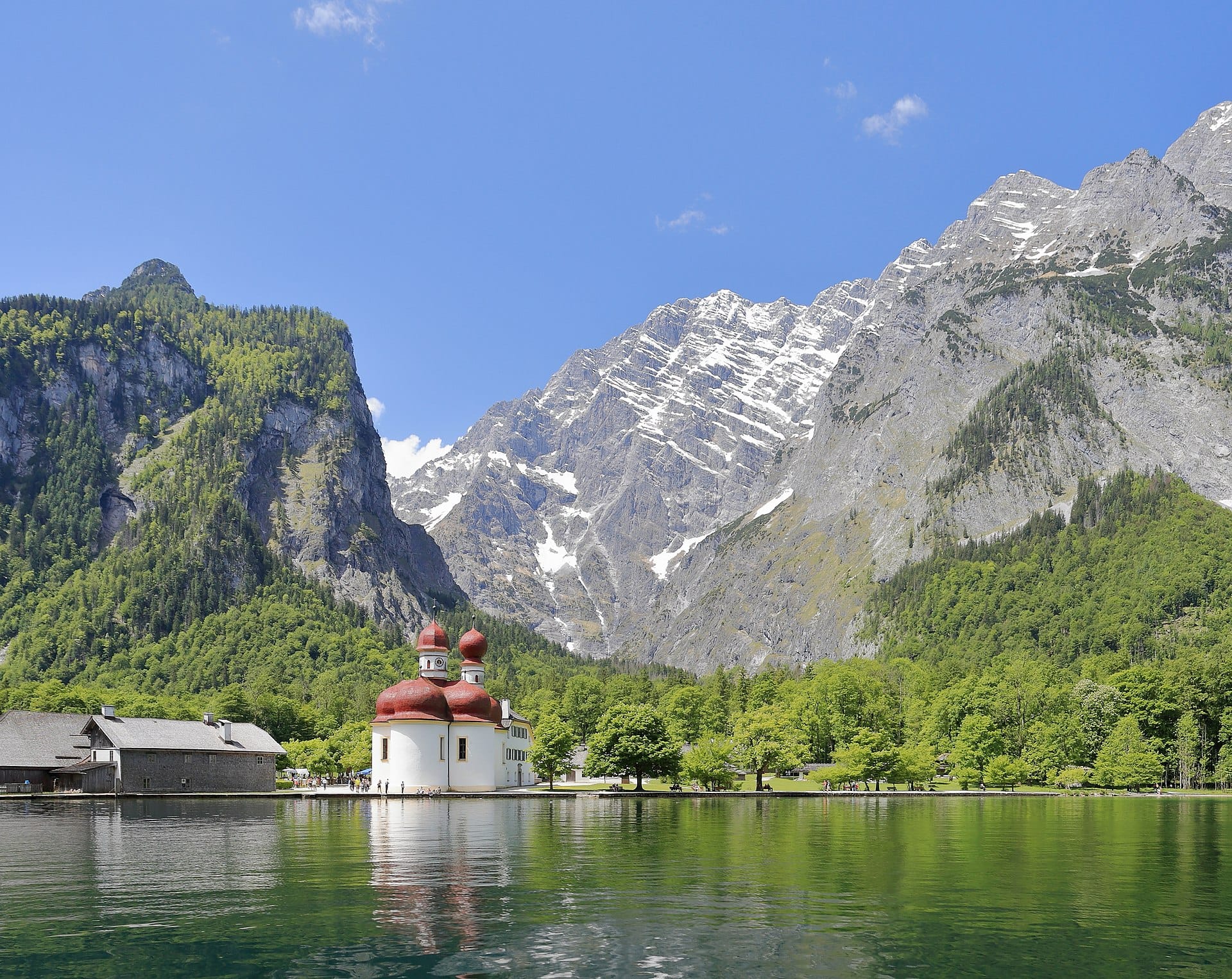
Berchtesgaden National Park
GermanyAlso for walkers & hikers and wildlife & nature · 5°C in May (11°C here)
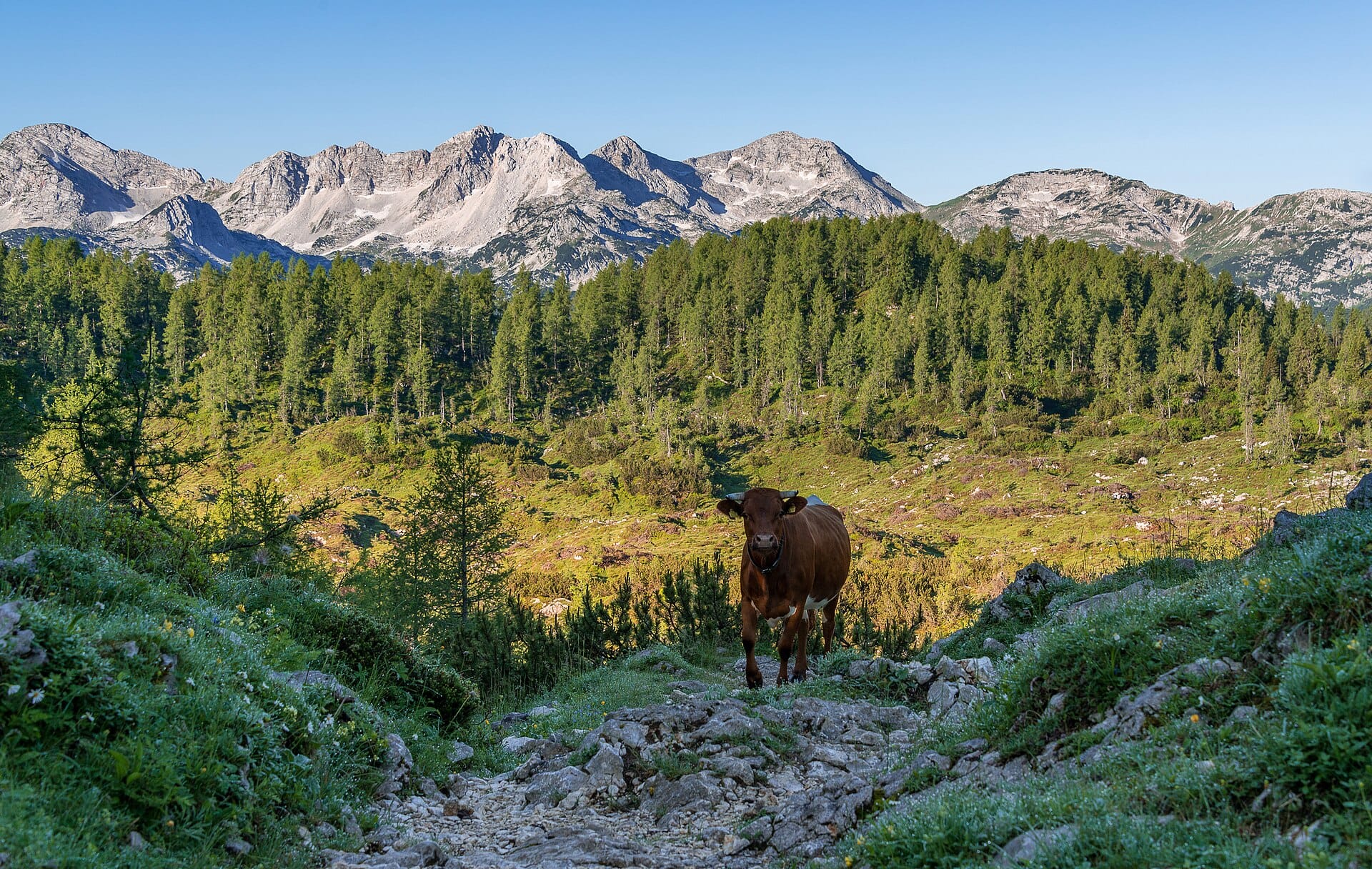
Triglav National Park
SloveniaAlso for walkers & hikers and wildlife & nature · 9°C in May (11°C here) · cheaper to stay
Nearby destinations
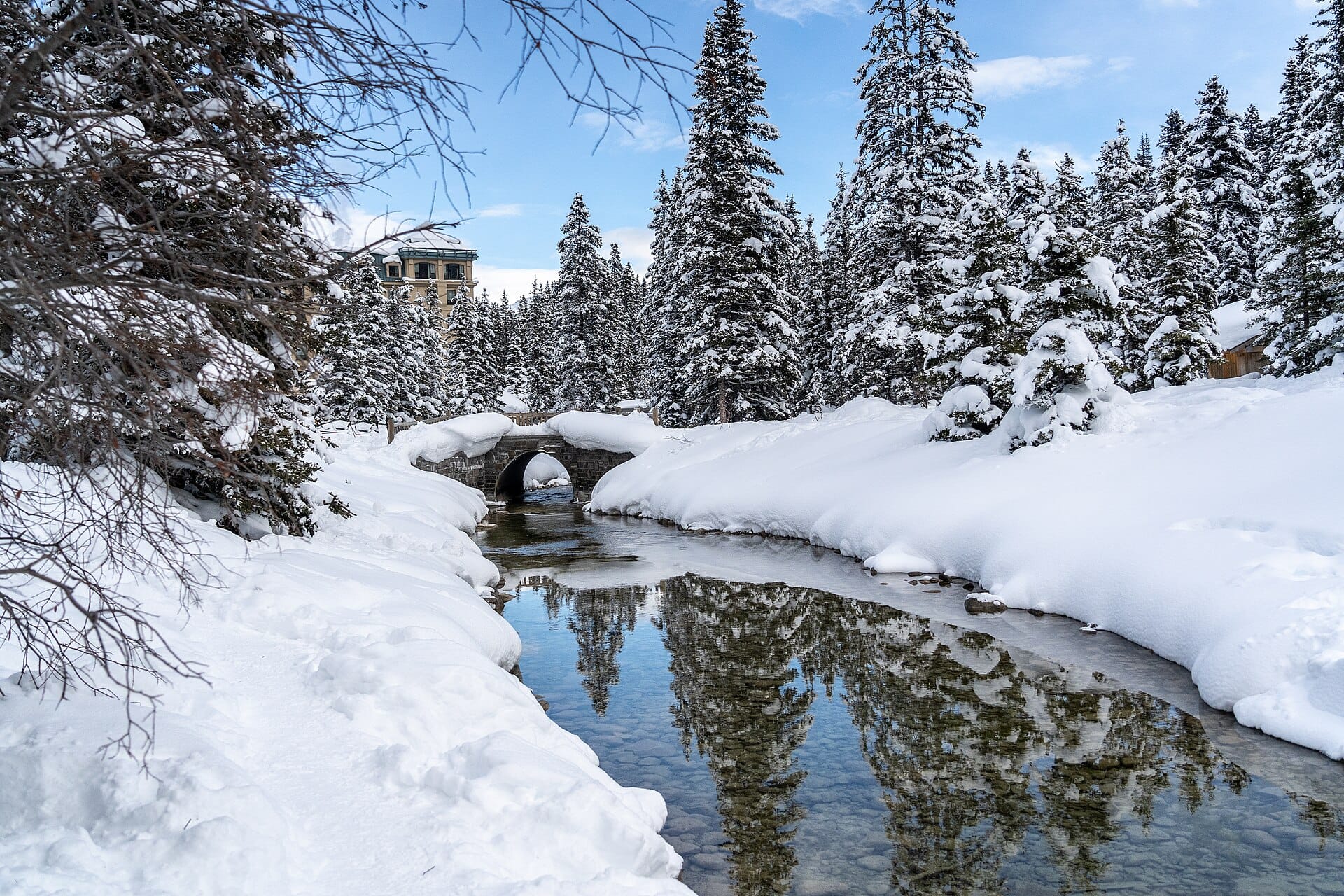
Skating on frozen Lake Louise
Canada · 50km away →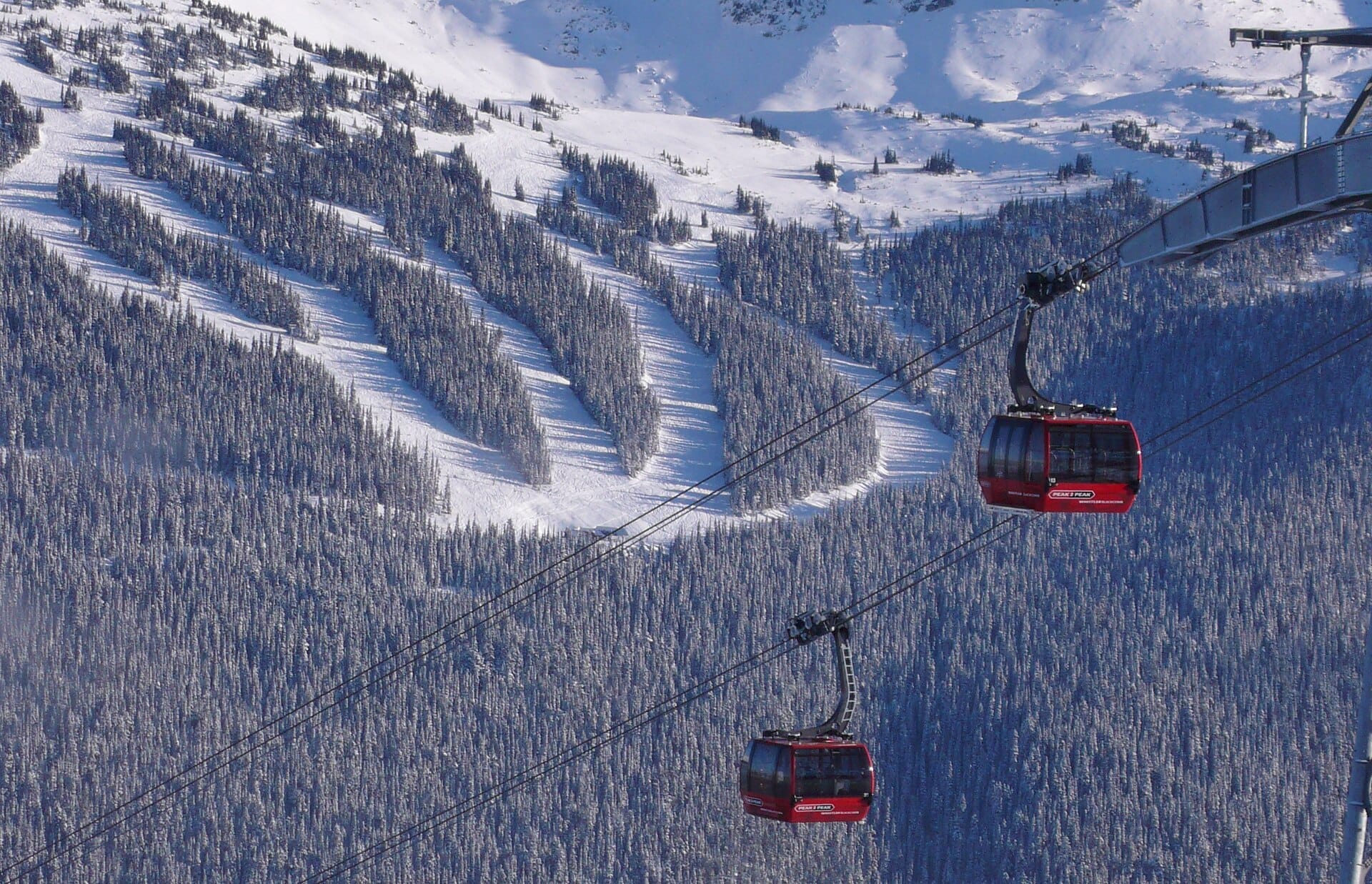
Peak 2 Peak Gondola
Whistler, Canada · 532km away →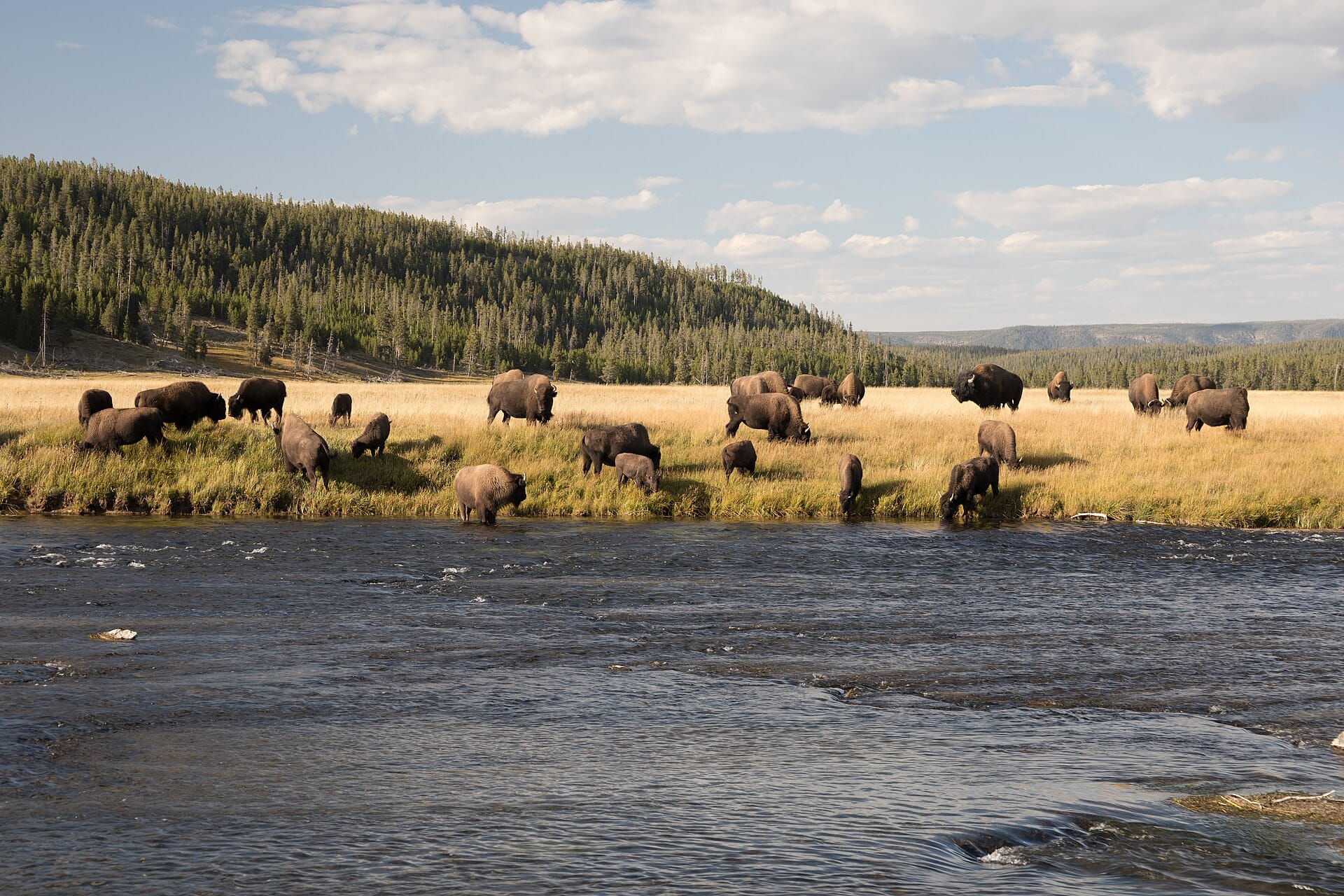
Bison in Yellowstone
USA · 789km away →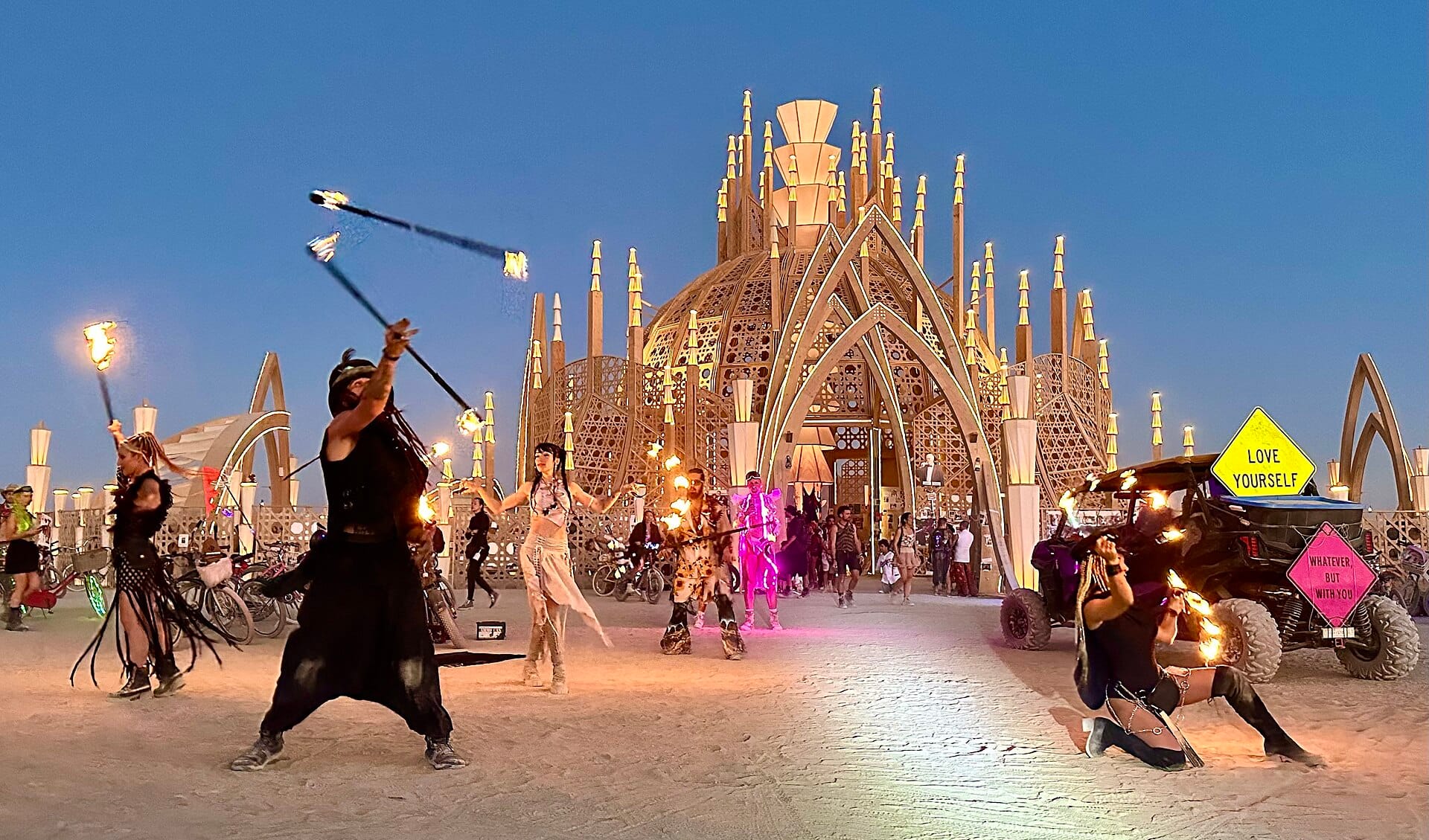
Burning Man
Nevada, USA →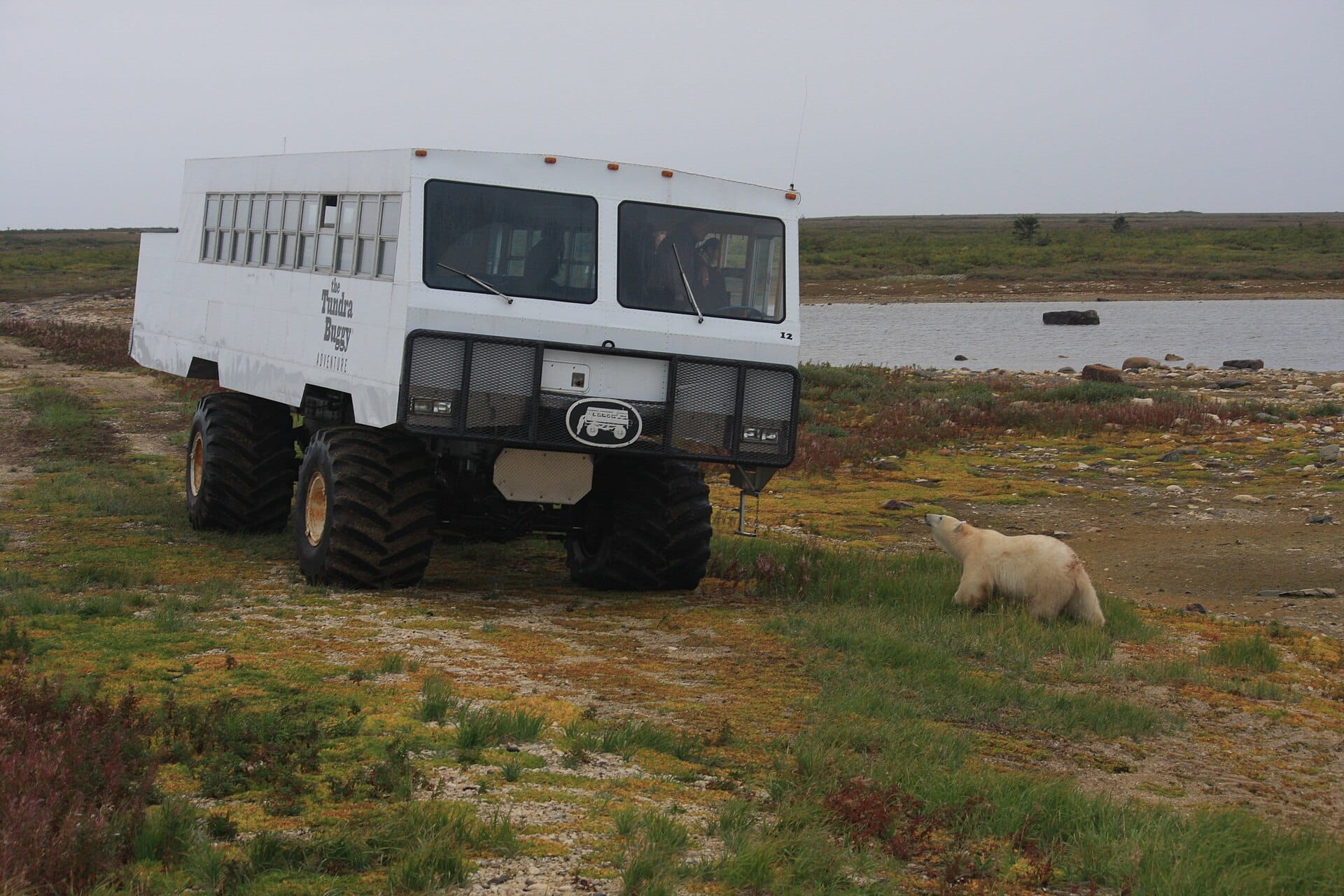
Polar bears
Churchill, Canada →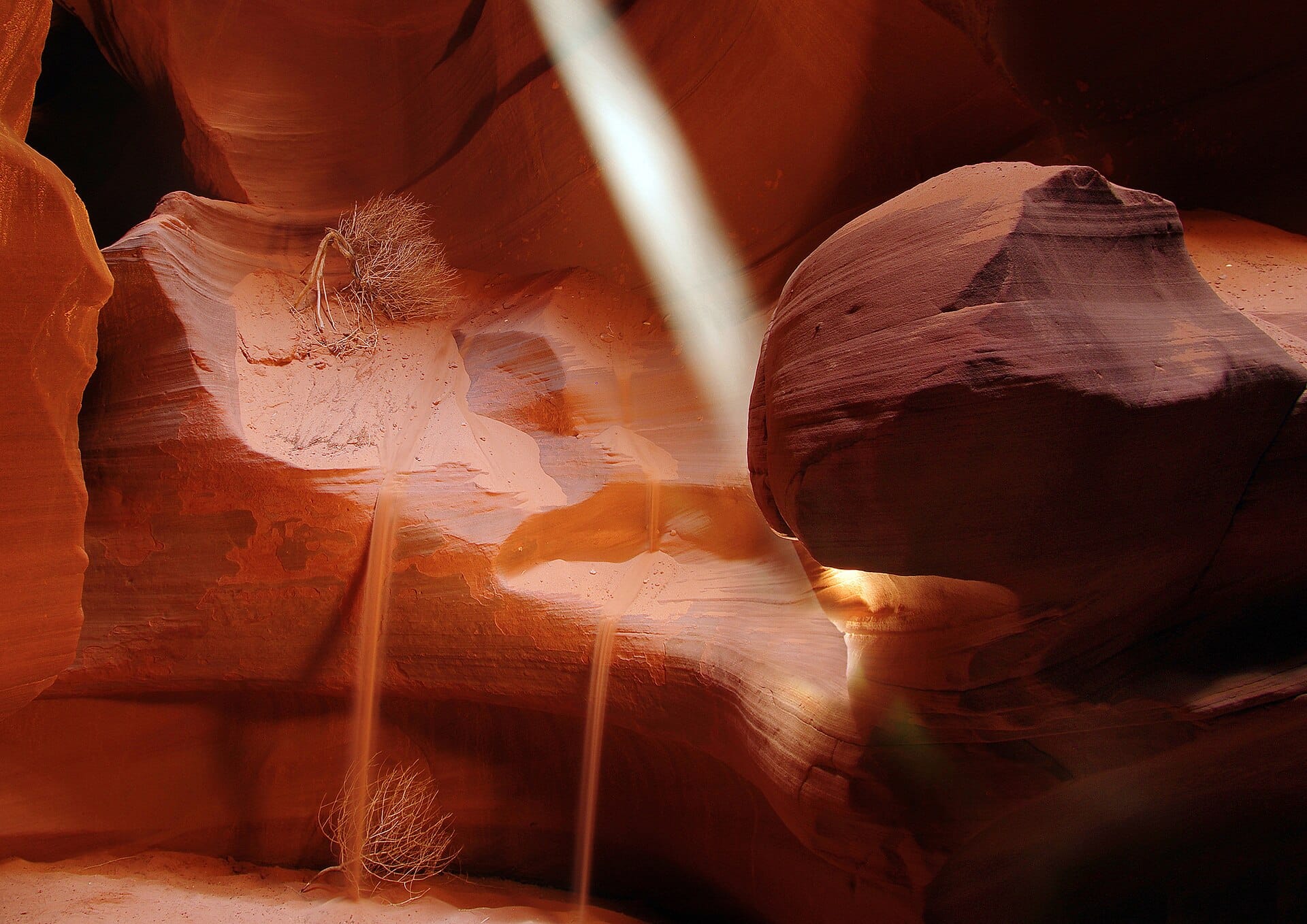
Walking the slot canyons of Antelope Canyon
Arizona, USA →Elsewhere in Canada
Related articles
Quick answers
When is the best time to visit Banff?
Daytime highs run from about -7°C in December to 23°C in July. Driest in January; wettest in June, with rain on about 20 days.
How long should I spend in Banff?
Our suggestion: 4–6 nights.
How do I get to Banff?
About an hour and three quarters by car from Calgary (YYC), straight west on the Trans-Canada Highway. Scheduled airport coaches run the same route several times a day.
Do I need a car in Banff?
No. Unusually good for the Rockies: Roam buses serve the town, Lake Louise and the Johnston Canyon corridor, though a car widens the range in winter.
What currency and language are used in Banff?
Currency: Canadian dollar (CAD). Language: English and French. Plugs: type A and B.
Who is Banff best for?
Best for couples, walkers & hikers and wildlife & nature. In a phrase: alpine, glacial, cinematic.