Ten mountain treks, from Ben Nevis to Everest Base Camp
Compare ten mountain treks and summit trips by terrain, altitude and preparation, with practical guidance on guides, permits and conditions.
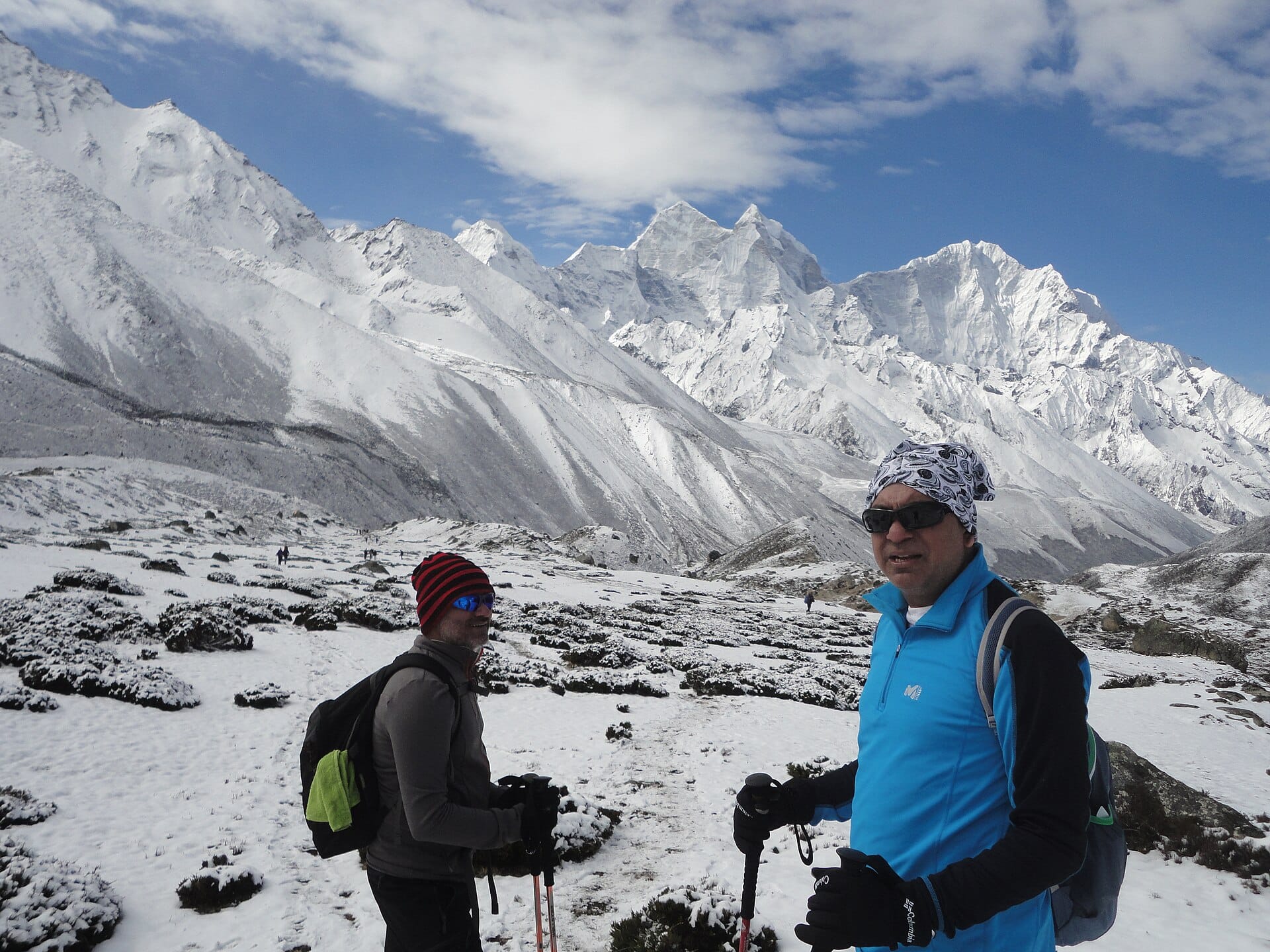
A first mountain trip can mean a long Scottish day walk, several nights in Alpine huts or a carefully paced Himalayan trek. These ten ideas demand different preparation: some involve exposed protected climbing, some reach extreme altitude, and snow can change the equipment and skills required. Choose for your current experience and the exact route, then build in time for weather, acclimatisation and a sensible turnaround. A summit is an optional outcome of a good mountain journey.
1. Kilimanjaro, Tanzania
Explore destination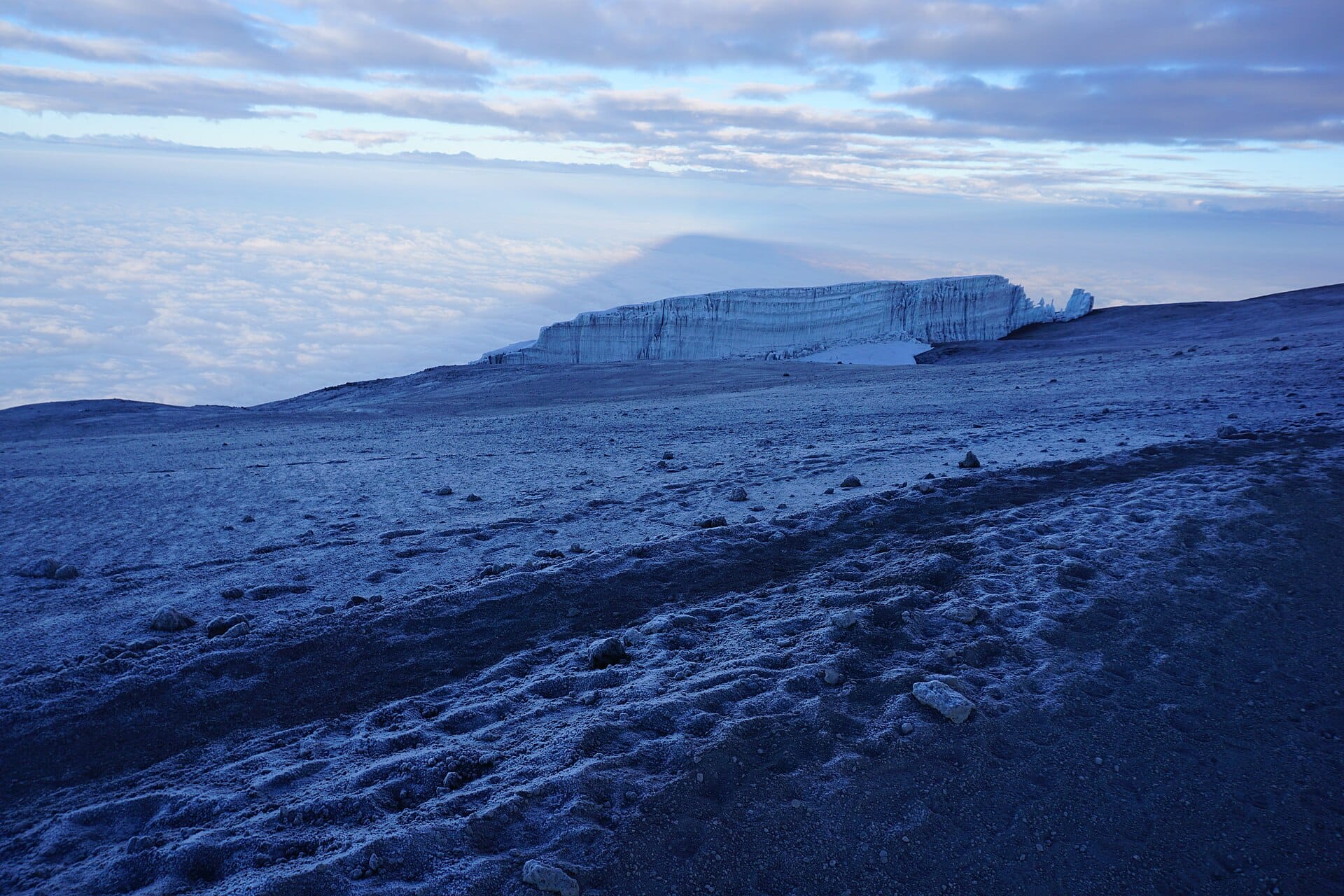
Kilimanjaro rises to 5,895 metres, taking walkers through forest, moorland and high volcanic ground before a cold summit push. Standard trekking routes are usually undertaken without technical climbing in suitable conditions, but altitude, exposure and sustained effort make this a serious expedition. Compare longer itineraries with licensed operators, including acclimatisation, crew welfare and evacuation arrangements. Neither fitness nor extra days guarantees a summit.
2. Mount Toubkal, Morocco
Explore destination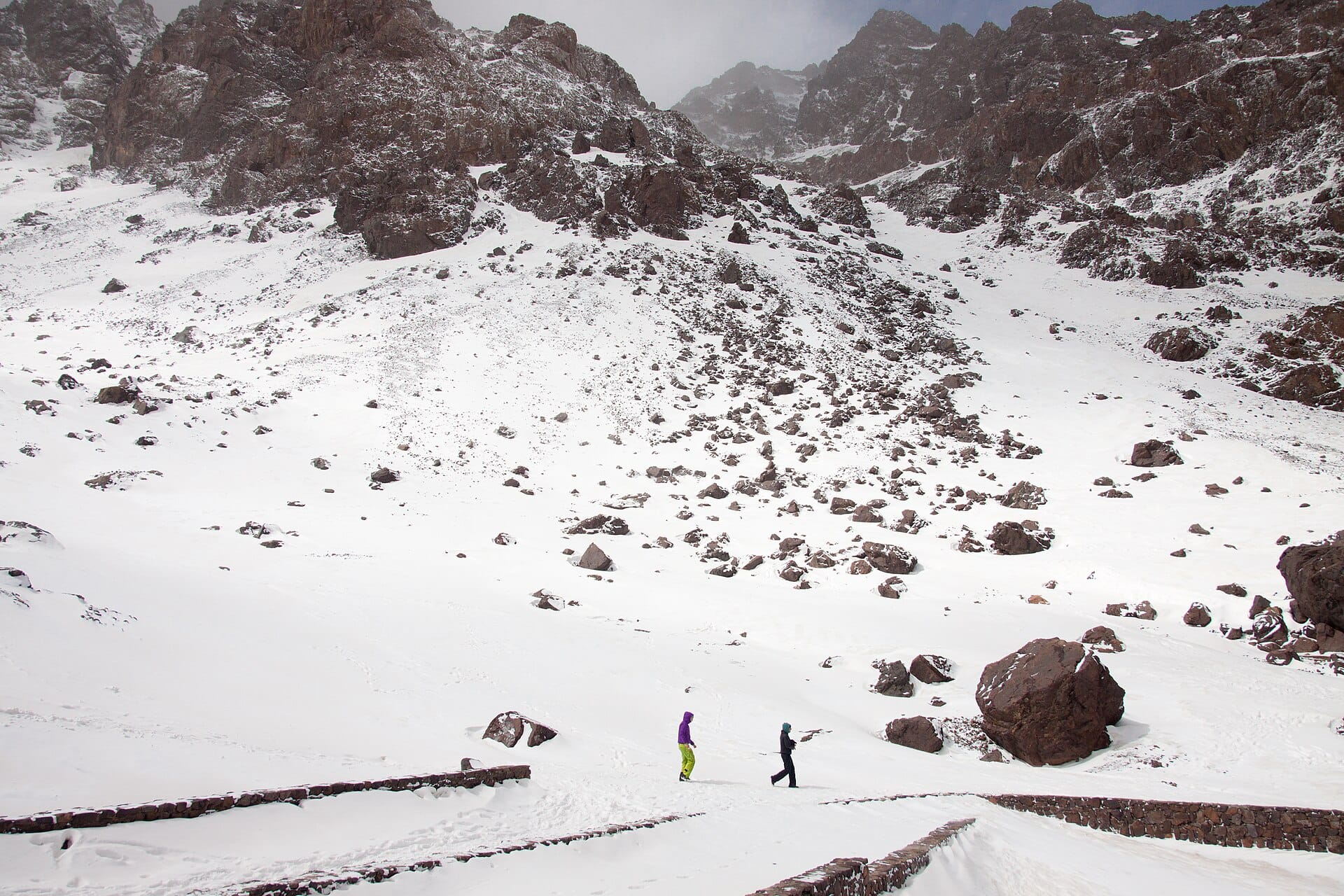
Toubkal rises to 4,167 metres above the High Atlas, with Imlil as the usual walking base. The familiar refuge-and-summit itinerary gains height quickly, so a longer approach can be a better introduction than a rushed weekend ascent. Arrange a qualified local guide and discuss your previous walking and altitude experience. Snow and ice can persist beyond winter; confirm current conditions and equipment before treating the upper route as a summer walk.
3. Tour du Mont Blanc, France, Italy and Switzerland
Explore destination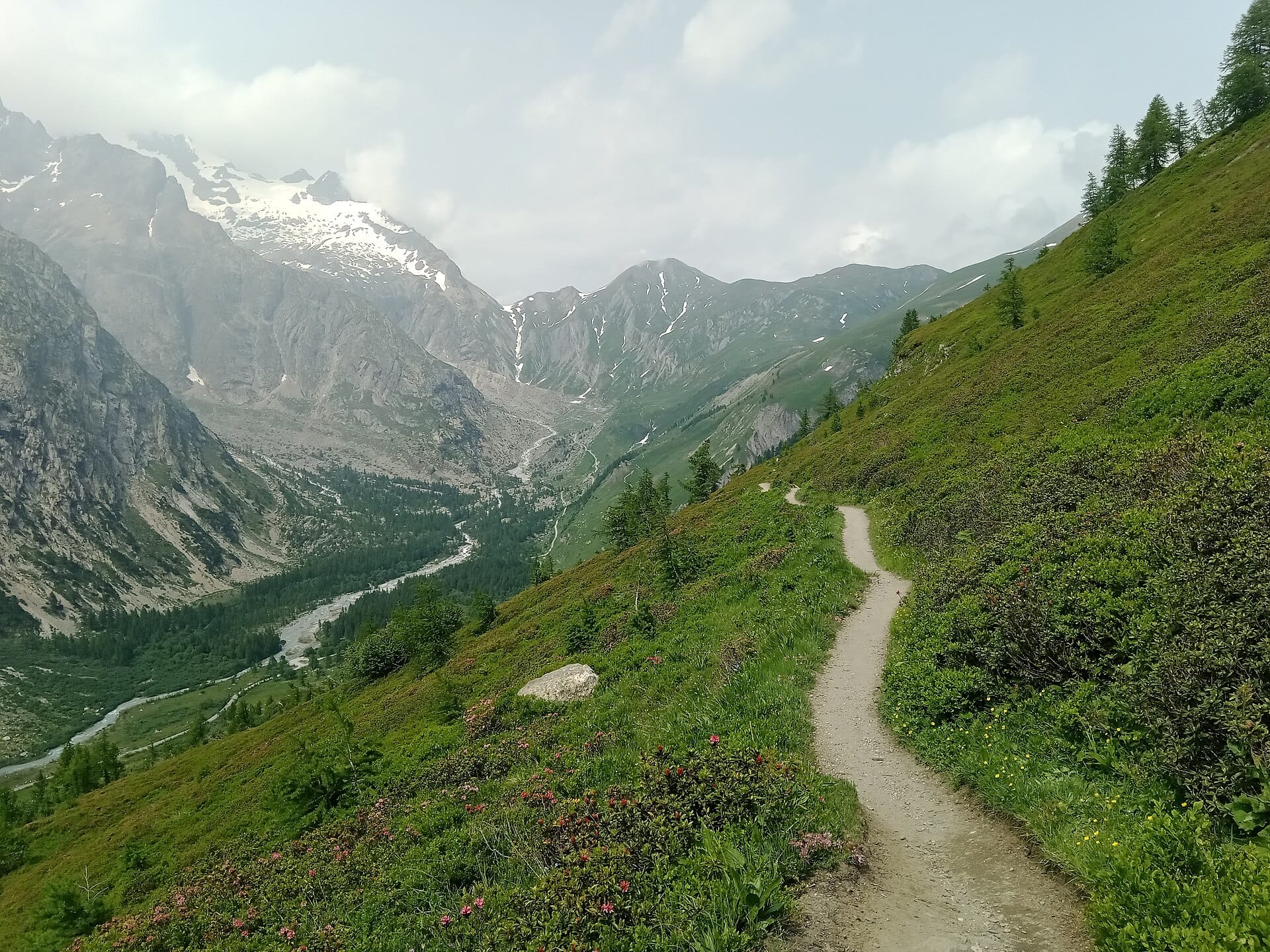
The Tour du Mont Blanc loops roughly 170 kilometres through France, Italy and Switzerland, with repeated climbs and descents rather than one summit. Around eleven walking days is a common plan, but daily distance, ascent and route variants matter more than the headline duration. Book huts as their individual calendars open. Snow on high passes, exposed sections and bad weather can demand a different route; valley transport helps only where a usable connection exists.
4. Everest Base Camp, Nepal
Explore destination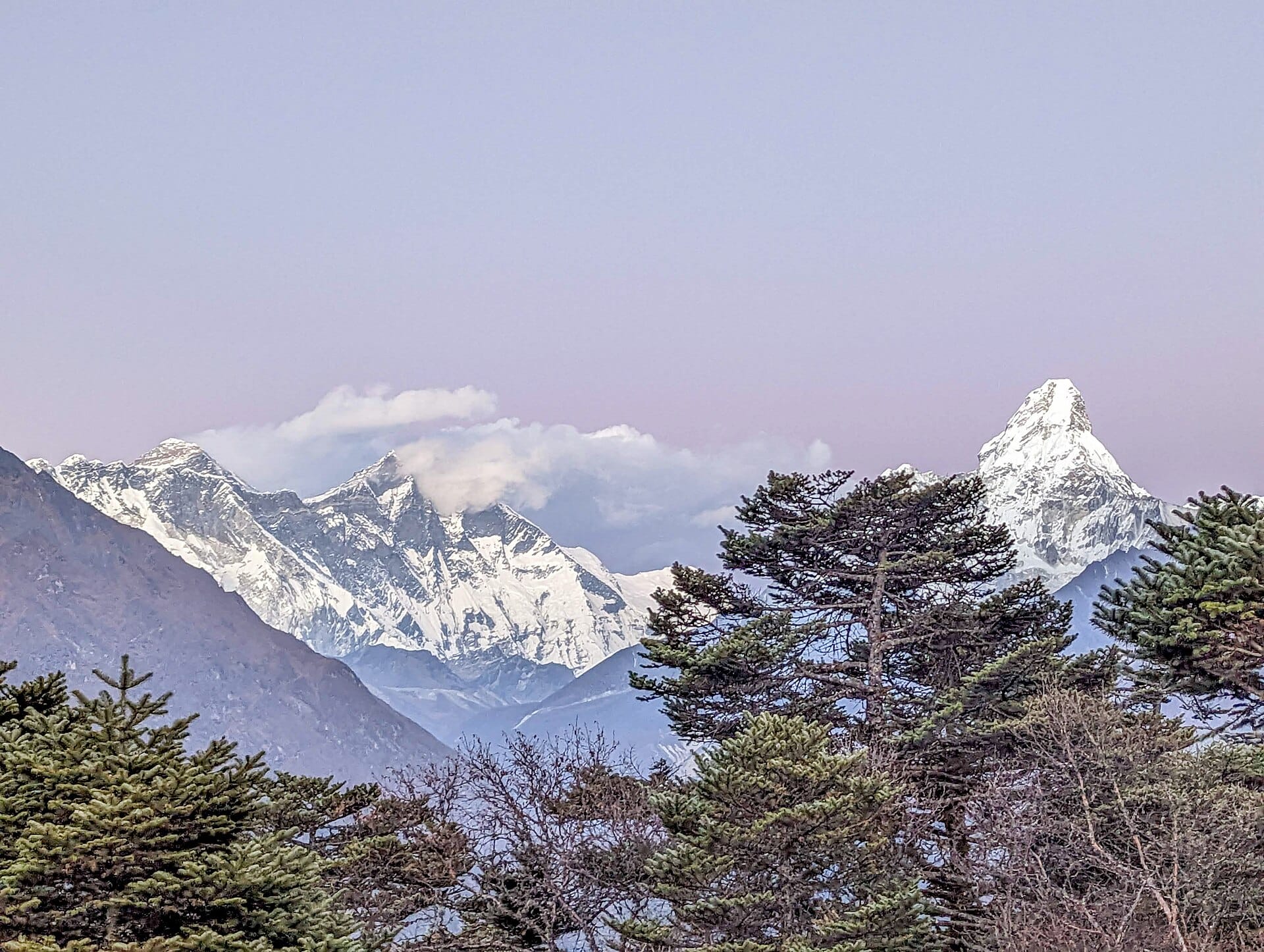
Everest Base Camp is a high-altitude trek through the Khumbu, with teahouses, monasteries and views of Himalayan peaks along the way. Many itineraries allow twelve to fourteen days from Lukla, including acclimatisation stops, plus travel buffers. Ask your operator to confirm current park, local permit and guide requirements. Lukla flights may use Kathmandu or Ramechhap/Manthali and are weather-sensitive. Slow progression and a willingness to descend matter more than keeping to the advertised schedule.
5. Mulhacén, Spain
Explore destination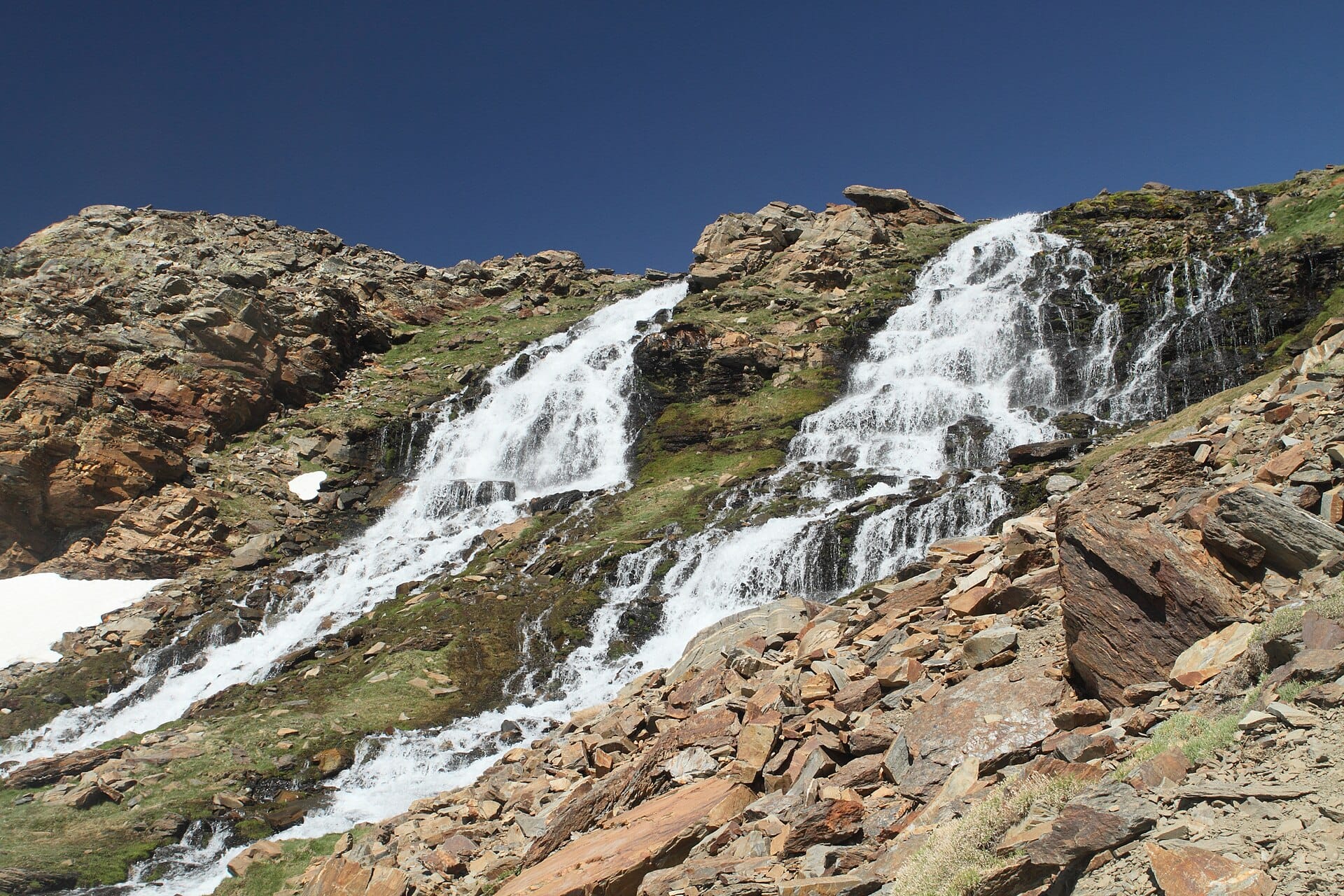
Mulhacén reaches 3,479 metres above the Alpujarras, with a broad southern approach that can suit experienced hillwalkers in settled summer conditions. A seasonal park shuttle from Capileira can shorten the approach, but the remaining walk still has altitude, ascent and an exposed mountain climate. Confirm its current terminus, reservation and return time. Snow, ice or storms change the outing; choose a lower village walk when the high route is unsuitable.
6. Triglav, Slovenia
Explore destination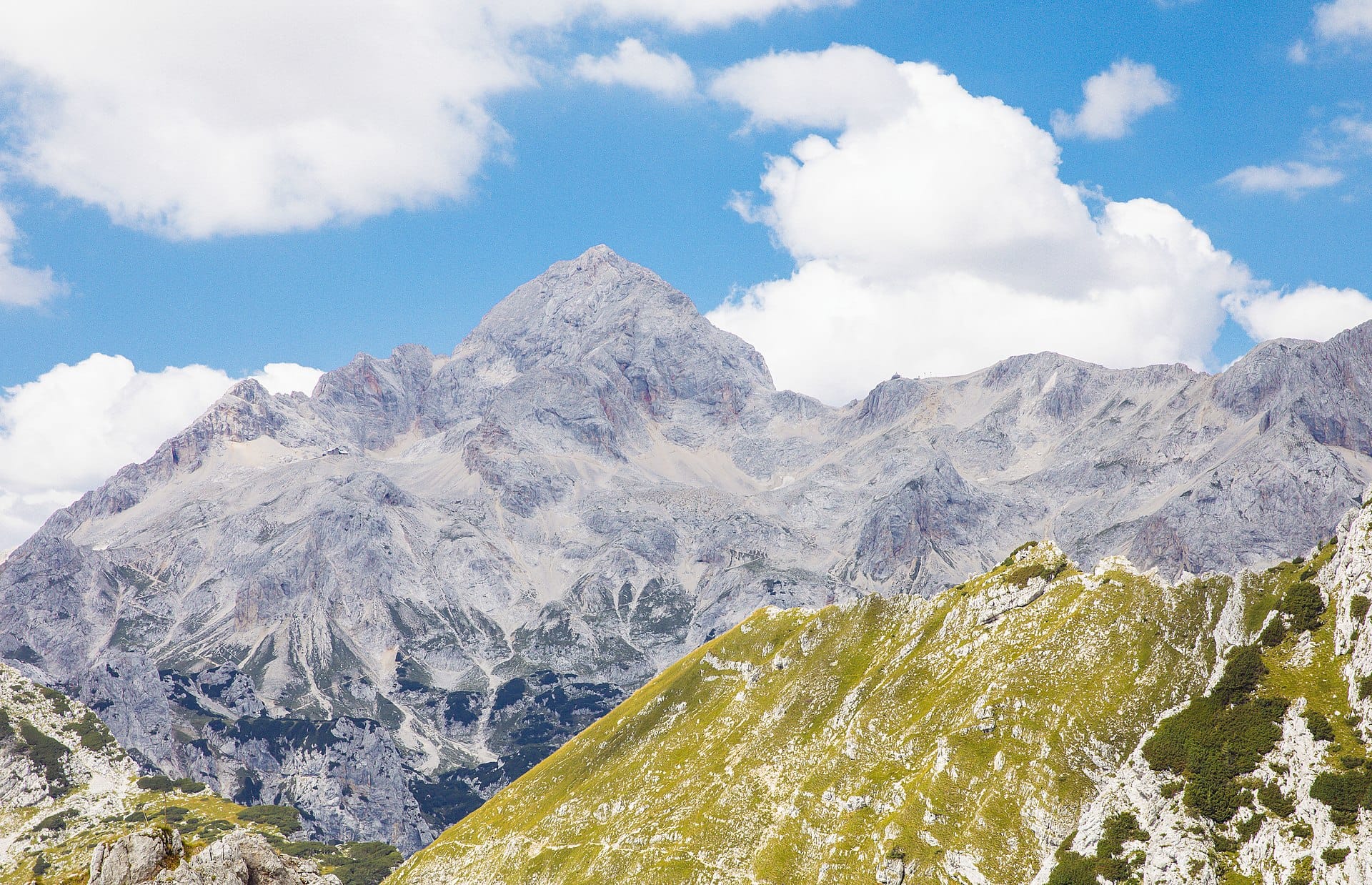
Triglav is a different proposition from a straightforward trekking summit. Its upper routes use exposed protected climbing, including cables and a narrow ridge, to reach 2,864 metres. Beginners should discuss a guided ascent with a qualified mountain guide, who can assess preparation, equipment and conditions. A hut night can divide the effort, but the summit remains optional. The Julian Alps also offer excellent valley and hut walks for anyone who prefers less exposure.
7. Ben Nevis, Scotland
Explore destination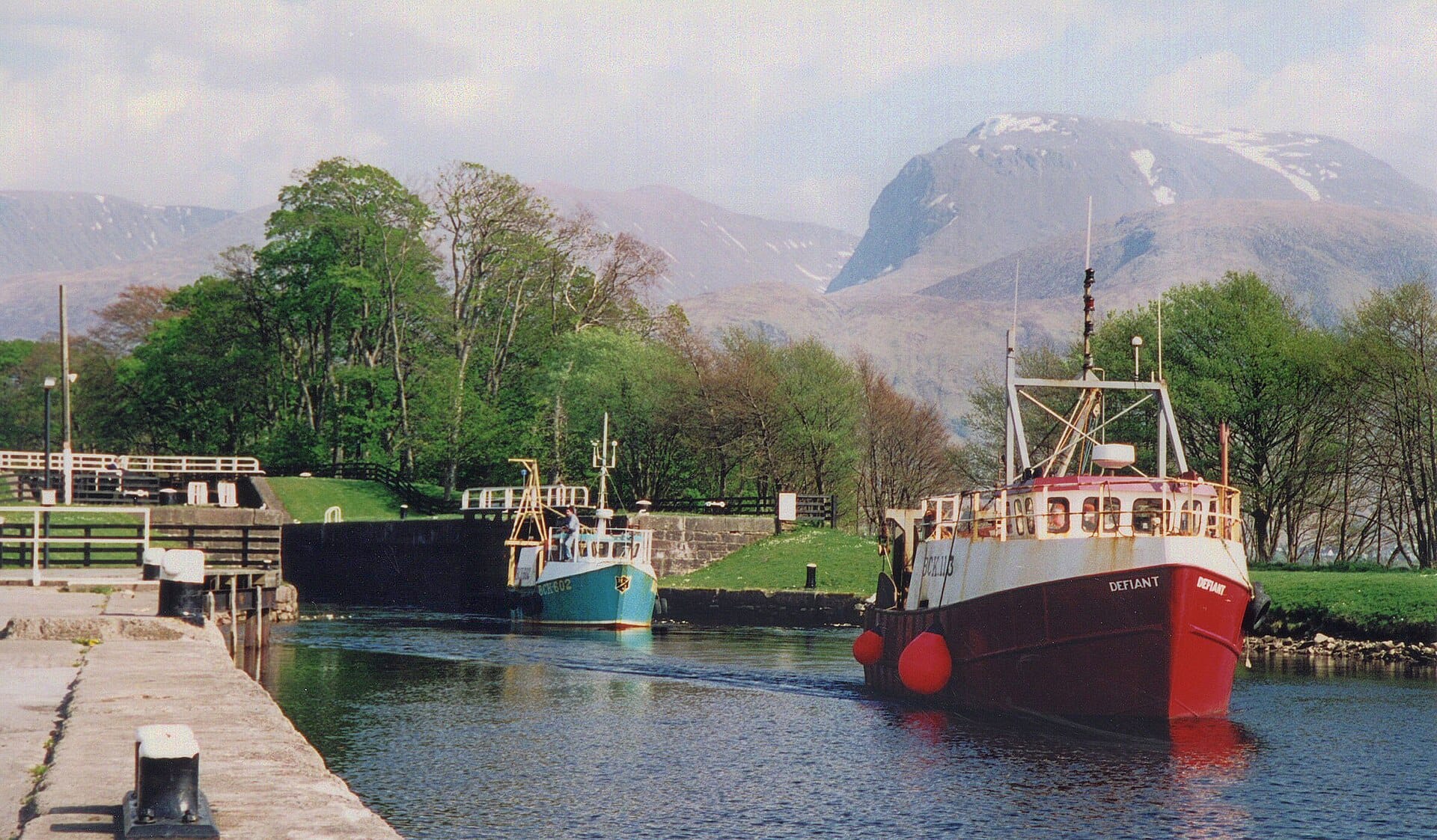
Ben Nevis reaches 1,345 metres, but its modest altitude compared with the other peaks here does not make the Mountain Track an easy day. Allow a full day for a sustained ascent and descent, with enough energy and daylight in reserve. The summit plateau has dangerous drops and can be difficult to navigate in cloud. Carry suitable mountain equipment and know how to use it; snow and ice call for winter skills, even when the glen feels mild.
8. Mount Fuji, Japan
Explore destination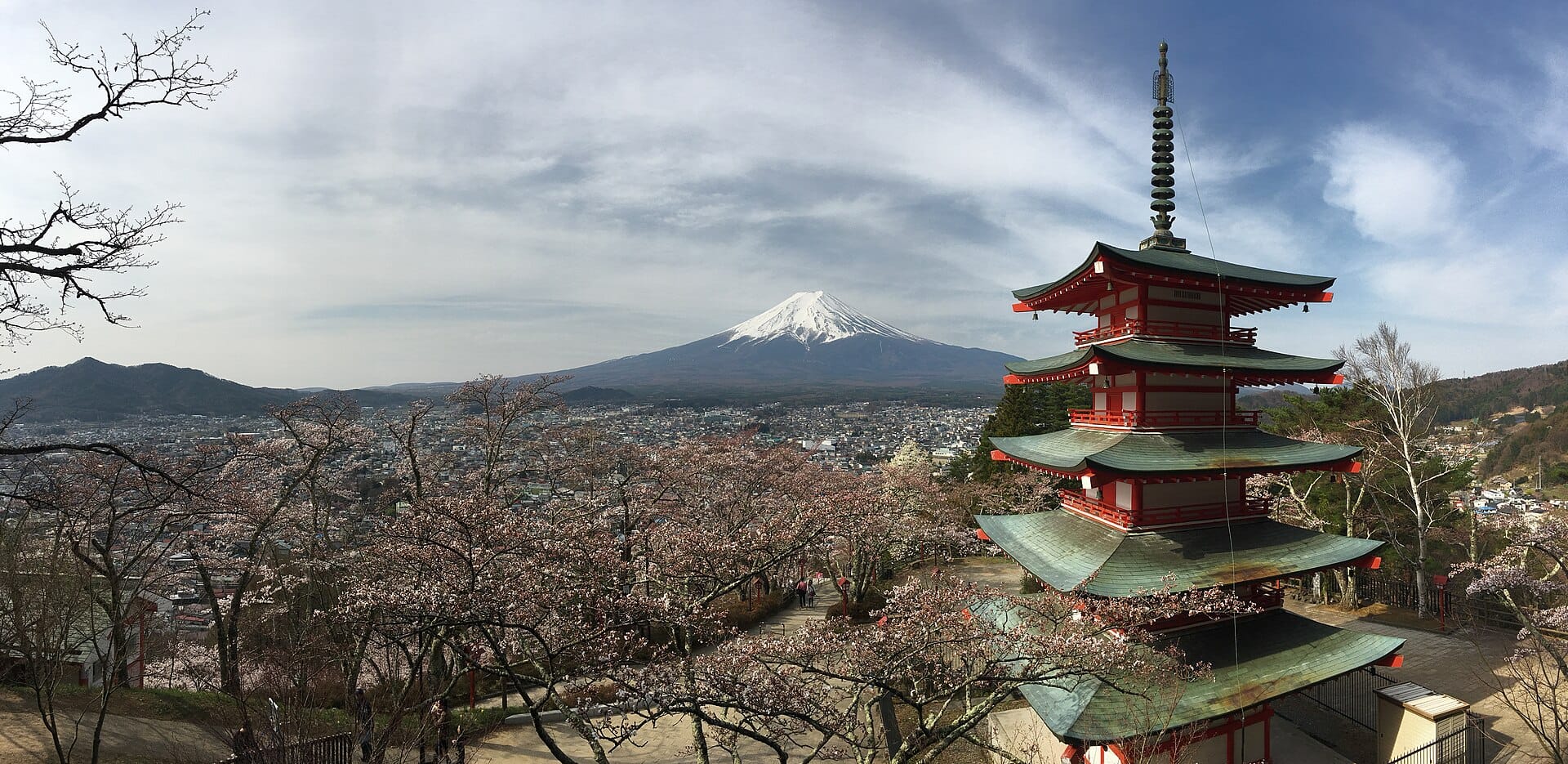
Mount Fuji’s 3,776-metre crater rim is reached by a sustained climb on loose volcanic ground during a short official summer season. A reserved hut can break the journey, but little sleep and altitude still make it demanding. For the 2026 Yoshida season, the access fee was ¥4,000 and timed entry restrictions applied; check the official rules for your chosen trail and travel year. Hut reservations and trail registration are separate arrangements. Sunrise and clear views are never guaranteed.
9. The Laugavegur trail, Iceland
Explore destination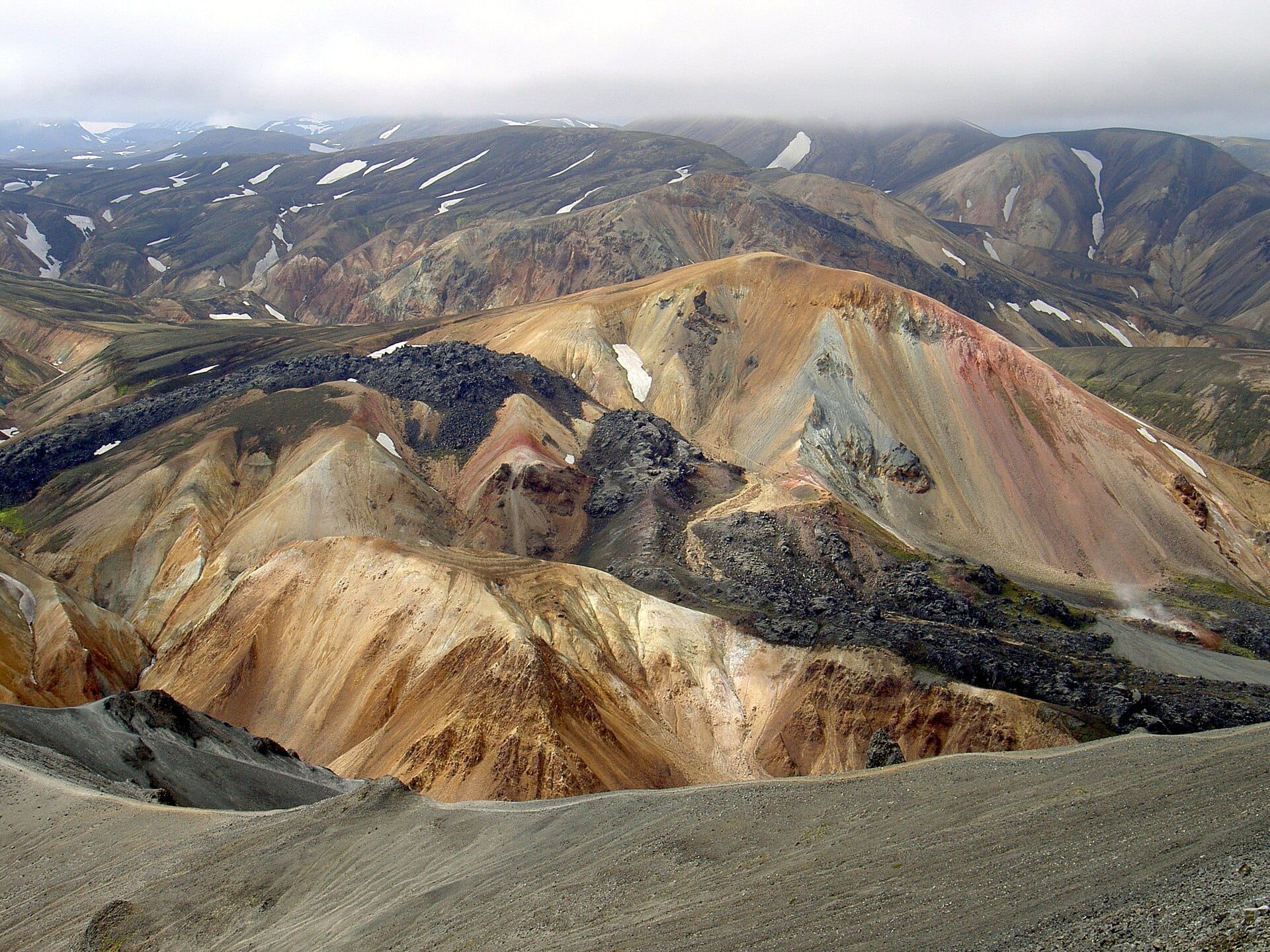
The Laugavegur runs about 55 kilometres from Landmannalaugar to Þórsmörk, crossing coloured hills, black sand and exposed highland terrain. Four days is a common hut itinerary. Reserve accommodation and seasonal transport, and ask wardens about snow and weather before setting out. Several rivers are unbridged and can rise quickly; there is no fixed maximum wading depth. Choose guiding if you lack this experience and be prepared to wait or turn back.
10. The Inca Trail to Machu Picchu, Peru
Explore destination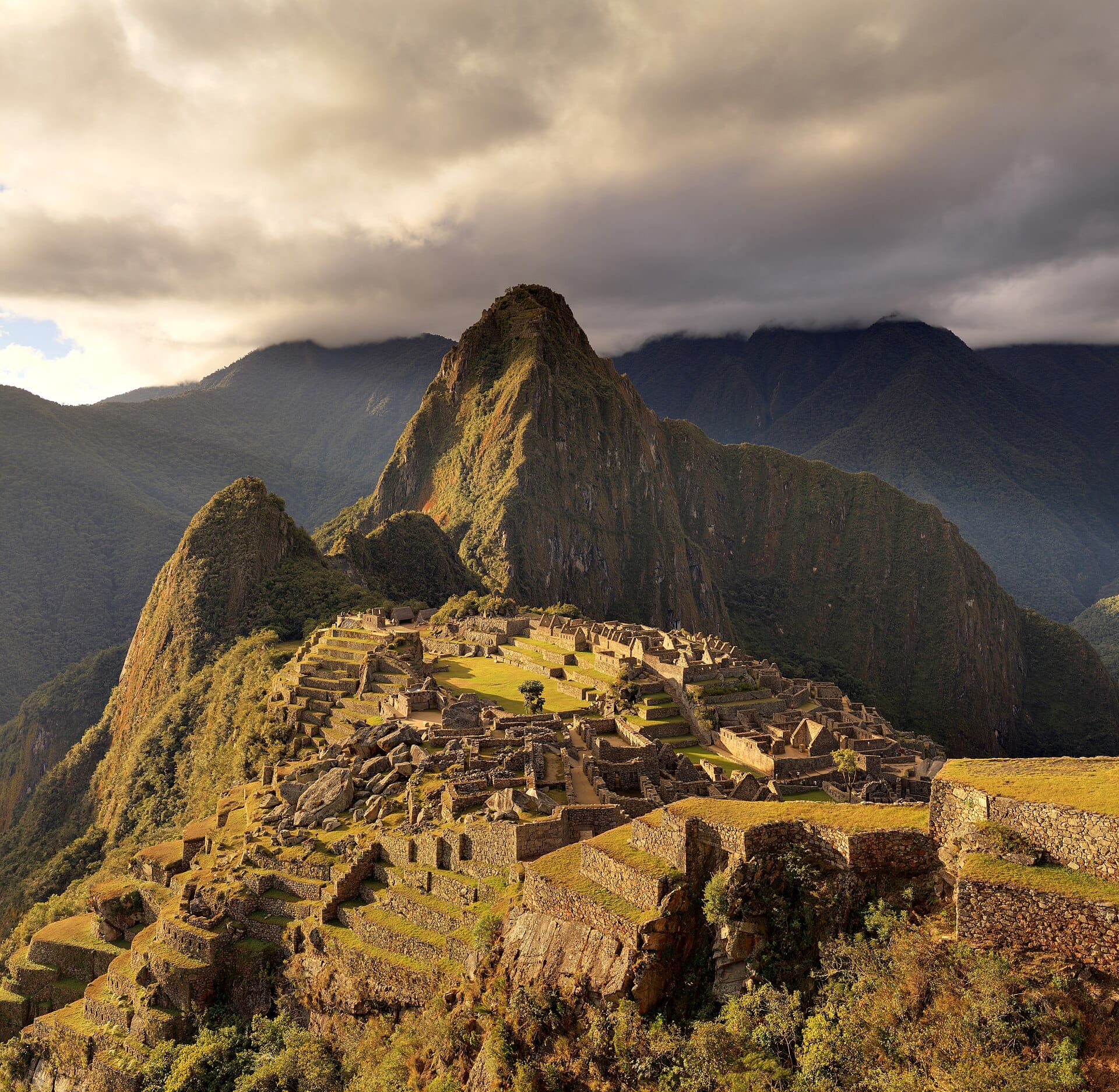
The classic Inca Trail combines stone steps, cloud forest and archaeological sites over four demanding days, crossing a pass above 4,200 metres before reaching Machu Picchu. Permits are limited and must be arranged through an authorised operator; confirm the precise Machu Picchu circuit and return journey included. Allow time to acclimatise before the trek and ask about porter pay and equipment. The trail normally closes in February, and neither dawn views nor a summit-style arrival should be promised.
Choose the route before the summit
Compare the longest walking day, total ascent, highest sleeping altitude and any exposed or protected sections. Build fitness on similar terrain before travelling, and discuss high-altitude plans with a travel-health professional when appropriate. Report symptoms promptly and follow guidance about stopping ascent or descending; drinking excessive water does not prevent altitude illness. Check that insurance covers the altitude, activity and rescue arrangements.
Photo credits
- Header: Adventureaonetrek, CC BY 4.0. Display copy resized or cropped.
- A glacier near the summit of Kilimanjaro at sunrise: Roryjm0, CC BY-SA 4.0. Display copy resized or cropped.
- Mount Toubkal under winter snow in Morocco: Anass ERRIHANI, CC BY-SA 4.0. Display copy resized or cropped.
- The Tour du Mont Blanc landscape in Val Ferret: Rémih, CC BY-SA 4.0. Display copy resized or cropped.
- Mount Everest seen from Syangboche on the Everest Base Camp trek: Nepal Trek Adventures, CC BY 2.0. Display copy resized or cropped.
- A waterfall below Laguna Hondera in Spain’s Sierra Nevada: Bouke ten Cate, CC BY 4.0. Display copy resized or cropped.
- Triglav and Rjavina seen from Viševnik in Slovenia’s Julian Alps: Jernej Furman from Slovenia, CC BY 2.0. Display copy resized or cropped.
- Ben Nevis beyond the locks at Banavie in Scotland: Mike McBey, CC BY 2.0. Display copy resized or cropped.
- Mount Fuji seen beyond the Chureito Pagoda at Fujiyoshida: Olivier Bruchez from Lausanne, Switzerland, CC BY-SA 2.0. Display copy resized or cropped.
- The colourful mountain landscape at Landmannalaugar in Iceland: User:Chris 73, CC BY-SA 3.0. Display copy resized or cropped.
- Machu Picchu’s stone terraces and ruins in Peru: Martin St-Amant (S23678), CC BY-SA 3.0. Display copy resized or cropped.
Useful official information: CDC: high-altitude travel and illness; Official Mount Fuji climbing regulations; Iceland Touring Association: Laugavegur route.