Tour du Mont Blanc
The Tour du Mont Blanc is the base-camp experience without a summit: 170 kilometres looping the massif through France, Italy and Switzerland, sleeping in mountain refuges where dinner arrives in vats.
- Best forWalkers & hikers · Adventure seekers · Solo travellers
- In October15°C · 14 rainy days
- Ideal stay11 days on the trail
- Approx. flying time~11h 55m from Los Angeles
Happens around Chamonix, France — nearest airport Geneva (GVA), about 68km away.
- CurrencyEUREuro
- LanguageFrench
- Local time12:351h ahead of the UK
- PlugsType C / EBring an adapter
- Drive on theRightOpposite to the UK
- Dialling code+33
The experience
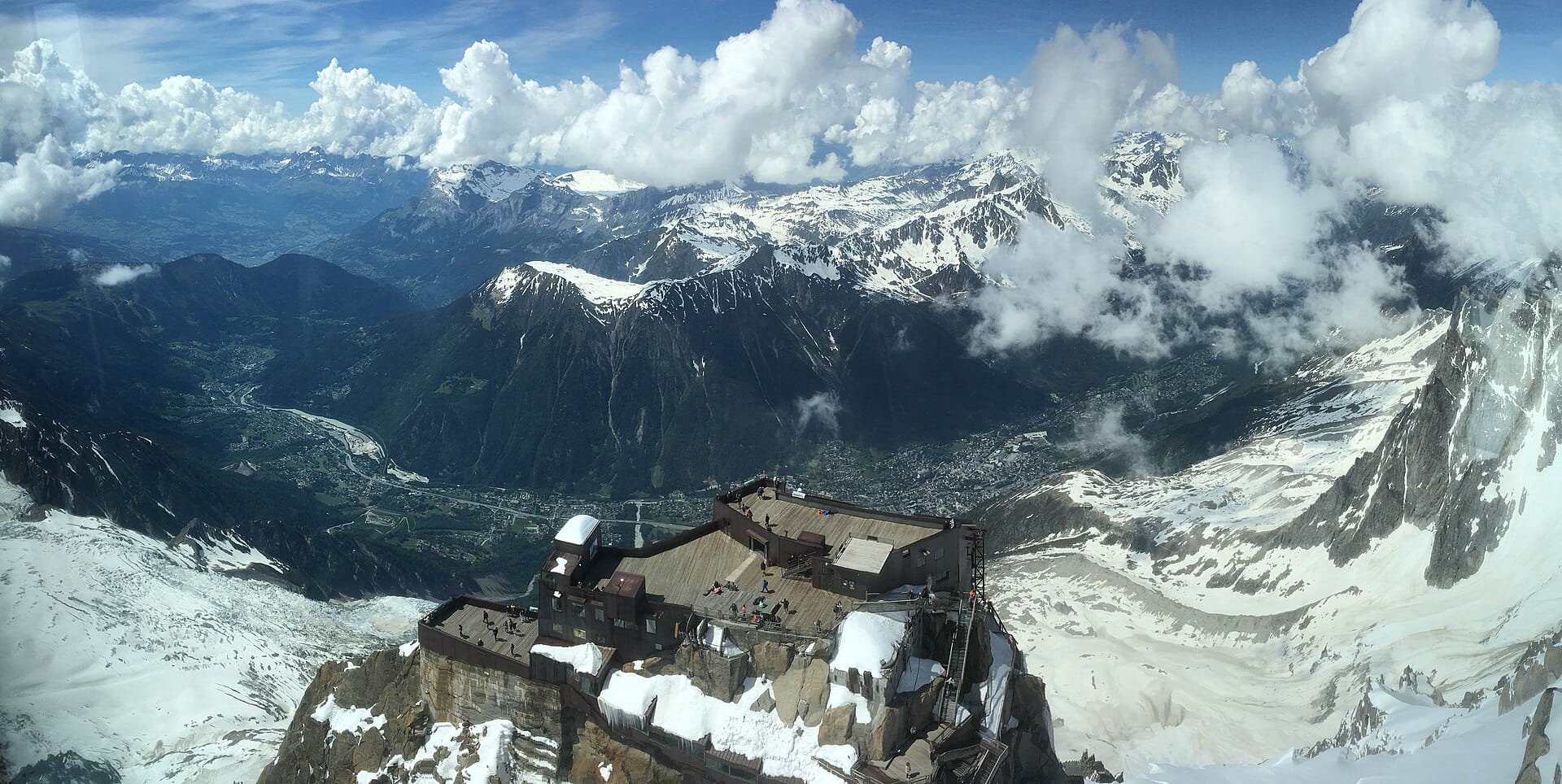
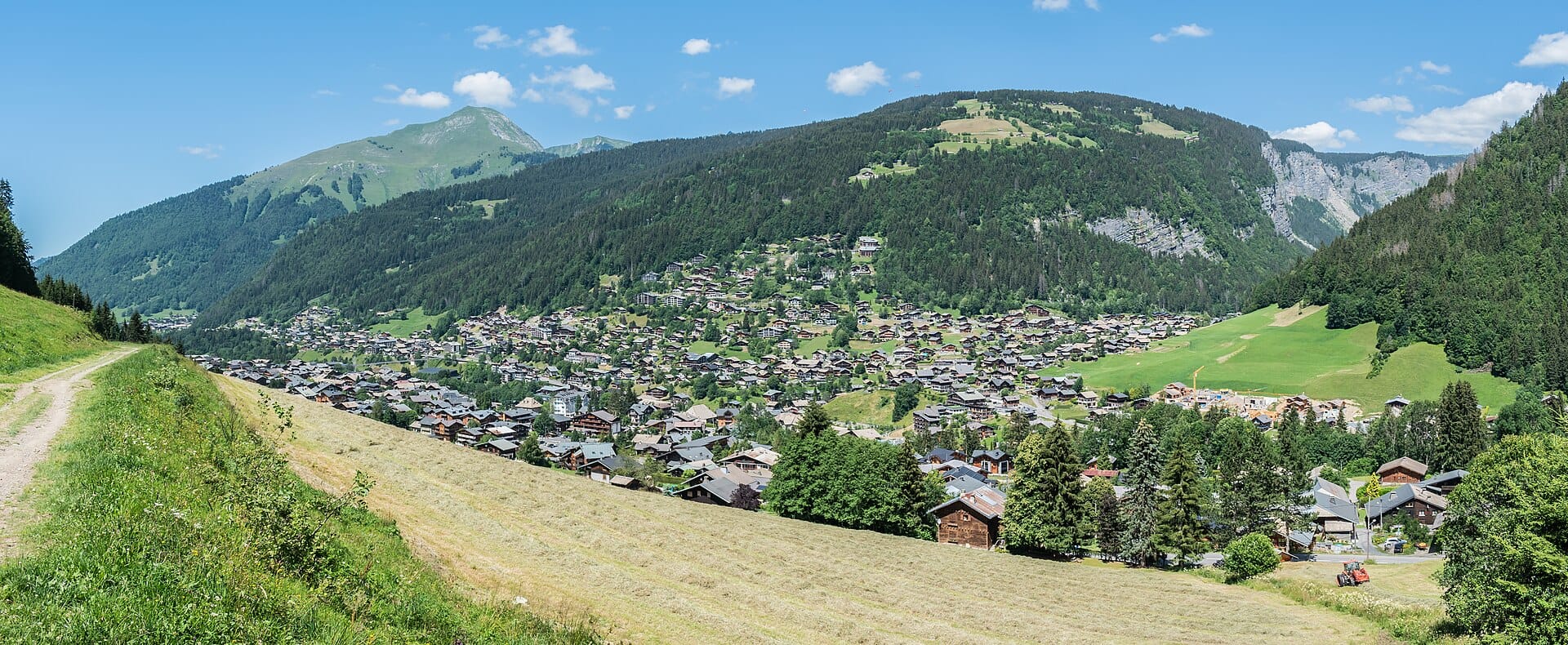
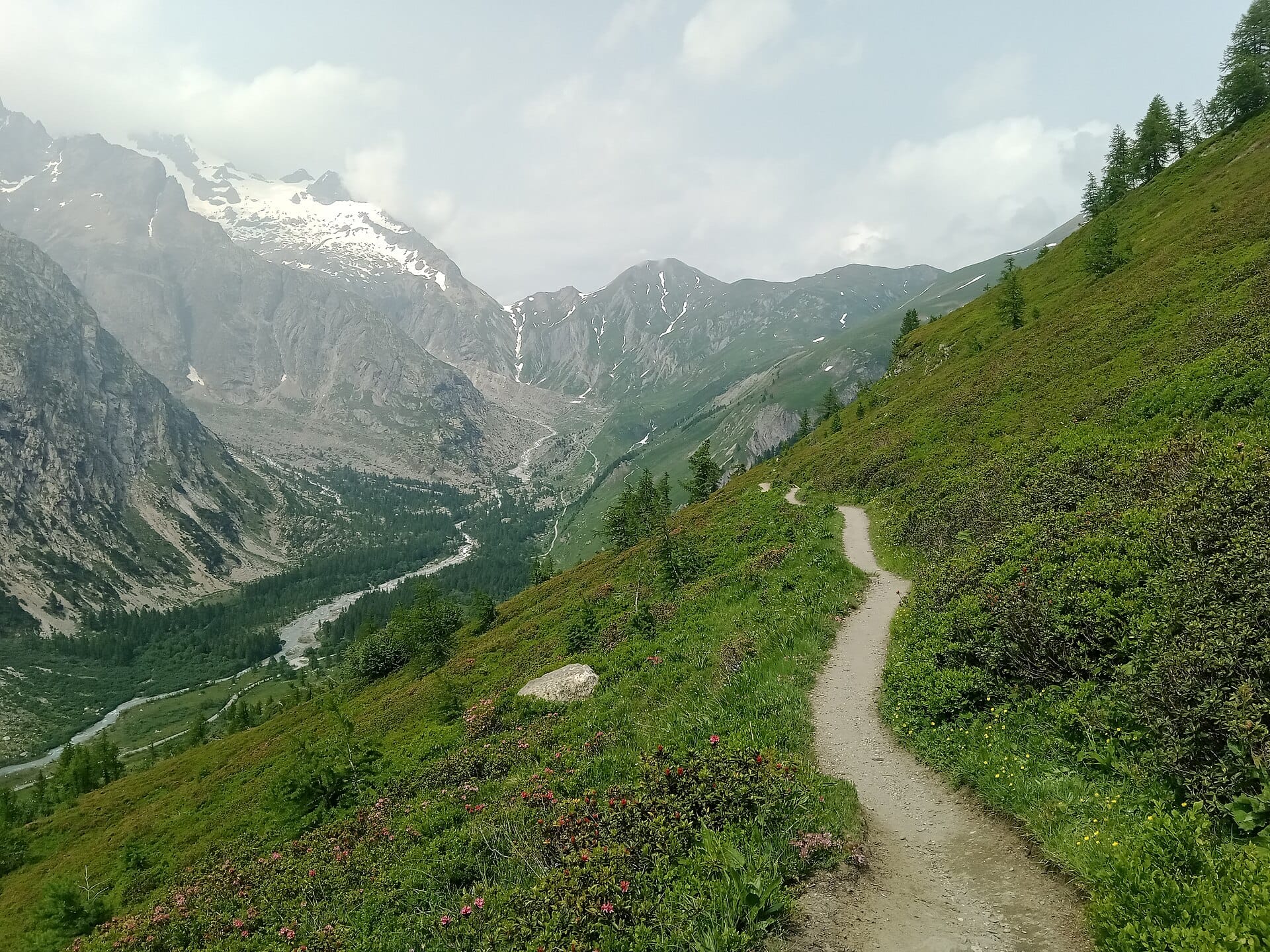
A 170 kilometre circuit of the Mont Blanc massif through France, Italy and Switzerland, crossing high cols on well-marked paths with around 10,000 metres of climbing in total. Nights are spent in refuges and small hotels, dinner is communal and enormous, and the massif changes character with each country: French glaciers, Italian pasture, Swiss meadow. No technical skills are needed, only hill fitness.
Eleven days is the classic version, and shorter schedules exist, with buses and lifts covering stages if legs or weather demand it. Refuges take bookings from about January for July and August, or a self-guided operator will handle beds and bag transfers. Late June to mid-September is the season, and the trail is at its busiest around the ultra race in late August. Chamonix is the usual start.
- Ideal stay
- 11 days on the trail
- The vibe
- Big, communal, high alpine
From our guides
Eleven days is the classic itinerary, and skipping a stage by bus is entirely legal. You need hill fitness rather than mountaineering skills — think six-hour walking days with a light pack. Book refuges by January for July and August, or let a self-guided operator do it.
Featured in Ten treks for your first big summit or base camp
Make a trip of it
-
Col de la Seigne
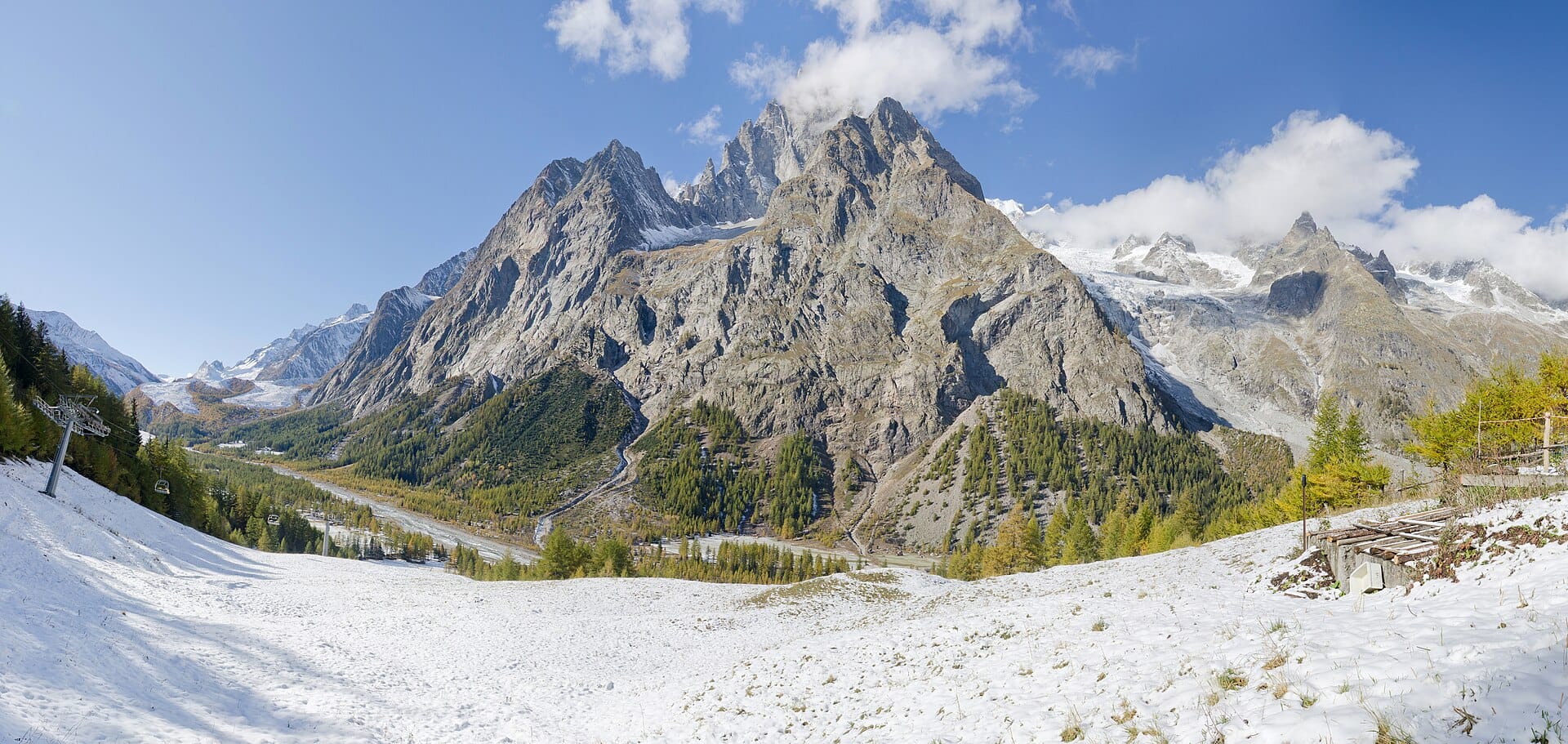
The crossing from France into Italy, where the Italian side of the massif opens up in a single movement. Many walkers rate it the finest moment of the circuit.
-
Courmayeur and the Val Ferret
Halfway round, on the Italian side, with better coffee, a rest day if you want one and high balcony paths above the valley floor.
-
Grand Col Ferret
The pass into Switzerland at around 2,500 metres, followed by a long, gentle descent into pastures and cowbells on the way down to La Fouly.
-
Refuge nights
Bunk rooms, shared tables, boots off at the door and a huge plate of something starchy. Booking early is what makes the whole trip possible.
-
The Fenêtre d'Arpette
A tougher, rockier variant above Champex with a close view of the Trient glacier. Take the standard route instead if the weather is poor.
-
Col de Balme
The return into France, with the Chamonix valley and the whole massif laid out ahead. From here it is downhill to a shower.
Getting there
-
Fly to
Geneva (GVA)
Nearest airport to Chamonix, about 68km away as the crow flies.
-
Then
To Chamonix
Geneva (GVA) is the practical gateway, about an hour and a quarter up the valley to Chamonix by shared shuttle, coach or hire car. Annecy (NCY) is closer in a straight line but has almost no scheduled flights.
-
On the ground
Getting around
The loop is walked from Les Houches or Chamonix, with mountain refuges roughly a day apart. Valley buses, the Mont Blanc Express train and cross-border coaches let you skip a stage or rejoin the route.
Public transport: Good for a trail of this kind: Chamonix valley buses, the Mont Blanc Express and coaches through Courmayeur and Martigny reach most stage ends.
Flights
Los Angeles Chamonix, France
Fly from anywhere — search 4,000+ airports worldwide.
Roughly 11h 55m in the air from Los Angeles (LAX), estimated from the distance — check for a direct route. Pick a month to see every available flight with live prices.
Check dates and prices
Pick your departure date, then your return.
Search flightsNot sure when? Compare fares across a whole month.
Flight times are estimates; prices open on Google Flights.
When to go
Daytime highs run from about 2°C in January to 23°C in July. Wettest in June, with rain on about 21 days.
The year at a glance — pick a month for detail
October15° · rain 14 daysCool and often wet.
Monthly figures averaged from daily records for 2020–2024 at this location (ERA5 reanalysis). Live conditions from MET Norway, CC BY 4.0.
Where to base yourself
Mountain refuges and dormitories on the trail itself, with hotels, chalets and self-catering apartments in the valley towns. Private hut rooms are scarce and go first.
-
Best base overall
Chamonix
The classic start and finish, with guides' offices, kit shops and buses to almost every stage, so joining or skipping a day is simple. Busy and expensive in July and August.
Find stays in Chamonix -
Best value
Les Houches
Ten minutes down the valley, cheaper than Chamonix and the official trailhead, with the same trains and buses. Evenings are quiet and restaurant choice is thin.
Find stays in Les Houches -
Best for couples
Courmayeur
The Italian halfway point, ideal for a rest day of pasta, spas and Mont Blanc from the sunny side. Rooms are limited in August, so fix that night early.
Find stays in Courmayeur -
Quietest
Argentière
A small guiding village at the head of the Chamonix valley, walkable onto the route and calmer than town. Fewer places to eat, and the last bus back matters.
Find stays in Argentière
Worth knowing before you book: Refuge beds for July and August open around January and disappear within weeks, half board included. Deposits are usually non-refundable, so settle your dates first.
Search everything else in Chamonix by budget. These are indicative budget bands in GBP per night for two people, not live quotes or guarantees of hotel type. Check your dates, guests, taxes and final price on Booking.com.
Good to know
- Book ahead
- Refuges open reservations in winter for the following summer and popular stages sell out quickly. Plan the itinerary before you book beds, not after.
- Fitness
- Expect six to eight hours of walking a day with 800 to 1,200 metres of ascent. Training on hills with a loaded pack matters far more than gym work.
- Money
- You cross into Switzerland, so carry Swiss francs as well as euros. Some refuges take cards, plenty do not, and mobile signal is patchy.
- Timing
- Late June to mid-September. Snow can linger on the high cols into early July, and the trail is exceptionally busy around the late-August race.
- Skipping stages
- Valley buses and lifts run in all three countries and using them is entirely normal. There is no purity test, and it saves trips that weather would otherwise ruin.