Ten family beaches: shallows, shelter and what to check
Compare ten beaches for family trips, including Alvor, Sa Coma and La Pelosa, with advice on tides, supervision and beach access.
Shallow shelves, sheltered bays and a short walk back to your room can make a family beach day easier. They cannot guarantee calm water: tides, wind, swell and currents change even a familiar beach. Use this list to compare access and surroundings, then choose a patrolled swimming area where available, follow local flags and keep young children within close adult supervision. A lagoon or estuary should never be treated as a paddling pool. See RNLI beach advice for practical planning advice.
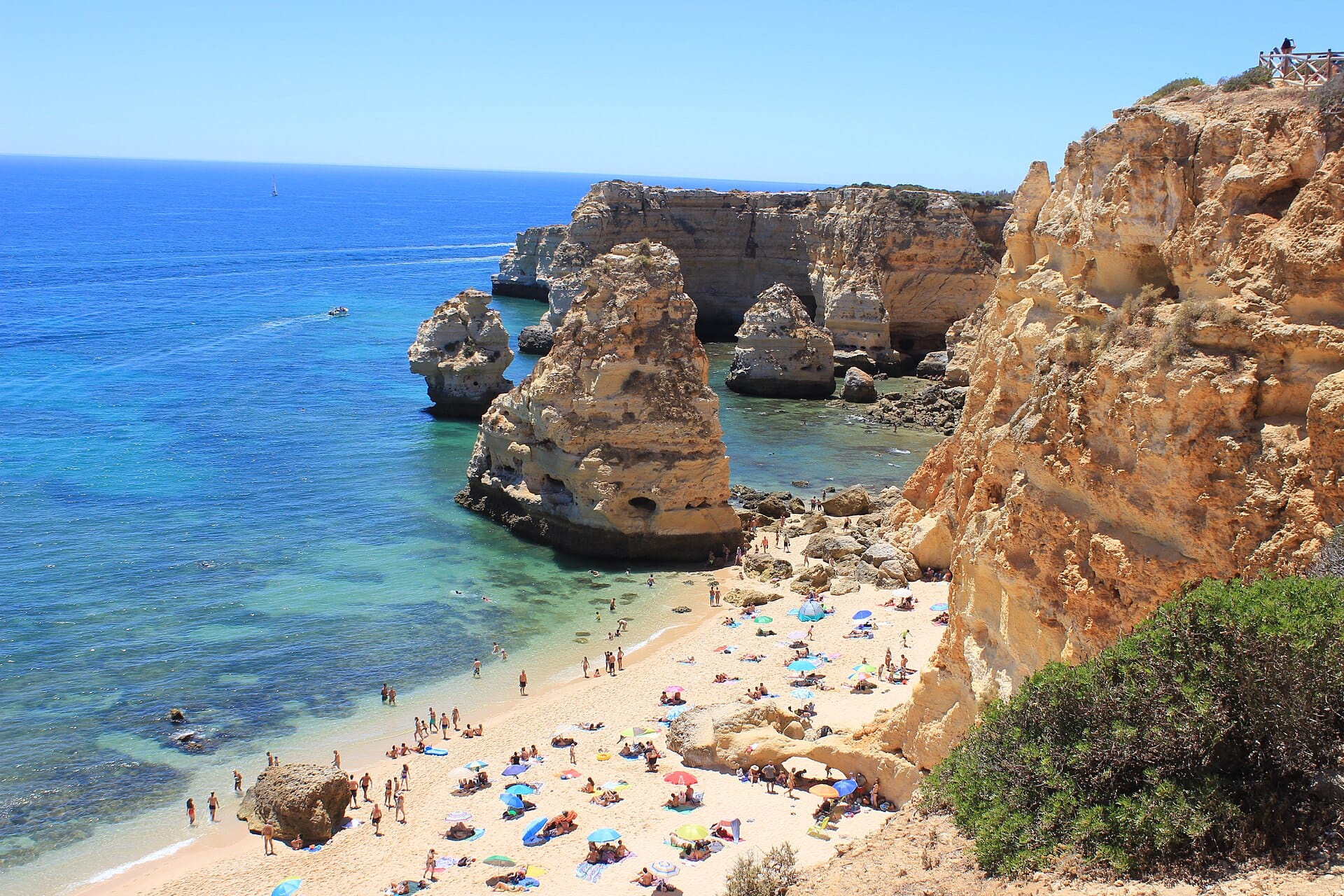
1. Alvor, the Algarve, Portugal
Explore destination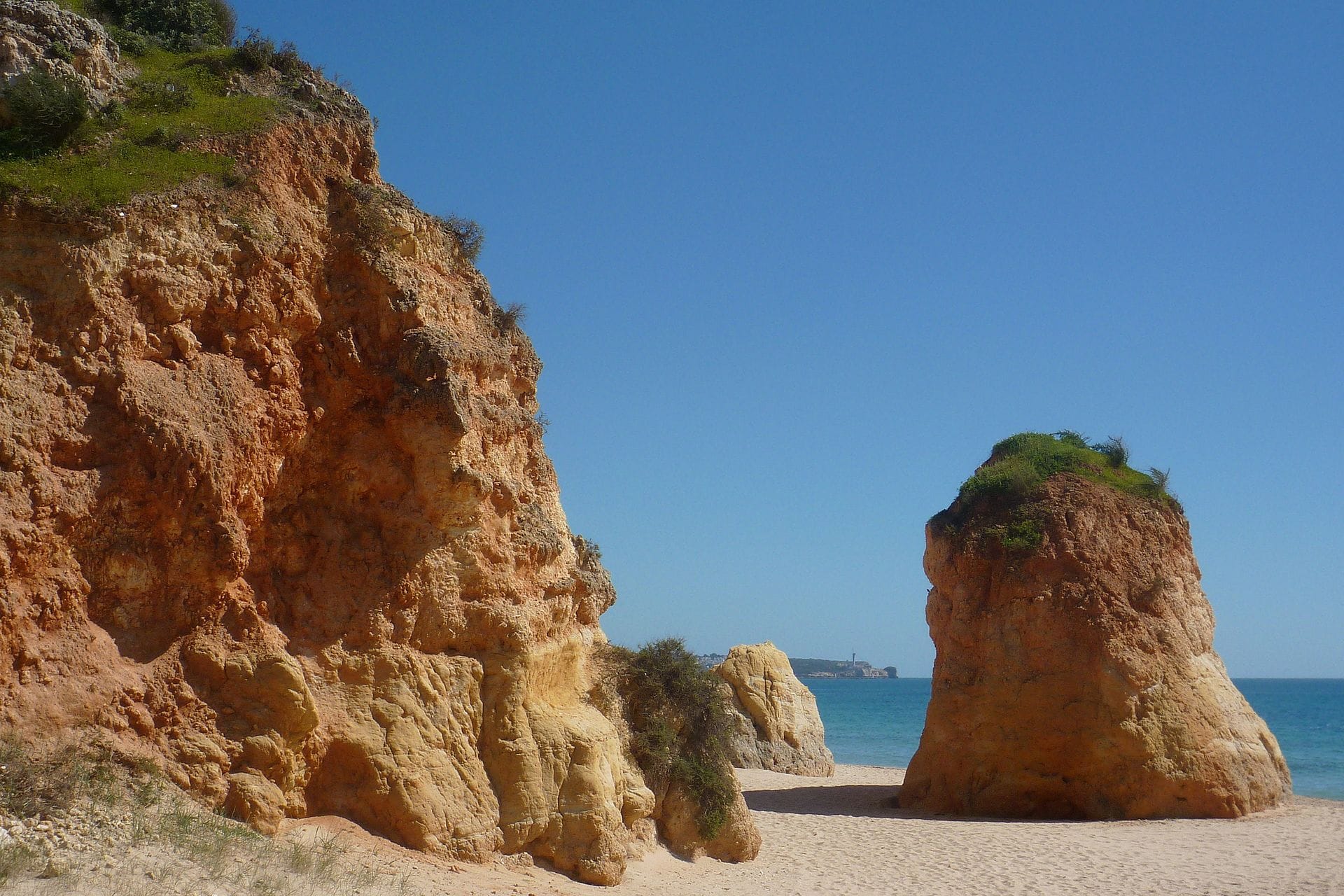
Alvor pairs a broad Atlantic beach with dune boardwalks and a pleasant fishing village, making it a good base for beach walks and family meals. The estuary mouth and sandbar are moving-water environments, not dependable toddler paddling spots: currents can be strong even when the surface looks calm. Use the designated beach swimming area when conditions and lifeguard advice allow, and keep the estuary boardwalk for exploring on foot.
2. Sa Coma, Mallorca, Spain
Explore destination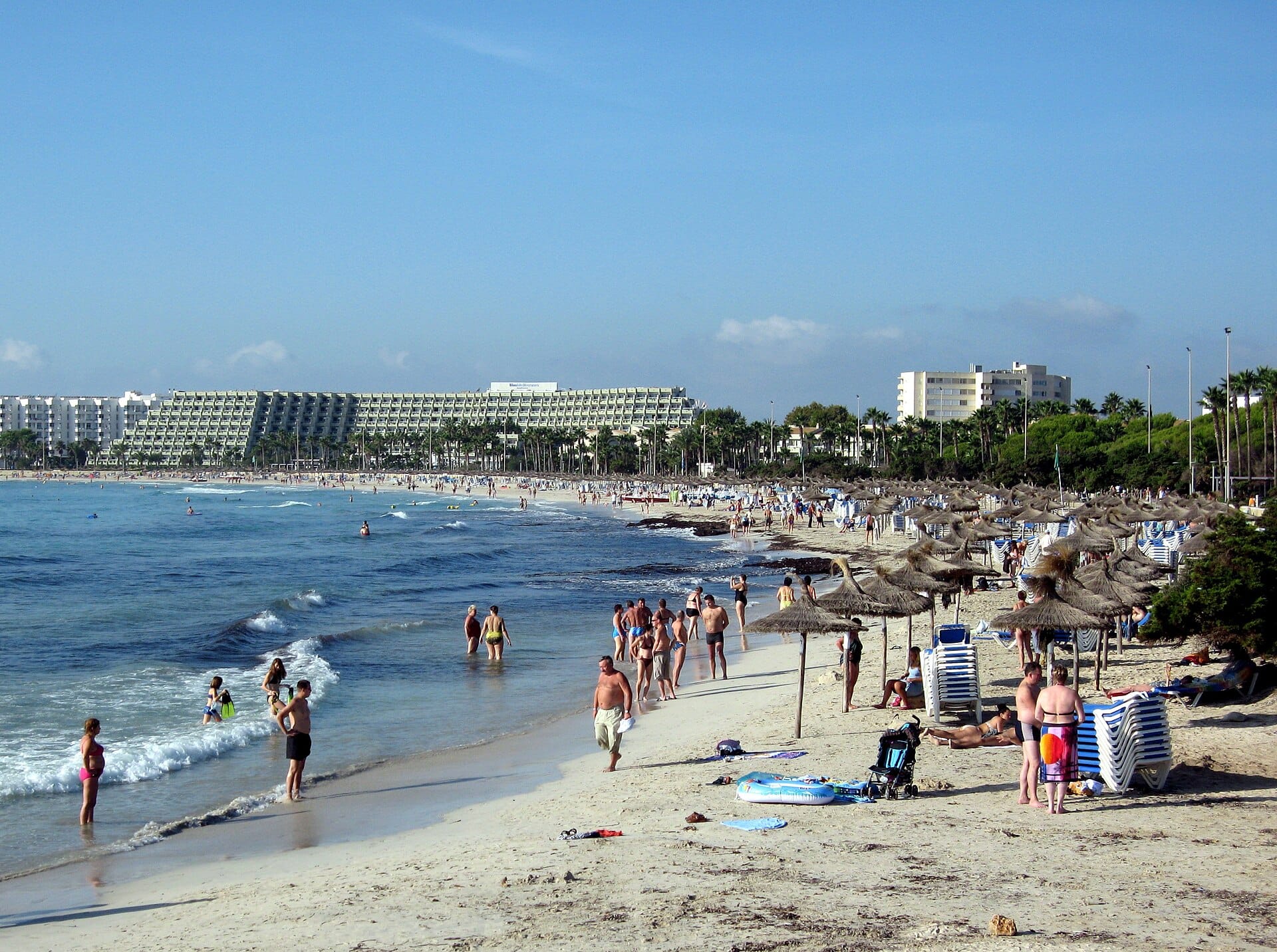
On Mallorca's quieter east coast, Sa Coma's Blue Flag crescent shelves so gradually that the buoy line feels ambitious. The sand is fine, the promenade flat and the Punta de n'Amer headland — a gentle walk with a small castle at the end — gives older children a mission. Come in June or September, when the water has warmed but the sunbed rows haven't filled; midsummer here gets busy by half past ten.
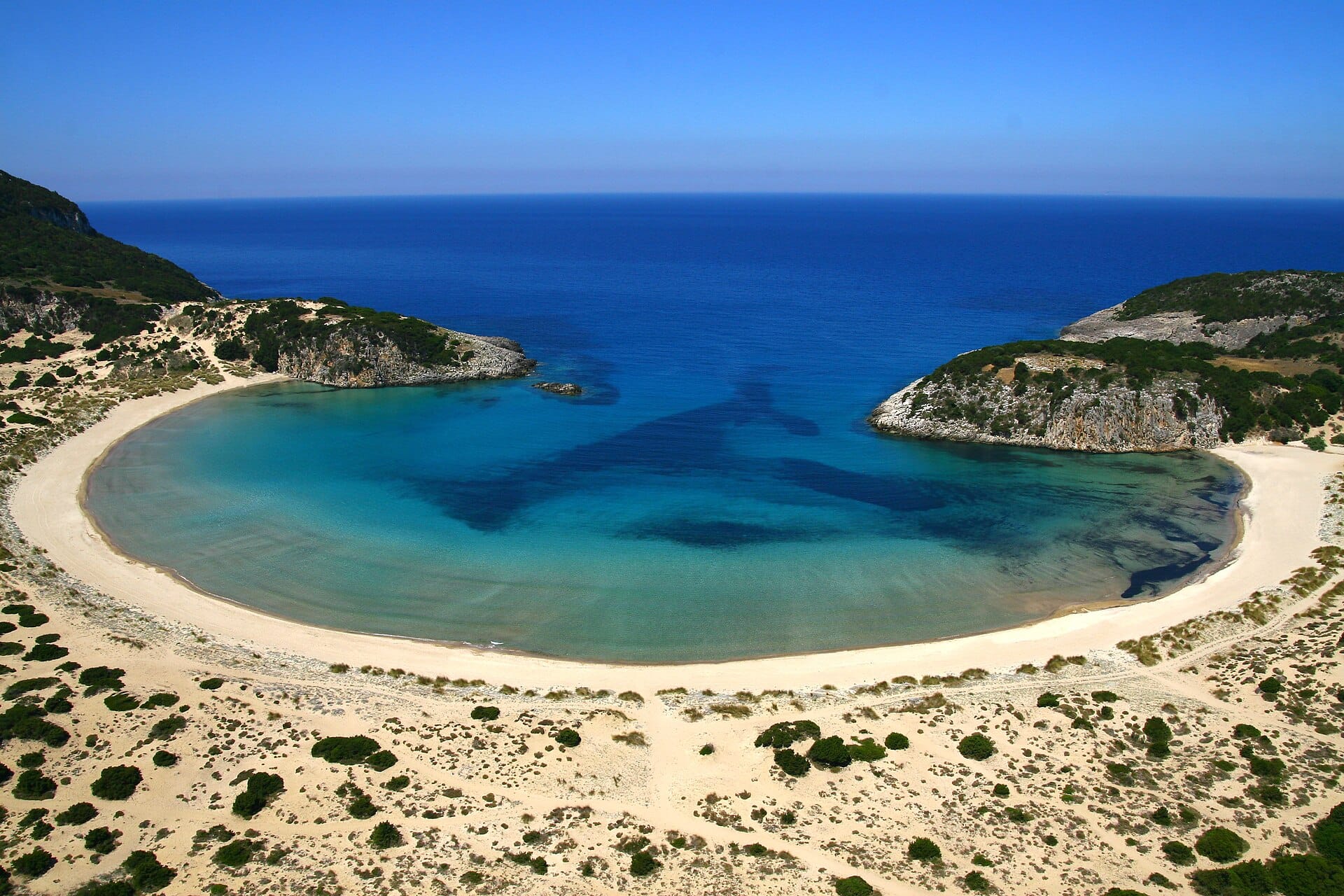
3. Elafonissi, Crete, Greece
Explore destination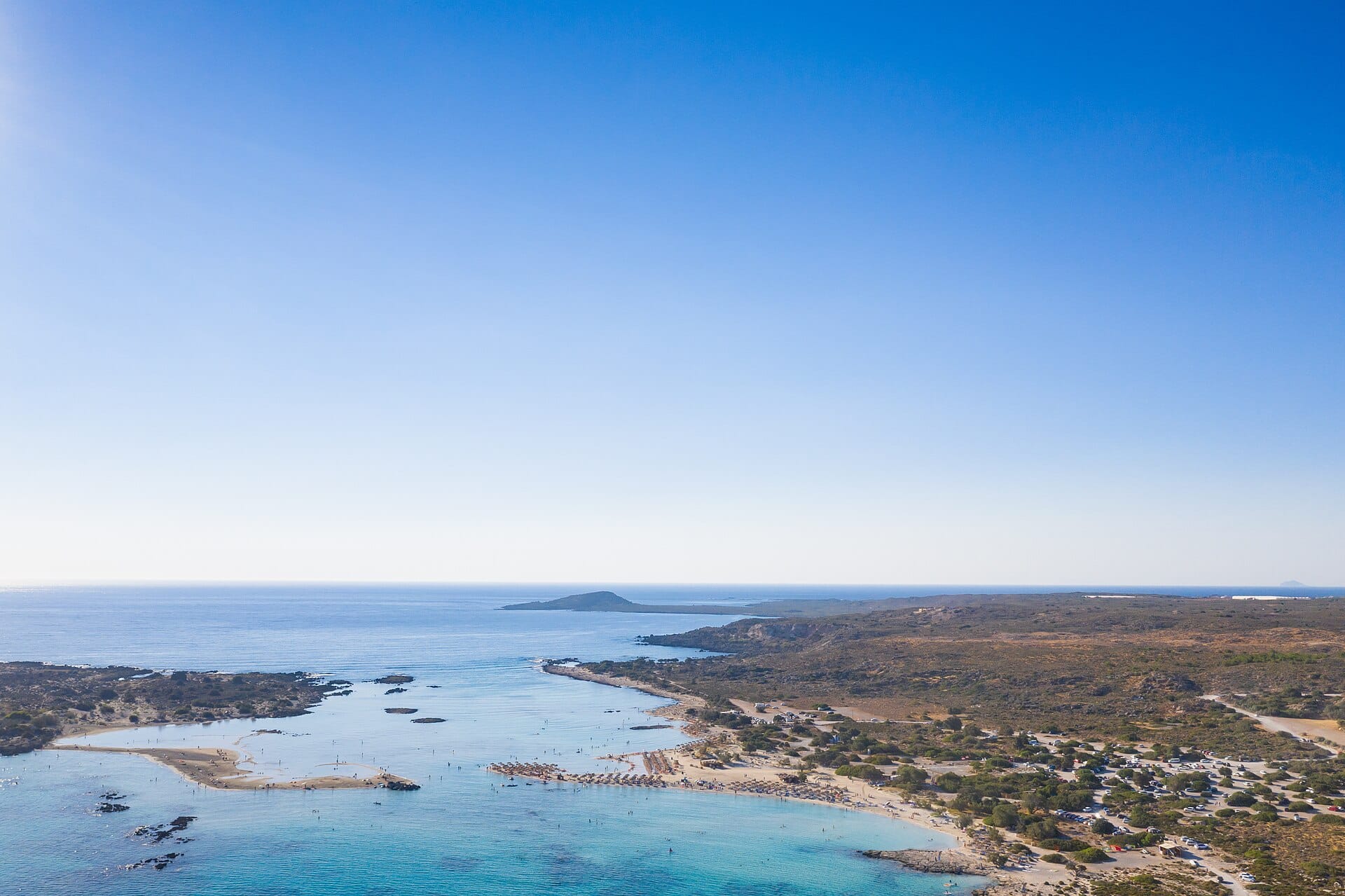
Elafonissi’s pale sand and lagoon draw families to western Crete, but water depth and wind vary and the whole lagoon is not uniformly shallow. Keep children close, follow local advice and protect the dunes and sand. Choose your arrival time around the heat and crowd levels, and allow for a winding drive from Chania rather than promising a quick beach hop.
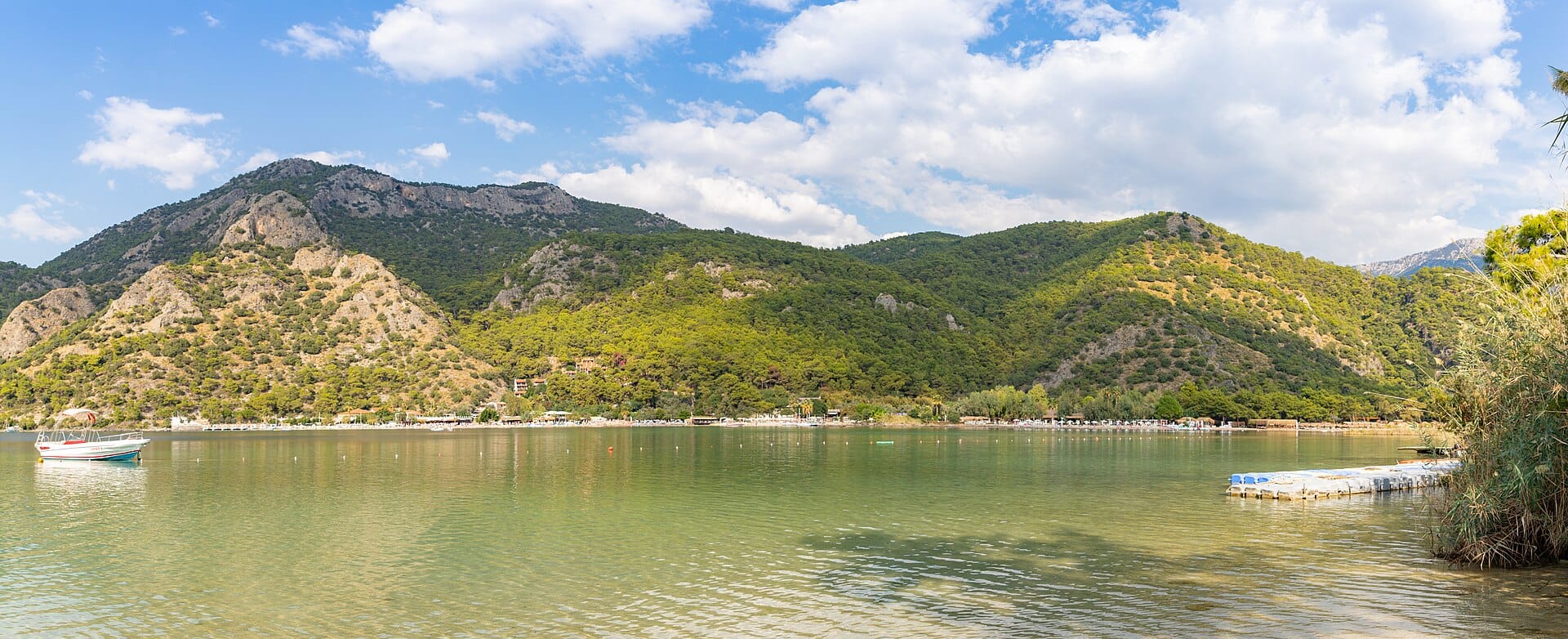
4. Ölüdeniz, Turkey
Explore destination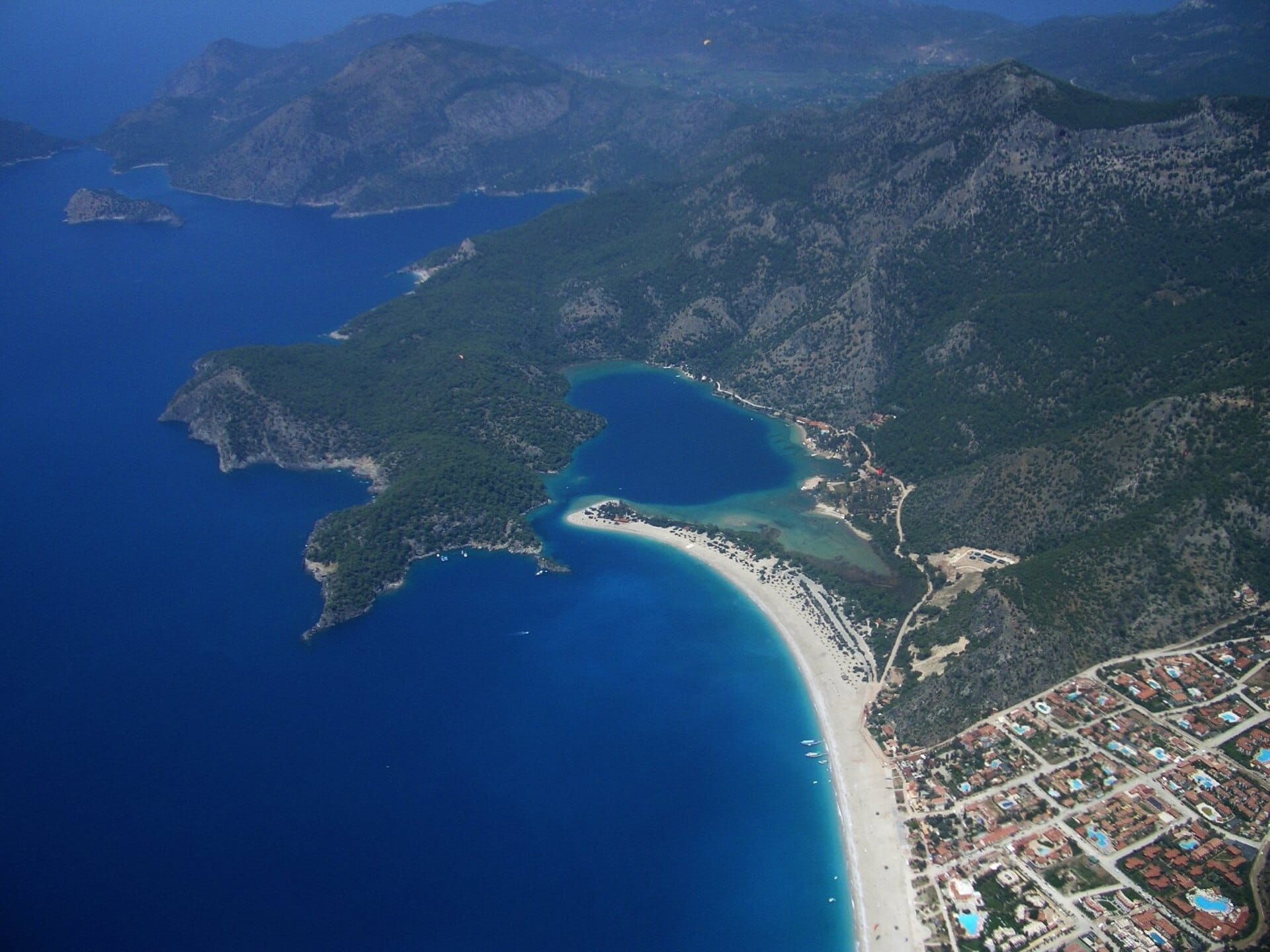
The Blue Lagoon at Ölüdeniz is protected by a sandspit that turns the sea into a millpond, with water so clear you can count pebbles at chest depth. Pay the small entrance fee for the lagoon-side national park section rather than the open beach — that's where the calmest water is — and rent a pedalo for the full effect. Paragliders drift down from Babadağ all day, providing free overhead entertainment.
5. Playa Blanca, Lanzarote, Canary Islands
Explore destination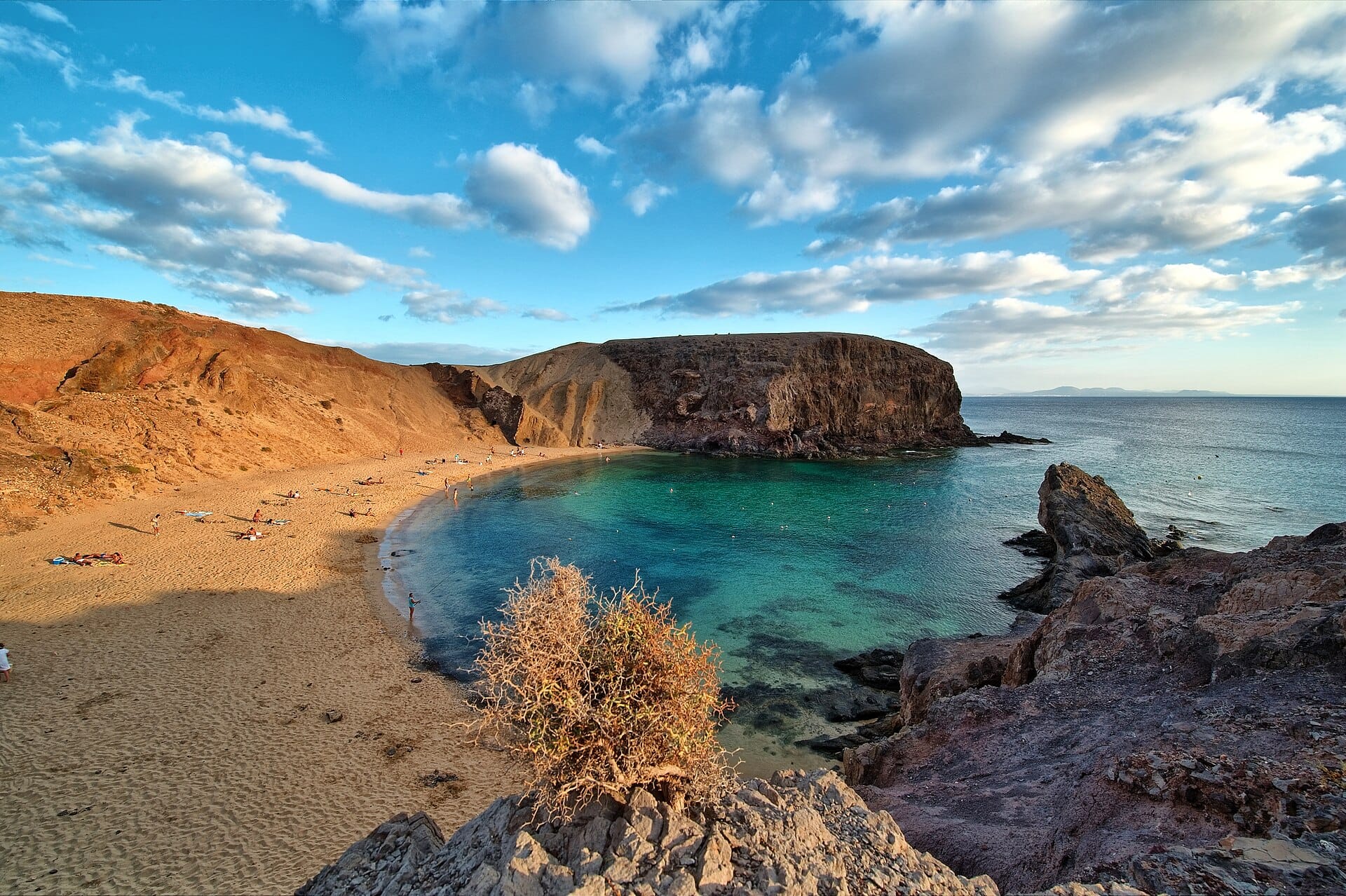
Lanzarote's southern tip has a string of man-made and natural coves — Playa Dorada and Playa Flamingo chief among them — where breakwaters offer some shelter, though waves and changing conditions still reach the beaches. The promenade linking them is flat, buggy-friendly and lined with cafés. This is the winter-sun option on the list: February afternoons in the low twenties make it the smart choice for half-term escapes.
6. St Brelade's Bay, Jersey
Explore destination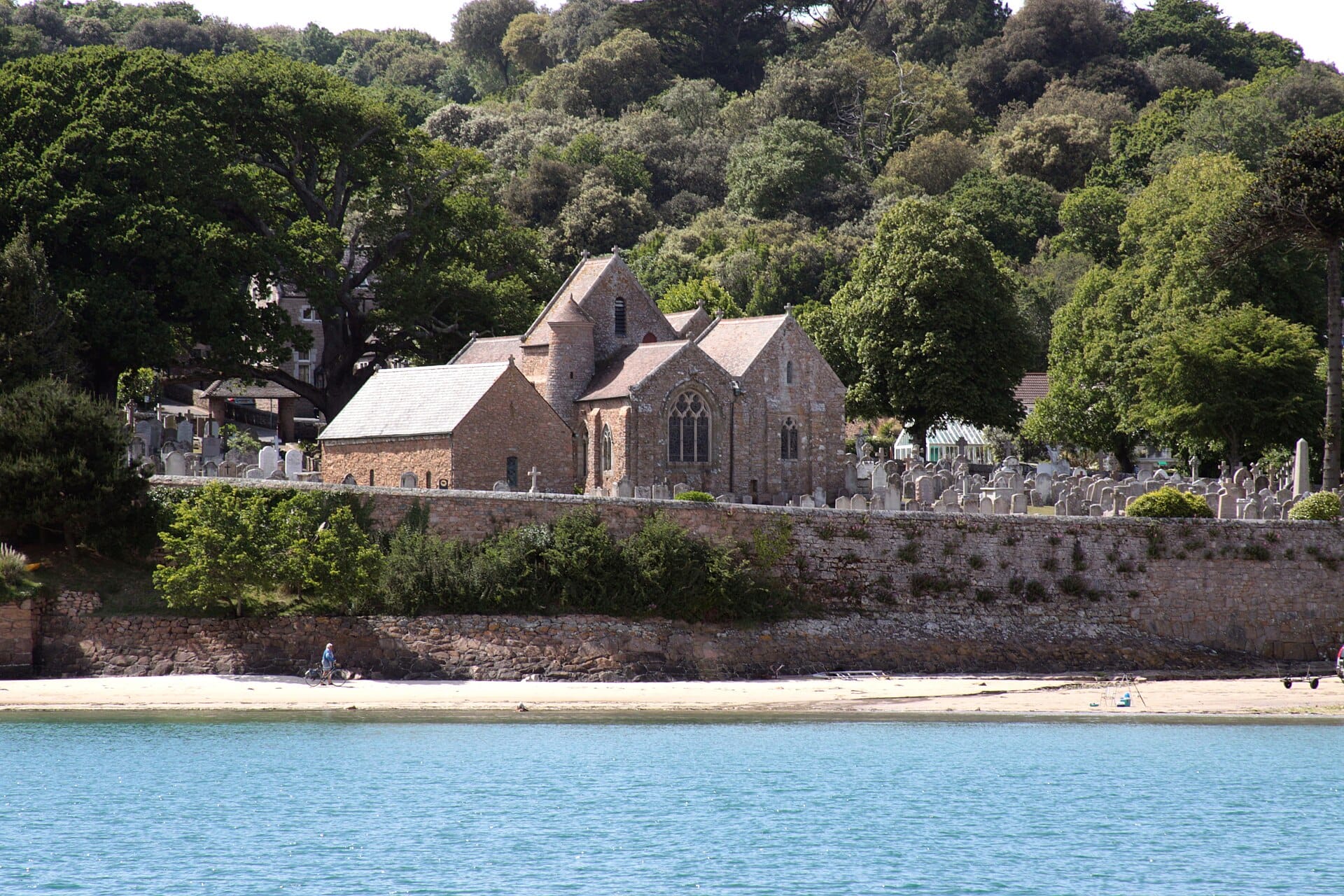
Check the travel documents required for your nationality, route and carrier before going to Jersey. St Brelade's Bay is Jersey's gentlest sweep of sand — south-facing, sheltered and shallow, with rockpools at either end for the bucket brigade. The beachfront cafés do proper crab sandwiches, and the medieval Fishermen's Chapel sits right on the sand. Jersey's tidal range is enormous, so time your swim for the hours around high tide, when the walk to the water shrinks from hike to hop.
7. Palm Beach, Aruba
Explore destination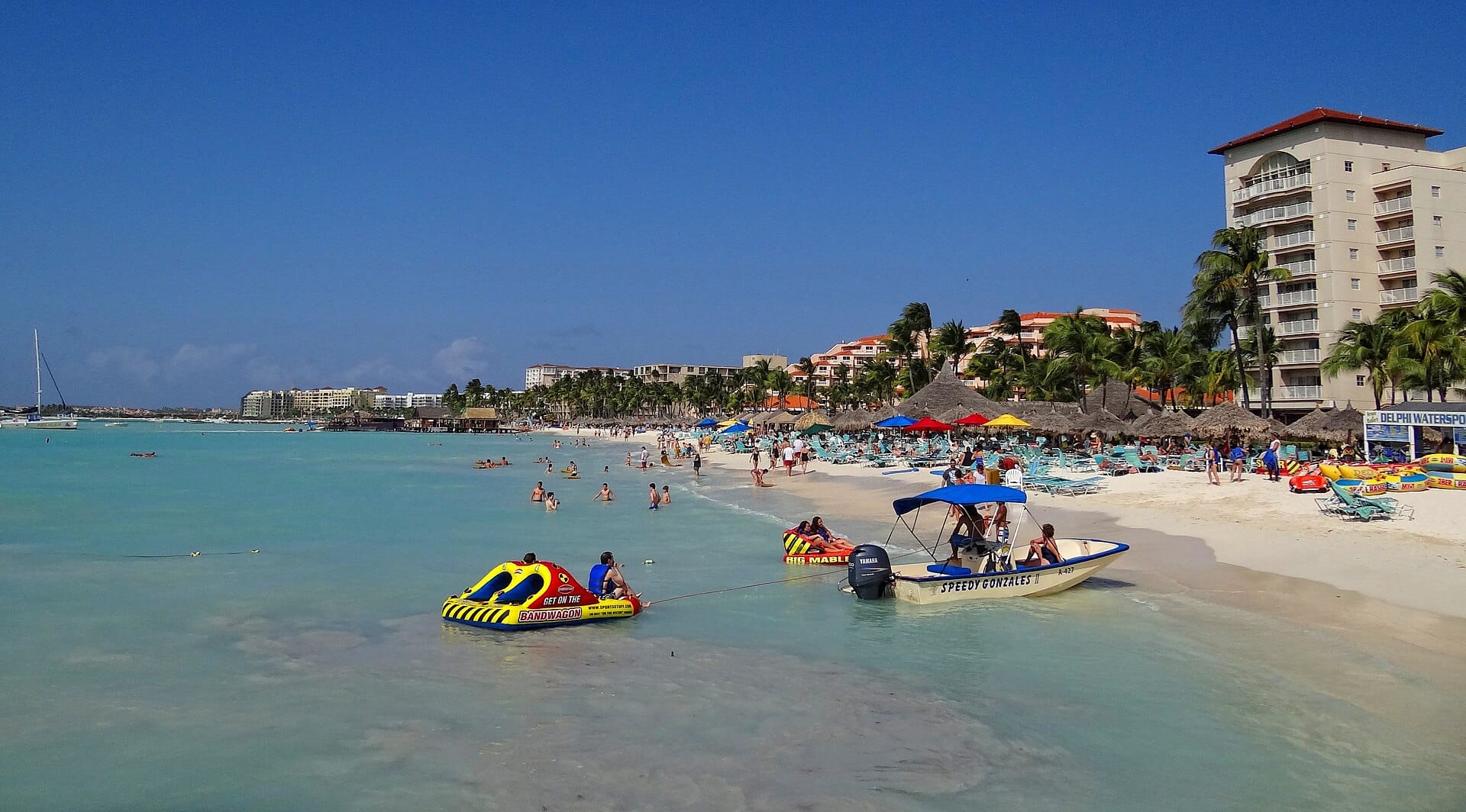
For a long-haul blowout, Aruba's Palm Beach is hard to better: the island sits outside the hurricane belt, the trade winds keep the heat comfortable and the leeward coast is usually more sheltered, but weather and water conditions still vary. Two miles of white sand front the resort strip, so everything from lunch to snorkel hire is steps away. Book the north-westerly stretch near the pier for the flattest water and the best sunset-watching real estate.
8. Koh Lanta, Thailand
Explore destination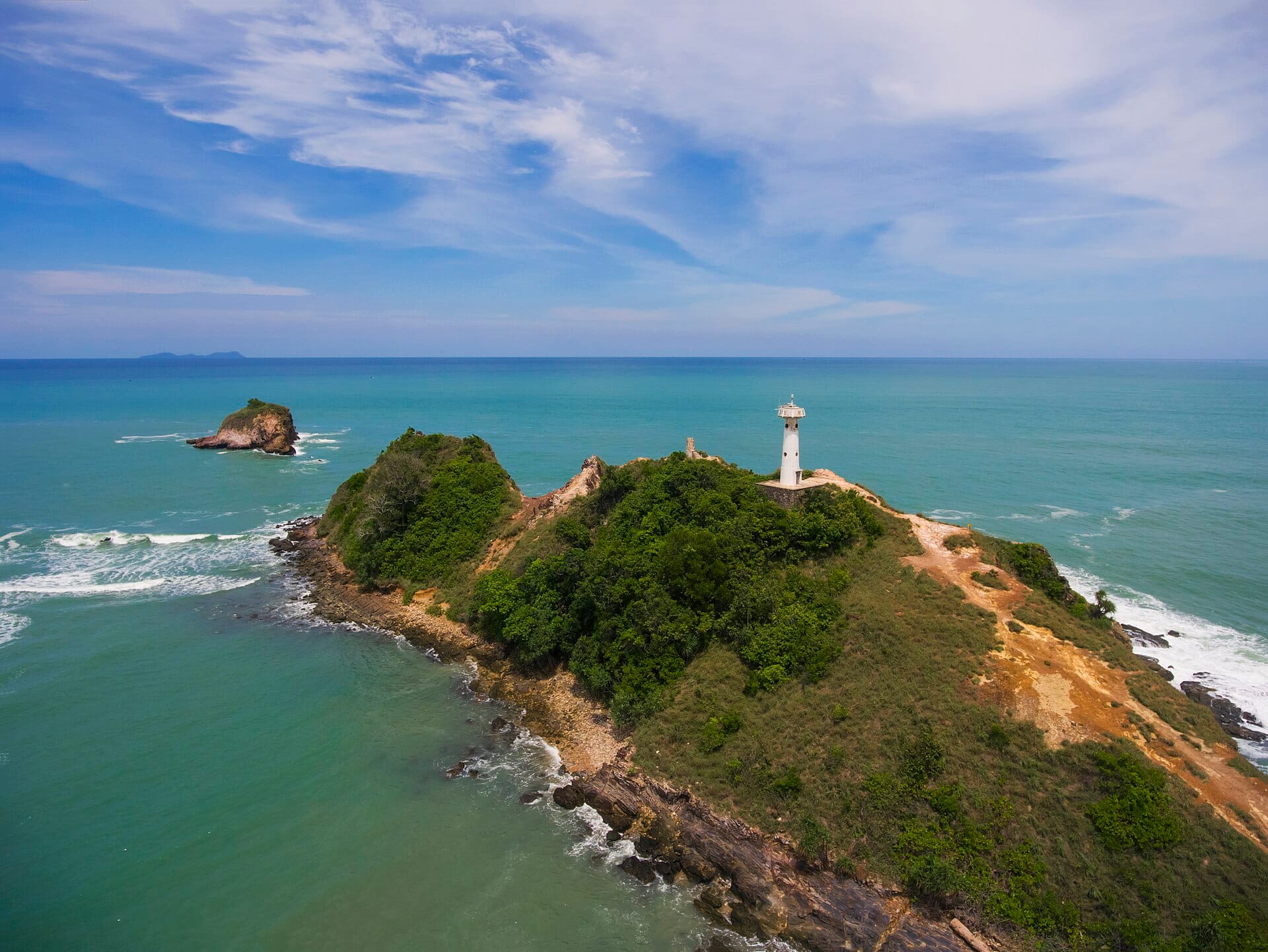
Koh Lanta is the grown-up-gently island of Thailand's Andaman coast: long, quiet beaches like Klong Dao shelve softly, the sea is often calmer in the main dry season, though local conditions still matter, and the pace suits families rather than full-moon crowds. Go between November and April — monsoon season brings waves and closed resorts — and take the beachfront bungalow option; falling asleep to that particular silence is half the point.
9. La Pelosa, Sardinia, Italy
Explore destination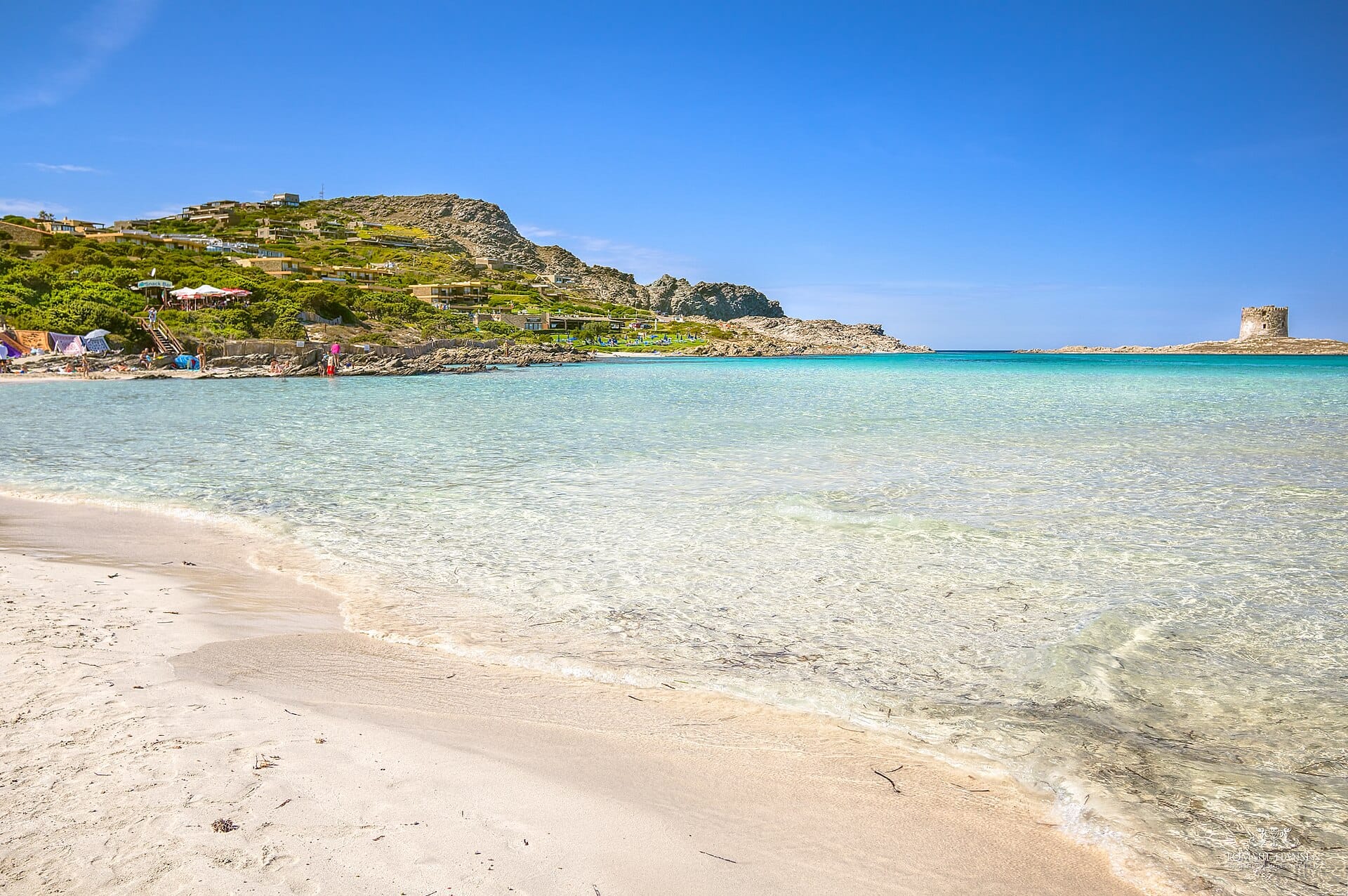
At Sardinia's north-western tip, La Pelosa pairs white sand and an old watchtower with long, shallow water that suits small swimmers. Summer access is controlled: visitors book through the official Stintino system, receive a QR code and follow beach-protection rules, including using a mat beneath towels. Dates and release windows are published each season, so do not rely on last year's routine. June and September usually feel gentler than the busiest school-holiday weeks.
10. Grace Bay, Turks and Caicos
Explore destination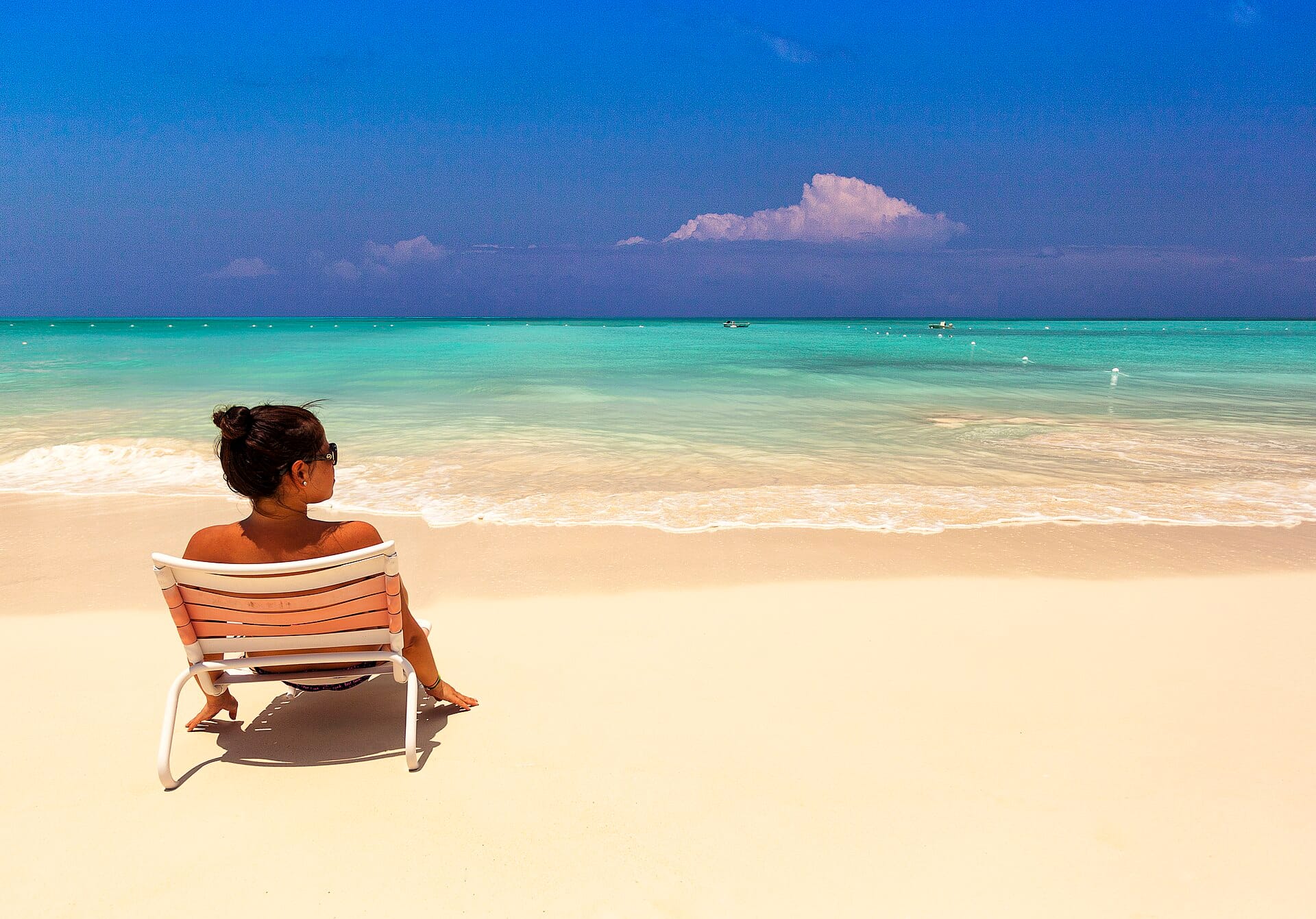
Grace Bay offers a long sweep of sand on Providenciales, with accommodation and restaurants close to many stretches. Reef shelter does not remove the effects of wind and swell, so check conditions before swimming with children. Bight Reef is a separate snorkelling outing whose journey depends on where you stay, not a five-minute walk from every hotel. Arrange suitable supervision and keep beginners away from boat traffic and deeper water.
What makes a beach work with children
- A short, manageable route, toilets, shade and lifeguard coverage can matter more than the colour of the sand.
- Depth, tides and currents change. Ask locally on the day and keep children close even in shallow water.
- Check reservations and access rules at protected beaches such as La Pelosa before leaving your accommodation.
Useful official information: RNLI beach advice; RNLI rip-current advice.