Milan to the Dolomites: the drive, the trains and where to stay
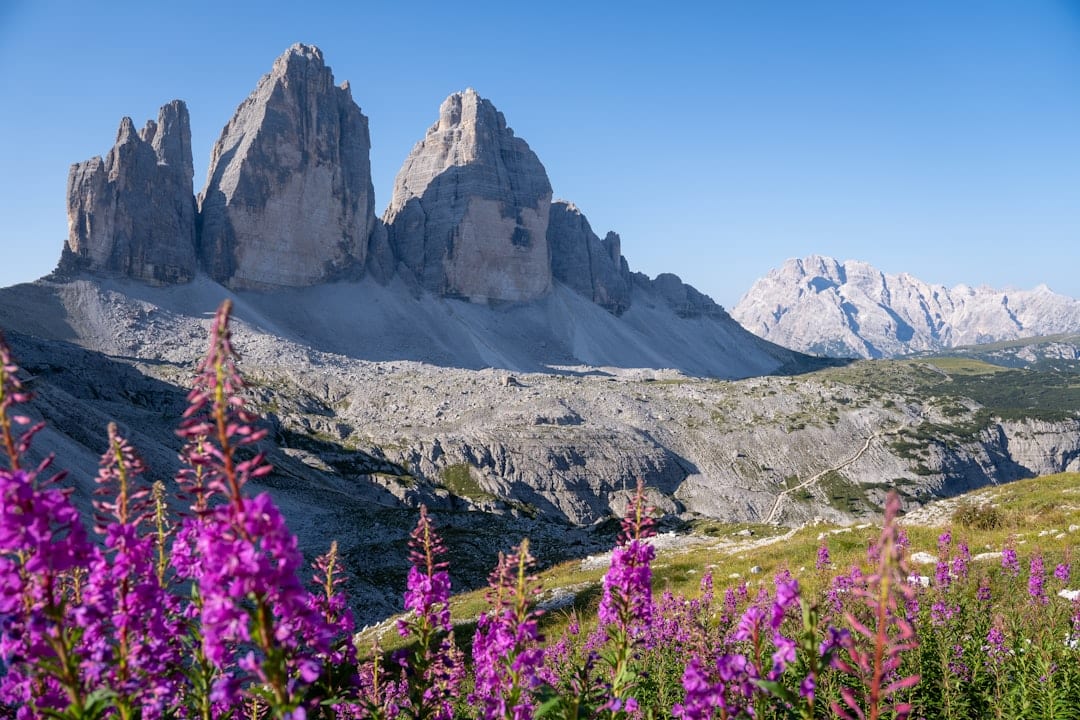
The first sight of the Dolomites does something odd to your sense of scale. You turn north at Verona onto the A22, the Adige valley opens up with its vineyards and apple orchards, and then the limestone appears — not gradually, but all at once, in slabs and spires that look less like mountains than like architecture. It is roughly three hours from a Milan airport car park. That is the part people rarely believe.
Milan can be a useful value gateway to the Dolomites, particularly when its choice of flights gives you a better fare. The saving is not automatic: add the airport transfer, luggage, car hire or rail tickets and the final journey into your valley before comparing it with Venice, Verona or Innsbruck. The cheapest flight is only a bargain if the rest of the route works for your base.
When Milan beats the obvious airports
Choose the valley before the airport. Milan and Bergamo can work well for a west-to-east road trip, while Venice deserves a serious comparison for Cortina and the eastern Dolomites. For Val Gardena and Alta Badia, compare Verona and Innsbruck too. Arrival time matters: a late landing may mean an airport hotel or a missed last bus, even when the fare looks appealing.
If you're hiring a car, Bergamo has the edge. Its airport at Orio al Serio sits beside the A4 some 50km east of Milan, so you skip the city's ring roads altogether. Malpensa is fine if the flight is cheap enough, but budget roughly another hour of Lombard plain and Milan traffic.
The drive: three hours and a change of language
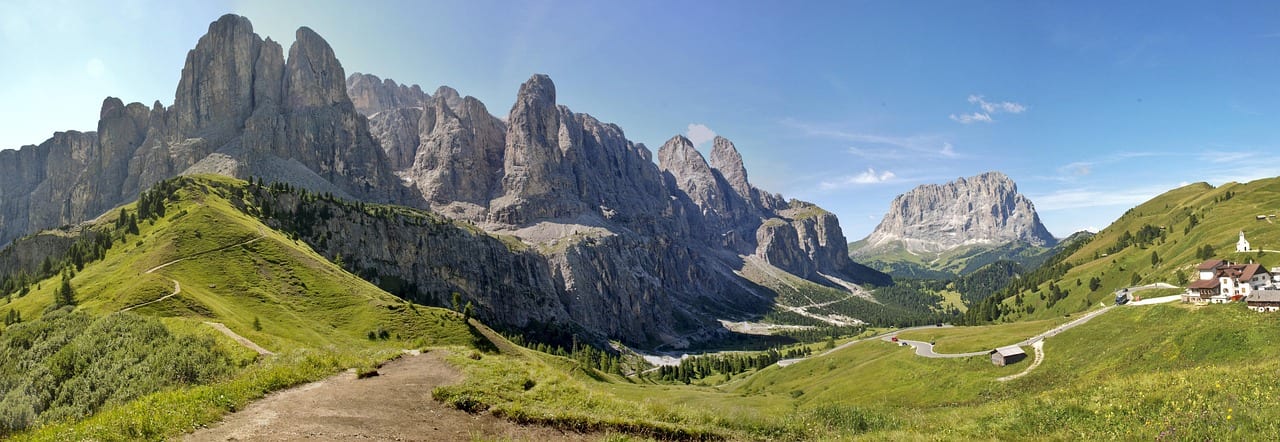
The route is uncomplicated: A4 east to Verona, then the A22 Brennero north through Trento to Bolzano. Reckon on around three hours from Bergamo to Bolzano with a stop, closer to three and a half from Malpensa. Motorway tolls from Bergamo to Bolzano came to about €16 at 2026 rates, and a few euros more from Malpensa. Past Salorno, north of Trento, the road signs acquire a second language as you enter largely German-speaking South Tyrol; in the side valleys of Gardena and Badia a third appears, for Ladin, the old Rhaeto-Romance language of the valleys.
Bolzano is a gateway rather than the end of the journey: allow additional time for Val Gardena, Alpe di Siusi or Alta Badia, and plan Cortina separately on the eastern side of the range. A useful legacy of the Milano Cortina 2026 Winter Olympics, held in February, is investment in arrival infrastructure. RFI confirms that upgrades at Trento and the Veneto stations involved were completed for the Games, including accessibility and passenger-facility improvements. Those are useful benefits for later visitors, although they do not make every valley directly reachable by train. Trento station upgrades; Veneto station upgrades.
A few driving realities. High passes — Sella, Pordoi, Gardena, Falzarego — are glorious and busy with motorbikes in August. Some close to cars on set days: on Sellaronda Bike Day (6 June and 12 September in 2026) the Sella, Gardena, Pordoi and Campolongo passes are given over to cyclists. The road up to Compatsch on the Alpe di Siusi is closed to private cars from 9am to 5pm in season; take the cable car from Siusi or Ortisei, or the bus. Driving to Lago di Braies between 9.30am and 4pm needed a reservation from 1 July to 15 September 2026. And the toll road to the Tre Cime trailhead at Rifugio Auronzo now runs on online bookings tied to your number plate, at €40 a car in 2026.
Getting there without a car
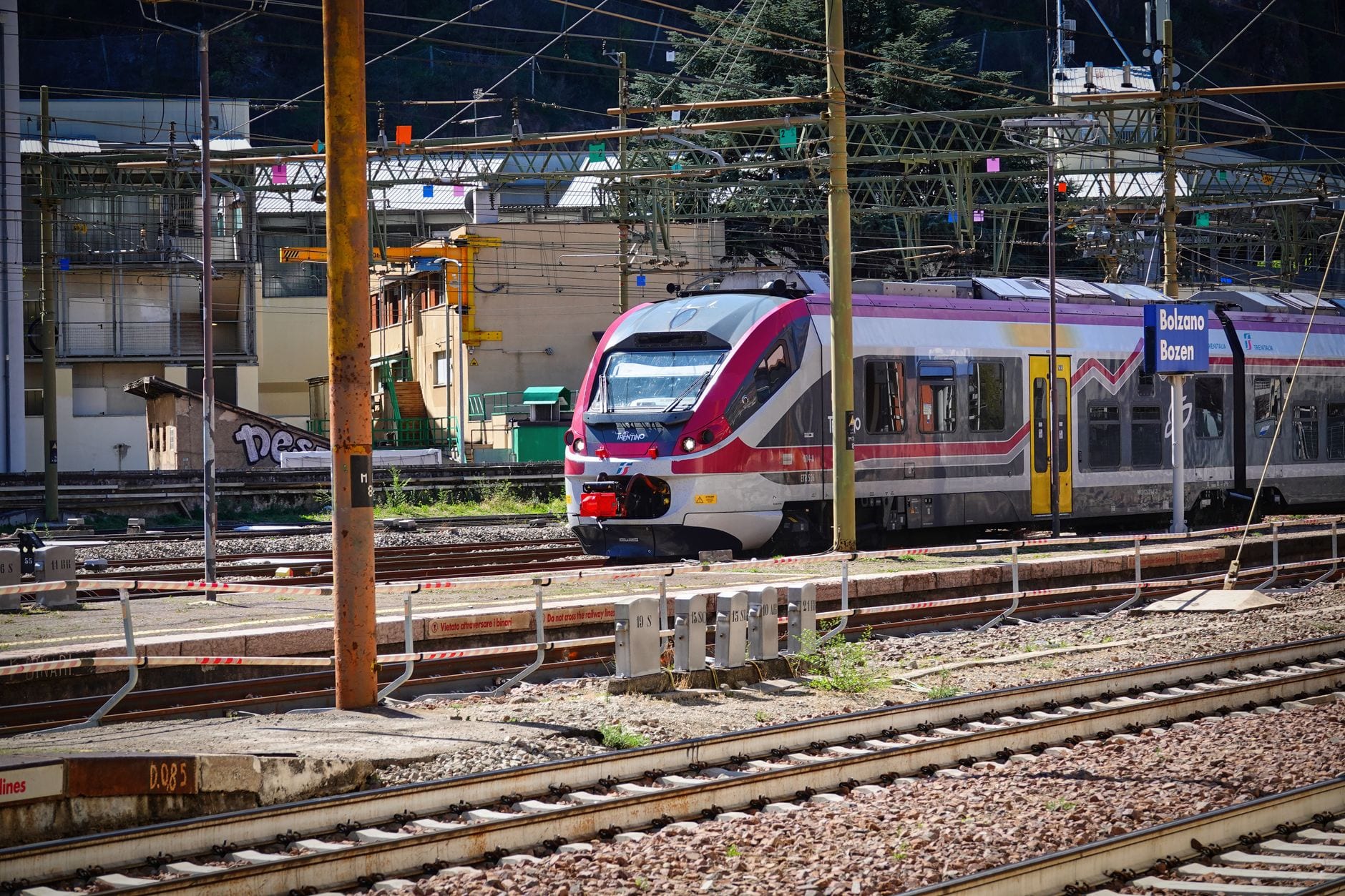
A car-free trip is possible, but compare the full timetable and fare. From Milano Centrale, look for rail connections towards Verona and Bolzano, then add the bus into your chosen valley. Your airport-to-Centrale transfer is a separate leg, and the last mountain bus can matter more than the headline train time. Check the actual travel date in Trenitalia and the Südtirolmobil journey planner before choosing your arrival flight.
South Tyrol's regional buses connect the railway with valley towns. Route 350 serves the Bolzano–Ponte Gardena–Val Gardena corridor, taking roughly an hour from Bolzano to Ortisei; use the journey planner for your exact stop and travel date. Some accommodation includes a guest card for regional transport, but confirm what your property provides and which services it covers before assuming the journeys will be free.
Where to base yourself
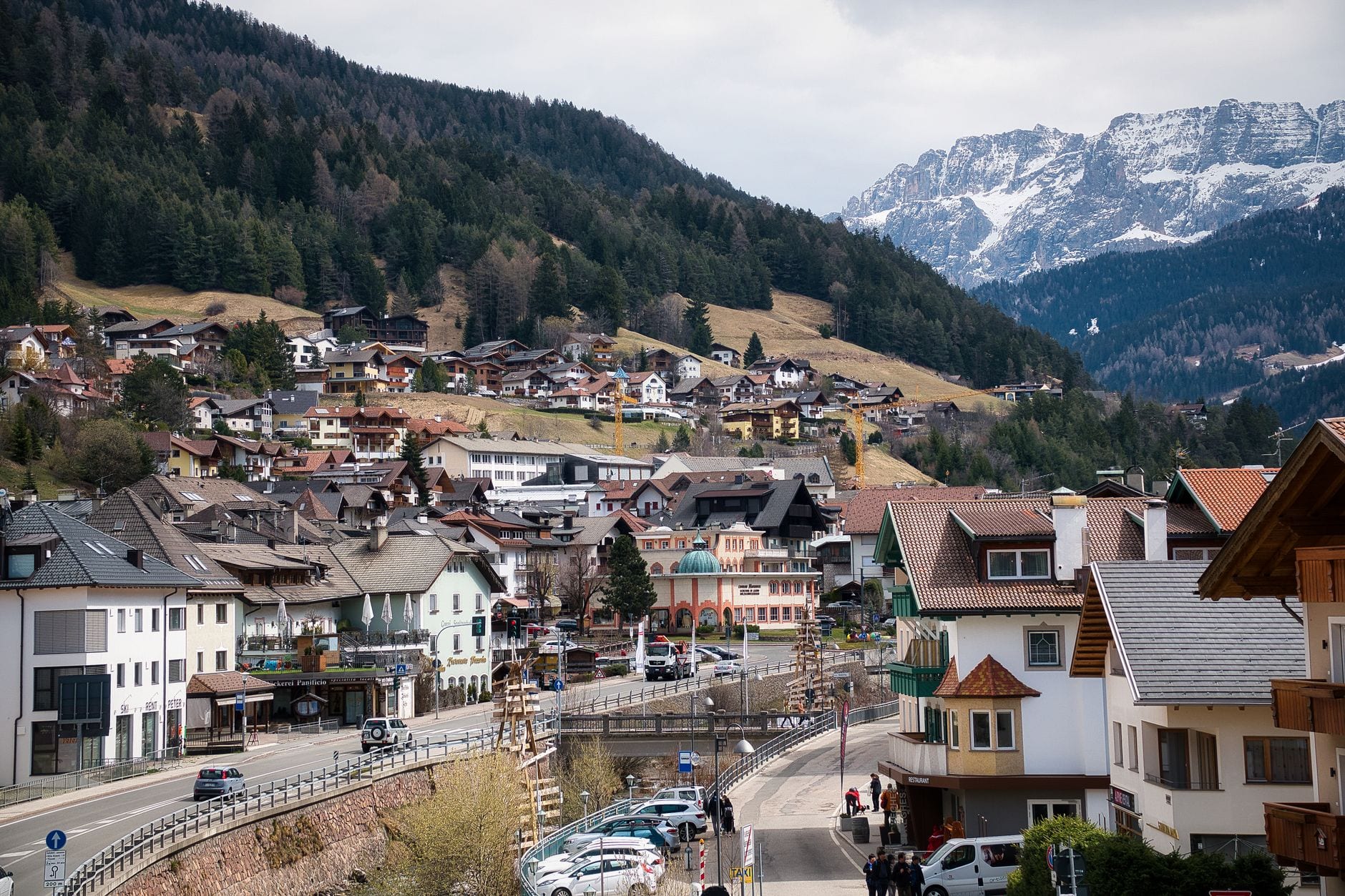
- Val Gardena (Ortisei, Santa Cristina, Selva) — the best all-rounder. Lifts in every direction, superb bus links, and a Ladin woodcarving culture that survives the tourism. Ortisei is the liveliest; Selva puts you closest to the Sella massif.
- Castelrotto and Fiè allo Sciliar — often cheaper, quieter, with farmhouse B&Bs and a short drive to the Alpe di Siusi cable car at Siusi.
- Alta Badia (Corvara, San Cassiano, La Val) — higher, wilder, excellent for via ferrata on the Sella and Fanes.
- Val di Funes/Villnöss — the Odle group from behind, far quieter than Gardena once the photographers leave Santa Maddalena's church on its green knoll. From mid-May to November day visitors park in the village and walk up to the viewpoint.
- San Vito di Cadore — the sensible alternative to Cortina, about fifteen minutes down the valley and usually for less.
Half-board in a family-run pension or small hotel is common and good value (a garni is bed and breakfast only); expect a generous breakfast and a dinner of several courses you'll have earned.
The walking, honestly assessed
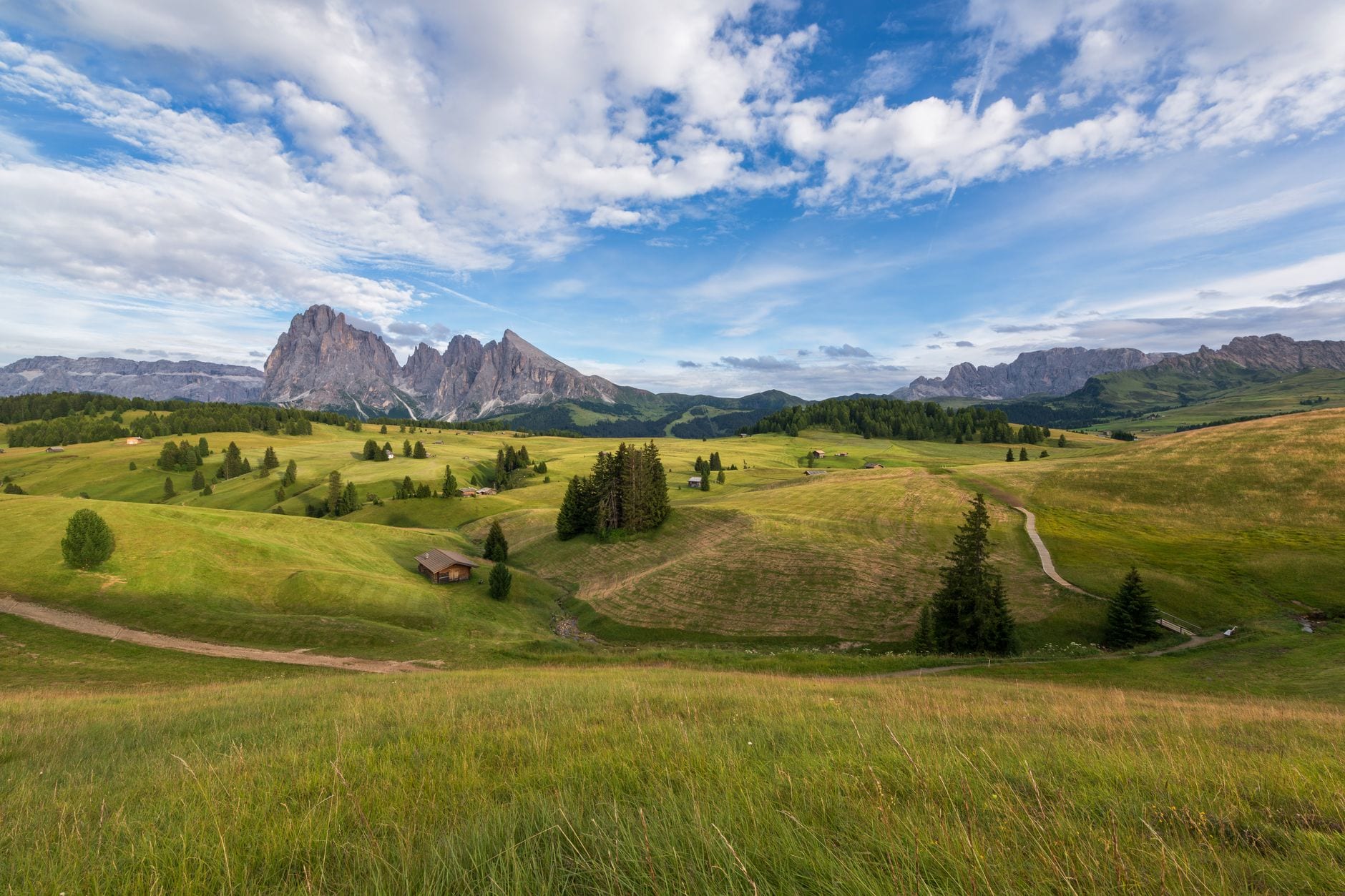
The Tre Cime di Lavaredo circuit is the postcard: about 10km, roughly 400m of ascent, three to four hours, and busiest through the middle of the day. Walk it early or late and it is transformed, but book the Auronzo toll road or take the bus from Misurina. The Alpe di Siusi offers gentler, wider days across what is billed as Europe's largest high-alpine pasture, some 56 sq km, with the Sassolungo as a backdrop. For something committing, the Sass Rigais traverse, the Pisciadù basin above Corvara, or a two-day stretch of Alta Via 1 sleeping at Rifugio Lagazuoi — 2,752m, reached by cable car from Passo Falzarego, with a terrace known for its sunsets.
Rifugio half-board runs roughly €60–90 per person depending on the hut and the room, with discounts for members of the Italian Alpine Club and its partner clubs. Book weeks ahead for anything on the Alte Vie, directly with the hut.
Via ferrata: when and what to bring
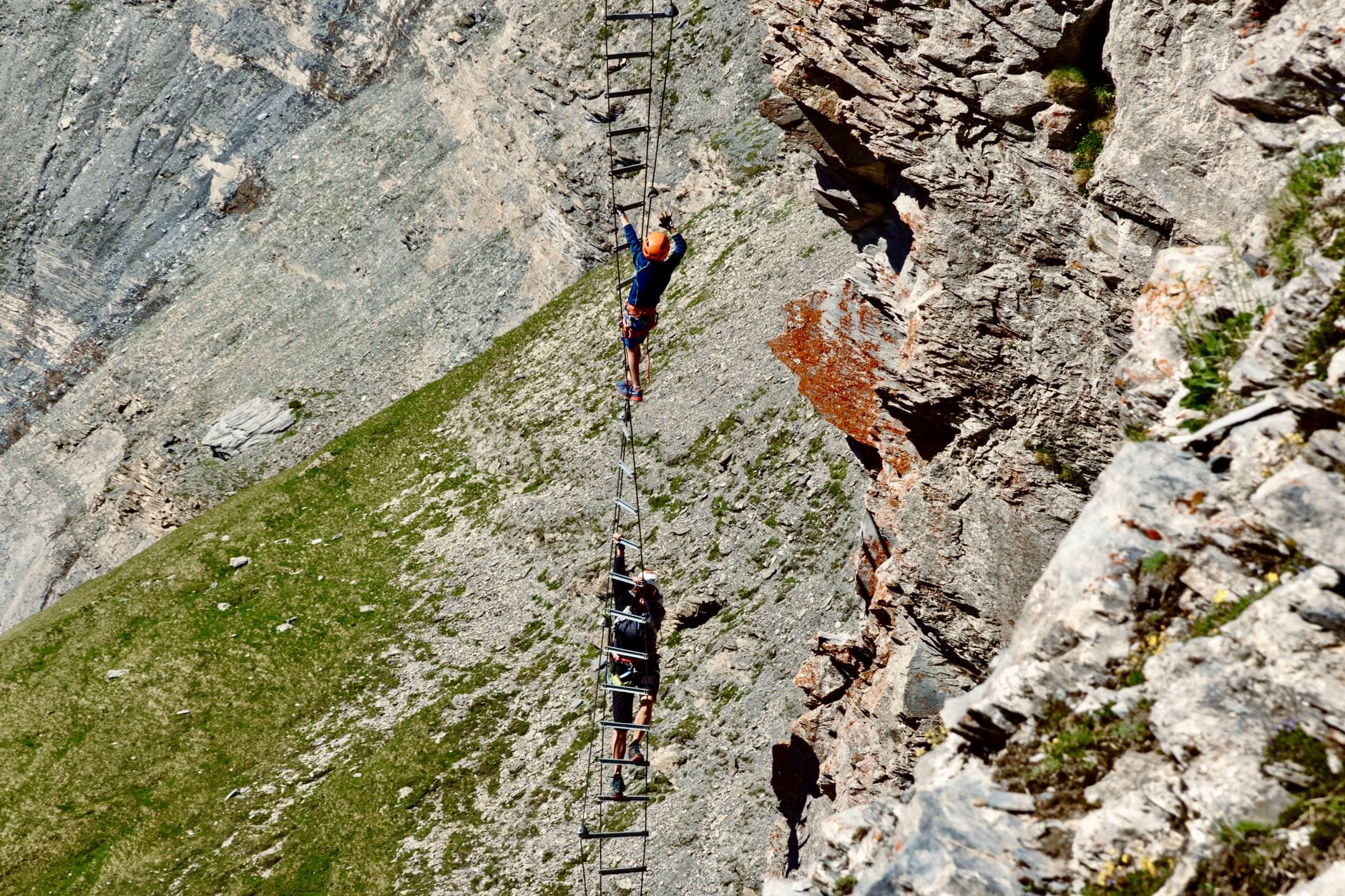
For via ferrata, choose the route with a qualified local mountain guide if you are new to the activity. Snow, wet rock, thunderstorms, closures and your own experience matter more than a calendar month or an “easy” label. Ask the guide or local tourism office about current conditions, suitable equipment and any lift or return-transport arrangements before setting off.
Kit: a proper via ferrata lanyard set with energy absorber, harness, helmet, gloves. Hire in Ortisei, Corvara or Cortina if you'd rather not fly with it. A private guide in Cortina starts at around €380 for the day, more for harder routes, plus VAT and any lift tickets; split between two or three it is money well spent on your first route.
Timing it right
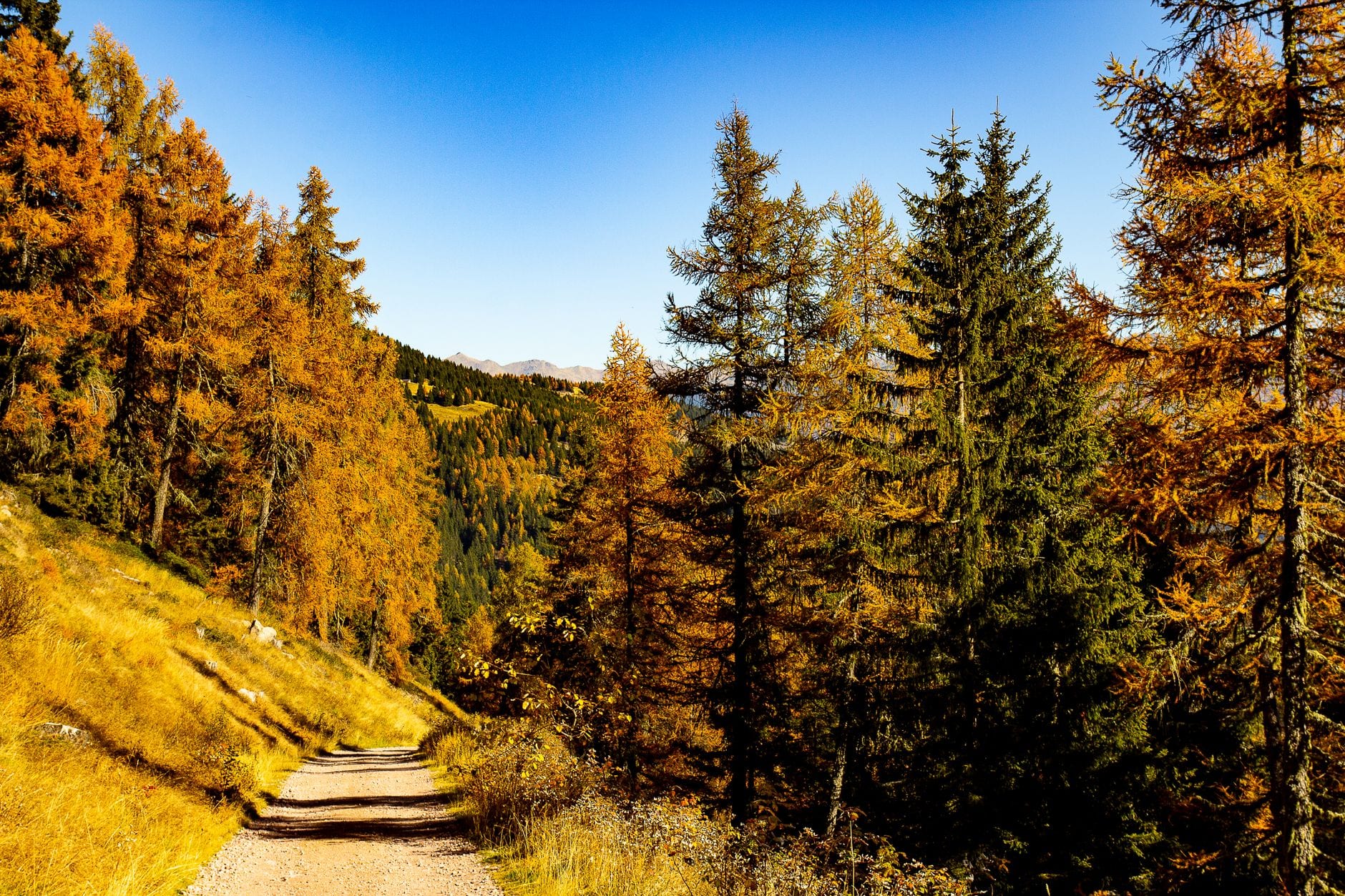
September is a strong answer. Weather often settles, the meadows have been cut and the Ferragosto crowds have gone home; many lifts and rifugi close during the second half of the month, so check dates before you commit to a hut route. The larches come later, usually at their gold best in the second and third weeks of October, when fewer huts are open. July and August are reliable but crowded and priced accordingly; June is beautiful and unpredictable, with snow still blocking higher paths. Book a night in Milan at each end — near Porta Venezia rather than Centrale — and let the city be the bookend it deserves to be.
| Base | Why consider it | What to check |
|---|---|---|
| Val Gardena | A valley base for lifts, walks and regional buses | The actual walk from your accommodation to a stop or lift |
| Castelrotto / Fiè area | Village stays near the Alpe di Siusi side | The connection to the cable car and evening transport |
| Alta Badia | A stay focused on the surrounding mountain routes | Lift dates and how to reach your chosen village |
| Cortina / San Vito di Cadore | An eastern-Dolomites itinerary | Compare a Venice arrival and the final road or bus leg |
Find a stay that works with your journey
For accommodation areas and onward hotel choices, explore our Alta Badia guide and Cortina guide. If you are travelling without a car, a room near a useful bus stop can be worth more than a cheaper room a long walk uphill. Confirm arrival arrangements, meals and seasonal opening directly with the accommodation.