
Zermatt
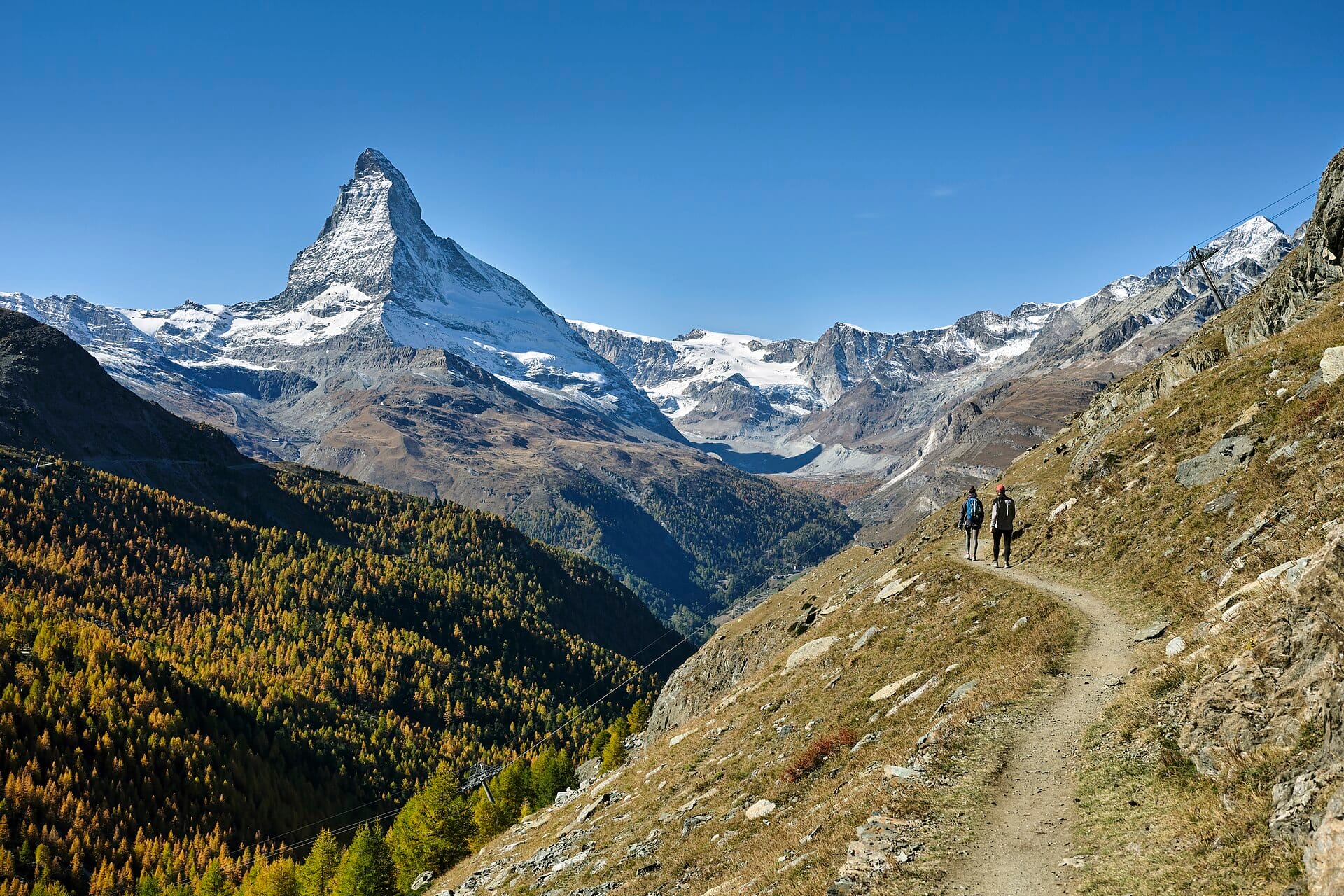
Car-free Zermatt runs on electric taxis, horse-drawn sleighs and the most photographed mountain on Earth — the Matterhorn photobombs every family picture.
- Best forSkiers & snowboarders · Walkers & hikers · Families
- In December0°C · 13 rainy days
- Ideal stay4–5 nights
- Approx. flying time~11h 55m from Los Angeles
- CurrencyCHFSwiss franc
- LanguageGerman, French, Italian and Romansh
- Local time11:261h ahead of the UK
- PlugsType C / JBring an adapter
- Drive on theRightOpposite to the UK
- Dialling code+41
Why go
One mountain dominates everything here and it never quite stops being startling. The Matterhorn appears at the end of the main street, over rooftops, from the railway platform and out of hotel windows. Below it sits a car-free village of old timber barns and expensive shopfronts, with electric taxis whirring past. Skiing runs across a huge linked area into Italy, and the glacier keeps a patch open through summer.
The mountain railways are the other half of the trip. Gornergrat climbs to 3,089 metres in front of a wall of four-thousanders, and a cable car goes higher still to a glacier station. Summer brings some of the finest walking in the Alps, winter the long season. Prices are severe at every level, so shoulder weeks in late January or June make a real difference. Book high-altitude mornings when the forecast is clear.
- Ideal stay
- 4–5 nights
- The vibe
- Car-free, high alpine, single-mountain obsessed
From our guides
One mountain owns the skyline here, and it never gets old: the Matterhorn photobombs every street, every rooftop, every cup of coffee. Zermatt is car-free, electric taxis hum about, and the Gornergrat railway delivers you to a 3,089-metre viewing platform ringed by twenty-nine four-thousanders. Splurge or hostel it — the view is identical. Sunrise from Gornergrat is worth the alarm.
Featured in Ten winter-magic trips for families who love the cold and Ten alpine villages that feel like a deep breath
Things to do
-
Gornergrat at sunrise
The cogwheel railway climbs to 3,089 metres with the Matterhorn on one side and the Gorner glacier on the other. Early trains beat both cloud and crowds.
-
The Five Lakes Walk
A half-day route from Blauherd past a string of tarns, two of which hold the Matterhorn's reflection when the wind drops. Mostly downhill.
-
Matterhorn Glacier Paradise
Cable cars reach a viewing platform and ice palace at 3,883 metres, the highest such station in Europe. Take altitude and cold seriously up there.
-
Riffelsee reflection
One stop down from the top of the Gornergrat line, a small lake that mirrors the peak on still mornings. Walk on down to Riffelberg afterwards.
-
Gorner Gorge
Walkways bolted into a narrow slot of polished rock just outside the village, carved by glacial meltwater. Cool, loud and a good rest day.
-
The Glacier Express
The panoramic line to St Moritz starts here, taking most of a day over passes and viaducts. Even one leg to Brig gives the flavour.
Getting there
-
Fly to
Zurich (ZRH)
Nearest airport to Zermatt, about 171km away as the crow flies.
-
Then
To Zermatt
Zurich (ZRH) or Geneva (GVA) are the practical gateways, three and a half to four hours by train via Visp and then the mountain railway from Täsch. Milan Malpensa (MXP) is closer in a straight line but a slower journey around the mountains.
-
On the ground
Getting around
Zermatt is car free: you park at Täsch and take the shuttle train, then walk or take an electric taxi. The Gornergrat railway and the cable cars do all the climbing.
Public transport: Excellent. Swiss trains run to the village and private cars cannot enter, so everyone uses them.
Flights
Los Angeles Zermatt, Switzerland
Fly from anywhere — search 4,000+ airports worldwide.
Roughly 11h 55m in the air from Los Angeles (LAX), estimated from the distance — check for a direct route. Pick a month to see every available flight with live prices.
Check dates and prices
Pick your departure date, then your return.
Search flightsNot sure when? Compare fares across a whole month.
Flight times are estimates; prices open on Google Flights.
When to go
Daytime highs run from about 0°C in January to 21°C in July. Driest in January and February and November; wettest in June, with rain on about 23 days.
The year at a glance — pick a month for detail
December0° · rain 13 daysCold and often wet.
Monthly figures averaged from daily records for 2020–2024 at this location (ERA5 reanalysis). Live conditions from MET Norway, CC BY 4.0.
Where to stay
Family-owned alpine hotels, chalets and apartments in the village, a strong hostel and budget tier, and grand spa hotels at the top end. No cars, so porters and electric taxis do the carrying.
-
Best base overall
Zermatt centre
Around Bahnhofstrasse, walkable to the station, the Gornergrat railway and the Sunnegga funicular. Car-free but never quiet, and the rooms with the Matterhorn view cost more.
Find stays in Zermatt centre -
Best with children
Winkelmatten
The southern residential shelf, close to the Wolli Park learner slopes and quieter at night, with a free ski bus into the centre. Few restaurants nearby.
Find stays in Winkelmatten -
Best value
Täsch
The end of the road, where cars park and the shuttle train runs up every twenty minutes. Rooms cost far less, at the price of a transfer with luggage each time.
Find stays in Täsch -
Quietest
Randa
A village further down the valley on the same railway, plain and calm, with proper alpine silence. You are committing to the train for every meal out.
Find stays in Randa
Worth knowing before you book: January weekdays cost far less than the festive and February weeks, which sell out by autumn. Cars stop at Täsch, so factor the shuttle train and parking into the budget.
Search everything else in Zermatt by budget. These are indicative budget bands in GBP per night for two people, not live quotes or guarantees of hotel type. Check your dates, guests, taxes and final price on Booking.com.
Good to know
- Getting there
- The village is car free, so drivers park at Täsch and take the shuttle train for the last five minutes. Trains connect via Visp from the main network.
- Costs
- Everything is expensive, from mountain railways to a coffee. Self-catering, picnics and a regional rail pass all soften it considerably.
- Altitude
- You can be at 3,883 metres less than an hour after leaving the village. Move slowly at the top, and skip it if you feel unwell.
- Timing
- Ski season runs roughly late November to late April, with summer glacier skiing too. Walking trails clear by late June and stay open into October.
- Weather watching
- The Matterhorn generates its own cloud. Check webcams over breakfast and go high on the clear mornings rather than by a fixed plan.
Similar places
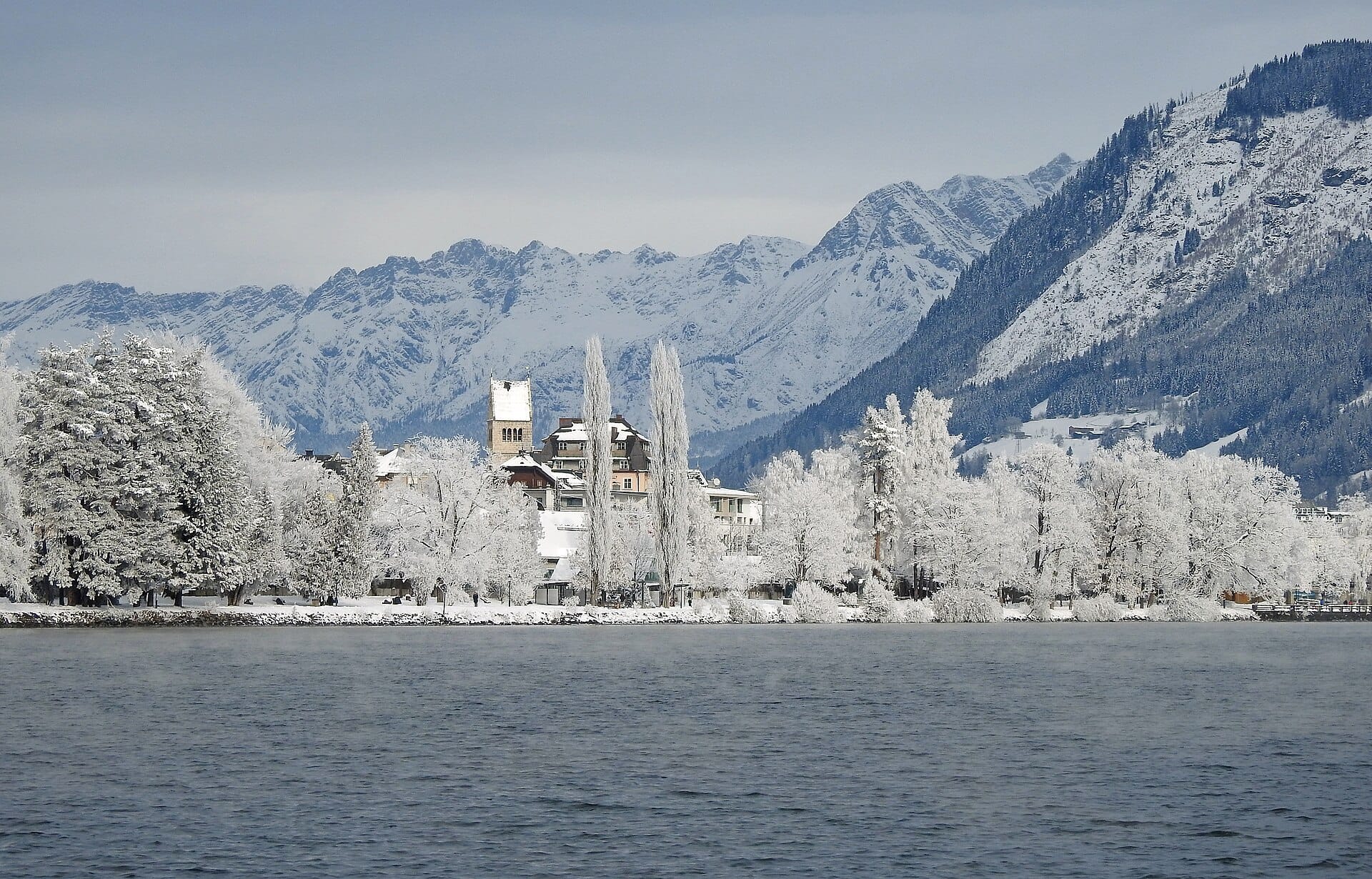
Zell am See
AustriaAlso for skiers & snowboarders and walkers & hikers · 5°C in December (0°C here) · cheaper to stay
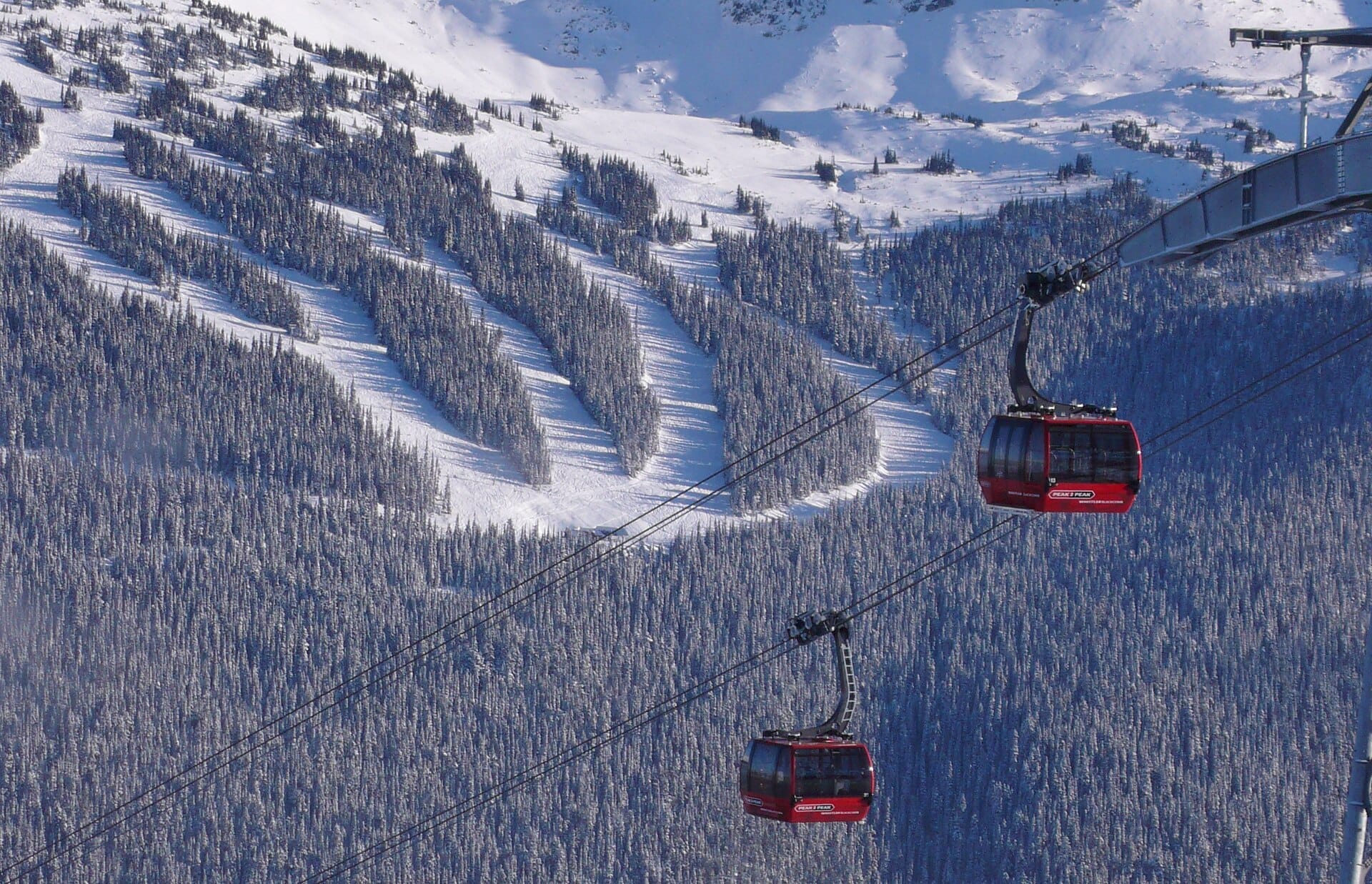
Peak 2 Peak Gondola
Whistler, CanadaAlso for skiers & snowboarders and families · -2°C in December (0°C here) · cheaper to stay
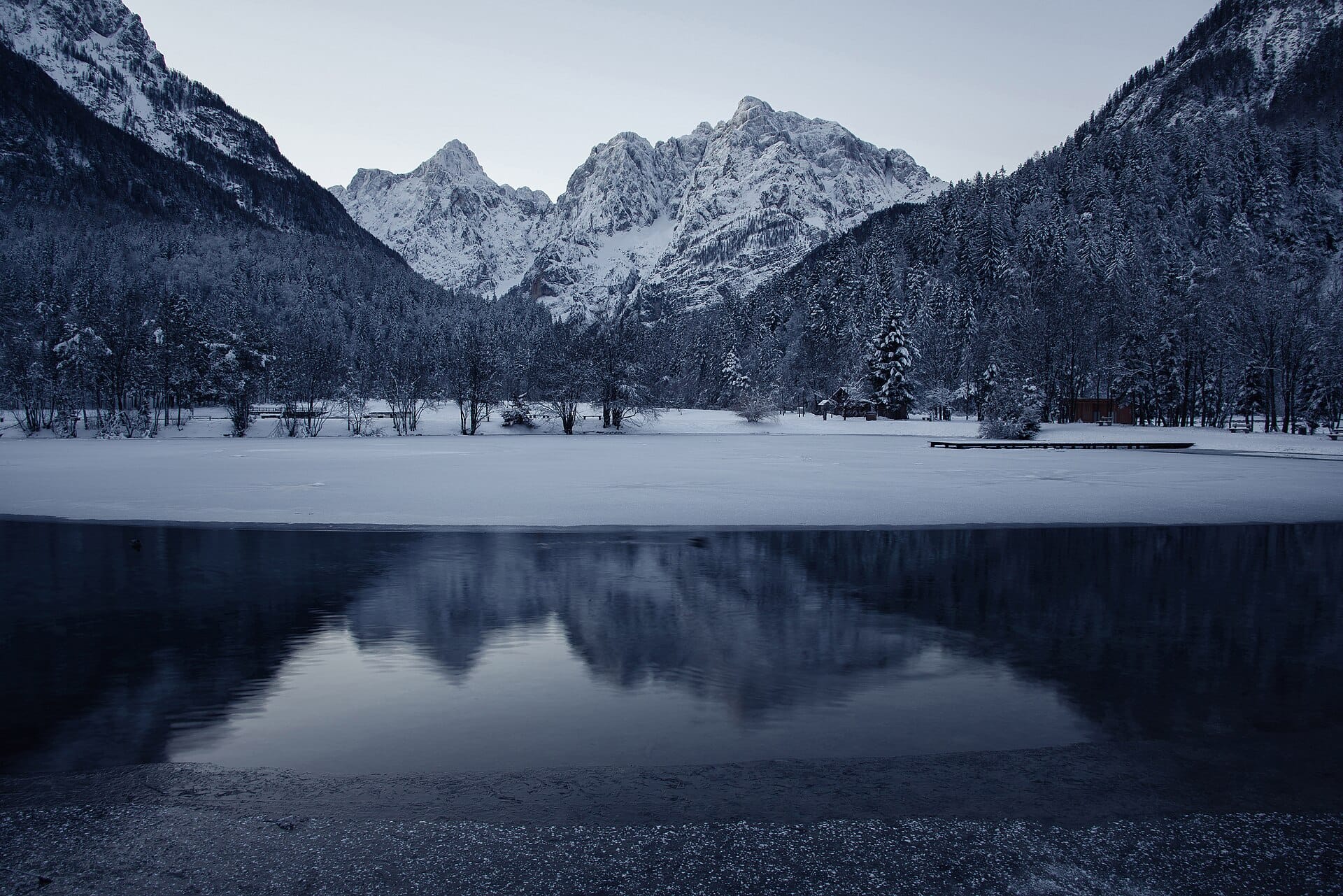
Kranjska Gora
SloveniaAlso for skiers & snowboarders and families · 0°C in December, as here · cheaper to stay
Nearby destinations
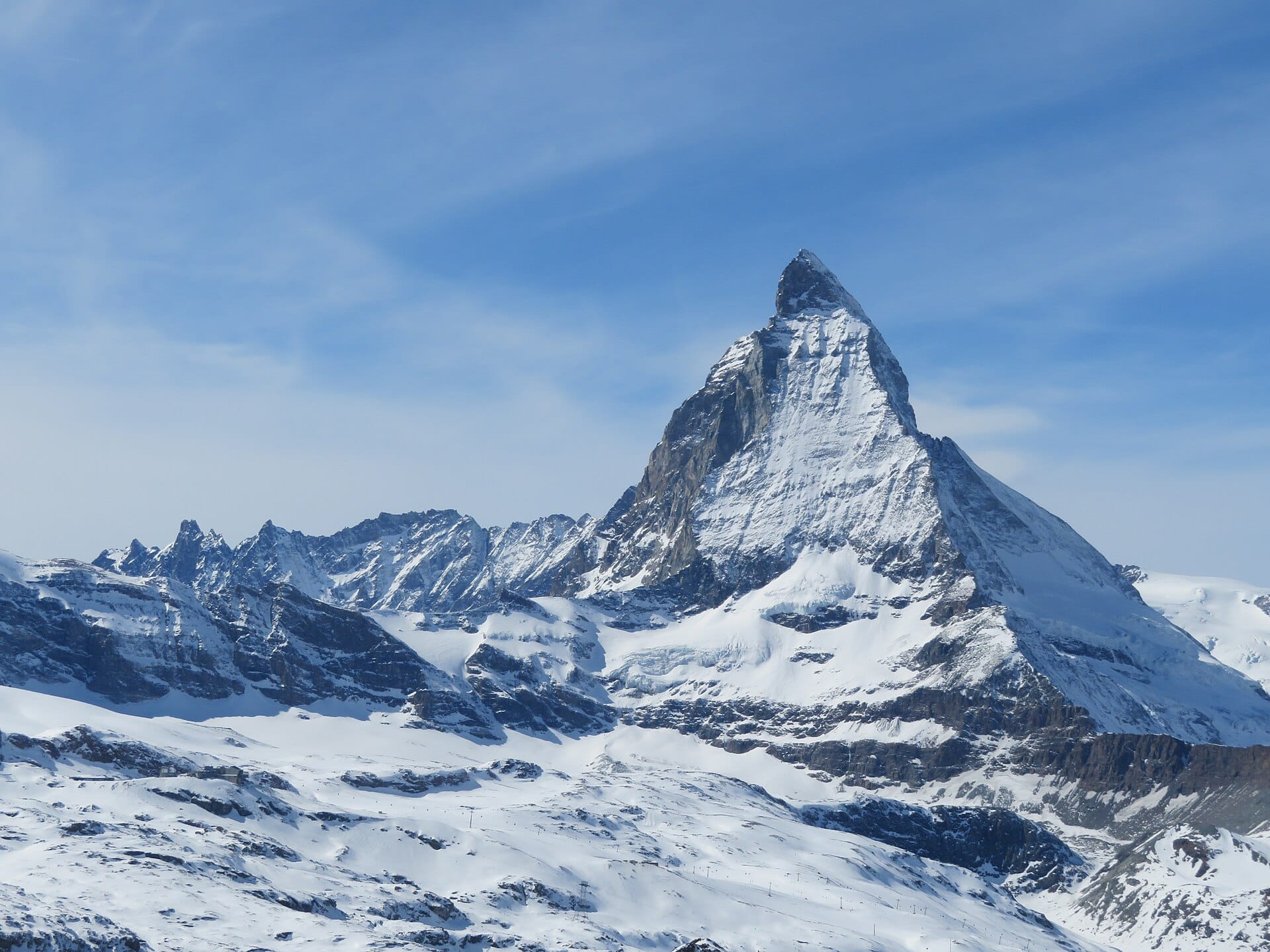
Gornergrat Railway
Switzerland · 5km away →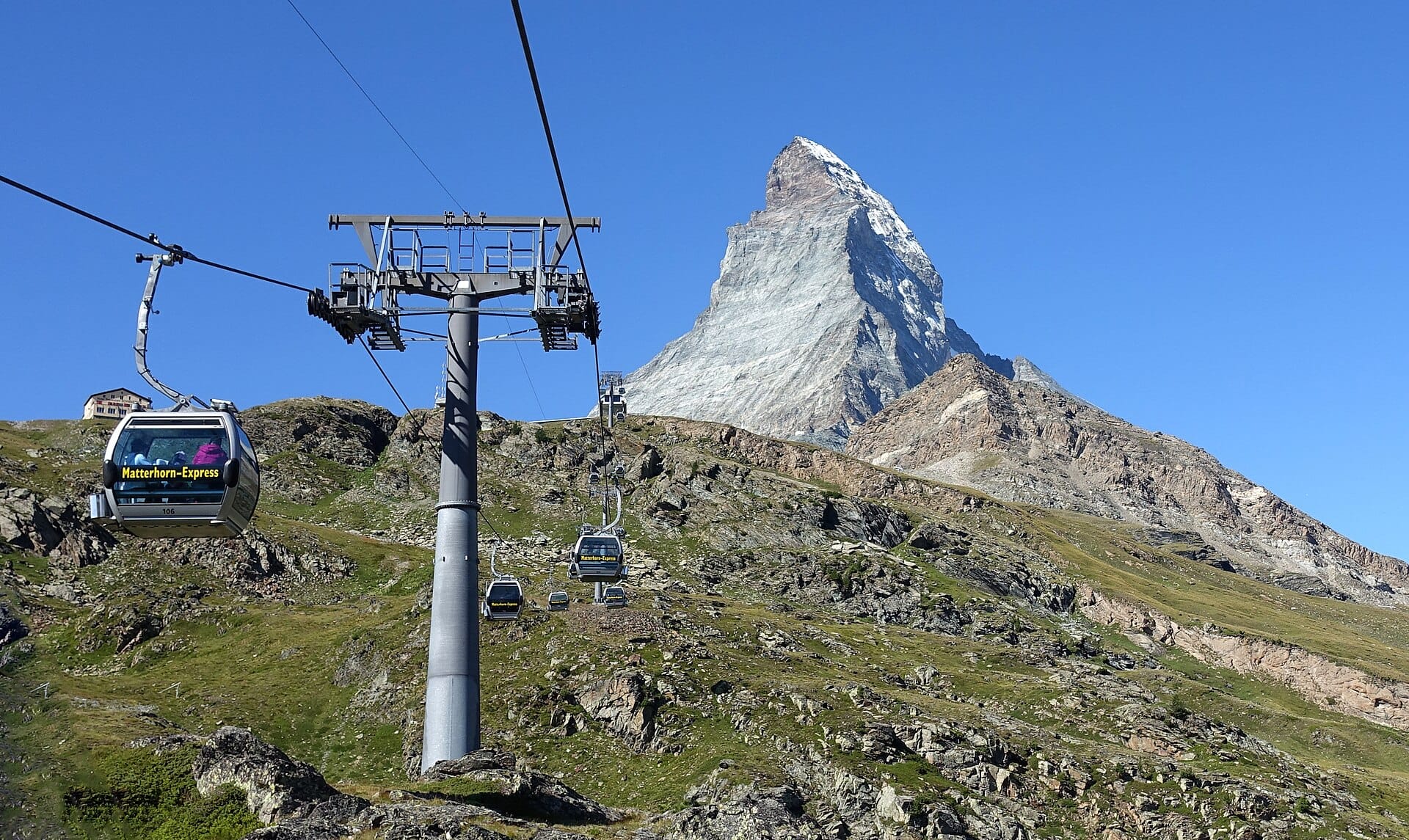
Matterhorn Glacier Paradise
Zermatt, Switzerland · 9km away →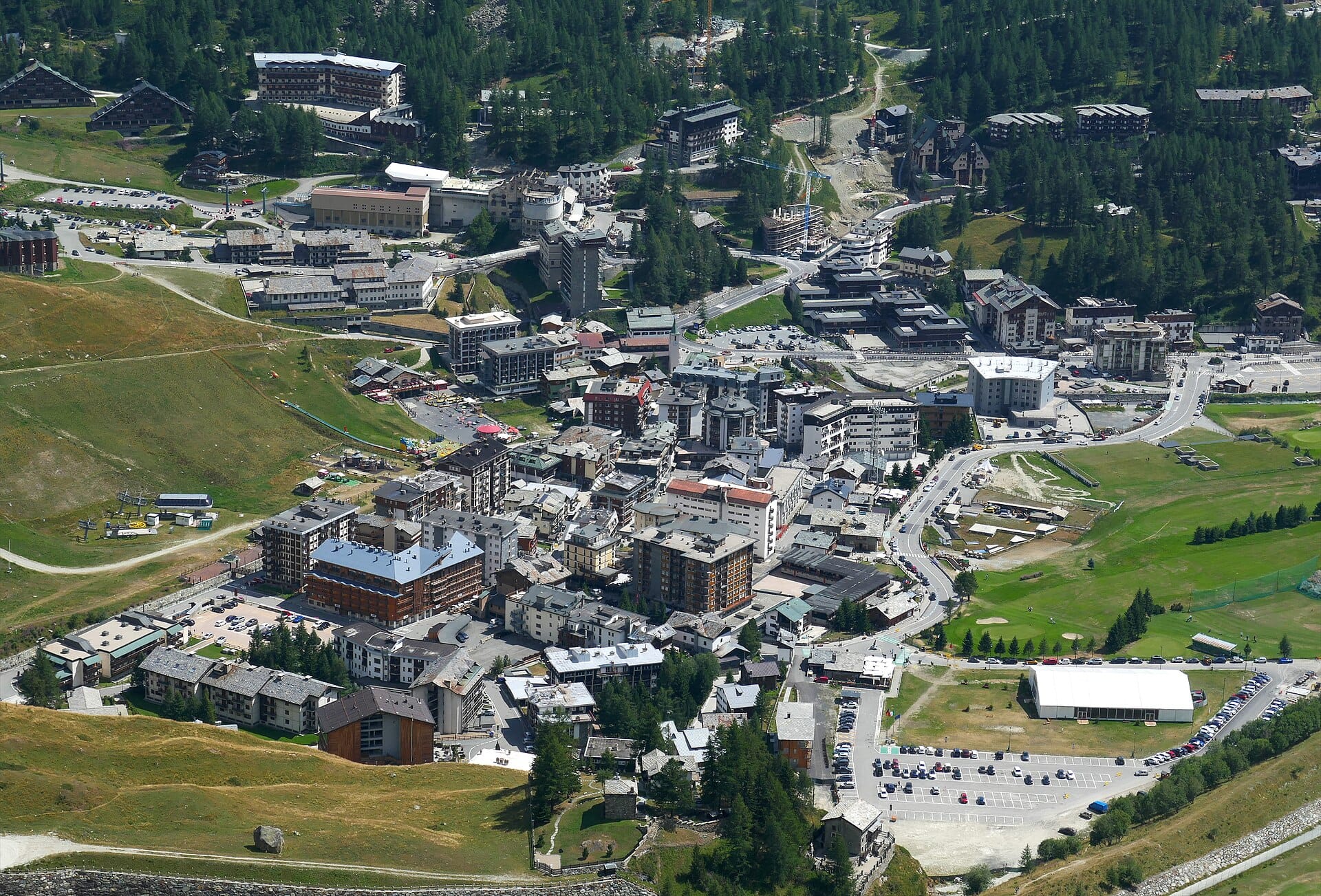
Cervinia
Italy · 13km away →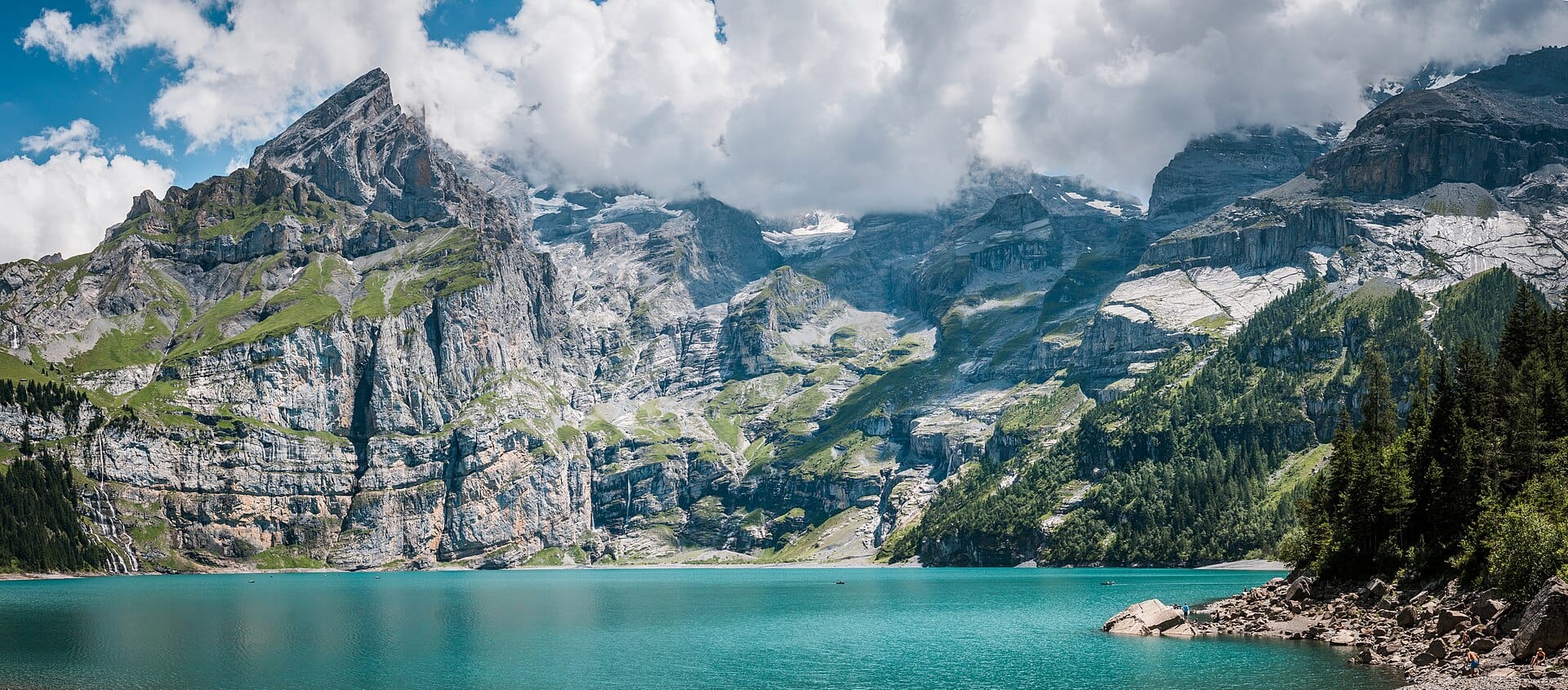
Oeschinensee
Switzerland · 53km away →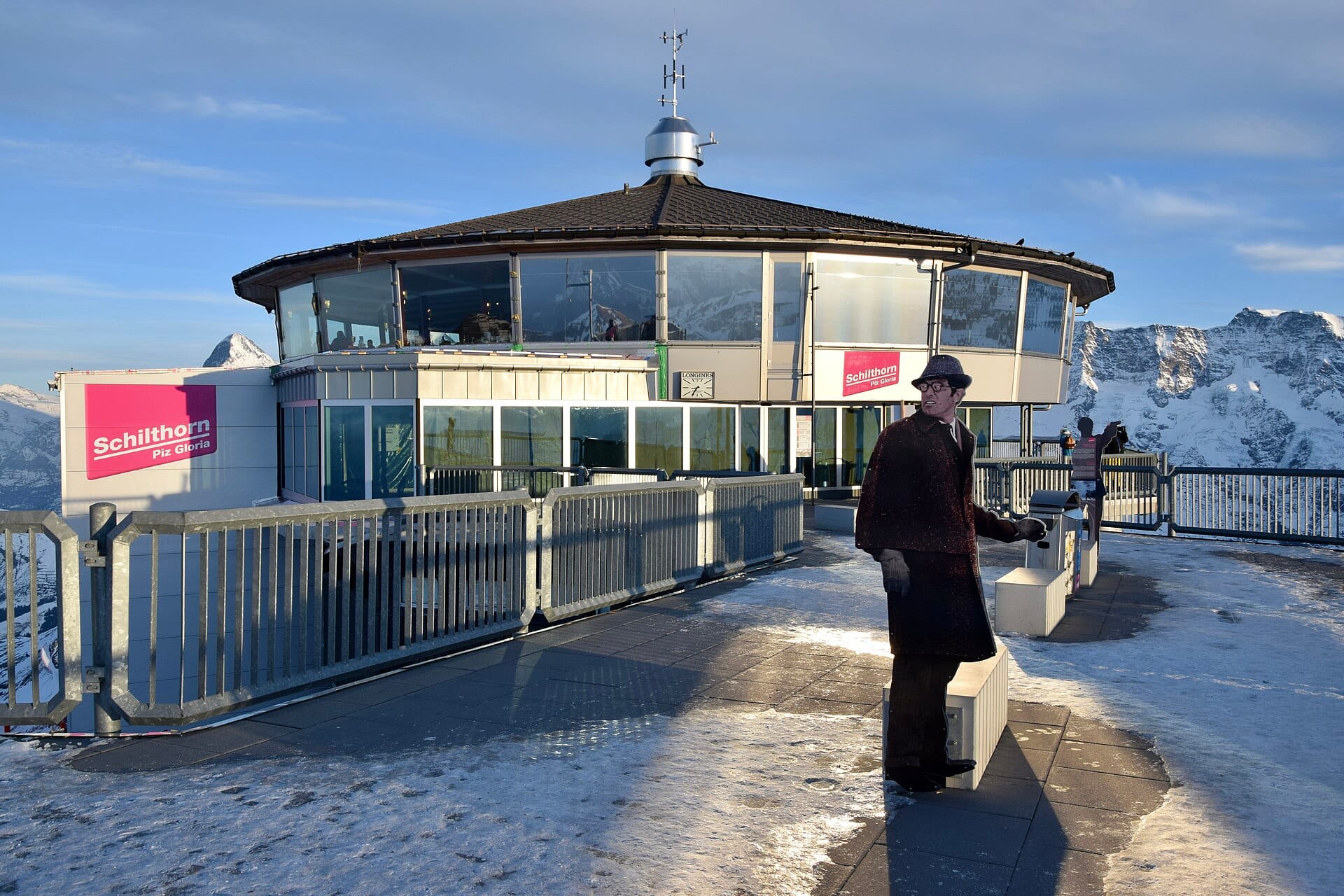
Schilthorn
Switzerland · 60km away →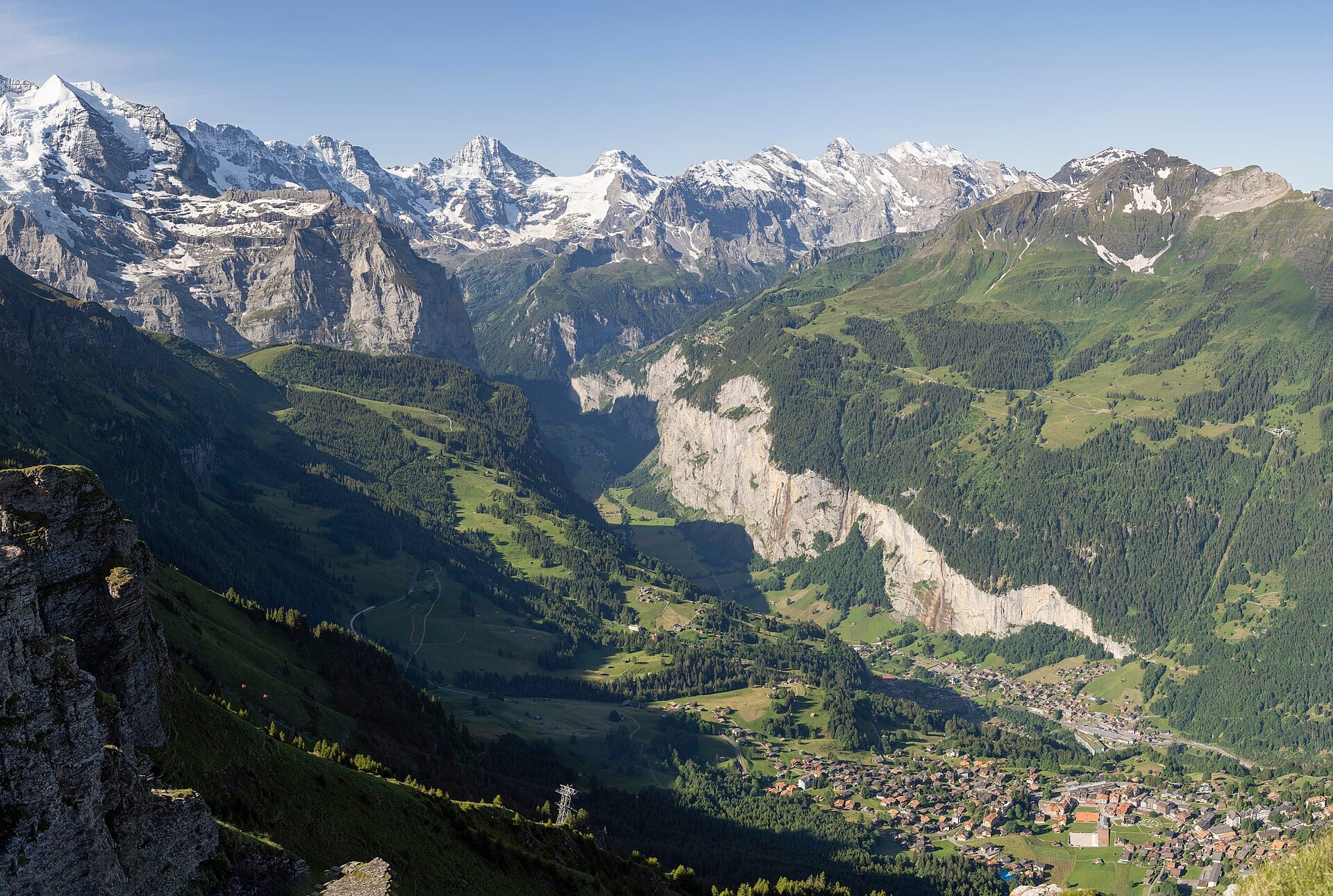
The Bernese Oberland
Switzerland · 62km away →Elsewhere in Switzerland
Related articles
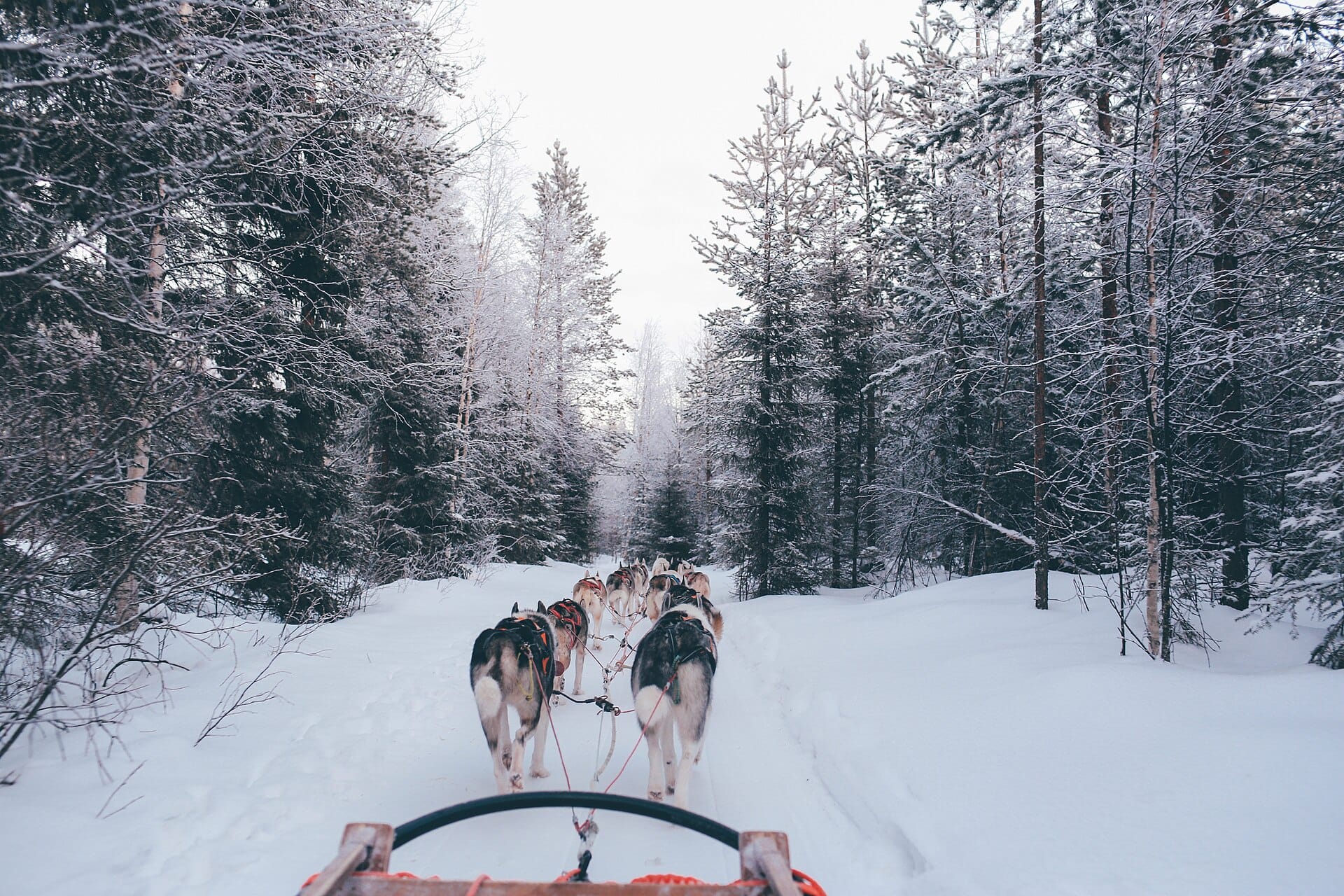
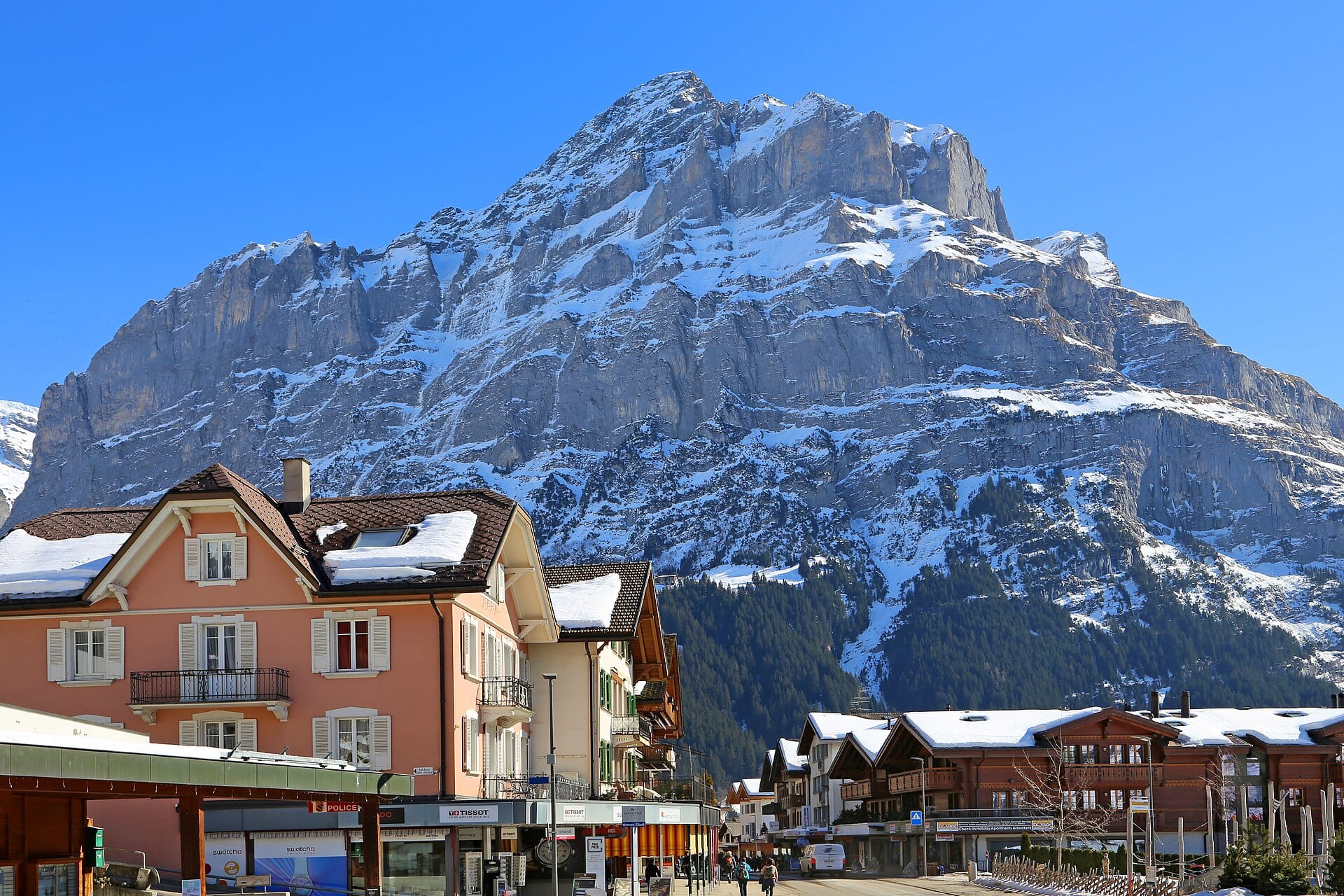
Quick answers
When is the best time to visit Zermatt?
Daytime highs run from about 0°C in January to 21°C in July. Driest in January and February and November; wettest in June, with rain on about 23 days.
How long should I spend in Zermatt?
Our suggestion: 4–5 nights.
How do I get to Zermatt?
Zurich (ZRH) or Geneva (GVA) are the practical gateways, three and a half to four hours by train via Visp and then the mountain railway from Täsch. Milan Malpensa (MXP) is closer in a straight line but a slower journey around the mountains.
Do I need a car in Zermatt?
No. Swiss trains run to the village and private cars cannot enter, so everyone uses them.
What currency and language are used in Zermatt?
Currency: Swiss franc (CHF). Language: German, French, Italian and Romansh. Plugs: type C and J.
Who is Zermatt best for?
Best for skiers & snowboarders, walkers & hikers and families. In a phrase: car-free, high alpine, single-mountain obsessed.