
Wineglass Bay
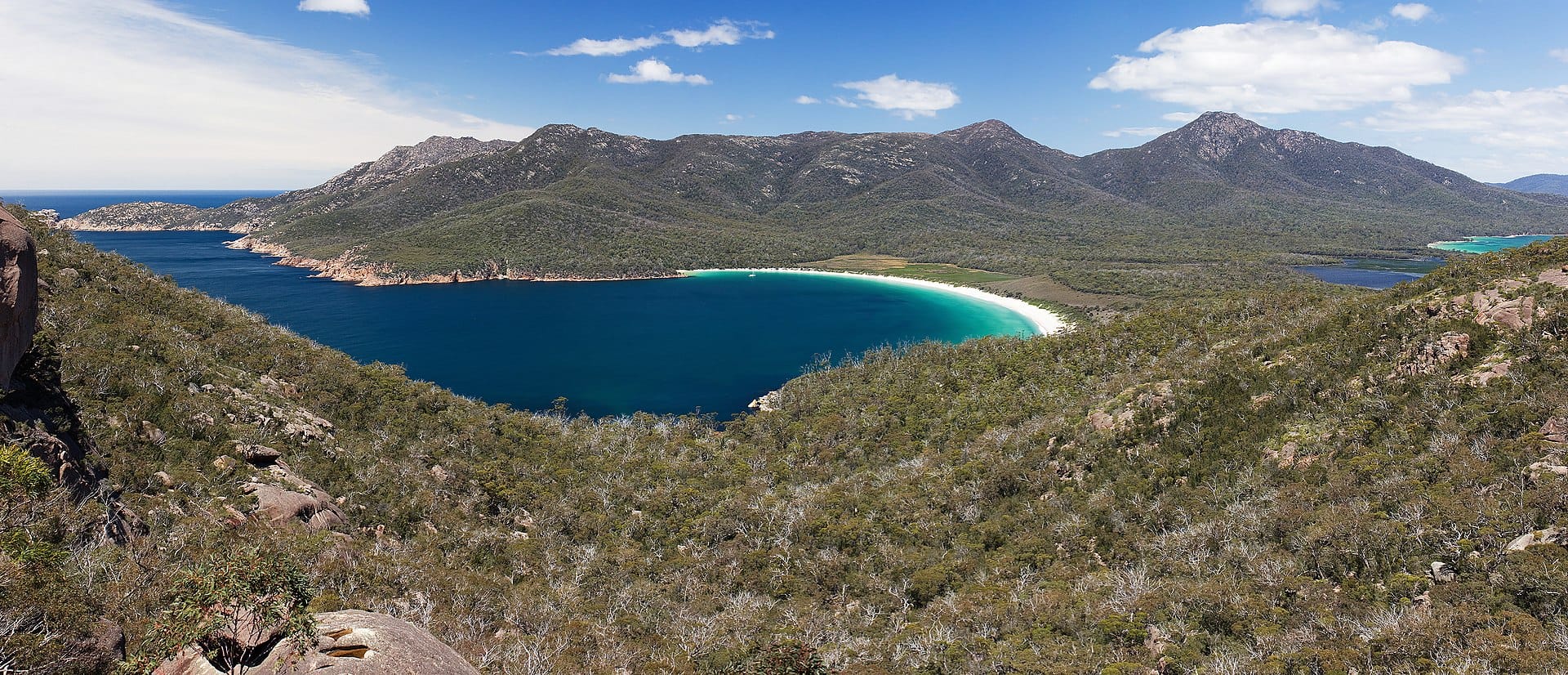
From the saddle lookout in Freycinet National Park, Wineglass Bay is a flawless white crescent bitten out of pink granite mountains.
- Best forWalkers & hikers · Beach lovers · Photographers
- In January20°C · 10 rainy days · sea 18°C
- Ideal stay2–3 nights at Coles Bay
- Approx. flying time~15h 50m from Los Angeles
- CurrencyAUDAustralian dollar
- LanguageEnglish
- Local time00:1110h ahead of the UK
- PlugsType IBring an adapter
- Drive on theLeftSame as the UK
- Dialling code+61
Why go
Freycinet is a peninsula of pink granite peaks dropping into very cold, very clear water. From the saddle between two of them, a white crescent of beach curves below in a shape that has sold Tasmania for decades. The walk down takes about twenty minutes and delivers you to sand you may well share with wallabies rather than people. Swimming is bracing at any time of year, and worth it anyway.
Coles Bay is the base, a small settlement at the peninsula's neck with a handful of places to stay and eat. Two or three nights lets you do the lookout, the longer circuit, a couple of the quieter coves and a lighthouse boardwalk without rushing. December to March gives the warmest water and the busiest car parks; autumn is calmer and clearer. Hobart and Launceston are each around two and a half hours away.
- Ideal stay
- 2–3 nights at Coles Bay
- The vibe
- Granite, gum trees, cold clear water
From our guides
Carry on down the far side and you'll likely share the sand with wallabies and not much else. The water is bracing even in an Australian summer, but the walk-swim-walk combination is one of the great half-days in the southern hemisphere.
Featured in Ten hidden coves worth the scramble
Things to do
-
The saddle lookout
A steep but short climb through boulders to the viewing platform above the bay. Early morning light and the smallest crowds arrive together.
-
Wineglass Bay to Hazards Beach circuit
Around eleven kilometres, crossing the isthmus and returning along the western shore. Four to five hours, and much quieter than the lookout path.
-
Mount Amos scramble
A short, genuinely steep route over bare granite slabs to the finest view of the bay. Avoid it in the wet, when the rock turns treacherous.
-
Cape Tourville boardwalk
An easy loop by the lighthouse with cliff views down the coast, good at sunrise and manageable for anyone not up for the climbs.
-
Honeymoon Bay
A tiny orange-granite cove near the park entrance that catches the last of the evening light. Popular with photographers for good reason.
-
Friendly Beaches
A long, wild, largely empty strand a little north of the park entrance. Big surf, white sand and rarely more than a handful of other people.
Getting there
-
Fly to
Hobart (HBA)
Nearest airport to Wineglass Bay, about 99km away as the crow flies.
-
Then
To Coles Bay
About two and a half hours by hire car north east from Hobart (HBA) to Coles Bay, or a similar run south from Launceston.
-
On the ground
Getting around
The saddle lookout is a steep forty-minute climb from the Freycinet National Park car park just beyond Coles Bay, with another half hour of steps down to the sand.
Public transport: Very limited. A shuttle runs from Hobart in season, but there is no useful scheduled bus.
Flights
Los Angeles Wineglass Bay, Tasmania, Australia
Fly from anywhere — search 4,000+ airports worldwide.
Roughly 15h 50m in the air from Los Angeles (LAX), estimated from the distance — check for a direct route. Pick a month to see every available flight with live prices.
Check dates and prices
Pick your departure date, then your return.
Search flightsNot sure when? Compare fares across a whole month.
Flight times are estimates; prices open on Google Flights.
When to go
Daytime highs run from about 12°C in July to 20°C in January. Wettest in October, with rain on about 12 days. The sea is warmest in February at around 19°C, coolest at 12°C.
The year at a glance — pick a month for detail
January20° · rain 10 days · sea 18°Mild with rain most weeks.
Monthly figures averaged from daily records for 2020–2024 at this location (ERA5 reanalysis). Live conditions from MET Norway, CC BY 4.0.
Where to stay
Self-catering holiday houses, cabins and caravan parks, a small number of lodges and eco-retreats, and the park's own campsites. There is almost nothing at the budget end.
-
Best base overall
Coles Bay
The village at the park gate, minutes from the lookout track, with a general store and a couple of places to eat. Choice is thin, so book early or self-cater.
Find stays in Coles Bay -
Closest to the sights
Freycinet National Park campgrounds
Richardsons Beach and the walk-in sites put you on the trail before the first car park queue. Facilities are minimal and summer sites are allocated by ballot.
Find stays in Freycinet National Park campgrounds -
Best value
Bicheno
Half an hour north, a fishing town with motels, holiday units and penguin tours at gentler rates. You will drive in and out of the park each day.
Find stays in Bicheno -
Quietest
Swanwick
A spread of holiday houses on the bay just before Coles Bay, with water views and no through traffic. No shops, so stock up in Swansea on the way.
Find stays in Swanwick
Worth knowing before you book: Summer campsites are balloted months in advance and houses book out for January. Park entry needs a pass, and the lookout car park fills by mid-morning in season.
Search everything else in Coles Bay by budget. These are indicative budget bands in GBP per night for two people, not live quotes or guarantees of hotel type. Check your dates, guests, taxes and final price on Booking.com.
Good to know
- Park pass
- Freycinet is a national park and a vehicle pass is required. Buy a holiday pass if you plan to visit other Tasmanian parks on the same trip.
- Parking
- The main car park fills by mid-morning in summer and a shuttle sometimes operates. Arriving before eight or after four solves most of it.
- Carry water
- There are no shops, taps or shade on the beach itself. Take water, food and sun protection down with you, and bring the rubbish back.
- Cold water
- Sea temperatures rarely climb far above the mid teens even in February. Swims are short, invigorating and best followed by a walk to warm up.
- Wildlife
- Wallabies and possums are habituated around the car park and beach. Do not feed them, and keep food sealed if you are camping.
Further afield
Great Ocean Road
Australia · 544km away →
Sydney
Australia · 957km away →
Byron Bay
New South Wales, Australia →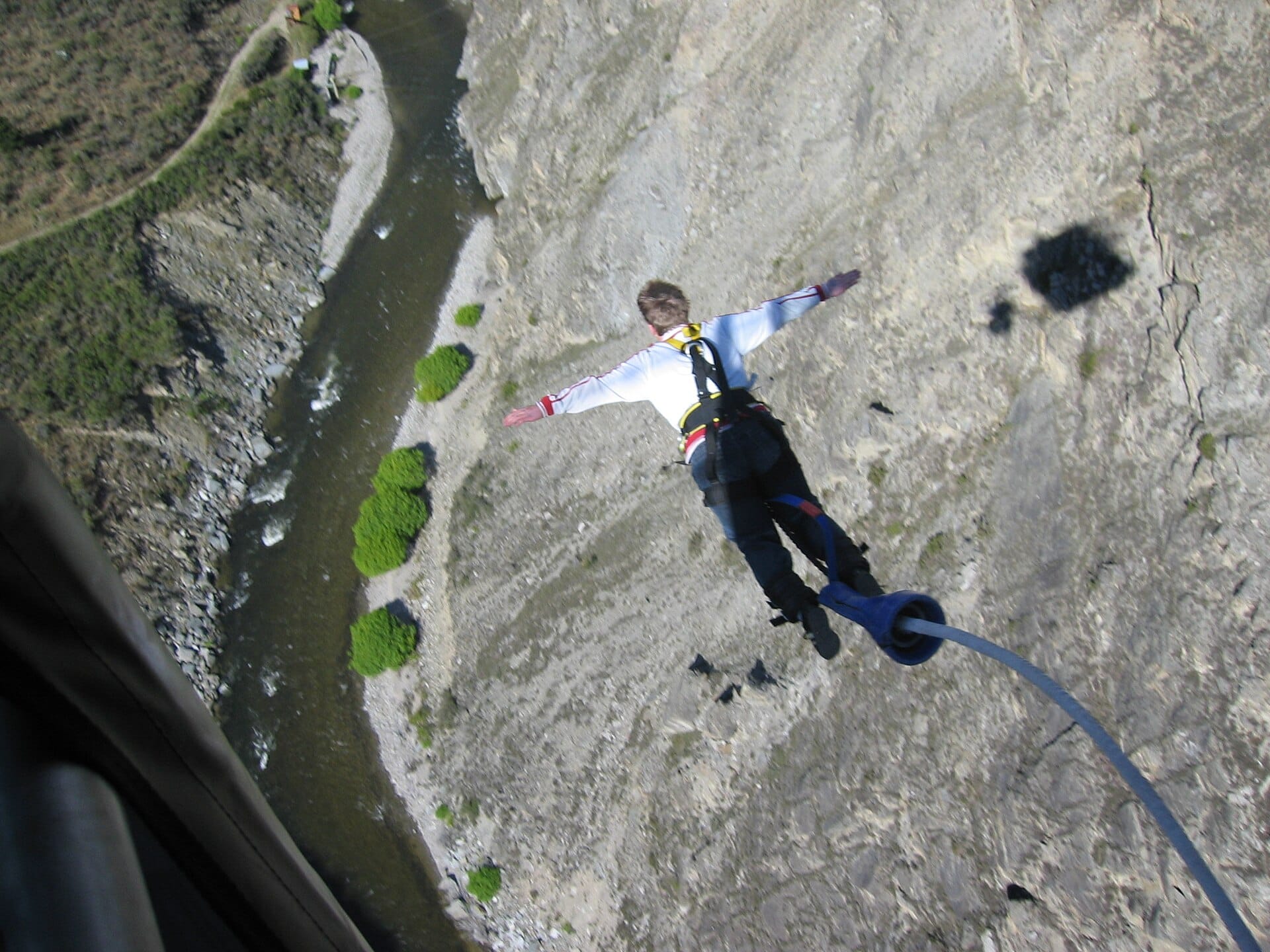
Bungee jumping
Queenstown, New Zealand →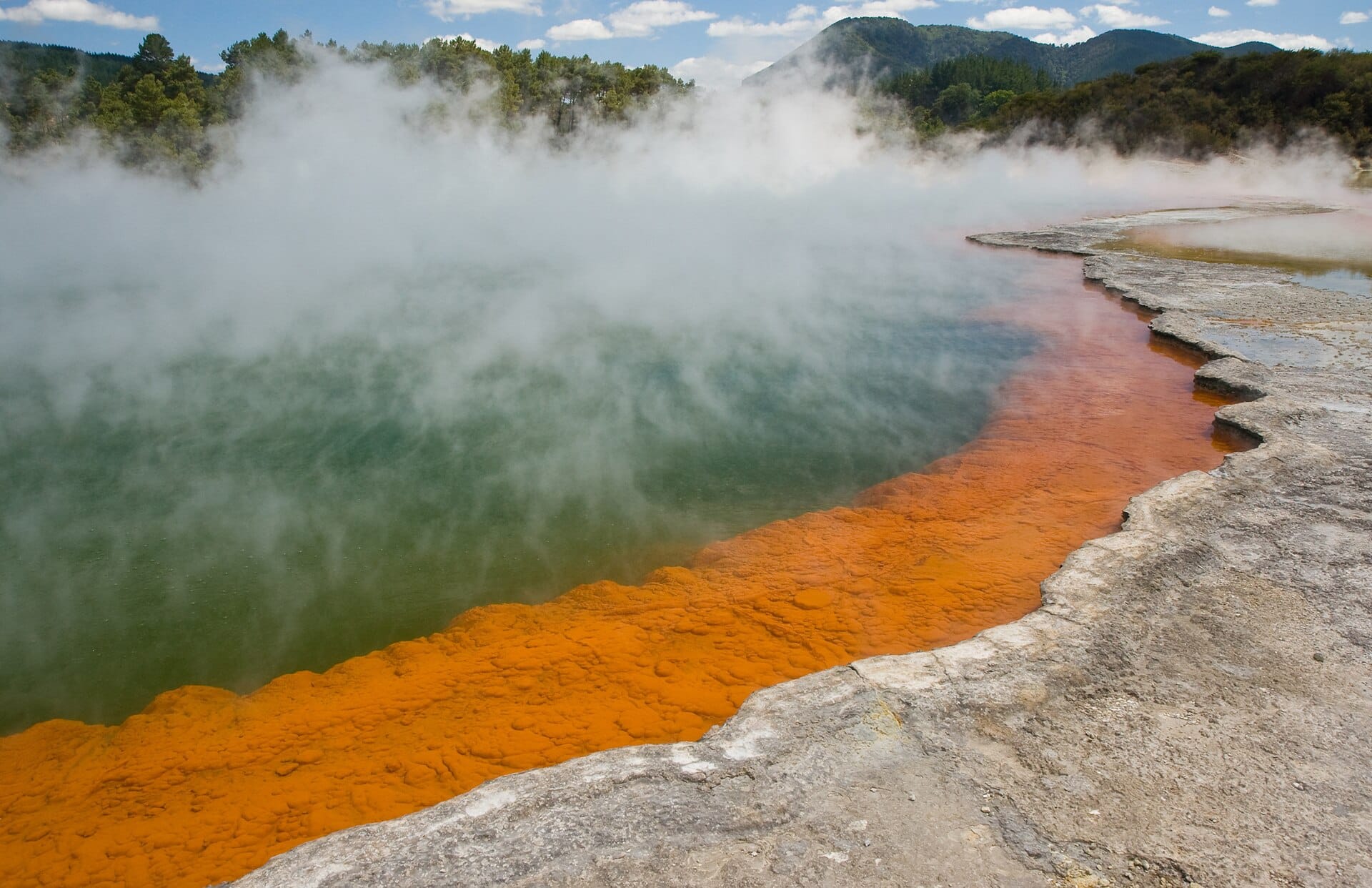
Rotorua
New Zealand →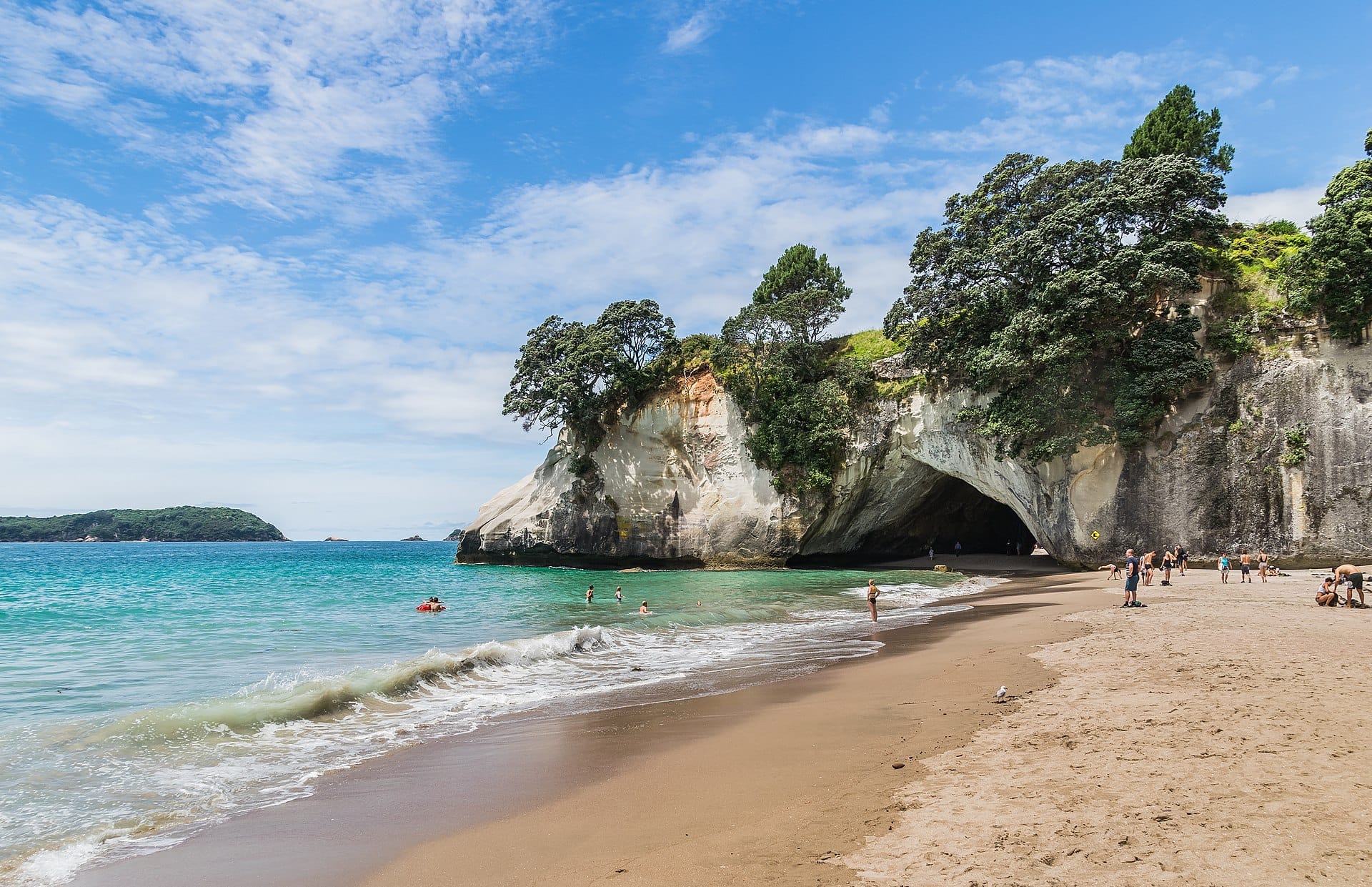
Cathedral Cove
Coromandel, New Zealand →Elsewhere in Australia
Related articles
Quick answers
When is the best time to visit Wineglass Bay?
Daytime highs run from about 12°C in July to 20°C in January. Wettest in October, with rain on about 12 days. The sea is warmest in February at around 19°C, coolest at 12°C.
How long should I spend in Wineglass Bay?
Our suggestion: 2–3 nights at Coles Bay.
How do I get to Wineglass Bay?
About two and a half hours by hire car north east from Hobart (HBA) to Coles Bay, or a similar run south from Launceston.
Do I need a car in Wineglass Bay?
Yes, a car makes a real difference here. Very limited. A shuttle runs from Hobart in season, but there is no useful scheduled bus.
What currency and language are used in Wineglass Bay?
Currency: Australian dollar (AUD). Language: English. Plugs: type I.
Who is Wineglass Bay best for?
Best for walkers & hikers, beach lovers and photographers. In a phrase: granite, gum trees, cold clear water.