Ten hidden coves worth the scramble
Ten coastal coves with dramatic scenery, from accessible viewpoints to demanding walks — with access restrictions and swimming conditions to consider.
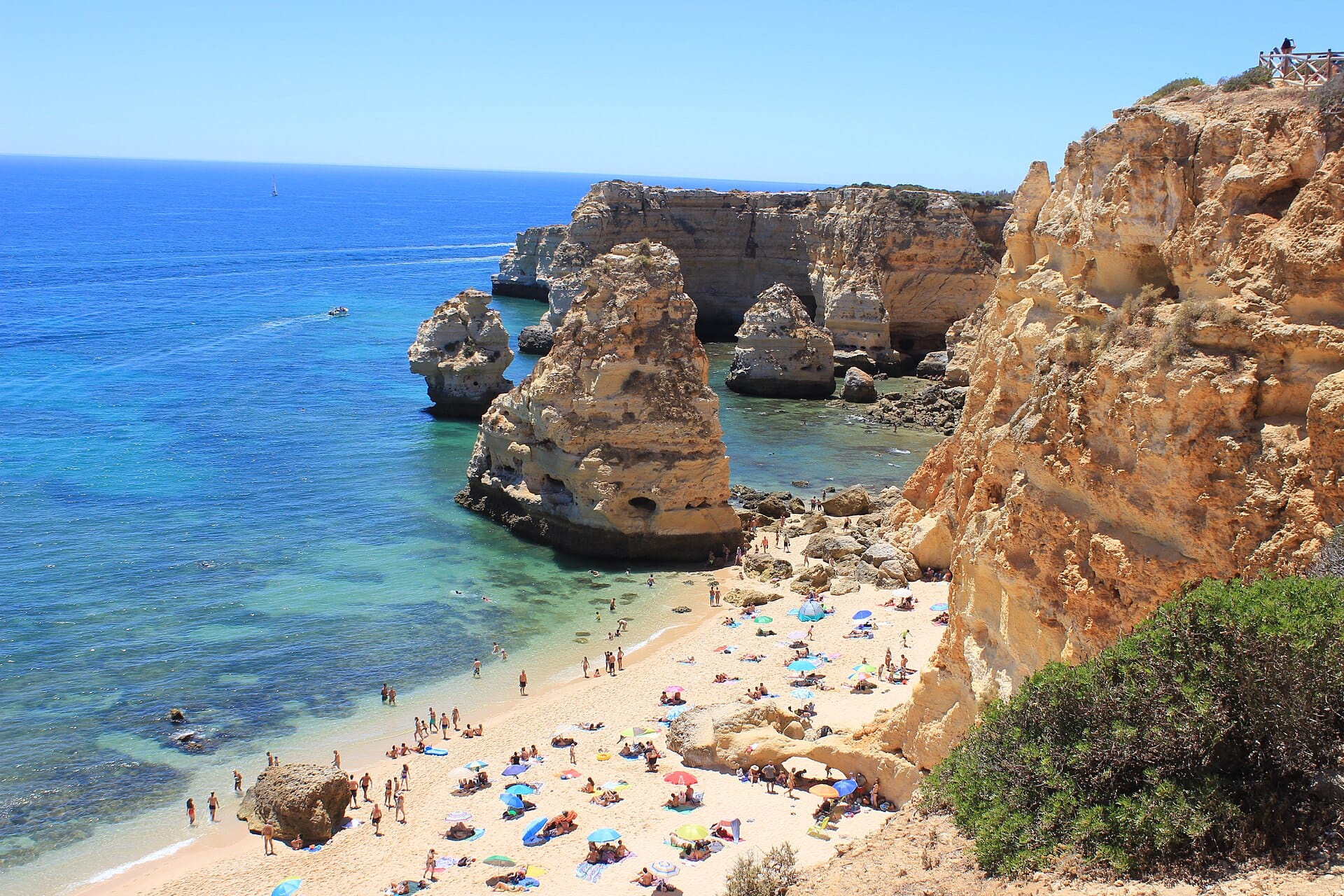
These ten coves offer limestone cliffs, sheltered corners and stretches of wild coast, but they are not all places for a casual swim. Some are best admired from a permitted viewpoint or boat, and access can close because of rockfall, fire risk or rough seas. Check current local rules, tides and conditions before setting out. Take water and suitable shoes, allow time for the return walk, and carry everything out again.
1. Calanque d'En-Vau, Cassis, France
Explore destination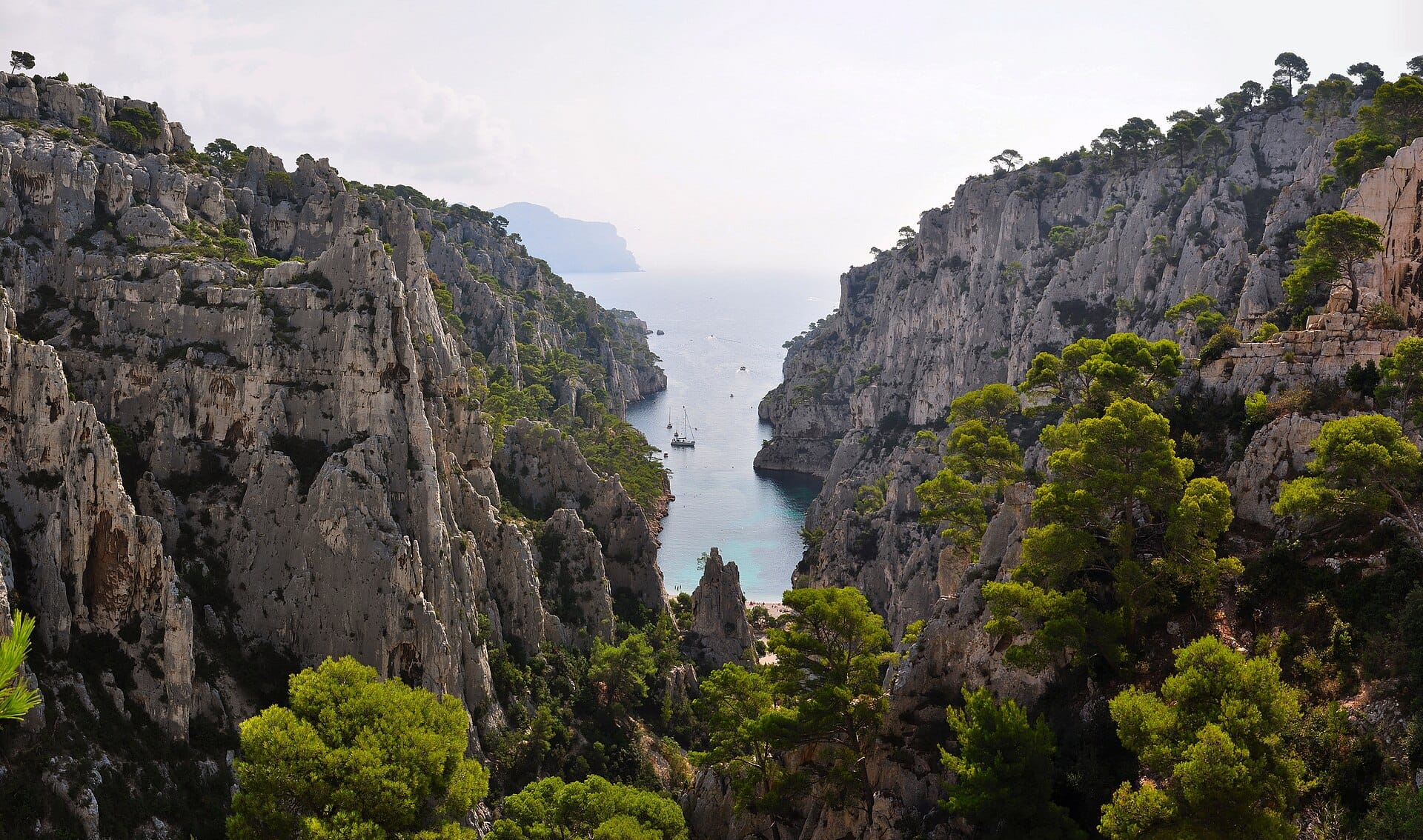
The prettiest of the fjord-like calanques between Marseille and Cassis: sheer white limestone walls closing around a wedge of pebbles and water of a blue that seems lit from below. It's about two hours on foot from Cassis harbour (an hour less if you start at Port-Miou), through pine and over limestone, with a steep final descent — or a kayak trip along the coast. From June to September the massif can close on high fire-risk days; the next day's status is published at 6pm, so check before setting out. June and September are kinder anyway.
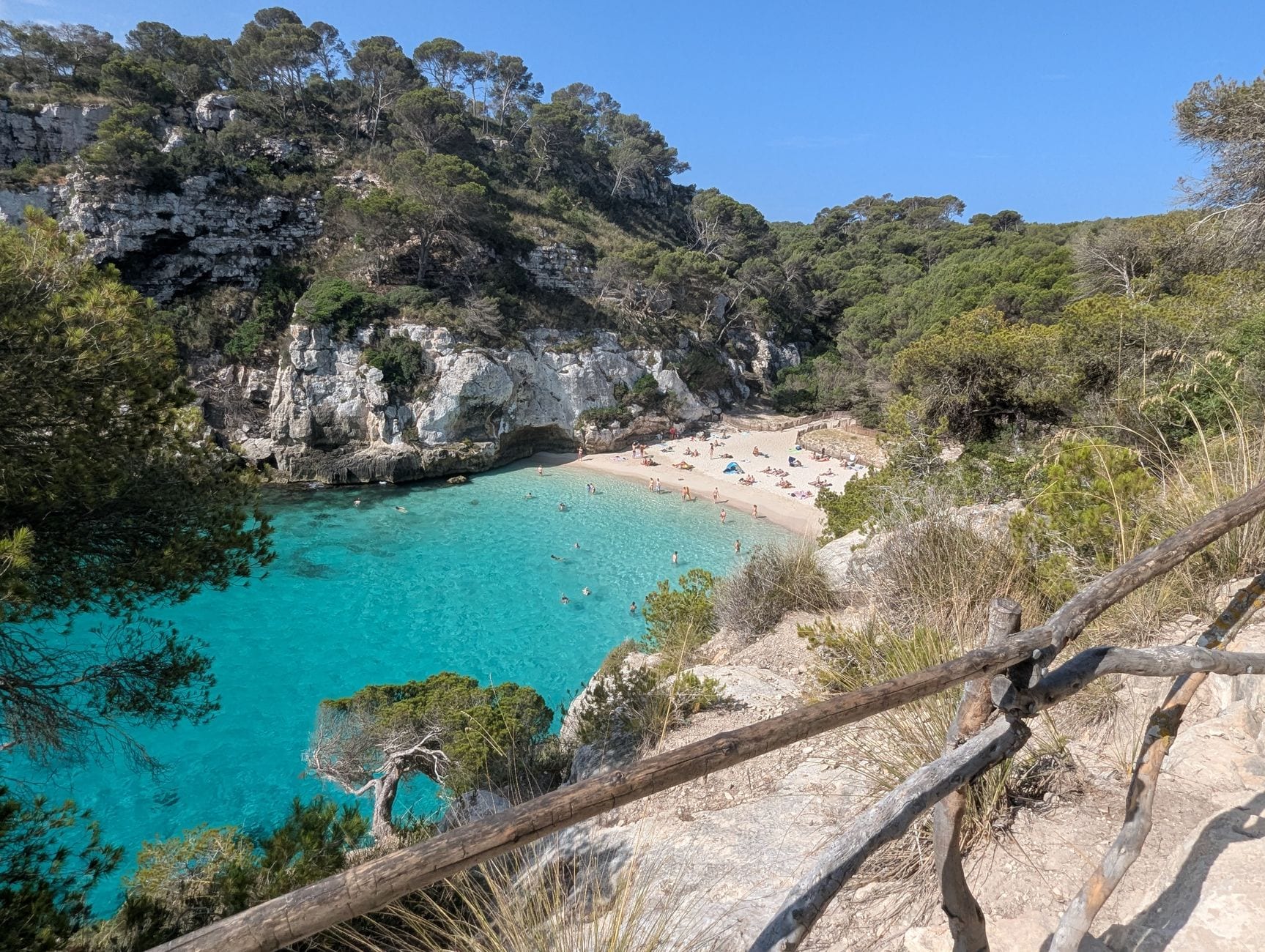
2. Cala Macarelleta, Menorca, Spain
Explore destinationLittle sister to the famous Macarella, and reached by a fifteen-minute clifftop path from it that filters out anyone carrying too much kit. What's left is a pocket of white sand between pine-topped cliffs and water like a swimming pool. In summer, while the Macarella bus is running, the car park is closed to private cars, so come on the summer bus from Ciutadella, walk the Camí de Cavalls from Cala Galdana (about forty minutes), or arrive on a boat trip; either way, arrive before ten or after four in high season.
3. Navagio viewpoint, Zakynthos, Greece
Explore destination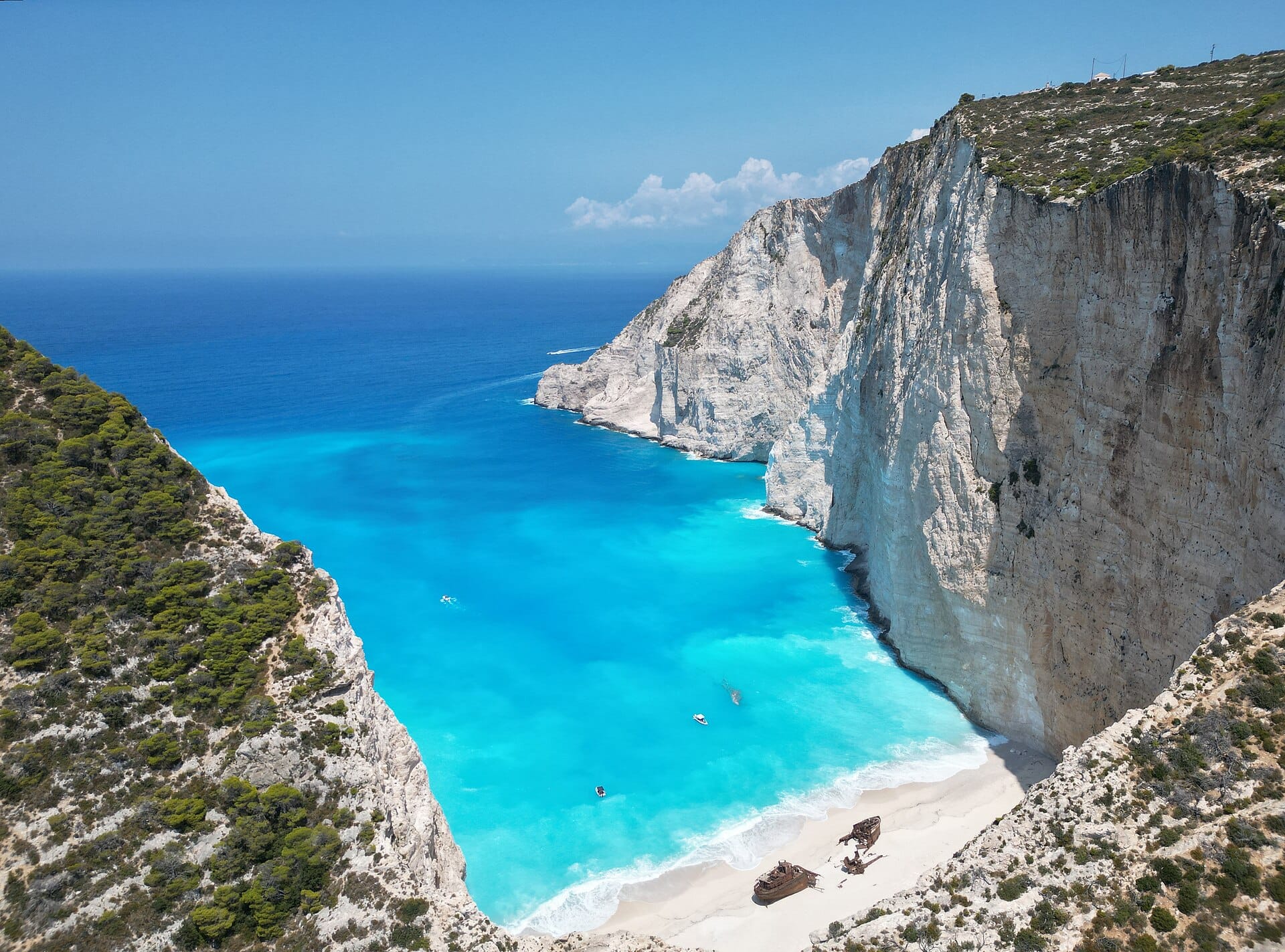
The rusting shipwreck on white shingle is still a remarkable sight, but it is not currently a beach day. In 2026, landing, swimming and anchoring in Navagio Bay remain prohibited because of rockfall risk; authorised boats may offer a distant offshore view when conditions allow, while access to the managed clifftop viewpoint can also change. Check the official Zakynthos guidance on the day and never cross a closure barrier for a photograph.
4. Kynance Cove, Cornwall, England
Explore destination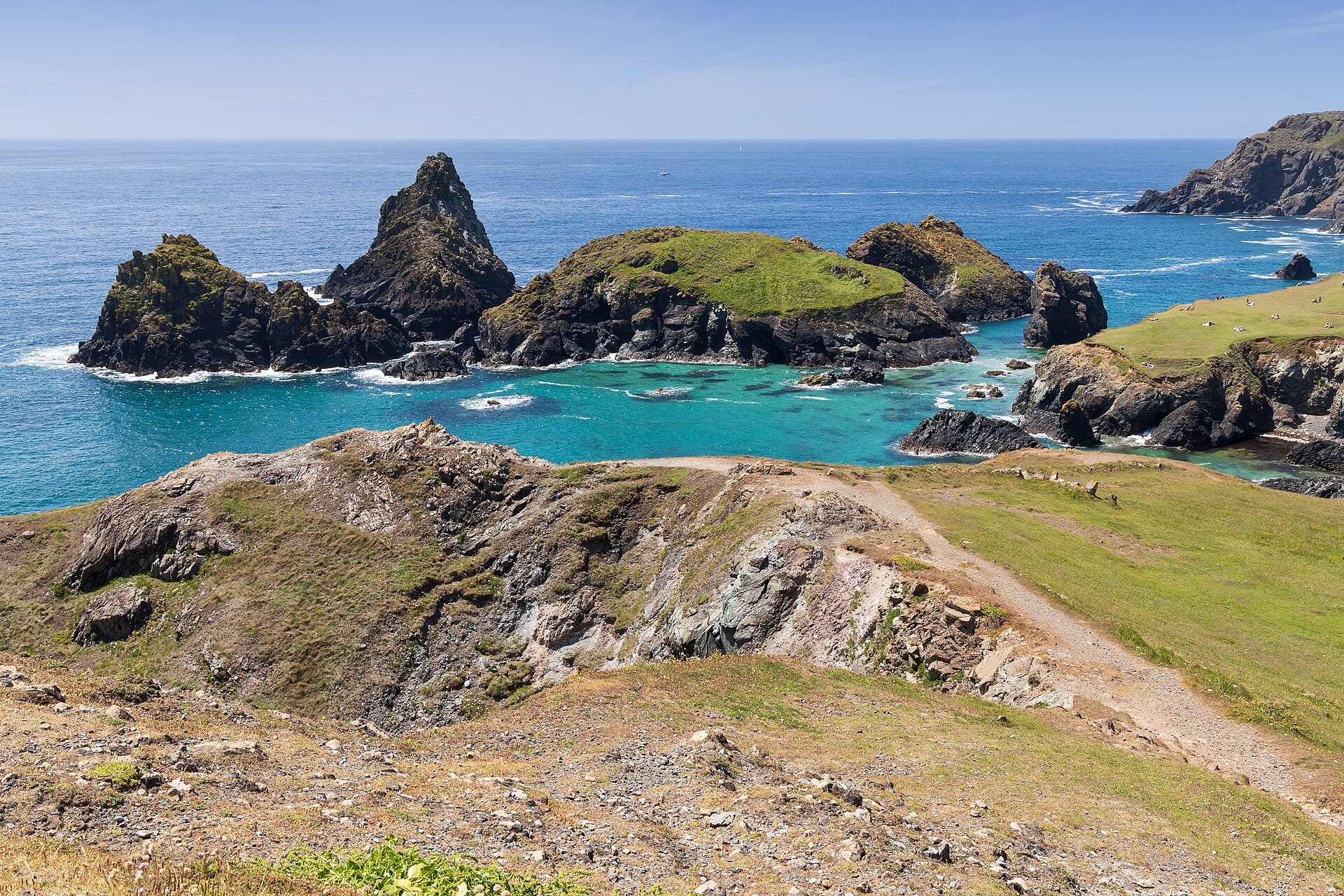
On the Lizard peninsula, Kynance is the Cornwall of paintings: serpentine rock stacks, white sand revealed at low tide and sea that flashes turquoise on a sunny day. The walk down from the National Trust car park takes ten steep minutes, or fifteen to twenty on the gentler track that you'll need at high tide; the car park is often full by late morning in summer and September. Time your visit for a falling tide — the beach all but disappears at high water — and reward yourself at the tucked-away café.
5. Cala Mariolu, Sardinia, Italy
Explore destination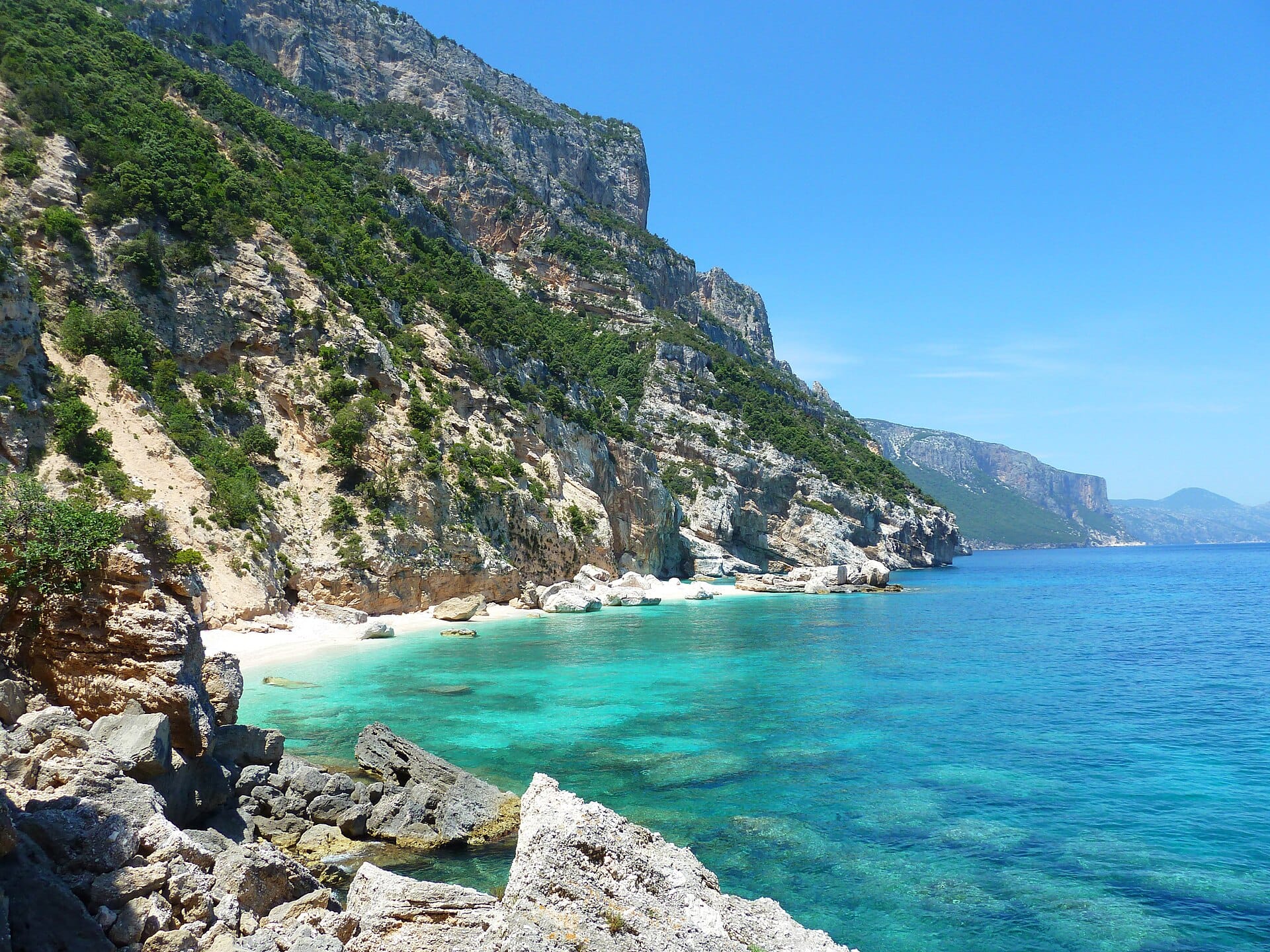
On the Golfo di Orosei, where Sardinia's mountains fall straight into the sea, Mariolu is a curve of white marble pebbles under apricot cliffs, with visibility underwater that borders on the absurd. Most visitors come by boat from Cala Gonone or Santa Maria Navarrese; the hardy hike in from the plateau above. From May to October landings are capped at 700 people a day, so you need a booked slot on the Heart of Sardinia (Cuore di Sardegna) app as well as a boat.
6. Playa de Gulpiyuri, Asturias, Spain
Explore destination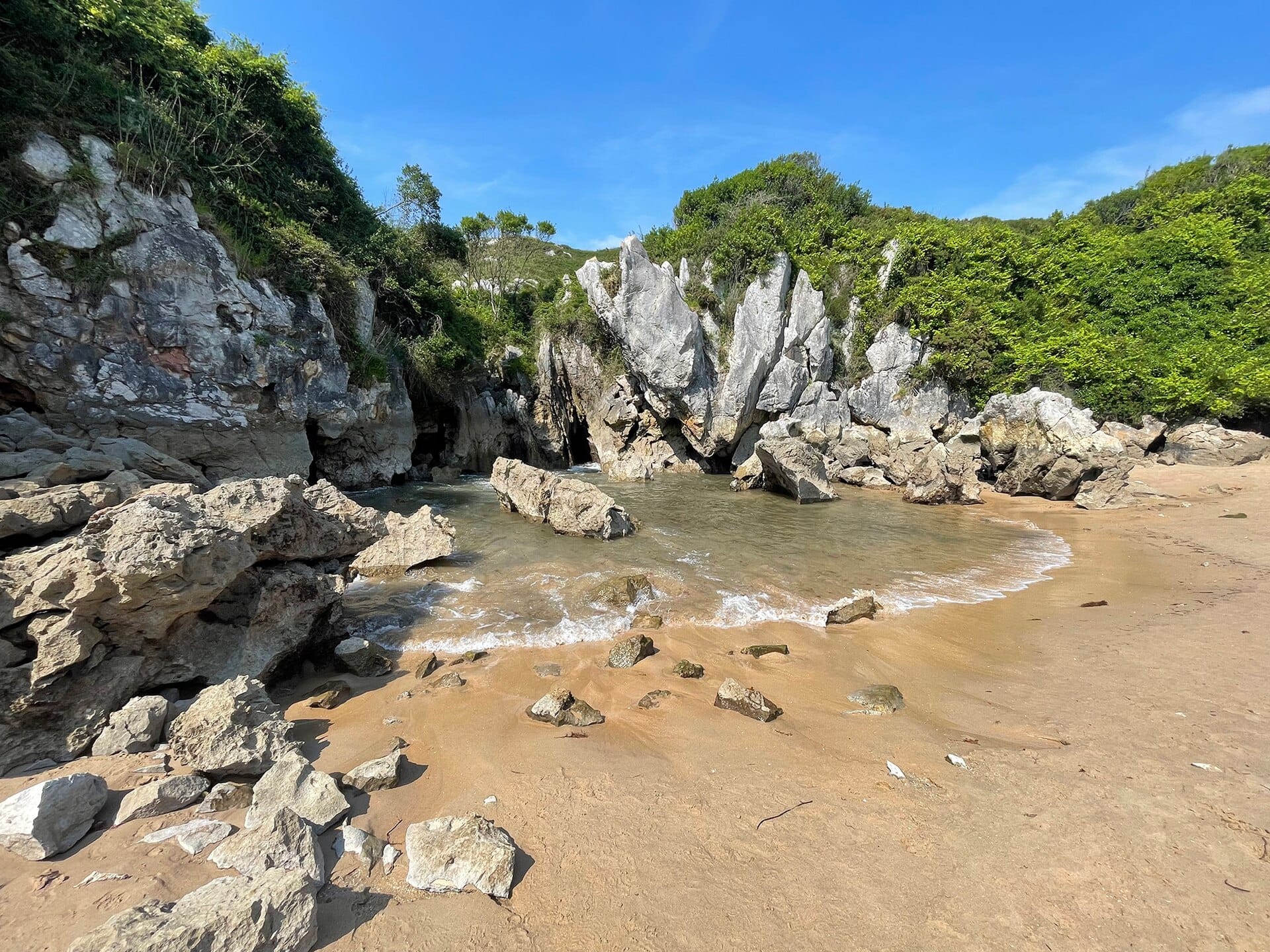
A beach with no sea in sight: Gulpiyuri sits in a sinkhole a hundred metres inland, filled through underground tunnels that funnel the Cantabrian swell into a meadow. It's tiny — barely forty metres — and only really swimmable around high tide, but there's nowhere else quite like it. Walk in across the fields from Naves and combine it with the surf town of Llanes for lunch.
7. Praia da Ursa, Sintra, Portugal
Explore destination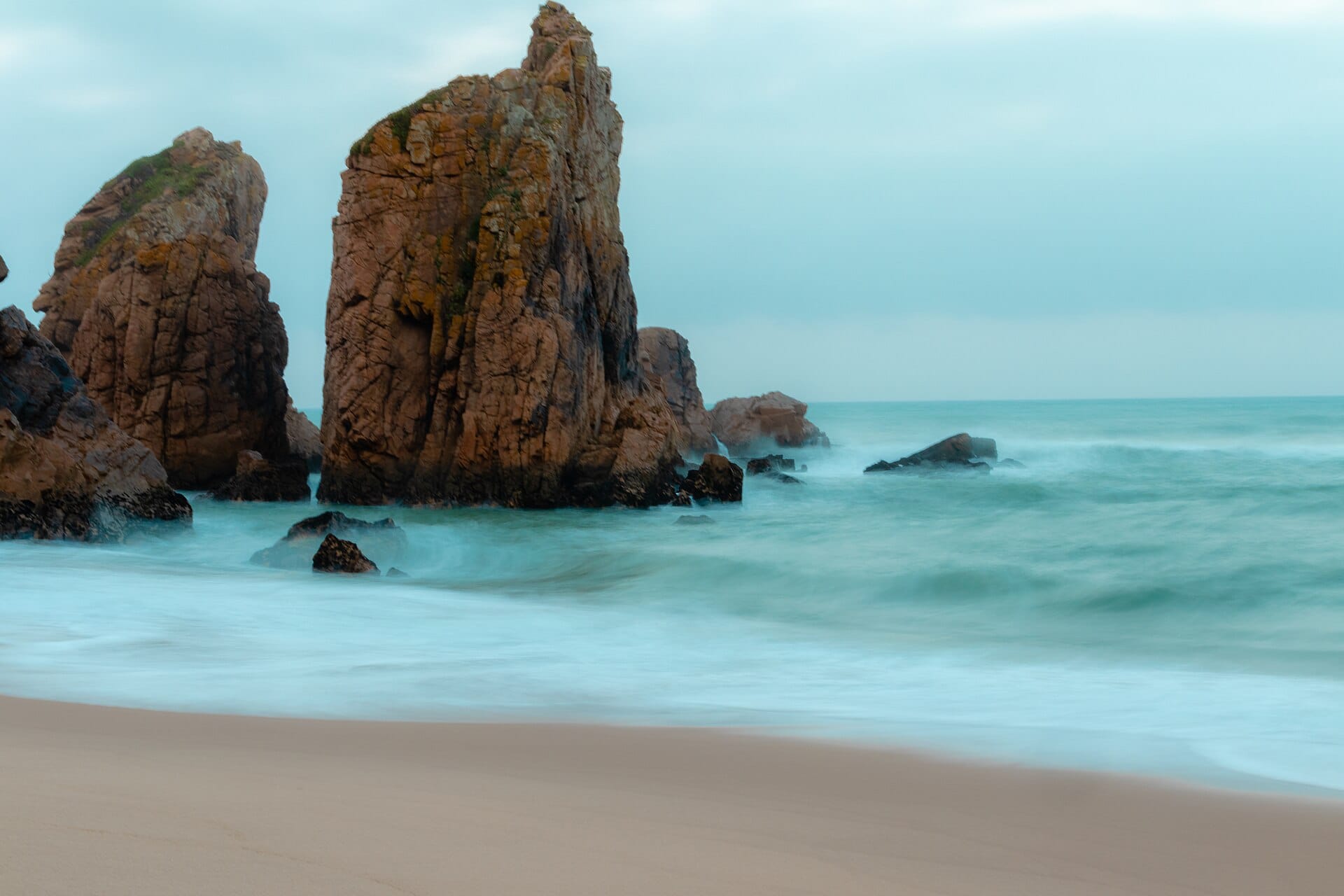
Just north of Cabo da Roca, mainland Europe's westernmost point, a rough path drops through scrub to a wild Atlantic beach guarded by two colossal sea stacks. The descent is steep, loose and unmaintained, often with a rope on the last section, allow half an hour or more; there are no lifeguards and the currents make it a place to look at the Atlantic rather than swim in it. But as a place to feel small in the best way, Ursa has few rivals. Go late afternoon, when the stacks catch the sinking sun.
8. Cathedral Cove, Coromandel, New Zealand
Explore destination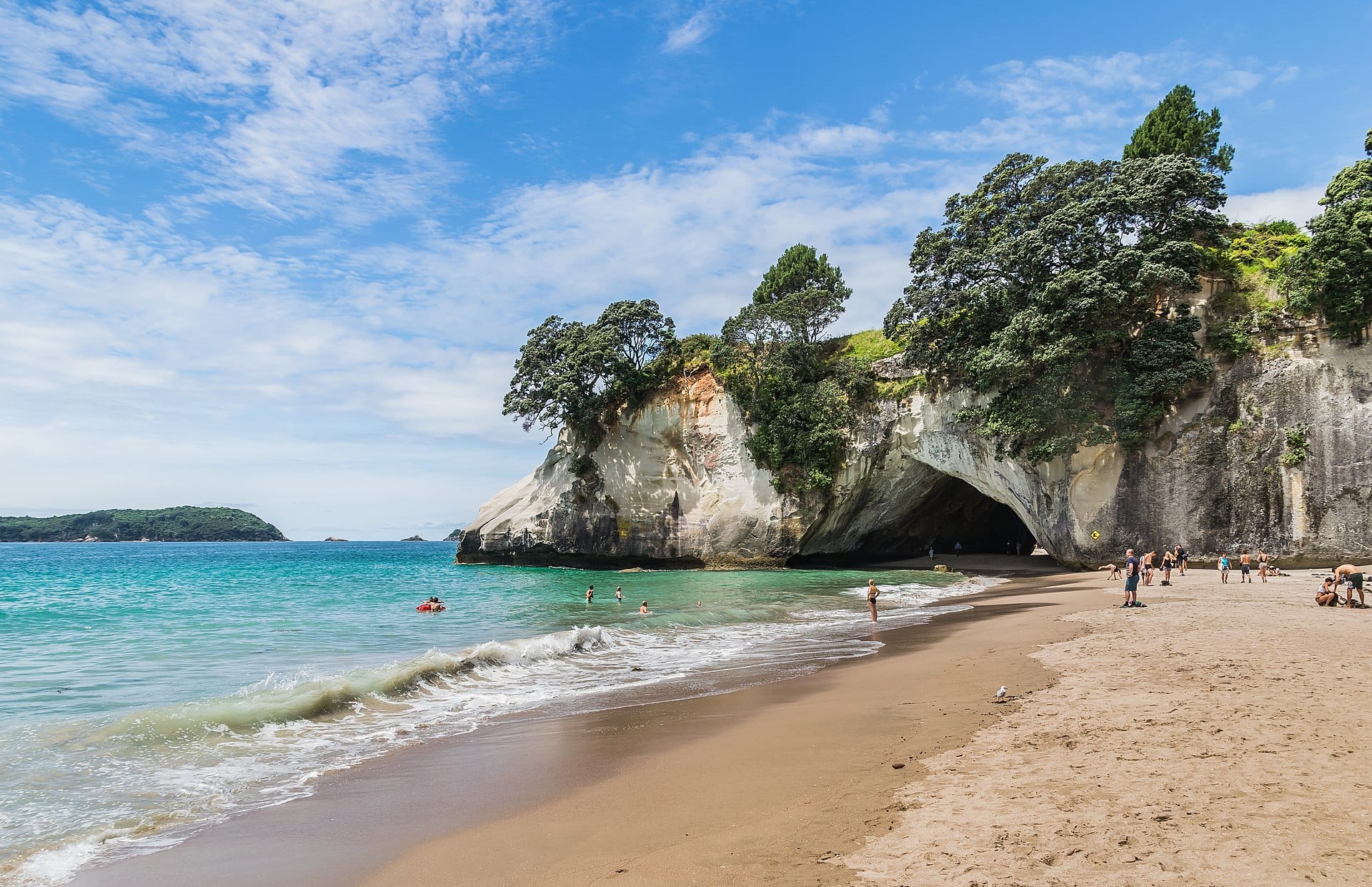
A gleaming arch of white rock connects two sandy coves on the Coromandel Peninsula, with pōhutukawa flowering crimson in early summer. Walking access via the main track from Grange Road reopened after major storm repairs, but this is naturally unstable coast: heavy rain can close the route at short notice. Check New Zealand's Department of Conservation alert before leaving Hahei, obey the rockfall signs and keep a kayak trip as the fair-weather alternative.
9. Wineglass Bay, Tasmania, Australia
Explore destination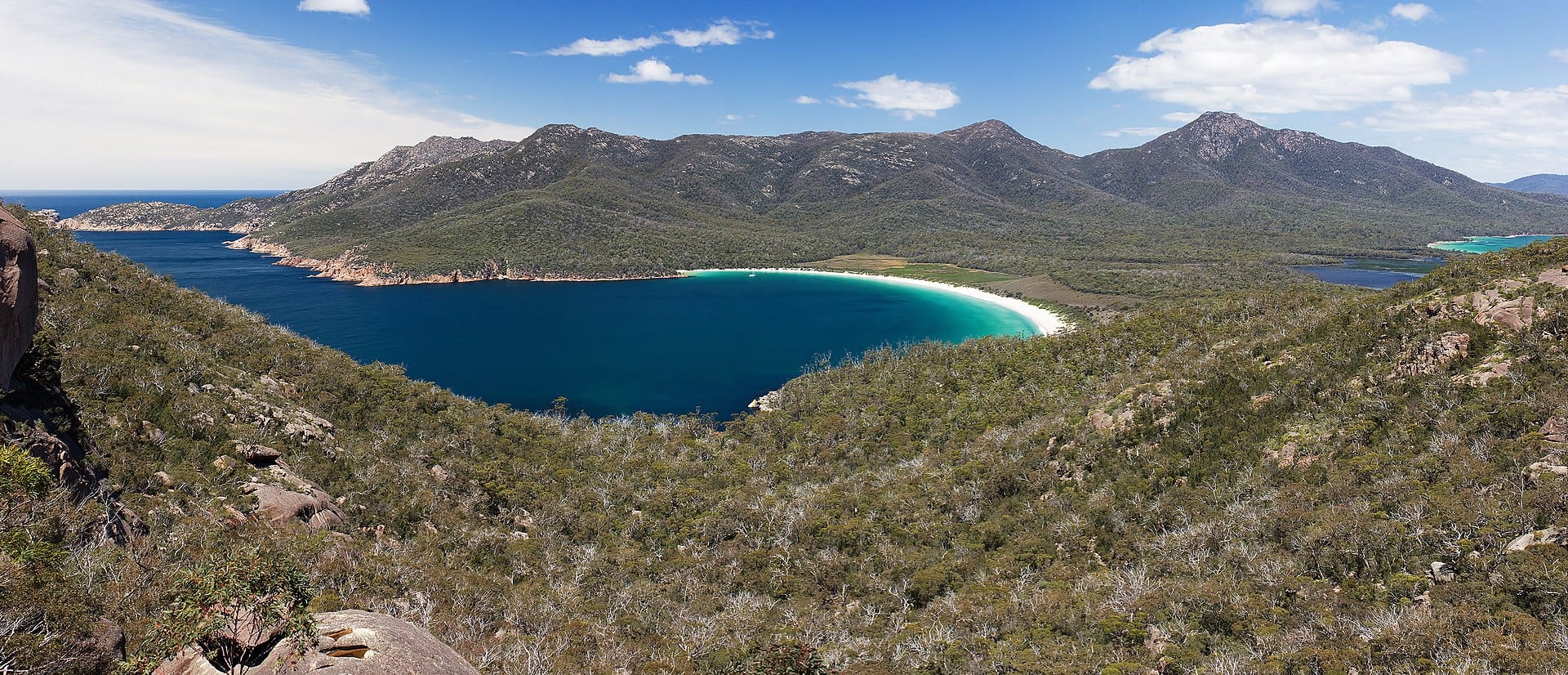
From the saddle lookout in Freycinet National Park, Wineglass Bay is a flawless white crescent bitten out of pink granite mountains. It's a steep 3km return to the lookout; carry on down the far side (about 6km return in all, two to three hours) and you'll likely share the sand with wallabies and not much else. You'll need a Tasmanian parks pass. The water is bracing even in an Australian summer, but the walk-swim-walk combination is one of the great half-days in the southern hemisphere.
10. Playa de los Muertos, Almería, Spain
Explore destination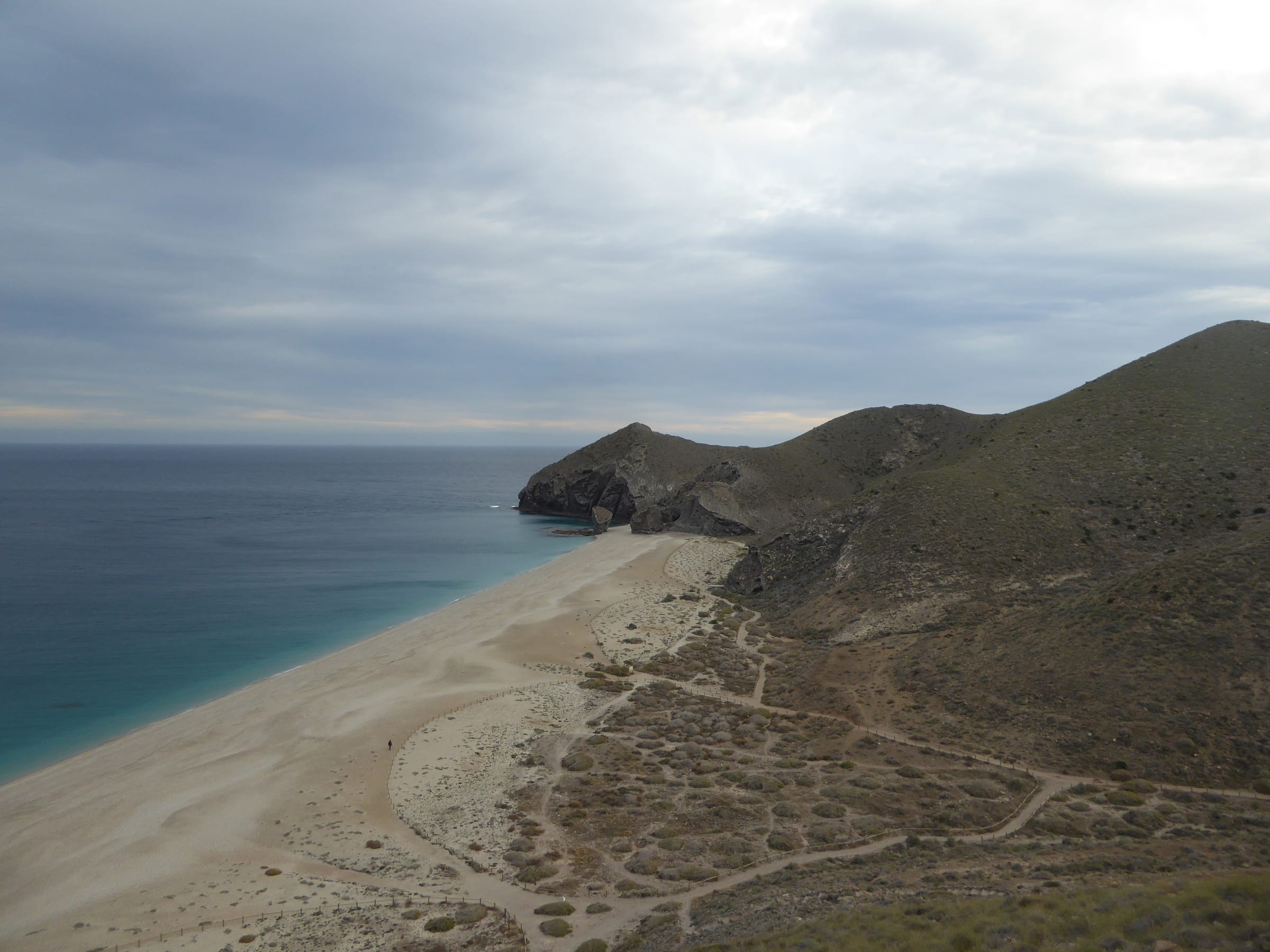
Despite the grim name — local tradition says currents carried shipwrecked sailors here — this is one of the loveliest beaches in Cabo de Gata: more than a kilometre of pale pebbles and fine sand and glass-clear water below the volcanic hills of Cabo de Gata. The path down from the car park by the viewpoint takes about ten minutes but is rough, steep in places and shadeless, and there are no facilities at all. In August it is far from empty, so come early or late. Bring everything, take everything away, swim endlessly.