
Turquoise Bay
On the far side of Australia from the Great Barrier Reef, Ningaloo does something its famous rival can't: coral gardens that begin a wade from the beach.
- Best forDivers & snorkellers · Beach lovers · Wildlife & nature
- In September27°C · barely any rain · sea 24°C
- Ideal stay5–7 nights
- Approx. flying time~18h 10m from Los Angeles
- CurrencyAUDAustralian dollar
- LanguageEnglish
- Local time18:137h ahead of the UK
- PlugsType IBring an adapter
- Drive on theLeftSame as the UK
- Dialling code+61
Why go
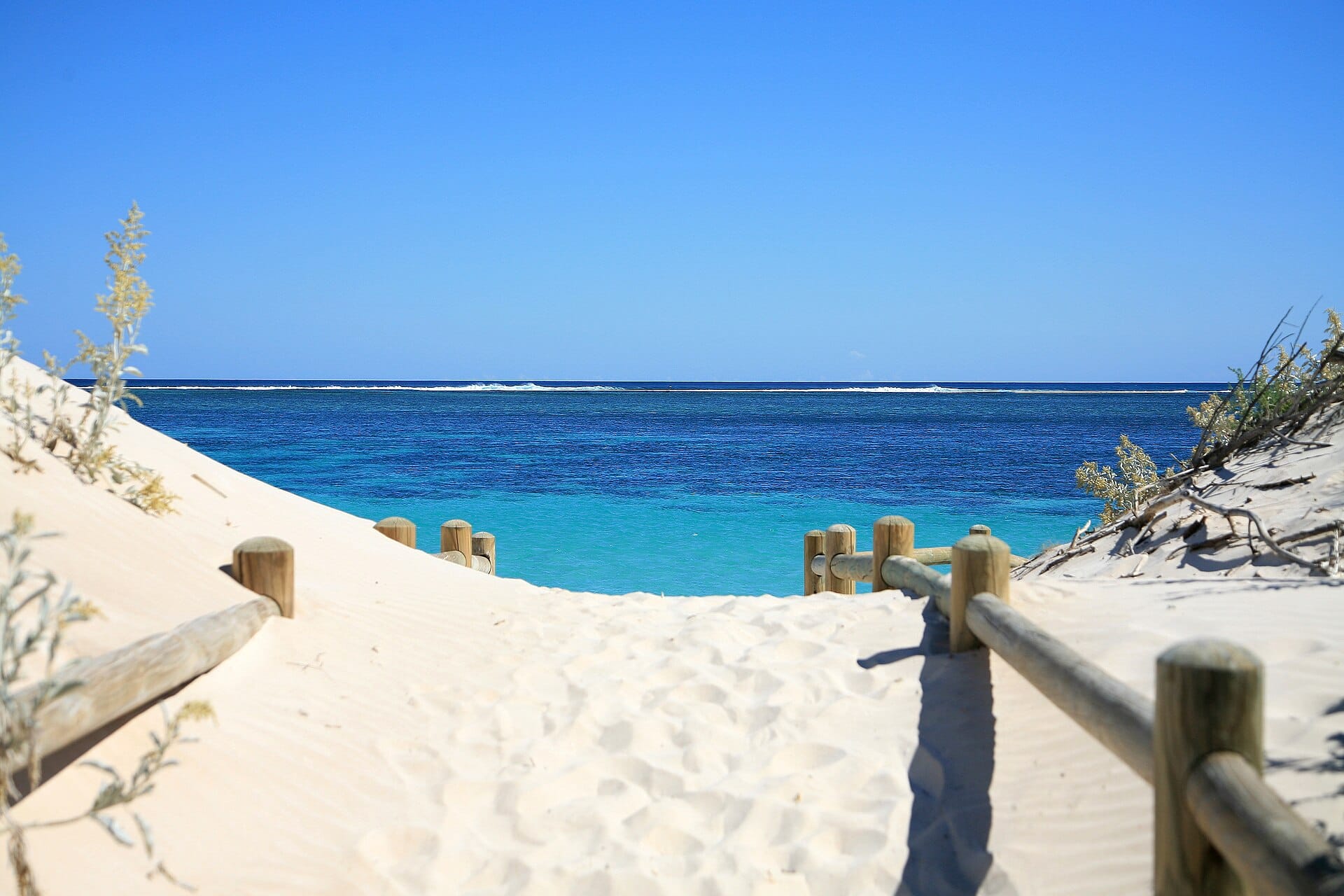
Ningaloo runs for some 260 kilometres along the North West Cape, a fringing reef that comes so close to shore you can swim out to it. Turquoise Bay is a long curve of white sand inside Cape Range National Park, with red limestone ranges behind and almost nothing built along the coast. There is no shade, no cafe and no soundtrack beyond wind and water.
Exmouth and Coral Bay are the two bases, and most trips run five to seven days to allow for weather, boat days and drives into the range. April to July brings whale sharks, humpbacks follow through to around October, and the water stays warm most of the year. Summer, from December, is very hot and falls in cyclone season.
- Ideal stay
- 5–7 nights
- The vibe
- Remote, sun-bleached, reef-obsessed
From our guides
At Turquoise Bay the current drifts you over the reef like a moving walkway — walk up the sand, float down over coral bommies thick with fish, exit before the channel, repeat until pruned. April to July adds whale sharks offshore.
Featured in Ten snorkelling beaches with reefs right off the sand
Things to do
-
The Turquoise Bay drift
Enter at the southern end, let the current carry you north over the coral bommies, then get out before the sandbar channel and walk back along the beach.
-
Whale shark swims
Licensed boats out of Exmouth and Coral Bay use spotter planes from roughly March to July to put snorkellers in the water alongside the sharks.
-
Cape Range gorges
Behind the beaches the limestone plateau is cut by dry gorges, with a short walk above Yardie Creek's permanent waterhole and rock wallabies on the cliffs.
-
Oyster Stacks
A snorkelling site over dense coral heads that only works near high tide, and one of the richest spots on the whole fringing reef.
-
Coral Bay
A small settlement at the southern end where the reef starts a few strides from the sand, easier with young children than the national park beaches.
-
Vlamingh Head lighthouse
The headland above Exmouth is the sunset spot and a good place to watch for humpbacks passing offshore through the winter months.
Getting there
-
Fly to
Exmouth (LEA)
Nearest airport to Ningaloo Reef, about 26km away as the crow flies.
-
Then
To Exmouth
Learmonth (LEA) is about forty minutes by road north to Exmouth, with a shuttle meeting the Perth flights.
-
On the ground
Getting around
Turquoise Bay is roughly an hour's drive from Exmouth inside Cape Range National Park, sealed road the whole way, with a car park behind the beach.
Public transport: None to speak of. Beyond the airport shuttle you need a hire car or a booked tour.
Flights
Los Angeles Ningaloo Reef, Australia
Fly from anywhere — search 4,000+ airports worldwide.
Roughly 18h 10m in the air from Los Angeles (LAX), estimated from the distance — check for a direct route. Pick a month to see every available flight with live prices.
Check dates and prices
Pick your departure date, then your return.
Search flightsNot sure when? Compare fares across a whole month.
Flight times are estimates; prices open on Google Flights.
When to go
Daytime highs run from about 24°C in June to 33°C in March. Driest July to January; wettest in June, with rain on about 5 days. The sea is warmest in April at around 28°C, coolest at 23°C.
The year at a glance — pick a month for detail
September27° · rain 1 day · sea 24°Warm and dry.
Monthly figures averaged from daily records for 2020–2024 at this location (ERA5 reanalysis). Live conditions from MET Norway, CC BY 4.0.
Where to stay
Caravan park cabins, motels, a few eco-tent camps and national park campsites. Luxury is limited to a couple of tented lodges, and there are no large beach resorts.
-
Best base overall
Exmouth
The only town with supermarkets, tour operators and a proper choice of rooms, about forty minutes from the bay by sealed road. It sits on the gulf side, so the reef is a drive.
Find stays in Exmouth -
Closest to the sights
Cape Range National Park campgrounds
Bare-bones bays such as Osprey and Kurrajong put you on the reef at first light. No power, no water and no shade, and sites are allocated by advance ballot.
Find stays in Cape Range National Park campgrounds -
Best with children
Coral Bay
A tiny settlement where the reef starts at the swimming beach, so small children snorkel straight off the sand. Choice of food and accommodation is very limited.
Find stays in Coral Bay -
Quietest
Vlamingh Head
The lighthouse end of the peninsula, with caravan park cabins, turtle beaches and sunsets over the Indian Ocean. You are self-catering and driving for everything.
Find stays in Vlamingh Head
Worth knowing before you book: National park campsites are released online months ahead and go in minutes, and whale shark season fills Exmouth. Book rooms and tours together for April to July.
Search everything else in Exmouth by budget. These are indicative budget bands in GBP per night for two people, not live quotes or guarantees of hotel type. Check your dates, guests, taxes and final price on Booking.com.
Good to know
- Getting there
- Learmonth airport near Exmouth takes flights from Perth. Driving up is well over a thousand kilometres, so most people fly and hire on arrival.
- Pack this
- There is no shade at the beaches. Take a shelter, far more water than you think, reef-safe sunscreen and your own mask and fins.
- Currents
- The drift at Turquoise Bay is real. Get out before the channel at the northern end and never try to swim back against it.
- Park entry
- Cape Range charges a vehicle fee and caps daily numbers in peak season, so arrive early rather than after breakfast.
- Supplies
- Stock up in Exmouth. There are no shops inside the park and mobile coverage disappears along most of the coast road.
Similar places
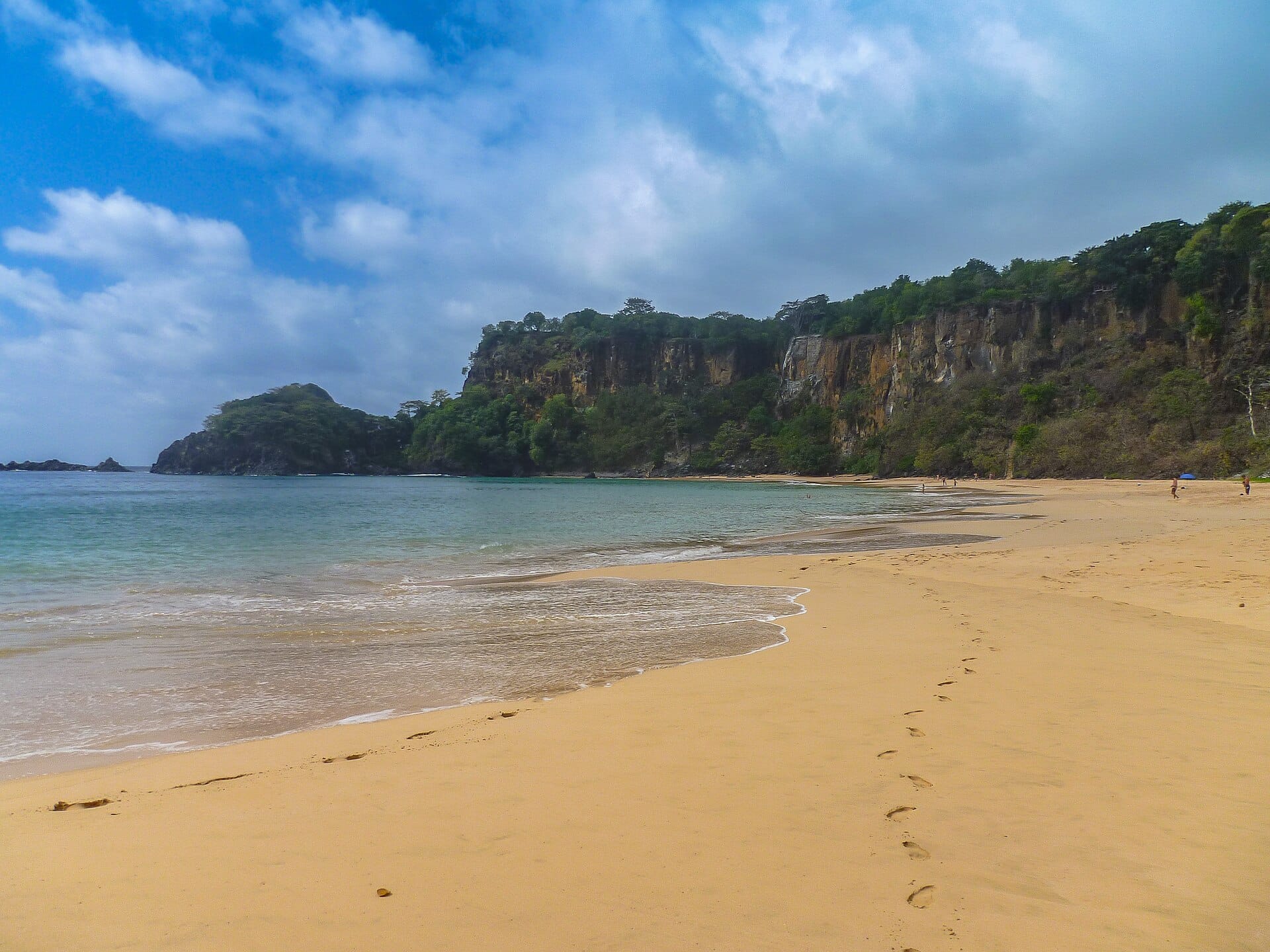
Baía do Sancho
Fernando de Noronha, BrazilAlso for divers & snorkellers and beach lovers · 26°C in September, as here · cheaper to stay
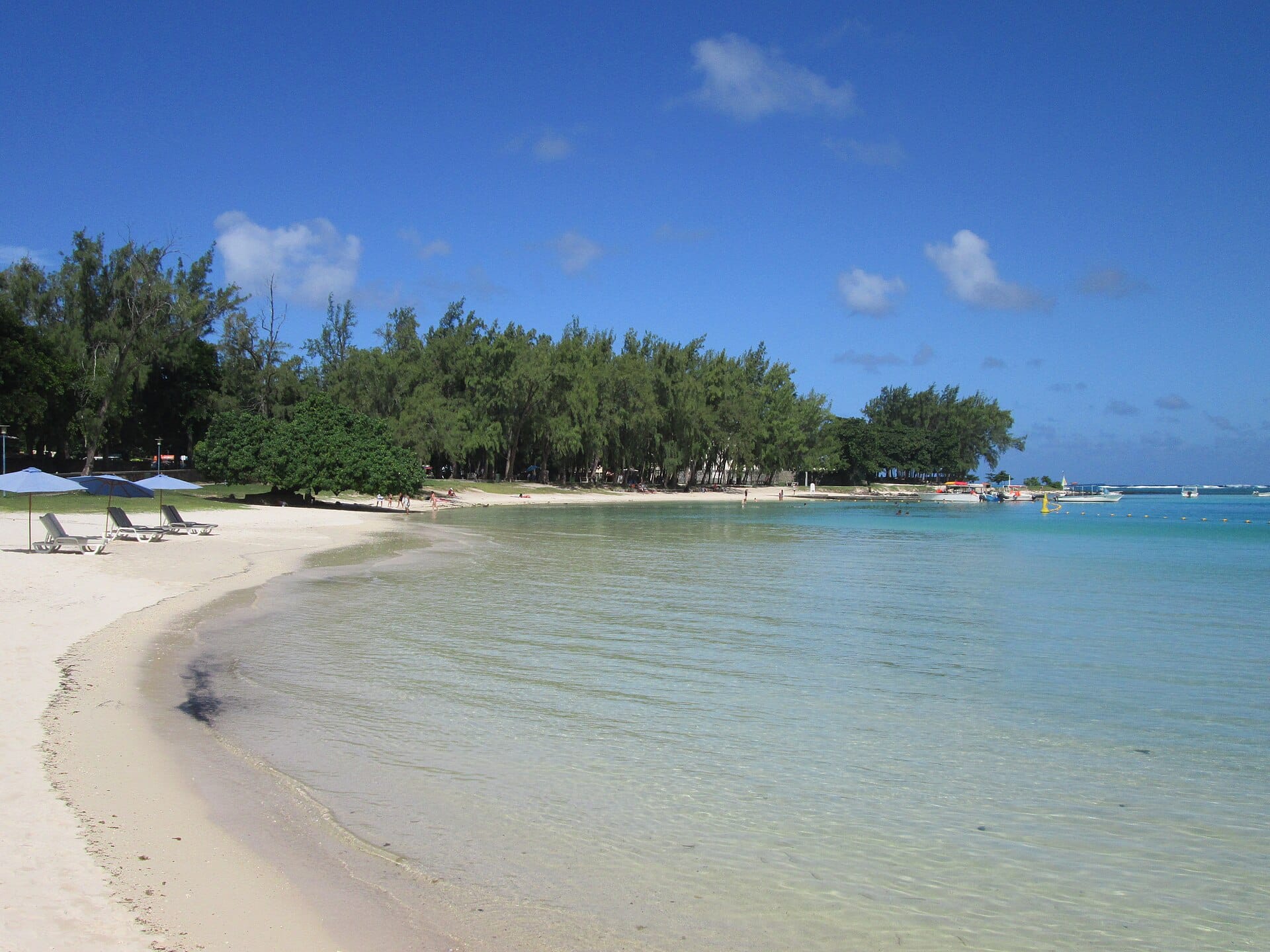
Blue Bay
MauritiusAlso for divers & snorkellers and beach lovers · 25°C in September (27°C here)
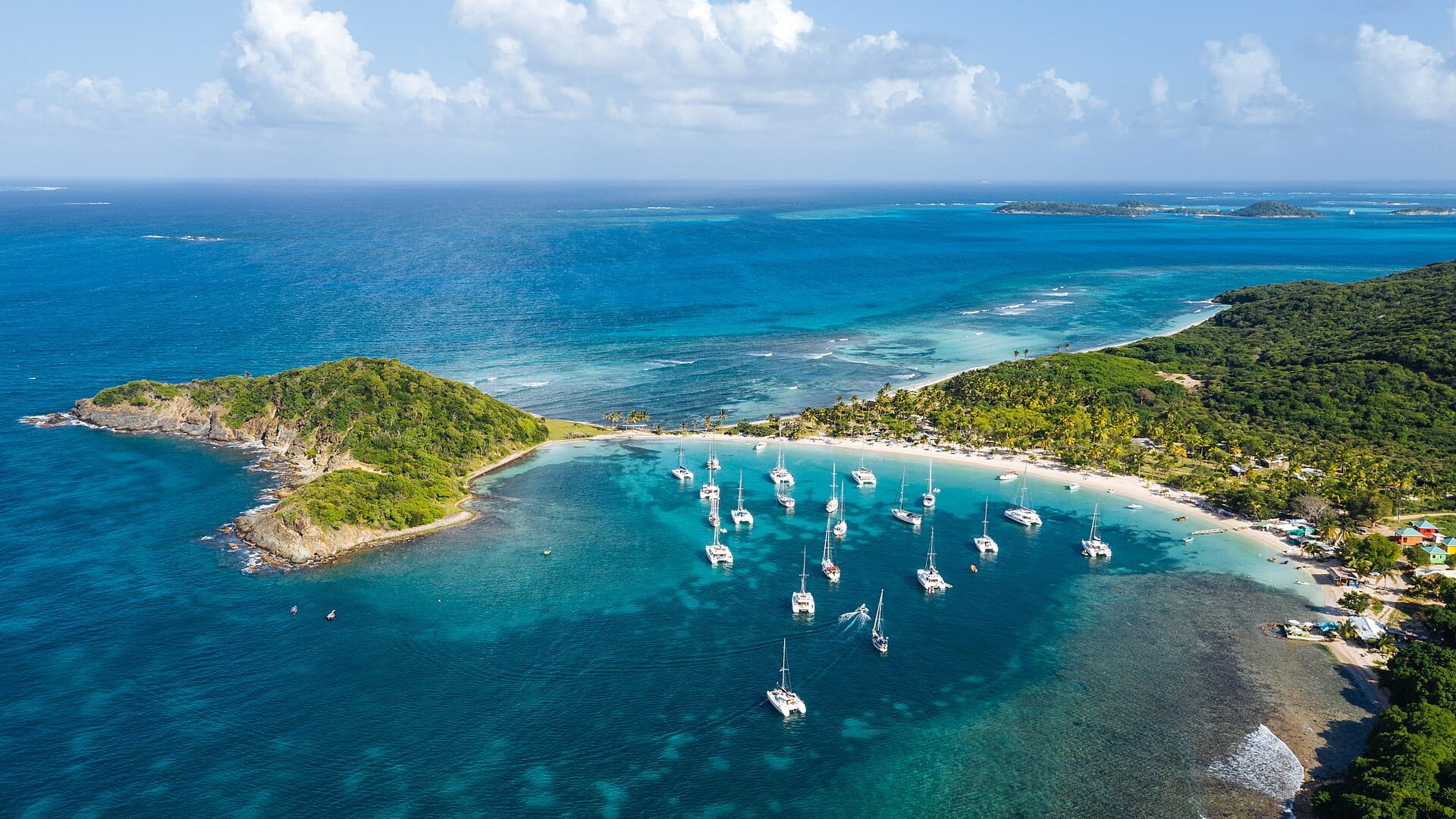
The Grenadines: Bequia
Mustique and the Tobago CaysAlso for divers & snorkellers and beach lovers · 28°C in September, as here
Nearby destinations
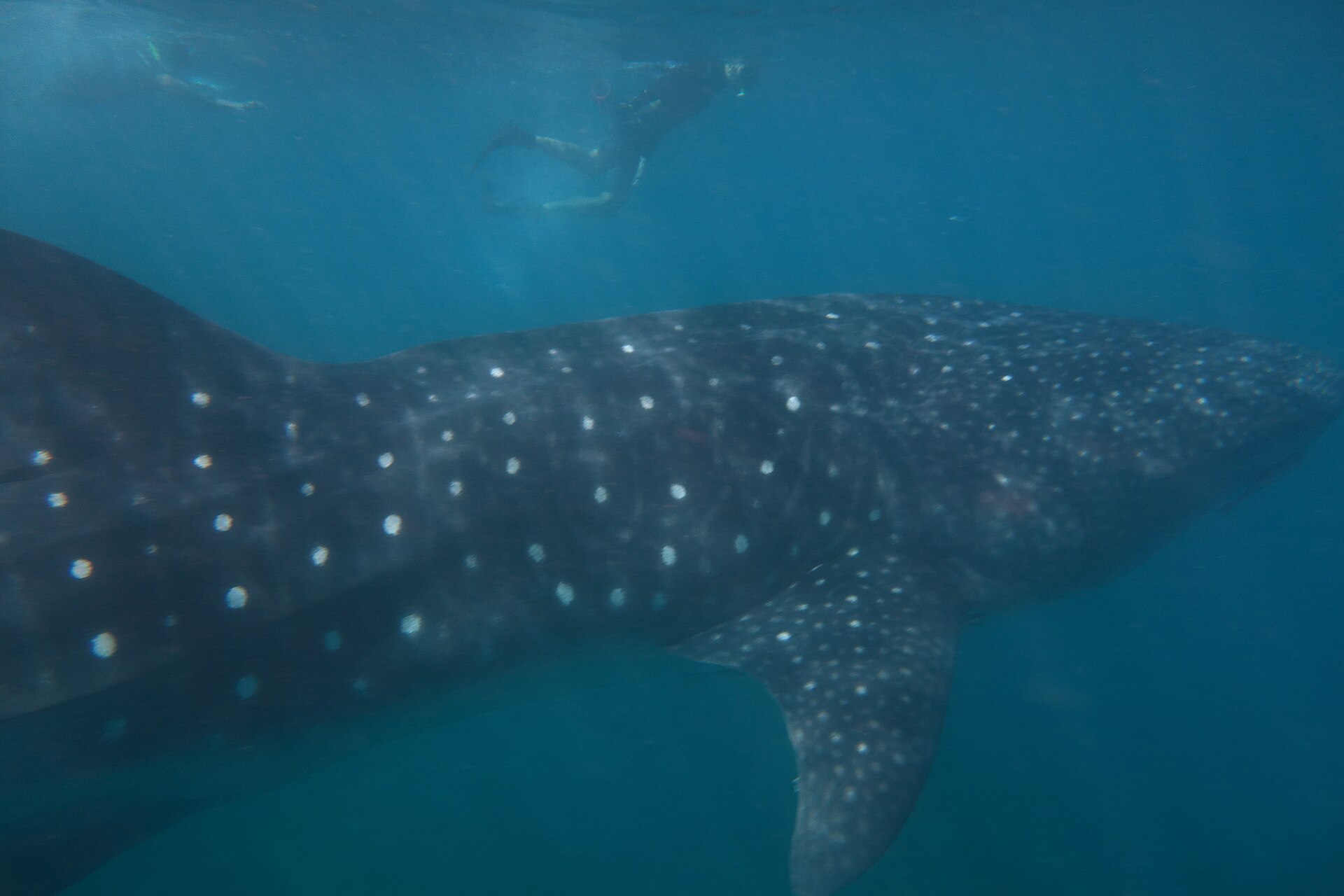
Ningaloo Reef
Australia · 117km away →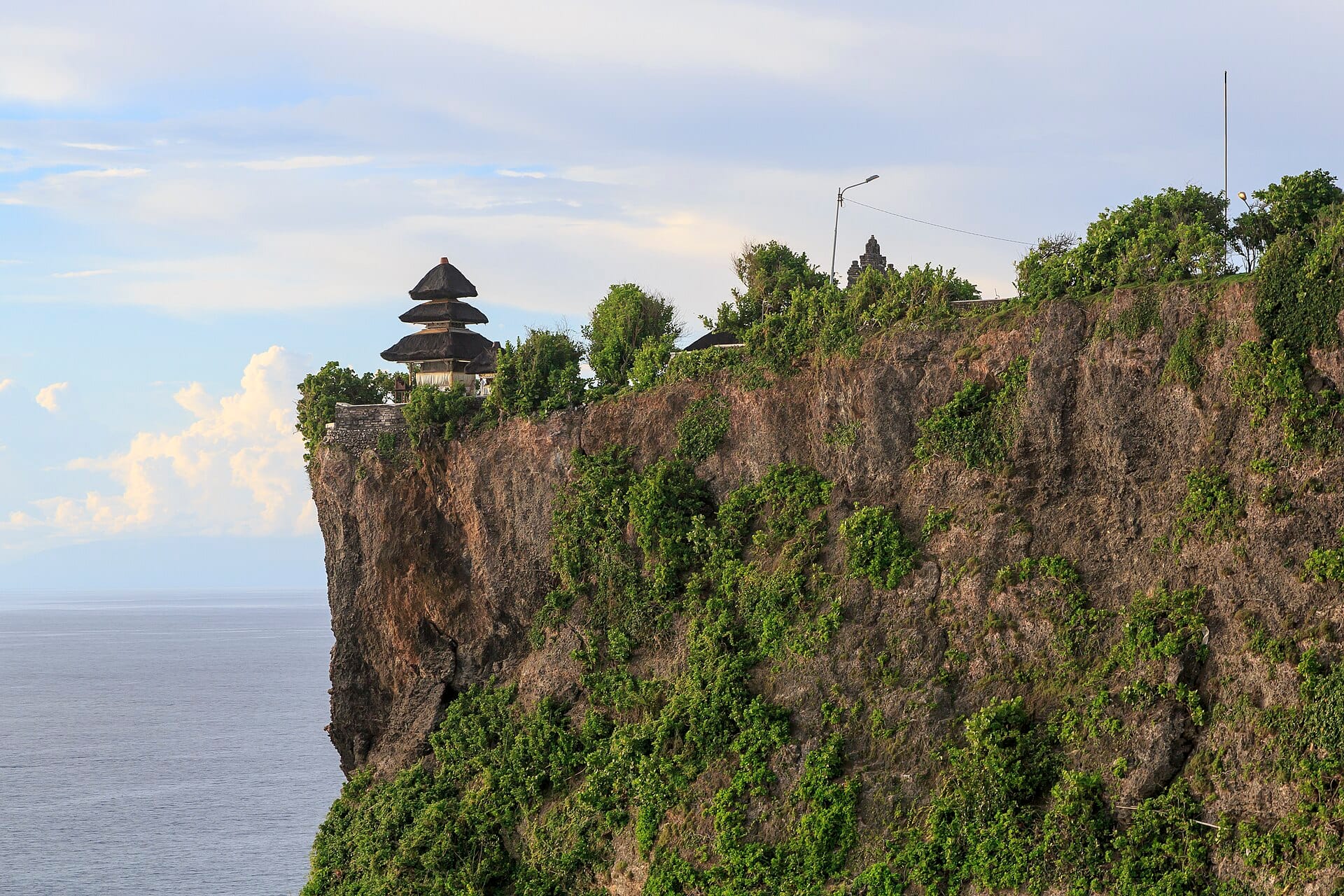
Uluwatu
Bali, Indonesia →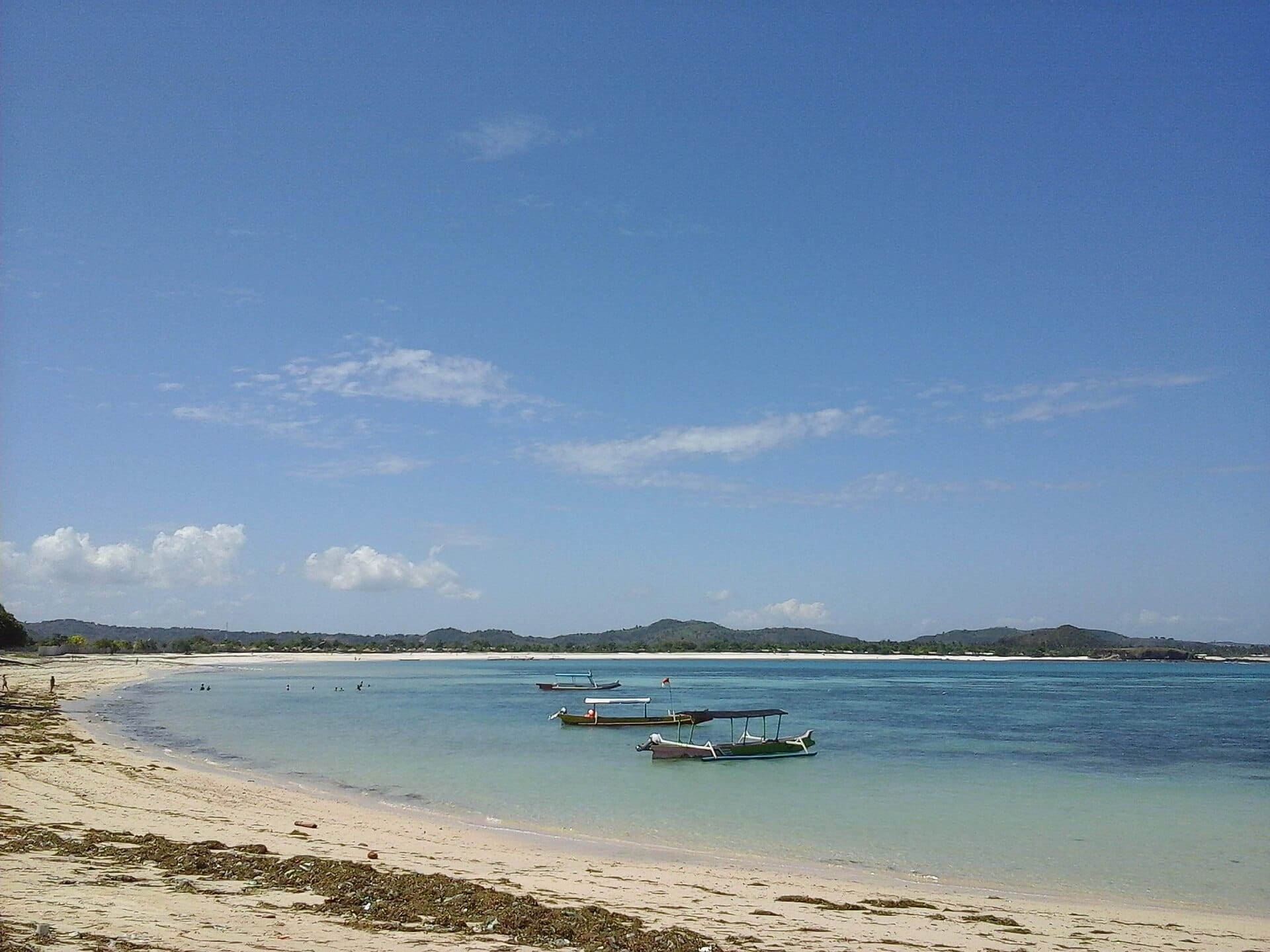
Kuta
Lombok, Indonesia →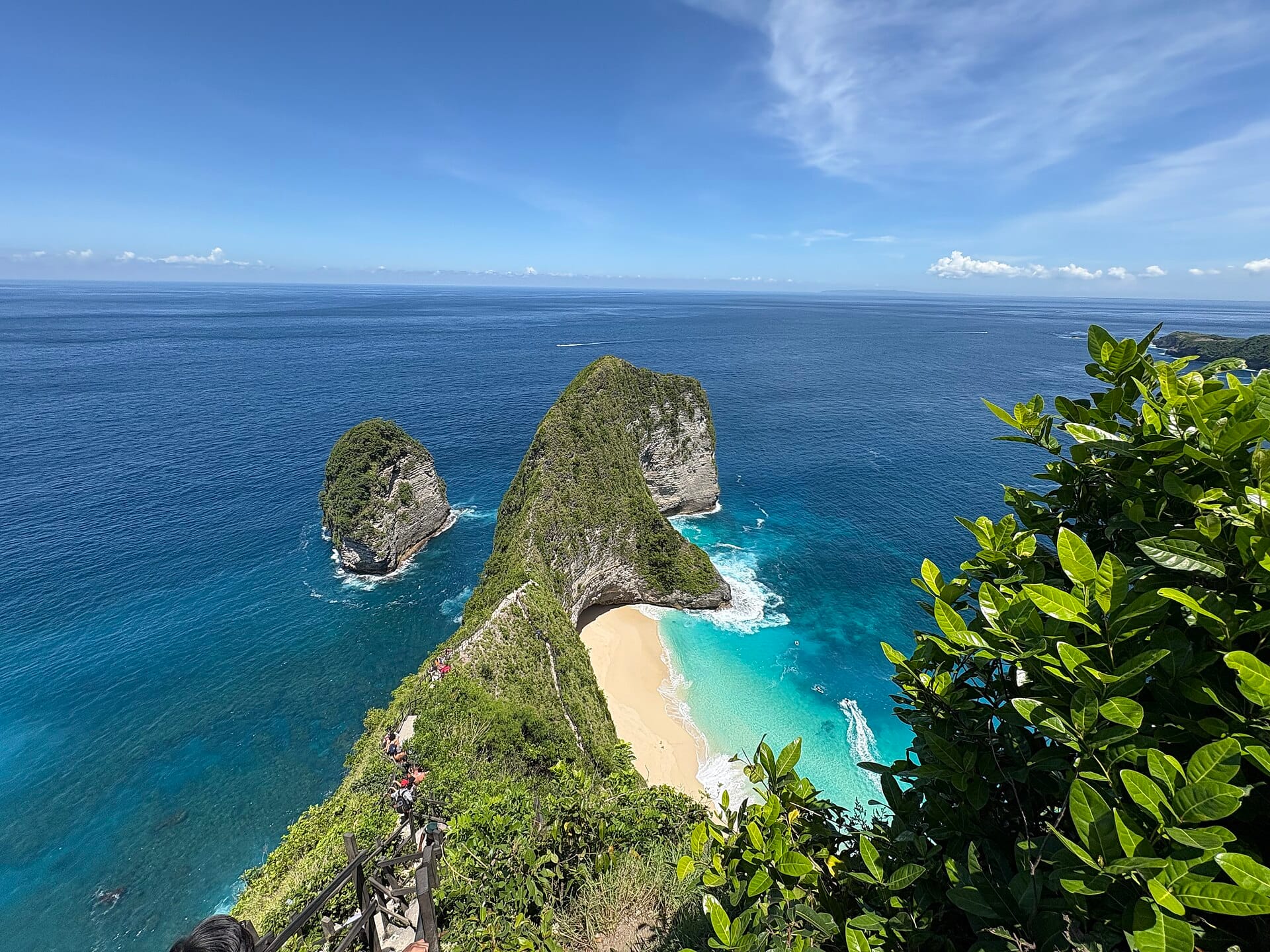
Nusa Penida
Indonesia →
Batu Bolong
Canggu, Bali, Indonesia →
Ubud
Bali, Indonesia →Elsewhere in Australia
Related articles
Quick answers
When is the best time to visit Turquoise Bay?
Daytime highs run from about 24°C in June to 33°C in March. Driest July to January; wettest in June, with rain on about 5 days. The sea is warmest in April at around 28°C, coolest at 23°C.
How long should I spend in Turquoise Bay?
Our suggestion: 5–7 nights.
How do I get to Turquoise Bay?
Learmonth (LEA) is about forty minutes by road north to Exmouth, with a shuttle meeting the Perth flights.
Do I need a car in Turquoise Bay?
Yes, a car makes a real difference here. None to speak of. Beyond the airport shuttle you need a hire car or a booked tour.
What currency and language are used in Turquoise Bay?
Currency: Australian dollar (AUD). Language: English. Plugs: type I.
Who is Turquoise Bay best for?
Best for divers & snorkellers, beach lovers and wildlife & nature. In a phrase: remote, sun-bleached, reef-obsessed.