
The Pantanal
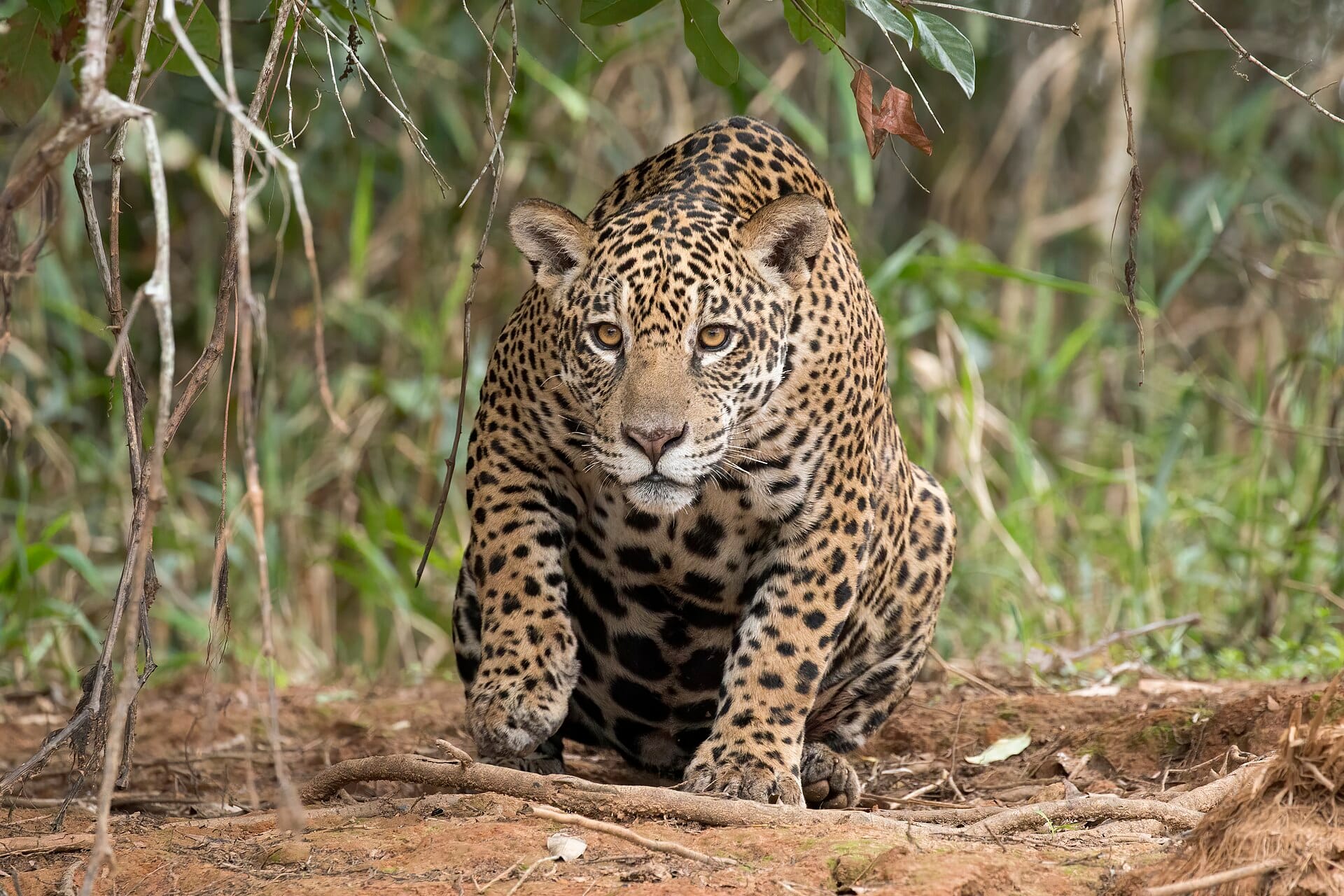
Forget the Amazon for actually seeing animals — the Pantanal, the world's largest tropical wetland, lays its wildlife out across open marshes: jaguars lounging on riverbanks, giant otters bickering, hyacinth macaws in screeching blue pairs and caimans beyond counting.
- Best forWildlife & nature · Photographers · Adventure seekers
- In January33°C · 17 rainy days
- Ideal stay4–5 nights
- Approx. flying time~10h 50m from Los Angeles
- CurrencyBRLBrazilian real
- LanguagePortuguese
- Local time07:135h behind the UK
- PlugsType C / NBring an adapter
- Drive on theRightOpposite to the UK
- Dialling code+55
Why go
This is a floodplain the size of a country, seasonally drowned and then slowly drained, and the effect on wildlife watching is transformative. Instead of peering into forest, you scan open marsh, gallery woodland and river banks where animals are simply out in the open. Capybara graze in ranks, caiman line the shallows, and the birdlife runs from jabiru storks to hyacinth macaws that sound like arguing hinges.
Two gateways serve it. Cuiaba opens the northern Pantanal and the Transpantaneira, an unsealed road on well over a hundred wooden bridges ending at Porto Jofre, base for the jaguar boat trips. Campo Grande serves the south, which is quieter, greener and better for horse riding and for snorkelling the clear rivers around Bonito. Come between July and October, since the wet season floods roads and disperses the animals.
- Ideal stay
- 4–5 nights
- The vibe
- Hot, teeming, wide-open wetland
From our guides
Boat safaris out of Porto Jofre, at the end of the Transpantaneira road, offer the planet's most reliable jaguar sightings. Come in the July-to-October dry season, when animals crowd the shrinking rivers and the roads stay passable.
Featured in Ten wild tropical trips for animal lovers
Things to do
-
Jaguars from a boat
Skiffs work the river channels around Porto Jofre in the dry months, when cats hunt caiman along the banks. Sightings are frequent enough that most multi-day trips deliver.
-
The Transpantaneira
One dirt road, 147 kilometres, more than a hundred wooden bridges and wildlife on both verges the whole way. Driving it slowly is the safari.
-
Hyacinth macaws
The largest flying parrot in the world nests in manduvi trees around the cattle ranches, usually in pairs and always audibly. Several lodges have reliable nesting sites.
-
Giant otters
Family groups fish the oxbows and creeks, noisy, curious and unbothered by boats. Watching one dismantle a piranha is a fine way to spend twenty minutes.
-
Night drives
After dark the torch picks out crab-eating foxes, tapir, ocelot and hundreds of caiman eyes. Most working ranches run them as standard.
-
Bonito's clear rivers
In the southern Pantanal's limestone country, spring-fed rivers run clear enough to snorkel among shoals of dourado. Daily visitor numbers are capped, so book.
Getting there
-
Fly to
Cuiabá (CGB)
Nearest airport to Pantanal, about 266km away as the crow flies.
-
Then
To Cuiabá
Cuiabá (CGB) is the northern Pantanal's gateway, with a short taxi ride into the city and connections from São Paulo. Puerto Suárez (PSZ) is across the border in Bolivia and not a route visitors use.
-
On the ground
Getting around
From Cuiabá it is a long day south on the Transpantaneira road to Porto Jofre, around five to six hours over dozens of wooden bridges, and lodges run the transfer. Jaguar spotting is done from small boats on the Cuiabá river.
Public transport: Effectively none along the Transpantaneira. Lodges include road and boat transfers in their packages, which is how almost everyone comes.
Flights
Los Angeles Pantanal, Brazil
Fly from anywhere — search 4,000+ airports worldwide.
Roughly 10h 50m in the air from Los Angeles (LAX), estimated from the distance — check for a direct route. Pick a month to see every available flight with live prices.
Check dates and prices
Pick your departure date, then your return.
Search flightsNot sure when? Compare fares across a whole month.
Flight times are estimates; prices open on Google Flights.
When to go
Daytime highs run from about 29°C in June to 36°C in September. Driest in July and August; wettest in January, with rain on about 17 days.
The year at a glance — pick a month for detail
January33° · rain 17 daysHot and often wet.
Monthly figures averaged from daily records for 2020–2024 at this location (ERA5 reanalysis). Highlighted months are warm and mostly dry — May to August. Live conditions from MET Norway, CC BY 4.0.
Where to stay
Pousadas and working fazenda ranches, all full board with guided drives and boat trips included, plus a couple of floating hotels at Porto Jofre. No towns, no self-catering.
-
Best base overall
Cuiabá
The airport city and the start of the Transpantaneira road, with ordinary hotels and the tour operators. It is hot, urban and nowhere near the wildlife itself.
Find stays in Cuiabá -
Best value
Poconé and the northern Transpantaneira lodges
Pousadas along the first stretch of the dirt road, with bird life from the veranda at a fraction of Porto Jofre rates. Jaguars are far less reliable this far up.
Find stays in Poconé and the northern Transpantaneira lodges -
Closest to the sights
Porto Jofre
The end of the road on the Cuiaba river, where the jaguar boat safaris launch. The few lodges and flotels here are expensive and booked out in the dry season.
Find stays in Porto Jofre -
Quietest
Campo Grande and the southern Pantanal
The southern approach, with working cattle fazendas that take guests for riding and night drives. Fewer jaguars, more ranch life and considerably fewer visitors.
Find stays in Campo Grande and the southern Pantanal
Worth knowing before you book: The July to October dry season sells out many months ahead, especially Porto Jofre. Transfers down the Transpantaneira take hours, so build a travel day in at each end.
Search everything else in Cuiabá by budget. These are indicative budget bands in GBP per night for two people, not live quotes or guarantees of hotel type. Check your dates, guests, taxes and final price on Booking.com.
Good to know
- Getting there
- Fly to Cuiaba for the north or Campo Grande for the south, usually via Sao Paulo. Transfers to the lodges take between three and seven hours on rough road.
- Timing
- The dry season, roughly July to October, concentrates animals at shrinking water and keeps the roads passable. From December the floods take over.
- Pack this
- Long sleeves, insect repellent, a sun hat and binoculars. A dry bag matters on boat days and a dust-proof one matters on road days.
- Health
- Yellow fever vaccination is advised for the region and mosquitoes are constant. Take medical advice before travelling and bring what you need, since chemists are far away.
- Guides
- Wildlife here is found by people who know it. Lodges include guided drives and boat trips in their rates, and a good guide changes the trip entirely.
Similar places
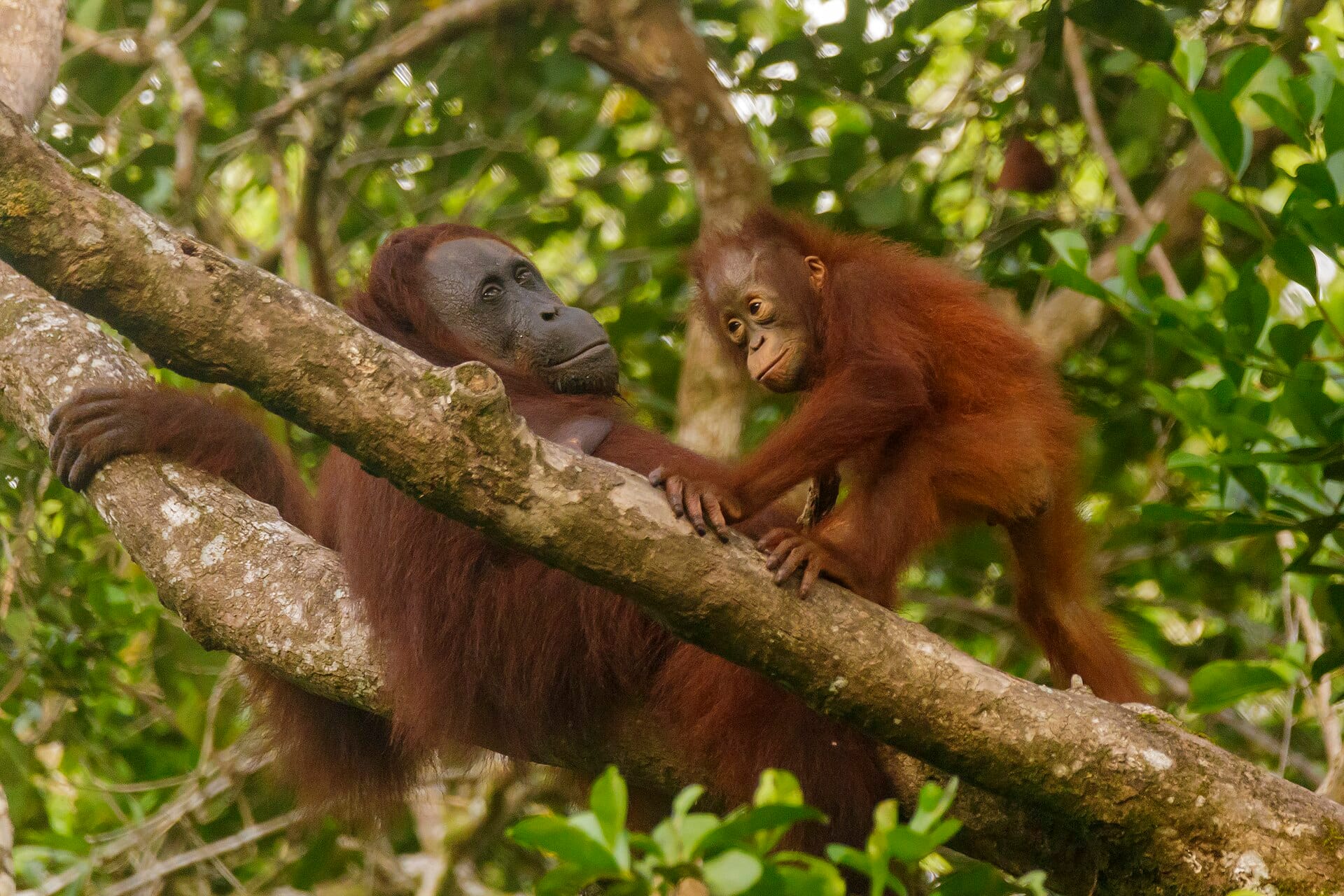
Sepilok and the Kinabatangan
Borneo, MalaysiaAlso for wildlife & nature and photographers · 29°C in January (33°C here)
Andasibe
MadagascarAlso for wildlife & nature and photographers · cheaper to stay
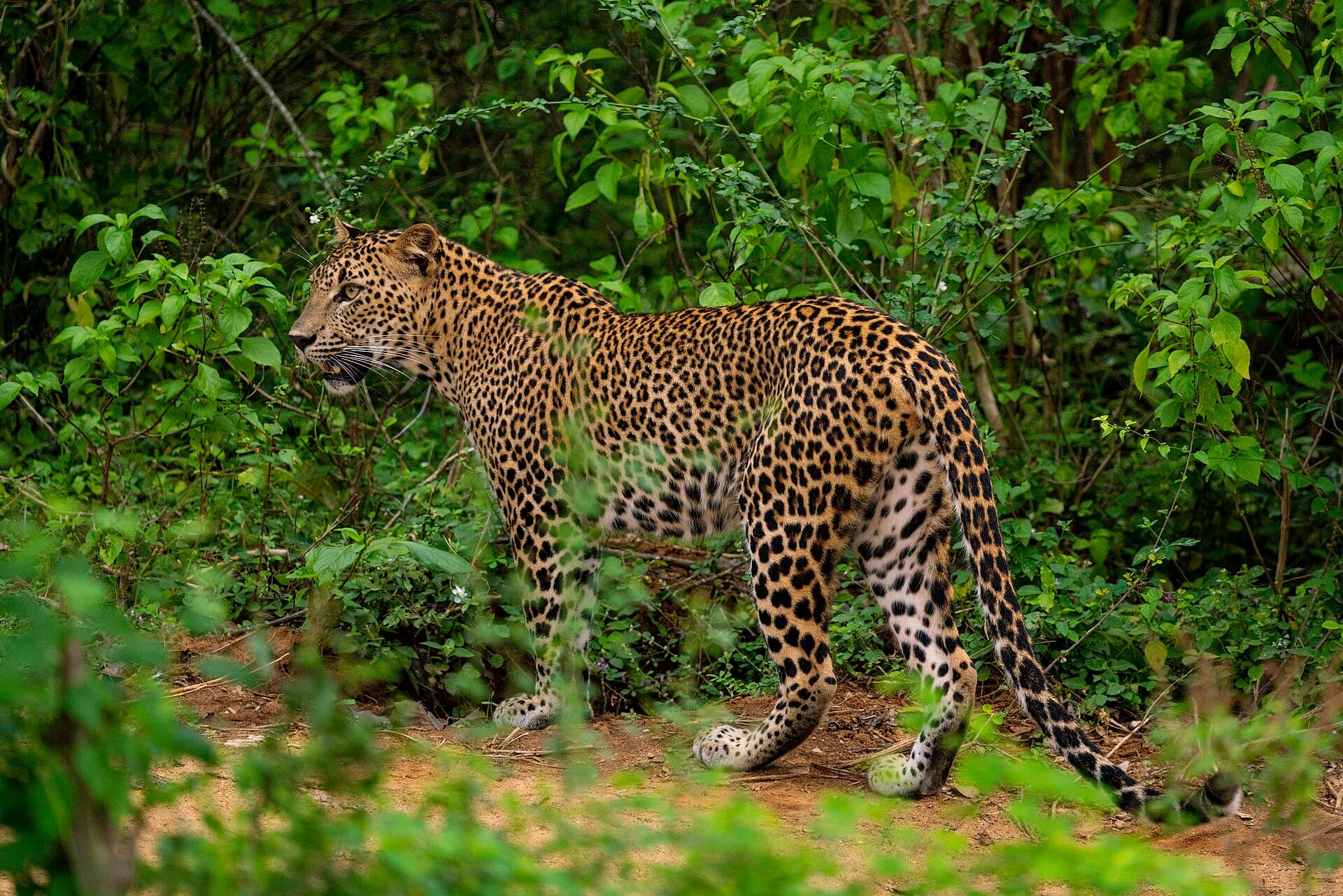
Yala
Sri LankaAlso for wildlife & nature and photographers · 28°C in January (33°C here) · cheaper to stay
Further afield

Salar de Uyuni
Bolivia →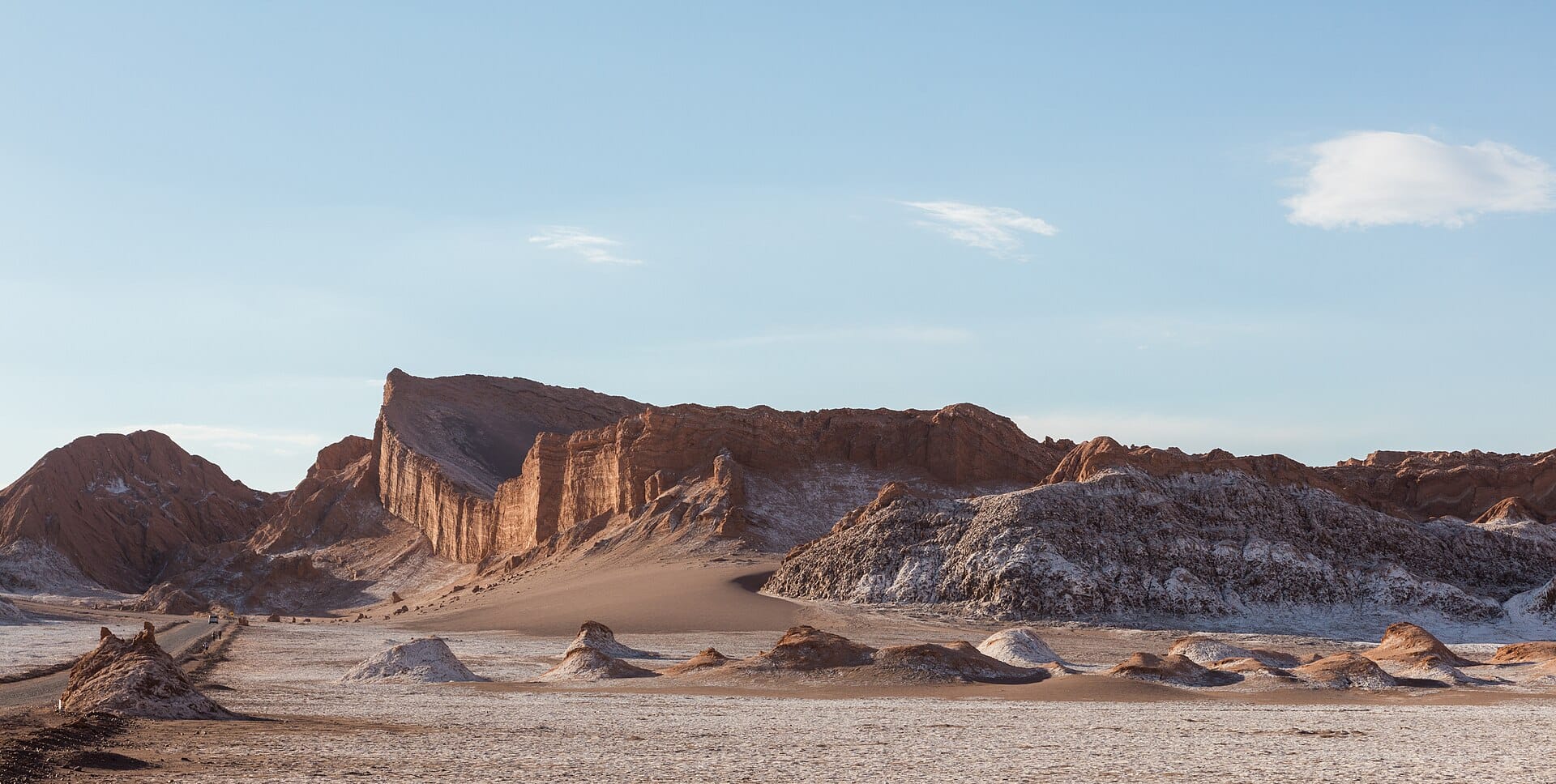
The Atacama Desert
Chile →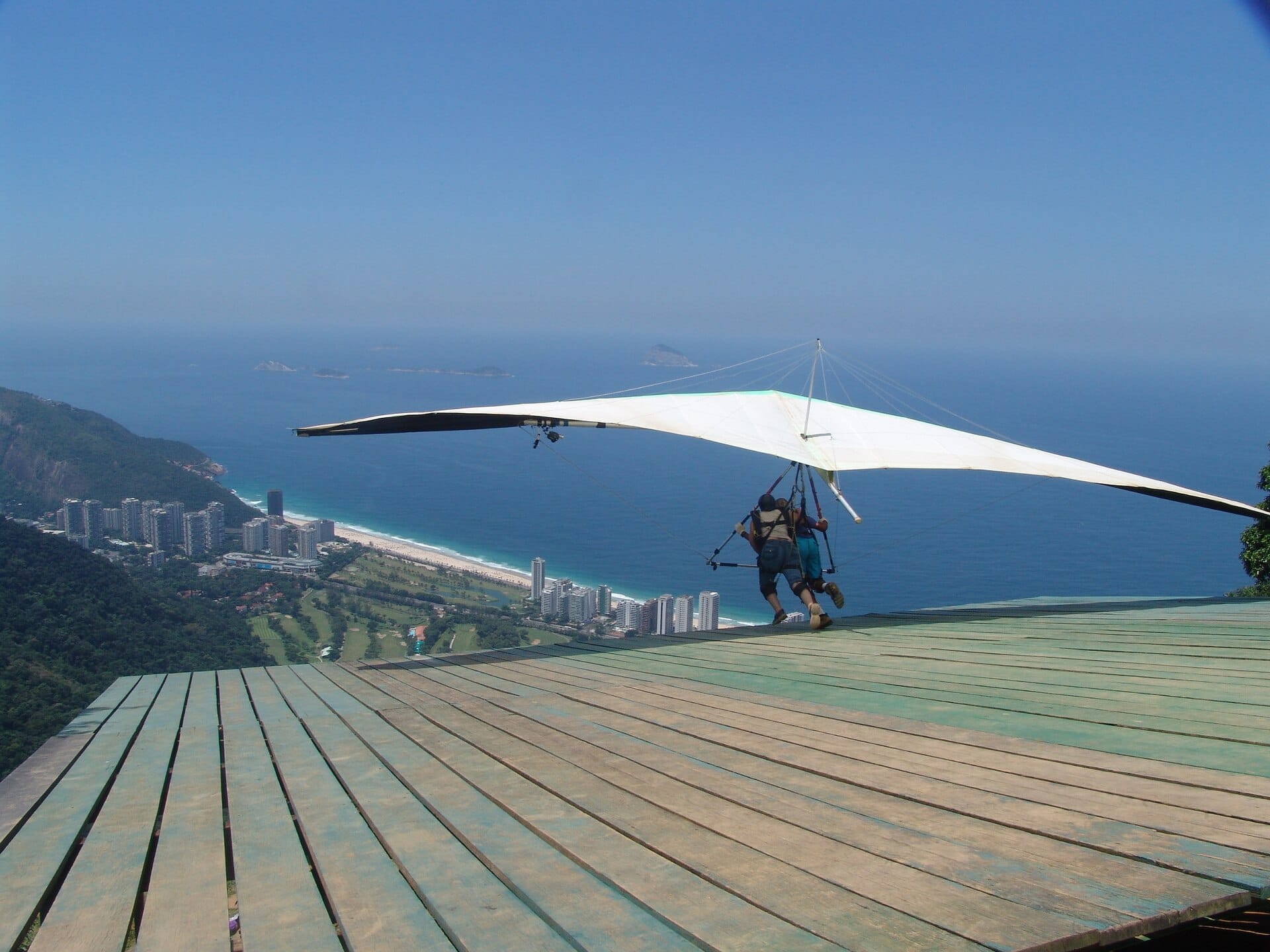
Hang-gliding over Rio de Janeiro
Brazil →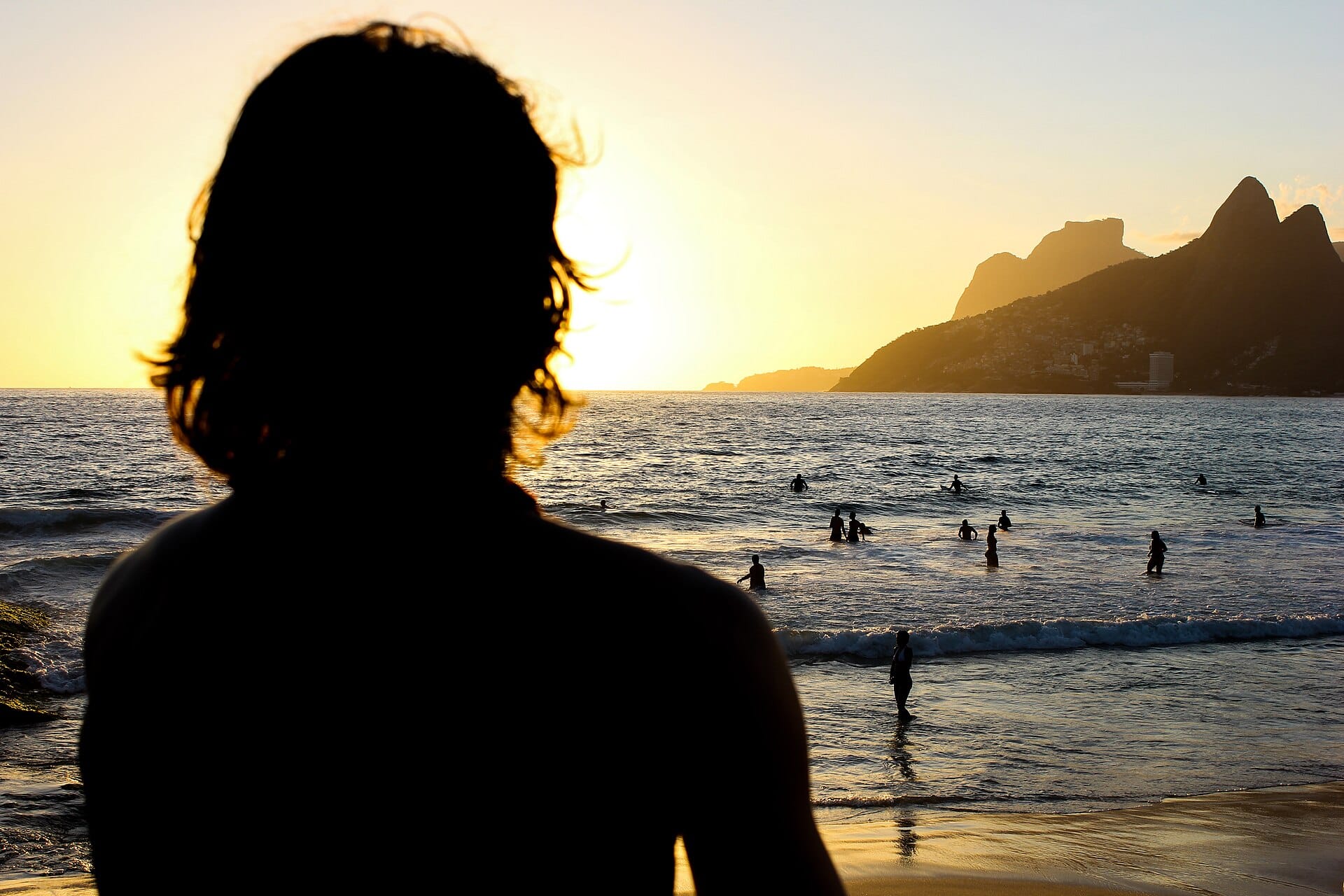
Arpoador
Rio de Janeiro, Brazil →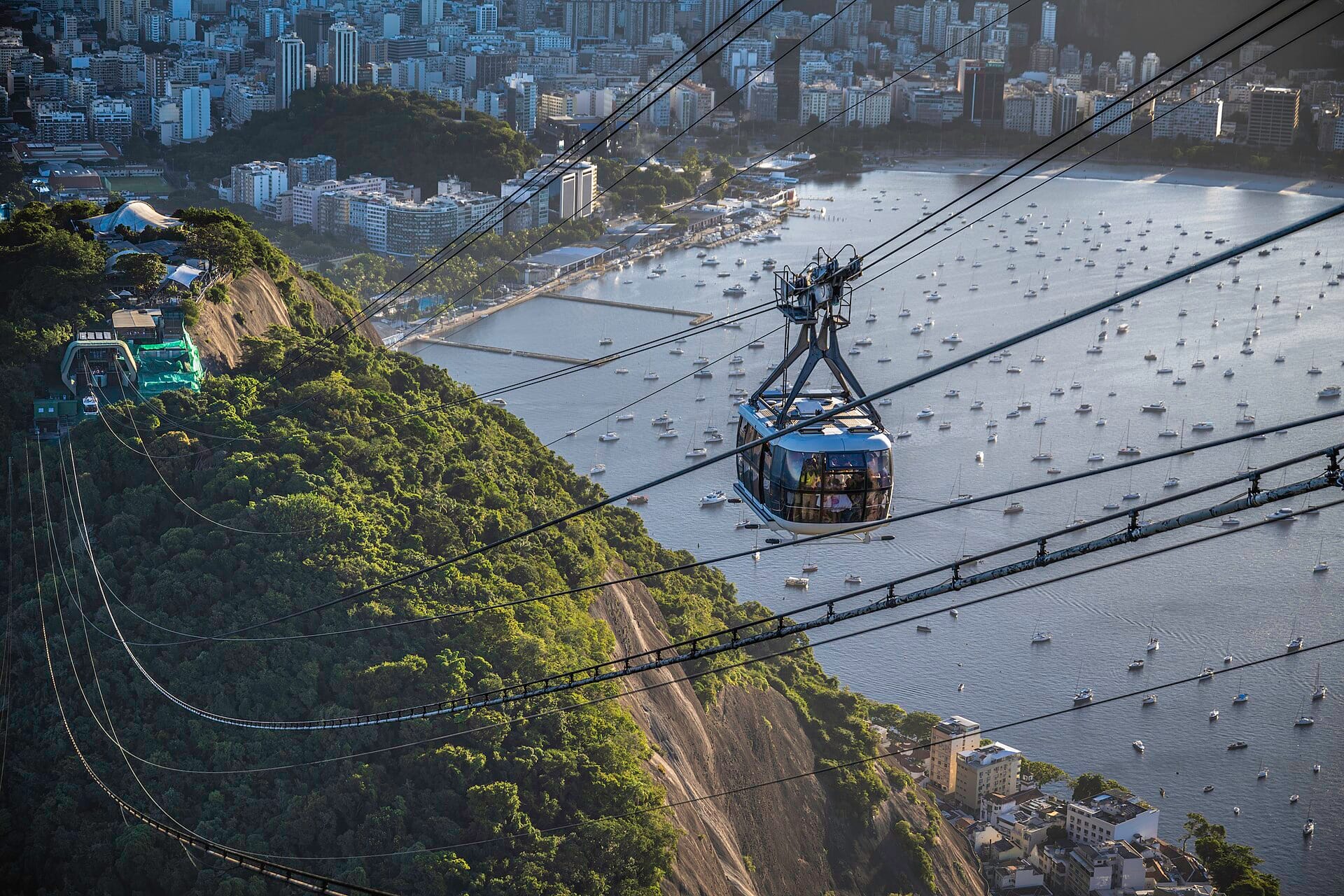
Sugarloaf Mountain
Rio de Janeiro, Brazil →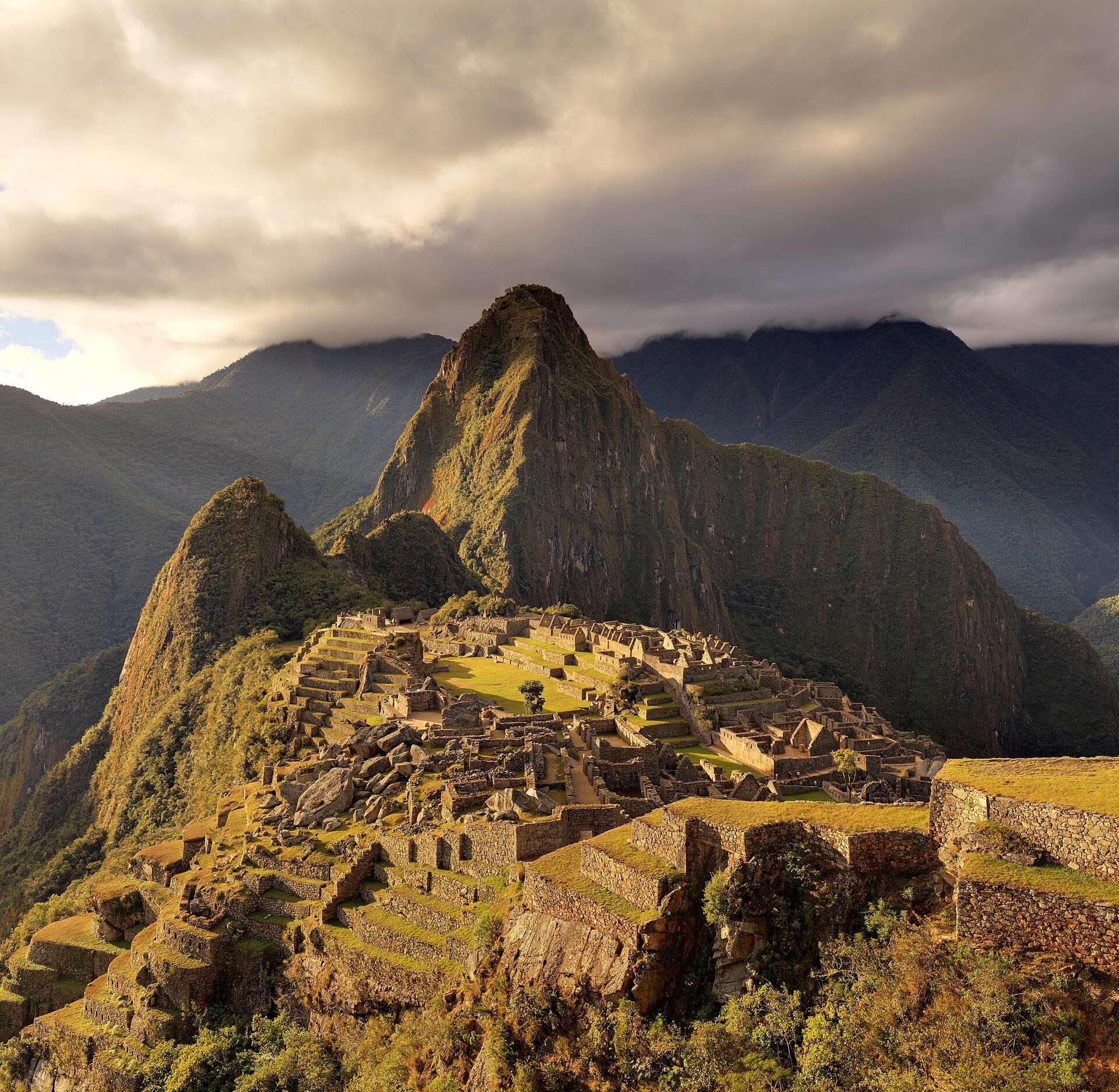
The Inca Trail to Machu Picchu
Peru →Elsewhere in Brazil
Related articles
Quick answers
When is the best time to visit The Pantanal?
For warm, mostly dry days, May to August. That means highs of 20–34°C with rain on six days a month or fewer. Daytime highs run from about 29°C in June to 36°C in September. Driest in July and August; wettest in January, with rain on about 17 days.
How long should I spend in The Pantanal?
Our suggestion: 4–5 nights.
How do I get to The Pantanal?
Cuiabá (CGB) is the northern Pantanal's gateway, with a short taxi ride into the city and connections from São Paulo. Puerto Suárez (PSZ) is across the border in Bolivia and not a route visitors use.
Do I need a car in The Pantanal?
No. Effectively none along the Transpantaneira. Lodges include road and boat transfers in their packages, which is how almost everyone comes.
What currency and language are used in The Pantanal?
Currency: Brazilian real (BRL). Language: Portuguese. Plugs: type C and N.
Who is The Pantanal best for?
Best for wildlife & nature, photographers and adventure seekers. In a phrase: hot, teeming, wide-open wetland.