
The Merzouga dunes
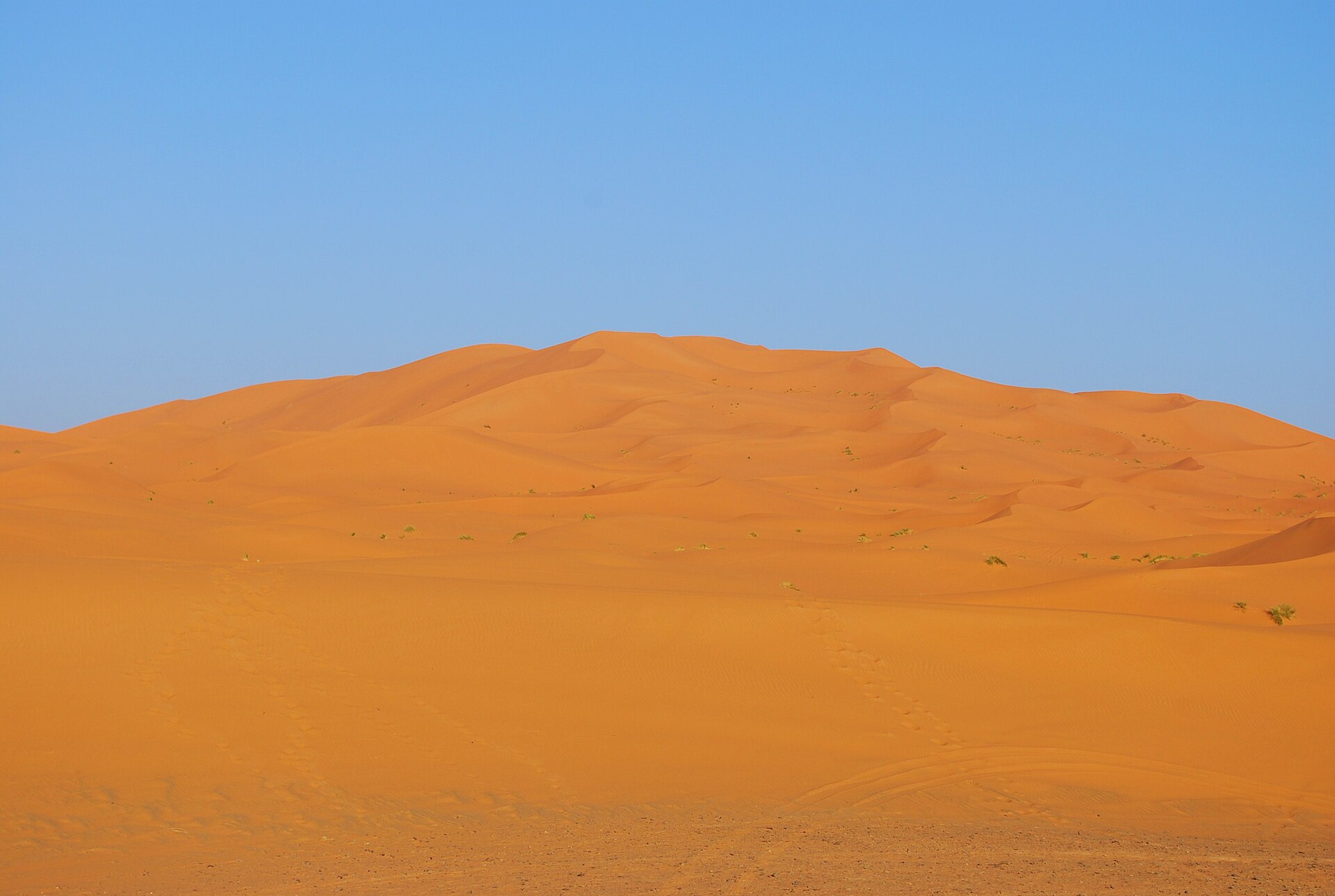
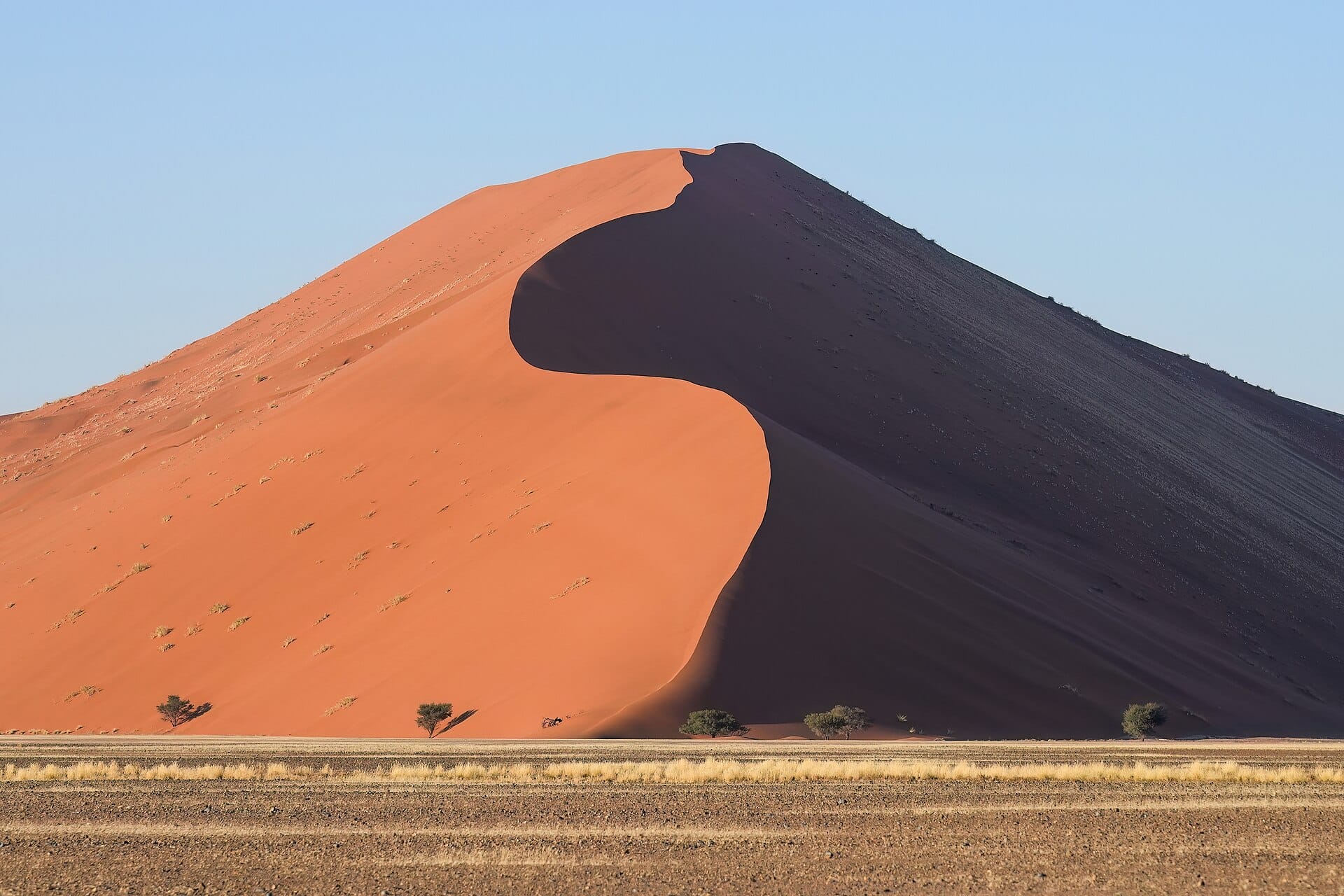
Erg Chebbi's dunes rise 150 metres in shades that shift from apricot to ember as the day dies, and Merzouga is the doorway.
- Best forAdventure seekers · Couples · Photographers
- In November24°C · barely any rain
- Ideal stayTwo nights in the desert, inside a week-long loop
- Approx. flying time~12h 25m from Los Angeles
- CurrencyMADMoroccan dirham
- LanguageArabic and French
- Local time09:251h behind the UK
- PlugsType C / EBring an adapter
- Drive on theRightOpposite to the UK
- Dialling code+212
Why go
Erg Chebbi is a single sea of sand roughly 22 kilometres long, dropped into an otherwise stony plain as though imported. Its ridges climb to about 150 metres and the colour shifts all day, pale gold at noon and deep rust by six. Villages at the edge live on tourism, dates and Gnawa music, and twenty minutes past the last camp the silence is total.
Nobody arrives here quickly. The classic approach is a two or three day drive from Marrakesh over the Tizi n'Tichka pass and through the Dades and Todra gorges, or a slightly shorter run down from Fes. Give the desert two nights rather than one, so the first is not spent recovering from the road. October to April keeps daytime temperatures reasonable; nights get genuinely cold and midsummer is punishing.
- Ideal stay
- Two nights in the desert, inside a week-long loop
- The vibe
- Silent, elemental, deep orange
From our guides
Skip the standard one-night sunset package and go deeper: two-day 4x4 and trekking circuits reach quieter camps beyond the crowds, with sandboarding thrown in and nomad families selling tea en route. October to April keeps the daytime heat civil. Climb a dune crest before dawn — cold, brutal on the calves, completely worth it.
Featured in Ten desert adventures worth the sand in your boots
Things to do
-
Sunrise on a dune crest
The climb is short, steep and unexpectedly hard in soft sand. Set off in the dark with a head torch and a jumper, and have the ridge to yourself as the light arrives.
-
Khamlia's Gnawa musicians
A small village south of Merzouga settled by descendants of enslaved West Africans, where daily sessions of trance music built on iron castanets and a three-string lute are open to visitors.
-
Rissani market
One of the last great pre-Saharan souks, traditionally busiest on Sunday, Tuesday and Thursday, with donkey parking, dates by the sack and the stuffed flatbread known as medfouna.
-
Todra and Dades gorges
On the drive in, the Todra's high walls narrow to a river-floor path, while the Dades road corkscrews up a set of hairpins that photograph better than they drive.
-
Dayet Srji
A shallow seasonal lake on the western edge of the erg that fills after winter rain and can bring flamingos and waders. Dry and dusty by late spring.
-
Sandboarding and 4x4 runs
Boards are handed out at most camps, and dune driving by 4x4 or quad covers ground the camels cannot. Both are best late in the afternoon.
Getting there
-
Fly to
Errachidia (ERH)
Nearest airport to Merzouga, about 101km away as the crow flies.
-
Then
To Merzouga
Errachidia (ERH) is roughly two hours by car south to Merzouga, though flights are limited. Many visitors instead drive from Fez or Marrakesh, a long day of eight to ten hours over the Atlas, or take the overnight bus.
-
On the ground
Getting around
Guesthouses line the edge of Erg Chebbi at Merzouga and Hassi Labied, and camps in the dunes are reached by camel or 4x4 in under an hour. Longer two-day circuits push out to quieter camps well beyond the day-trip crowd.
Public transport: Long-distance coaches do reach Merzouga from Fez and Marrakesh, but everything beyond the village edge is by camel or 4x4.
Flights
Los Angeles Merzouga, Morocco
Fly from anywhere — search 4,000+ airports worldwide.
Roughly 12h 25m in the air from Los Angeles (LAX), estimated from the distance — check for a direct route. Pick a month to see every available flight with live prices.
Check dates and prices
Pick your departure date, then your return.
Search flightsNot sure when? Compare fares across a whole month.
Flight times are estimates; prices open on Google Flights.
When to go
Daytime highs run from about 18°C in January to 42°C in July. Rain is rare in any month.
The year at a glance — pick a month for detail
November24° · rain 1 dayMild and dry.
Monthly figures averaged from daily records for 2020–2024 at this location (ERA5 reanalysis). Highlighted months are warm and mostly dry — February to May and October and November. Live conditions from MET Norway, CC BY 4.0.
Where to stay
Kasbah-style guesthouses and small hotels at the dune edge, plus fixed desert camps of every standard out in the sand. No chains, and most places arrange their own excursions.
-
Best base overall
Merzouga village
The closest settlement to Erg Chebbi, with guesthouses at the dune edge and every camp operator in walking distance. It is dusty and functional, not charming.
Find stays in Merzouga village -
Best with children
Hassilabied
A quieter hamlet just north of Merzouga, with family-run kasbah guesthouses, pools and dunes from the door. Very little to do beyond your own courtyard.
Find stays in Hassilabied -
Best for couples
A desert camp out in Erg Chebbi
Tents an hour by camel into the sand, for dinner by fire and a sky full of stars. Camps range from basic to opulent, and the nearer ones hear generators.
Find stays in A desert camp out in Erg Chebbi -
Best value
Rissani or Erfoud
Working towns half an hour away, with cheaper hotels, a famous Sunday souk and the bus connections. You will drive out to the dunes each time.
Find stays in Rissani or Erfoud
Worth knowing before you book: Book the camp directly with your guesthouse rather than through touts in Marrakech, and confirm how far out the camp sits. Nights are genuinely cold from December to February.
Search everything else in Merzouga by budget. These are indicative budget bands in GBP per night for two people, not live quotes or guarantees of hotel type. Check your dates, guests, taxes and final price on Booking.com.
Good to know
- Getting there
- Overnight coaches run from Marrakesh and Fes to Merzouga, and the nearest airports are Errachidia and Ouarzazate. Most visitors arrive with a hire car or a private driver.
- Pack this
- A scarf for wind-blown sand, a warm layer for the night, sunglasses and closed shoes for the walk in. Sand finds cameras, so bring a sealed bag.
- Timing
- October to April is the sensible window. July and August routinely pass 45°C, and camps in high summer are for the very determined.
- Animal welfare
- Camel treks are short for a reason. Choose an operator that keeps rides under an hour, rests its animals properly and does not overload them.
- Cash
- Machines exist in Rissani and Erfoud, but camps, tips and village purchases run on cash. Draw money before you leave the larger towns.
Similar places
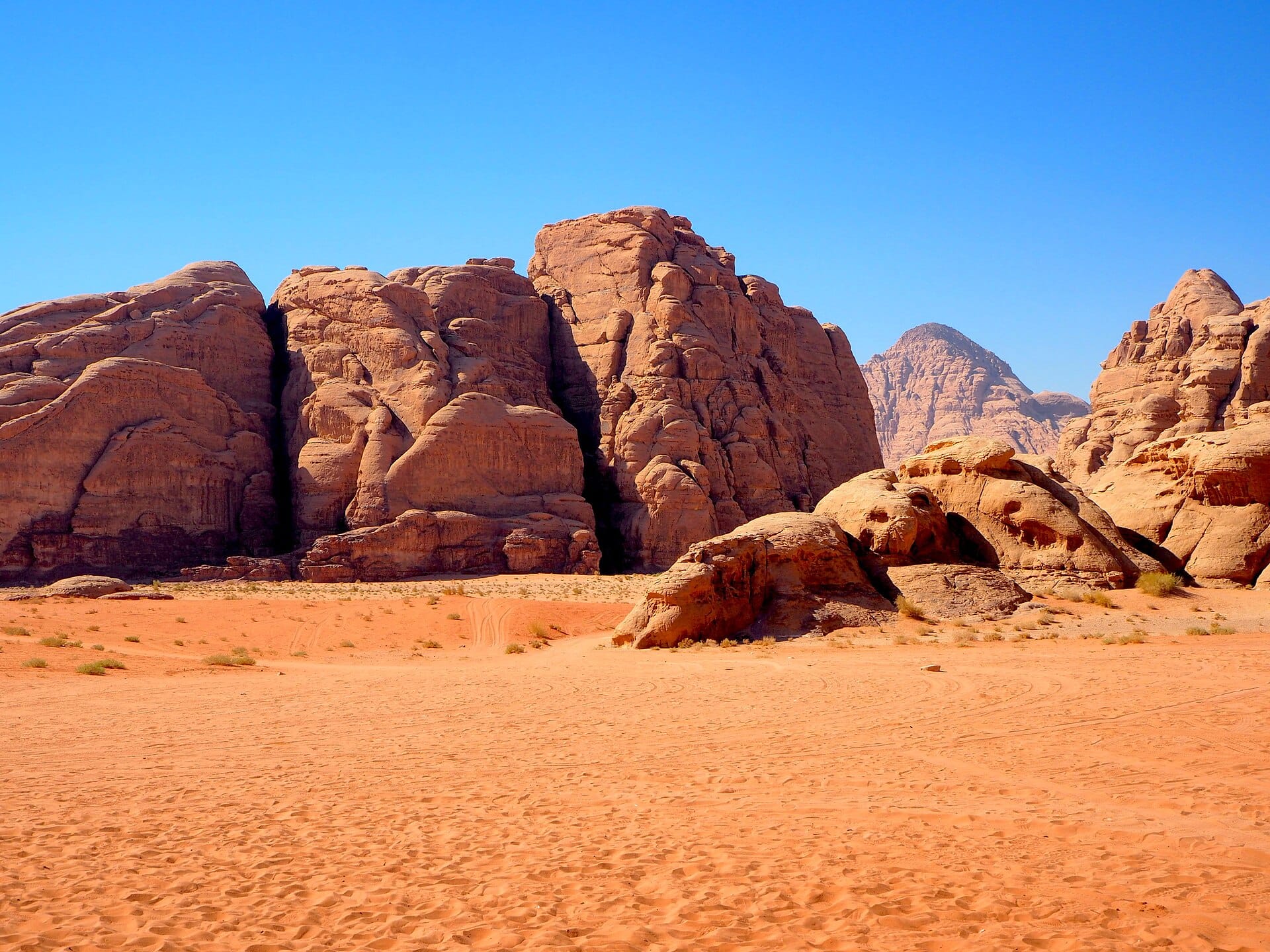
Wadi Rum
JordanAlso for adventure seekers and couples · 21°C in November (24°C here)
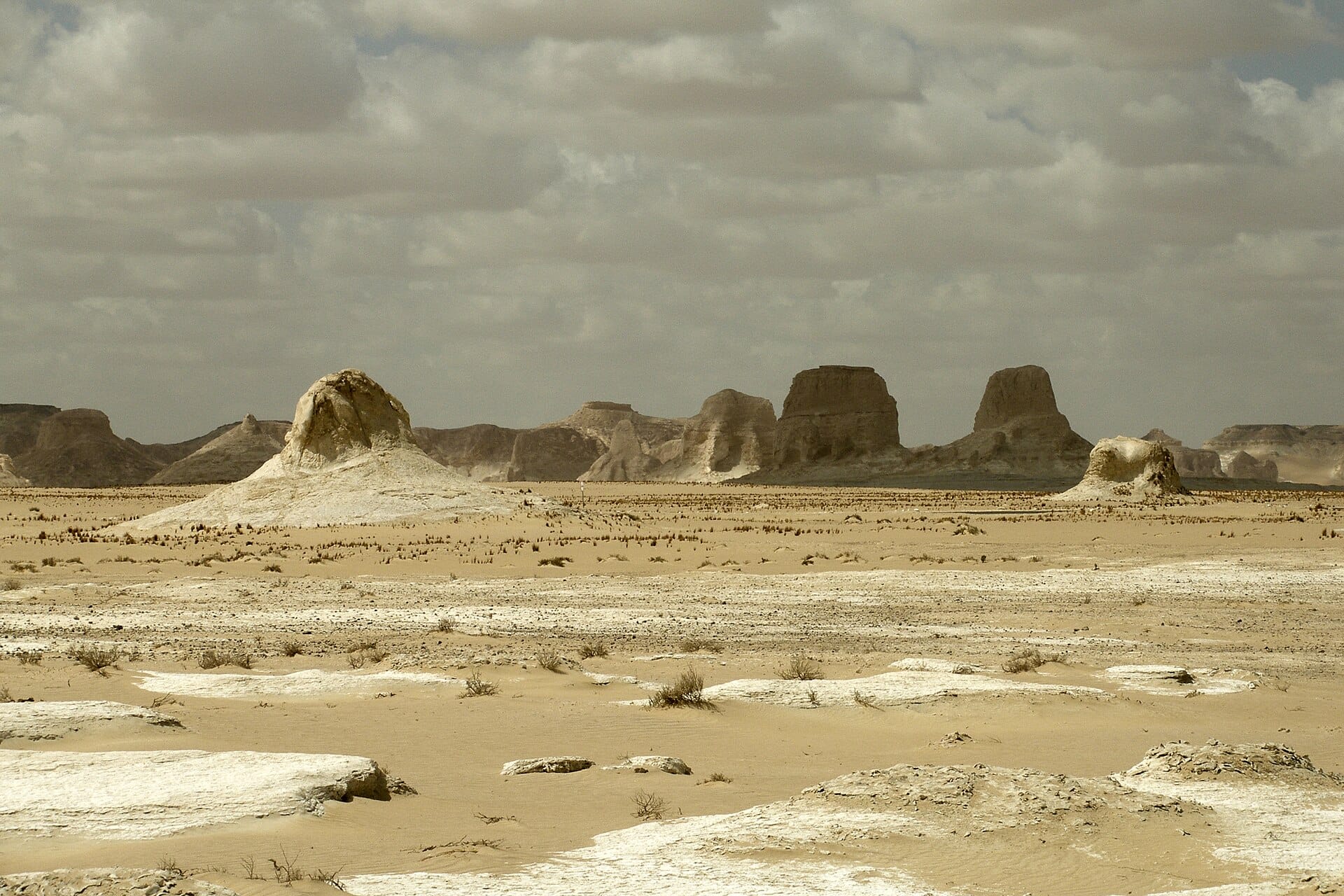
The White Desert
EgyptAlso for adventure seekers and photographers · 25°C in November, as here · cheaper to stay
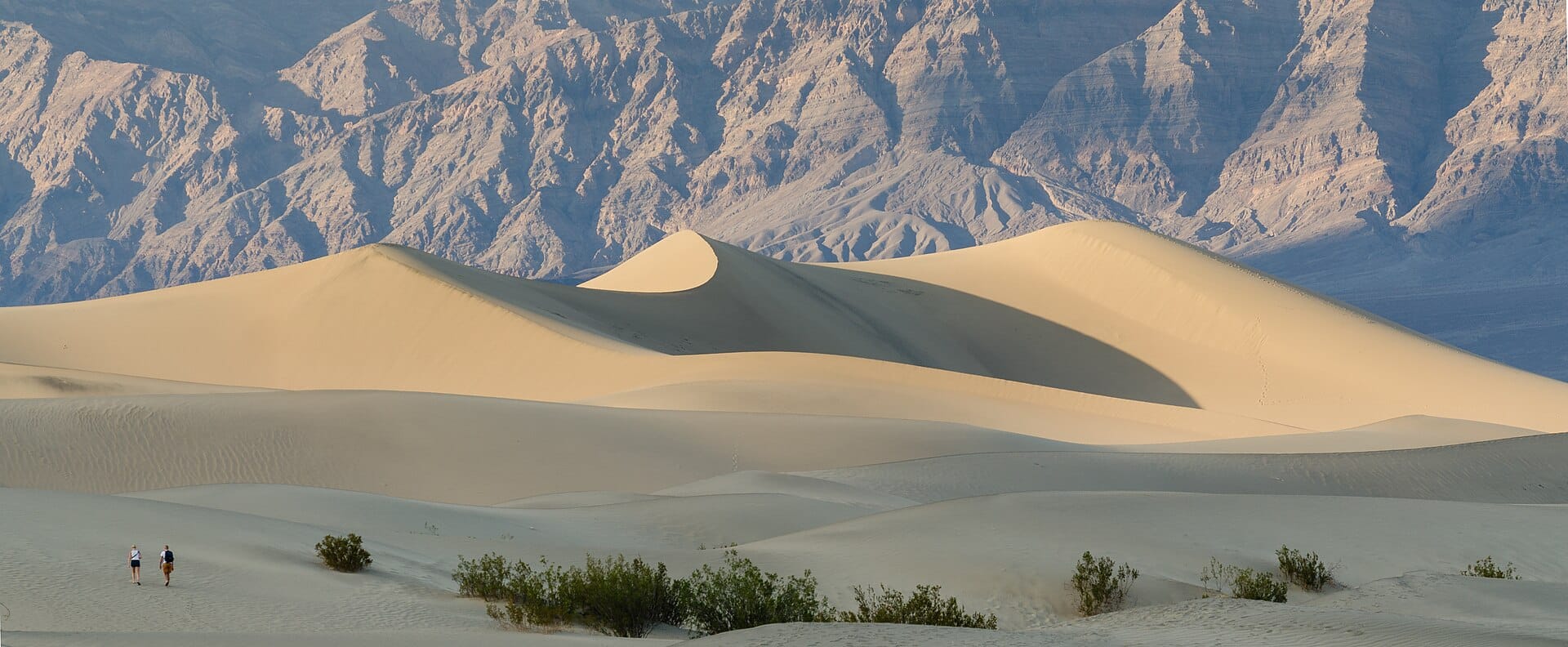
Death Valley
California, USAAlso for adventure seekers and photographers · 23°C in November, as here
Further afield
Related articles
Quick answers
When is the best time to visit The Merzouga dunes?
For warm, mostly dry days, February to May and October and November. That means highs of 20–34°C with rain on six days a month or fewer. Daytime highs run from about 18°C in January to 42°C in July. Rain is rare in any month.
How long should I spend in The Merzouga dunes?
Our suggestion: two nights in the desert, inside a week-long loop.
How do I get to The Merzouga dunes?
Errachidia (ERH) is roughly two hours by car south to Merzouga, though flights are limited. Many visitors instead drive from Fez or Marrakesh, a long day of eight to ten hours over the Atlas, or take the overnight bus.
Do I need a car in The Merzouga dunes?
Yes, a car makes a real difference here. Long-distance coaches do reach Merzouga from Fez and Marrakesh, but everything beyond the village edge is by camel or 4x4.
What currency and language are used in The Merzouga dunes?
Currency: Moroccan dirham (MAD). Language: Arabic and French. Plugs: type C and E.
Who is The Merzouga dunes best for?
Best for adventure seekers, couples and photographers. In a phrase: silent, elemental, deep orange.