The Inca Trail to Machu Picchu
Four days of original Inca paving through cloud forest and over the 4,215-metre Dead Woman's Pass, ending at the Sun Gate with Machu Picchu arranged below at dawn — the Inca Trail earns its fame honestly.
- Best forWalkers & hikers · Adventure seekers · Culture seekers
- In October19°C · 30 rainy days
- Ideal stayA week or more
- Approx. flying time~9h 10m from Los Angeles
Happens around Machu Picchu, Peru — nearest airport Cusco (CUZ), about 78km away.
- CurrencyPENPeruvian sol
- LanguageSpanish
- Local time07:066h behind the UK
- PlugsType A / CBring an adapter
- Drive on theRightOpposite to the UK
- Dialling code+51
The experience
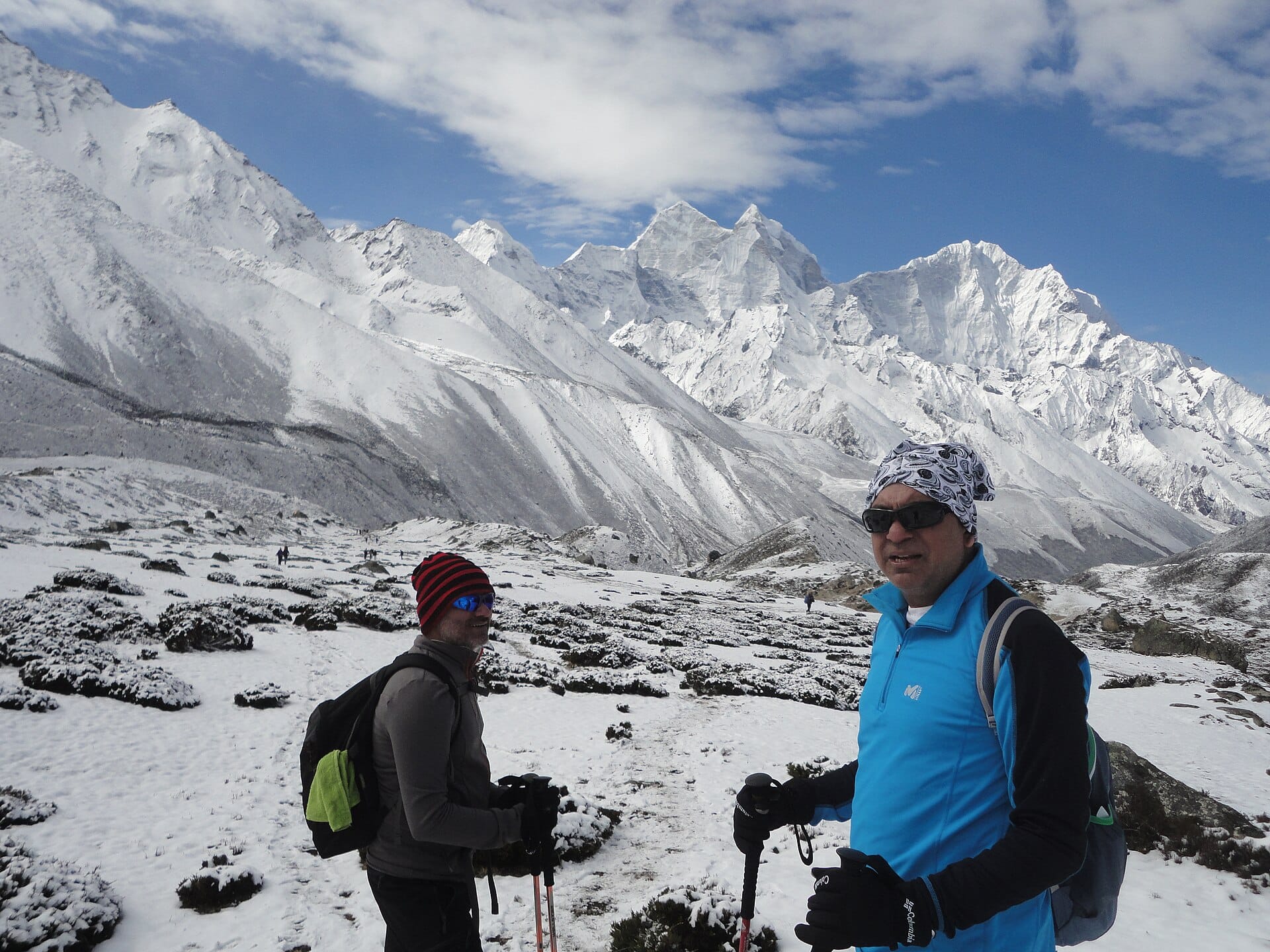
Four days of walking on original Inca paving lead from the Sacred Valley over the 4,215-metre pass known as Dead Woman's Pass, through cloud forest and past ruined settlements, to the Sun Gate above Machu Picchu at dawn. Porters carry the camp, guides carry the archaeology, and you carry a day pack. The distance is modest at around 43 kilometres; altitude and stone steps are what make it hard.
Allow ten days in Peru: two or three acclimatising in Cusco and the Sacred Valley, four on the trail, and a buffer afterwards. Permits are capped and released months ahead, so book early with a licensed operator, ideally one with a good record on porter welfare. The trail closes each February for maintenance. Salkantay and Lares are the alternatives when permits have gone.
- Ideal stay
- A week or more
- The vibe
- High, stone-stepped, hard-earned
From our guides
Permits are capped at 500 people a day including porters and vanish months out, so book early through a licensed operator, ideally one certified for porter welfare. Acclimatise in Cusco for two or three days first; the pass punishes the impatient.
Featured in Ten treks for your first big summit or base camp
Make a trip of it
-
Dead Woman's Pass
The high point at 4,215 metres, a long climb of stone steps out of the Llulluchapampa valley. Pace is everything and the descent is steep.
-
The Sun Gate at dawn
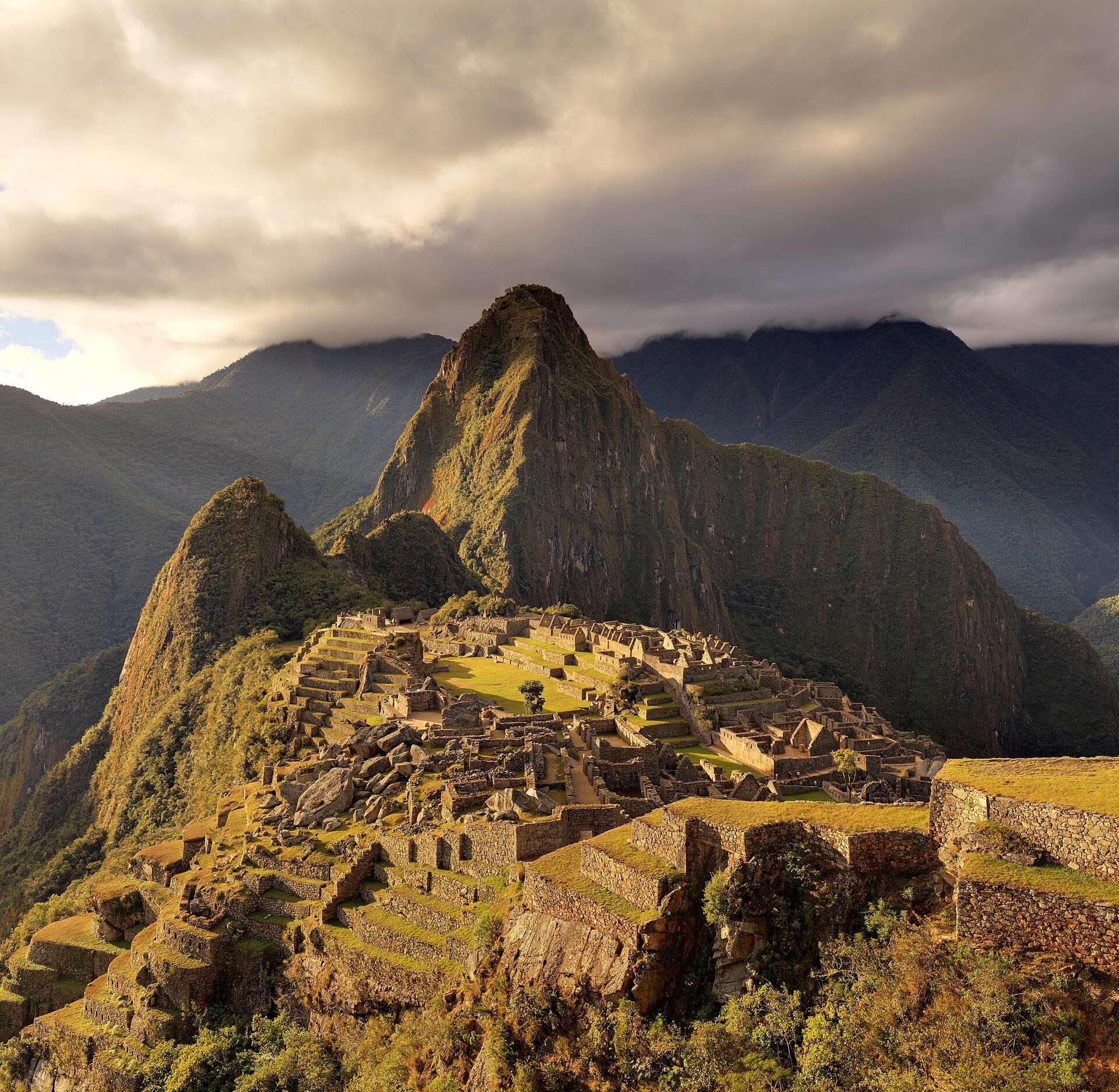
Intipunku, the trail's final gateway, frames Machu Picchu below. Groups leave camp in the dark to arrive as the light comes up.
-
Winay Wayna
A terraced site on a steep slope near the last campsite, among the best-preserved ruins on the route and usually seen late on day three.
-
Cloud forest
The descent from the second pass drops into humid forest of orchids, bromeliads and hummingbirds, a complete change from the high grassland.
-
Machu Picchu itself
You arrive from above rather than by bus, which gives the site its intended approach. Timed entry and fixed circuits now apply.
Getting there
-
Fly to
Cusco (CUZ)
Nearest airport to Machu Picchu, about 78km away as the crow flies.
-
Then
To Cusco
Cusco (CUZ) is about 15 to 20 minutes by taxi into the city centre. Spend two or three nights here acclimatising before the trek, since Cusco sits above 3,300 metres.
-
On the ground
Getting around
Trekking operators collect you from your hotel and drive around two hours to the trailhead at Kilometre 82 near Ollantaytambo. From the Sun Gate you finish at Machu Picchu, then take the bus down to Aguas Calientes and the train back to the Sacred Valley.
Public transport: Trains and tourist buses serve the Sacred Valley and Aguas Calientes well, and the trek itself must be done with a licensed operator anyway.
Flights
Los Angeles Machu Picchu, Peru
Fly from anywhere — search 4,000+ airports worldwide.
Roughly 9h 10m in the air from Los Angeles (LAX), estimated from the distance — check for a direct route. Pick a month to see every available flight with live prices.
Check dates and prices
Pick your departure date, then your return.
Search flightsNot sure when? Compare fares across a whole month.
Flight times are estimates; prices open on Google Flights.
When to go
Daytime highs run from about 17°C in June to 19°C in October. Driest in June and July; wettest in March, with rain on about 31 days.
The year at a glance — pick a month for detail
October19° · rain 30 daysMild and often wet.
Monthly figures averaged from daily records for 2020–2024 at this location (ERA5 reanalysis). Live conditions from MET Norway, CC BY 4.0.
Where to base yourself
Colonial courtyard hotels and hostels in Cusco, lodges and small hotels in the Sacred Valley, and camping in operator tents on the trail itself. Chains exist in Cusco but are the exception.
-
Best base overall
Cusco
Where the operators, the briefings and the acclimatisation days are, with colonial squares and good food. At three thousand four hundred metres it is higher than the trail's start, so take it slowly.
Find stays in Cusco -
Best with children
The Sacred Valley, Ollantaytambo or Urubamba
Several hundred metres lower than Cusco, which eases altitude, with ruins, markets and the trailhead train. Fewer restaurants and shops than the city.
Find stays in The Sacred Valley, Ollantaytambo or Urubamba -
Best value
San Blas, Cusco
The steep artisan quarter above the Plaza de Armas, with hostels and small guesthouses at modest rates. The climb home after dinner is a cruel joke at that altitude.
Find stays in San Blas, Cusco -
Closest to the sights
Aguas Calientes
The town below Machu Picchu, for anyone wanting a second visit at dawn after the trek. Overpriced, hemmed in and worth exactly one night.
Find stays in Aguas Calientes
Worth knowing before you book: Trail permits go on sale months ahead and vanish for the June to August window. The trail closes each February, and most operators stack Cusco nights either side of the trek.
Search everything else in Cusco by budget. These are indicative budget bands in GBP per night for two people, not live quotes or guarantees of hotel type. Check your dates, guests, taxes and final price on Booking.com.
Good to know
- Permits
- Entry is capped at 500 people a day including porters and guides, and permits sell out months ahead. Only licensed operators can book them.
- Acclimatise
- Spend at least two or three nights at altitude in Cusco or the Sacred Valley beforehand. The pass punishes anyone who arrives and walks.
- Timing
- The dry season runs May to September and is the busiest. The trail closes for the whole of February, when the rains are heaviest.
- Porter welfare
- Weight limits for porters are regulated. Choose an operator that pays properly and provides equipment, and budget for tips.
- Pack this
- Broken-in boots, waterproofs, a warm layer for camp, a head torch and altitude medication if your doctor advises it.