
The Cotswolds
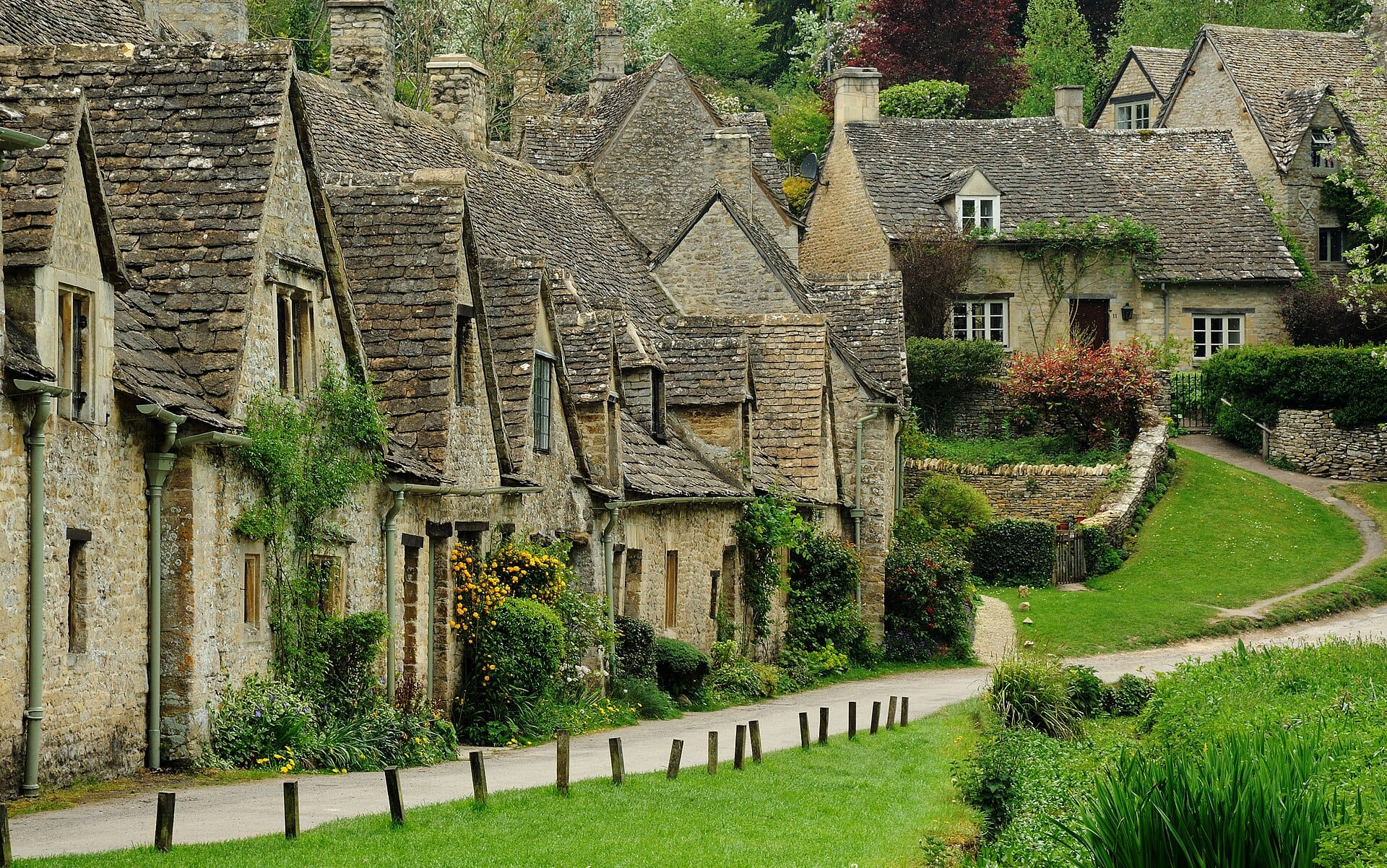
The Cotswolds do golden-stone storybook England — Arlington Row at Bibury is on the cover of half the nation's picture books — but the family magic lies in the working attractions: Cotswold Farm Park lets children bottle-feed lambs and meet rare breeds, and dozens of farm B&Bs hand over morning egg duty as standard.
- Best forFamilies · Couples · Walkers & hikers
- In August21°C · 8 rainy days
- Ideal stayA long weekend
- Approx. flying time~11h 05m from Los Angeles
- CurrencyGBPPound sterling
- LanguageEnglish
- Local time12:11same time as the UK
- PlugsType GUK plugs fit
- Drive on theLeftSame as the UK
- Dialling code+44
Why go
Limestone the colour of honey gives this range of low hills its whole character, quarried for centuries and used for cottages, barns and oversized church towers alike. The landscape is arable and pastoral rather than wild, folded into valleys with beech woods along the ridges and a footpath network that has been walked for a very long time. Wool money built the market towns and still shows in them.
A long weekend is the standard shape, based in one town and walking or driving to others. Spring and autumn have the best light and the fewest coaches; late February to April is lambing season, which changes what families can do. Bibury, Bourton and Castle Combe get extremely busy from mid-morning in summer. Midweek and off-season, the same villages behave quite differently.
- Ideal stay
- A long weekend
- The vibe
- Honey-stoned, hedged, gently prosperous
From our guides
Honey-stone villages, pub fires, misty morning walks that end in enormous breakfasts — the Cotswolds are Britain's most reliable romance machine. The formula: a creaky-floored inn or a spa hotel with robes, one good circular walk, one market town mooch, zero schedule. Aim for midweek off-season, when Bibury and Castle Combe return to their residents and to you.
Featured in Ten farm stays and countryside escapes kids genuinely love and Ten grown-up escapes for a proper romantic reset
Things to do
-
Arlington Row, Bibury
A terrace of seventeenth-century weavers' cottages beside the river Coln, once a wool store. Come at dawn to have the view to yourself.
-
Cotswold Farm Park
A working farm and rare-breeds centre with lambing sessions in spring and handling areas designed for young children.
-
The Cotswold Way
A 164-kilometre national trail along the escarpment from Chipping Campden to Bath, with day sections to suit almost any pace.
-
Broadway Tower
A folly on the second-highest point of the escarpment, with a view said to reach across a dozen or more counties on a clear day.
-
Stow and Chipping Campden
Two of the finest wool market towns, one built around a large square, the other around a curving high street and a seventeenth-century market hall.
-
Sudeley Castle and Winchcombe
A castle with Tudor associations and formal gardens, in a walking town that also sits near the Neolithic long barrow at Belas Knap.
Getting there
-
Fly to
London (LGW)
Nearest airport to The Cotswolds, about 35km away as the crow flies.
-
Then
To Stow-on-the-Wold
Around two hours by car from Gatwick (LGW) round the M25 and out on the M40 or A40. From London, trains to Moreton-in-Marsh or Kemble take about an hour and a half from Paddington.
-
On the ground
Getting around
Villages sit a few miles apart on lanes, and the footpath network links many of them on walks short enough for children. Market towns like Stow, Burford and Chipping Campden are walkable once you arrive.
Public transport: There are useful trains to Moreton-in-Marsh, Kingham and Kemble, but rural buses are thin and a car makes the villages practical.
Flights
Los Angeles The Cotswolds, England
Fly from anywhere — search 4,000+ airports worldwide.
Roughly 11h 05m in the air from Los Angeles (LAX), estimated from the distance — check for a direct route. Pick a month to see every available flight with live prices.
Check dates and prices
Pick your departure date, then your return.
Search flightsNot sure when? Compare fares across a whole month.
Flight times are estimates; prices open on Google Flights.
When to go
Daytime highs run from about 8°C in January to 21°C in August. Wettest in October, with rain on about 16 days.
The year at a glance — pick a month for detail
August21° · rain 8 daysMild with rain most weeks.
Monthly figures averaged from daily records for 2020–2024 at this location (ERA5 reanalysis). Live conditions from MET Norway, CC BY 4.0.
Where to stay
Old coaching inns with rooms, farm B&Bs, self-catering cottages in converted barns and a handful of serious country-house spa hotels. Chain hotels sit out on the main roads.
-
Best base overall
Stow-on-the-Wold
High on the wolds and central to almost everything, with coaching inns around the market square and buses that actually run. It is on the tourist circuit, so days are busy.
Find stays in Stow-on-the-Wold -
Best with children
Bourton-on-the-Water
The river runs through the village green, and the model village, motor museum and Cotswold Farm Park are all close. Day visitors swamp it, so stay over and enjoy the evenings.
Find stays in Bourton-on-the-Water -
Best value
Winchcombe or Northleach
Working small towns with pubs, rooms at fairer rates and the walking on the doorstep. Neither is chocolate-box enough for the coach parties, which is rather the appeal.
Find stays in Winchcombe or Northleach -
Quietest
Farm B&Bs around Bibury and the Coln valley
Lanes of honey stone with almost no through traffic, and breakfast eggs collected that morning. You will drive everywhere, and phone signal comes and goes.
Find stays in Farm B&Bs around Bibury and the Coln valley
Worth knowing before you book: Weekends book weeks ahead and many inns set a two-night minimum from Friday. Come midweek and out of season for both the prices and the villages themselves.
Search everything else in Stow-on-the-Wold by budget. These are indicative budget bands in GBP per night for two people, not live quotes or guarantees of hotel type. Check your dates, guests, taxes and final price on Booking.com.
Good to know
- Crowds
- Bibury, Bourton-on-the-Water and Castle Combe fill with coaches from mid-morning. Early starts and midweek visits transform the experience.
- Driving
- Lanes are narrow with high hedges and few passing places, and village parking is limited. Allow far more time than the distances suggest.
- Timing
- Lambing runs from late February to April at the farm attractions and needs booking. Many gardens open only from spring to early autumn.
- Walking
- Footpaths cross private farmland and are often muddy. Boots, an offline map and closing gates behind you are the local expectations.
- With kids
- Farm parks, river paddling at Bourton and short village-to-village walks all work well. Fine-dining pubs, less so.
Similar places

Nearby destinations
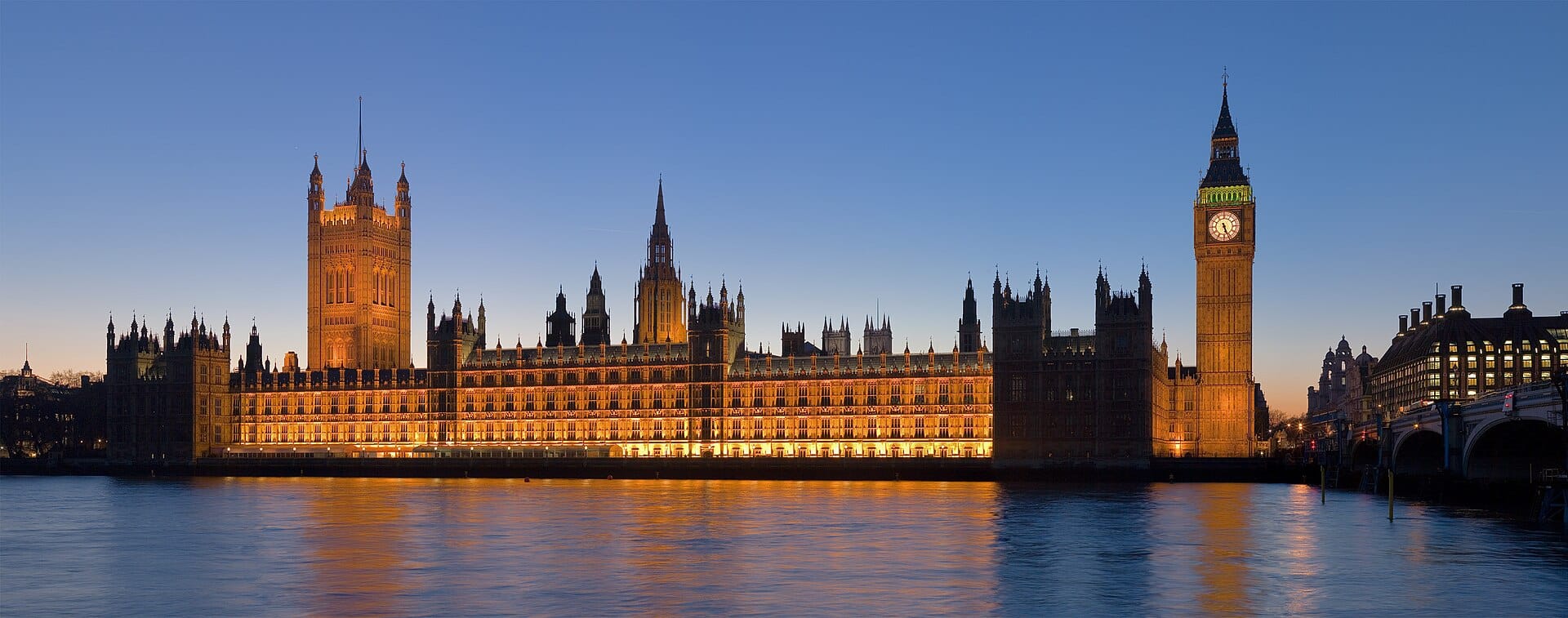
London
England · 75km away →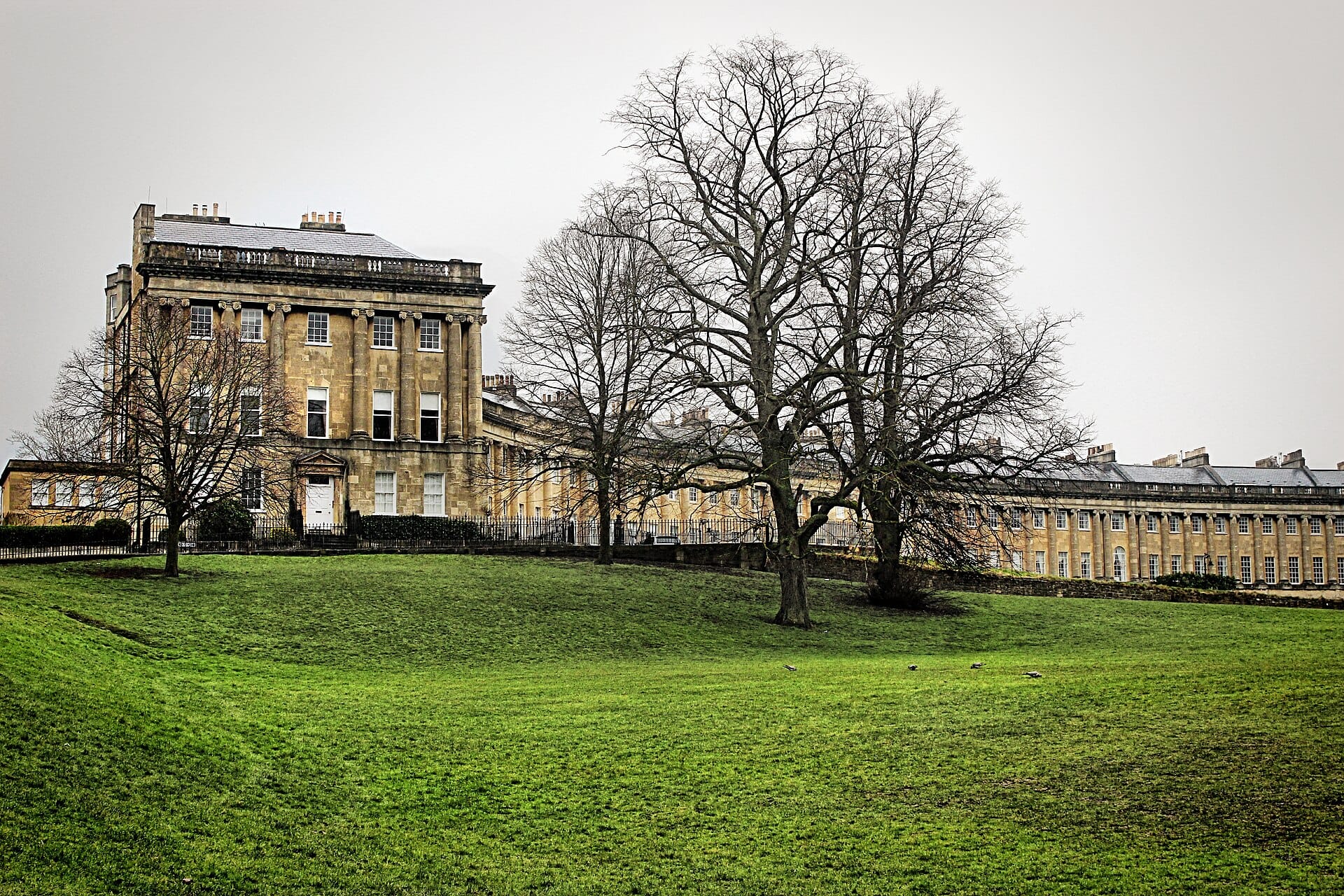
Bath
England · 160km away →
Glastonbury
Somerset, England · 177km away →
Normandy
France · 201km away →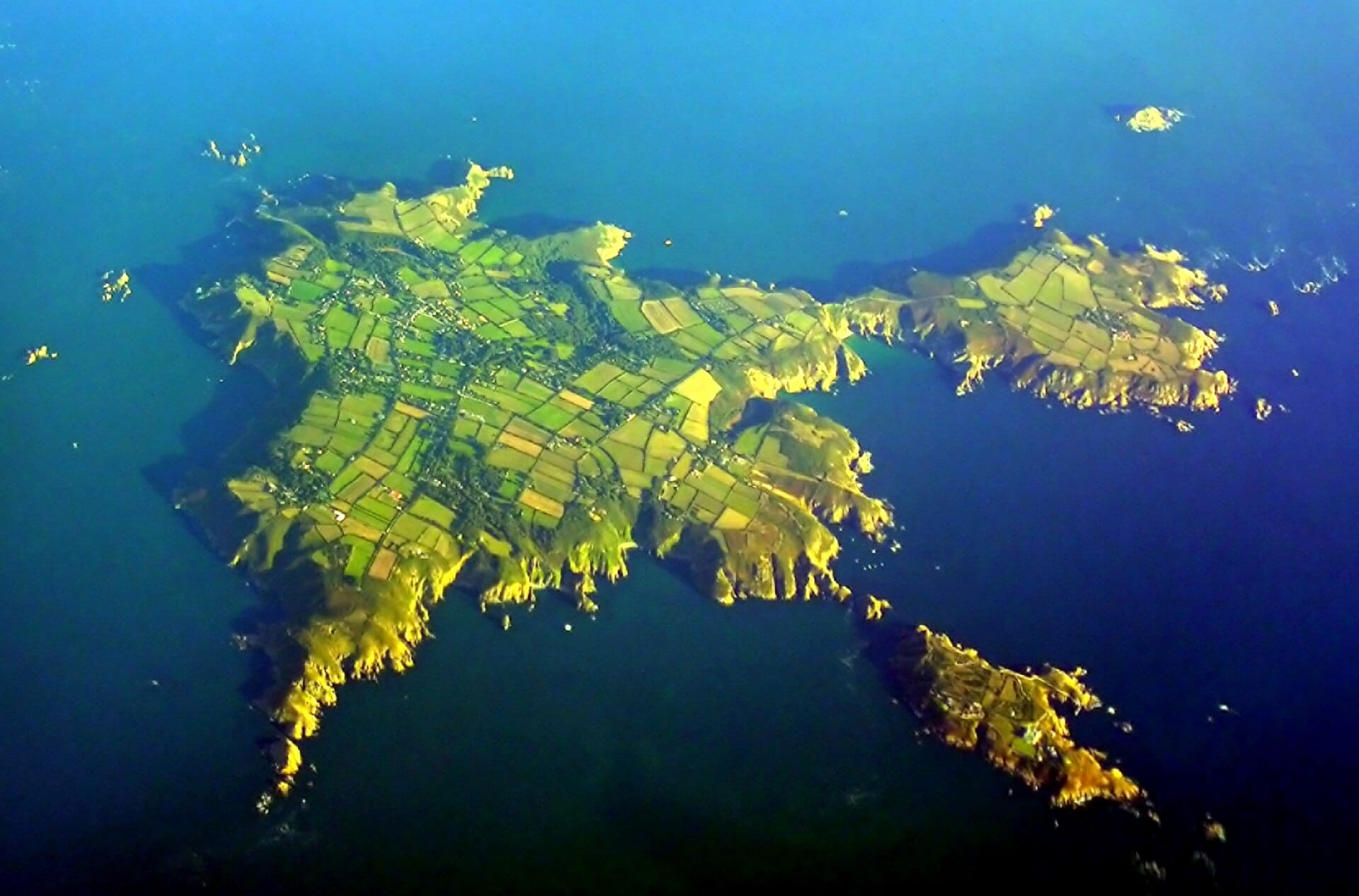
Sark
Channel Islands · 217km away →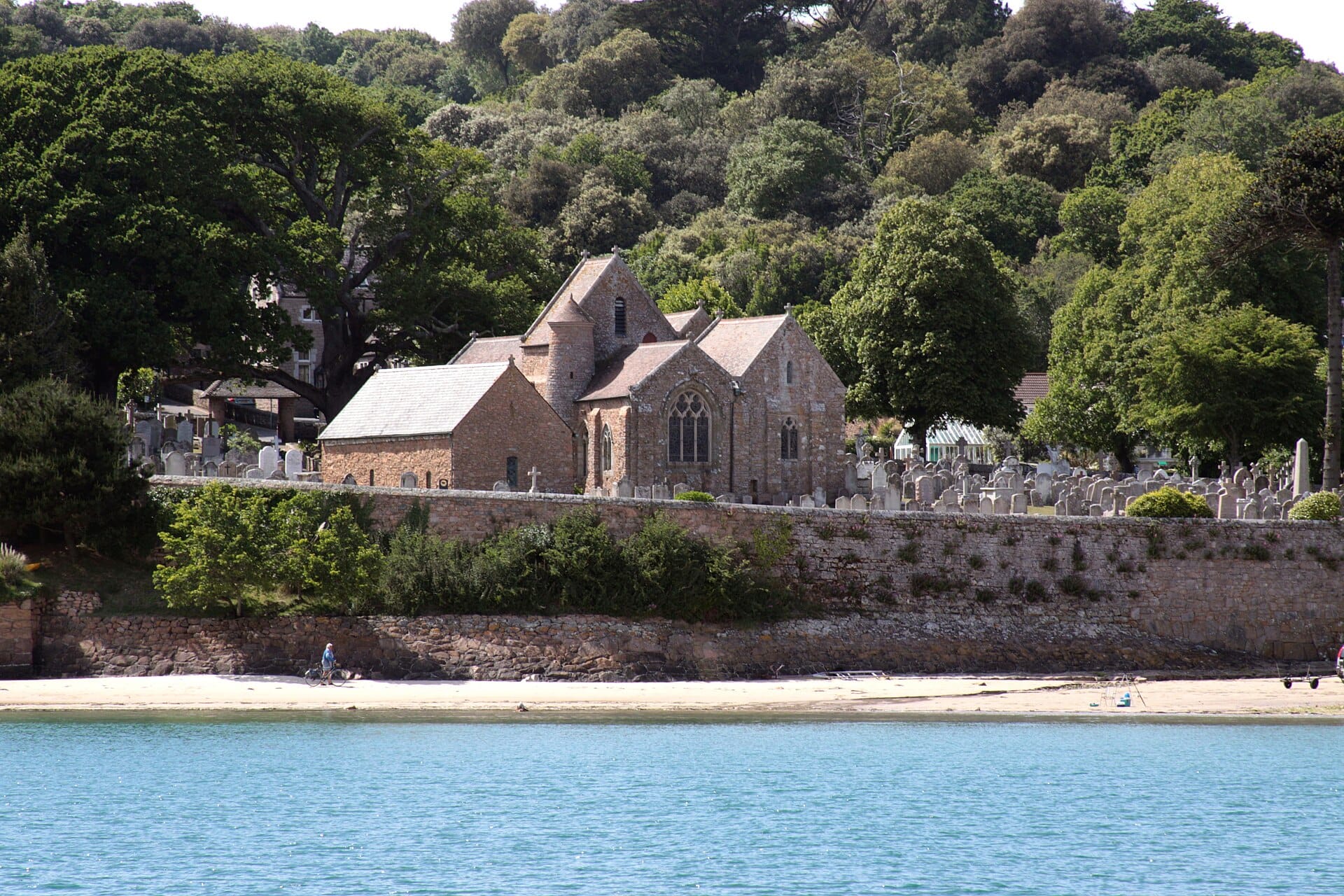
St Brelade's Bay
Jersey · 231km away →Elsewhere in England
Related articles

Quick answers
When is the best time to visit The Cotswolds?
Daytime highs run from about 8°C in January to 21°C in August. Wettest in October, with rain on about 16 days.
How long should I spend in The Cotswolds?
Our suggestion: a long weekend.
How do I get to The Cotswolds?
Around two hours by car from Gatwick (LGW) round the M25 and out on the M40 or A40. From London, trains to Moreton-in-Marsh or Kemble take about an hour and a half from Paddington.
Do I need a car in The Cotswolds?
Yes, a car makes a real difference here. There are useful trains to Moreton-in-Marsh, Kingham and Kemble, but rural buses are thin and a car makes the villages practical.
What currency and language are used in The Cotswolds?
Currency: Pound sterling (GBP). Language: English. Plugs: type G.
Who is The Cotswolds best for?
Best for families, couples and walkers & hikers. In a phrase: honey-stoned, hedged, gently prosperous.