
Cornwall
No flights, no passports, and rockpools that entertain small children for entire tides.
- Best forFamilies · Surfers · Walkers & hikers
- In October15°C · 18 rainy days
- Ideal stayA week
- Approx. flying time~10h 50m from Los Angeles
- CurrencyGBPPound sterling
- LanguageEnglish
- Local time10:32same time as the UK
- PlugsType GUK plugs fit
- Drive on theLeftSame as the UK
- Dialling code+44
Why go
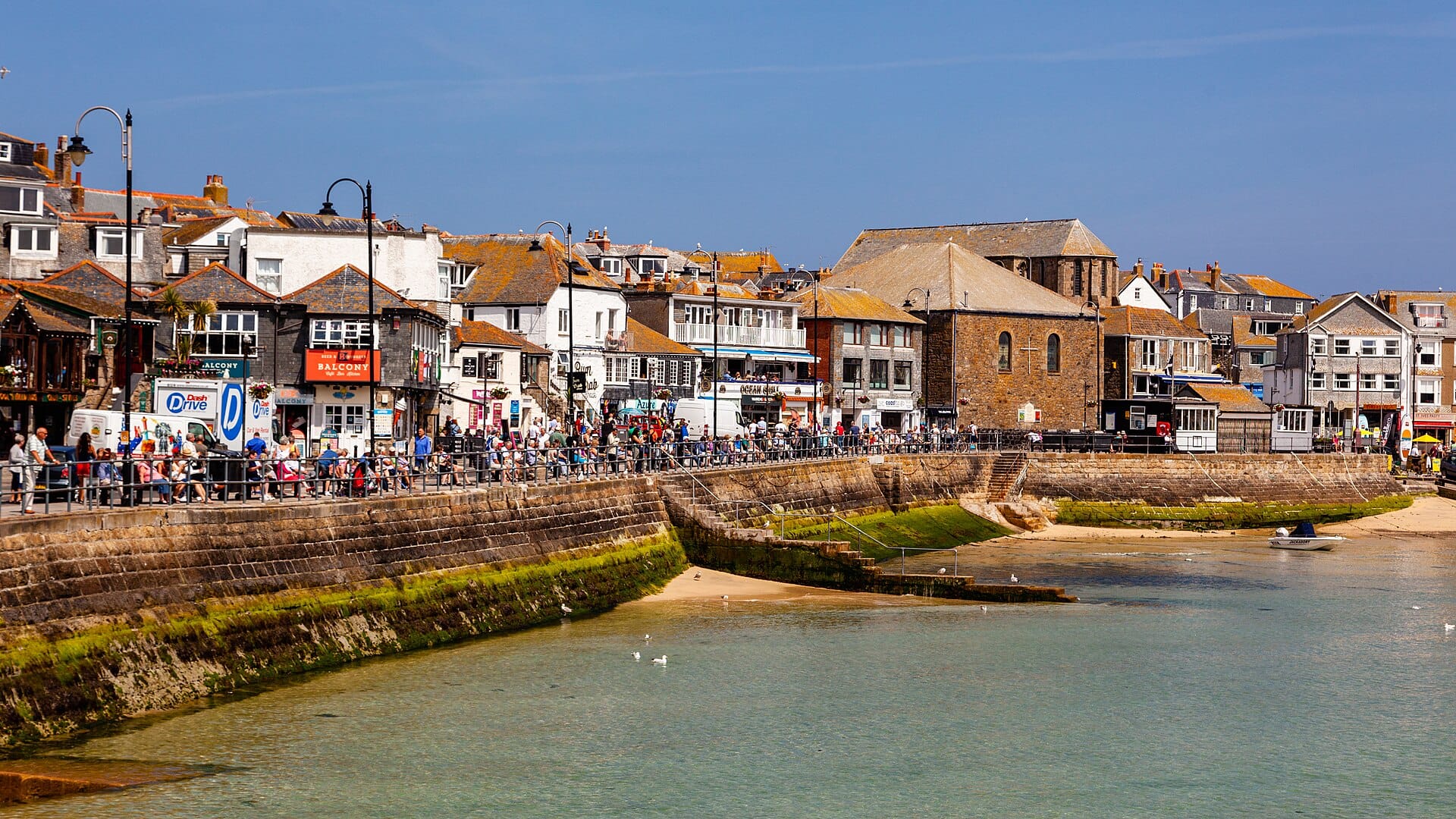
A long peninsula with two very different coasts: the north Atlantic side, all cliffs, surf and wide beaches, and the softer south with wooded creeks and sheltered harbours. Nowhere is more than about twenty miles from the sea. The light has drawn painters for well over a century, the food has improved beyond recognition, and the rockpooling, crabbing and body-boarding remain exactly as they were.
A week is the standard, based near St Ives, Padstow or the Roseland depending on whether you want surf, food or quiet. School holidays bring heavy traffic on the A30 and packed car parks, so late May, June and September are the smart choices. The weather is genuinely changeable, which is why the Eden Project and the coastal galleries exist. Do not underestimate the driving times; the roads are narrow and slow.
- Ideal stay
- A week
- The vibe
- Salt-blown, sandy, seaside nostalgia
From our guides
Cornwall earns its place with surf schools for teens at Polzeath and Fistral, the Eden Project for rainy days and crabbing off every harbour wall. Base near St Ives or Padstow for the best mix of beach and food. Take the body boards; buy the pasties; accept the occasional sideways shower.
Featured in Ten family holiday destinations in Europe, from toddlers to teens
Things to do
-
St Ives
A harbour town of steep alleys and four good beaches, with Tate St Ives above Porthmeor and the Barbara Hepworth sculpture garden in her old studio.
-
Minack Theatre
An open-air theatre cut into the cliff above Porthcurno, still staging summer seasons. The sea behind the stage tends to upstage the actors.
-
St Michael's Mount
A castle-topped tidal island off Marazion, reached on a cobbled causeway at low water and by boat when the tide is in. Check both timetables.
-
Lost Gardens of Heligan
Victorian pleasure grounds abandoned after the First World War and restored from the 1990s, with a productive kitchen garden and a subtropical jungle valley.
-
Kynance Cove
Serpentine rock stacks and white sand on the Lizard peninsula, with a steep walk down and a beach that shrinks to nothing at high tide.
-
The Camel Trail
A flat, traffic-free cycle route along a former railway between Padstow, Wadebridge and Bodmin, following the estuary for the best stretch.
Getting there
-
Fly to
Newquay (NQY)
Nearest airport to Cornwall, about 26km away as the crow flies.
-
Then
To St Ives
Newquay (NQY) is about 45 minutes by car from St Ives. Arriving by rail, change at St Erth for the short branch line into town.
-
On the ground
Getting around
A car is the practical way to move between beaches and harbour towns, though the St Ives branch line neatly sidesteps the parking problem.
Public transport: The mainline serves Truro, St Erth and Penzance with branch lines to St Ives and Falmouth, but buses to the smaller coves are slow and seasonal.
Flights
Los Angeles Cornwall, England
Fly from anywhere — search 4,000+ airports worldwide.
Roughly 10h 50m in the air from Los Angeles (LAX), estimated from the distance — check for a direct route. Pick a month to see every available flight with live prices.
Check dates and prices
Pick your departure date, then your return.
Search flightsNot sure when? Compare fares across a whole month.
Flight times are estimates; prices open on Google Flights.
When to go
Daytime highs run from about 8°C in January to 19°C in August. Driest January and April to August; wettest in October, with rain on about 18 days.
The year at a glance — pick a month for detail
October15° · rain 18 daysCool and often wet.
Monthly figures averaged from daily records for 2020–2024 at this location (ERA5 reanalysis). Live conditions from MET Norway, CC BY 4.0.
Where to stay
Self-catering cottages above all, plus B&Bs, surf-town hotels and a big campsite and holiday-park network. A handful of smart coastal hotels; few chains outside Newquay and Truro.
-
Best base overall
St Ives
Four beaches, the Tate, and a harbour town you can do without the car once you have parked it. The lanes are jammed in August and parking is a genuine ordeal.
Find stays in St Ives -
Best with children
Padstow
Rockpools, the Camel Trail for bike rides and a harbour built for crabbing lines. It is expensive, and the town gets very full at half term.
Find stays in Padstow -
Best value
Falmouth
A working harbour town on the calmer south coast with student-town prices and sheltered beaches. Less dramatic scenery than the north coast, and the surf is elsewhere.
Find stays in Falmouth -
Quietest
The Roseland peninsula
Portscatho and St Mawes sit down single-track lanes with small coves and little traffic. Almost nothing is open in the evening, and you drive for a supermarket.
Find stays in The Roseland peninsula
Worth knowing before you book: Cottages for the summer holidays are booked the previous autumn, most run Friday or Saturday changeovers, and August traffic on the A30 turns arrival day into a long one.
Our picks in this destination
Or search everything else in St Ives by budget. These are indicative budget bands in GBP per night for two people, not live quotes or guarantees of hotel type. Check your dates, guests, taxes and final price on Booking.com.
Good to know
- Tides
- Several of the best beaches and the causeway to St Michael's Mount disappear at high water. Check tide times each morning; they shift by roughly an hour a day.
- Driving
- Lanes are single track with passing places and the A30 backs up badly on summer Saturdays. Travel midweek and allow far longer than the map suggests.
- Book ahead
- Cottages, campsites and the well-known restaurants are reserved months in advance for school holidays. Beach car parks fill by ten in August.
- Sea safety
- Rip currents are common on the north coast. Swim between the red and yellow flags on lifeguarded beaches and get children used to checking first.
- Four seasons
- Sun, wind and horizontal drizzle can all arrive within an afternoon. Waterproofs and a jumper in August are not pessimism, just experience.
Similar places
Nearby destinations
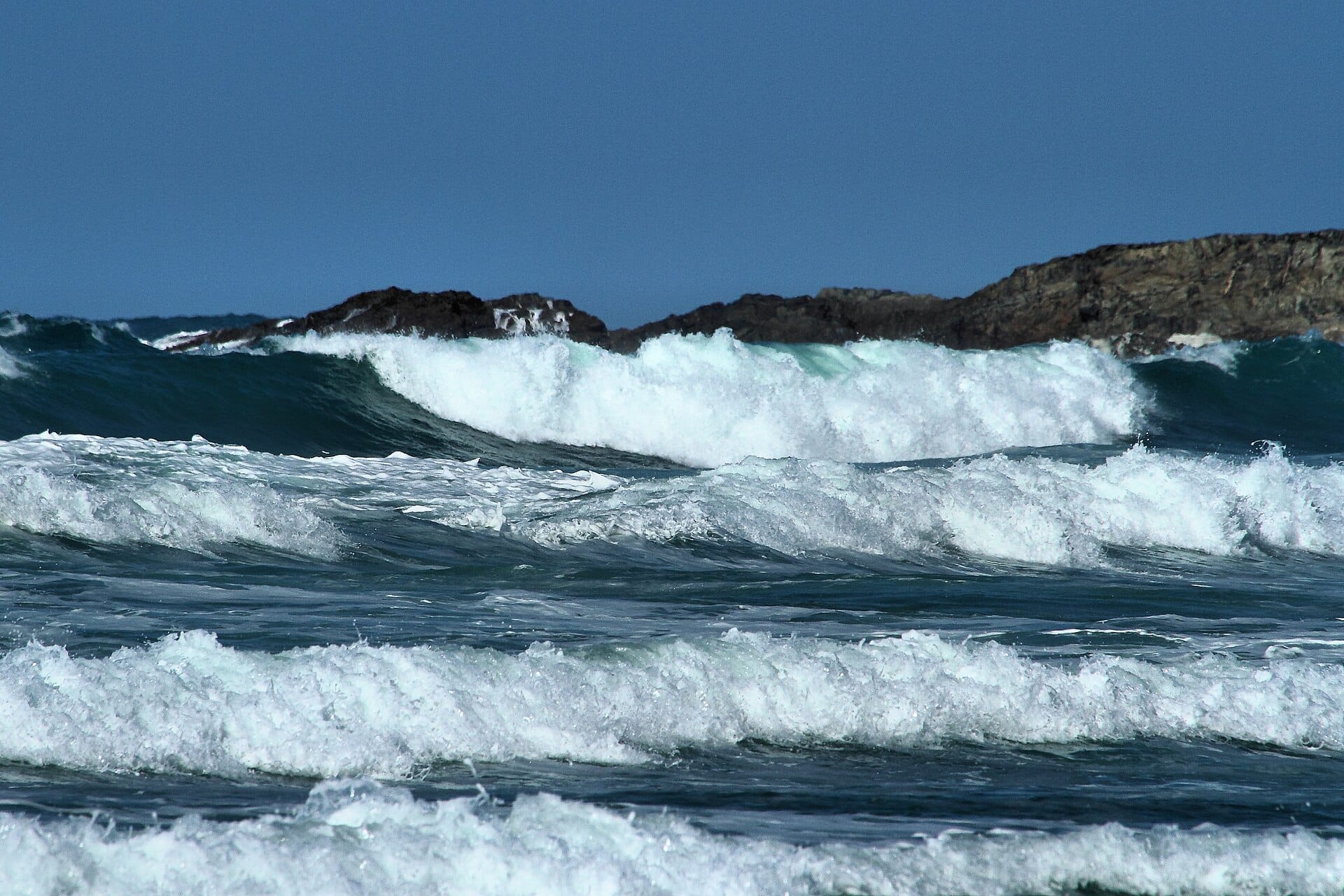
Fistral Beach
Newquay, England · 34km away →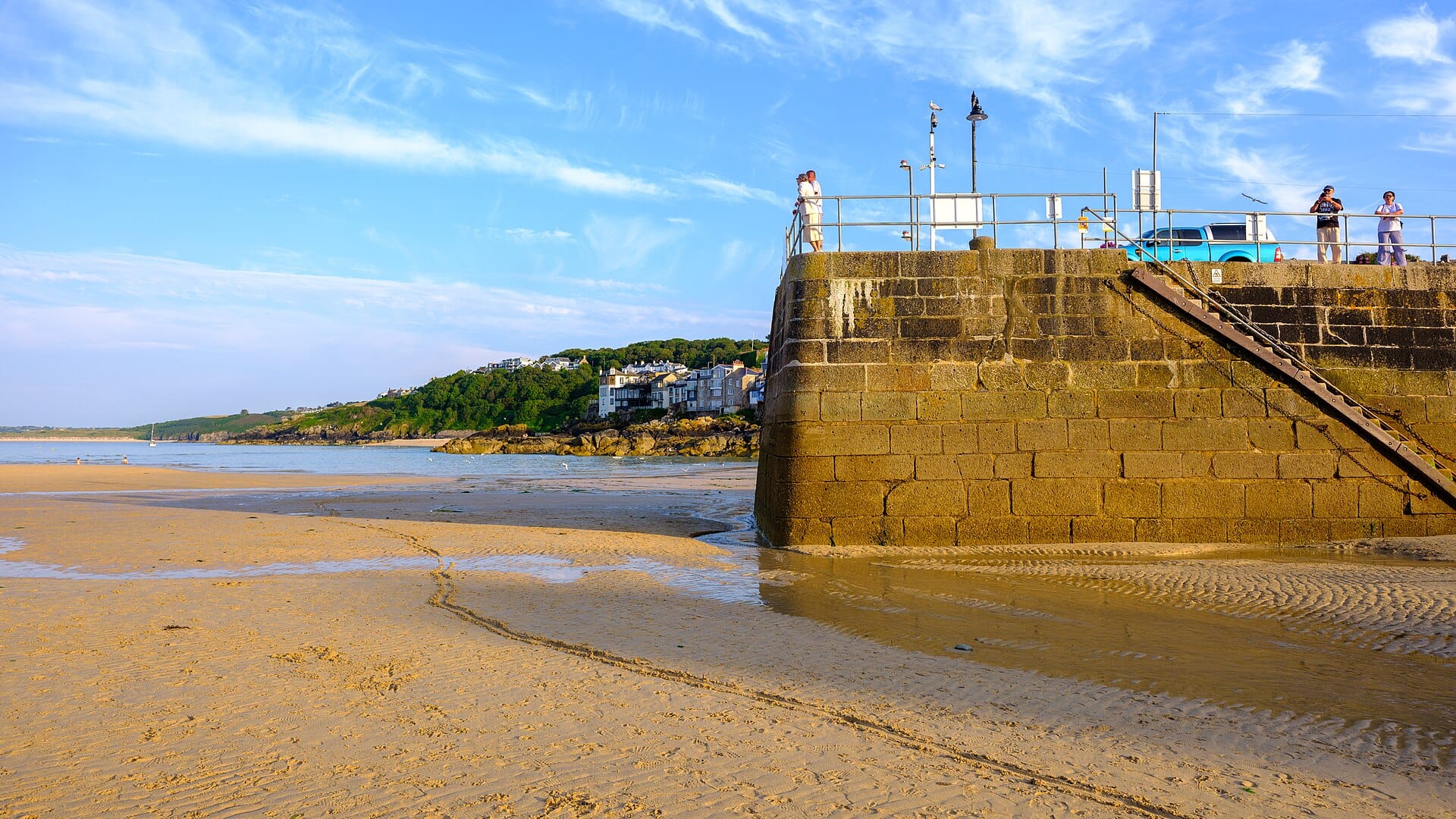
St Ives
Cornwall, England · 66km away →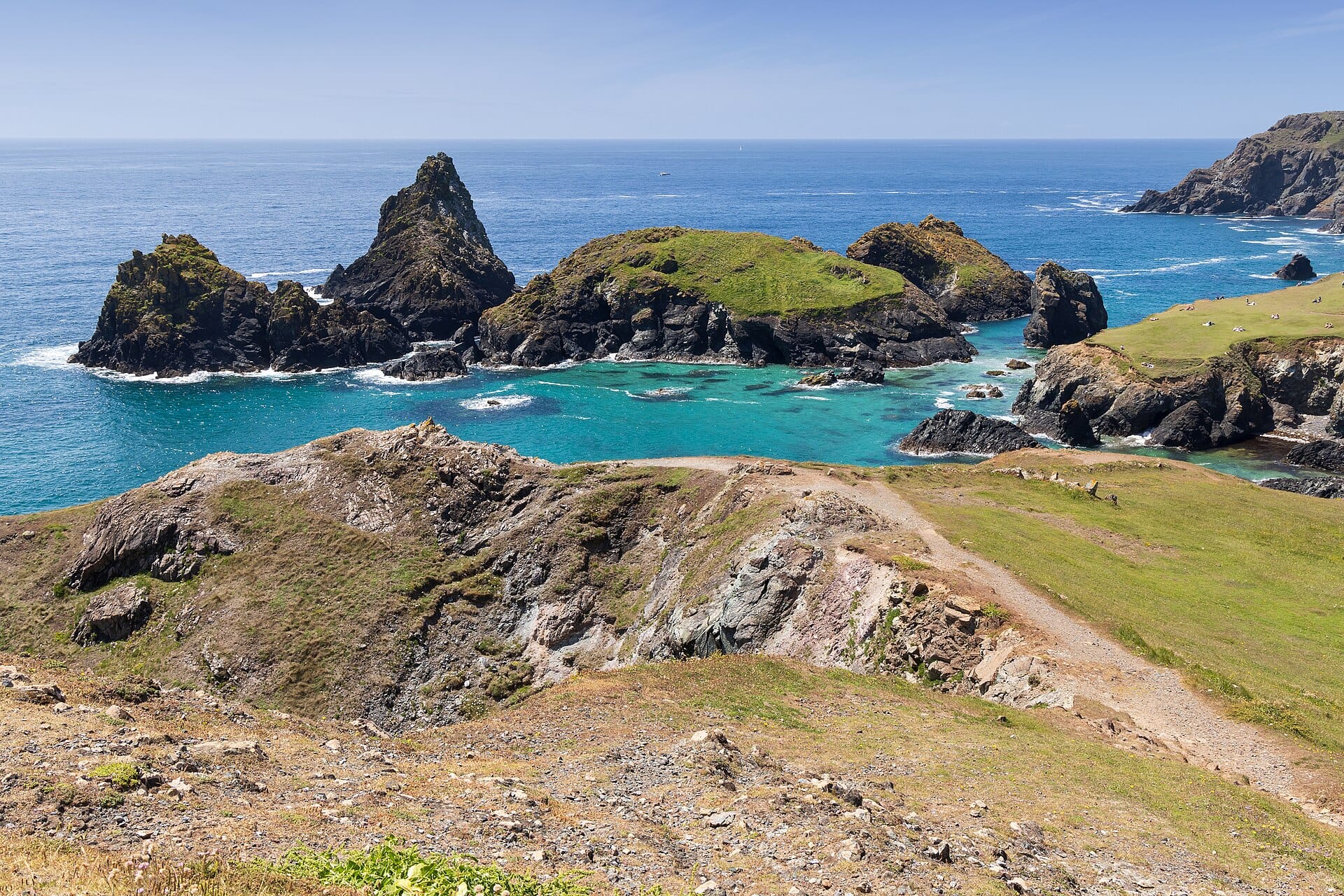
Kynance Cove
Cornwall, England · 67km away →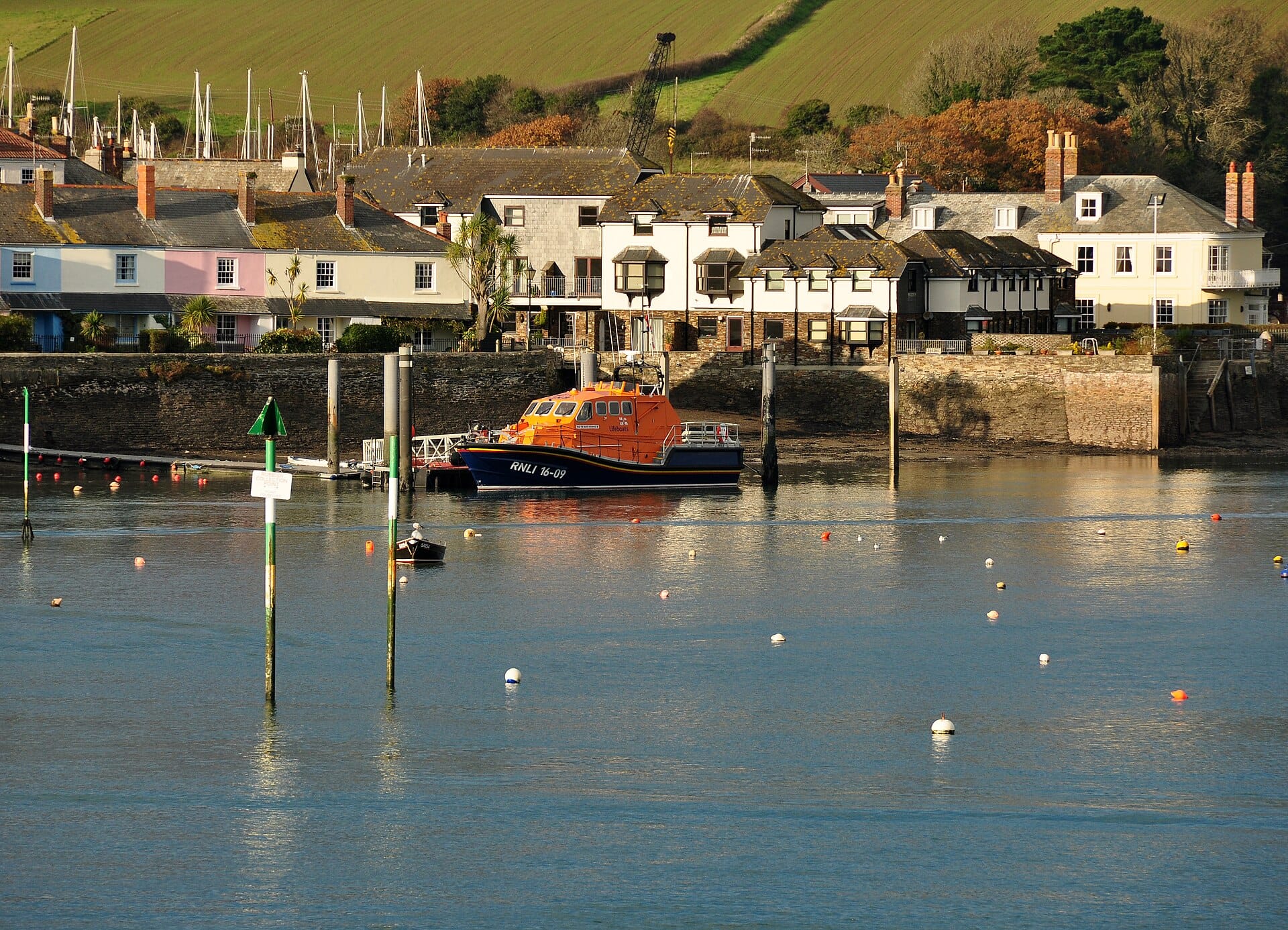
A working farm stay
Devon, England · 75km away →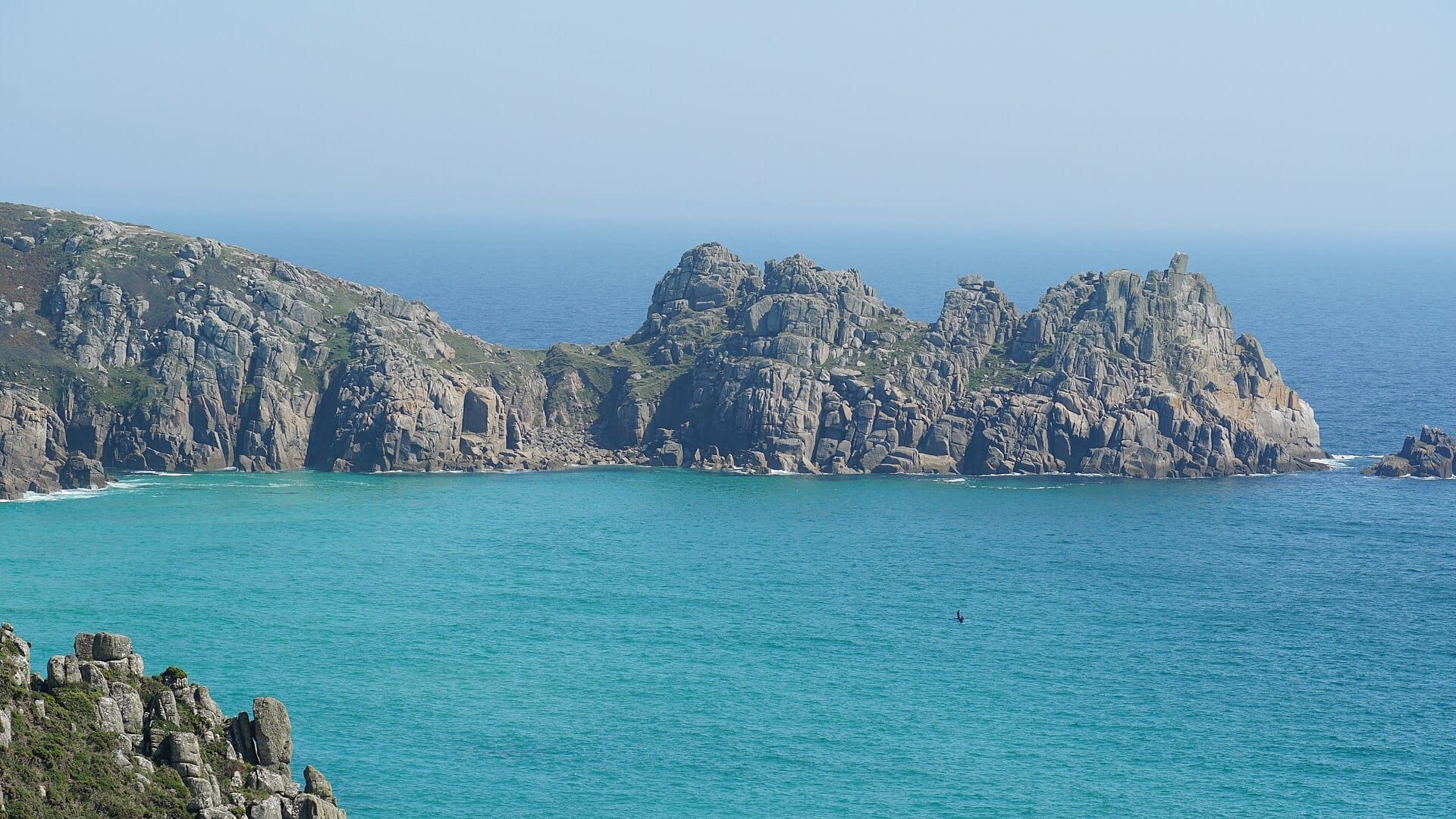
Porthcurno
Cornwall, England · 86km away →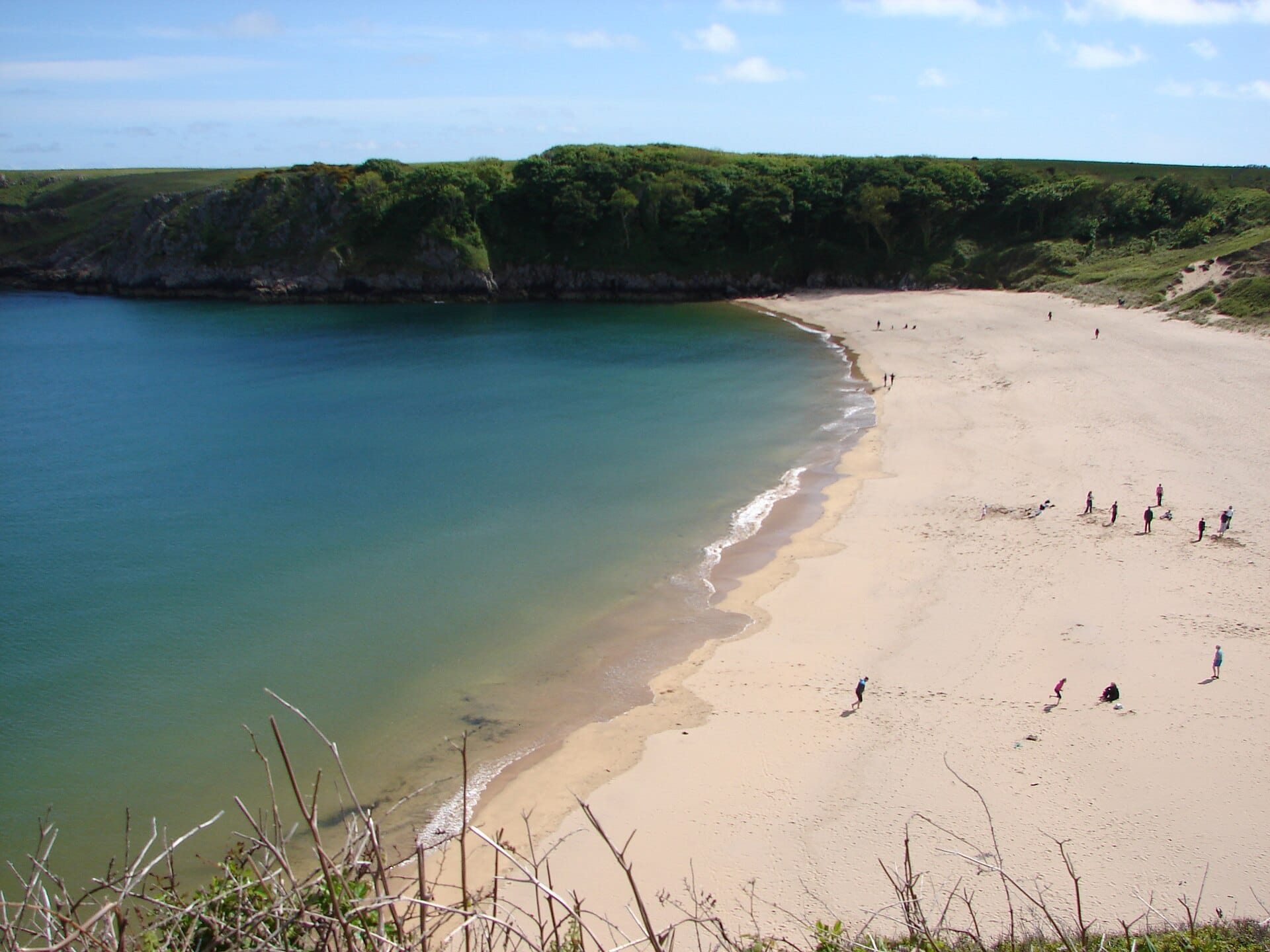
Barafundle Bay
Pembrokeshire, Wales · 132km away →Elsewhere in England
Related articles
Quick answers
When is the best time to visit Cornwall?
Daytime highs run from about 8°C in January to 19°C in August. Driest January and April to August; wettest in October, with rain on about 18 days.
How long should I spend in Cornwall?
Our suggestion: a week.
How do I get to Cornwall?
Newquay (NQY) is about 45 minutes by car from St Ives. Arriving by rail, change at St Erth for the short branch line into town.
Do I need a car in Cornwall?
Yes, a car makes a real difference here. The mainline serves Truro, St Erth and Penzance with branch lines to St Ives and Falmouth, but buses to the smaller coves are slow and seasonal.
What currency and language are used in Cornwall?
Currency: Pound sterling (GBP). Language: English. Plugs: type G.
Who is Cornwall best for?
Best for families, surfers and walkers & hikers. In a phrase: salt-blown, sandy, seaside nostalgia.