Seoul
- Best forNightlife · Foodies · Culture seekers
- In July29°C · 18 rainy days
- Ideal stay4–5 nights
- Est. flying timeChoose your city
- CurrencyKRWSouth Korean won
- LanguageKorean
- Local time07:339h ahead of the UK
- PlugsType C / FBring an adapter
- Drive on theRightOpposite to the UK
- Dialling code+82
Why go
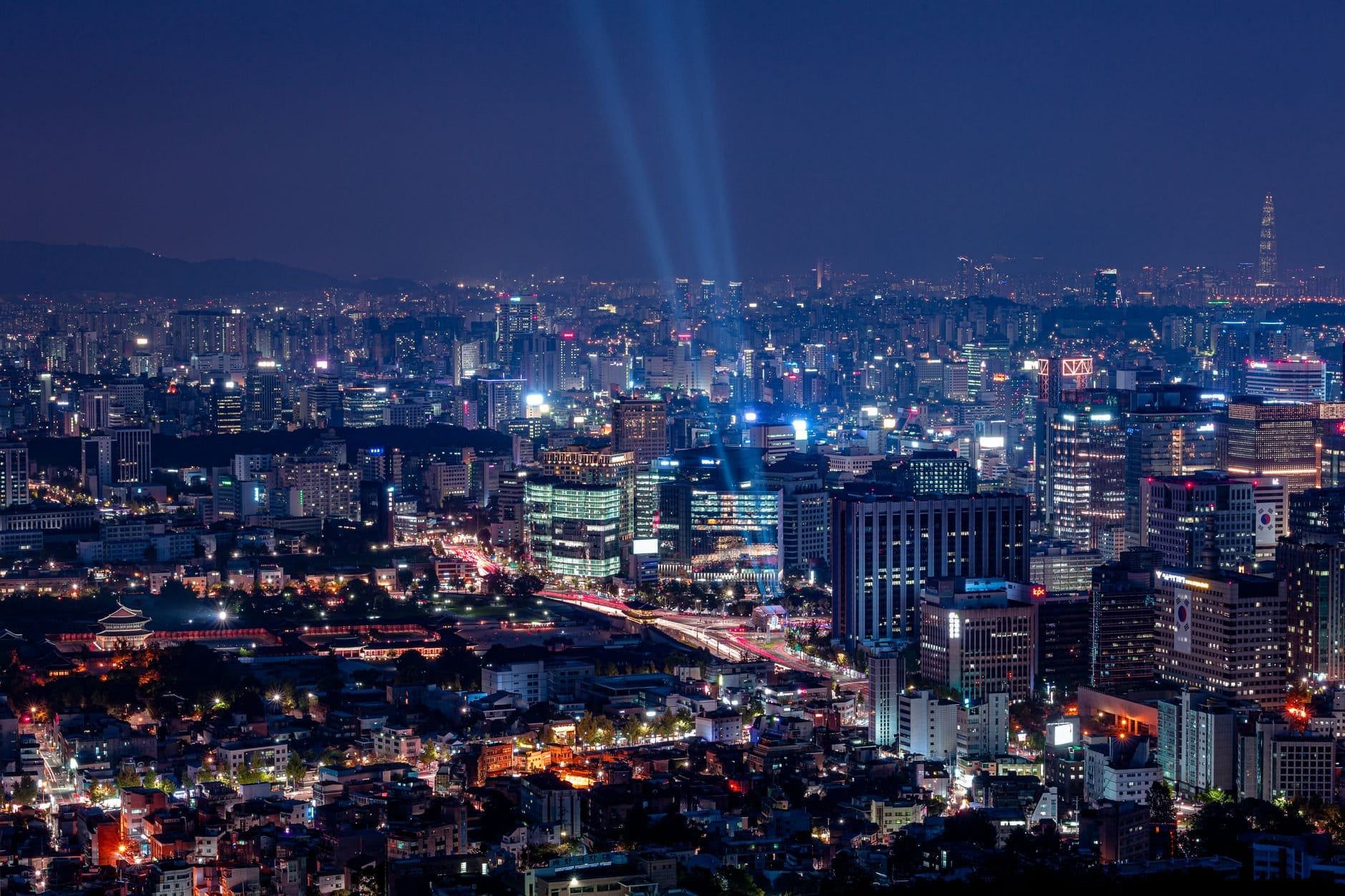
A city of nearly ten million wrapped around the Han river and hemmed in by granite mountains, Seoul stacks fifteenth-century palaces against glass towers with no apparent discomfort. It runs late: whole districts operate through the night, from barbecue restaurants and karaoke rooms to bathhouses and covered markets. Neighbourhoods have sharply distinct characters, from student-heavy Hongdae to the boutiques of Seongsu and the narrow alleys of Ikseon-dong.
Four or five nights covers the palaces, the markets and a couple of nights out, with room left for a hike on the city's edge. The metro is cheap, extensive and signed in English, so a car is pointless. Spring and autumn are mild and clear, summer is hot and wet, winter dry and genuinely cold. Anyone who wants an early night should choose their neighbourhood with care.
- Ideal stay
- 4–5 nights
- The vibe
- Late, layered, relentlessly awake
Featured in Ten cities for a holiday built around nightlife and Ten cities for night markets and evening food streets
Things to do in Seoul
-
Gyeongbokgung
The largest of the Joseon palaces, with a changing-of-the-guard ceremony and free entry for anyone wearing hanbok, which is rented nearby.
-
Gwangjang Market
A covered market whose aisles turn into communal dining after dark. Bindaetteok, the mung-bean pancakes, and knife-cut noodles are the order.
-
Bukchon Hanok Village
A hillside of traditional tiled-roof houses between two palaces, still residential. Signs ask visitors to keep the noise down in the lanes.
-
Noraebang
Private karaoke rooms, rented by the hour, are a fixture of any Korean night out. Every district has dozens of them.
-
Jimjilbang
Public bathhouses with hot pools, saunas and communal sleeping rooms, open all night and used by locals as much as by visitors.
-
Bukhansan
A granite national park at the northern edge of the city, reachable by metro and bus, with rocky summits and long ridge walks.
How to get to Seoul
-
Fly to
Seoul (ICN)
The best-connected airport for Seoul, about 48km away as the crow flies.
-
Then
To Seoul
Gimpo (GMP) is about 30 minutes from the centre on the airport railroad or subway lines 5 and 9, though most international flights land at Incheon, roughly an hour out by express train.
-
On the ground
Getting around
The subway is fast, cheap and signed in English, and one rechargeable transit card covers buses too. Hongdae, Itaewon and Gwangjang market are all a short ride from one another.
Public transport: Outstanding, though the subway shuts around midnight, after which night buses and cheap taxis take over.
Flights
Your airport Seoul, South Korea
Fly from anywhere — search 4,000+ airports worldwide.
Choose where you're flying from to see a rough flight time. Pick a month to see every available flight with live prices.
Check dates and prices
Pick your departure date, then your return.
Search flightsNot sure when? Compare fares across a whole month.
Flight times are estimates; prices open on Google Flights.
Best time to visit Seoul
Daytime highs run from about 3°C in January to 29°C in August. Driest December to March; wettest in July, with rain on about 18 days.
The year at a glance — pick a month for detail
July29° · rain 18 daysWarm and often wet.
Monthly figures averaged from daily records for 2020–2024 at this location (ERA5 reanalysis). Live conditions from MET Norway, CC BY 4.0.
Where to stay in Seoul
Everything from hanok guesthouses and love hotels to international towers in Gangnam, plus a huge supply of serviced studios. Rooms are compact by European standards.
-
Best base overall
Myeongdong
Central, on two subway lines and walkable to the palaces, with more hotel rooms than anywhere else in the city. The street-level shopping is relentless and loud, which is the price of the location.
Find stays in Myeongdong -
Best for nightlife
Hongdae
The student quarter where the clubs, live rooms and cheap barbecue run until dawn. Rooms are small and the noise carries, so ask for something off the main strip unless you plan to be out in it.
Find stays in Hongdae -
Closest to the sights
Bukchon and Insadong
Hanok guesthouses on the slope between Gyeongbokgung and Changdeokgung, so the palaces are a walk rather than a ride. Traditional rooms mean floor mattresses and thin walls.
Find stays in Bukchon and Insadong -
Best value
Seongsu
A former shoe-factory district turned café and concept-store neighbourhood east of the river, with newer small hotels at gentler rates. Twenty minutes on the subway from the centre.
Find stays in Seongsu
Worth knowing before you book: Cherry blossom in early April and the autumn leaves in late October sell out the centre, and prices in Myeongdong roughly double for both.
Search everything else in Seoul by budget. These are indicative budget bands in GBP per night for two people, not live quotes or guarantees of hotel type. Check your dates, guests, taxes and final price on Booking.com.
Good to know
- Transport card
- Buy a rechargeable transit card at any convenience store. It covers metro, buses and most taxis, and beats buying single tickets.
- Late nights
- The metro stops around midnight. Night buses run afterwards, and taxi apps are the usual fallback once the last train has gone.
- Drinking
- Soju and beer arrive with food rather than instead of it. Pouring for others rather than yourself is the basic table etiquette.
- Cash or card
- Cards work almost everywhere, including market stalls. Carry a small amount of cash for older restaurants and street food.
- Timing
- April to May and late September to November are the reliable months. July brings monsoon rain and heavy humidity.
Similar places
All of these also suit nightlife and foodies.