Ten cities for night markets and evening food streets
Explore night markets and evening food streets in ten cities, with advice on market days, ordering, payments and choosing a nearby base.
An evening food wander can be the main event of a city break. This list includes formal night markets as well as food streets and districts such as Osaka’s Dōtonbori, so opening patterns differ. Pick a few dishes, check prices before ordering and keep room for another stop. Busy stalls are useful clues, but queues are not a guarantee of hygiene; choose food that is prepared and stored with care.
1. Bangkok, Thailand
Explore destination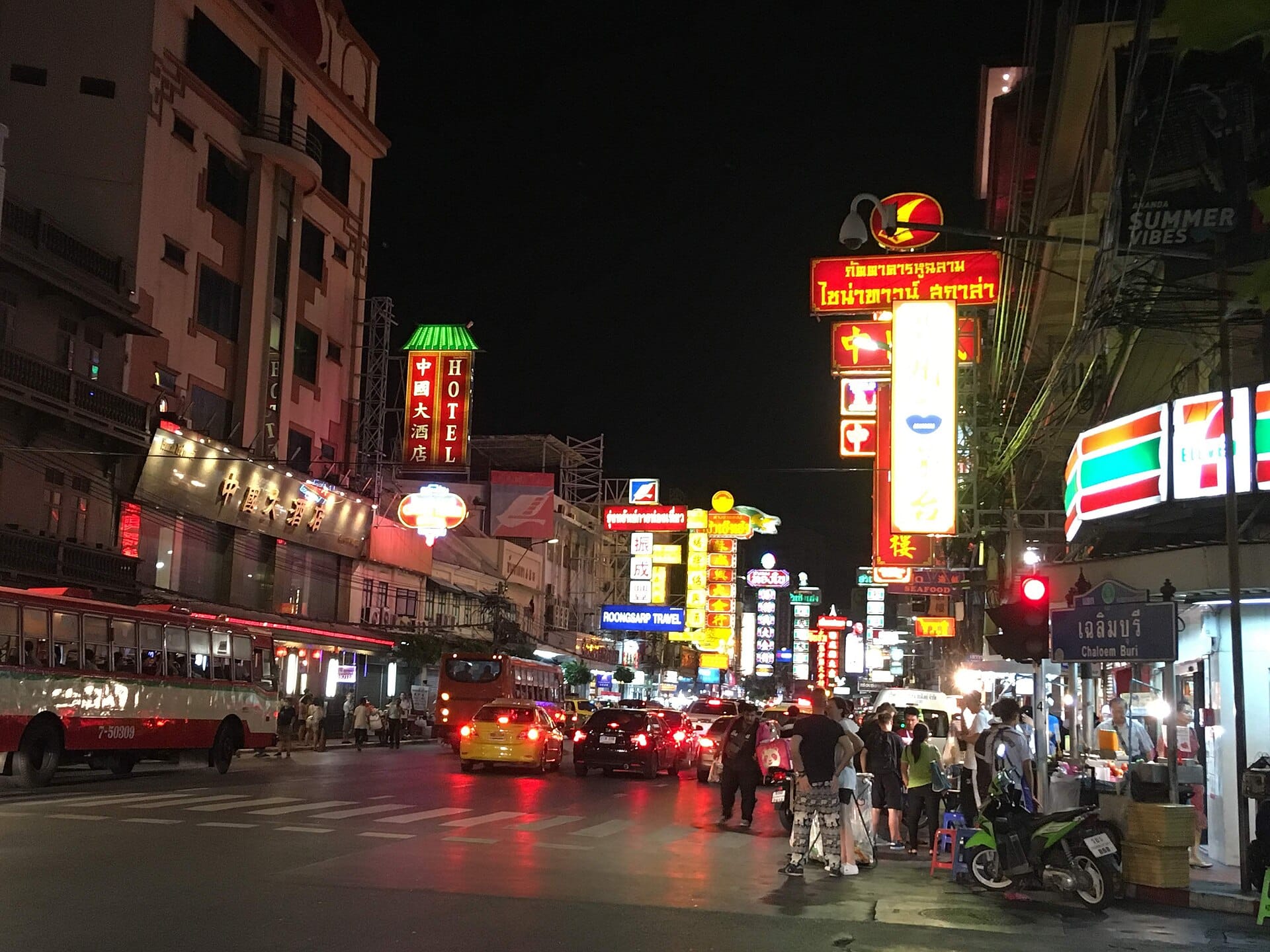
Yaowarat Road in Chinatown is Bangkok's after-dark banquet: a neon canyon of woks and charcoal grills serving oyster omelettes, bird's-nest soup and Michelin-listed street stalls where the queue is the menu recommendation. Many vendors take Mondays off, so go any other night, ideally around 8pm when everything is lit and roaring. Work the sois off the main drag for the quieter gems, and save room for mango sticky rice at the end.
2. Taipei, Taiwan
Explore destination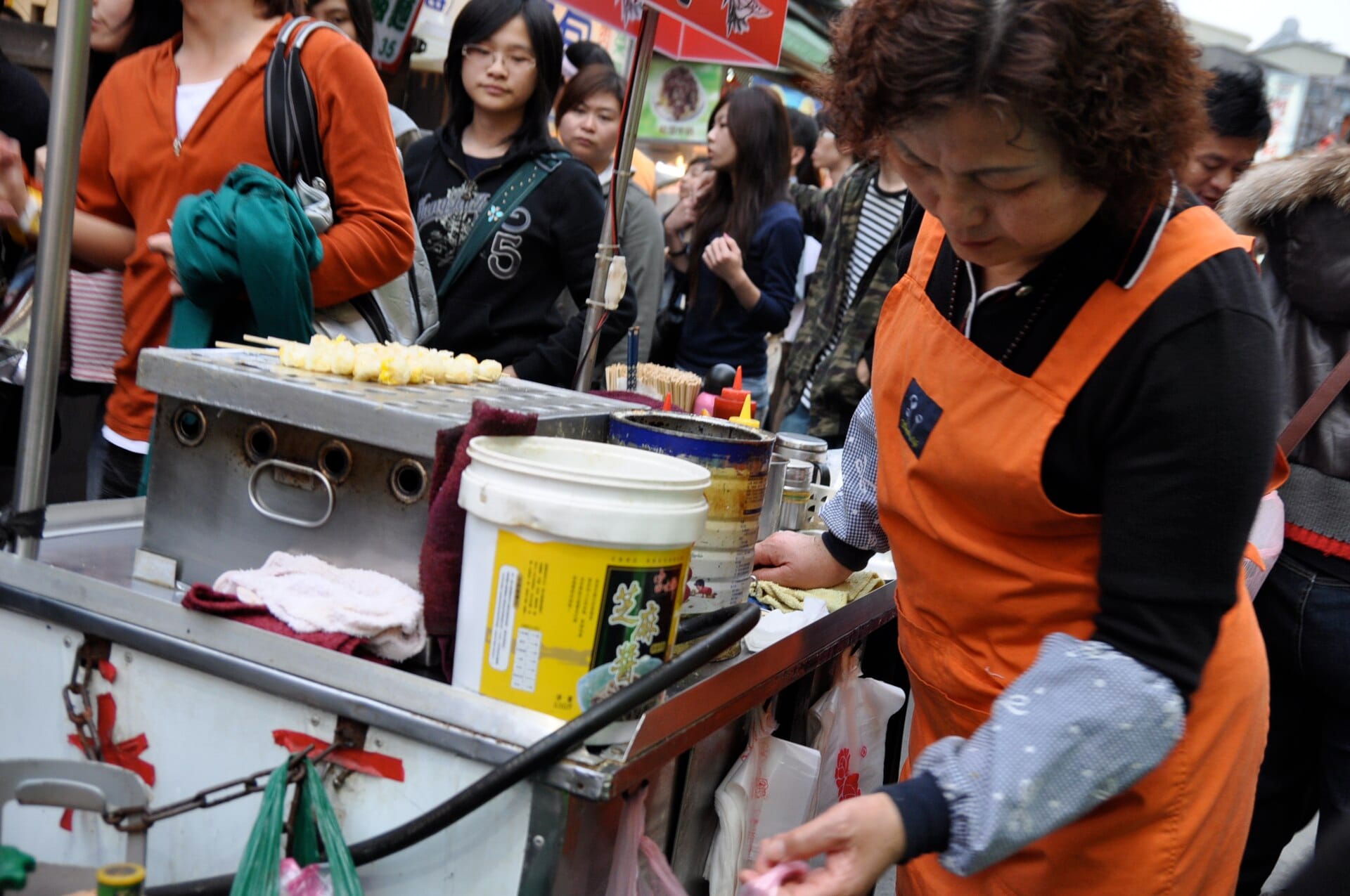
Taipei’s night markets offer a choice of neighbourhoods and specialities rather than one essential circuit. Shilin is large and lively, while Ningxia and Raohe make different-sized evenings. Look at what is being cooked, check the price and portion, and share a few dishes if you want variety. Follow the current layout and opening hours rather than an old map of food-court entrances. Carry a payment option that the individual stall accepts.
3. Marrakech, Morocco
Explore destination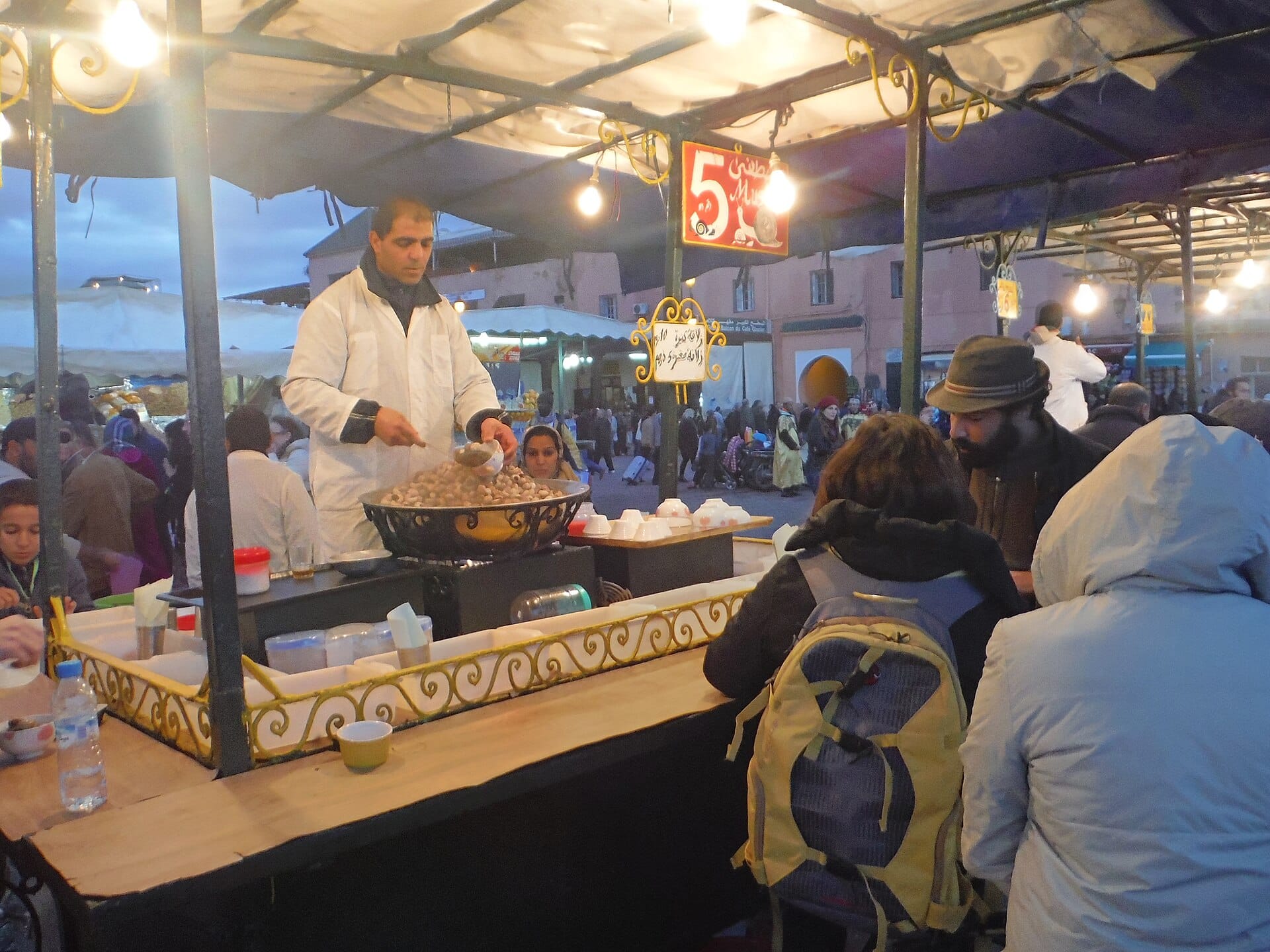
At dusk, Jemaa el-Fnaa square transforms from souk approach to open-air circus: rows of numbered food stalls fire up under lantern smoke, ringed by storytellers, musicians and snail-broth sellers. Take the aerial view first from a rooftop café terrace with a mint tea, then descend into it. Choose stalls where Moroccan families are eating, agree prices before anything lands on the table, and ignore anyone steering you 'to their cousin's'.
4. Osaka, Japan
Explore destination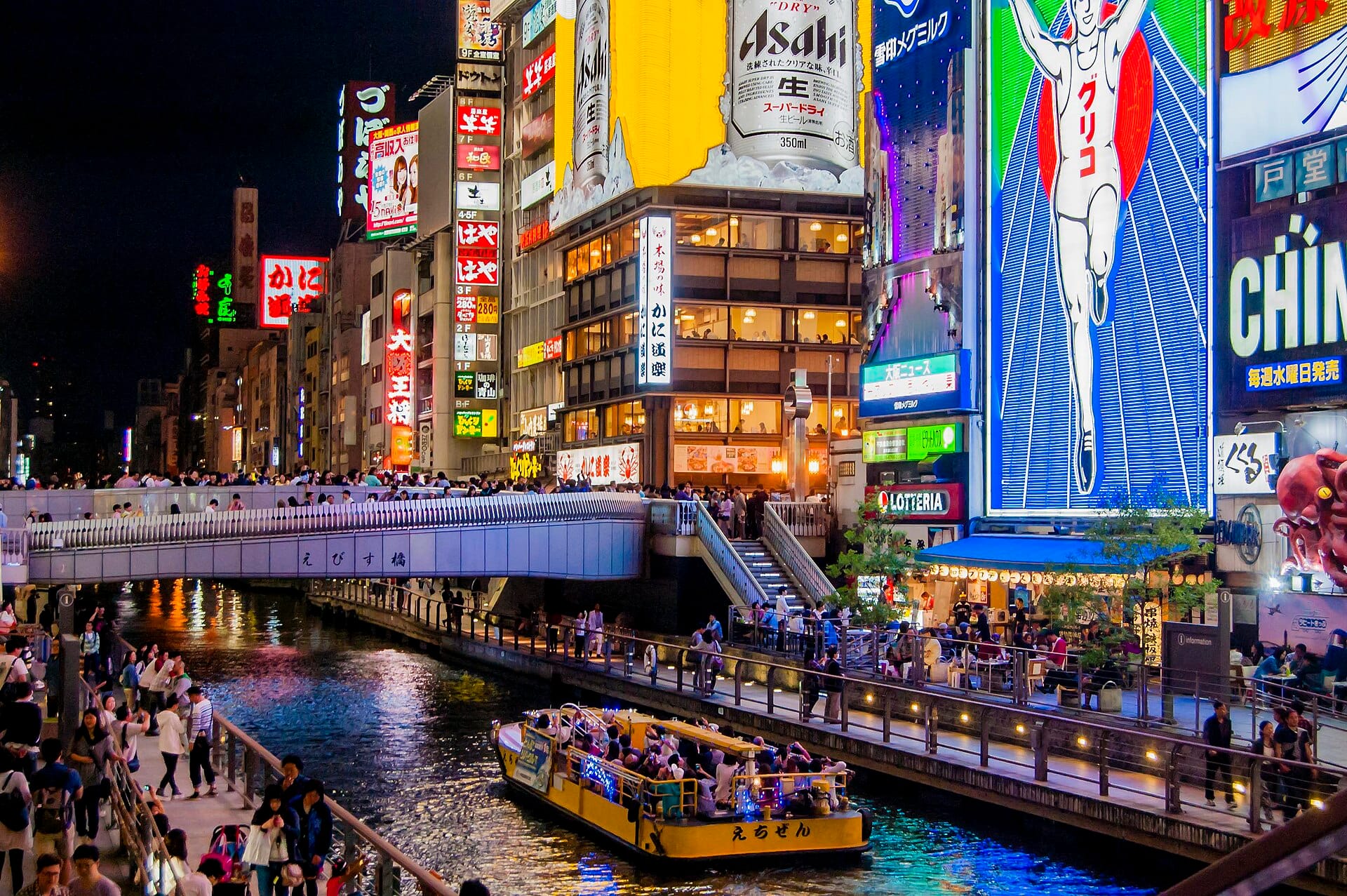
Dōtonbori is a neon-lit entertainment and restaurant district rather than a formal night market, with takoyaki, okonomiyaki and kushikatsu among the familiar choices. For kushikatsu, follow the restaurant’s sauce rules and never double-dip into a shared container. Smaller lanes around Hozenji offer a change of pace, but popular restaurants may still need a wait or reservation. Check the menu and any cover charge before settling in.
5. Hanoi, Vietnam
Explore destination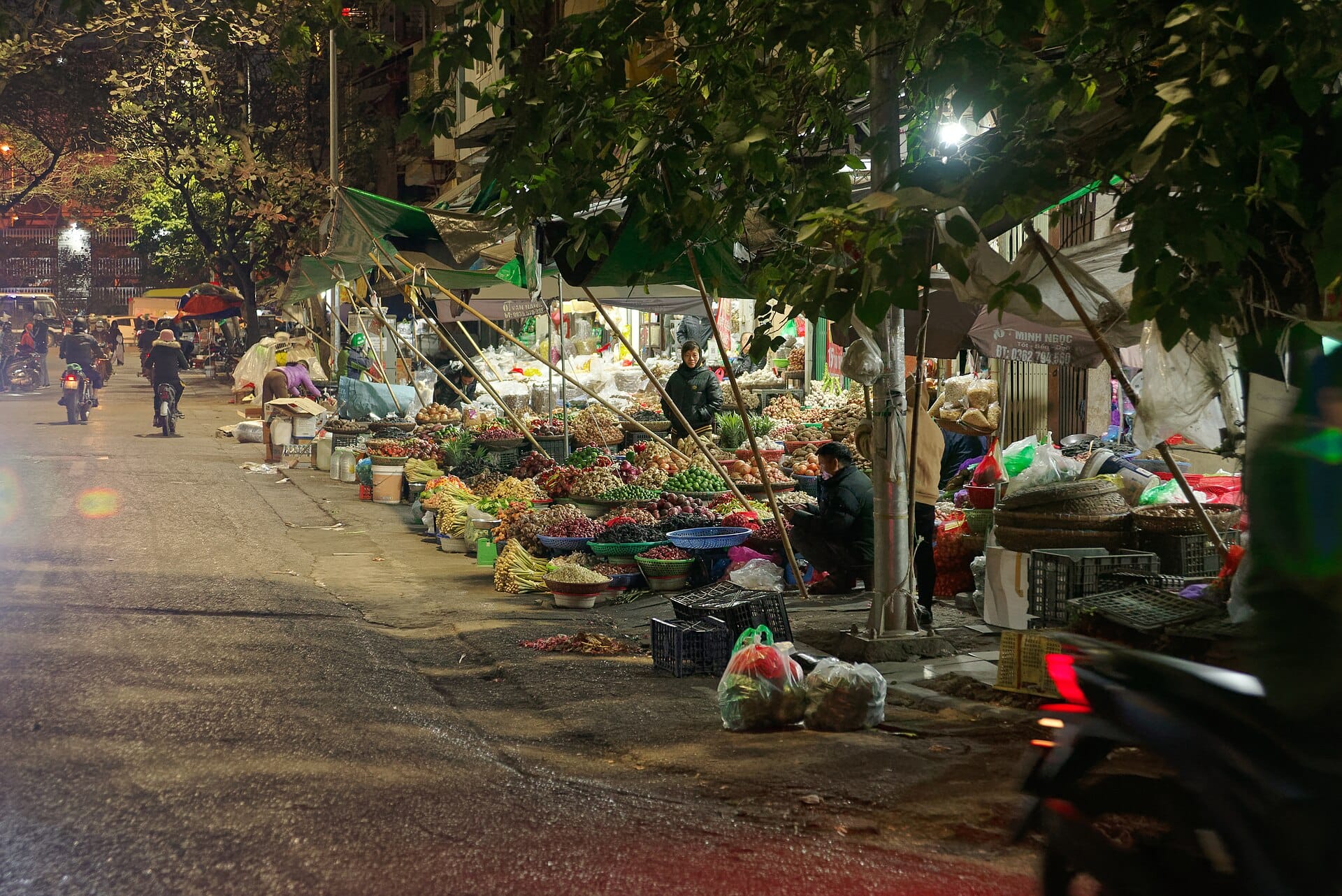
From Friday to Sunday the Old Quarter closes to traffic and becomes one long night market flowing towards Hoan Kiem Lake — but honestly, Hanoi does this informally every evening. The essential coordinates are Ta Hien street, where fresh bia hoi lager costs pennies and everyone sits on child-sized plastic stools, and the grilled-fish and pho stalls in the surrounding lanes. Note the official midnight-ish wind-down: Hanoi parties early and hard.
6. Palermo, Sicily
Explore destination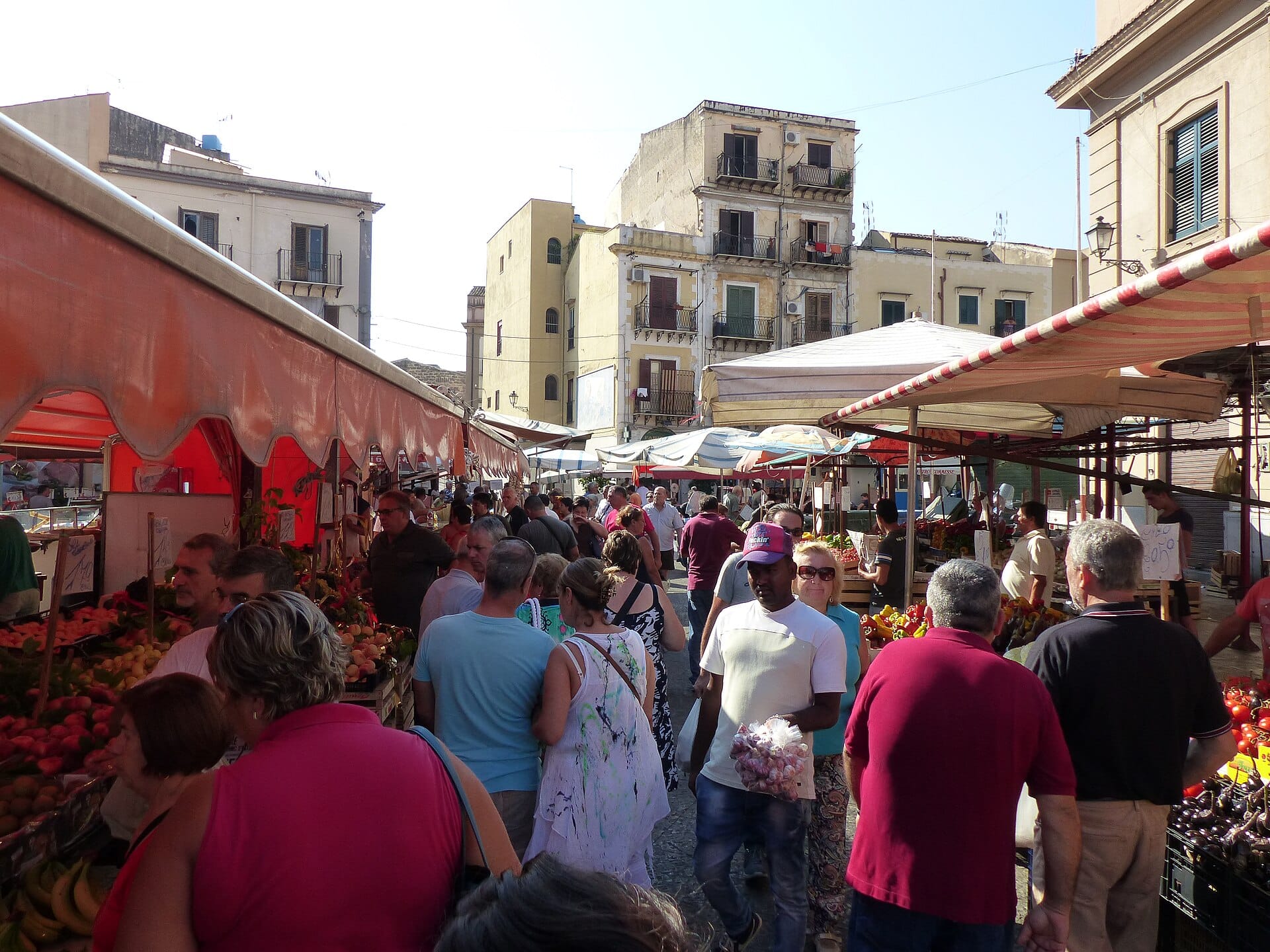
By day Palermo's ancient markets sell fish; by night the Vucciria becomes an open-air gathering where the counters turn to bars and grills appear on the cobbles, though city ordinances now limit late-night drinking and opening hours here. Order stigghiola or a pani ca meusa (spleen sandwich — commit), and go early for a glass at Taverna Azzurra, which now closes at about 10pm rather than running late into the night. Thursday to Saturday has the fullest crowds; Ballarò offers the scruffier, more local rehearsal earlier in the evening.
7. Hong Kong
Explore destination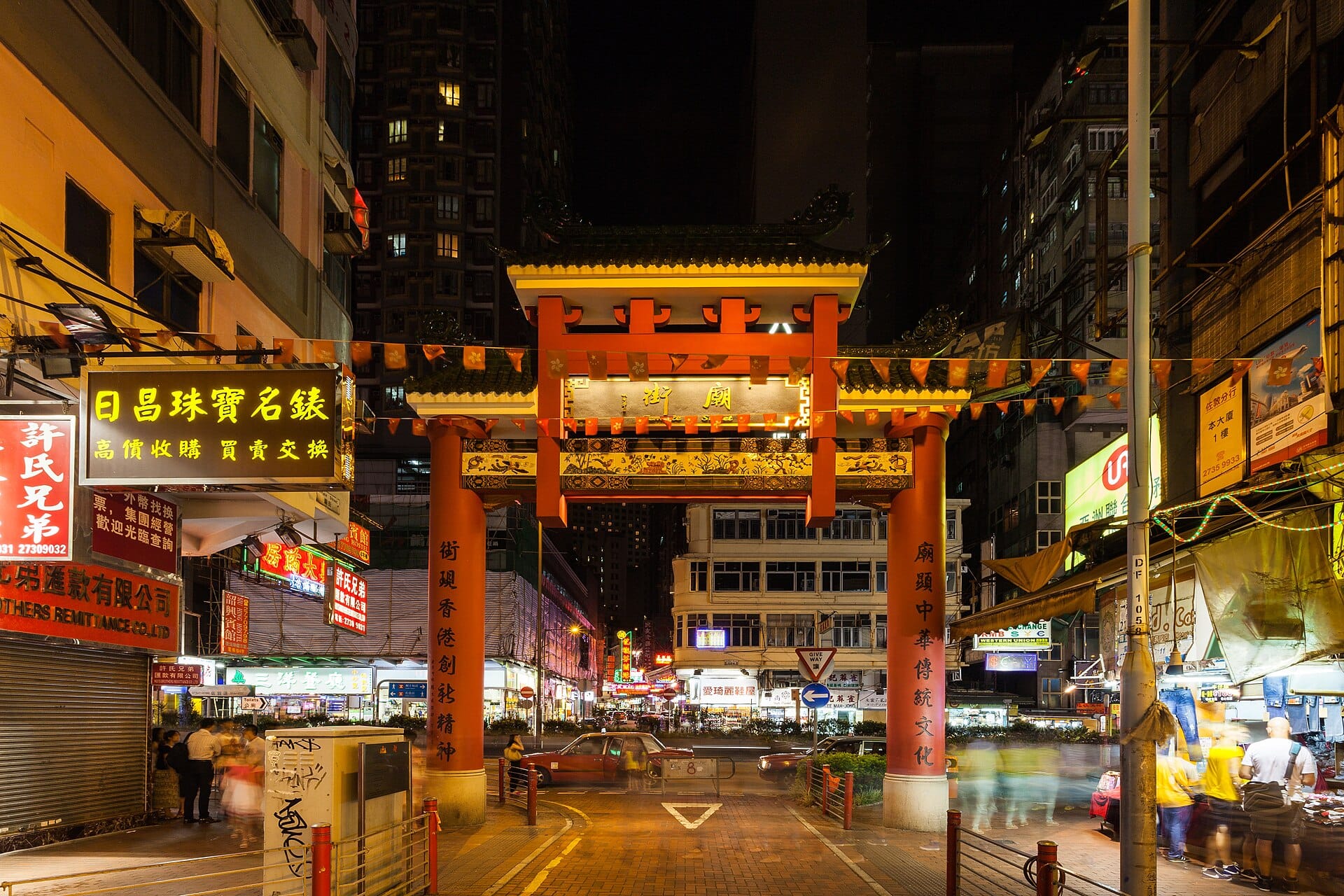
Temple Street is the last of Hong Kong's great open-air night markets and still the full theatre: fortune tellers, Cantonese opera singers, trinket stalls and dai pai dong kitchens dishing out clay-pot rice and chilli crab under strings of bare bulbs. Arrive around 9pm when the opera corner warms up, and eat at the open-air tables on Woosung Street — point at a neighbour's clay pot and order that. Haggling at the stalls is expected; start at half.
8. Kuala Lumpur, Malaysia
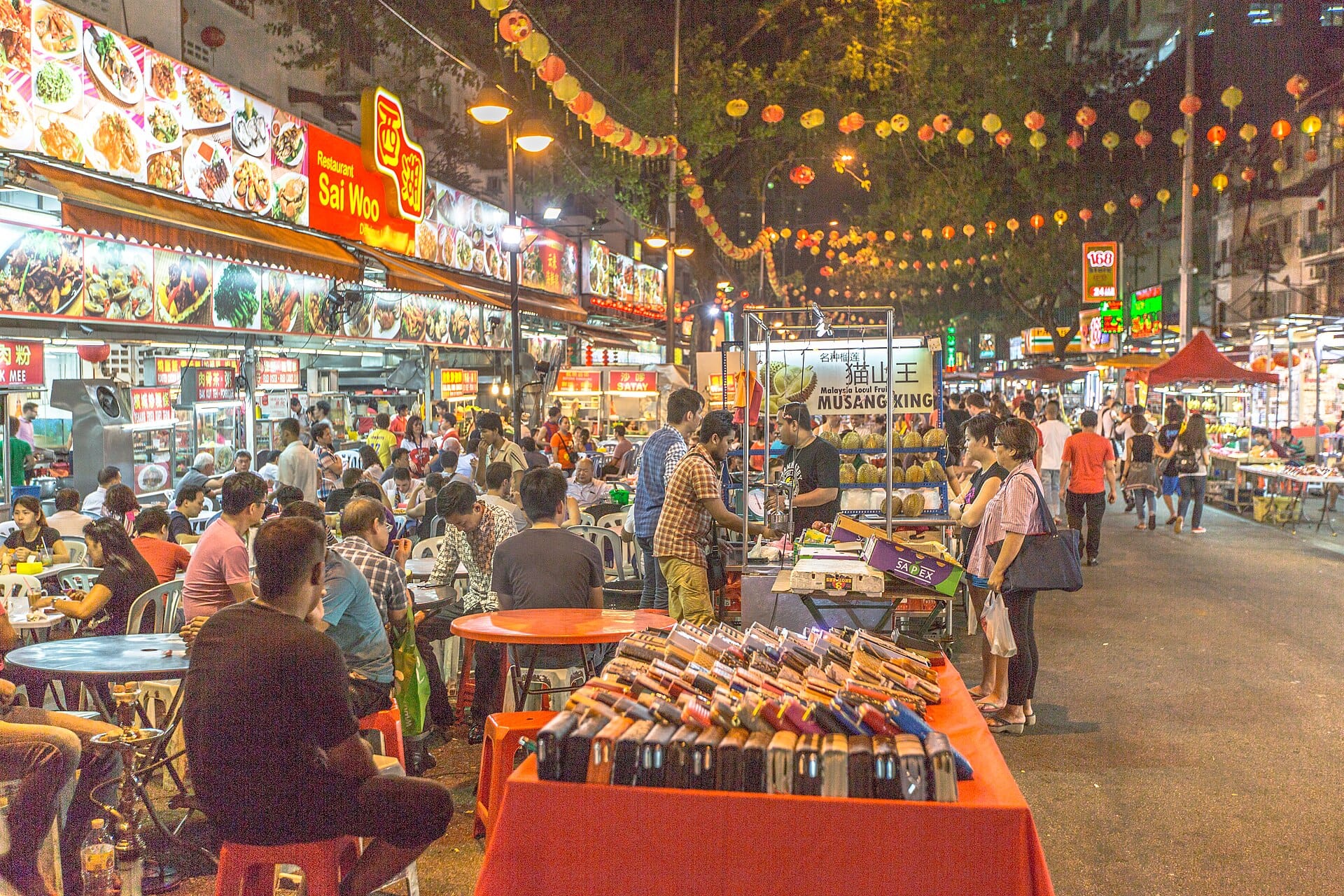
Explore destinationJalan Alor is one long, lantern-lit argument for eating dinner on a plastic stool: a former red-light street now wall-to-wall with Chinese-Malay grills, satay smoke and defiantly pungent durian stands, minutes from Bukit Bintang's glossy malls. Order the char kway teow and the grilled chicken wings at Wong Ah Wah, open until roughly 4am, and drink fresh sugarcane juice against the chilli. It runs nightly, rain or monsoon; the awnings and the woks simply carry on.
9. Xi'an, China
Explore destination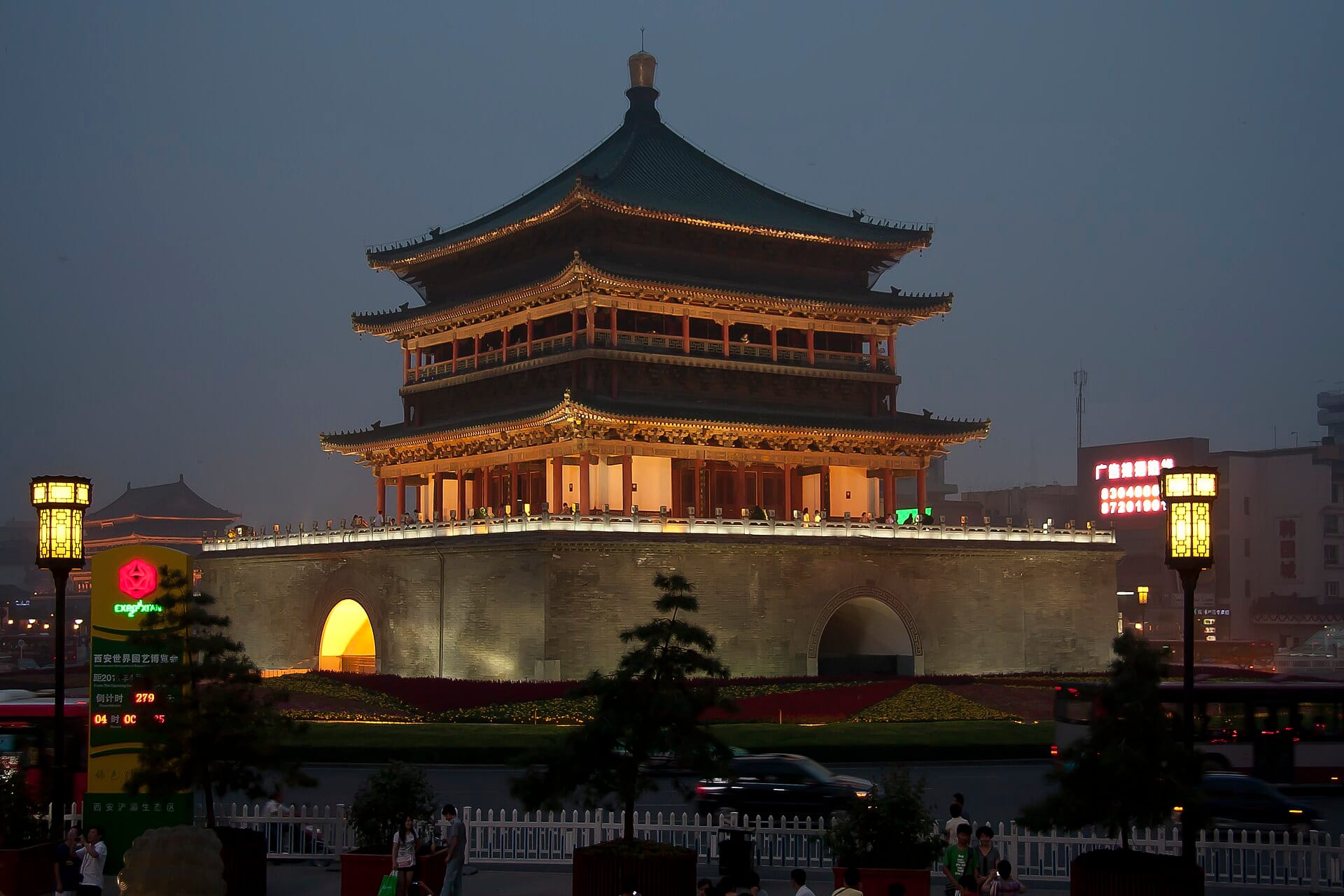
Xi’an’s Muslim Quarter is a lively area for an evening food walk, with noodles, bread and grilled dishes among the choices. Respect the neighbourhood’s food traditions and check ingredients when needed. Payment arrangements vary: set up a supported mobile wallet before travel if you plan to use one, and carry a practical backup rather than assuming either cards or cash will work everywhere. Choose a few stalls and leave time to wander away from the busiest stretch.
10. Seoul, South Korea
Explore destination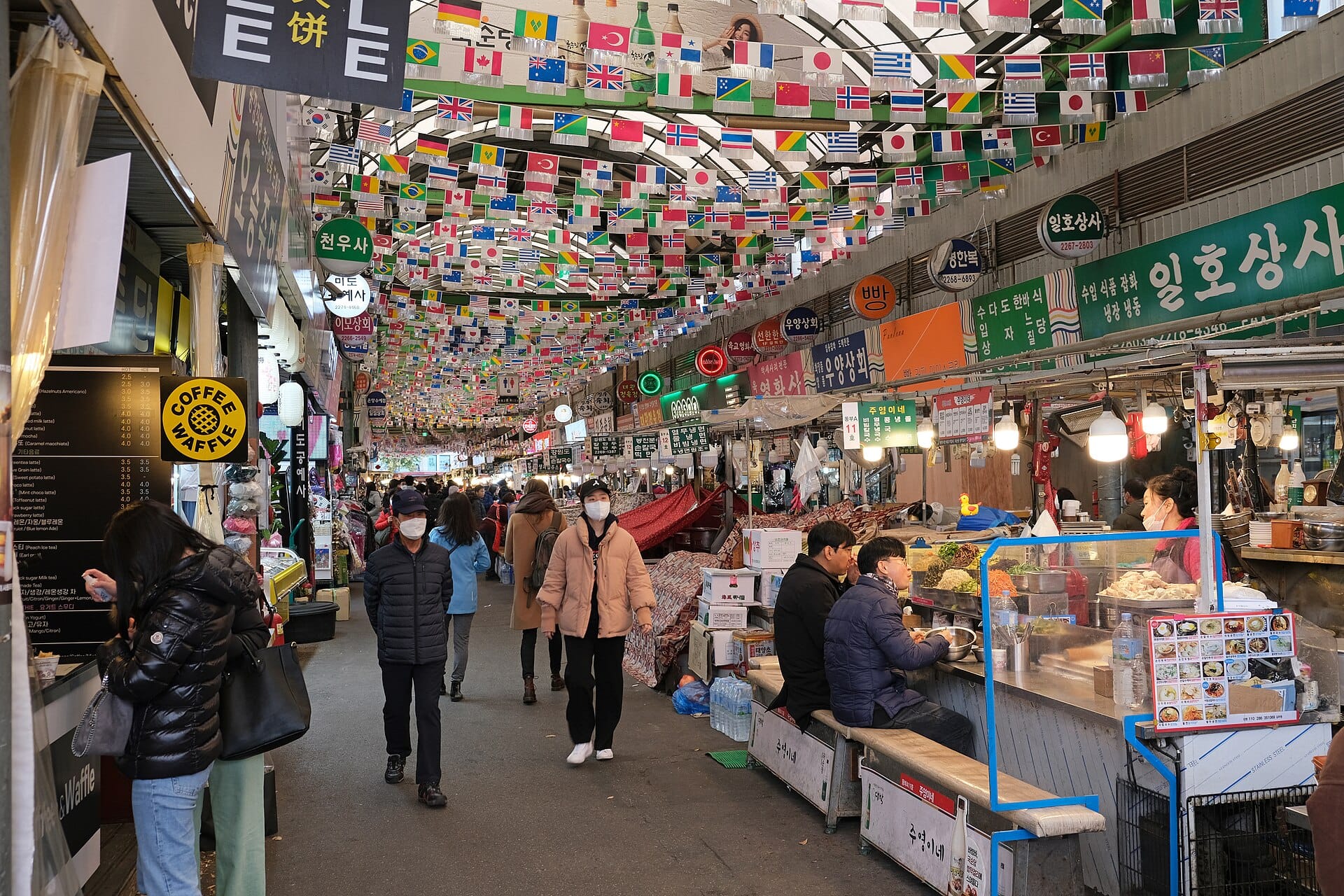
Seoul offers several different food evenings: Gwangjang Market’s covered stalls, Myeongdong’s street-food area and the broader shopping districts are not one market. Check the hours of the food section you want, since daytime and evening trading differ. Pancakes, dumplings and noodle dishes make an approachable start. The photograph shows Dongdaemun Shopping Complex, another part of the city’s market landscape, rather than Gwangjang itself.
Choose the market for the night
Check the market’s operating days and which part serves food after dark. Carry small cash where useful, keep a backup payment method and agree the price before ordering. A nearby base lets you enjoy a second, shorter visit instead of trying to taste everything in one evening.
Photo credits
- Header: IQRemix, CC BY-SA 2.0. Display copy resized or cropped.
- Bangkok, Thailand: Christophe95, CC BY-SA 4.0. Display copy resized or cropped.
- Taipei, Taiwan: Banzai Hiroaki, CC BY 2.0. Display copy resized or cropped.
- Marrakech, Morocco: Elgaard, CC BY-SA 4.0. Display copy resized or cropped.
- Osaka, Japan: Type specimen, CC BY-SA 3.0. Display copy resized or cropped.
- Hanoi, Vietnam: Jakub Hałun, CC BY 4.0. Display copy resized or cropped.
- Palermo, Sicily: Benjamín Núñez González, CC BY-SA 4.0. Display copy resized or cropped.
- Hong Kong: Diego Delso, CC BY-SA 3.0. Display copy resized or cropped.
- Xi'an, China: This image was produced by me, David Castor (user:dcastor). The pictures I submit to the Wikipedia Project are released to the public domain. This gives you the right to use them in any way you like, without any kind of notification. This said, I would still appreciate to be mentioned as the originator whenever you think it complies well with your use of the picture. A message to me about how it has been used would also be welcome. You are obviously not required to respond to these wishes of mine, just in a friendly manner encouraged to. (All my photos are placed in Category:Images by David Castor or a subcategory thereof.), Public domain. Display copy resized or cropped.
- Dongdaemun Shopping Complex in Seoul: kallerna, CC BY-SA 4.0. Display copy resized or cropped.