
Rovinj
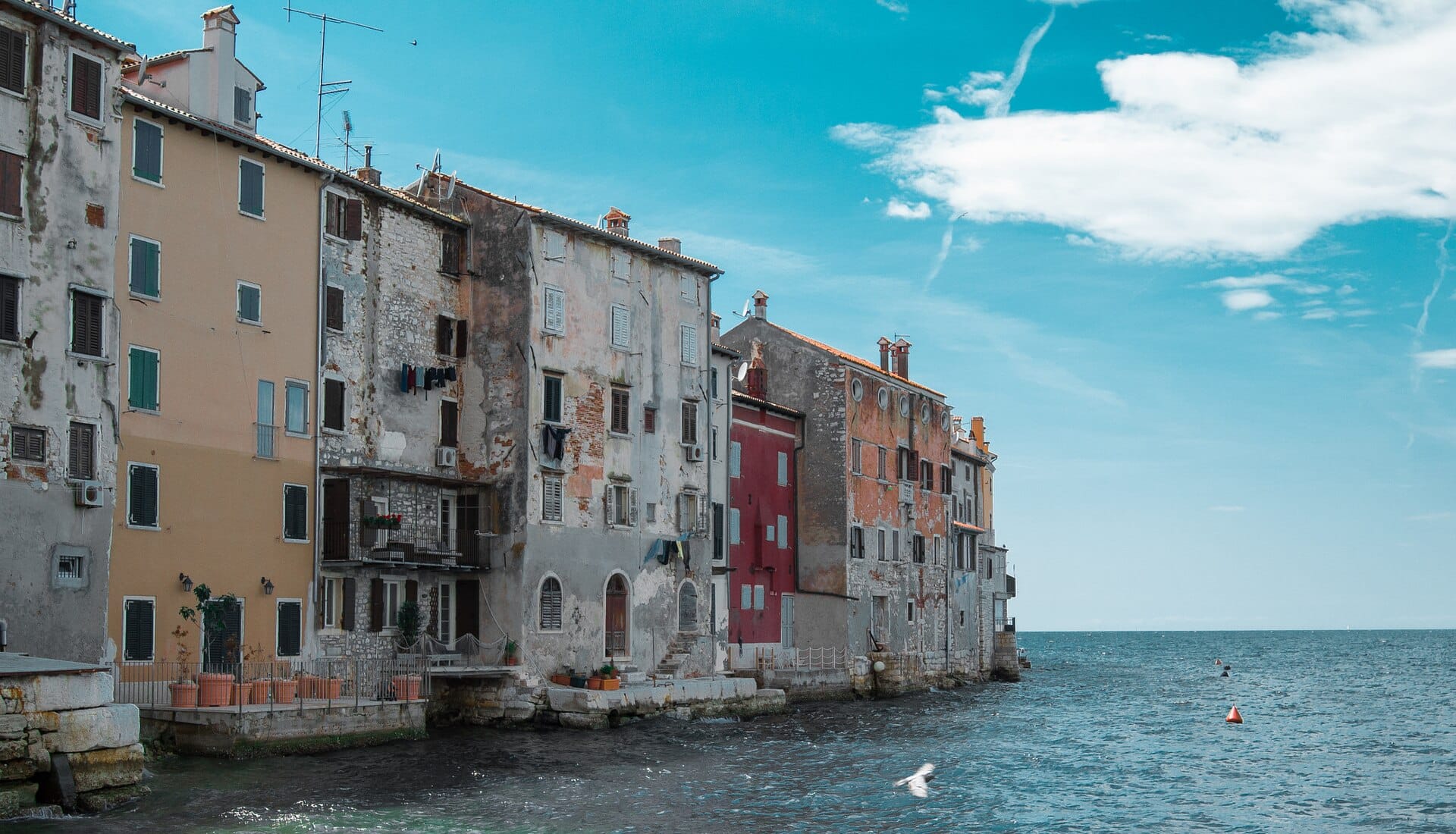
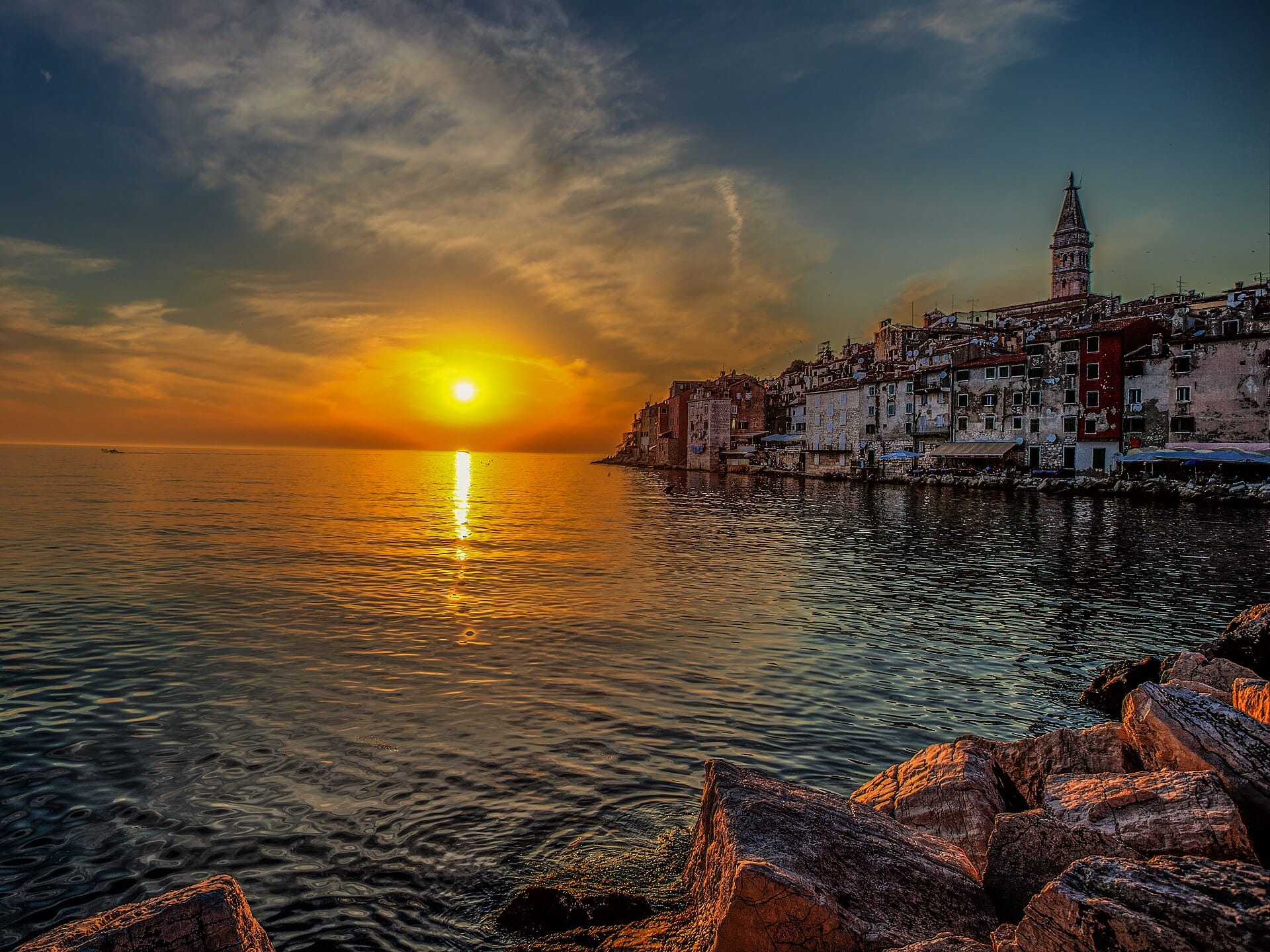
Rovinj's old town rises straight from the Adriatic, a Venetian tangle of ochre and rose topped by a campanile you can climb.
- Best forCouples · Foodies · Beach lovers
- In February12°C · 7 rainy days · sea 12°C
- Ideal stay3–4 nights
- Approx. flying time~12h 30m from Los Angeles
- CurrencyEUREuro
- LanguageCroatian
- Local time12:131h ahead of the UK
- PlugsType C / FBring an adapter
- Drive on theRightOpposite to the UK
- Dialling code+385
Why go
Istria feels more Italian than Balkan, and this old fishing town on a former island is the clearest example: Venetian shutters, a bell tower modelled on the one in St Mark's Square, and a working harbour still full of small boats. The old town is steep, narrow and slippery underfoot, with artists' studios along Grisia and a pebbly, pine-shaded coast on either side.
Three or four nights is plenty, and it pairs well with the hill towns inland, Pula's Roman amphitheatre to the south and, by seasonal ferry, Venice. July and August are hot and full, while June and September are warmer in the water and calmer on the streets. There is no long sandy beach here, so anyone expecting one should head for the islands instead.
- Ideal stay
- 3–4 nights
- The vibe
- Venetian, salty, softly Mediterranean
From our guides
Swim off the rocks below the houses like the locals do, or cycle to the pine-shaded coves of the Golden Cape forest park just south. Istria is Croatia's food region, so dinner — truffles, scampi, malvazija wine — deserves as much attention as the sea.
Featured in Ten lovely beach towns for lazy harbourside evenings
Things to do
-
St Euphemia's bell tower
A steep wooden staircase climbs the tower for a view over terracotta roofs, the offshore islands and, on clear days, the Alps far to the north.
-
Rovinj archipelago boats
Taxi boats run out to Sveta Katarina and Crveni Otok, small wooded islands minutes offshore with rock swimming and considerably fewer people.
-
Grisia street
The lane climbing to the church is lined with studios and, on one August day each year, becomes an open-air exhibition for anyone who wants to hang work.
-
Lim Fjord
A drowned limestone valley north of town, farmed for oysters and mussels, with viewpoints on the road above and boat trips leaving from the harbour.
-
Istrian hill towns
Motovun, Groznjan and Oprtalj sit on ridges half an hour inland, with truffle woods below them and long views across the Mirna valley.
-
Batana boats
The flat-bottomed local fishing boat has its own small museum and, on summer evenings, a cellar where crews once sang. UNESCO lists the tradition.
Getting there
-
Fly to
Pula (PUY)
Nearest airport to Rovinj, about 30km away as the crow flies.
-
Then
To Rovinj
About 45 minutes by car or transfer north from Pula (PUY), with buses between Pula and Rovinj taking roughly an hour.
-
On the ground
Getting around
The old town is a car-free tangle of steps and lanes with car parks on its edge, and the Golden Cape forest park is a 20-minute walk or short cycle south along the shore.
Public transport: Buses link the Istrian coast towns well in summer, though the inland hill villages and truffle country need a car.
Flights
Los Angeles Rovinj, Istria, Croatia
Fly from anywhere — search 4,000+ airports worldwide.
Roughly 12h 30m in the air from Los Angeles (LAX), estimated from the distance — check for a direct route. Pick a month to see every available flight with live prices.
Check dates and prices
Pick your departure date, then your return.
Search flightsNot sure when? Compare fares across a whole month.
Flight times are estimates; prices open on Google Flights.
When to go
Daytime highs run from about 10°C in January to 29°C in July. Driest in February and July and August; wettest in May, with rain on about 14 days. The sea is warmest in August at around 27°C, coolest at 12°C.
The year at a glance — pick a month for detail
February12° · rain 7 days · sea 12°Cool with rain most weeks.
Monthly figures averaged from daily records for 2020–2024 at this location (ERA5 reanalysis). Live conditions from MET Norway, CC BY 4.0.
Where to stay
Apartments and rooms in old town houses, a strong line in modern resort hotels south and north, plus large campsites with mobile homes. Agrotourism farmhouses sit inland.
-
Best base overall
Rovinj old town
Inside the tangle of lanes under the campanile, steps from the harbour and the rocks people swim off. Cars stay outside, luggage is carried, and the church bells are close.
Find stays in Rovinj old town -
Best for couples
Monte Mulini
The pine shaded bay just south, where the smarter hotels sit between the town and the Golden Cape park. Ten minutes' walk to dinner along the seafront path.
Find stays in Monte Mulini -
Best with children
Borik and Monsena
North of town, where campsites, apartment villages and family resorts come with pools, shallow swimming spots and space to cycle. It feels suburban rather than Venetian.
Find stays in Borik and Monsena -
Best value
Bale
A quiet stone village inland, about twenty minutes away, with rooms and apartments at a fraction of coastal rates. You drive to the sea, and there is little to do at night.
Find stays in Bale
Worth knowing before you book: July and August need booking by spring and many apartments insist on a week, Saturday to Saturday. A tourist tax is usually charged on arrival in cash.
Search everything else in Rovinj by budget. These are indicative budget bands in GBP per night for two people, not live quotes or guarantees of hotel type. Check your dates, guests, taxes and final price on Booking.com.
Good to know
- Getting there
- Pula airport is about 40 kilometres south, and Trieste and Venice are within a three-hour drive. Seasonal catamarans link the town with Venice.
- Pack this
- Water shoes. The coast is rock and pebble rather than sand, and sea urchins are common on the shelves below the houses.
- Timing
- August is the hottest and busiest month, with Italian and Austrian holidays overlapping. May, June and September are far more comfortable.
- Cash or card
- Croatia uses the euro and cards are widely accepted. Small family kitchens inland may still prefer cash.
- Driving
- The Istrian road network makes journeys quick, but old-town parking is limited to paid lots outside the centre. Leave the car and walk in.
Similar places
Nearby destinations
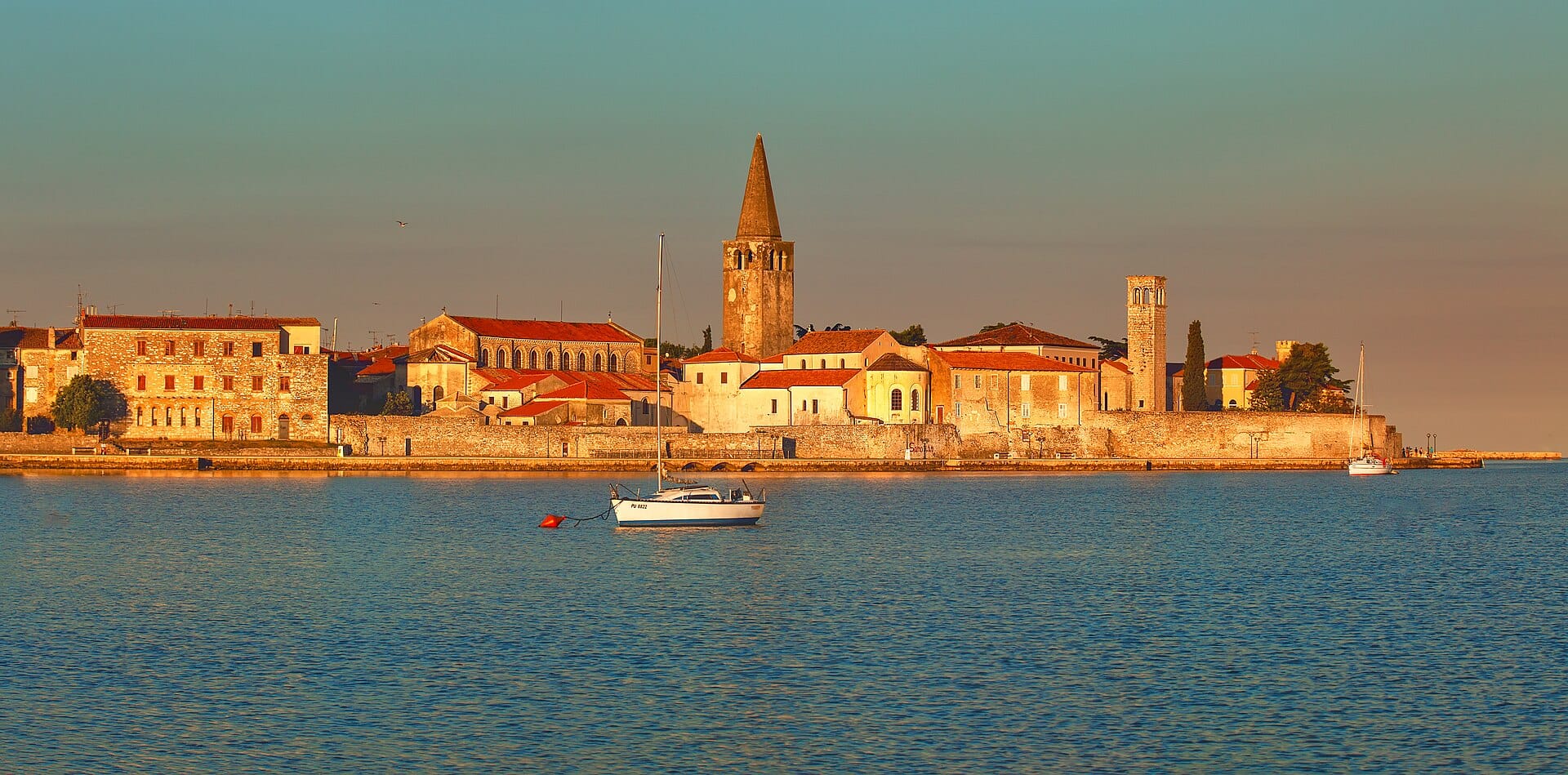
Poreč
Istria, Croatia · 17km away →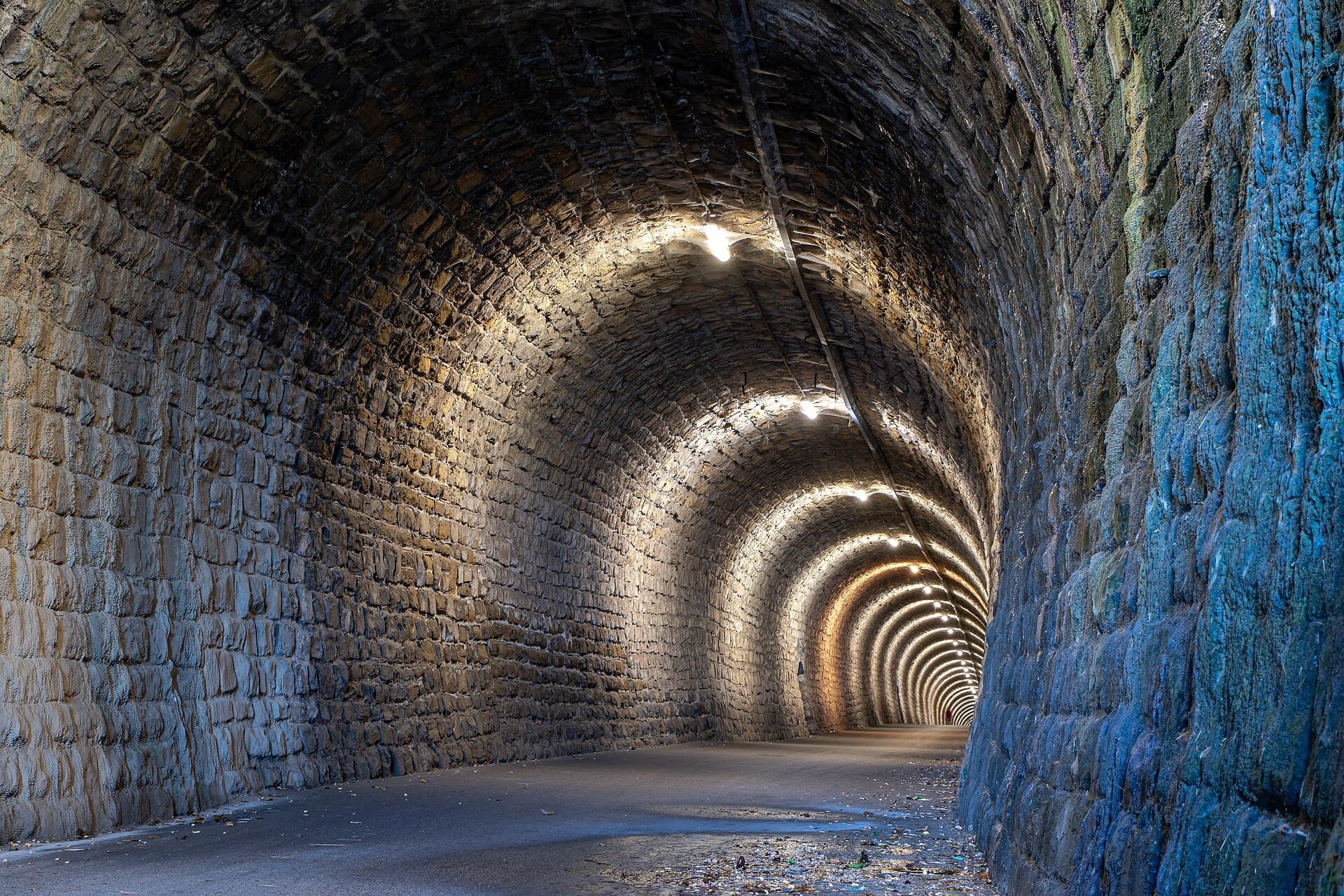
The Parenzana trail
Istria, Croatia · 25km away →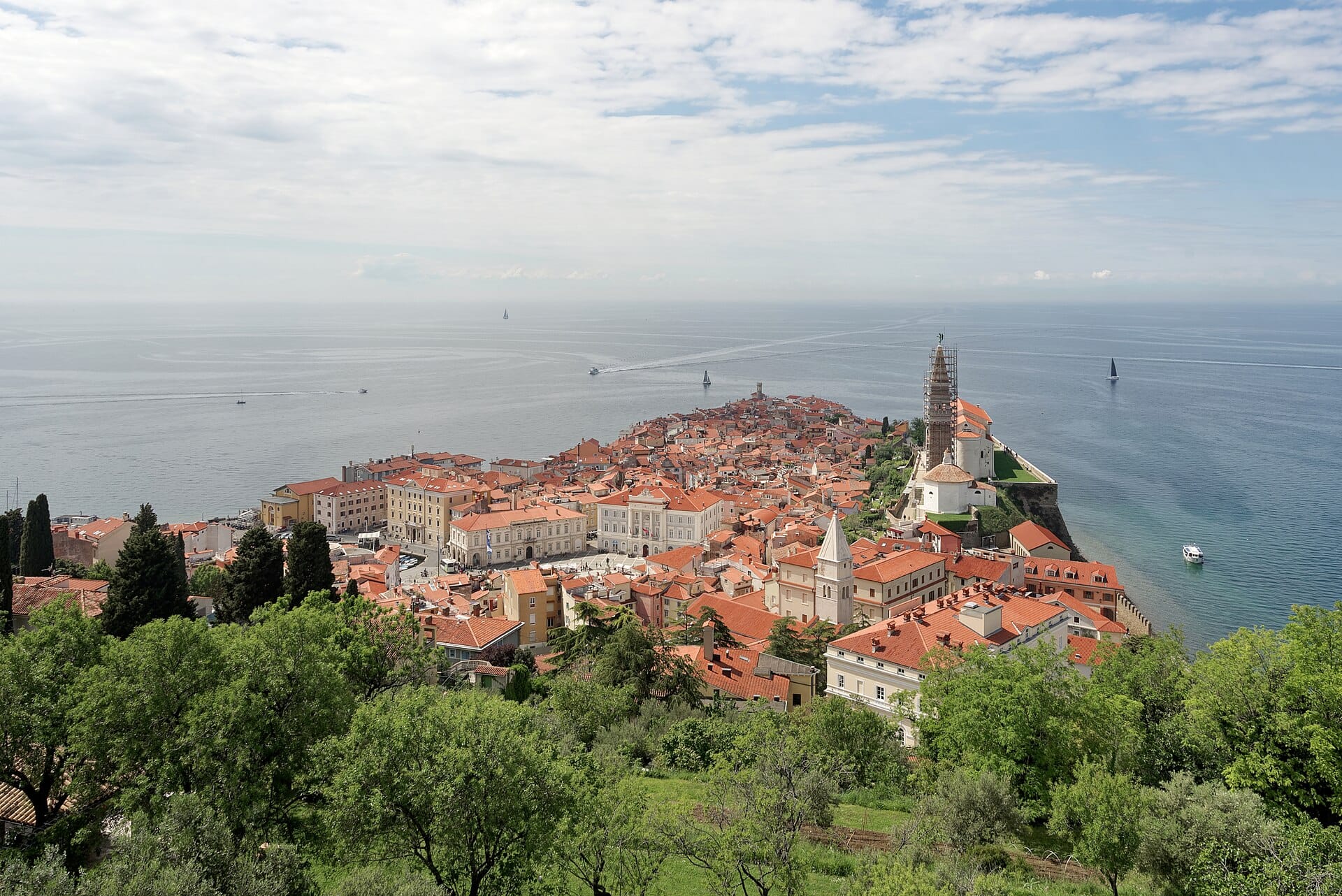
Piran
Slovenia · 50km away →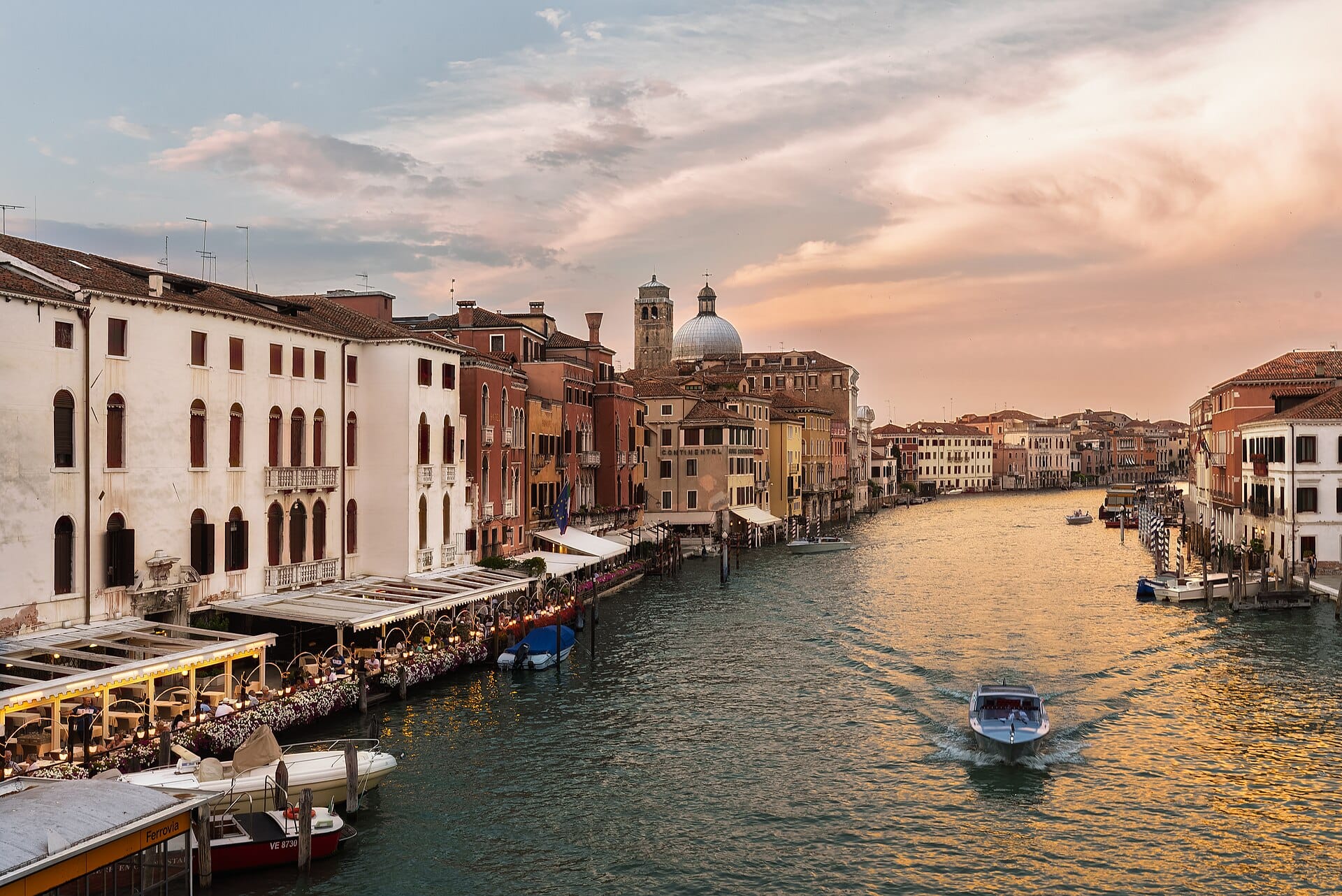
Venice
Italy · 110km away →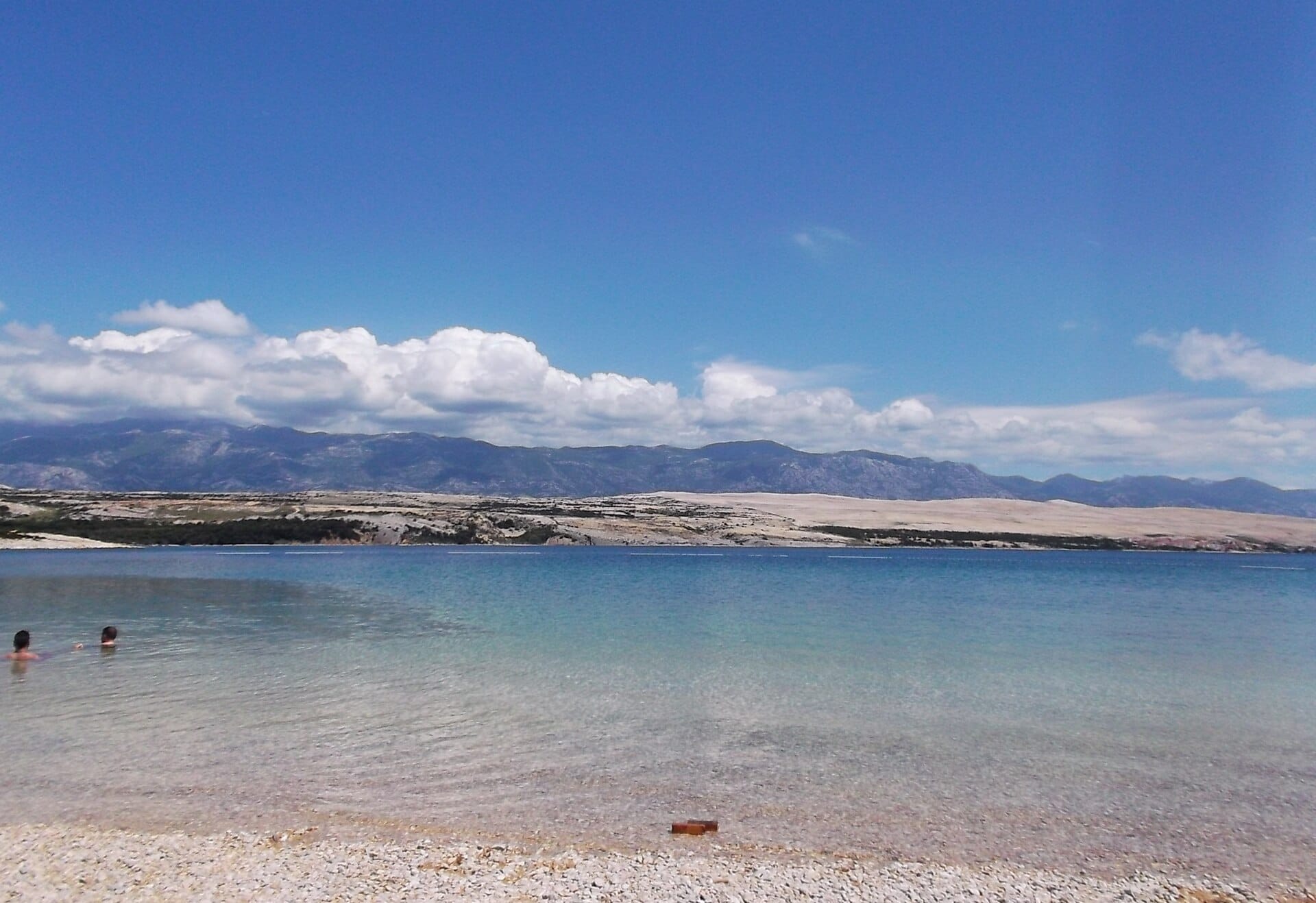
Zrće Beach
Pag, Croatia · 122km away →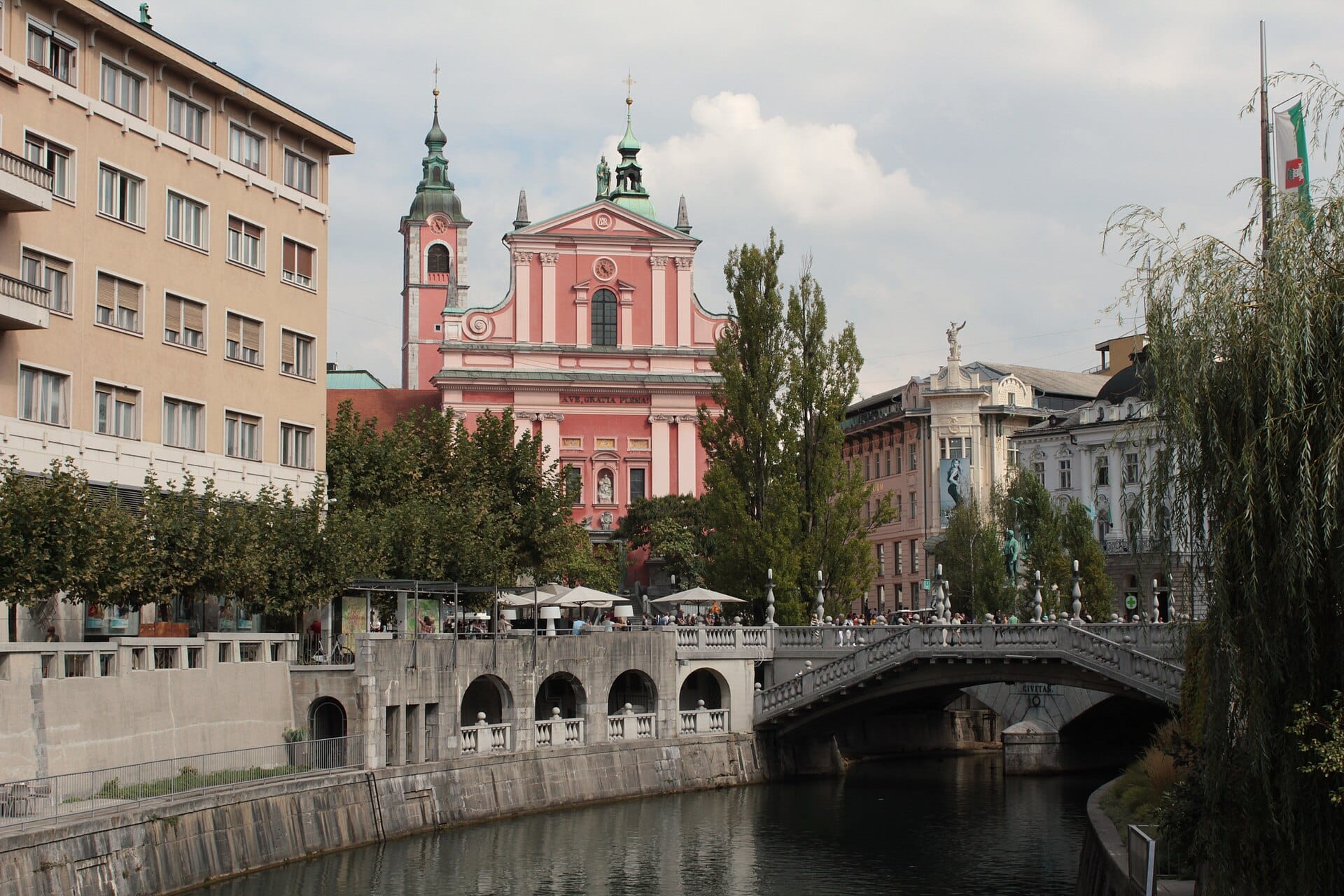
Ljubljana
Slovenia · 127km away →Elsewhere in Croatia
Related articles
Quick answers
When is the best time to visit Rovinj?
Daytime highs run from about 10°C in January to 29°C in July. Driest in February and July and August; wettest in May, with rain on about 14 days. The sea is warmest in August at around 27°C, coolest at 12°C.
How long should I spend in Rovinj?
Our suggestion: 3–4 nights.
How do I get to Rovinj?
About 45 minutes by car or transfer north from Pula (PUY), with buses between Pula and Rovinj taking roughly an hour.
Do I need a car in Rovinj?
No. Buses link the Istrian coast towns well in summer, though the inland hill villages and truffle country need a car.
What currency and language are used in Rovinj?
Currency: Euro (EUR). Language: Croatian. Plugs: type C and F.
Who is Rovinj best for?
Best for couples, foodies and beach lovers. In a phrase: venetian, salty, softly Mediterranean.