
Rarotonga
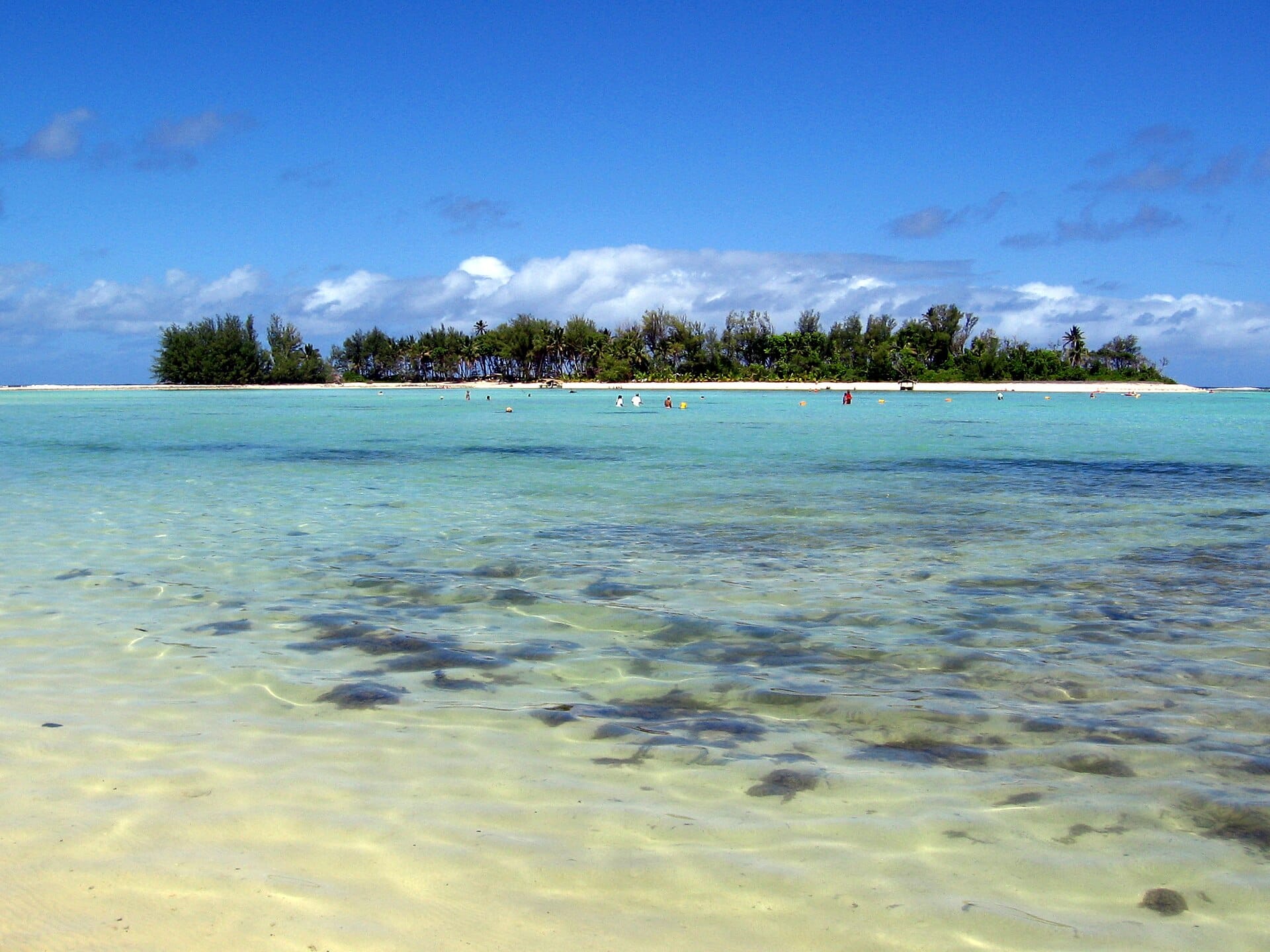
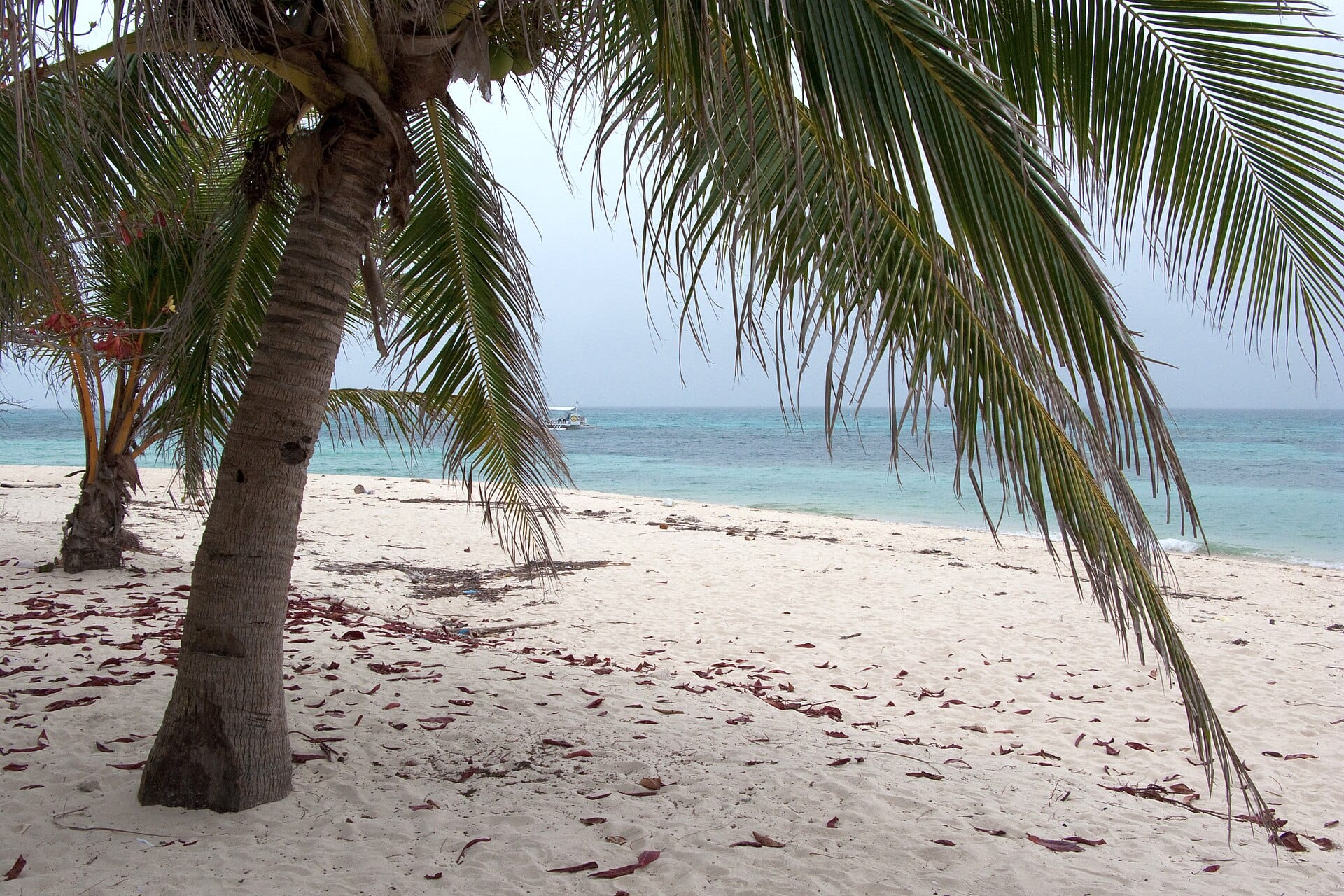
Rarotonga is a honeymoon without the velvet rope: one circular road, two buses (labelled Clockwise and Anticlockwise), and Muri Lagoon glowing turquoise off the east coast.
- Best forCouples · Honeymooners · Divers & snorkellers
- In May24°C · 18 rainy days · sea 27°C
- Ideal stayA week
- Approx. flying time~9h 35m from Los Angeles
- CurrencyNZDNew Zealand dollar
- LanguageEnglish and Cook Islands Māori
- Local time01:1211h behind the UK
- PlugsType IBring an adapter
- Drive on theLeftSame as the UK
- Dialling code+682
Why go
Thirty-two kilometres of road, one mountainous green interior and a lagoon that changes colour by the hour: the main Cook Island is small enough to circle in an afternoon and slow enough that you probably will not. Beach houses and family-run places outnumber resorts, chickens outnumber both, and the day tends to organise itself around swimming, eating and doing very little.
Flights arrive from Auckland and, seasonally, from Sydney and Los Angeles, so most trips pair the island with New Zealand. Give it a week, and consider a few nights on Aitutaki, 45 minutes north, for the wider lagoon. April to November is drier and cooler, while the cyclone season runs roughly December to March. Sunday is genuinely quiet, with church in the morning and many places closed.
- Ideal stay
- A week
- The vibe
- Barefoot, easy-going, low-key tropical
From our guides
New Zealand's favourite escape does barefoot beach houses rather than butler service, which suits couples allergic to formality. Snorkel the lagoon, eat at the Muri night market and hire scooters for the 32-kilometre loop. June to September brings dry, mild weather.
Featured in Ten dreamy honeymoon islands worth the long flight
Things to do
-
Cross-Island Track
A half-day scramble over the island's spine, past the volcanic plug known as Te Rua Manga, or the Needle, then down through jungle to a waterfall on the southern side.
-
Titikaveka beach
The south coast's calmest, clearest water, with coral heads close to shore and shade under the ironwood trees. Better for swimming than the shallow northern edge.
-
Punanga Nui Market
Avarua's Saturday morning market brings growers, food stalls, ukulele players and pareu sellers together. Arrive early, because the good things go before lunch.
-
Island night feast
Most weeks bring a buffet of umukai, food cooked in an earth oven, followed by Cook Islands drumming and dance that is faster and louder than visitors expect.
-
Ika mata
Raw fish cured in lime and dressed with coconut cream, eaten everywhere from market stalls to beach shacks. The local answer to ceviche, and the dish to order first.
-
Aitutaki day trip
A short flight north reaches a lagoon of sandbars and motu islets, usually visited by boat with snorkelling stops. Early start, long day, and worth clearing the diary for.
Getting there
-
Fly to
Avarua (RAR)
The airport is on the doorstep.
-
Then
To Muri
Rarotonga (RAR) is about 10 minutes from Avarua and 25 minutes from Muri on the east coast; almost all flights arrive from Auckland, with a few from Sydney and Los Angeles.
-
On the ground
Getting around
One road circles the island and two bus routes, labelled Clockwise and Anticlockwise, run along it; scooters and bicycles are the usual alternative for the 32-kilometre loop.
Public transport: The two circular bus routes are genuinely useful through the day, though services thin out in the evening.
Flights
Los Angeles Rarotonga, Cook Islands
Fly from anywhere — search 4,000+ airports worldwide.
Roughly 9h 35m in the air from Los Angeles (LAX), estimated from the distance — check for a direct route. Pick a month to see every available flight with live prices.
Check dates and prices
Pick your departure date, then your return.
Search flightsNot sure when? Compare fares across a whole month.
Flight times are estimates; prices open on Google Flights.
When to go
Daytime highs run from about 22°C in August to 25°C in March. Driest June and August to November; wettest in March, with rain on about 19 days. The sea is warmest in March at around 29°C, coolest at 24°C.
The year at a glance — pick a month for detail
May24° · rain 18 days · sea 27°Warm and often wet.
Monthly figures averaged from daily records for 2020–2024 at this location (ERA5 reanalysis). Live conditions from MET Norway, CC BY 4.0.
Where to stay
Beach bungalows, self catering units and small family owned resorts, with one or two larger hotels. No high rise, no international chains, and buildings must stay below the palm tops.
-
Best base overall
Muri
The turquoise lagoon with the motu islets offshore, plus the night market, kayaks and most of the island's better places to eat. Some stretches are shallow and weedy at low tide.
Find stays in Muri -
Quietest
Titikaveka
South coast, where the lagoon deepens and the snorkelling is the island's best, with beach houses and few lights at night. You will drive or bus to dinner.
Find stays in Titikaveka -
Best value
Arorangi
The west coast, with sunsets, cheaper self catering and a string of small resorts. Swimming depends on the tide and the reef passage, so check before you book.
Find stays in Arorangi -
Closest to the sights
Avarua
The island's only town, with the Saturday Punanga Nui market, banks, the museum and the airport nearby. Not a beach base, but everything practical happens here.
Find stays in Avarua
Worth knowing before you book: The island is small and the dry June to September season books out, especially over New Zealand school holidays. Many places quote in New Zealand dollars and ask for a deposit.
Search everything else in Muri by budget. These are indicative budget bands in GBP per night for two people, not live quotes or guarantees of hotel type. Check your dates, guests, taxes and final price on Booking.com.
Good to know
- Getting there
- Flights come via Auckland, with seasonal services from Sydney and Los Angeles. The time difference from Europe is severe, so plan a slow first day.
- Scooter licence
- Hiring a scooter may require a local licence depending on what you hold at home. Check the current rule with the hire company before you count on two wheels.
- Cash or card
- New Zealand dollars are the currency, alongside local coins and notes. Cards work in bigger places, but carry cash for markets, stalls and the bus.
- Sundays
- Sunday is observed seriously. Many businesses close, church services welcome visitors who dress modestly, and the island slows almost to a stop.
- Reef safety
- Swim inside the lagoon and stay well clear of the passages where water drains out through the reef. Reef shoes save feet from coral and stonefish.
Similar places
Further afield
Related articles
Quick answers
When is the best time to visit Rarotonga?
Daytime highs run from about 22°C in August to 25°C in March. Driest June and August to November; wettest in March, with rain on about 19 days. The sea is warmest in March at around 29°C, coolest at 24°C.
How long should I spend in Rarotonga?
Our suggestion: a week.
How do I get to Rarotonga?
Rarotonga (RAR) is about 10 minutes from Avarua and 25 minutes from Muri on the east coast; almost all flights arrive from Auckland, with a few from Sydney and Los Angeles.
Do I need a car in Rarotonga?
No. The two circular bus routes are genuinely useful through the day, though services thin out in the evening.
What currency and language are used in Rarotonga?
Currency: New Zealand dollar (NZD). Language: English and Cook Islands Māori. Plugs: type I.
Who is Rarotonga best for?
Best for couples, honeymooners and divers & snorkellers. In a phrase: barefoot, easy-going, low-key tropical.