
Príncipe
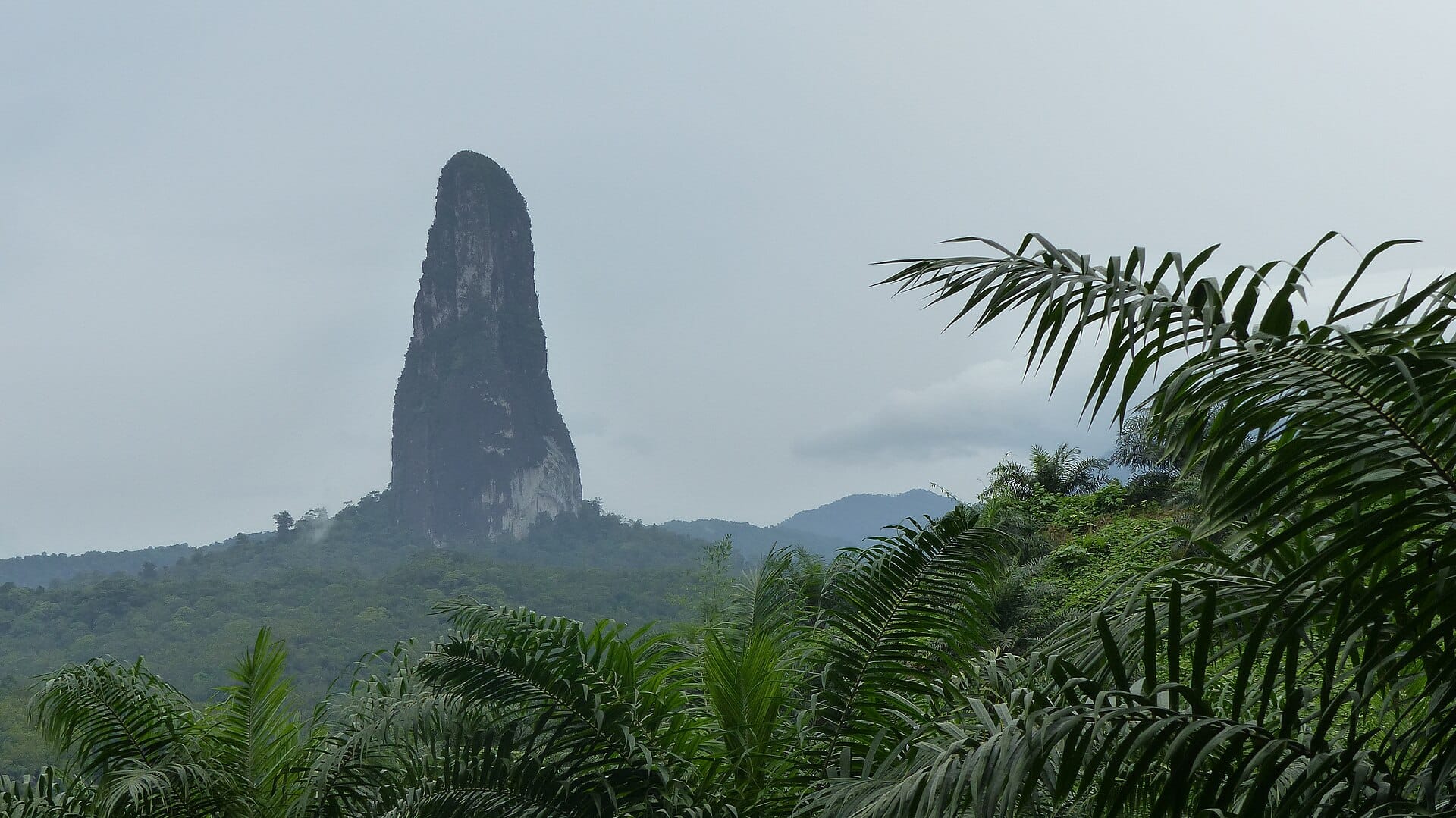
Africa's second-smallest country hides its masterpiece on its smaller island: Príncipe, a UNESCO biosphere of volcanic spires wrapped in rainforest, with beaches — Banana Beach chief among them — that once starred in Bacardi adverts yet still sit empty.
- Best forWildlife & nature · Adventure seekers · Couples
- In August25°C · 10 rainy days · sea 27°C
- Ideal stayA week
- Approx. flying time~16h 15m from Los Angeles
- CurrencySTNDobra
- LanguagePortuguese
- Local time13:111h behind the UK
- PlugsType C / FBring an adapter
- Drive on theRightOpposite to the UK
- Dialling code+239
Why go
Príncipe is the smaller and older of the two main islands in the Gulf of Guinea, a UNESCO biosphere reserve of volcanic towers, rainforest and abandoned cocoa plantations slowly being reclaimed. The population is a few thousand, the roads are short, and the beaches at the southern end stay empty for days at a time. Endemic birds, nesting turtles and the humid green weight of the forest are the main company.
Getting there takes commitment: international flights land on São Tomé, and the short hop across runs on small aircraft that fill early, so book the internal leg before the long one. A week works, ideally split with a few days on the bigger island. The gravana, roughly June to September, is the drier and cooler stretch. Accommodation is limited, largely at the upper end, and there is no nightlife to speak of.
- Ideal stay
- A week
- The vibe
- Green, volcanic, almost untouched
From our guides
Endemic birds outnumber tourists most weeks. Flights from São Tomé take thirty-five minutes and sell out, so book them before your international leg. June to September is the dry gravana season.
Featured in Ten quiet tropical islands nobody talks about yet
Things to do
-
Praia Banana
A short palm-backed crescent on the east coast, reached down a forest track from the plantation above. Small, sheltered and usually deserted.
-
Pico Papagaio
A forested volcanic peak rising behind Santo António, climbed as a demanding half-day walk with a guide through dense, wet forest.
-
Roça Sundy and the plantations
Colonial-era cocoa estates, some restored and some ruined, where the hospital, chapel and workers' quarters still stand around a central yard.
-
The northern bays
Sheltered coves and a small islet at the island's northern tip, where the water is calmest for swimming and snorkelling.
-
Endemic birdlife
The island holds species found nowhere else, including its own kingfisher, golden weaver and drongo, all seen easily along forest tracks.
-
Turtle nesting
Green and hawksbill turtles nest on the southern beaches between about November and February, with monitored night visits available under guide supervision during the season.
Getting there
-
Fly to
São Tomé (TMS)
Nearest airport to Príncipe, about 157km away as the crow flies.
-
Then
To Santo António
Reach São Tomé (TMS) by air from Lisbon or Libreville, then take the thirty-five-minute domestic flight to Príncipe (PCP); the airstrip is a few minutes from Santo António.
-
On the ground
Getting around
One rough road runs south past the plantations to the beaches, and lodges provide 4x4 transfers or boats; Banana Beach is reached through the Bom Bom resort.
Public transport: Effectively none. Shared taxis serve the main road occasionally, and everything else is arranged through your lodge.
Flights
Los Angeles Príncipe, São Tomé and Príncipe
Fly from anywhere — search 4,000+ airports worldwide.
Roughly 16h 15m in the air from Los Angeles (LAX), estimated from the distance — check for a direct route. Pick a month to see every available flight with live prices.
Check dates and prices
Pick your departure date, then your return.
Search flightsNot sure when? Compare fares across a whole month.
Flight times are estimates; prices open on Google Flights.
When to go
Daytime highs run from about 25°C in July to 28°C in March. Driest in July and August; wettest in October, with rain on about 26 days. The sea is warmest in March at around 30°C, coolest at 27°C.
The year at a glance — pick a month for detail
August25° · rain 10 days · sea 27°Warm with rain most weeks.
Monthly figures averaged from daily records for 2020–2024 at this location (ERA5 reanalysis). Live conditions from MET Norway, CC BY 4.0.
Where to stay
A small number of eco-lodges and restored plantation houses, plus simple guesthouses in town. No chains, no resorts, and most lodges include meals and transfers by necessity.
-
Best base overall
Santo António
The island's tiny capital, with guesthouses, the market and access to the rest of Príncipe by road. It is very small and simple, and nothing about it is polished.
Find stays in Santo António -
Best for couples
Praia Banana and Belo Monte
The north-east, where a restored plantation house sits above the famous beach. Beautiful, isolated and expensive, with full board because there is nowhere else to eat.
Find stays in Praia Banana and Belo Monte -
Quietest
Praia Abade and Sundy
Northern beaches and plantation estates with a handful of rooms and forest on every side. You will need a driver, and the road turns to mud in the rains.
Find stays in Praia Abade and Sundy -
Best value
São Tomé city
The main island's capital, far cheaper and with more choice, connected by a thirty-five minute flight. Sensible for the start and end of the trip, given how few Príncipe beds exist.
Find stays in São Tomé city
Worth knowing before you book: The internal flights are small and sell out, so book them before your international ticket. June to September is the dry gravana season, and lodge capacity across the island is tiny.
Search everything else in Santo António by budget. These are indicative budget bands in GBP per night for two people, not live quotes or guarantees of hotel type. Check your dates, guests, taxes and final price on Booking.com.
Good to know
- Getting there
- Flights reach São Tomé from Lisbon and a few African hubs. The connection to Príncipe is a short flight on a small aircraft and should be booked first.
- Cash or card
- The dobra is the currency and cards are barely accepted outside the main hotels. Bring euros to change and enough cash for the week.
- Health
- Malaria prophylaxis is advised, yellow fever vaccination may be required, and medical facilities on the island are basic.
- Pack this
- Insect repellent, walking shoes that cope with mud, a dry bag and any medicines you might need. Shops carry very little.
- Timing
- June to September is the drier gravana. The wetter months bring greener forest, fewer visitors and rougher tracks.
Similar places
Further afield
Related articles
Quick answers
When is the best time to visit Príncipe?
Daytime highs run from about 25°C in July to 28°C in March. Driest in July and August; wettest in October, with rain on about 26 days. The sea is warmest in March at around 30°C, coolest at 27°C.
How long should I spend in Príncipe?
Our suggestion: a week.
How do I get to Príncipe?
Reach São Tomé (TMS) by air from Lisbon or Libreville, then take the thirty-five-minute domestic flight to Príncipe (PCP); the airstrip is a few minutes from Santo António.
Do I need a car in Príncipe?
Yes, a car makes a real difference here. Effectively none. Shared taxis serve the main road occasionally, and everything else is arranged through your lodge.
What currency and language are used in Príncipe?
Currency: Dobra (STN). Language: Portuguese. Plugs: type C and F.
Who is Príncipe best for?
Best for wildlife & nature, adventure seekers and couples. In a phrase: green, volcanic, almost untouched.