
Raja Ampat
Raja Ampat's reefs hold more fish and coral species than anywhere on the planet — a statistic that becomes cheerfully absurd the moment you put your face in the water.
- Best forDivers & snorkellers · Wildlife & nature · Adventure seekers
- In August28°C · 27 rainy days · sea 30°C
- Ideal stayA week or more
- Approx. flying time~14h 45m from Los Angeles
- CurrencyIDRIndonesian rupiah
- LanguageIndonesian
- Local time21:088h ahead of the UK
- PlugsType C / FBring an adapter
- Drive on theLeftSame as the UK
- Dialling code+62
Why go
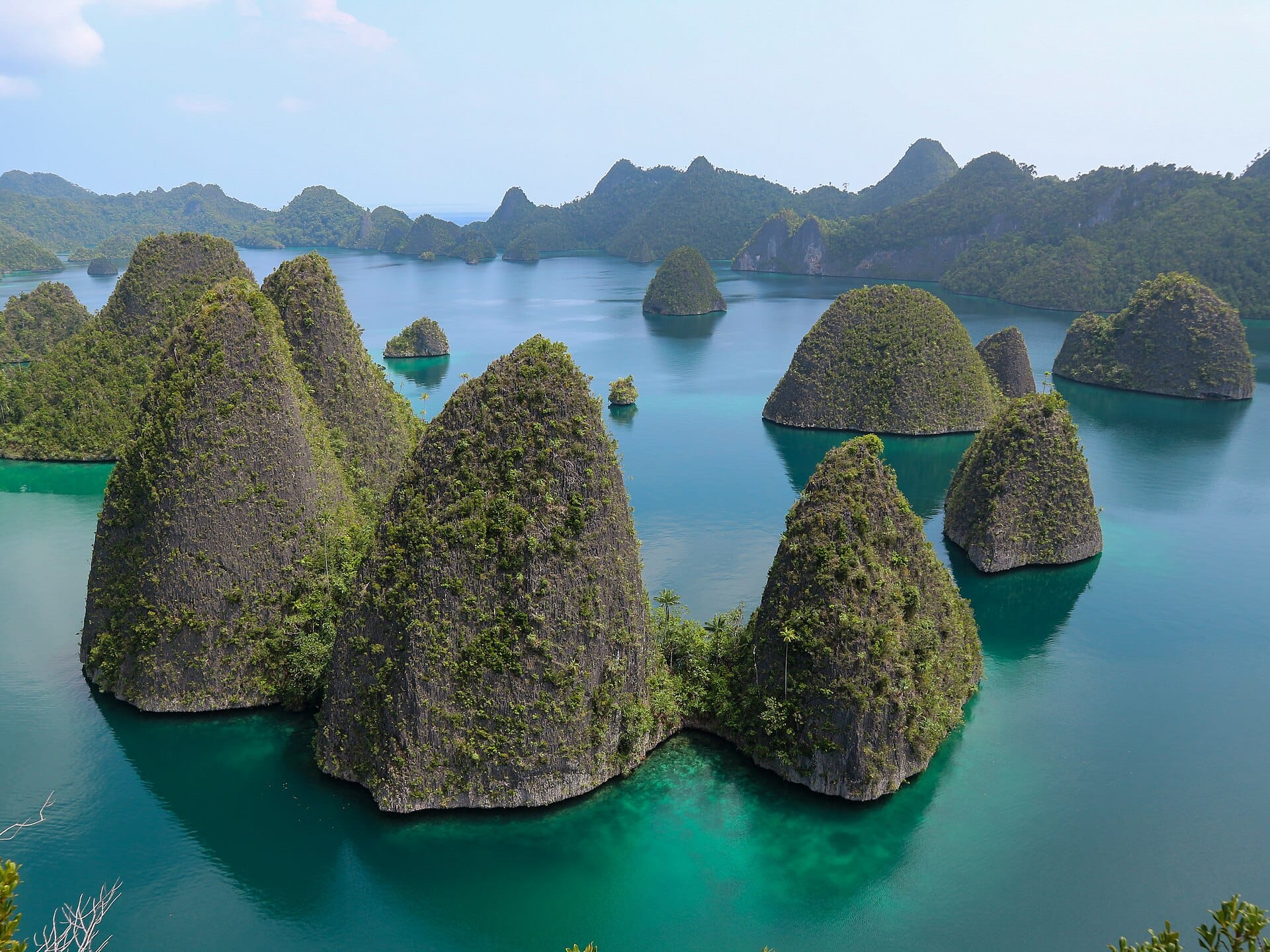
An archipelago of more than a thousand islands off the western tip of Papua, most of them uninhabited limestone mushrooms rising out of clear water. The reefs here sit at the centre of the Coral Triangle and hold an exceptional range of coral and fish species, which is the reason divers travel this far. Above water it is jungle, karst lagoons and villages of a few dozen people.
Getting there means flying to Sorong, usually via Jakarta or Makassar, then a ferry to Waisai and a boat to wherever you are staying, so allow two days each way. Village homestays on Kri and Gam have opened the islands up to people without a liveaboard budget. October to April brings the calmest seas. Facilities are basic, power is limited and medical care is far away, which suits some travellers and not others.
- Ideal stay
- A week or more
- The vibe
- Remote, reef-rich, spectacularly quiet
From our guides
Mantas, wobbegongs and walking sharks headline; the supporting cast numbers thousands. Homestays on Kri and Gam have made the archipelago affordable without a liveaboard. October to April brings the calmest seas; getting there via Sorong is half the adventure.
Featured in Ten wild tropical trips for animal lovers
Things to do
-
Piaynemo viewpoint
A wooden staircase to a platform above a cluster of karst islets and turquoise lagoons, and the image most people know the region by.
-
Cape Kri
A reef off Kri island where a single dive once recorded an unusually high count of fish species. Strong currents and constant traffic of big fish.
-
Manta cleaning stations
Reef mantas gather at known cleaning sites around the Dampier Strait, most reliably between roughly December and March, when plankton is thickest.
-
Wayag
A remote northern group of steep limestone cones and lagoons, reached on a long boat trip or by liveaboard, and worth the effort.
-
Walking sharks and wobbegongs
Epaulette sharks that walk on their fins across shallow reef at night, and carpet sharks lying flat under coral heads by day.
-
Dawn birdwatching walks
Guided walks from homestays on Gam and Waigeo reach the forest trees where red and Wilson's cendrawasih display at first light, an early start always worth making.
Getting there
-
Fly to
Sorong (SOQ)
Nearest airport to Raja Ampat, about 111km away as the crow flies.
-
Then
To Waisai
Waisai's small Marinda airport (RJM) has very few flights, so nearly everyone flies to Sorong (SOQ) on the Papuan mainland and takes the fast ferry to Waisai, about two hours.
-
On the ground
Getting around
From Waisai, homestays and resorts on Kri, Gam and the smaller islands are reached by open boat, arranged in advance with your host; nothing runs on spec.
Public transport: Beyond the Sorong ferry there is none, so every island transfer is a chartered or homestay boat.
Flights
Los Angeles Raja Ampat, Indonesia
Fly from anywhere — search 4,000+ airports worldwide.
Roughly 14h 45m in the air from Los Angeles (LAX), estimated from the distance — check for a direct route. Pick a month to see every available flight with live prices.
Check dates and prices
Pick your departure date, then your return.
Search flightsNot sure when? Compare fares across a whole month.
Flight times are estimates; prices open on Google Flights.
When to go
Daytime highs run from about 28°C in August to 29°C in December. Driest in February and October; wettest in August, with rain on about 27 days. The sea is warmest in November at around 31°C, coolest at 30°C.
The year at a glance — pick a month for detail
August28° · rain 27 days · sea 30°Warm and often wet.
Monthly figures averaged from daily records for 2020–2024 at this location (ERA5 reanalysis). Live conditions from MET Norway, CC BY 4.0.
Where to stay
Family run village homestays in thatched huts over the water, a few mid range dive resorts and one or two luxury lodges. No chains, no shops to speak of, no roads.
-
Best base overall
Waisai
The ferry town and administrative centre, where you buy the marine park permit and find guesthouses, cash machines and supplies. The reefs, though, are a boat ride away.
Find stays in Waisai -
Best value
Kri Island
Village homestays on stilts with house reefs you can snorkel from the steps, at a fraction of liveaboard cost. Expect bucket showers, no electricity at times and simple meals.
Find stays in Kri Island -
Quietest
Gam Island
Mangrove bays and forest walks to see birds of paradise at dawn, with homestays scattered along the shore. Very little happens here after dark, which is the appeal.
Find stays in Gam Island -
Best with children
Arborek Island
A tidy village on a shallow lagoon where the jetty snorkelling is superb and the sea stays calm. Facilities are basic and there is no clinic, so go prepared.
Find stays in Arborek Island
Worth knowing before you book: Homestays take bookings by message and often ask for cash on arrival, so bring rupiah from Sorong. October to April is calmest, and the marine park fee is payable separately.
Search everything else in Waisai by budget. These are indicative budget bands in GBP per night for two people, not live quotes or guarantees of hotel type. Check your dates, guests, taxes and final price on Booking.com.
Good to know
- Entry permit
- A marine park entry permit is required and is bought on arrival in Sorong or Waisai. Keep the card, because it is checked.
- Cash or card
- There are no cash points on the small islands and homestays are cash only. Withdraw rupiah in Sorong for the whole trip.
- Diving
- Currents are strong and many sites suit experienced divers. Nitrox, dive insurance and a surface marker buoy are all worth arranging.
- Pack this
- A dry bag, a torch, reef-safe sun cream and any medication. The nearest pharmacy is a long boat ride and a flight away.
- Timing
- October to April is generally calmest. June to September can bring wind and swell that limit boat movements between islands.
Similar places
Further afield
Siargao
Philippines →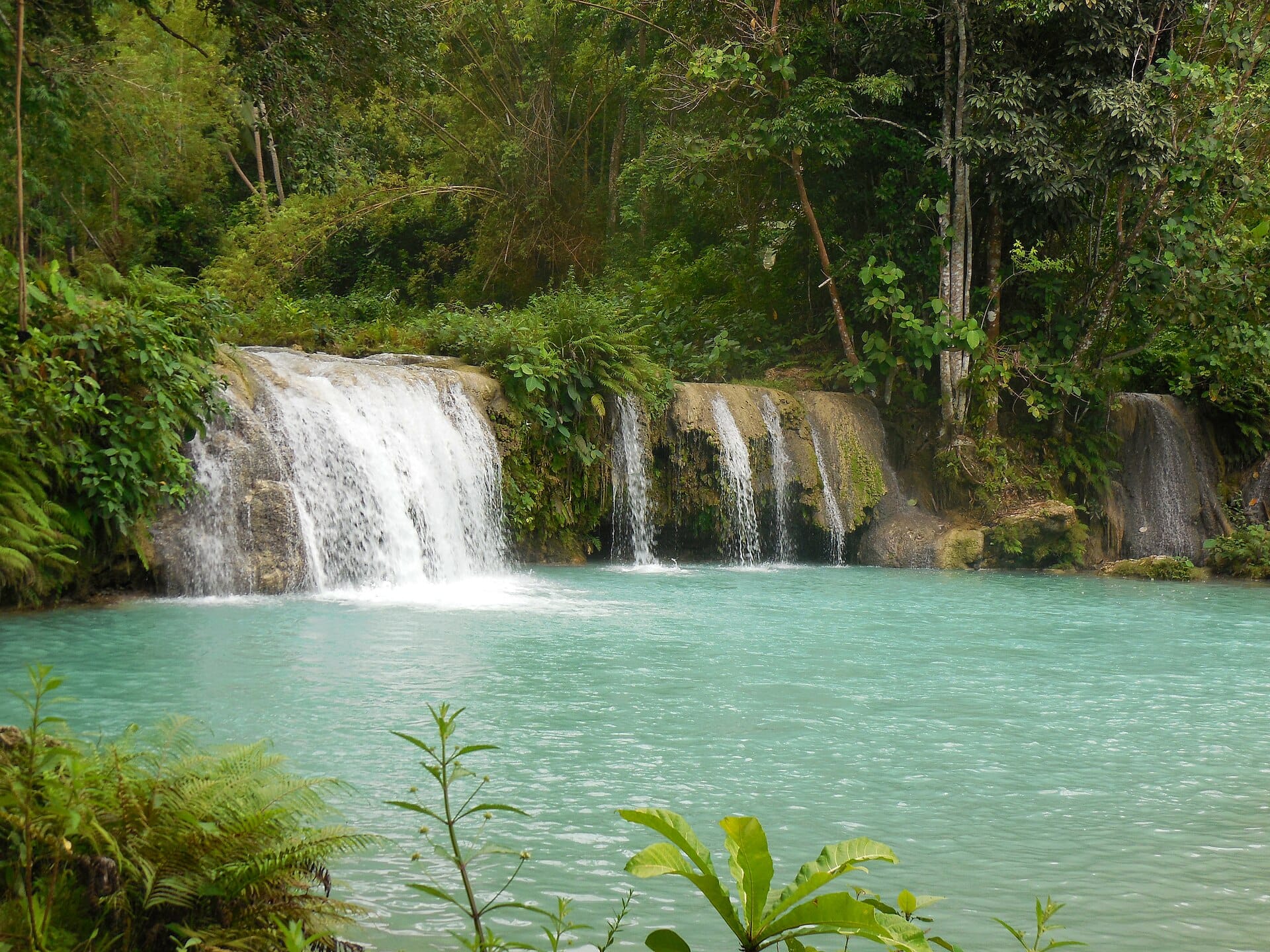
Siquijor
Philippines →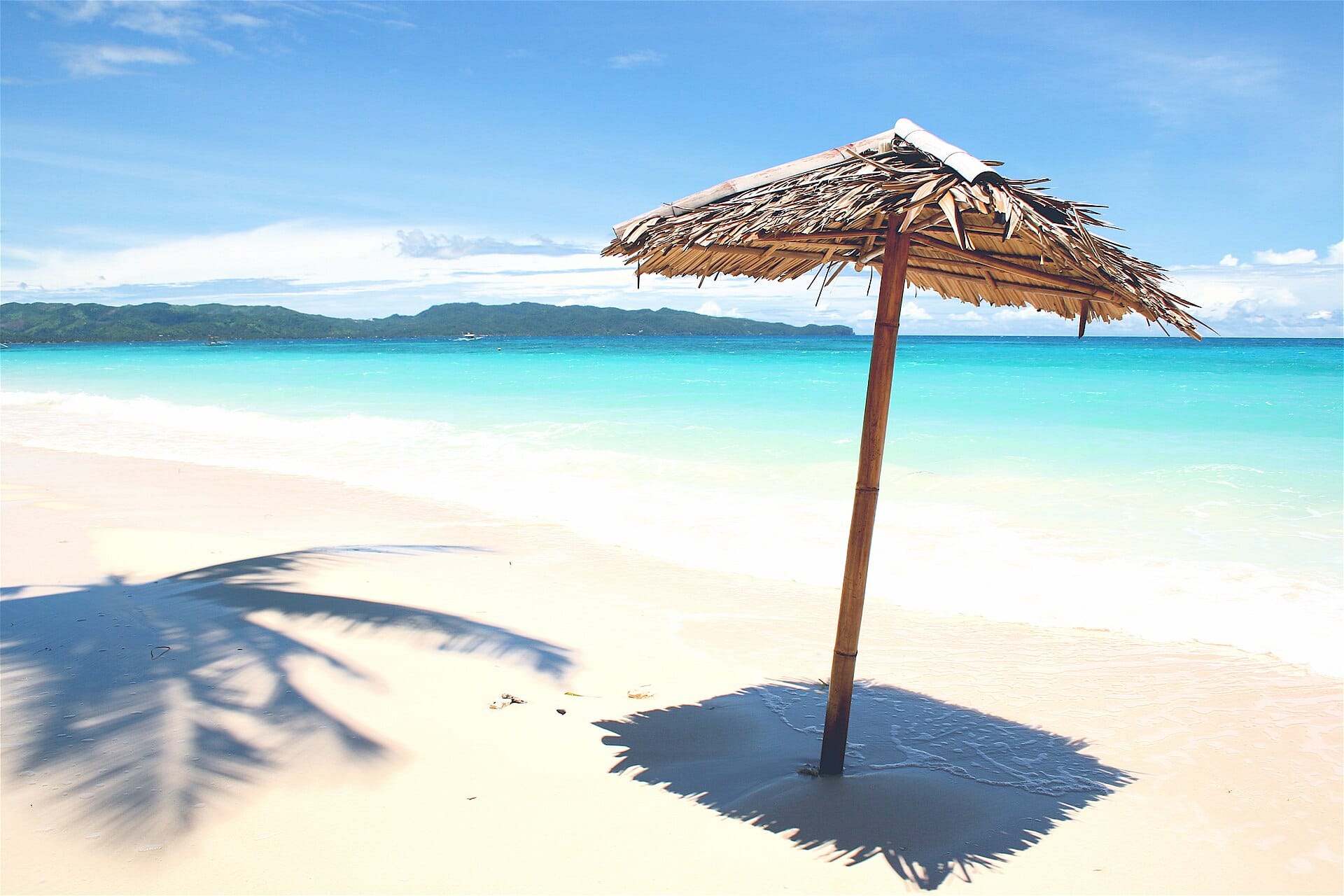
The Visayas: Cebu
Bohol and Siquijor, Philippines →
Sabah
Borneo, Malaysia →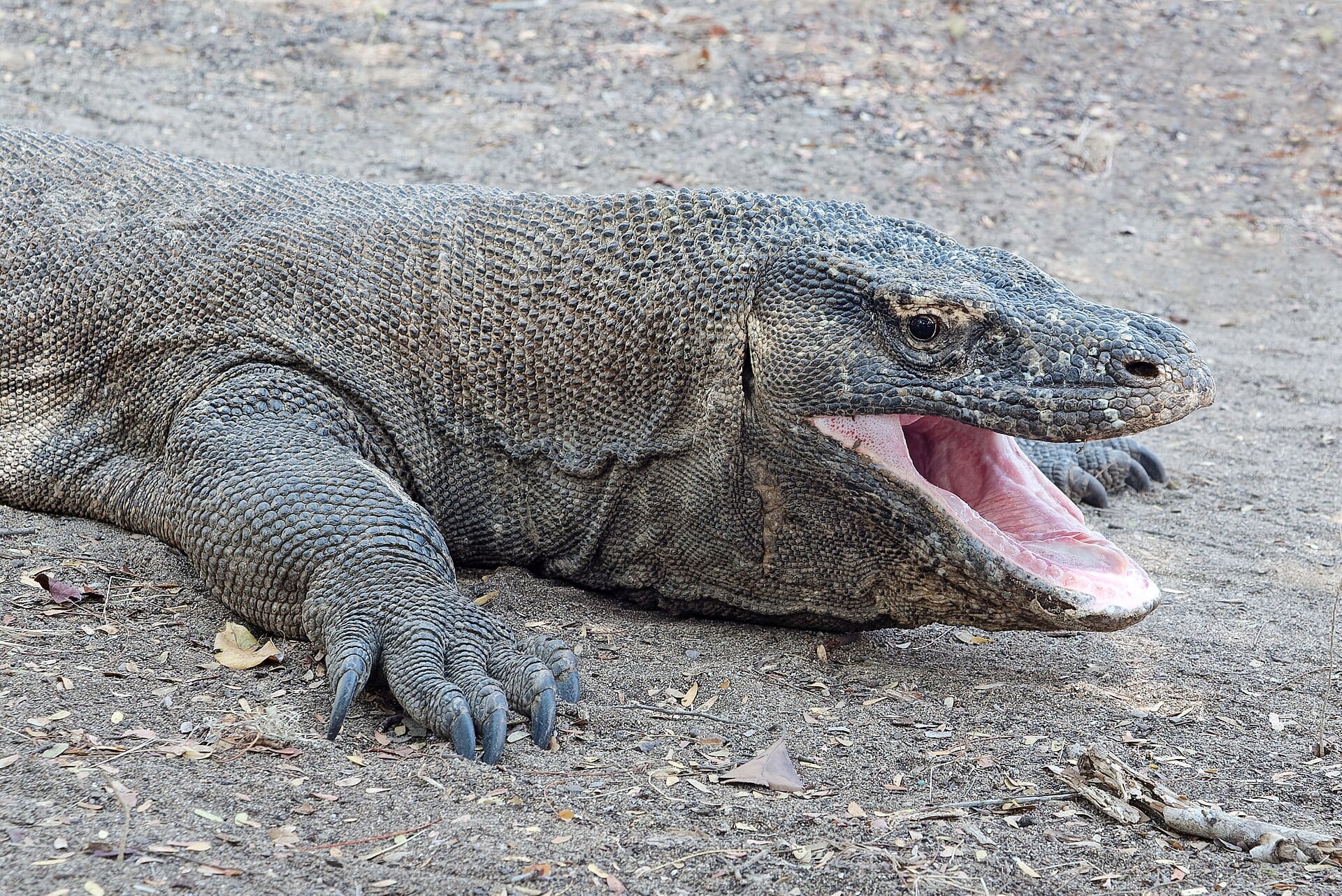
Komodo dragons
Indonesia →
Orangutans in Borneo
Malaysia →Elsewhere in Indonesia
Related articles
Quick answers
When is the best time to visit Raja Ampat?
Daytime highs run from about 28°C in August to 29°C in December. Driest in February and October; wettest in August, with rain on about 27 days. The sea is warmest in November at around 31°C, coolest at 30°C.
How long should I spend in Raja Ampat?
Our suggestion: a week or more.
How do I get to Raja Ampat?
Waisai's small Marinda airport (RJM) has very few flights, so nearly everyone flies to Sorong (SOQ) on the Papuan mainland and takes the fast ferry to Waisai, about two hours.
Do I need a car in Raja Ampat?
No. Beyond the Sorong ferry there is none, so every island transfer is a chartered or homestay boat.
What currency and language are used in Raja Ampat?
Currency: Indonesian rupiah (IDR). Language: Indonesian. Plugs: type C and F.
Who is Raja Ampat best for?
Best for divers & snorkellers, wildlife & nature and adventure seekers. In a phrase: remote, reef-rich, spectacularly quiet.