
Praia da Ursa
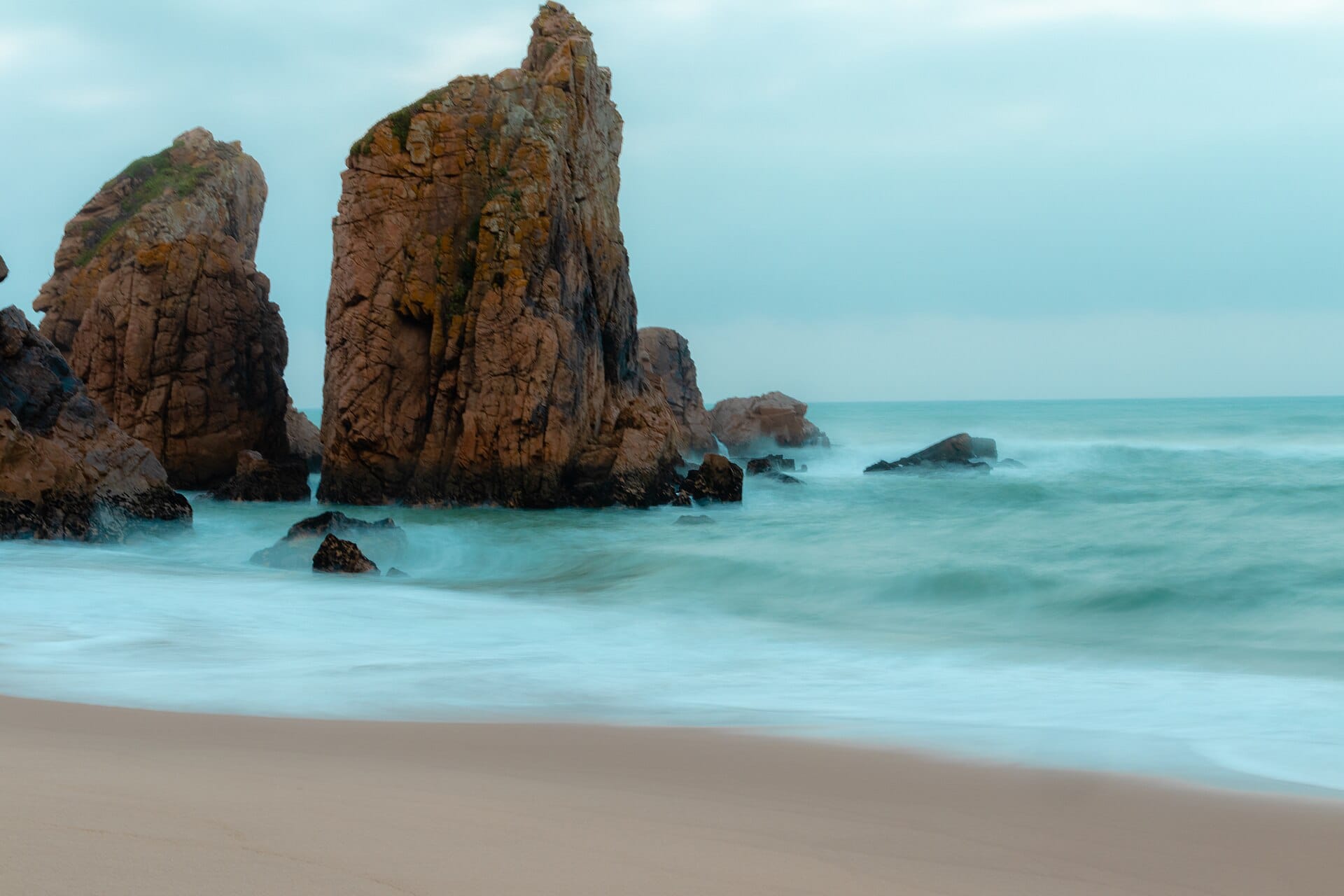
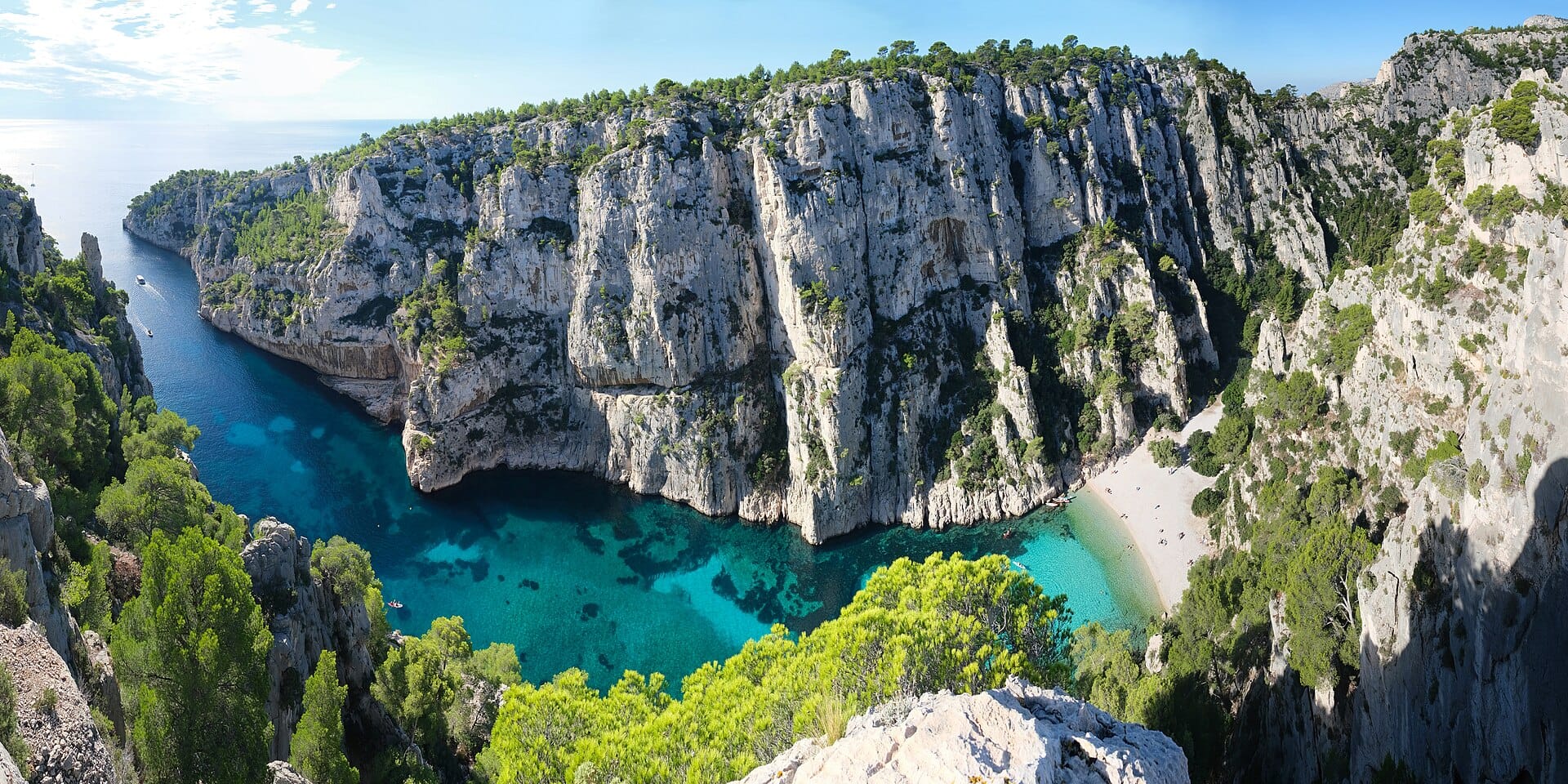
Just north of Cabo da Roca, mainland Europe's westernmost point, a rough path drops through scrub to a wild Atlantic beach guarded by two colossal sea stacks.
- Best forPhotographers · Adventure seekers · Walkers & hikers
- In June21°C · 4 rainy days · sea 18°C
- Ideal stayA half day from Sintra
- Approx. flying time~11h 30m from Los Angeles
- CurrencyEUREuro
- LanguagePortuguese
- Local time14:11same time as the UK
- PlugsType C / FBring an adapter
- Drive on theRightOpposite to the UK
- Dialling code+351
Why go
A wild slot of sand under the cliffs of the Sintra coast, just north of Cabo da Roca, guarded by two enormous sea stacks that give the beach its name. Getting down means a steep, loose path through scrub with a rope or two on the last section, and there is nothing at the bottom but rock, sand and Atlantic. On calm days it feels like a reward; on rough ones the surf closes it off entirely.
Treat it as a two-hour detour from a Sintra day rather than a beach holiday. Park near Cabo da Roca or on the track above, allow forty minutes down and rather longer back, and go in the afternoon when the light hits the stacks. Swimming is a bad idea, with strong currents and no lifeguards. Anyone nervous of heights, travelling with small children or short on daylight should admire it from the clifftop instead.
- Ideal stay
- A half day from Sintra
- The vibe
- Raw, windblown, gloriously empty
From our guides
The descent is steep and the ocean is for paddling rather than swimming, but as a place to feel small in the best way, Ursa has few rivals. Go late afternoon, when the stacks catch the sinking sun.
Featured in Ten hidden coves worth the scramble
Things to do
-
The sea stacks
Two pillars of dark rock rise straight out of the shallows at the northern end, tall enough to make people on the sand look like specks.
-
Cabo da Roca
Mainland Europe's westernmost point sits a short drive south, with a lighthouse, a stone marker and reliably ferocious wind.
-
The clifftop view
The path from the top delivers the whole beach in one frame long before you commit to the descent. Many visitors stop here and are right to.
-
Praia da Adraga
A wider, easier beach with road access and a car park a little way north, worth pairing when the descent looks unappealing.
-
Sintra's palaces
Pena, Quinta da Regaleira and the Moorish castle sit twenty-odd minutes inland, and most people combine them with the coast in a single day.
-
Late afternoon light
This coast faces west, so the last couple of hours turn the stacks gold and the sea silver. Leave time to climb out before dark.
Getting there
-
Fly to
Lisbon (LIS)
Nearest airport to Praia da Ursa, about 31km away as the crow flies.
-
Then
To Sintra
About forty-five minutes by car from Lisbon airport (LIS) to Sintra, or roughly an hour by metro and suburban train; Cascais aerodrome takes no scheduled flights.
-
On the ground
Getting around
Drive or take the Cabo da Roca bus, then find the unmarked path near the lighthouse road and descend twenty to thirty minutes over loose, steep ground; it is not a place for flip-flops or small children.
Public transport: Buses run from Sintra and Cascais to Cabo da Roca, but the trailhead is a walk along the road from there and nothing returns late.
Flights
Los Angeles Praia da Ursa, Sintra, Portugal
Fly from anywhere — search 4,000+ airports worldwide.
Roughly 11h 30m in the air from Los Angeles (LAX), estimated from the distance — check for a direct route. Pick a month to see every available flight with live prices.
Check dates and prices
Pick your departure date, then your return.
Search flightsNot sure when? Compare fares across a whole month.
Flight times are estimates; prices open on Google Flights.
When to go
Daytime highs run from about 15°C in January to 23°C in August. Driest in July and August; wettest in October, with rain on about 10 days. The sea is warmest in October at around 19°C, coolest at 15°C.
The year at a glance — pick a month for detail
June21° · rain 4 days · sea 18°Mild with the odd shower.
Monthly figures averaged from daily records for 2020–2024 at this location (ERA5 reanalysis). Highlighted months are warm and mostly dry — June to September. Live conditions from MET Norway, CC BY 4.0.
Where to stay
Guesthouses and boutique hotels in Sintra's hills, apartments at the beaches and larger hotels in Cascais. Sintra has few big properties and parking is scarce at all of them.
-
Best base overall
Sintra
The palace town twenty minutes inland, with hotels, restaurants and trains to Lisbon. It is damp and crowded by day, and blissfully quiet once the coaches leave.
Find stays in Sintra -
Quietest
Azenhas do Mar and Colares
Cliff villages north of Cabo da Roca with guesthouses, a sea pool and vineyards. Nearer the wild beaches, with very little open in the evening.
Find stays in Azenhas do Mar and Colares -
Best with children
Praia Grande and Praia das Maçãs
The proper sandy beaches with lifeguards, surf schools and apartment blocks behind. Ursa itself is no place for a family scramble, so this is where you actually swim.
Find stays in Praia Grande and Praia das Maçãs -
Best value
Cascais
Half an hour south, a lively seaside town with far more rooms, restaurants and a train line. Not remotely wild, and much easier to book at short notice.
Find stays in Cascais
Worth knowing before you book: Sintra rooms are limited and summer weekends sell out early. Book a place you can reach without the town's one-way system, and check whether parking is included, because it rarely is.
Search everything else in Sintra by budget. These are indicative budget bands in GBP per night for two people, not live quotes or guarantees of hotel type. Check your dates, guests, taxes and final price on Booking.com.
Good to know
- The descent
- Steep, sandy and eroded, with fixed ropes on the hardest section. Proper shoes are essential and it becomes dangerous in wet weather.
- Safety
- There are no lifeguards, no facilities and patchy phone signal. Do not swim, and do not get caught at the base by a rising tide.
- Getting there
- A car is the practical option. The nearest parking is off the road between Azoia and Cabo da Roca, and the track in is rough.
- Pack this
- Water, a windproof layer and a head torch if you are staying for sunset. The Atlantic wind here is cold even in July.
- Timing
- Weekday afternoons are quiet. Avoid it altogether on days with a big swell or a strong onshore wind.
Similar places
Nearby destinations
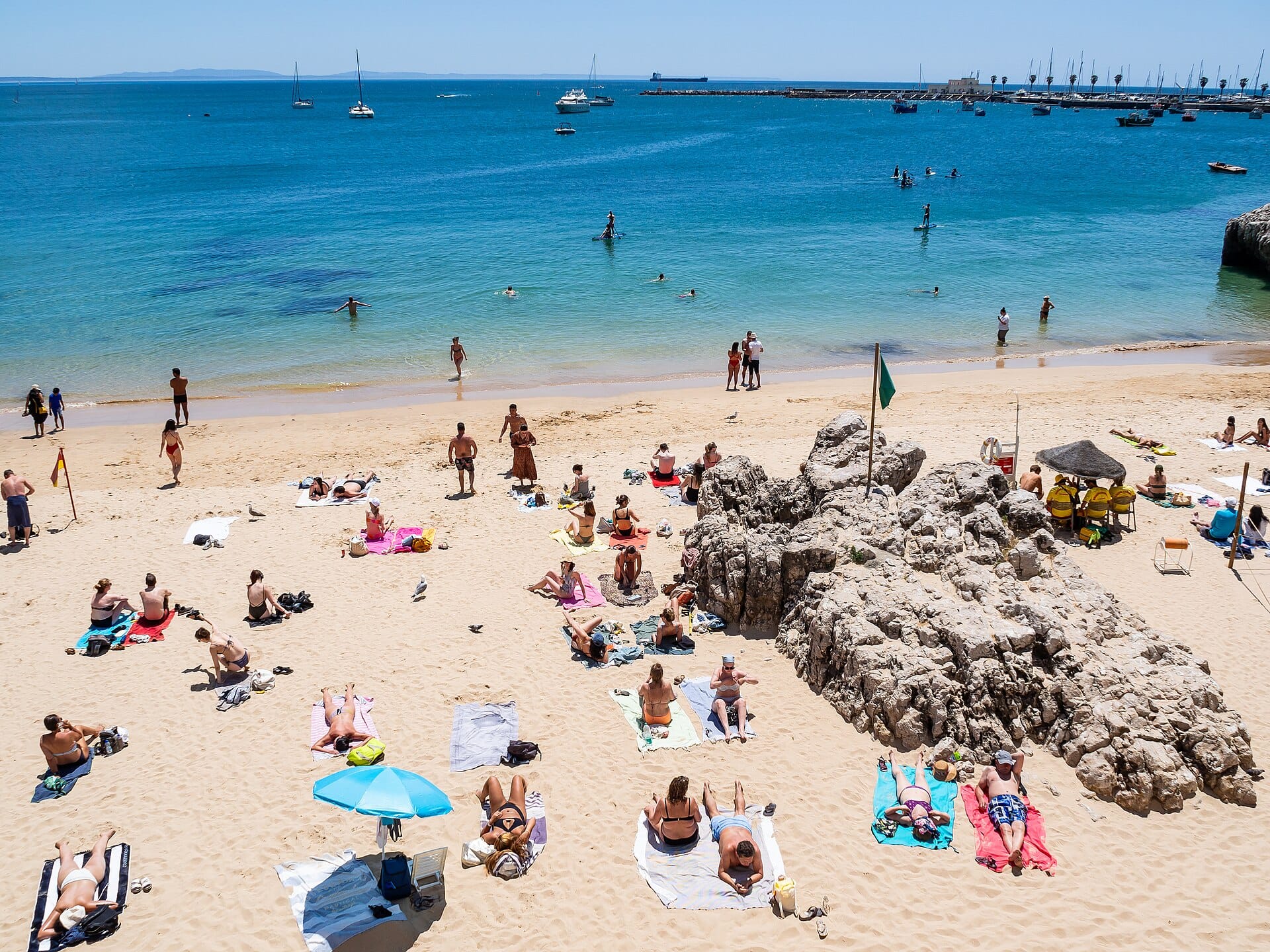
Cascais
Portugal · 12km away →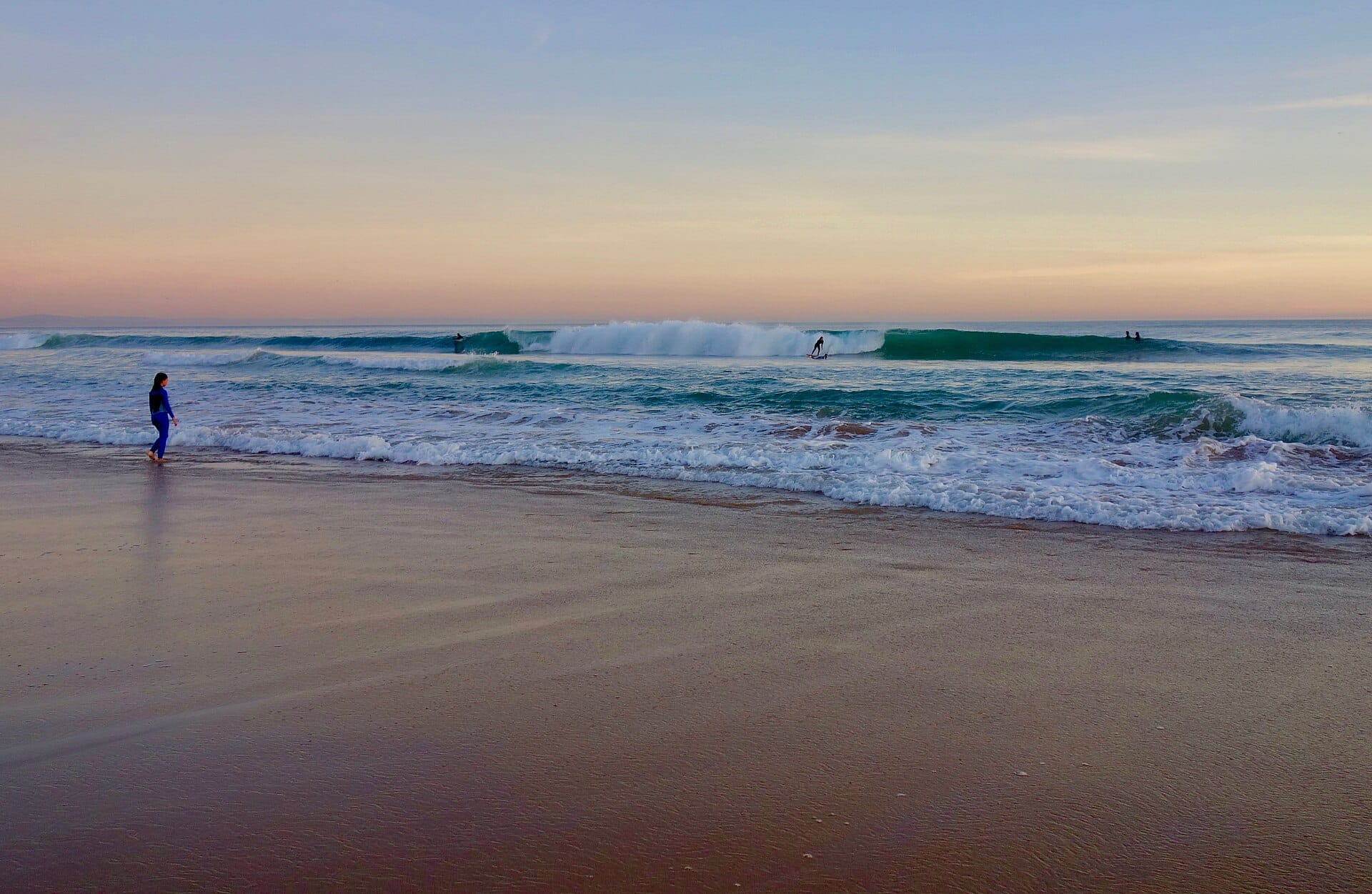
Lisbon
Portugal · 32km away →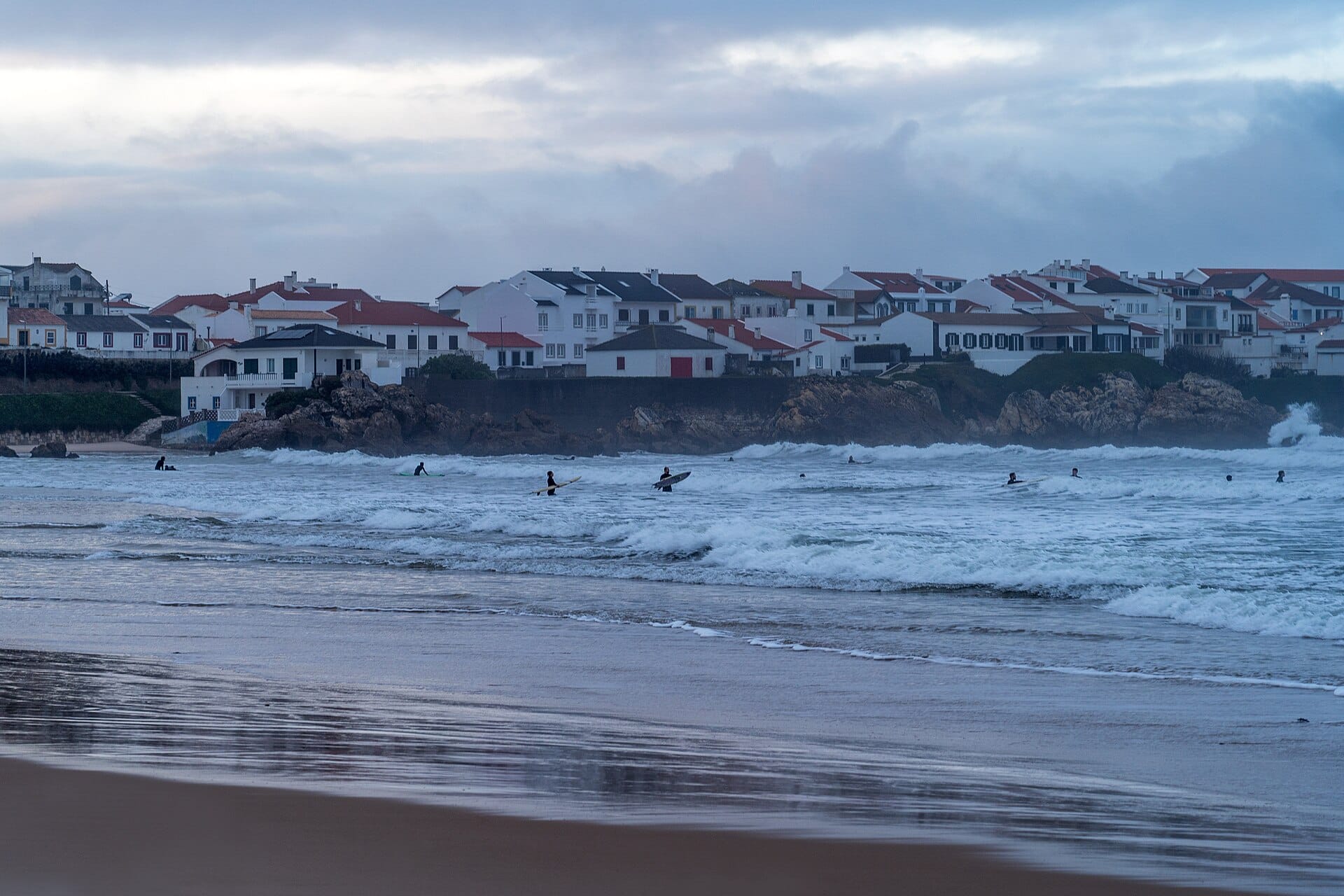
Baleal
Peniche, Portugal · 66km away →
Óbidos
Portugal · 70km away →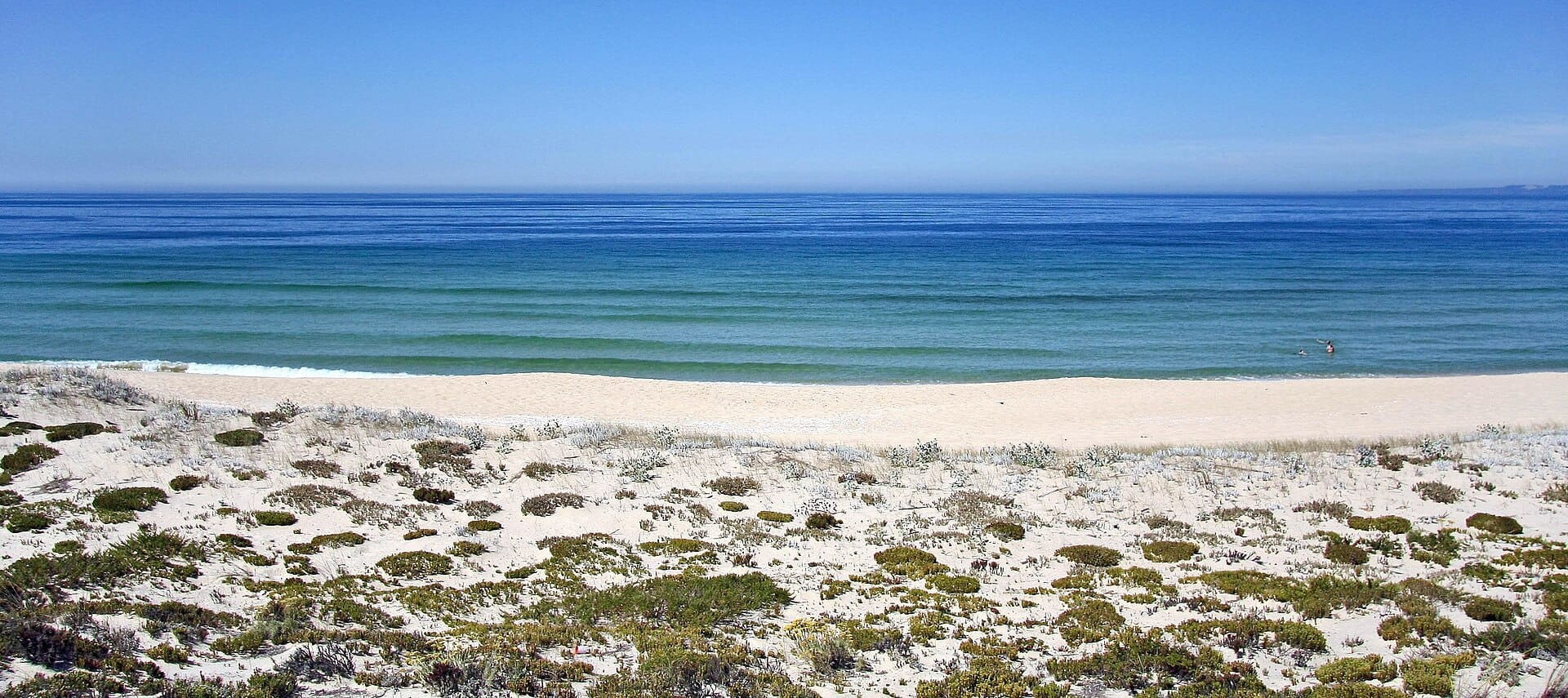
Comporta
Portugal · 76km away →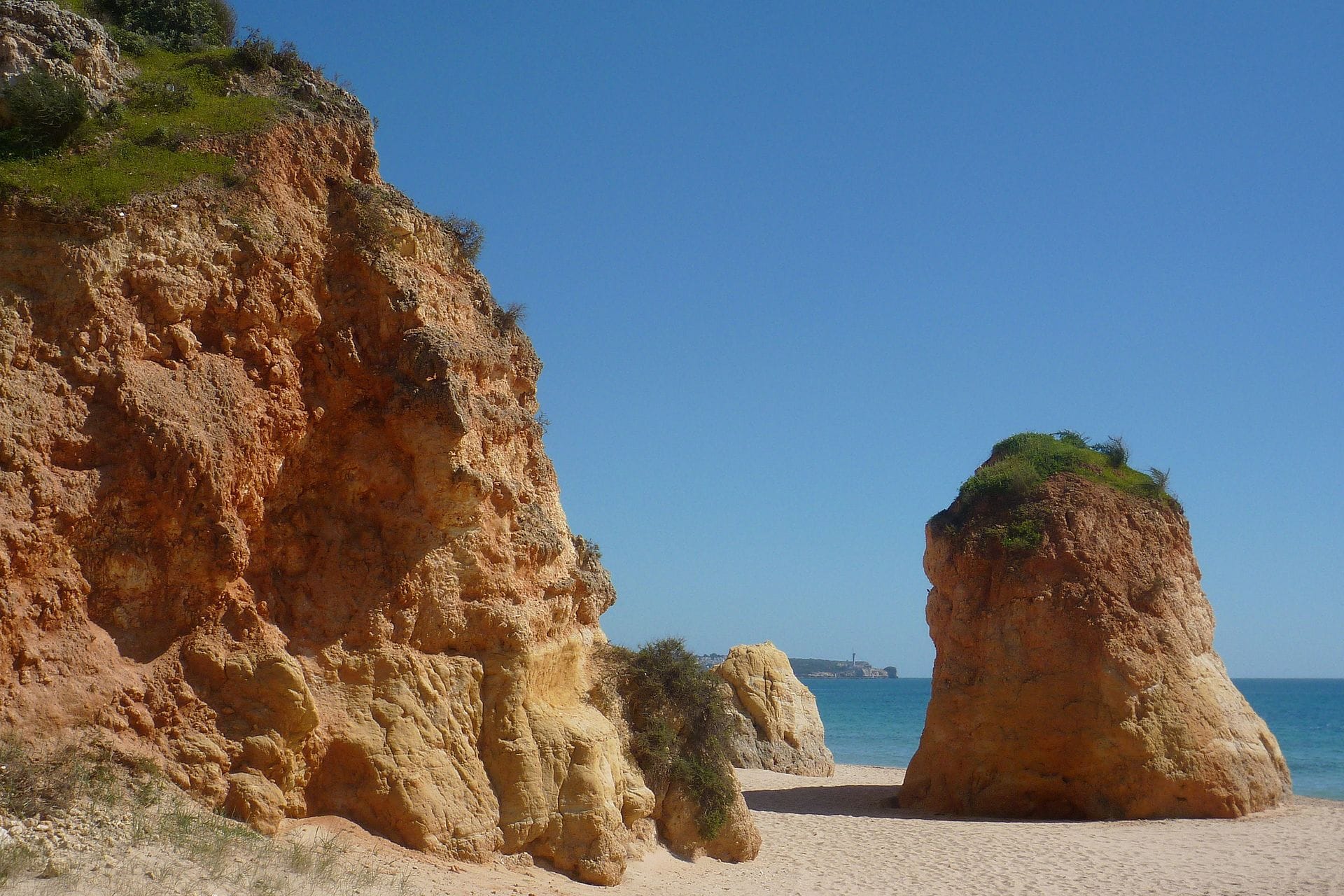
Alvor
the Algarve, Portugal · 201km away →Elsewhere in Portugal
Related articles
Quick answers
When is the best time to visit Praia da Ursa?
For warm, mostly dry days, June to September. That means highs of 20–34°C with rain on six days a month or fewer. Daytime highs run from about 15°C in January to 23°C in August. Driest in July and August; wettest in October, with rain on about 10 days. The sea is warmest in October at around 19°C, coolest at 15°C.
How long should I spend in Praia da Ursa?
Our suggestion: a half day from Sintra.
How do I get to Praia da Ursa?
About forty-five minutes by car from Lisbon airport (LIS) to Sintra, or roughly an hour by metro and suburban train; Cascais aerodrome takes no scheduled flights.
Do I need a car in Praia da Ursa?
Yes, a car makes a real difference here. Buses run from Sintra and Cascais to Cabo da Roca, but the trailhead is a walk along the road from there and nothing returns late.
What currency and language are used in Praia da Ursa?
Currency: Euro (EUR). Language: Portuguese. Plugs: type C and F.
Who is Praia da Ursa best for?
Best for photographers, adventure seekers and walkers & hikers. In a phrase: raw, windblown, gloriously empty.