
Passo Giau
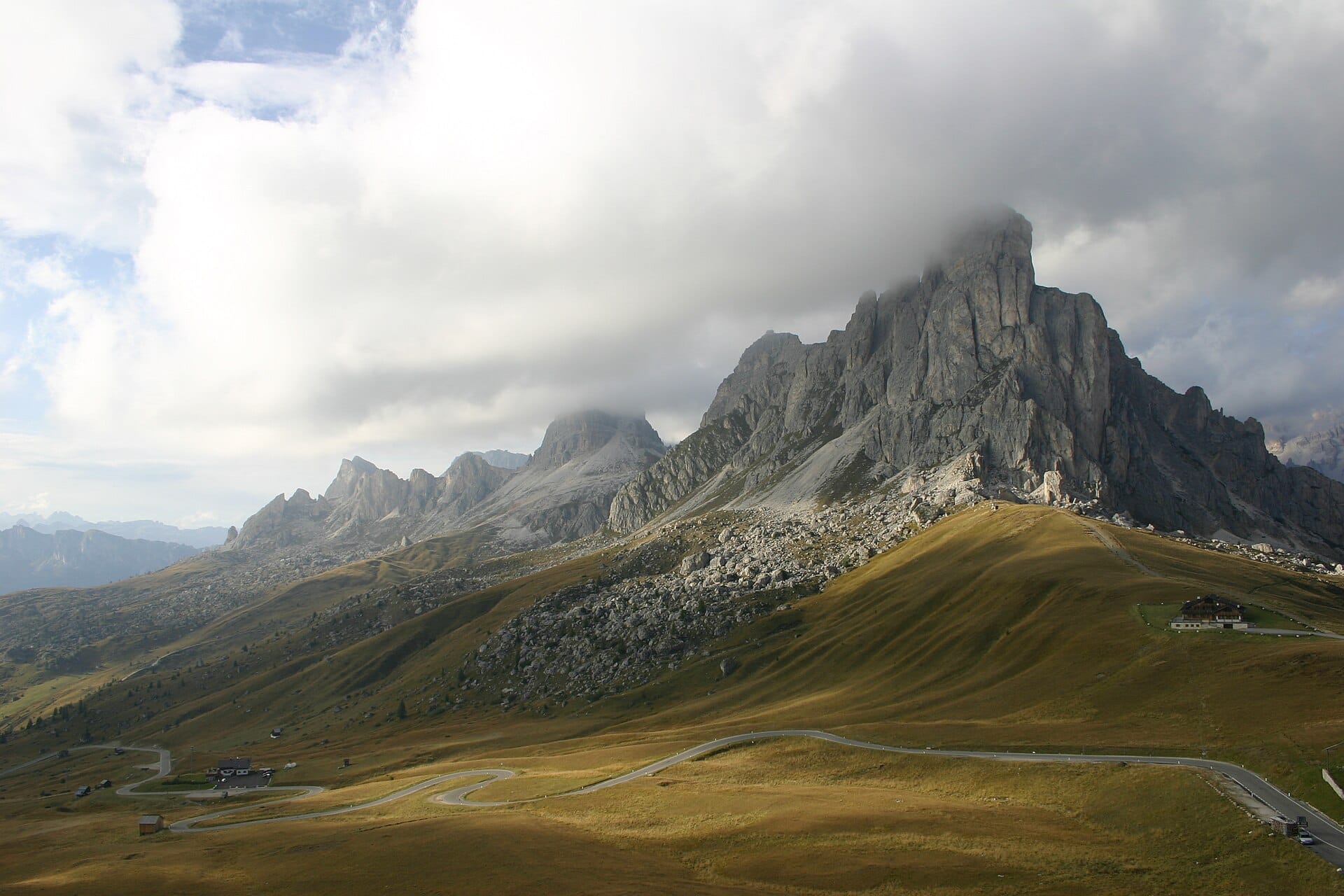
The connoisseurs' Dolomite pass: twenty-nine hairpins to a 2,236-metre saddle where the lone tooth of Ra Gusela erupts from meadows that look mown by hand.
- Best forPhotographers · Walkers & hikers · Road-trippers
- In October7°C · 12 rainy days
- Ideal stay3–4 nights in the Dolomites
- Approx. flying time~12h 20m from Los Angeles
- CurrencyEUREuro
- LanguageItalian
- Local time11:311h ahead of the UK
- PlugsType C / F / LBring an adapter
- Drive on theRightOpposite to the UK
- Dialling code+39
Why go
A road of twenty-nine hairpins climbs to a saddle at 2,236 metres between Cortina d'Ampezzo and Selva di Cadore, and the reward at the top is one of the great alpine set pieces: rolling meadow, a refuge, and the isolated fang of Ra Gusela with the Nuvolau ridge behind it. Cars, cyclists and motorbikes all use the road. Nobody, sensibly, drives it quickly.
The pass works as a day out from Cortina, or as one link in a longer Dolomites driving loop taking in Falzarego, Pordoi and Sella. Walking routes leave straight from the summit car park, including the climb to Nuvolau. The road opens roughly from late spring to autumn and closes with snow. Sunrise is why many people come, which means either an early start or a night nearby.
- Ideal stay
- 3–4 nights in the Dolomites
- The vibe
- High, sharp-edged, postcard alpine
From our guides
The Giau is a Giro d'Italia regular, so expect lycra and give it generous room. Sunrise here is the great Dolomites photograph — pink light, empty tarmac, cowbells — and the summit refuge does a proper breakfast afterwards. Come from mid-June to early July for wildflowers with your gear changes.
Featured in Ten jaw-dropping mountain roads and passes to drive
Things to do
-
Ra Gusela at sunrise
The tooth of rock above the pass catches first light while the meadows stay in shadow, which is the photograph this place is known for.
-
Rifugio Nuvolau walk
A steady climb of about an hour and a half from the pass reaches a refuge perched on a rock platform with a full Dolomite panorama.
-
The twenty-nine hairpins
The western ascent from Selva di Cadore is the harder and more scenic side, a regular feature of the Giro d'Italia and busy with cyclists all summer.
-
Cinque Torri
Five rock towers a short drive away, ringed by open-air First World War trenches and tunnels that can be walked freely.
-
Lagazuoi cable car
The neighbouring Falzarego pass has a lift to a summit refuge and a wartime tunnel route cut through the inside of the mountain.
-
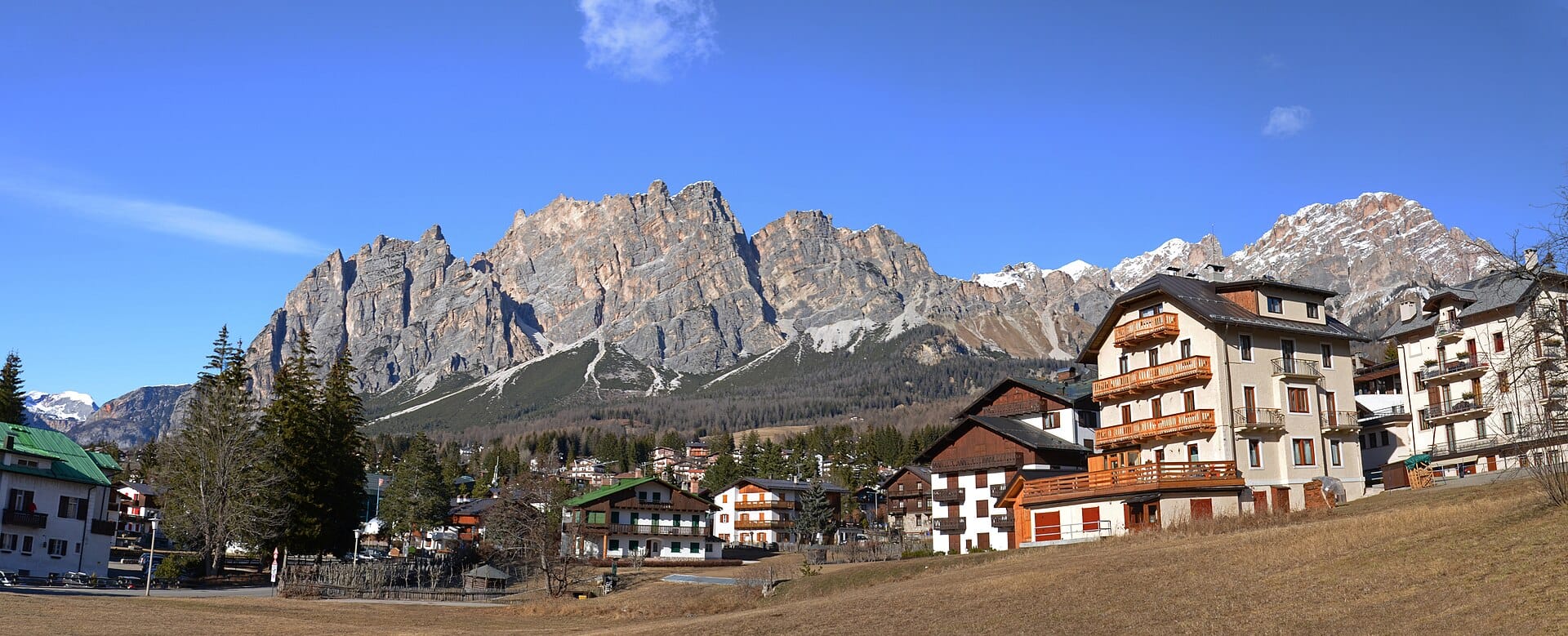
Cortina d'Ampezzo
The valley town below has the shops, restaurants and lifts, and makes the obvious base for driving the passes.
Getting there
-
Fly to
Venezia (VCE)
Nearest airport to Dolomites, about 111km away as the crow flies.
-
Then
To Cortina d'Ampezzo
Venice (VCE) is the practical gateway, around two and a half hours by car north to Cortina, with coaches running the same route; Bolzano's small airport is closer as the crow flies but on the far side of the range.
-
On the ground
Getting around
From Cortina the pass is about half an hour up the hairpins by car, motorbike or a very serious bicycle; there is parking and a refuge at the saddle.
Public transport: Seasonal Dolomiti buses cross some passes in summer, but for sunrise on the Giau you need your own vehicle.
Flights
Los Angeles Dolomites, Italy
Fly from anywhere — search 4,000+ airports worldwide.
Roughly 12h 20m in the air from Los Angeles (LAX), estimated from the distance — check for a direct route. Pick a month to see every available flight with live prices.
Check dates and prices
Pick your departure date, then your return.
Search flightsNot sure when? Compare fares across a whole month.
Flight times are estimates; prices open on Google Flights.
When to go
Daytime highs run from about -5°C in January to 16°C in July. Driest in January and February; wettest in May, with rain on about 24 days.
The year at a glance — pick a month for detail
October7° · rain 12 daysCold with rain most weeks.
Monthly figures averaged from daily records for 2020–2024 at this location (ERA5 reanalysis). Live conditions from MET Norway, CC BY 4.0.
Where to stay
Family-run alpine hotels, garni guesthouses and apartments, with mountain refuges up on the passes. Chains are absent, and half board is common and usually good value.
-
Best base overall
Cortina d'Ampezzo
Half an hour from the pass with the best restaurants, shops and a proper choice of hotels. It is the most expensive town in the Dolomites and parking is scarce in season.
Find stays in Cortina d'Ampezzo -
Best value
Selva di Cadore and Colle Santa Lucia
The valley on the southern side of the pass, with family-run hotels and apartments at far gentler rates. Fewer restaurants, and a slightly longer drive to the classic viewpoints.
Find stays in Selva di Cadore and Colle Santa Lucia -
Quietest
Rifugio Passo Giau
The refuge at the saddle itself, which is how you get sunrise on Ra Gusela without a pre-dawn drive. Simple rooms, half board, and weather that changes its mind hourly.
Find stays in Rifugio Passo Giau -
Best with children
San Vito di Cadore
A calmer village below Cortina with pools, gentle valley walks and better-priced family apartments. You drive up to the pass, which is no hardship on a clear morning.
Find stays in San Vito di Cadore
Worth knowing before you book: The pass roads close in winter and refuges open only from roughly June to September. Book Cortina rooms for August by spring, and expect week-long minimum stays in high summer.
Search everything else in Cortina d'Ampezzo by budget. These are indicative budget bands in GBP per night for two people, not live quotes or guarantees of hotel type. Check your dates, guests, taxes and final price on Booking.com.
Good to know
- Driving
- The road is narrow with tight hairpins and heavy cyclist traffic. Give bikes wide clearance and use the pull-offs rather than stopping on bends.
- Timing
- Late June to early July brings wildflowers and September the clearest air. Sunrise and the hour after are the quietest times at the top.
- Weather
- Conditions at 2,236 metres change fast and afternoon thunderstorms are common in summer. Carry a warm layer even in August.
- Parking
- The small car park at the summit fills early on fine days. Arrive before eight or after five if you want a space.
- Opening
- The pass closes in winter and after heavy snowfall in spring and autumn. Check the road status before setting out.
Similar places
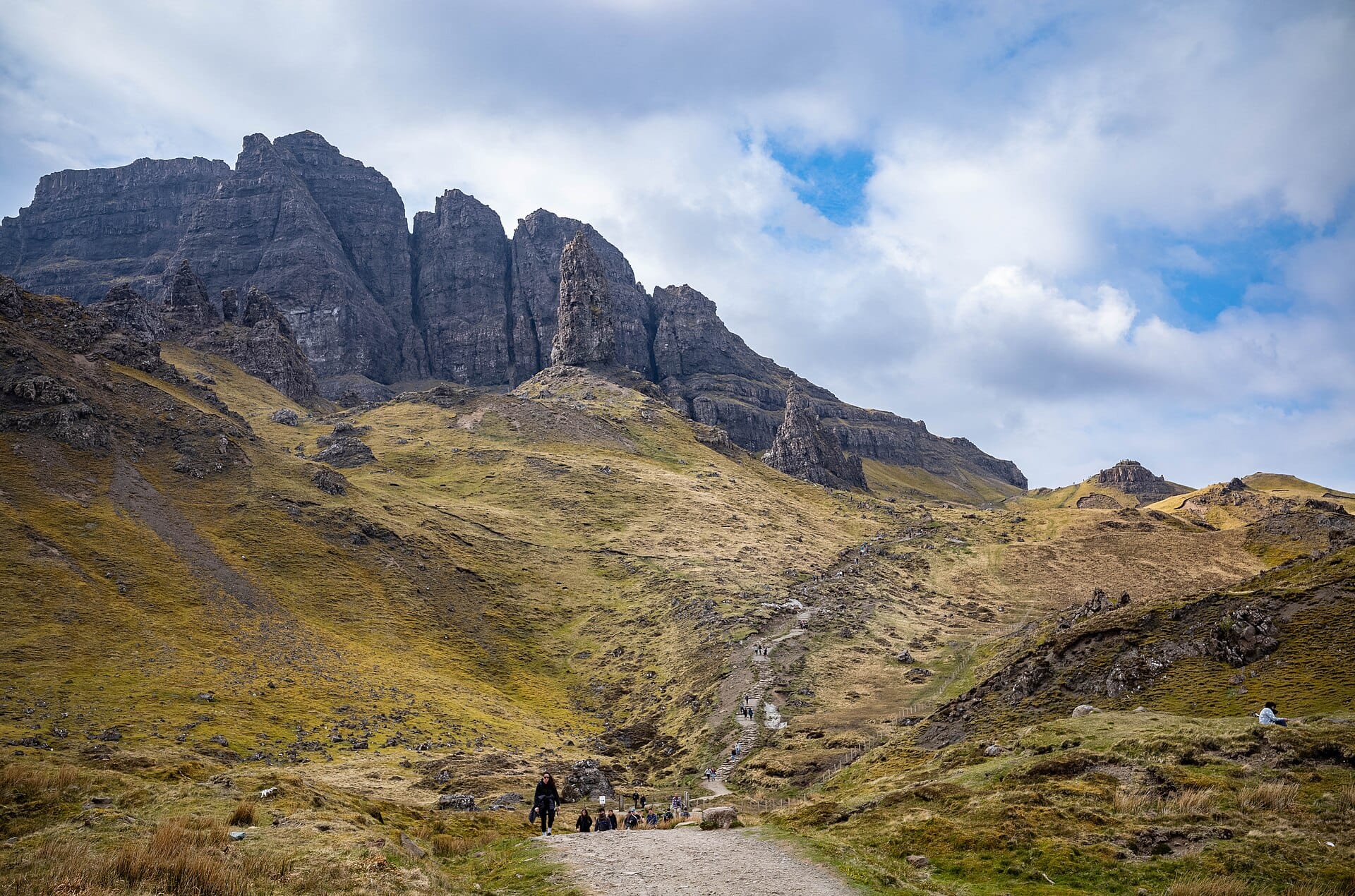
Old Man of Storr
Isle of Skye, ScotlandAlso for photographers and walkers & hikers · 9°C in October (7°C here)
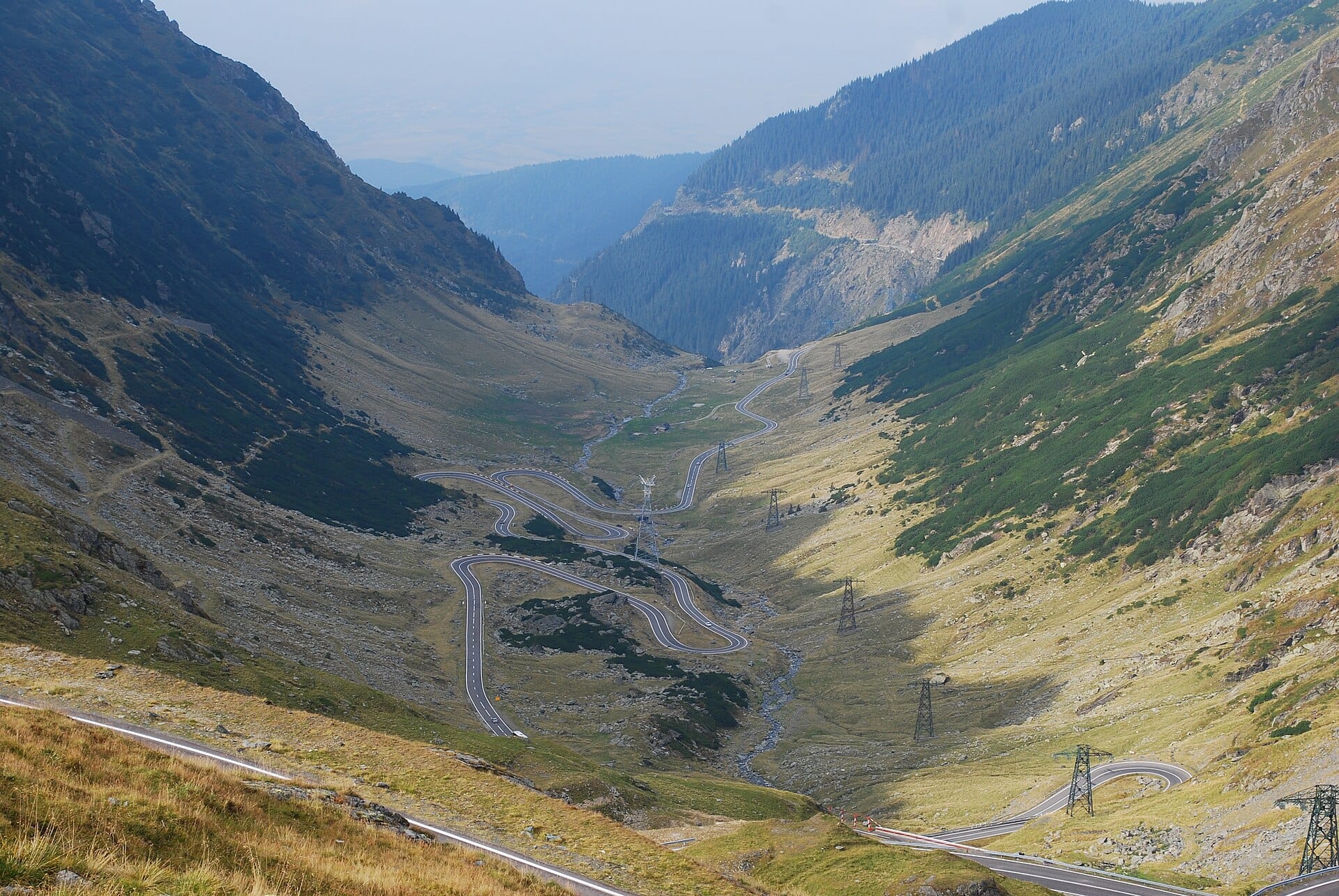
Transfăgărășan
RomaniaAlso for photographers and road-trippers · 8°C in October, as here · cheaper to stay
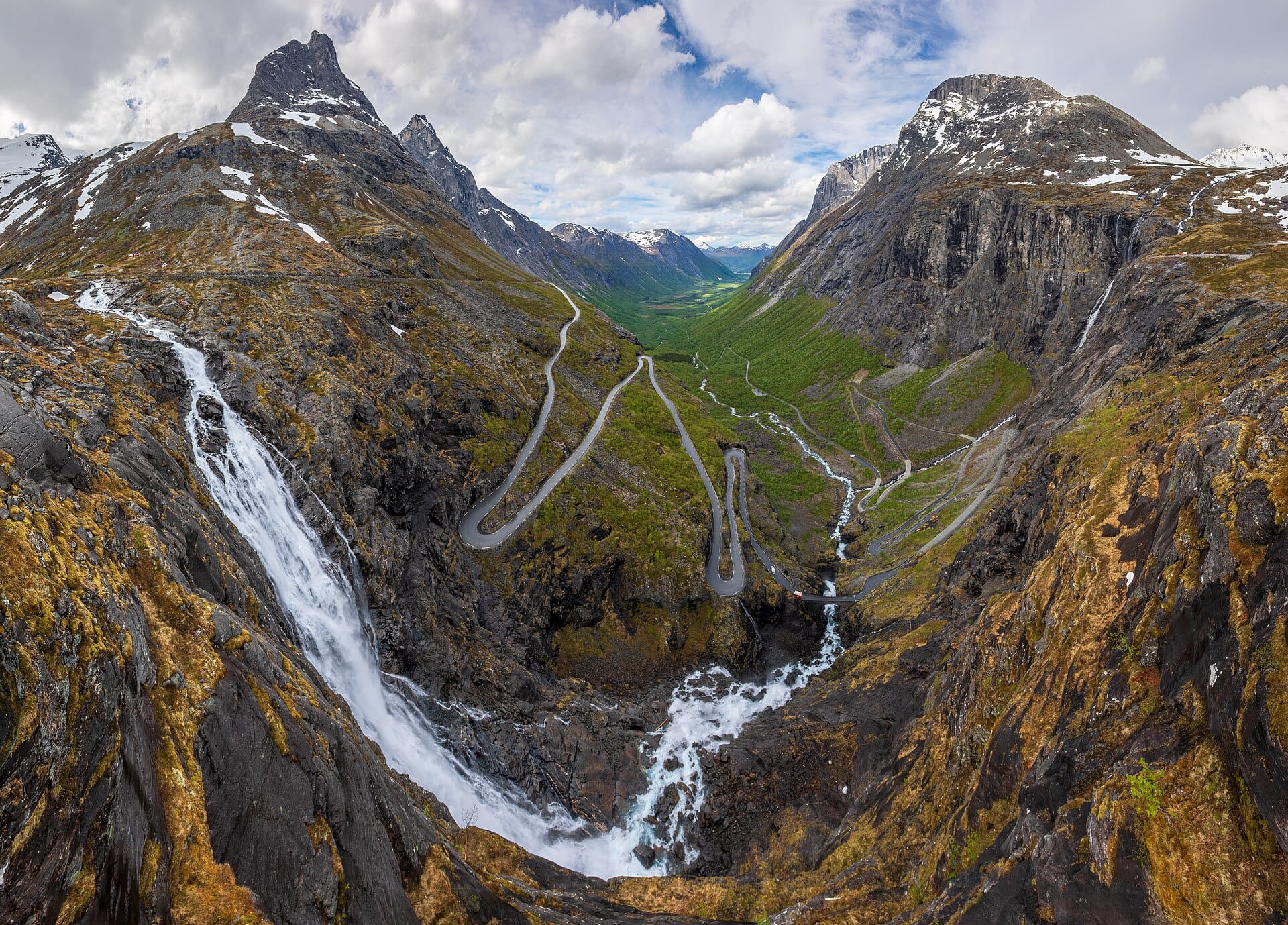
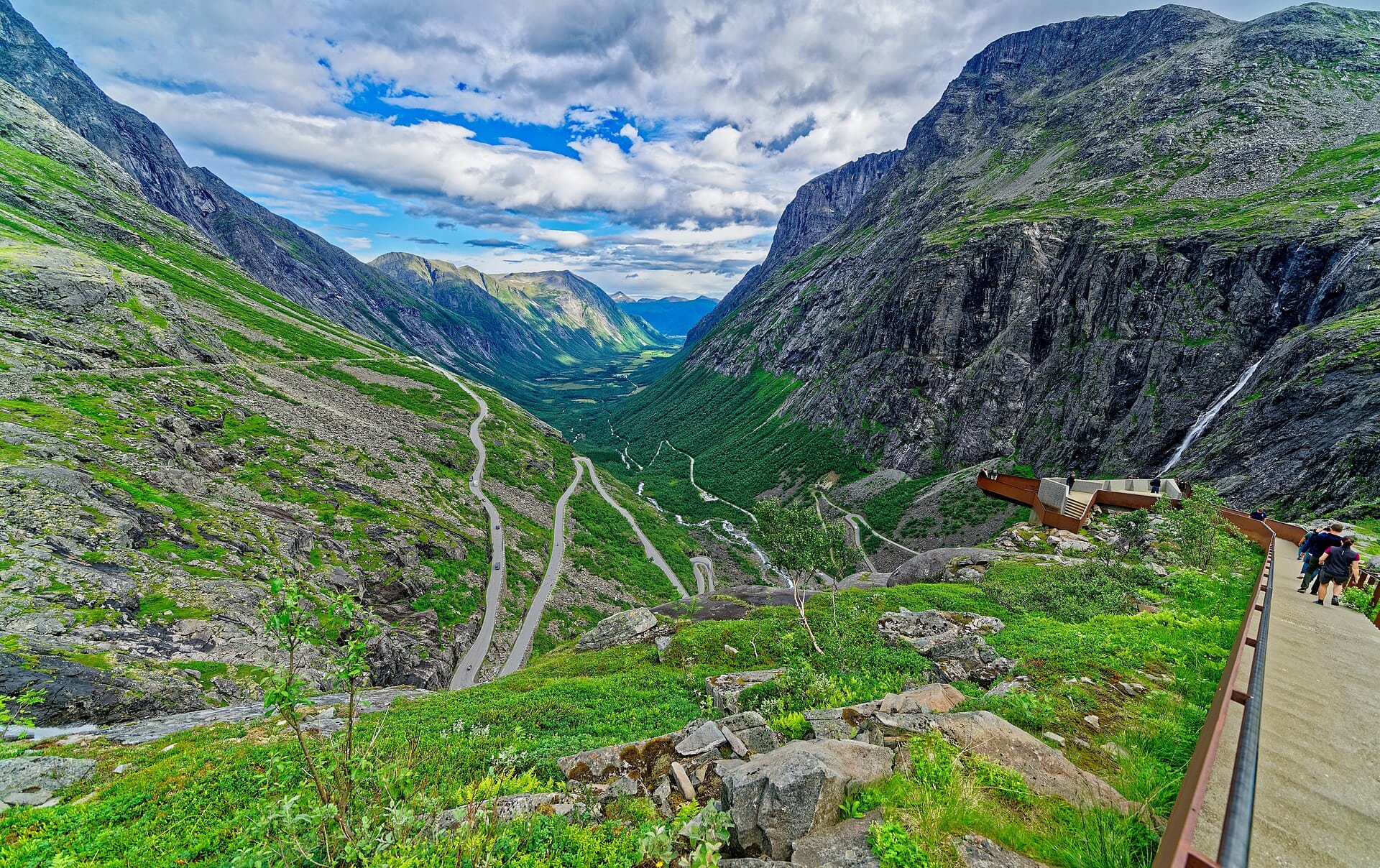
Trollstigen
NorwayAlso for photographers and walkers & hikers · 10°C in October (7°C here)
Nearby destinations
Cortina d'Ampezzo
Italy · 11km away →
Alta Badia
the Dolomites, Italy · 14km away →
Seceda ridgeline
Dolomites, Italy · 21km away →
Sella Pass
Dolomites, Italy · 22km away →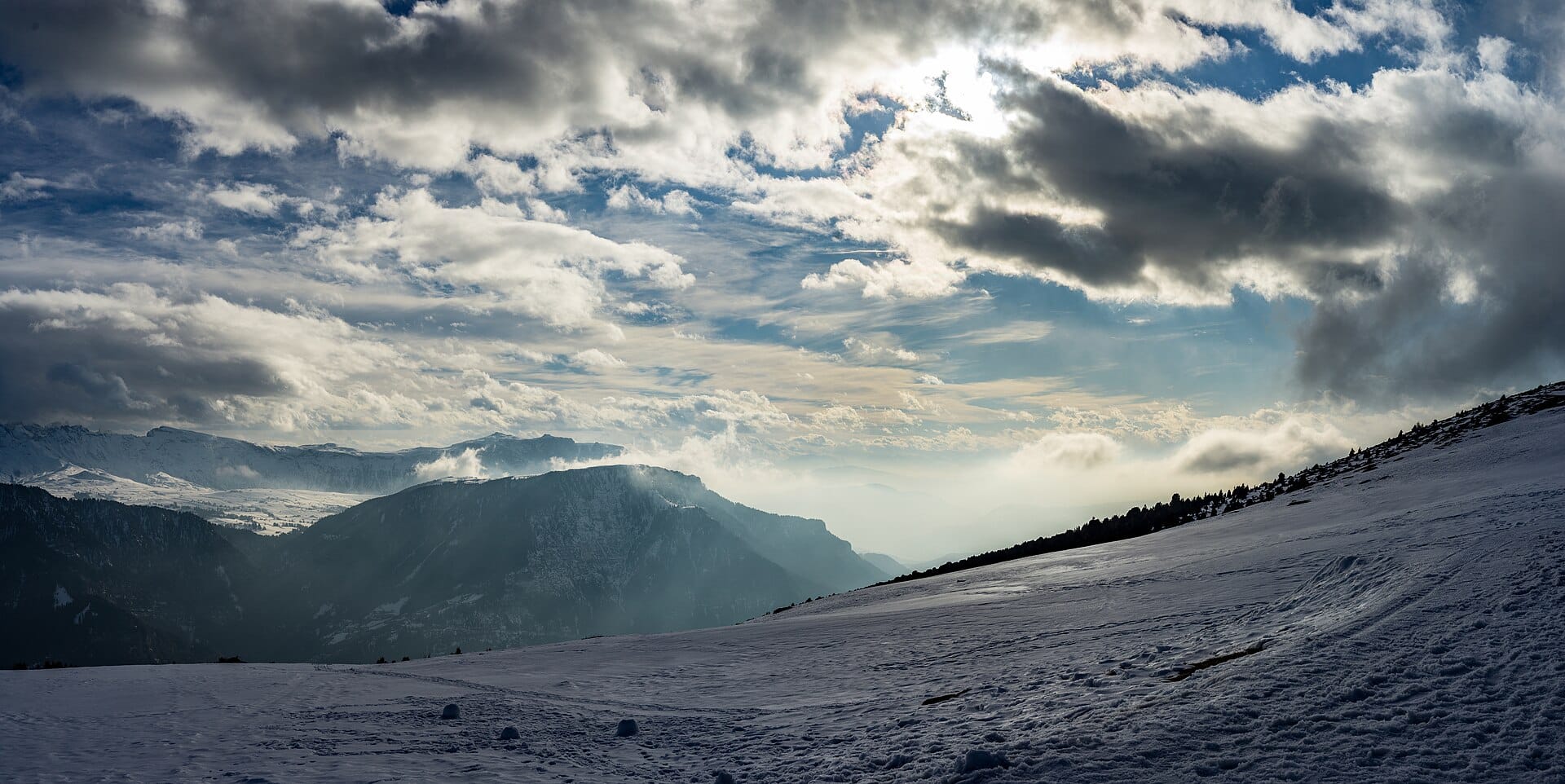
Snowshoeing in the Dolomites
Italy · 24km away →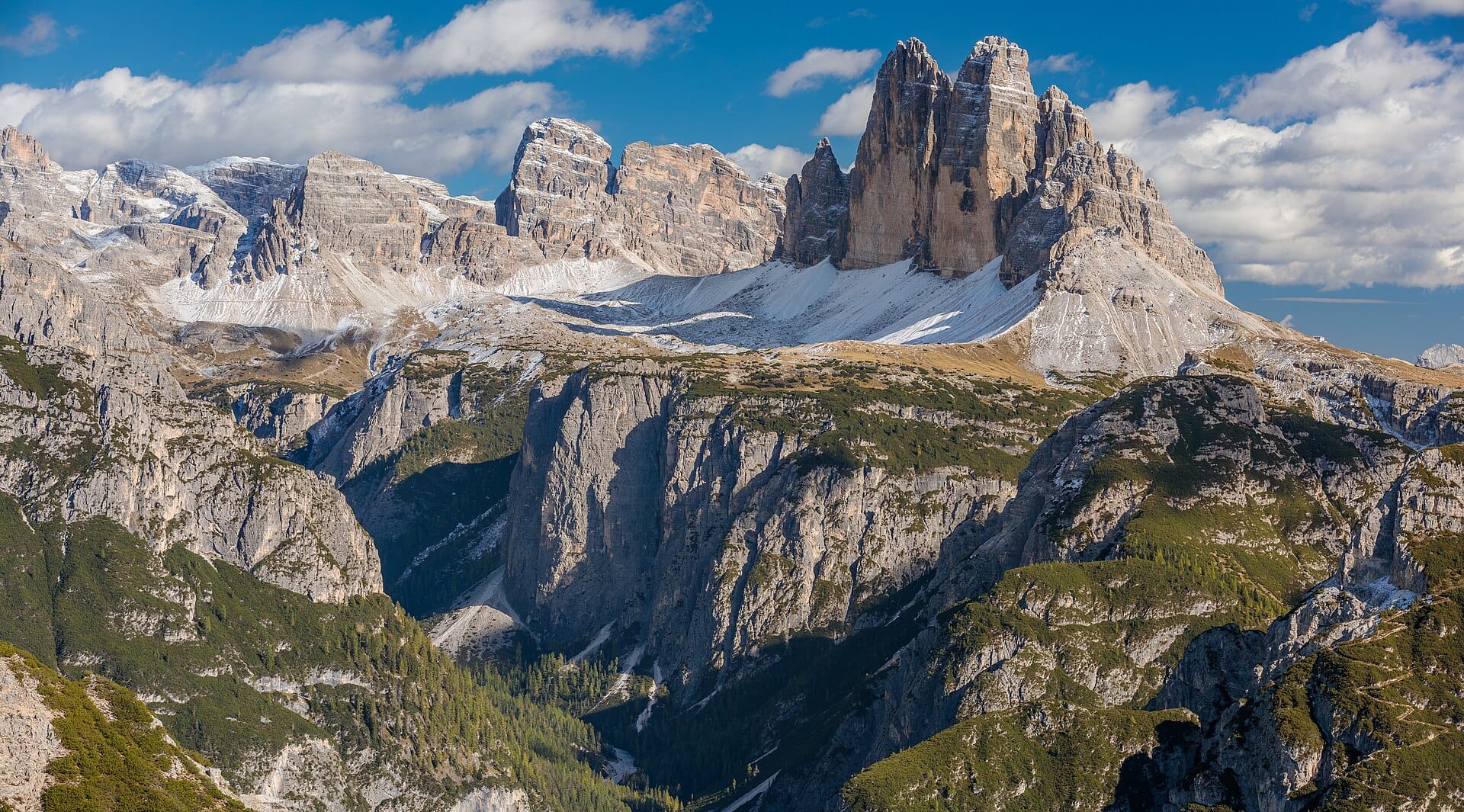
Tre Cime di Lavaredo
Dolomites, Italy · 24km away →Elsewhere in Italy
Related articles
Quick answers
When is the best time to visit Passo Giau?
Daytime highs run from about -5°C in January to 16°C in July. Driest in January and February; wettest in May, with rain on about 24 days.
How long should I spend in Passo Giau?
Our suggestion: 3–4 nights in the Dolomites.
How do I get to Passo Giau?
Venice (VCE) is the practical gateway, around two and a half hours by car north to Cortina, with coaches running the same route; Bolzano's small airport is closer as the crow flies but on the far side of the range.
Do I need a car in Passo Giau?
Yes, a car makes a real difference here. Seasonal Dolomiti buses cross some passes in summer, but for sunrise on the Giau you need your own vehicle.
What currency and language are used in Passo Giau?
Currency: Euro (EUR). Language: Italian. Plugs: type C and F and L.
Who is Passo Giau best for?
Best for photographers, walkers & hikers and road-trippers. In a phrase: high, sharp-edged, postcard alpine.