
Paleokastritsa
The Mediterranean rarely rewards snorkellers like the coves of Paleokastritsa, where olive-clad cliffs drop into water so clear the boats seem to levitate.
- Best forCouples · Beach lovers · Divers & snorkellers
- In January13°C · 13 rainy days · sea 17°C
- Ideal stay4–5 nights
- Approx. flying time~13h 25m from Los Angeles
- CurrencyEUREuro
- LanguageGreek
- Local time14:102h ahead of the UK
- PlugsType C / FBring an adapter
- Drive on theRightOpposite to the UK
- Dialling code+30
Why go
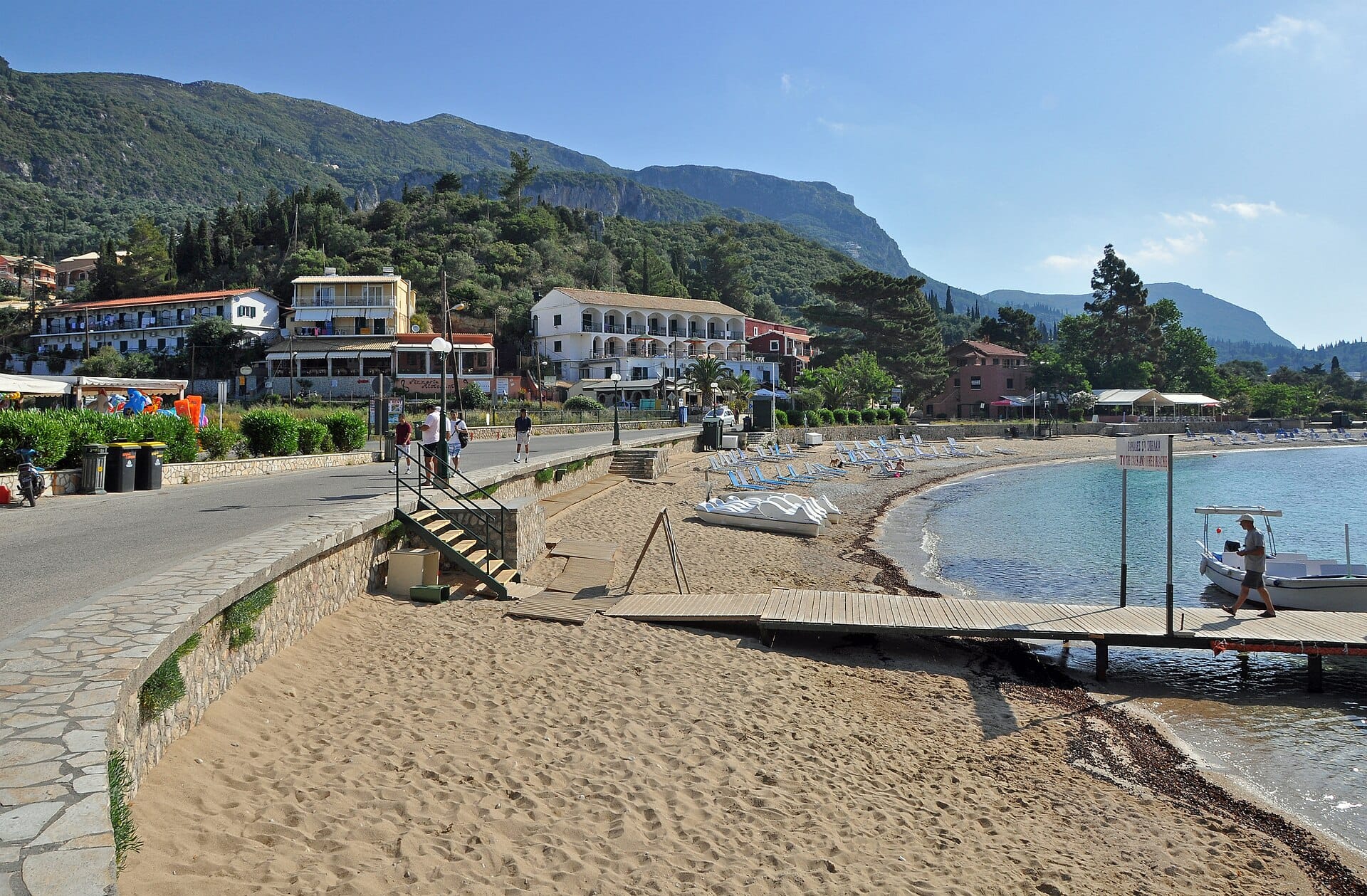
Six small bays sit at the foot of steep, olive-covered hills on Corfu's north-west coast, each a crescent of shingle with clear, cool water and rock at either end. Boats putter out to sea caves in the cliffs and a monastery occupies the headland above. This is not a long sandy resort and never has been. The pleasure lies in swimming, snorkelling and finding a different cove each morning.
Most people stay a few days as part of a wider Corfu trip, with Corfu Town about forty minutes east and the west-coast beaches strung out to the north and south. The season runs May to October, with July and August busiest and the boats fullest. Steep paths connect the bays, so it suits reasonably mobile visitors rather more than those with buggies or heavy luggage.
- Ideal stay
- 4–5 nights
- The vibe
- Cliff-backed, clear-watered, low-key
From our guides
There's no tropical coral, but the rocky points teem with bream, octopus and the odd moray, and the swimming-cave circuit by rented pedalo is a highlight of any Greek holiday. The monastery on the headland provides the view; go at opening time.
Featured in Ten snorkelling beaches with reefs right off the sand
Things to do
-
Agios Spiridon and Ampelaki bays
The two main coves have the calmest water and the easiest access, with sunbeds at one end and rocks for snorkelling at the other.
-
Sea cave boat trip
Small boats run along the cliffs to caves and arches that cannot be reached from land, usually with a swimming stop in deep blue water.
-
Panagia Theotokos monastery
The whitewashed monastery on the headland has a courtyard of bougainvillea, a small museum and a view down over every bay at once.
-
Angelokastro
A Byzantine fortress on a crag above the coast, reached from the village of Krini, with a long view along Corfu's western cliffs.
-
Bella Vista viewpoint
The road above the village passes a terrace looking straight down at the coves, which is where the picture everyone recognises is taken.
-
Snorkelling the rocky points
Bream, wrasse, octopus and the occasional moray live around the headlands. The water is cooler than the Aegean and unusually clear.
Getting there
-
Fly to
Kerkyra (CFU)
Nearest airport to Paleokastritsa, about 19km away as the crow flies.
-
Then
To Paleokastritsa
About forty-five minutes by car or taxi from Corfu airport (CFU), north-west across the island on a winding road.
-
On the ground
Getting around
The coves are spread along the bay and joined by steep lanes, so a hire car or scooter helps; small boats run from the main beach to the sea caves and the quieter coves.
Public transport: Green buses run several times a day from Corfu Town, which is enough for a stay in one place.
Flights
Los Angeles Paleokastritsa, Corfu, Greece
Fly from anywhere — search 4,000+ airports worldwide.
Roughly 13h 25m in the air from Los Angeles (LAX), estimated from the distance — check for a direct route. Pick a month to see every available flight with live prices.
Check dates and prices
Pick your departure date, then your return.
Search flightsNot sure when? Compare fares across a whole month.
Flight times are estimates; prices open on Google Flights.
When to go
Daytime highs run from about 13°C in January to 28°C in August. Driest in June and July; wettest in December, with rain on about 14 days. The sea is warmest in August at around 27°C, coolest at 16°C.
The year at a glance — pick a month for detail
January13° · rain 13 days · sea 17°Cool and often wet.
Monthly figures averaged from daily records for 2020–2024 at this location (ERA5 reanalysis). Highlighted months are warm and mostly dry — May to August. Live conditions from MET Norway, CC BY 4.0.
Where to stay
Small hotels, studios and apartment blocks on the hillside, with village rooms inland. A couple of larger hotels sit above the coves; there are no big resorts.
-
Best base overall
Paleokastritsa
The coves, boat hire and monastery road are all here, and staying over gives you the water before the day coaches arrive. The village is strung along a steep road with little flat ground.
Find stays in Paleokastritsa -
Best value
Liapades
A proper village a few minutes south with tavernas at local prices and its own quiet beach below. You drive or take the bus to the famous coves, which thins the crowds nicely.
Find stays in Liapades -
Best with children
Agios Gordios
A long sandy beach on the west coast twenty minutes away, with shallow water, family hotels and easier walking than Paleokastritsa's steps. Less dramatic scenery, far less scrambling.
Find stays in Agios Gordios -
Quietest
Lakones and Krini
Hill villages above the bay with apartments and the Bella Vista terrace views. Cool in the evening and blissfully calm, but every trip to the sea is a hairpin descent.
Find stays in Lakones and Krini
Worth knowing before you book: The village is a package-holiday staple, so July and August tighten early. Ask how many steps lead from the road to reception, because several hotels are built into the cliff.
Search everything else in Paleokastritsa by budget. These are indicative budget bands in GBP per night for two people, not live quotes or guarantees of hotel type. Check your dates, guests, taxes and final price on Booking.com.
Good to know
- Getting there
- Corfu airport is around forty-five minutes away by road. Buses run from Corfu Town, but the timetable thins outside the summer months.
- Terrain
- The bays are separated by steep steps and slopes, and accommodation often sits well above the water. Pack light and check the walk before booking.
- Beach shoes
- Most coves are pebble and the entries are stony. Something on your feet makes swimming considerably more comfortable.
- Timing
- Boats and most tavernas operate from May to October only. September has warm water and thinner crowds.
- Etiquette
- Shoulders and knees must be covered to enter the monastery, and wraps are usually available at the gate.
Similar places
Nearby destinations
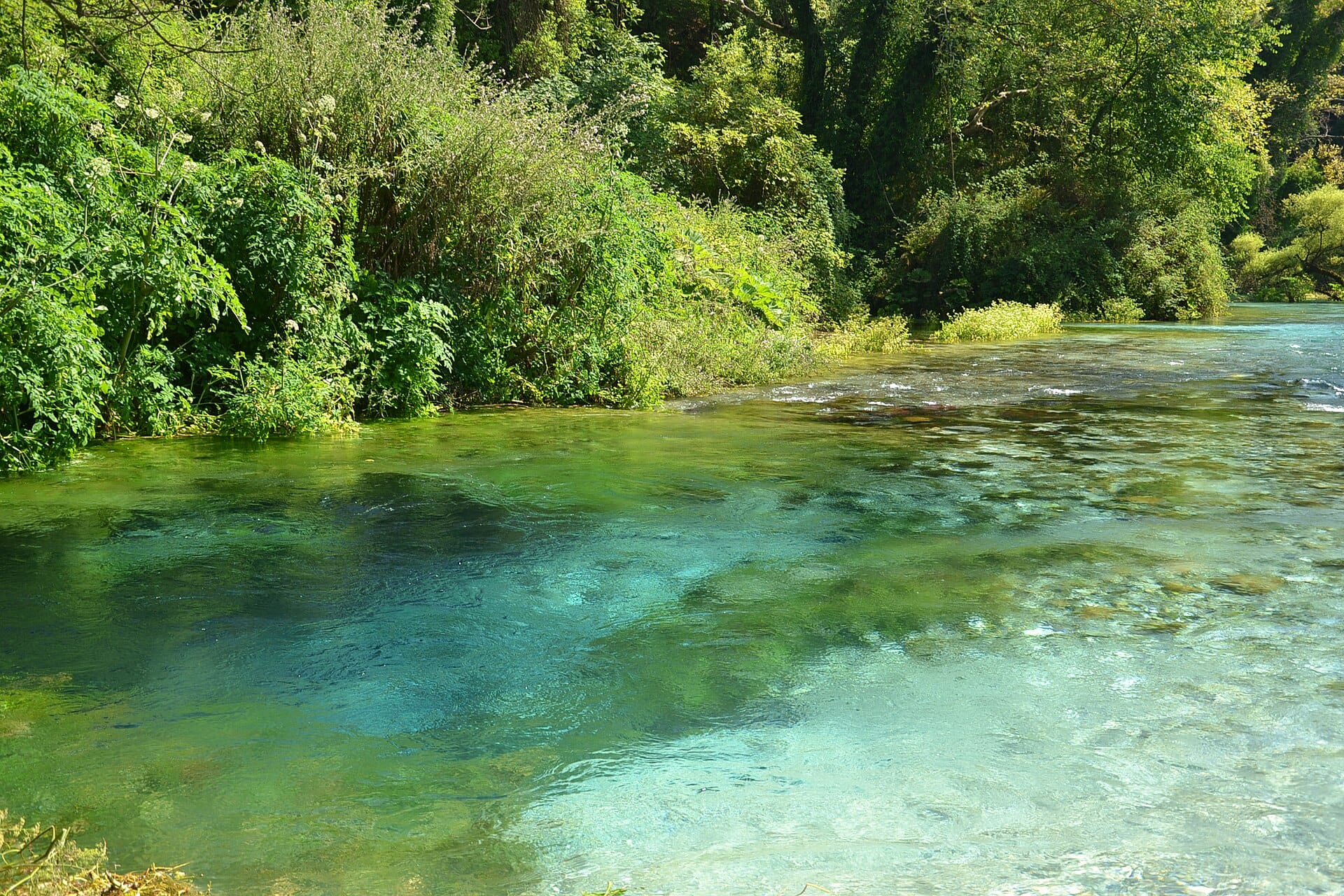
The Blue Eye
Albania · 49km away →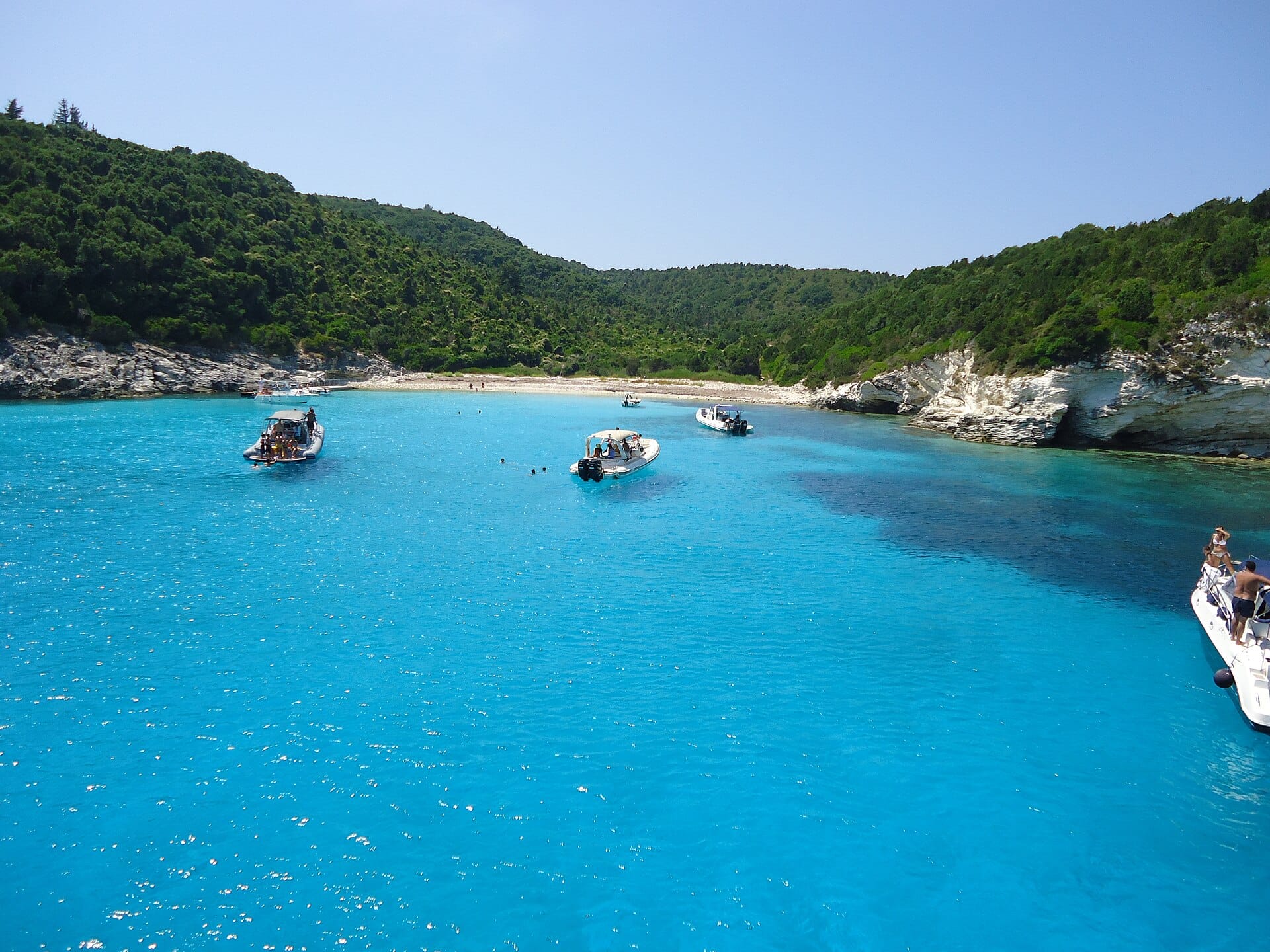
Voutoumi
Antipaxos, Greece · 73km away →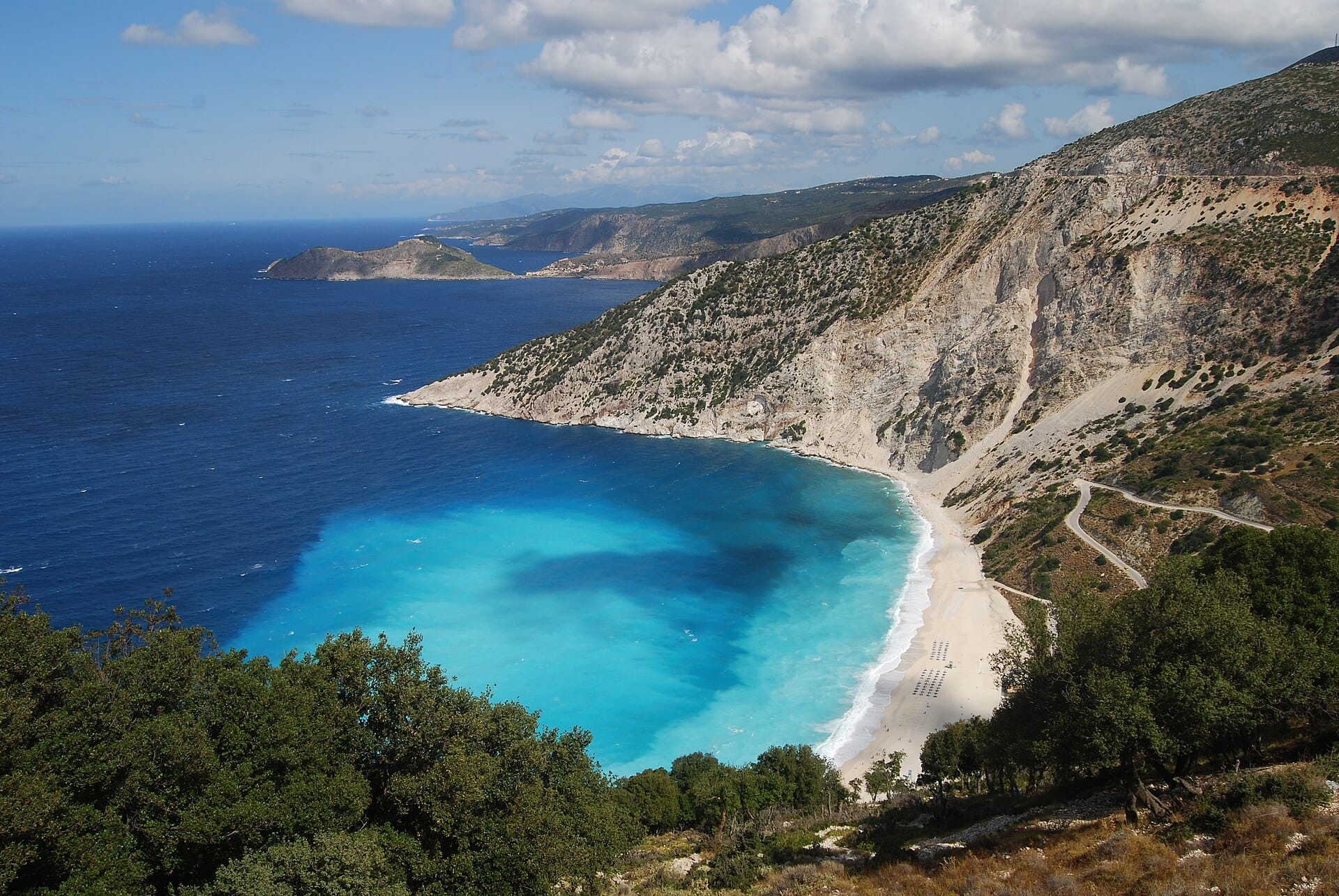
Myrtos
Kefalonia, Greece · 171km away →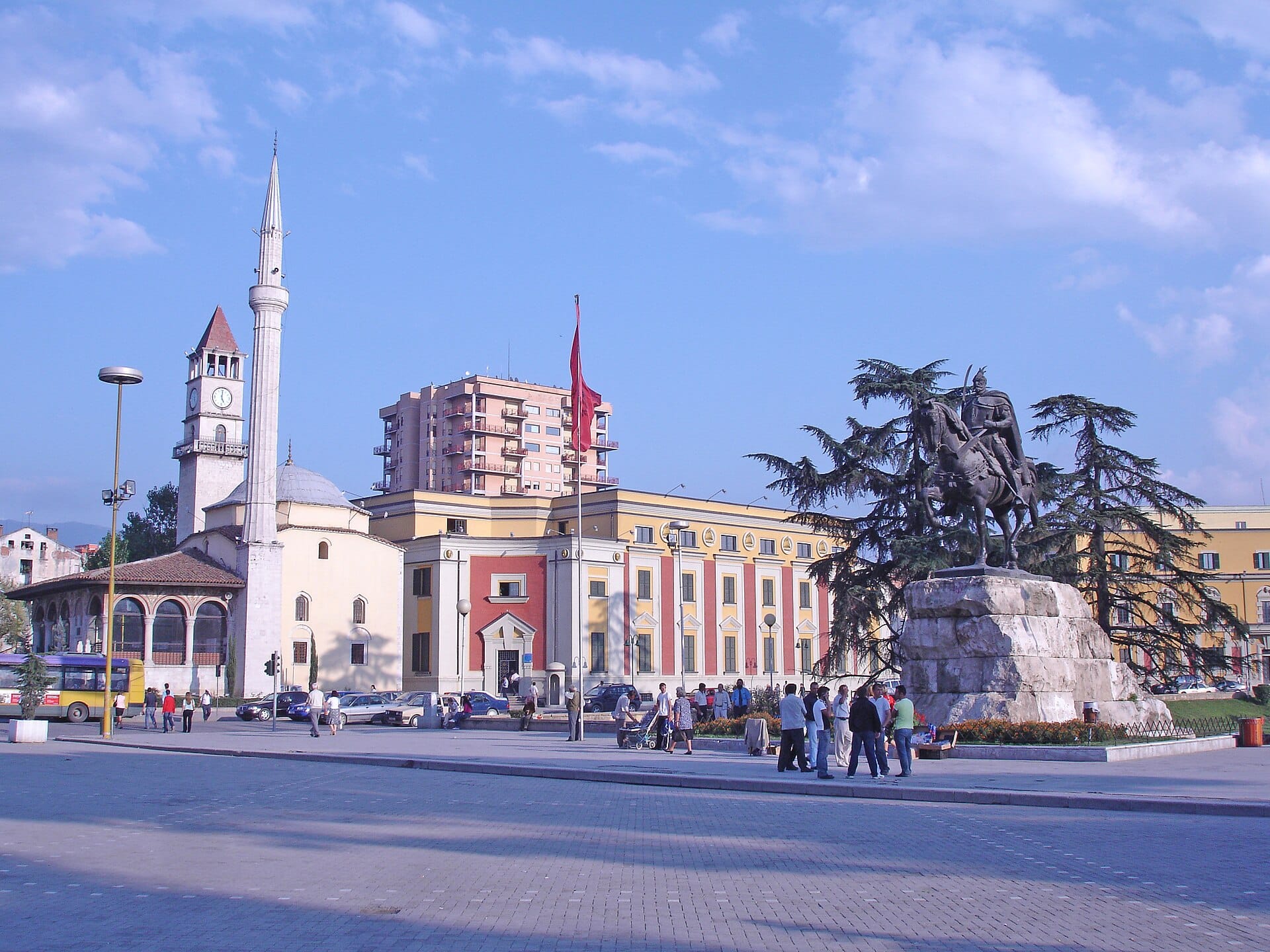
Tirana
Albania · 184km away →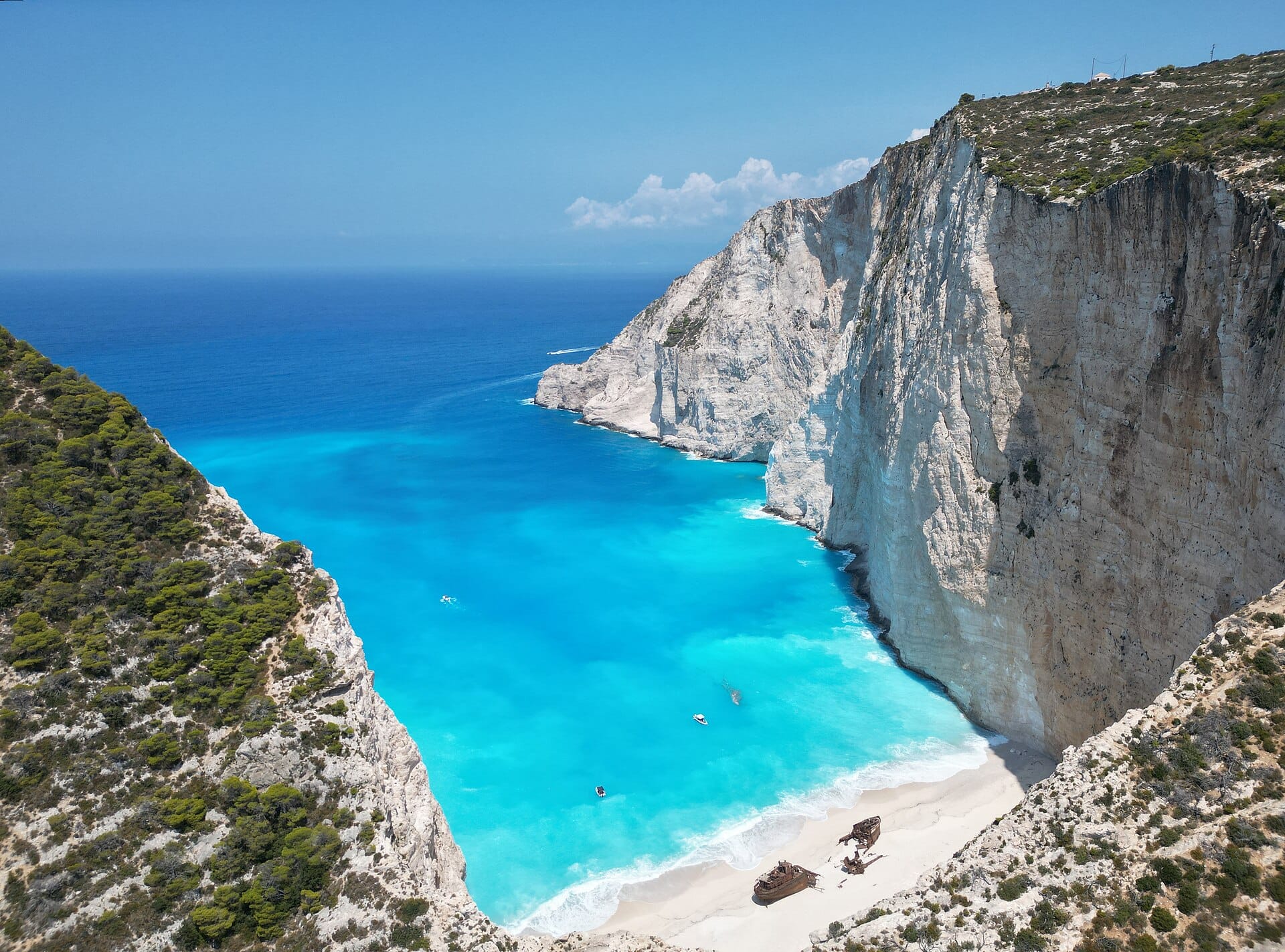
Navagio Beach
Zakynthos, Greece · 217km away →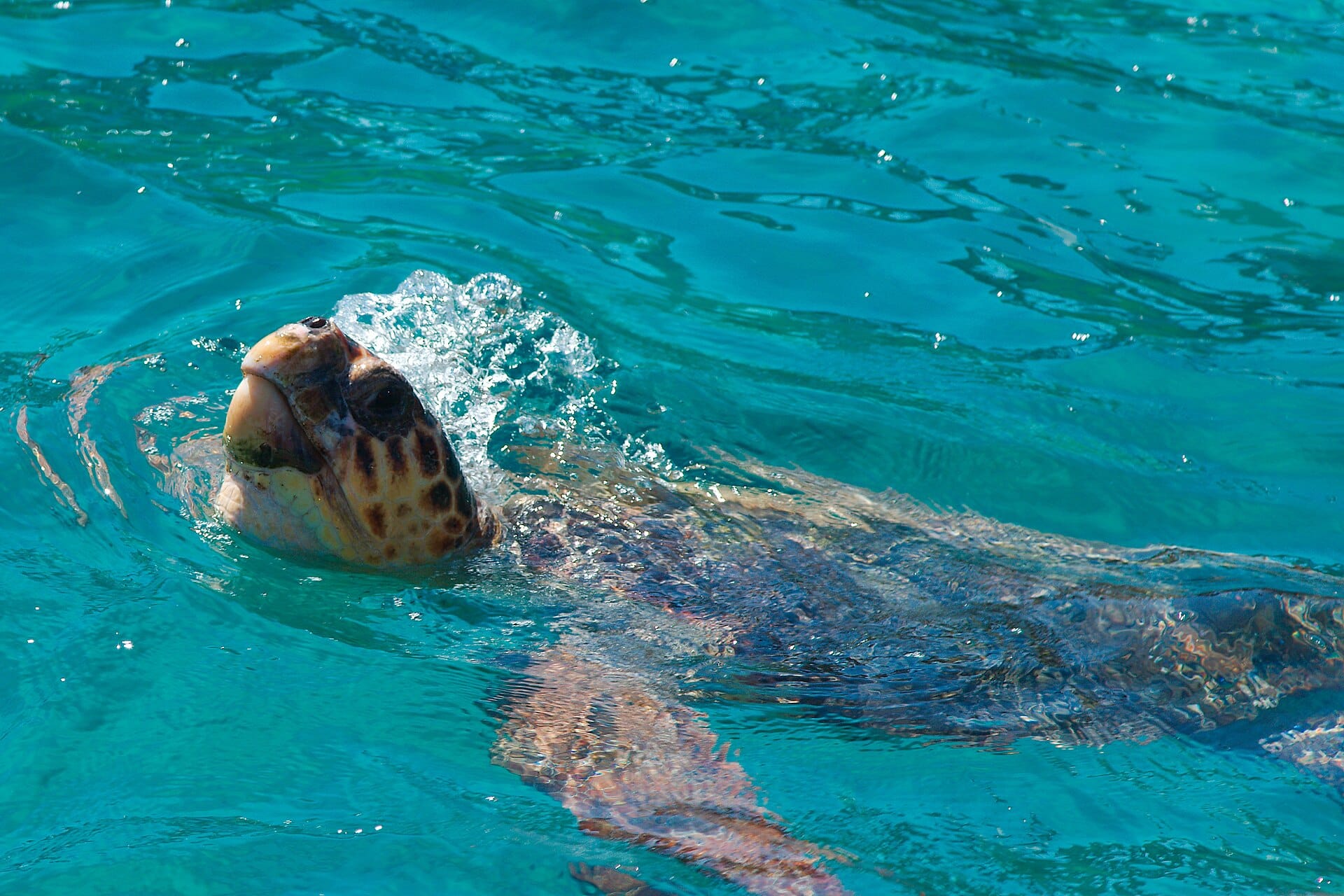
Loggerhead turtles
Zakynthos, Greece · 230km away →Elsewhere in Greece
Related articles
Quick answers
When is the best time to visit Paleokastritsa?
For warm, mostly dry days, May to August. That means highs of 20–34°C with rain on six days a month or fewer. Daytime highs run from about 13°C in January to 28°C in August. Driest in June and July; wettest in December, with rain on about 14 days. The sea is warmest in August at around 27°C, coolest at 16°C.
How long should I spend in Paleokastritsa?
Our suggestion: 4–5 nights.
How do I get to Paleokastritsa?
About forty-five minutes by car or taxi from Corfu airport (CFU), north-west across the island on a winding road.
Do I need a car in Paleokastritsa?
No. Green buses run several times a day from Corfu Town, which is enough for a stay in one place.
What currency and language are used in Paleokastritsa?
Currency: Euro (EUR). Language: Greek. Plugs: type C and F.
Who is Paleokastritsa best for?
Best for couples, beach lovers and divers & snorkellers. In a phrase: cliff-backed, clear-watered, low-key.