
Mauritius
Mauritius out-engineers most rivals: a coral reef circles almost the entire island, creating calm, swimmable lagoons everywhere.
- Best forHoneymooners · Beach lovers · Foodies
- In October28°C · 9 rainy days · sea 25°C
- Ideal stayA week to ten days
- Approx. flying time~22h 35m from Los Angeles
- CurrencyMURMauritian rupee
- LanguageEnglish, French and Mauritian Creole
- Local time12:273h ahead of the UK
- PlugsType C / GUK plugs fit
- Drive on theLeftSame as the UK
- Dialling code+230
Why go
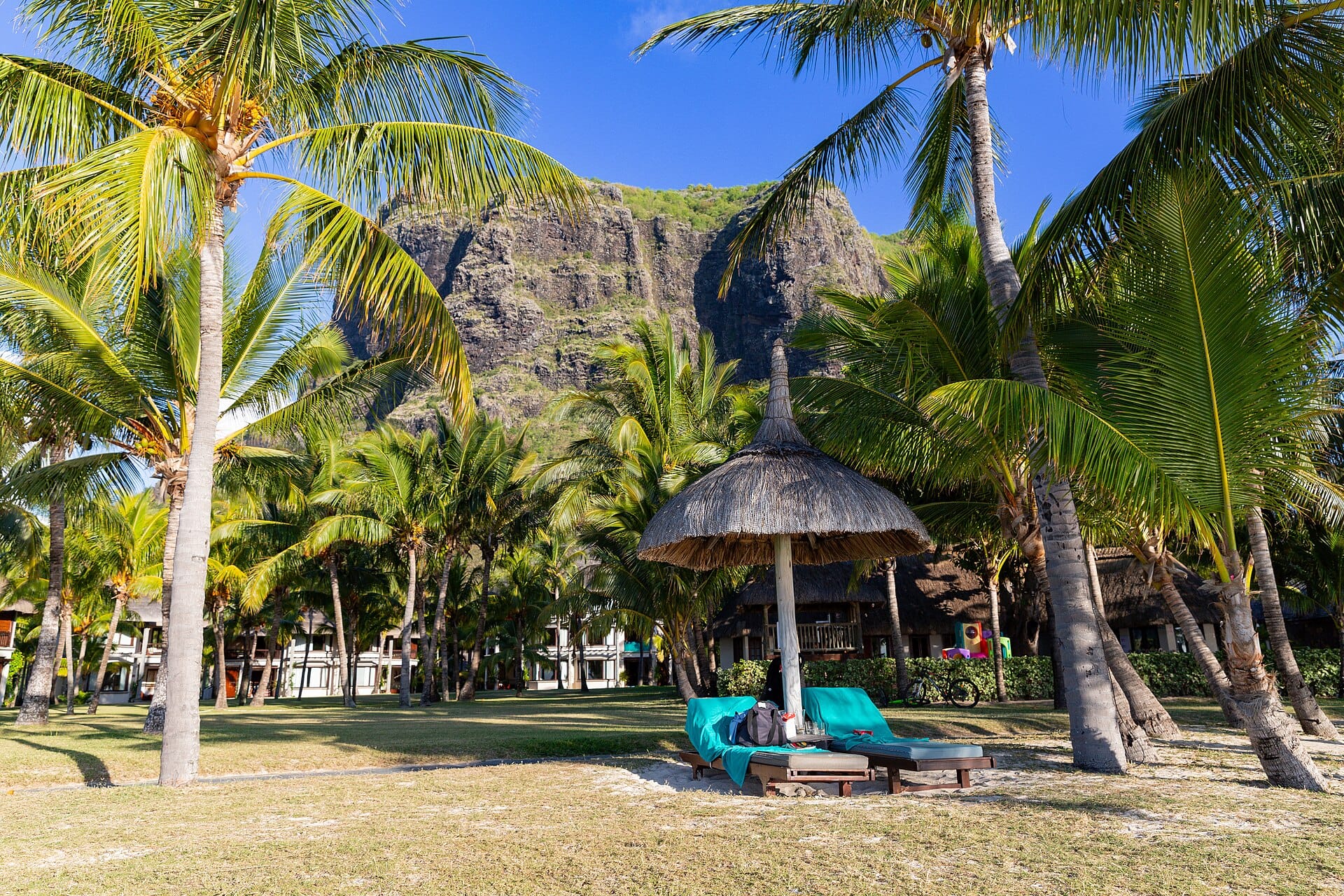
A coral reef rings almost the whole coastline of Mauritius, turning open ocean into calm, shallow lagoons that make swimming and watersports easy nearly everywhere you stay. Inland, the volcanic interior holds tea plantations, waterfalls and dramatic peaks, chief among them the near-vertical bulk of Le Morne. The population's mix of Indian, Chinese, French and African heritage shows up most clearly at the table, with curries, noodles and Creole dishes sharing menus without any sense of contradiction.
A week to ten days suits most visitors, split between beach time and inland excursions to markets, waterfalls or a hike up Le Morne at dawn. The east and north coasts have the calmest lagoons; the west, near Le Morne, draws kitesurfers to stronger winds. May to December is cooler, drier and outside cyclone season, with June and July offering the best value before the December peak.
- Ideal stay
- A week to ten days
- The vibe
- Reef-fringed, layered, unhurried
From our guides
Mauritius is the honeymoon island for couples who get restless on a sun lounger. The reef-ringed lagoon handles the swimming; inland there are tea estates, waterfalls, Creole markets and the brooding bulk of Le Morne to hike at dawn. Food is the sleeper hit — Indian, Chinese, French and African on one menu. Resorts discount heavily in May and June: cooler, drier, cyclone-free and noticeably cheaper than Christmas.
Featured in Ten tropical islands that live up to the postcard and Ten dreamy honeymoon islands worth the long flight
Things to do
-
Le Morne Brabant
A dramatic basalt peak on the south west coast, a UNESCO World Heritage site linked to the history of escaped slaves who once hid there.
-
Black River Gorges National Park
The island's largest area of native forest, with hiking trails, waterfalls and views over the south west coast.
-
Chamarel's coloured earths
A small area of naturally striped volcanic soil in shades of red, brown and purple, near a well-known waterfall of the same name.
-
Port Louis Central Market
A busy covered market in the capital selling spices, produce and street food, with the city's colonial architecture around it.
-
Île aux Cerfs
A small offshore island reached by boat from the east coast, popular for its beaches, golf course and watersports.
-
Grand Baie
A lively north coast town with beaches, restaurants and boat trips out to nearby islets, busier and more social than the resort belt further south.
Getting there
-
Fly to
Plaine Magnien (MRU)
Nearest airport to Mauritius, about 21km away as the crow flies.
-
Then
To Flic en Flac
About an hour by taxi or hotel transfer from Sir Seewoosagur Ramgoolam (MRU) in the south-east across to the west coast; the north coast resorts are closer to an hour and a quarter.
-
On the ground
Getting around
Resorts sit directly on the lagoon, and a hire car or a driver for the day gets you to Le Morne, the tea estates and Chamarel; the coast road is slow but straightforward.
Public transport: Cheap buses link the main towns and a light-rail line serves Port Louis and Curepipe, but services are slow and finish early.
Flights
Los Angeles Mauritius
Fly from anywhere — search 4,000+ airports worldwide.
Roughly 22h 35m in the air from Los Angeles (LAX), estimated from the distance — check for a direct route. Pick a month to see every available flight with live prices.
Check dates and prices
Pick your departure date, then your return.
Search flightsNot sure when? Compare fares across a whole month.
Flight times are estimates; prices open on Google Flights.
When to go
Daytime highs run from about 26°C in July to 30°C in December. Driest June to September; wettest in January, with rain on about 22 days. The sea is warmest in January at around 29°C, coolest at 25°C.
The year at a glance — pick a month for detail
October28° · rain 9 days · sea 25°Warm with rain most weeks.
Monthly figures averaged from daily records for 2015–2024 at Flic en Flac (ERA5 reanalysis). Highlighted months are warm and mostly dry — June to September. Live conditions from MET Norway, CC BY 4.0.
Where to stay
Beach resorts of every grade, many all-inclusive, plus a growing supply of guesthouses and self-catering apartments a street back from the sand. Boutique hotels are still few.
-
Best base overall
Flic en Flac
The west coast's long, calm lagoon beach with the widest choice of hotels, restaurants and dive shops. It is developed and the main road runs behind the sand, so quiet it is not.
Find stays in Flic en Flac -
Best with children
Trou aux Biches and Grand Baie
The north has shallow, sheltered water, family resorts, supermarkets and boat trips. Grand Baie itself is busy and touristy, so Trou aux Biches suits younger families better.
Find stays in Trou aux Biches and Grand Baie -
Best for couples
Le Morne and the south-west
The most dramatic setting on the island, under the mountain, with kite surfing and grand resorts. It is isolated, so you are dining where you sleep most nights.
Find stays in Le Morne and the south-west -
Quietest
Belle Mare and the east coast
Long empty beaches and spaced-out resorts, with the calmest mornings and the strongest afternoon trade winds. Furthest from the airport-side attractions and the nightlife.
Find stays in Belle Mare and the east coast
Worth knowing before you book: Cyclone season runs roughly January to March and cover is worth checking, while resort rates drop noticeably in May and June before the July school-holiday rise.
Search everything else in Flic en Flac by budget. These are indicative budget bands in GBP per night for two people, not live quotes or guarantees of hotel type. Check your dates, guests, taxes and final price on Booking.com.
Good to know
- Timing
- May to December is cooler, drier and outside cyclone season; June and July often bring the best prices before the December peak.
- Getting around
- Buses reach most of the island cheaply, but a hire car or driver gives far more flexibility for inland day trips.
- Watersports
- The reef-protected lagoons make this a good spot to learn to sail, kayak or snorkel, even for complete beginners.
- Kitesurfing
- The south west coast near Le Morne has some of the most reliable wind in the Indian Ocean, drawing kitesurfers from June to September.
- Food
- Street food stalls and market halls serve some of the best value meals; dholl puri, a spiced flatbread, is worth seeking out.
Similar places
Nearby destinations
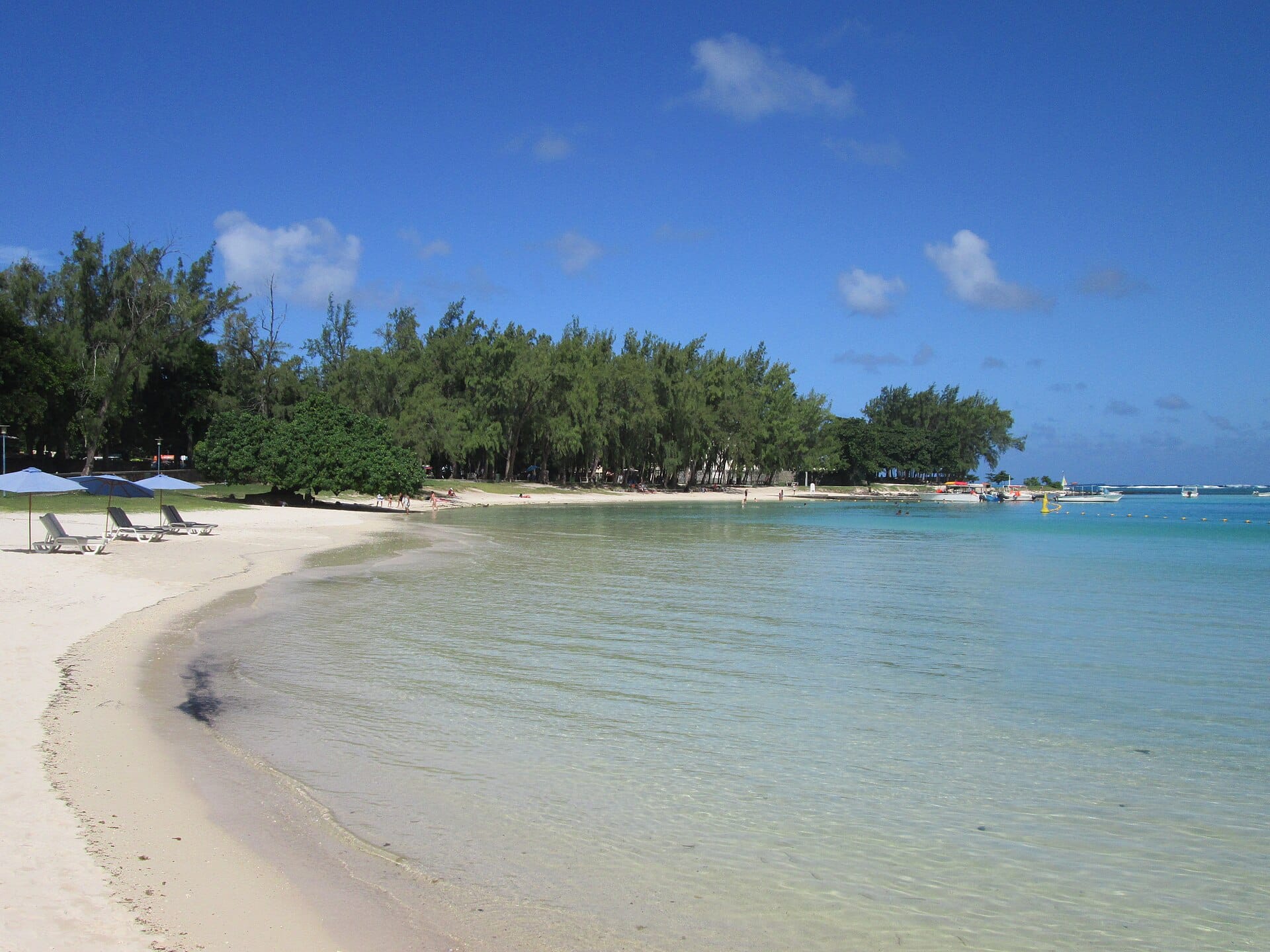
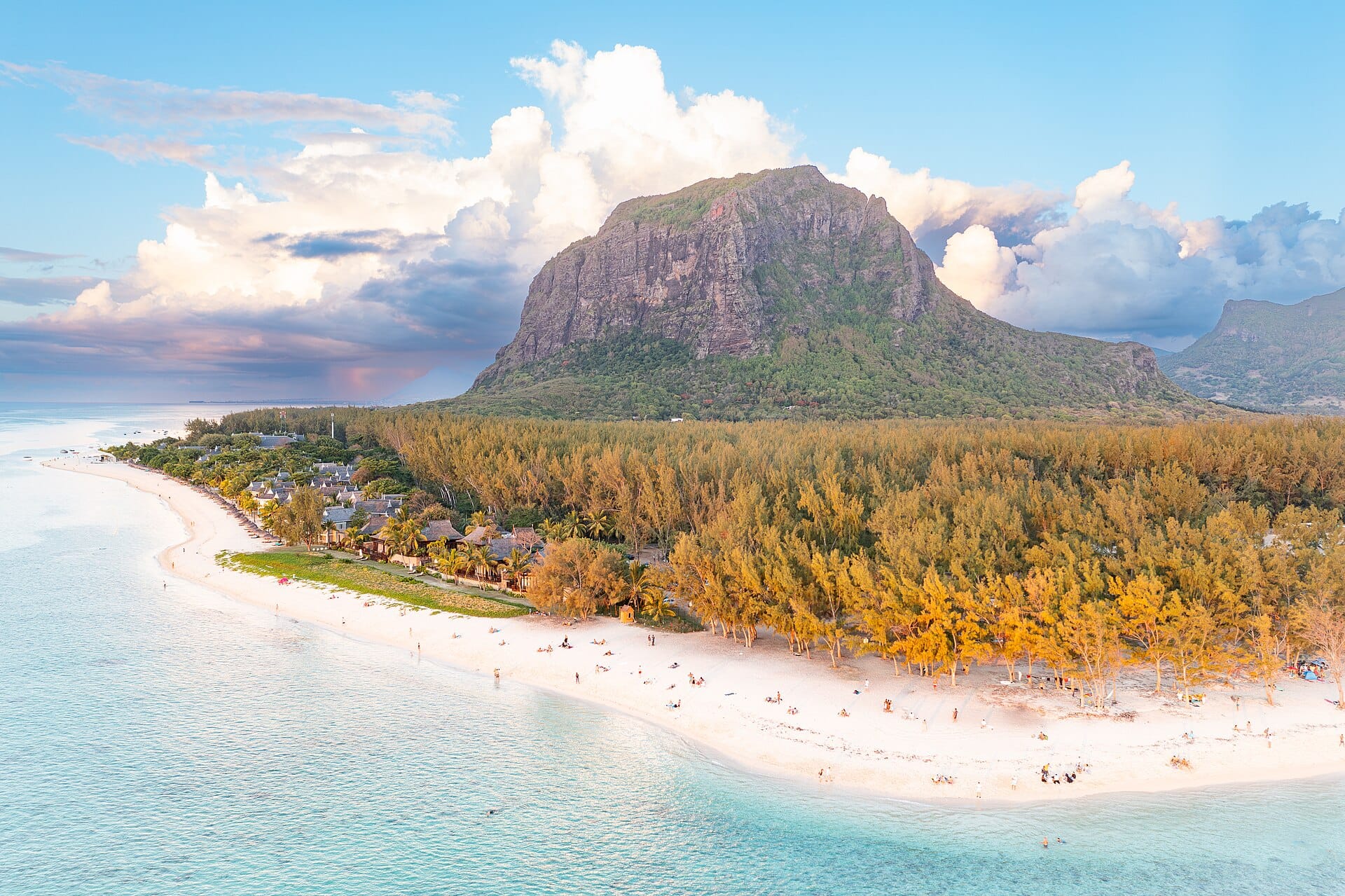
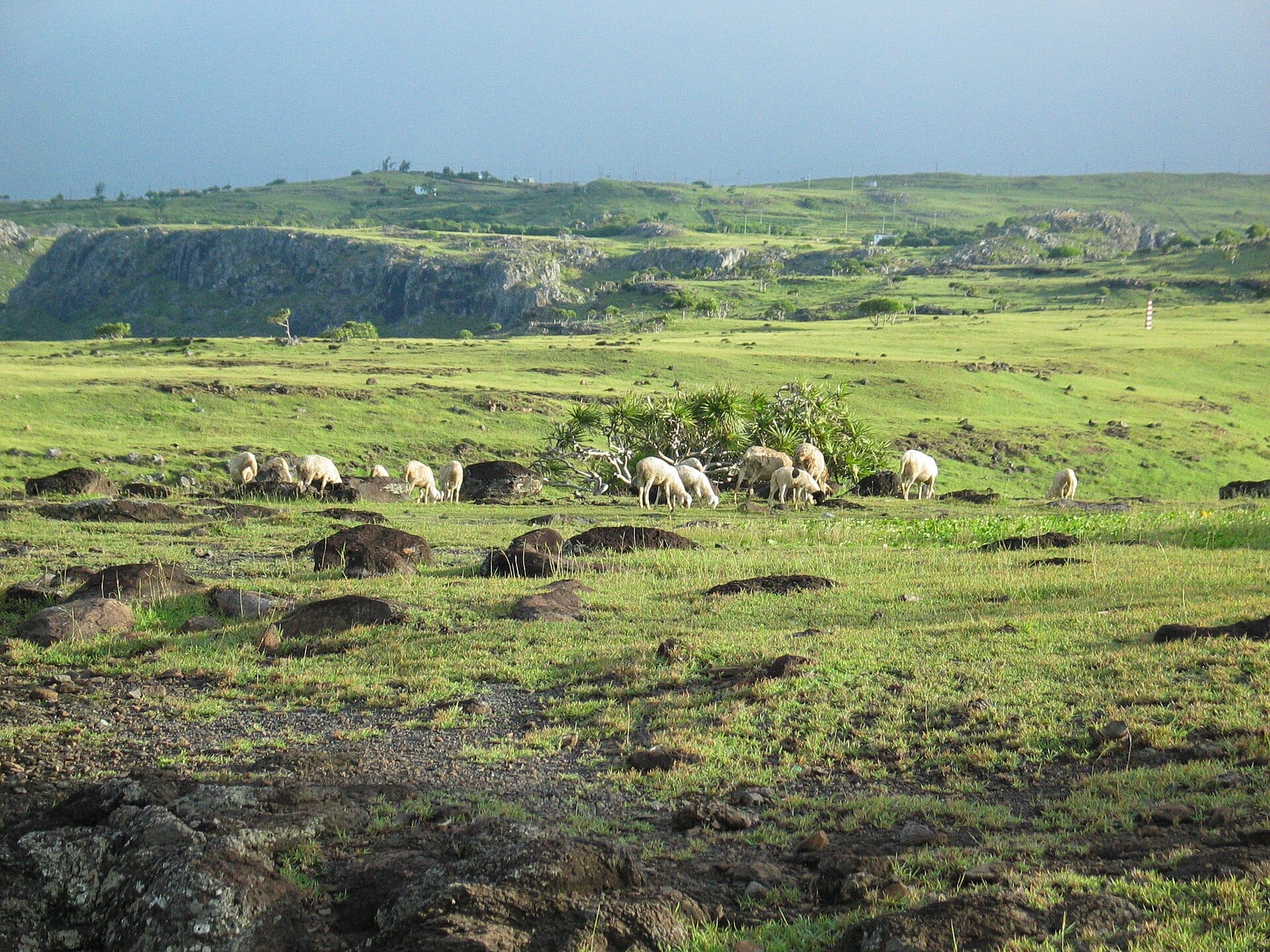
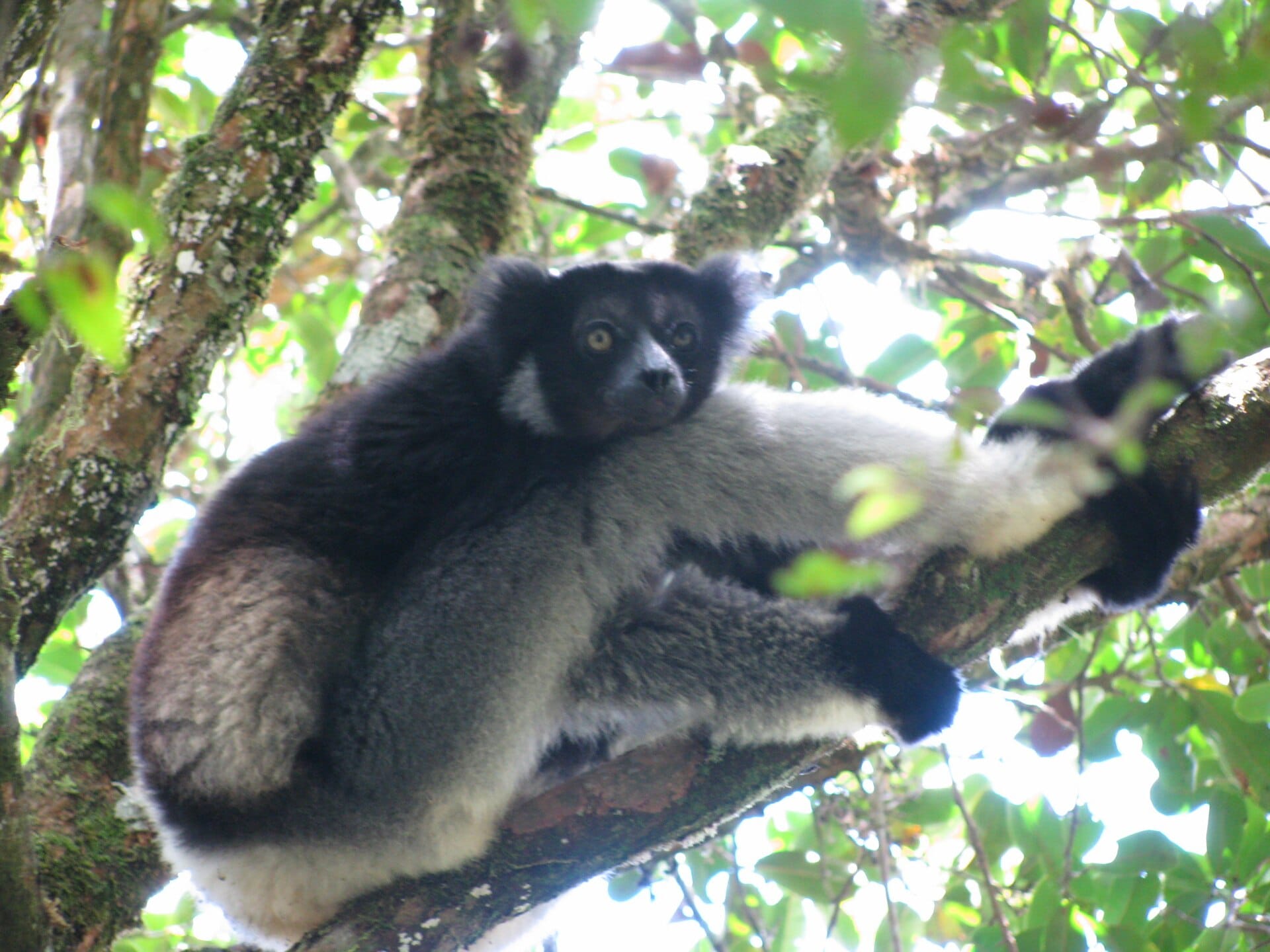
Related articles
Quick answers
When is the best time to visit Mauritius?
For warm, mostly dry days, June to September. That means highs of 20–34°C with rain on six days a month or fewer. Daytime highs run from about 26°C in July to 30°C in December. Driest June to September; wettest in January, with rain on about 22 days. The sea is warmest in January at around 29°C, coolest at 25°C.
How long should I spend in Mauritius?
Our suggestion: a week to ten days.
How do I get to Mauritius?
About an hour by taxi or hotel transfer from Sir Seewoosagur Ramgoolam (MRU) in the south-east across to the west coast; the north coast resorts are closer to an hour and a quarter.
Do I need a car in Mauritius?
Yes, a car makes a real difference here. Cheap buses link the main towns and a light-rail line serves Port Louis and Curepipe, but services are slow and finish early.
What currency and language are used in Mauritius?
Currency: Mauritian rupee (MUR). Language: English, French and Mauritian Creole. Plugs: type C and G.
Who is Mauritius best for?
Best for honeymooners, beach lovers and foodies. In a phrase: reef-fringed, layered, unhurried.