
Mallorca
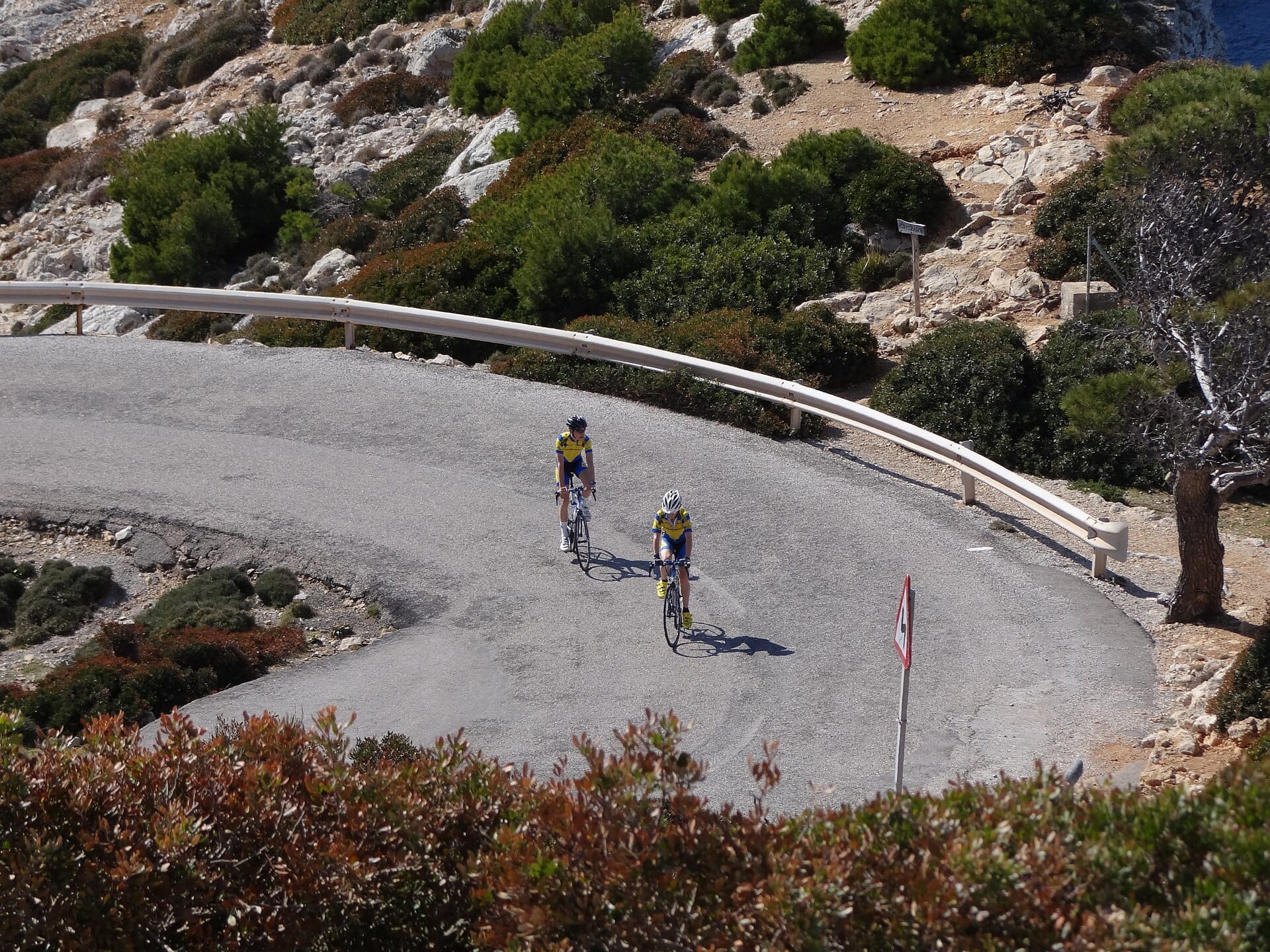
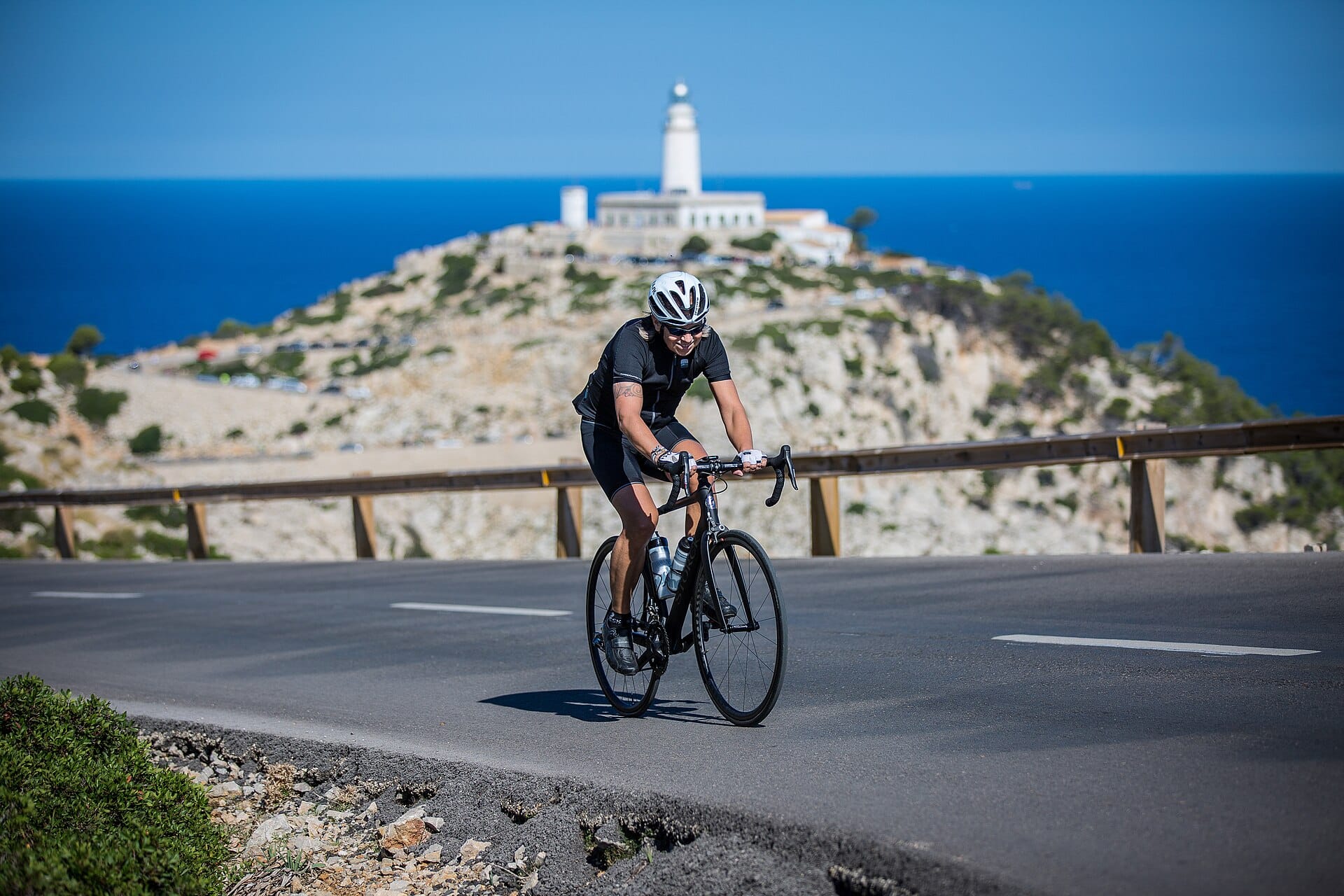
Yes, Mallorca is where the professionals train, but the island quietly caters to everyone else too: flat almond-blossom plains around Es Pla, the easy old-railway run out to Artà, and quiet coastal spins from Pollença for those leaving the Sa Calobra hairpins to the masochists.
- Best forWalkers & hikers · Adventure seekers · Road-trippers
- In January14°C · 6 rainy days
- Ideal stayA week
- Approx. flying time~12h 20m from Los Angeles
- CurrencyEUREuro
- LanguageSpanish
- Local time12:151h ahead of the UK
- PlugsType C / FBring an adapter
- Drive on theRightOpposite to the UK
- Dialling code+34
Why go
Mallorca built its reputation on cycling, and the island earns it: quiet lanes through almond orchards, a flat plain around Es Pla for easy miles, and the Serra de Tramuntana mountains for those chasing gradient, including the famous switchbacks of the Sa Calobra descent. Away from the bike, the island has a walkable old town in Palma, dramatic limestone coastline and beaches that range from packed resort strips to coves reached only on foot.
Spring, when almond blossom covers the plain, and autumn are the island's best months for cycling and walking; summer belongs to beach holidays and the roads get busy and hot. A week gives time to ride, explore Palma's old town and still reach the calmer coves of the north east or south west. Non-cyclists have just as much to do, from hiking the Tramuntana to sailing out of Port de Sóller.
- Ideal stay
- A week
- The vibe
- Sunny, mountainous, energetic
From our guides
Rental fleets here are the best in Europe. Come in March, April or October — summer is for beaches, not saddles — and build every route around a mid-ride café stop, as the locals do.
Featured in Ten cycling holidays for completely normal legs
Things to do
-
Sa Calobra descent
A hairpin road dropping steeply from the mountains to a cove, popular with cyclists and drivers alike despite, or because of, its difficulty.
-
Palma old town and cathedral
La Seu cathedral dominates the seafront, with a warren of old streets, courtyards and tapas bars behind it.
-
Serra de Tramuntana
A UNESCO-listed mountain range with terraced olive groves, stone villages and some of the island's best walking and cycling routes.
-
Port de Sóller
A horseshoe harbour reached by a vintage wooden tram from Sóller town, with calm swimming and a promenade of seafood restaurants.
-
Cala Mondragó
A protected natural park on the south east coast with pine-backed sand and clear, shallow water, quieter than the big resorts.
-
Es Pla almond orchards
The flat interior plain turns white with almond blossom in late January and February, and offers the island's easiest cycling miles.
Getting there
-
Fly to
Palma de Mallorca (PMI)
Nearest airport to Mallorca, about 14km away as the crow flies.
-
Then
To Palma
Palma (PMI) is about 15 to 20 minutes by taxi or bus into the city, and under an hour by road to Pollenca or the Es Pla villages.
-
On the ground
Getting around
Cyclists ride out directly from Palma, Pollenca or Alcudia, and rental shops will deliver bikes to your hotel; a car helps if you are moving base between coasts.
Public transport: Better than most islands: trains and buses link Palma with Inca, Soller and the main resorts, and bikes travel on some services.
Flights
Los Angeles Mallorca, Spain
Fly from anywhere — search 4,000+ airports worldwide.
Roughly 12h 20m in the air from Los Angeles (LAX), estimated from the distance — check for a direct route. Pick a month to see every available flight with live prices.
Check dates and prices
Pick your departure date, then your return.
Search flightsNot sure when? Compare fares across a whole month.
Flight times are estimates; prices open on Google Flights.
When to go
Daytime highs run from about 14°C in January to 32°C in July. Driest in July; wettest in November, with rain on about 9 days.
The year at a glance — pick a month for detail
January14° · rain 6 daysCool with the odd shower.
Monthly figures averaged from daily records for 2020–2024 at this location (ERA5 reanalysis). Highlighted months are warm and mostly dry — June to August and October. Live conditions from MET Norway, CC BY 4.0.
Where to stay
Everything from big beach hotels and apartments to agroturismo farmhouses and adults-only boutiques in Palma. Cycle-specific hotels with secure storage are a genuine category here.
-
Best base overall
Palma and Santa Catalina
Flights, trains, bike hire and the best food are all here, and the flat Es Pla rides start from the door. You are a drive from the mountain roads, which suits mixed-interest trips.
Find stays in Palma and Santa Catalina -
Best value
Port de Pollenca
The winter and spring cycling capital, with bike-friendly hotels, workshops and the Formentor climb on the doorstep. Out of season it can feel half-shut, and in August it turns family-resort.
Find stays in Port de Pollenca -
Best for couples
Soller and Port de Soller
Set among orange groves under the Tramuntana, with the vintage tram down to the bay. Every road out is a climb, and the tunnel toll or the Coll adds time to every journey.
Find stays in Soller and Port de Soller -
Best with children
Alcudia
The long shallow bay is the safest paddling on the island, backed by a walled old town. It is the busiest family strip in summer, so book a place set back from the beach road.
Find stays in Alcudia
Worth knowing before you book: Bike-friendly hotels in the north fill from February to May with training camps, and many island hotels close from November to March altogether.
Search everything else in Palma by budget. These are indicative budget bands in GBP per night for two people, not live quotes or guarantees of hotel type. Check your dates, guests, taxes and final price on Booking.com.
Good to know
- Timing
- Spring and autumn suit cycling and walking best; the roads are cooler and quieter than during the crowded summer beach season.
- Getting there
- Palma airport connects to most of Europe with short flight times, making Mallorca an easy long weekend as well as a full week's holiday.
- Cycling
- Bike hire is widely available and well set up for visiting cyclists, with routes graded for both fitness and confidence on descents.
- Driving
- Mountain roads are narrow with sharp bends; take the Sa Calobra hairpins slowly and expect to share the road with cyclists.
- Crowds
- The main resort strips get very busy in July and August; the north east coast and the Tramuntana villages stay calmer.
Nearby destinations
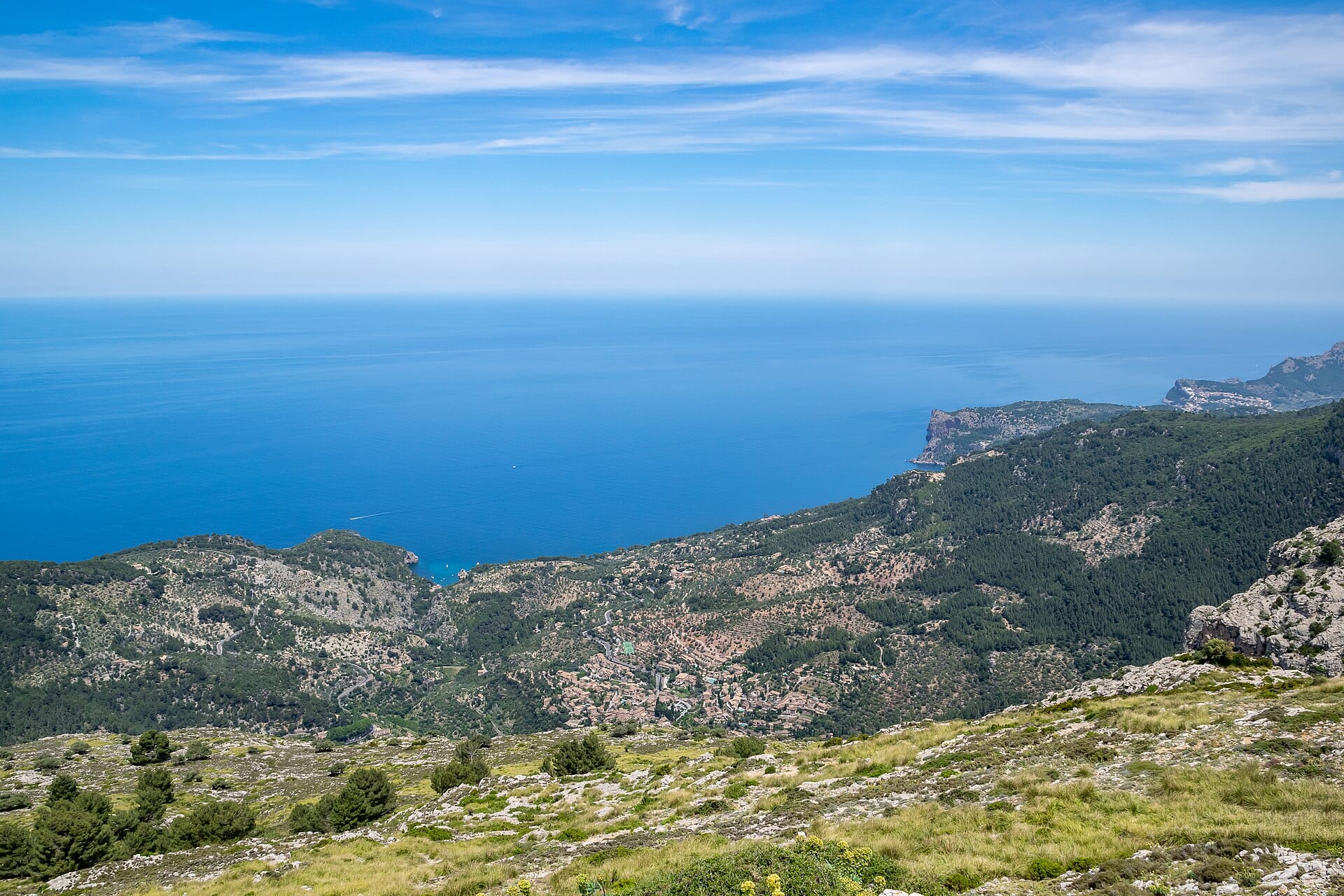
Deià
Mallorca, Spain · 16km away →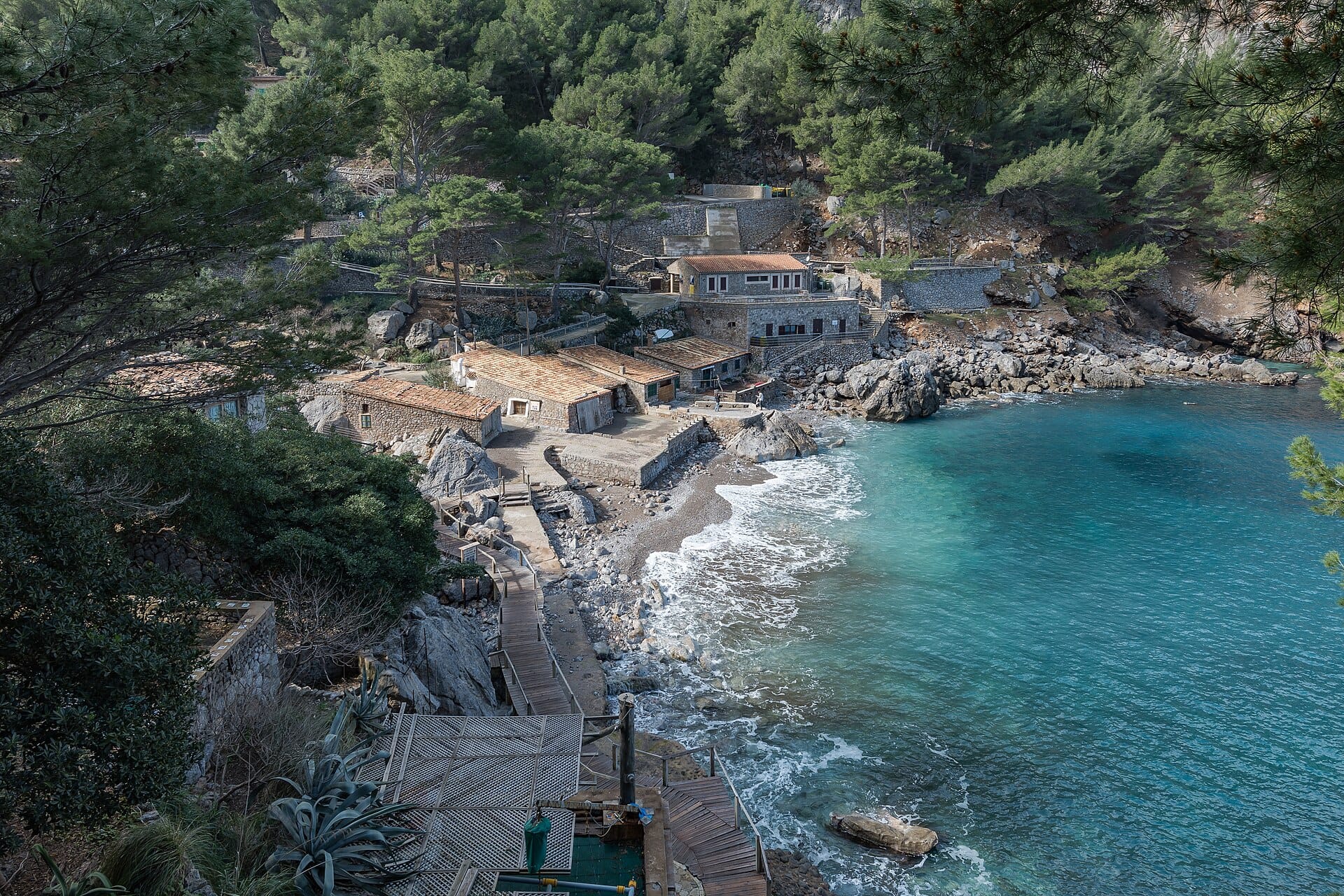
Sa Calobra
Mallorca, Spain · 17km away →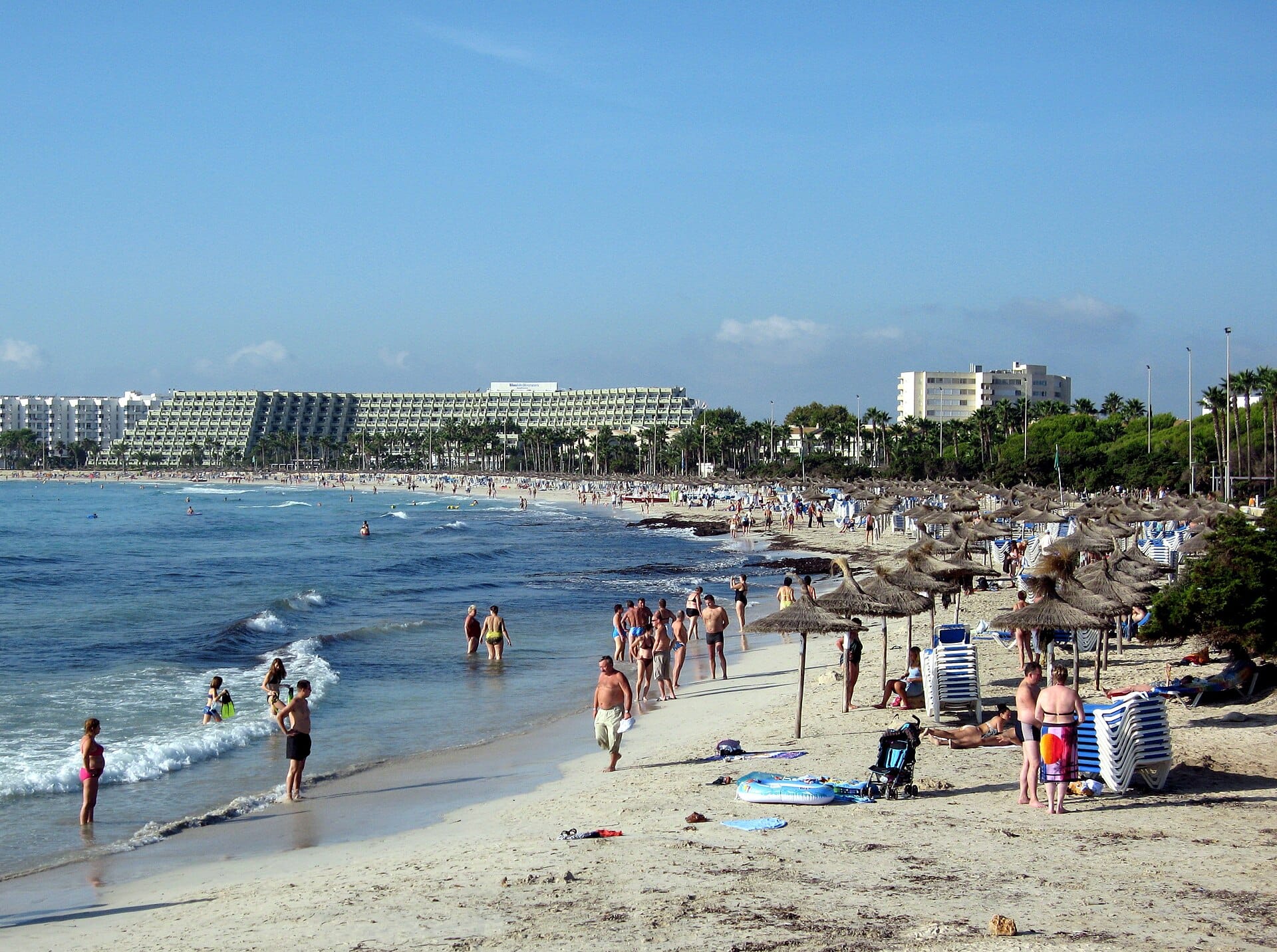
Sa Coma
Mallorca, Spain · 18km away →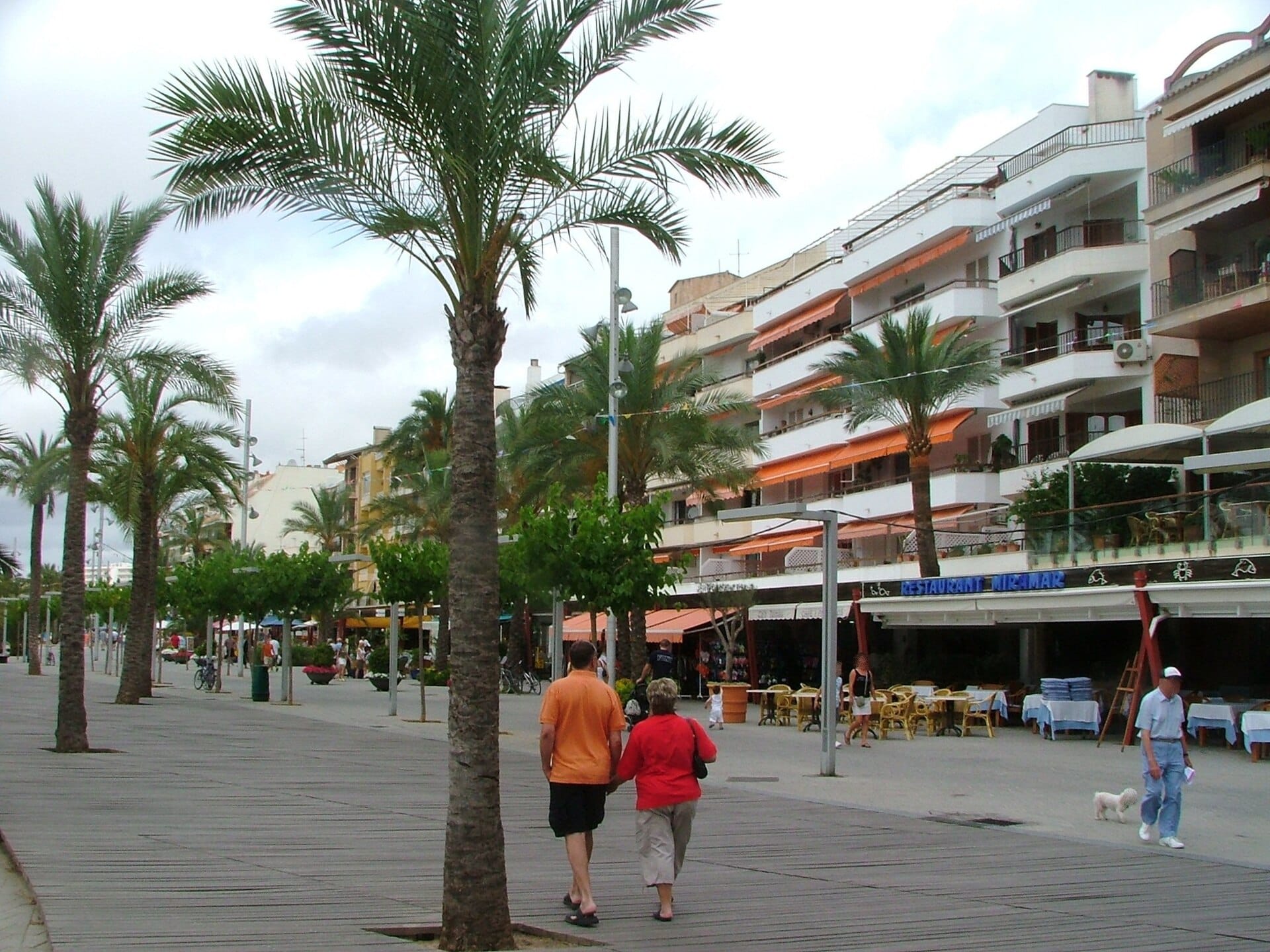
Alcúdia
Majorca, Spain · 34km away →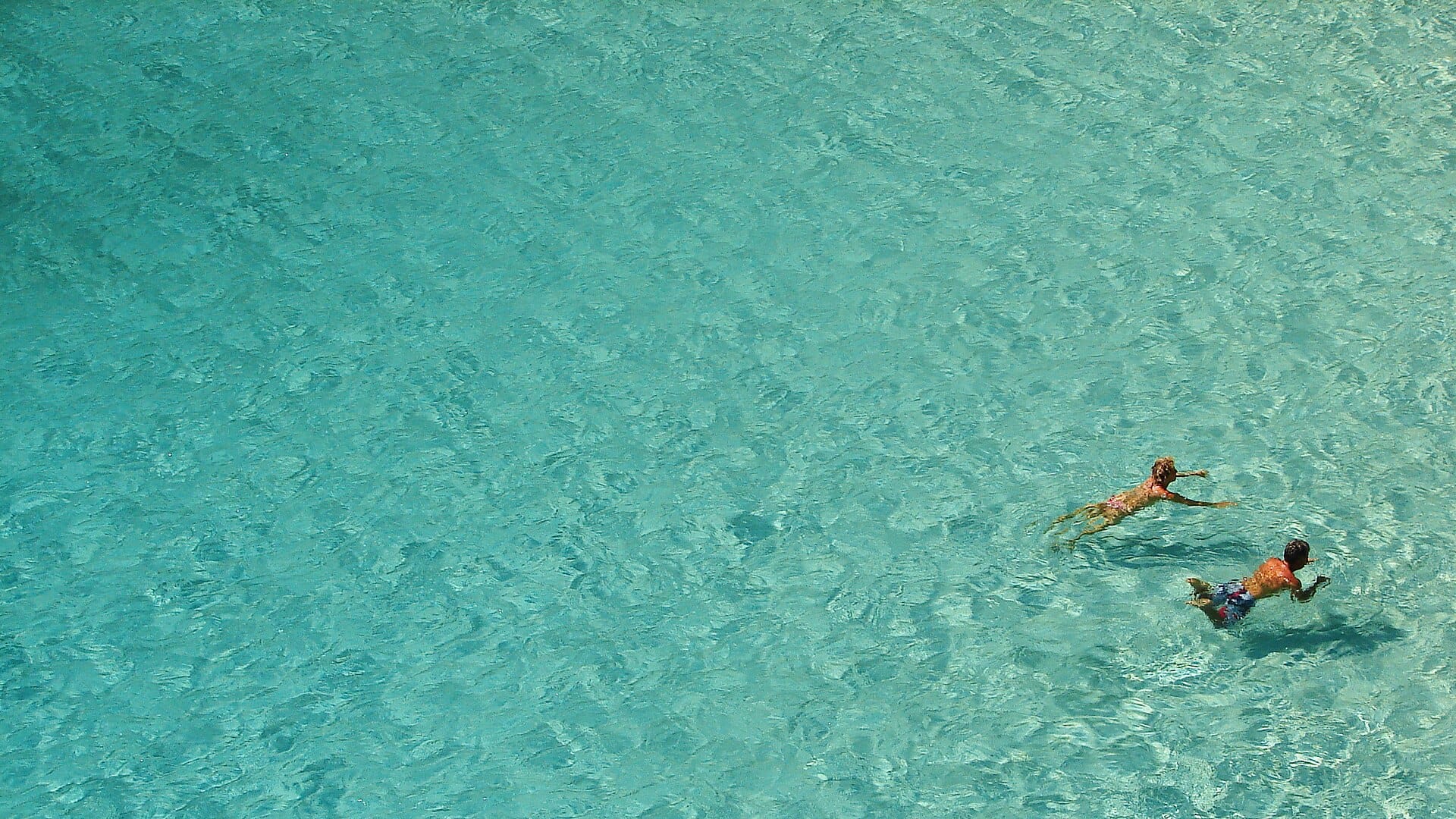
Cala Macarelleta
Menorca, Spain · 97km away →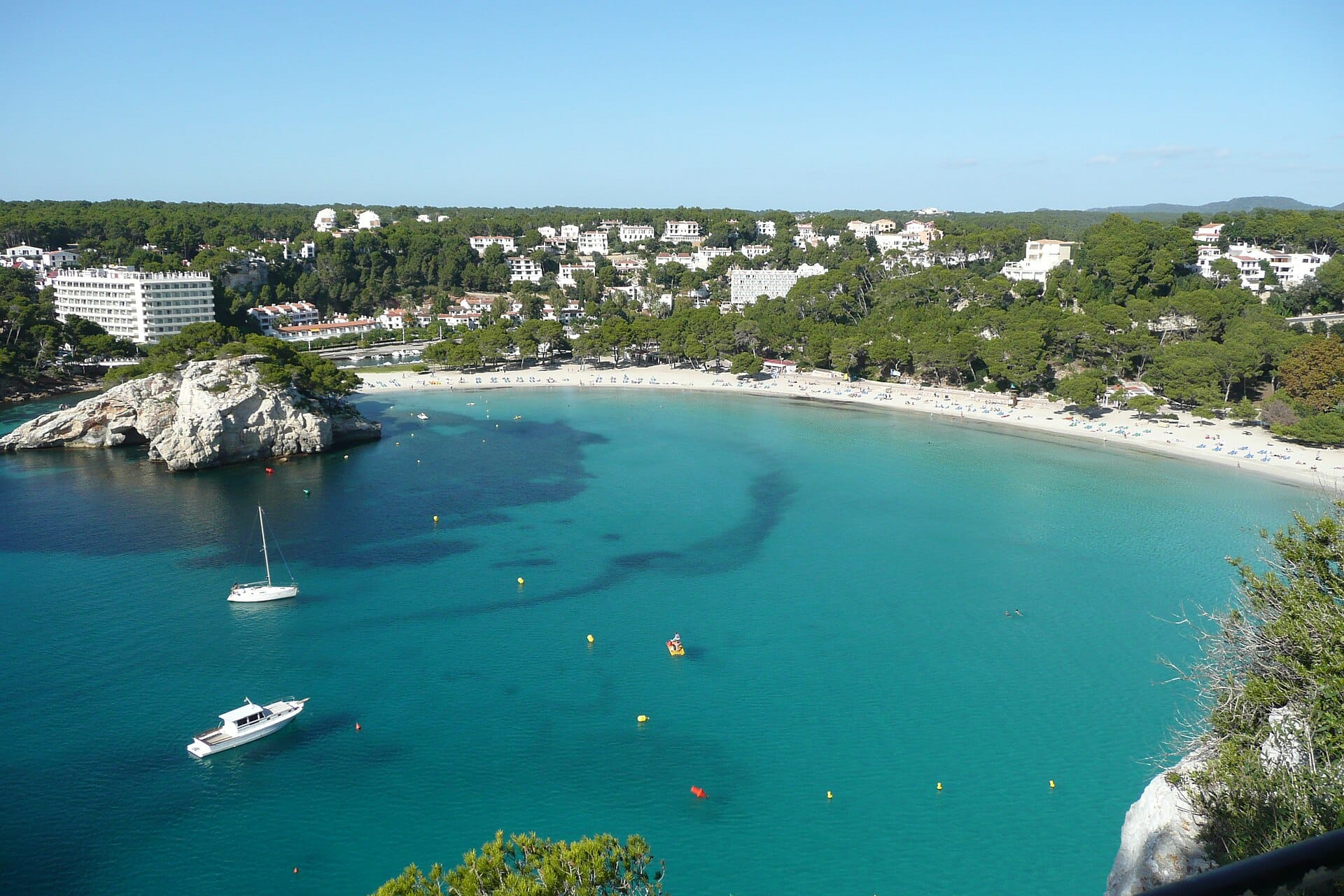
Menorca
Spain · 106km away →Elsewhere in Spain
Related articles
Quick answers
When is the best time to visit Mallorca?
For warm, mostly dry days, June to August and October. That means highs of 20–34°C with rain on six days a month or fewer. Daytime highs run from about 14°C in January to 32°C in July. Driest in July; wettest in November, with rain on about 9 days.
How long should I spend in Mallorca?
Our suggestion: a week.
How do I get to Mallorca?
Palma (PMI) is about 15 to 20 minutes by taxi or bus into the city, and under an hour by road to Pollenca or the Es Pla villages.
Do I need a car in Mallorca?
No. Better than most islands: trains and buses link Palma with Inca, Soller and the main resorts, and bikes travel on some services.
What currency and language are used in Mallorca?
Currency: Euro (EUR). Language: Spanish. Plugs: type C and F.
Who is Mallorca best for?
Best for walkers & hikers, adventure seekers and road-trippers. In a phrase: sunny, mountainous, energetic.